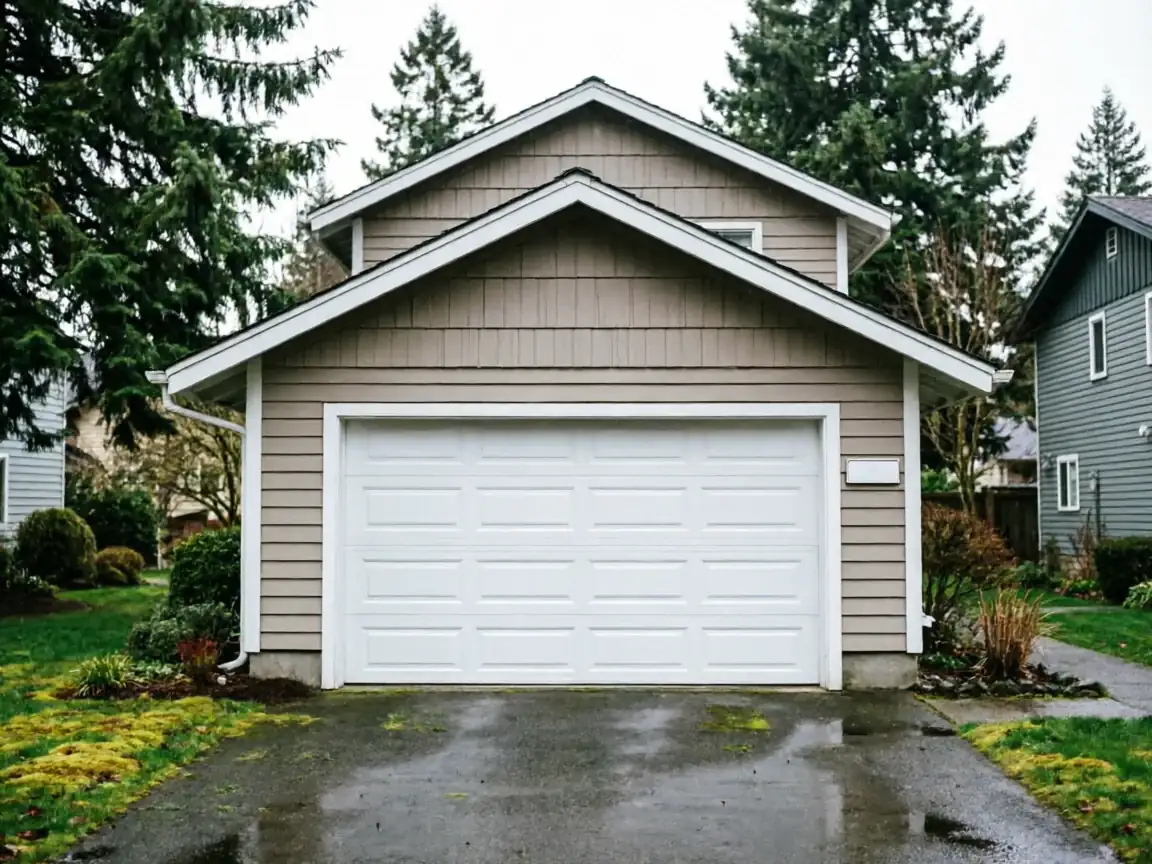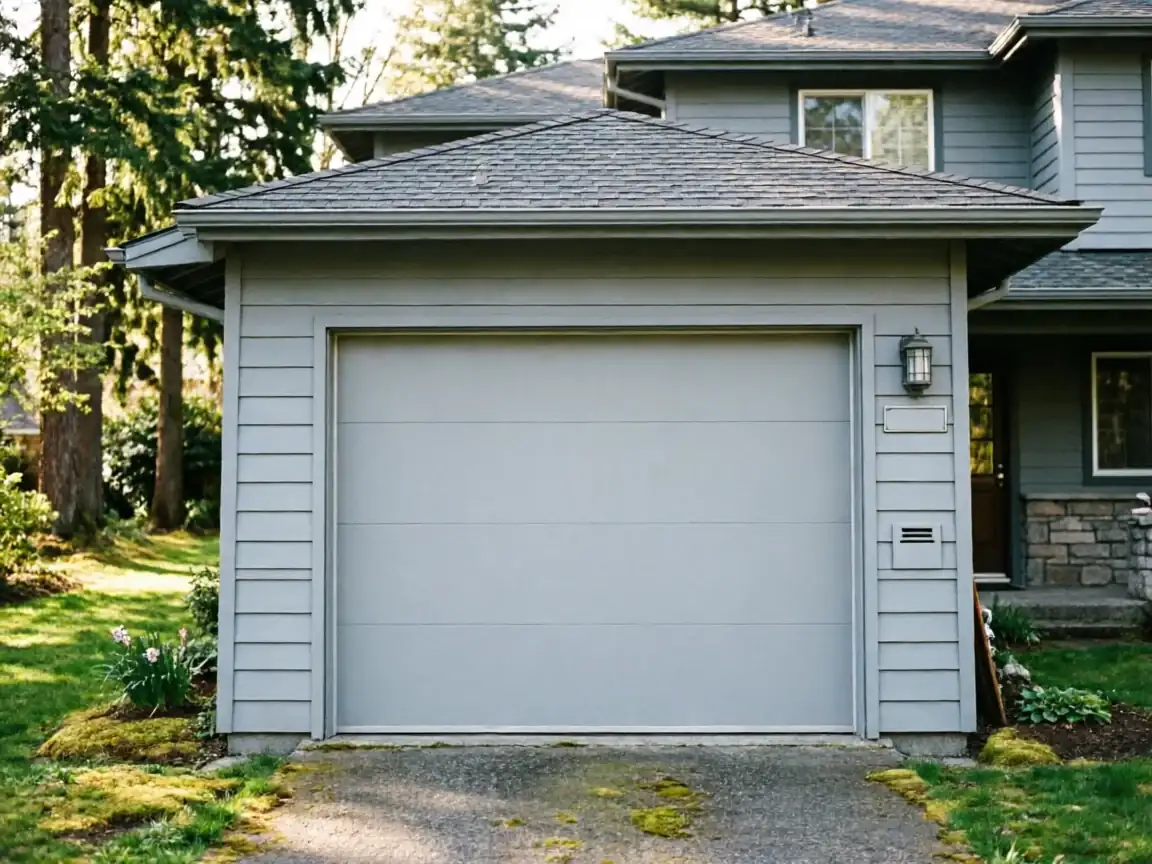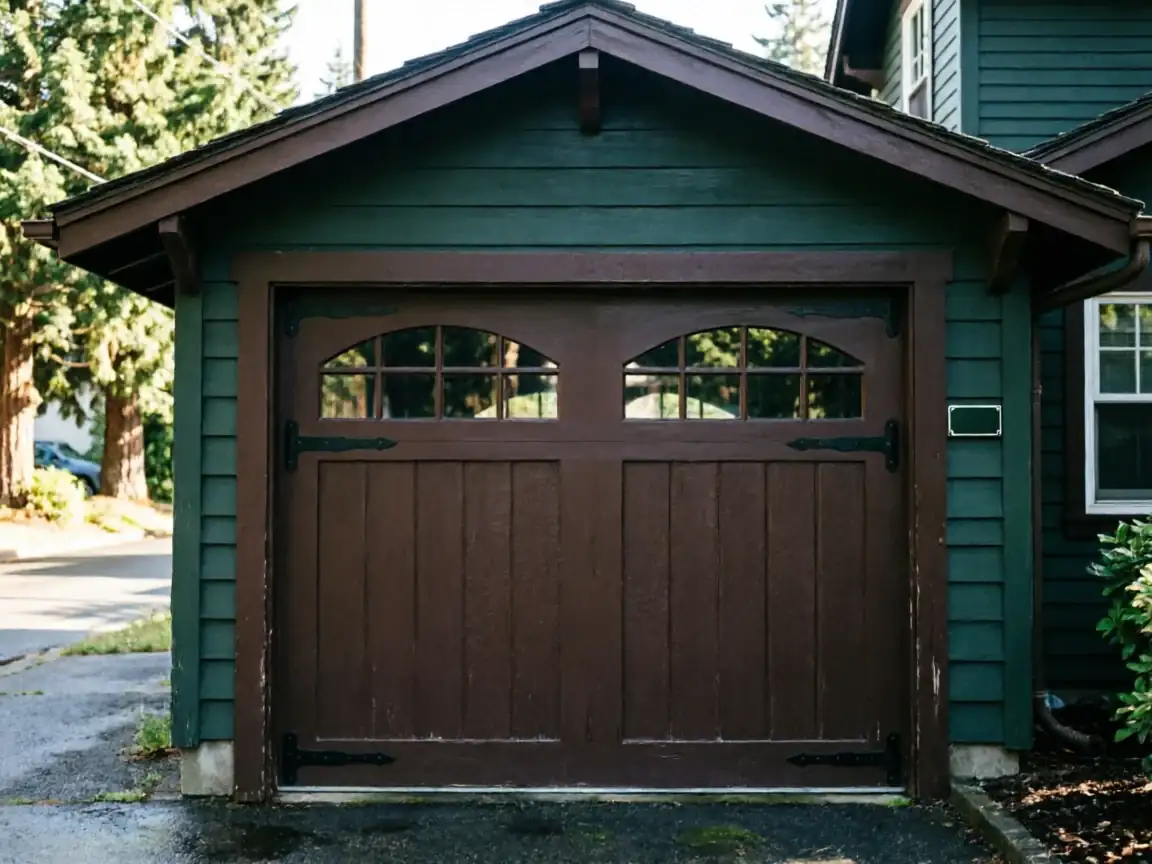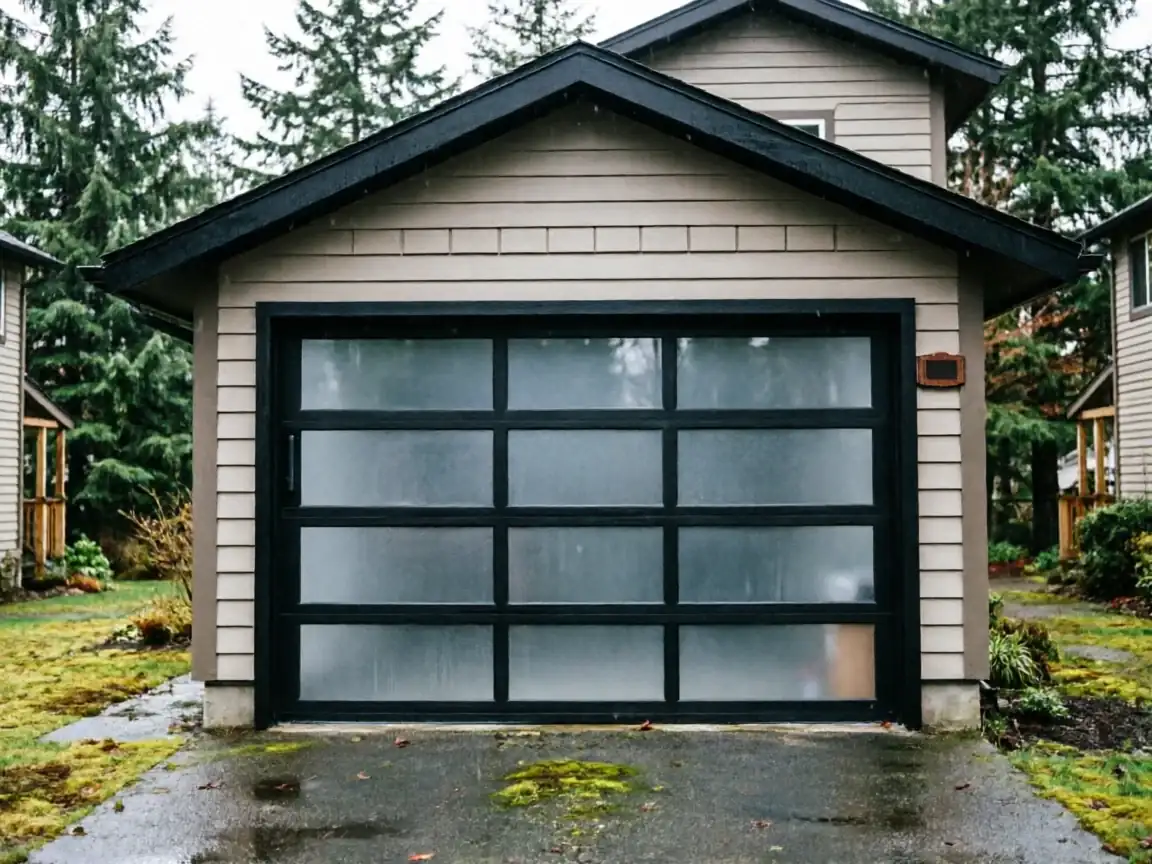
What You Are Seeing
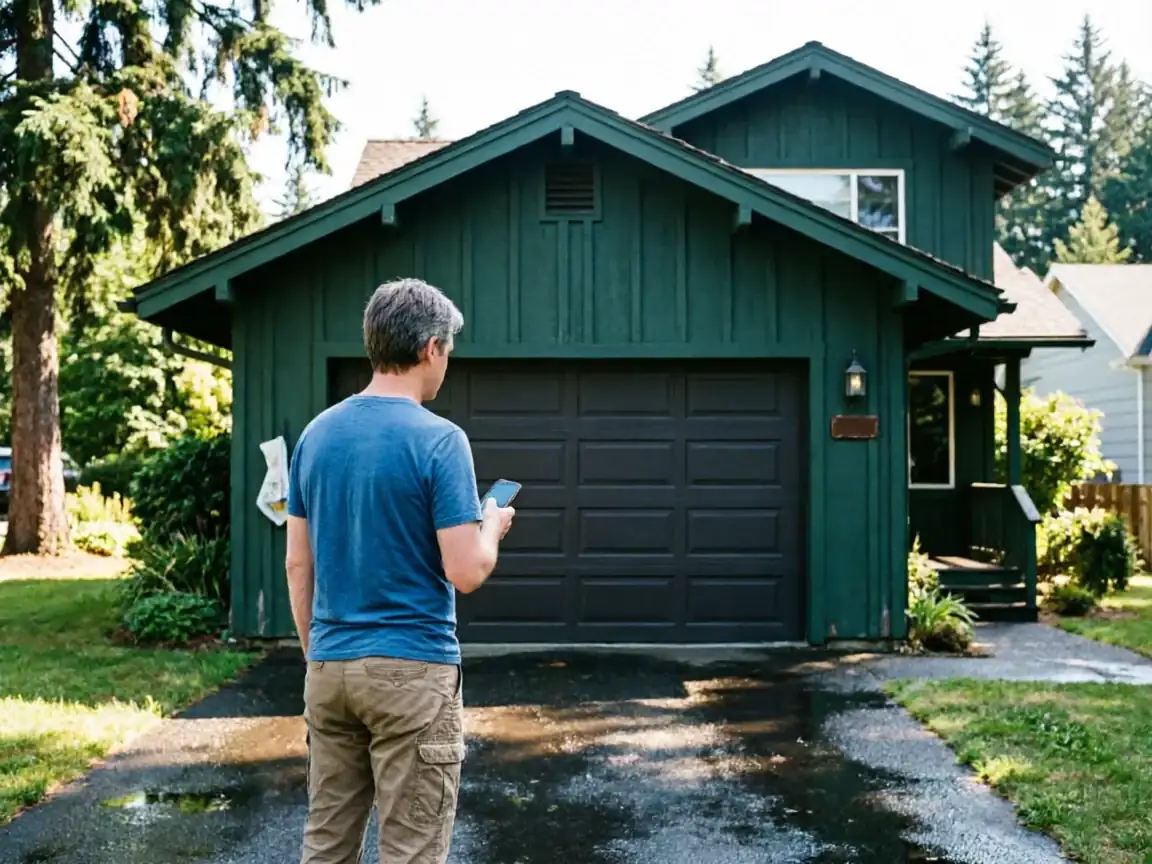
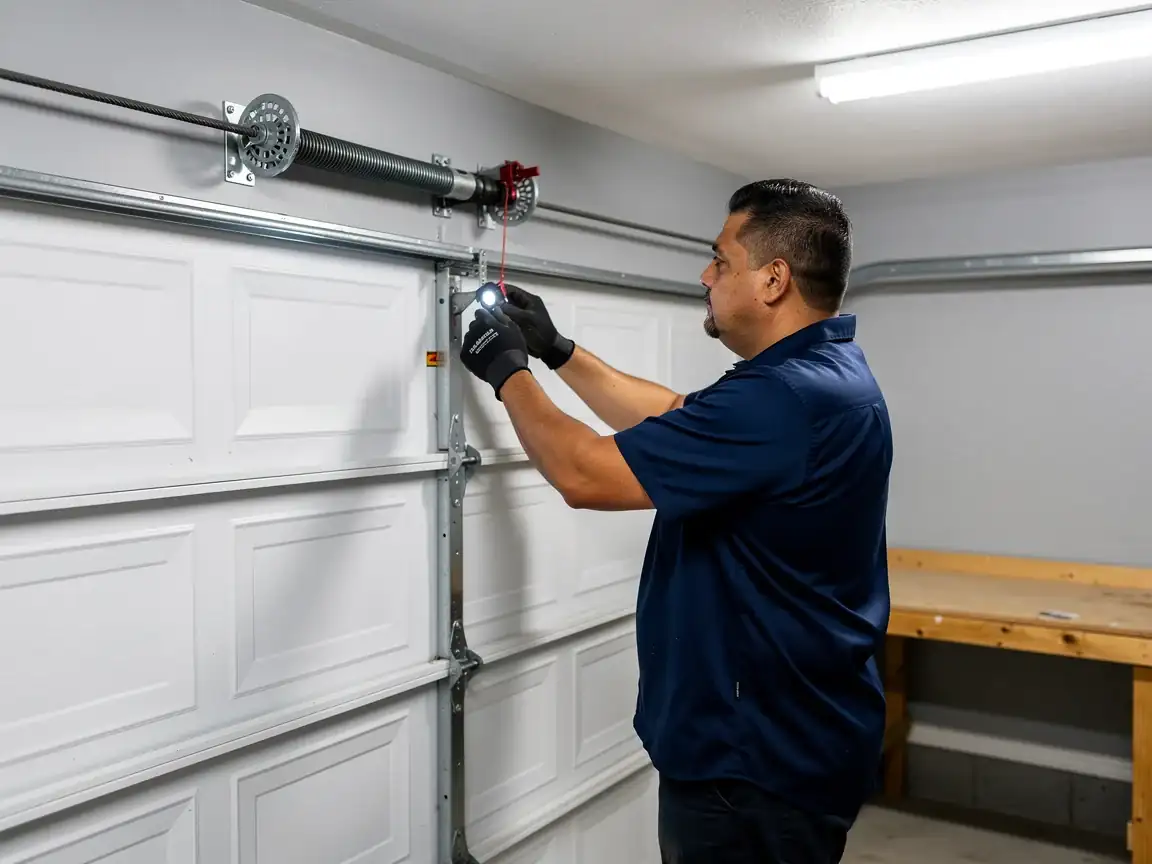
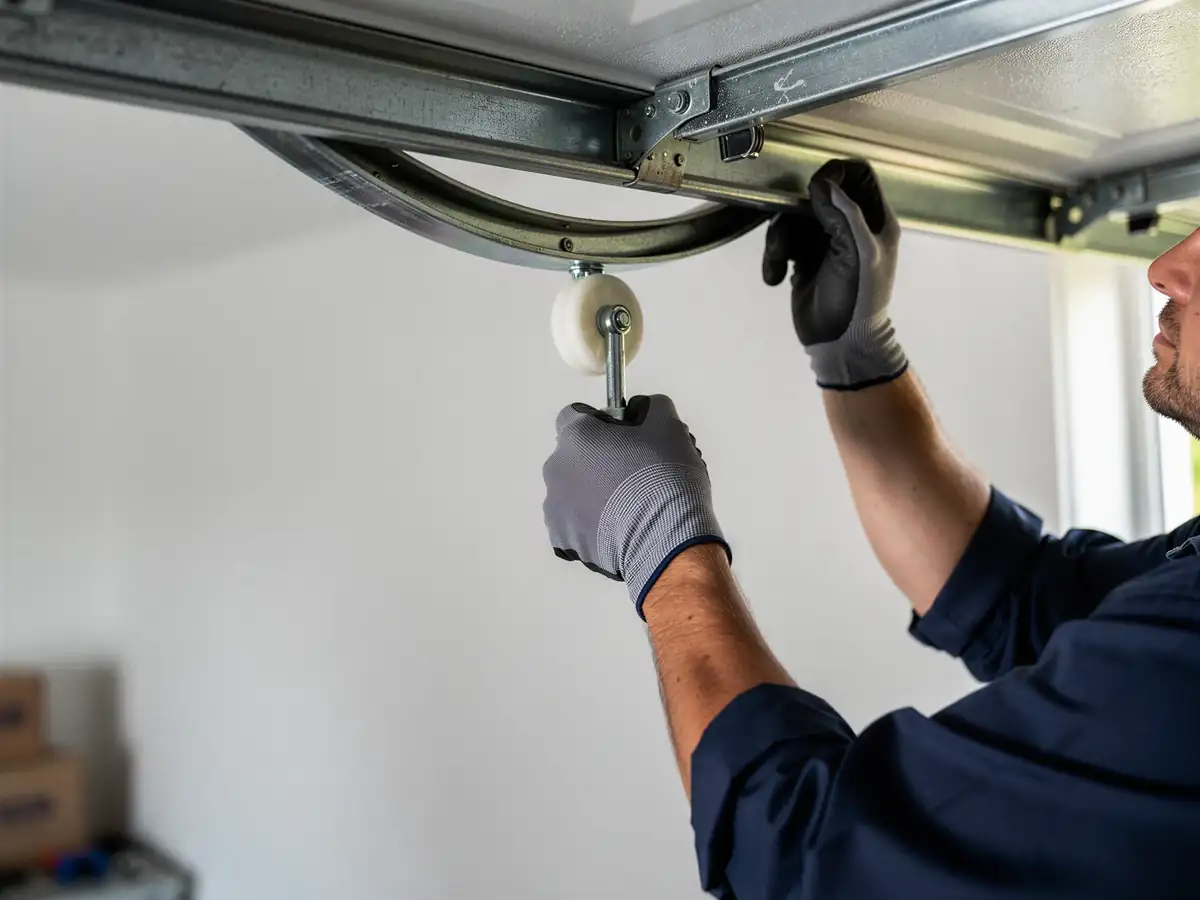
A door built around 1980 has usually had one roller set already, maybe two, by the time it's grinding or hopping in the track. The complaint is almost always the same: a rhythmic clunk as the door travels, or a door that jumps instead of gliding past the bend where the track turns vertical. On houses this age the steel rollers that shipped originally have usually been worn flat on one side for years before anyone calls, because a slow grind doesn't feel urgent until it does. Nylon replacements run quieter and don't need the lubrication steel rollers demand, which matters in this climate band where cold mornings make dry steel bearings seize before they wear through.
How Long It Takes
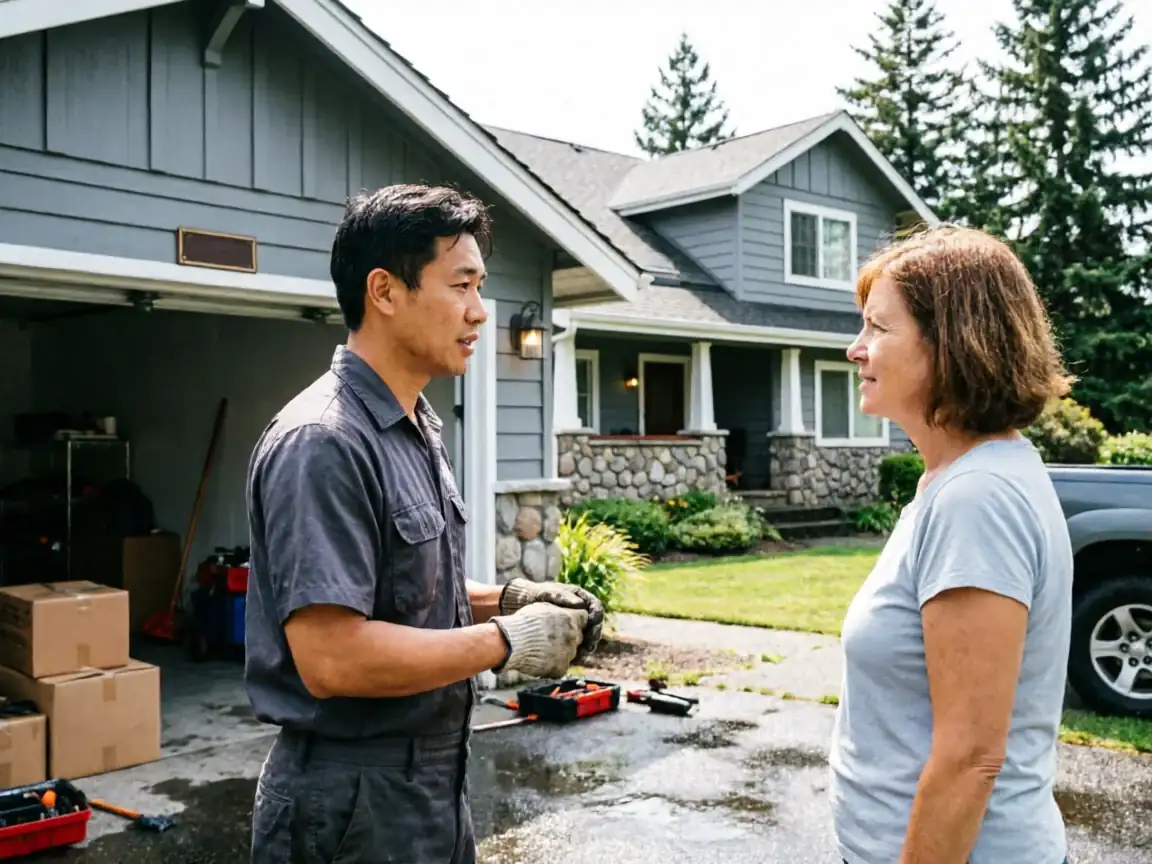
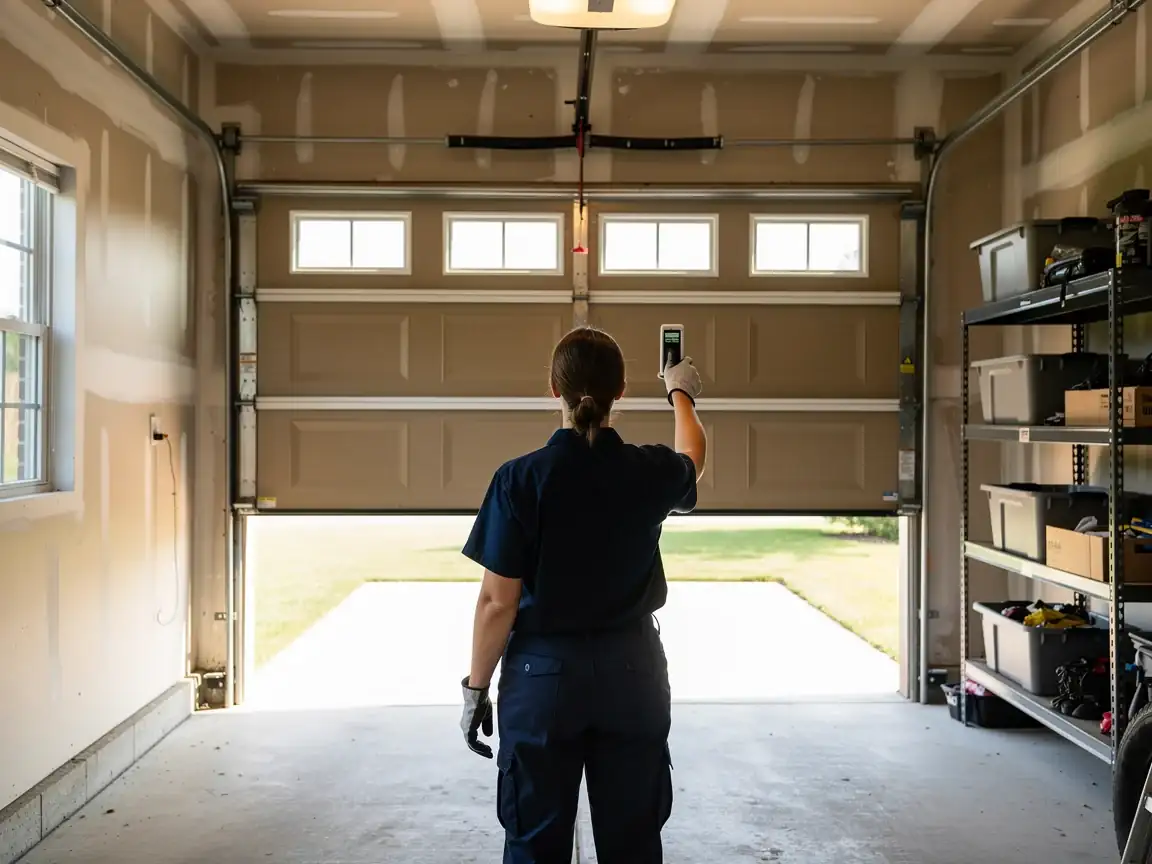
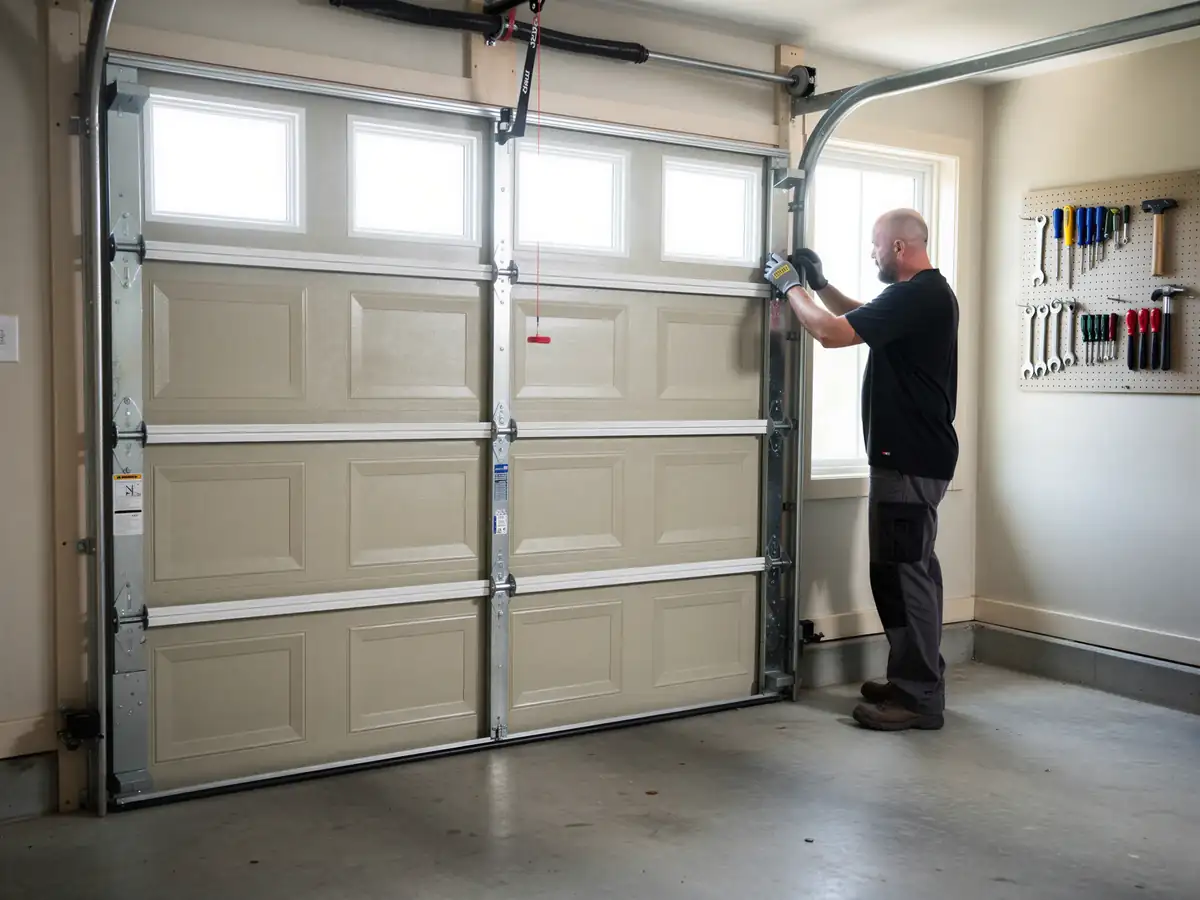
A full roller set, ten to twelve rollers depending on panel count, is usually under two hours once a tech is on site, track adjustment included. Doors with galvanized track bent from years of roller wear take longer, since the track itself may need straightening or swapping before new rollers run true in it. We're coming from Mill Creek, about 5 miles out, so plan on that drive time when you're scheduling rather than expecting a same-hour arrival.
Getting It Booked In
We quote roller jobs for Picnic Point the same way we do across the wider area: a quick description of the sound or the jump, maybe a photo of the track, and we can usually tell you on the phone whether it's rollers alone or rollers plus a track straightening. Given the housing age here, we often ask how long the clunk's been going on, since a roller that's been grinding for months has usually taken the track with it.
What the Repair Takes
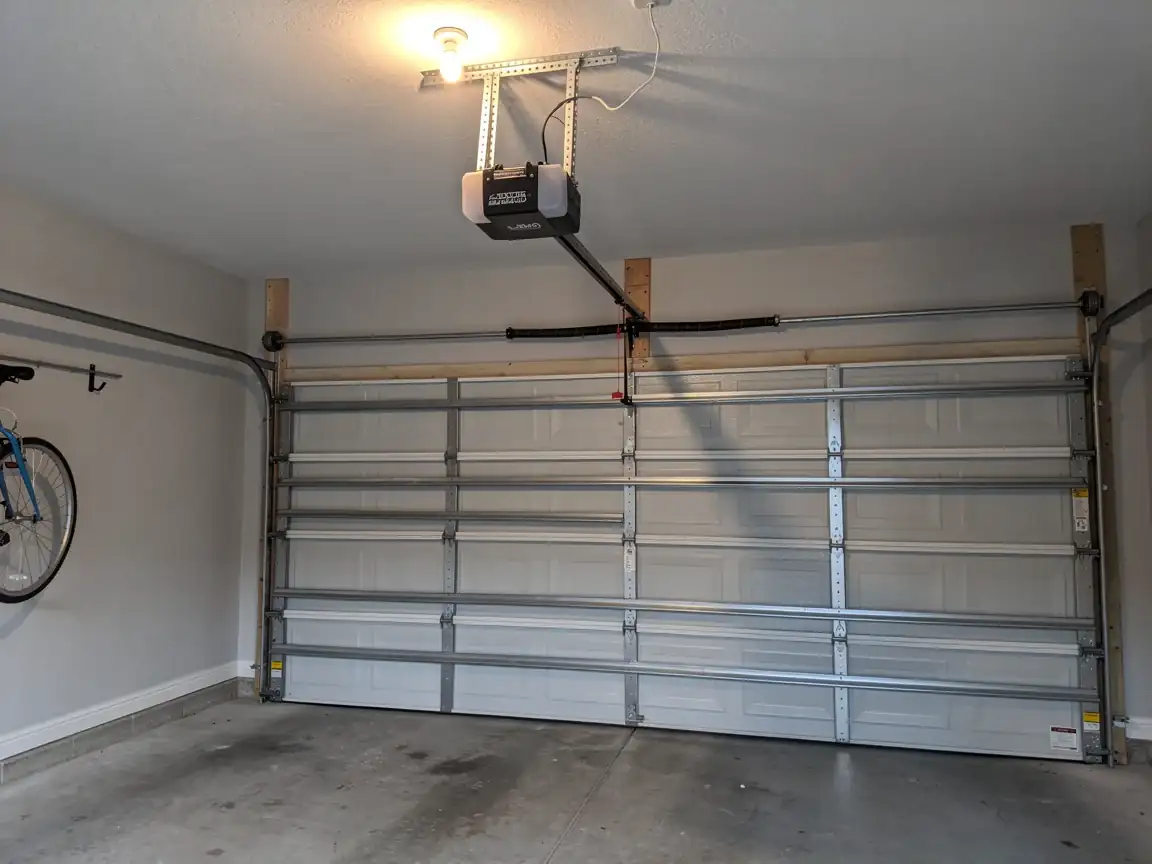
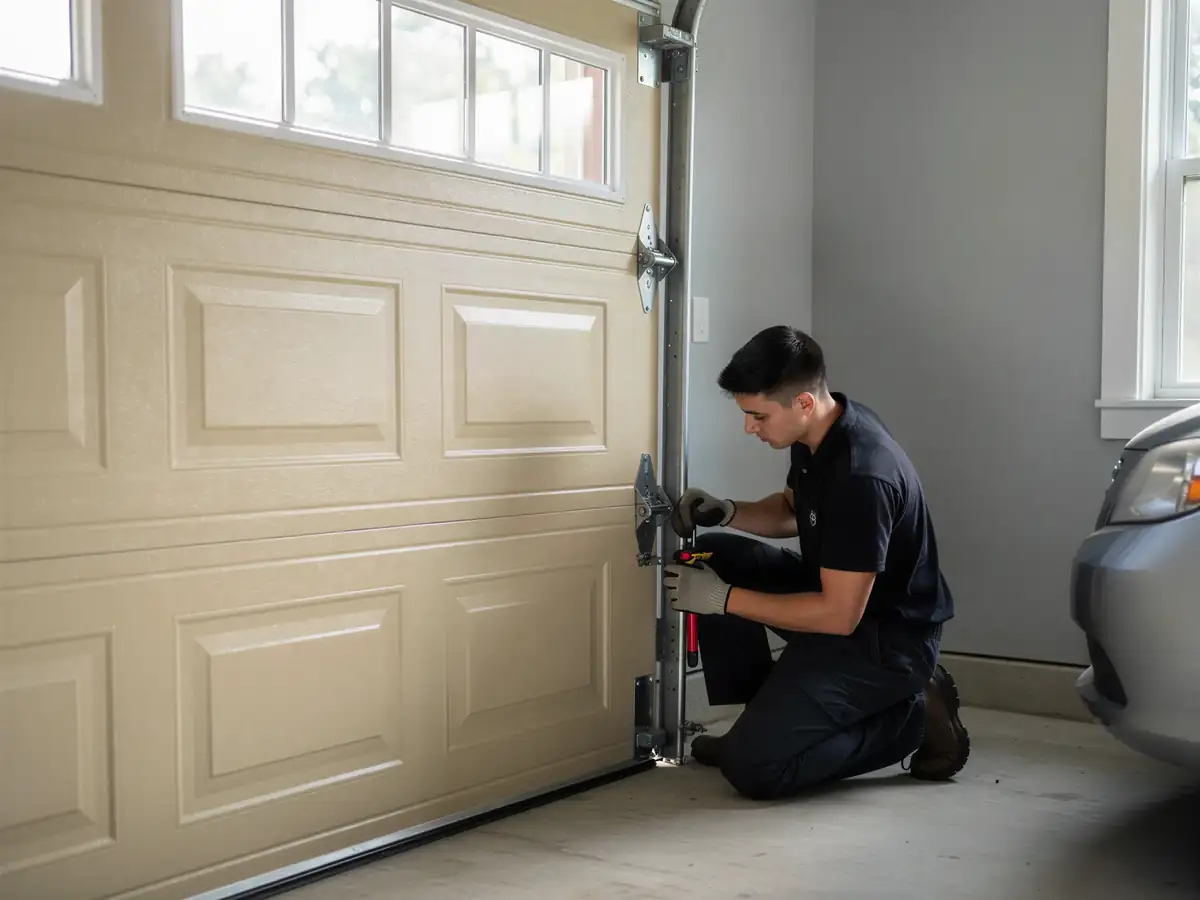
Full roller replacement on a standard double door runs ten to twelve rollers, new end bearings where the rollers seated loose, and a track check at the bend where wear shows first. On houses built close to 1980, as most of Picnic Point's are, we also check the horizontal track brackets for rust-through before closing the job out, since after four decades those brackets are as likely to be the actual weak point as the rollers were. With 53,676 owner-occupied houses across the service area built mostly in the 1980s and 90s, this combination of worn rollers and tired brackets is close to the standard call out here rather than the exception.