When We Can Get There
We run out of Mill Creek, about 10 miles west of Cottage Lake
That's not next door, but it's a drive we make regularly, not a special trip. We don't keep a depot or drop-off counter out this way, so what you get is a truck dispatched from Mill Creek with the parts loaded before it leaves, not a tech scrambling to find a torsion spring in the wrong size once he's already at your house.
- 10 miles
Because we're not based in Cottage Lake itself, we ask a few more questions on the phone than a local shop might
Door brand, approximate age, what it's doing when it fails. That lets us load the right spring size, the right cable gauge, the right opener logic board before the drive out, instead of making a second trip. It costs us a few extra minutes on the call. It saves you a second day without a working door.
We don't promise a same-hour window out here
That's not honest given the distance - but we do schedule real appointment blocks and we show up in them.
This Area's Housing
The median house in Cottage Lake went up around 1984. That's earlier than the 1989 median across our wider coverage area of 31 named communities, and the five-year gap matters more than it sounds. A door and opener installed in the early-to-mid 1980s is a different animal from one installed in 1990 or later - different spring winding standards, different opener drive types, different safety sensor requirements that got mandated mid-decade.
With roughly 7,876 households in this pocket, you've got a tighter, more consistent build era than some of our other areas where construction stretched clear to 2000. That consistency actually helps us: we see the same handful of door and track configurations over and over out here, which means we're not guessing when we quote a repair over the phone.
At a median household income of $197,331, we also see more owners choosing full replacement over a patch repair once a door's hardware starts failing piece by piece - the math works out that way when the original door is already pushing forty years old.
What That Means for Doors
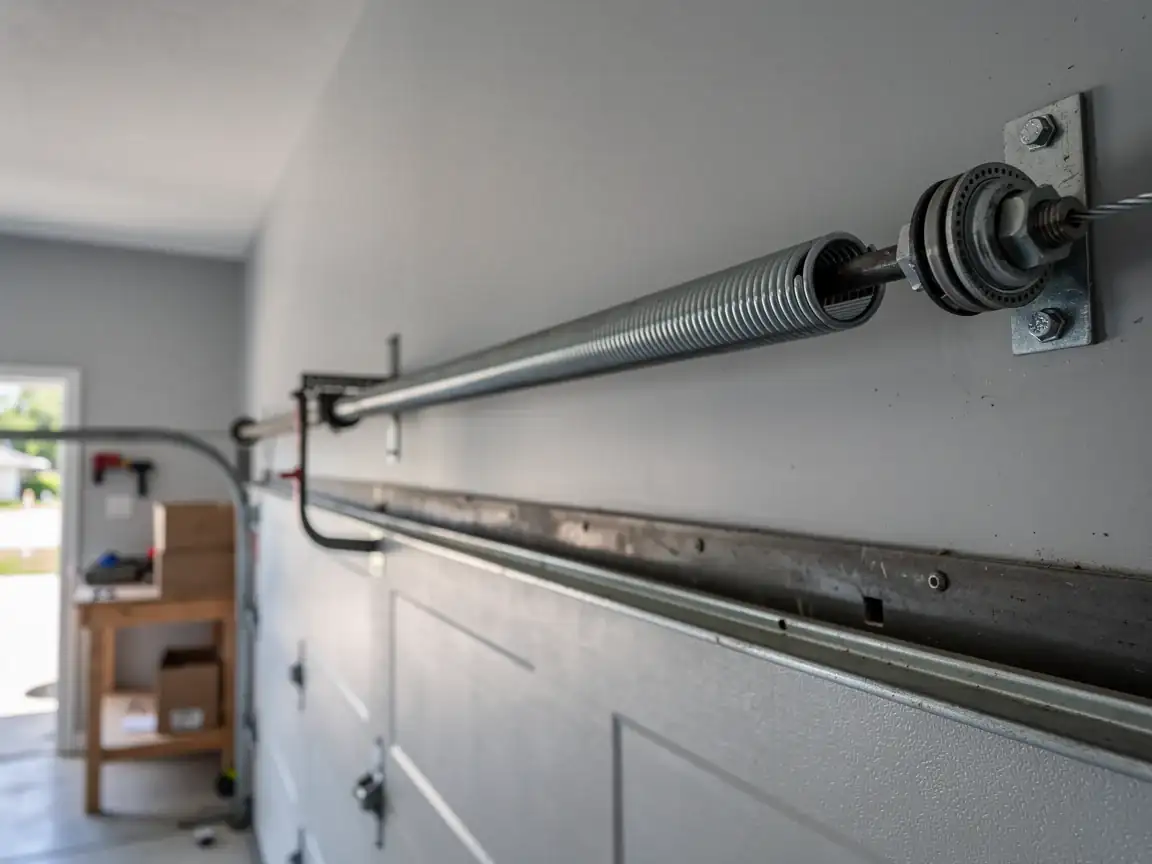
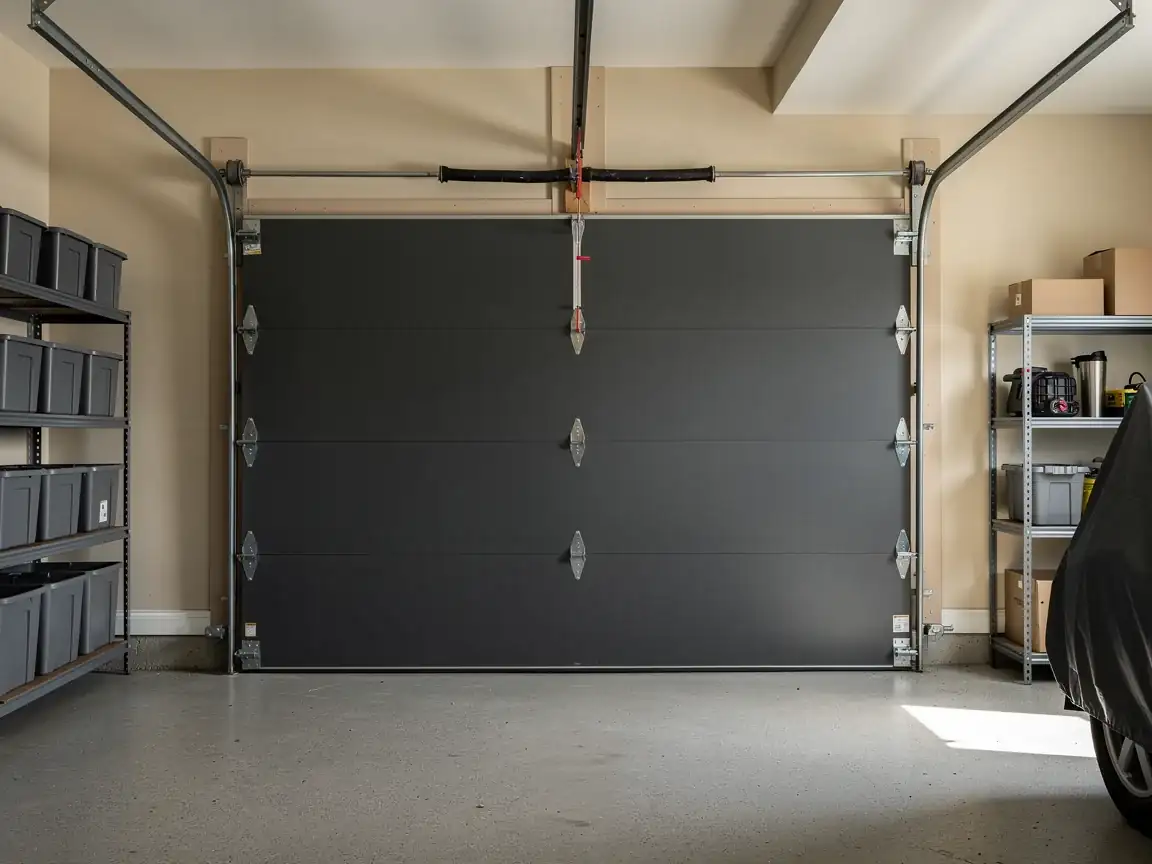
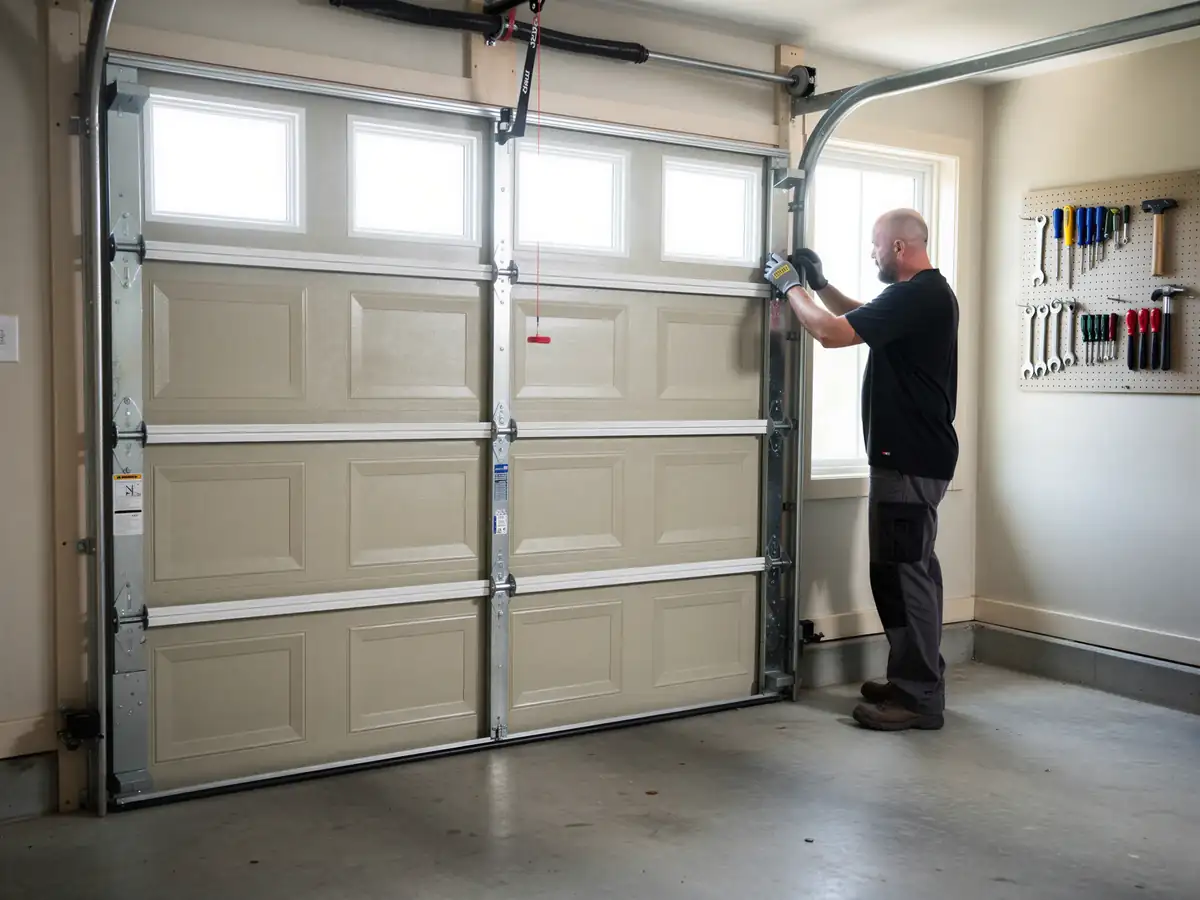
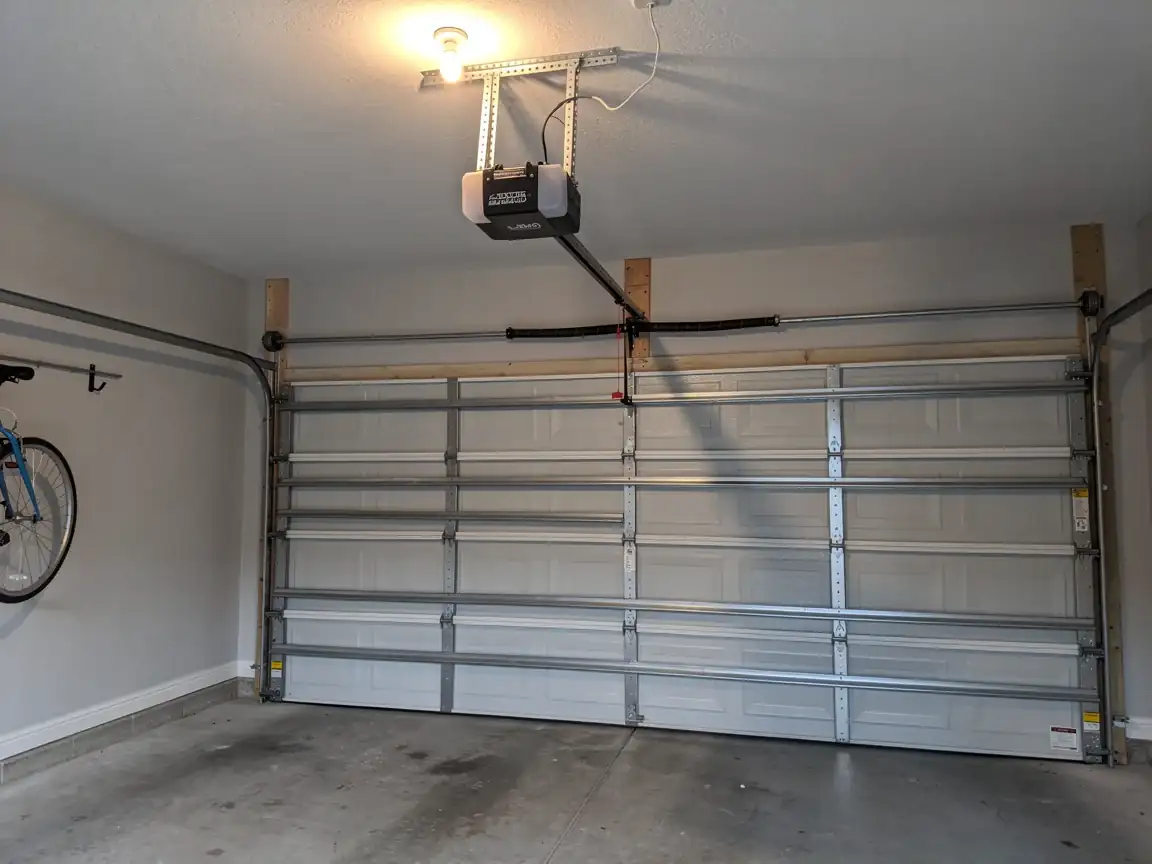
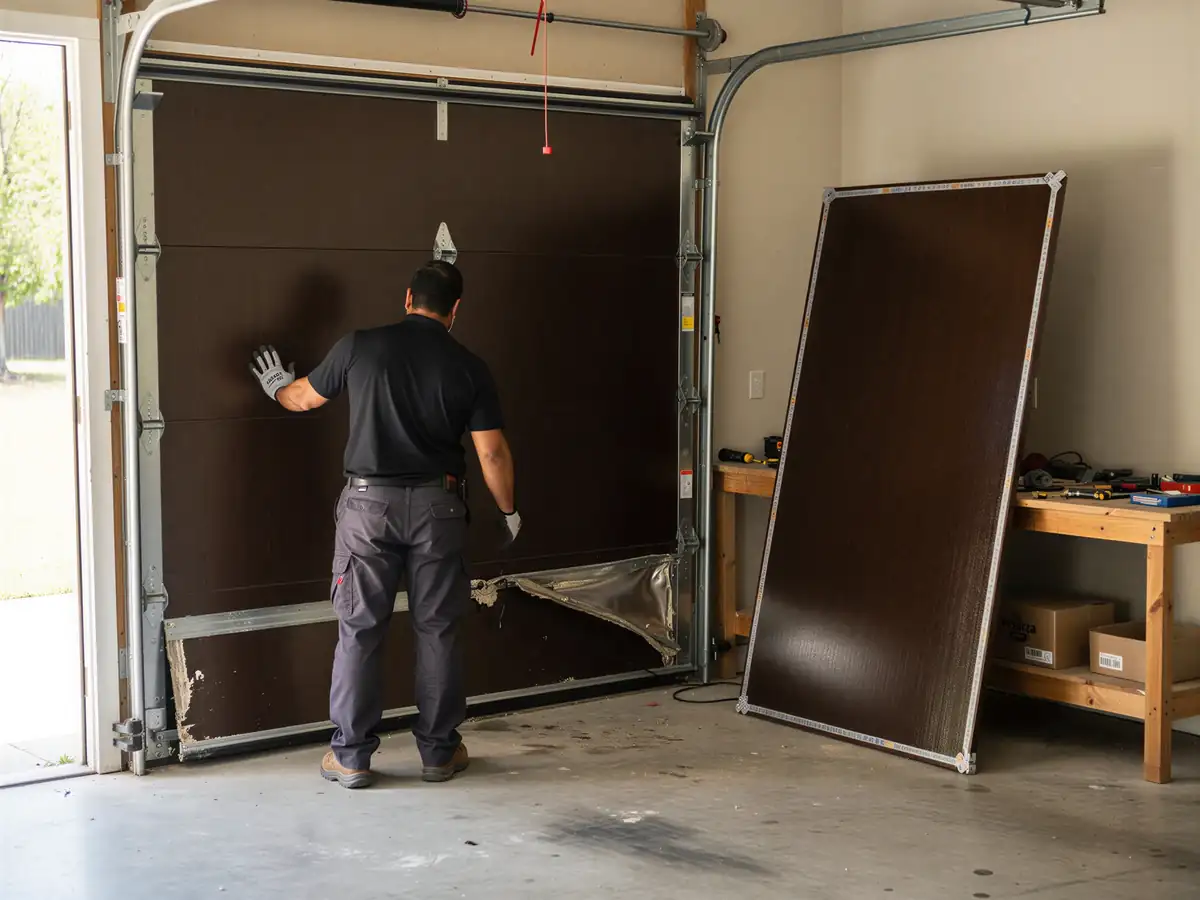
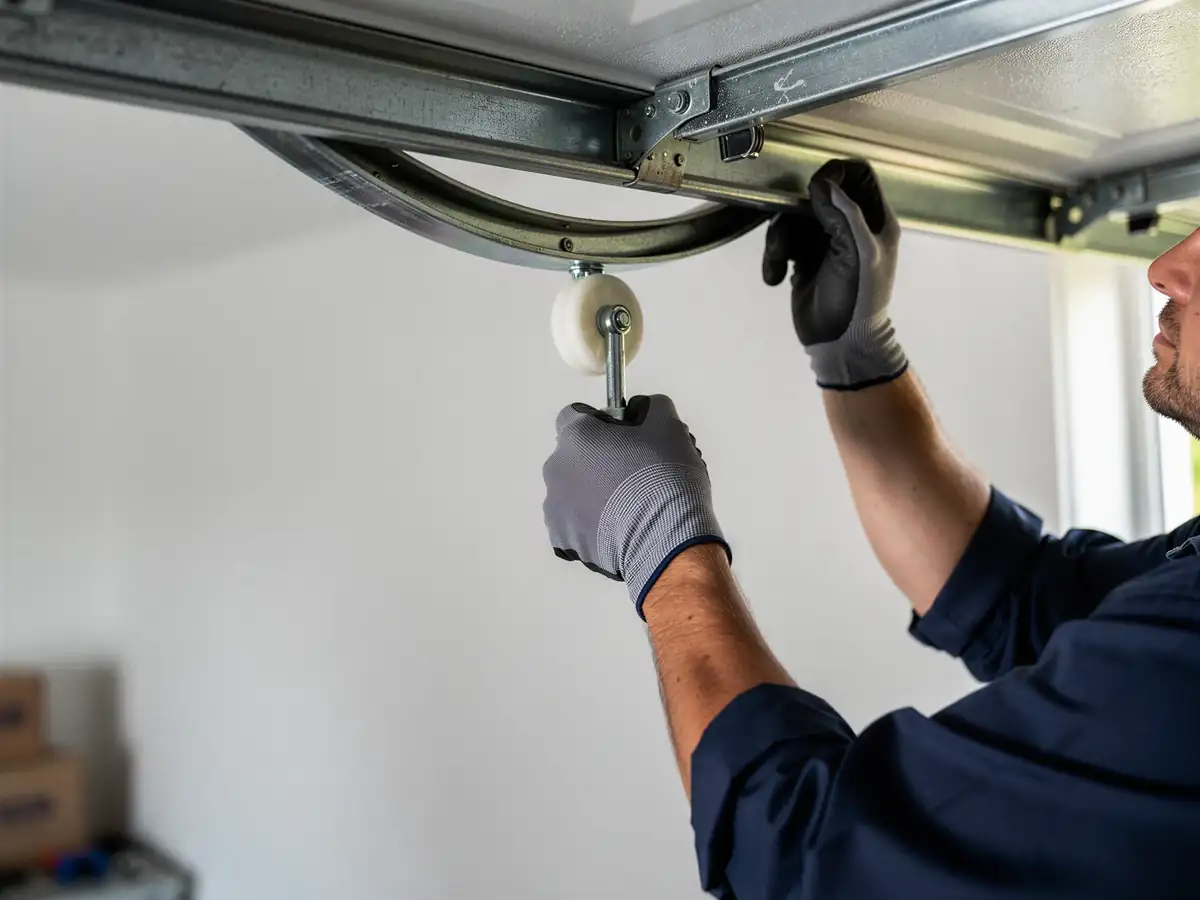
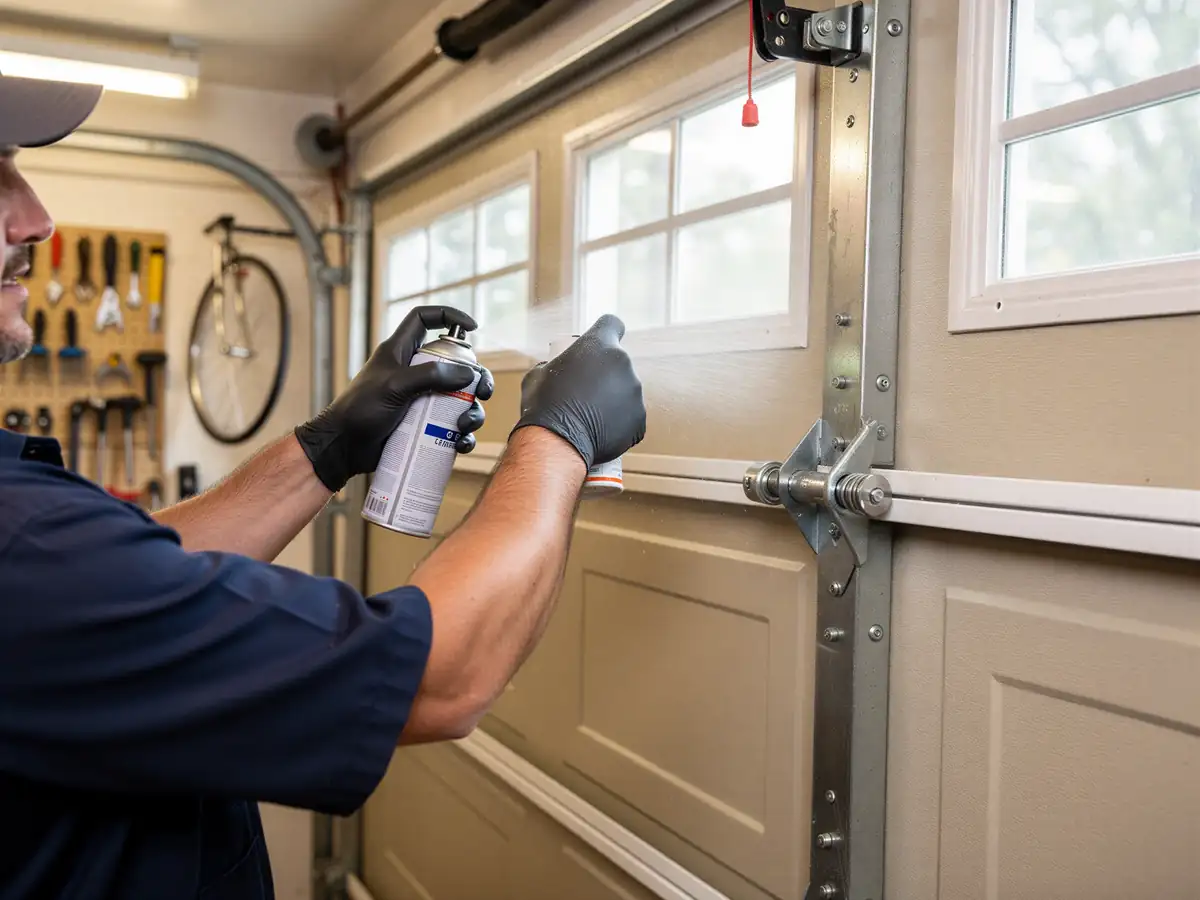
A door from the early-to-mid 1980s usually means an extension or torsion spring system that's never been touched since the house was built, a chain-drive opener (if it's even been upgraded past the original), and steel tracks that have seen four decades of our cold-moderate winters. That climate band means real freeze-thaw cycling on exposed hardware - springs losing tension unevenly, rollers seizing in cold tracks, cables fraying where moisture collects at the bottom bracket.
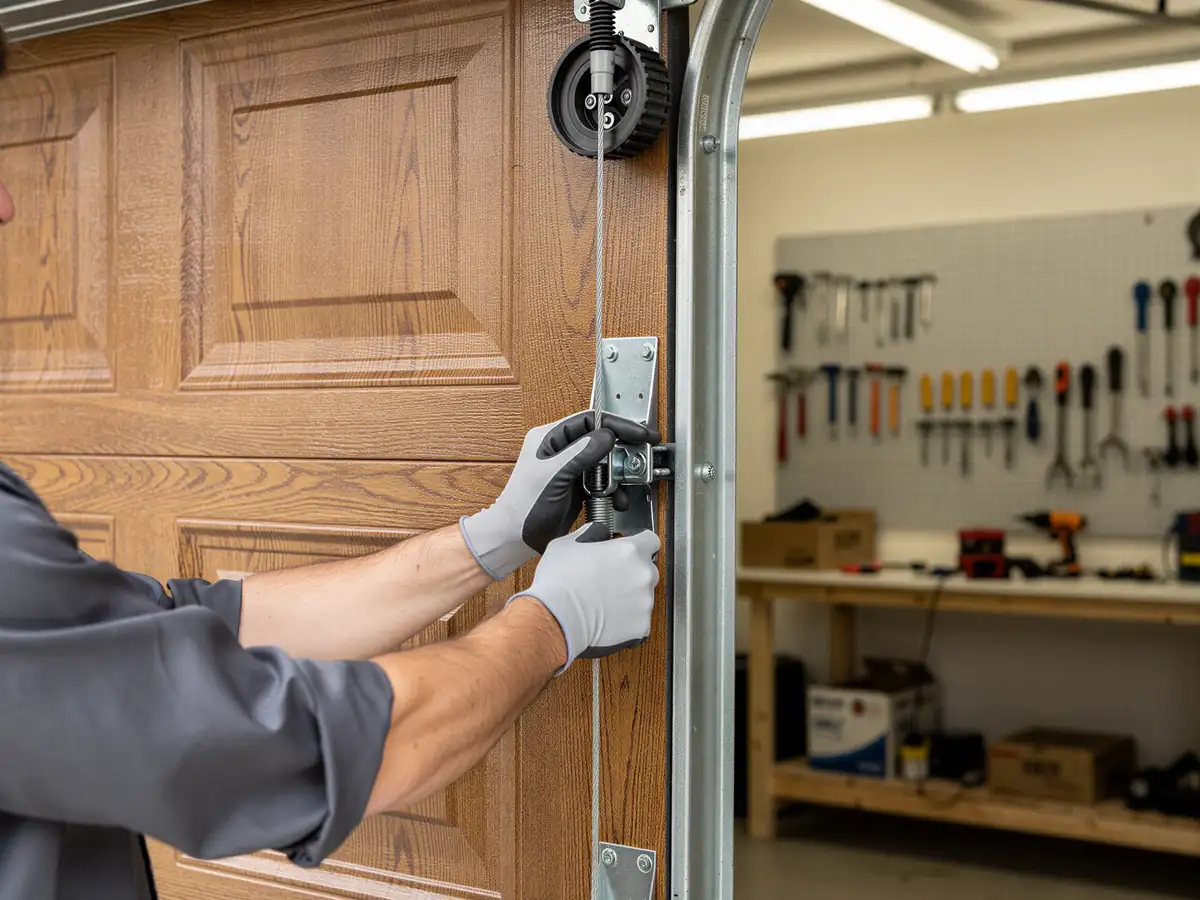
The common failure we see on this era of door isn't glamorous: a torsion spring that finally snaps after years of slow fatigue, usually in the coldest stretch of the year when the steel is least forgiving. Openers from this build era are also past any reasonable service life for the logic board, even if the motor itself still turns.
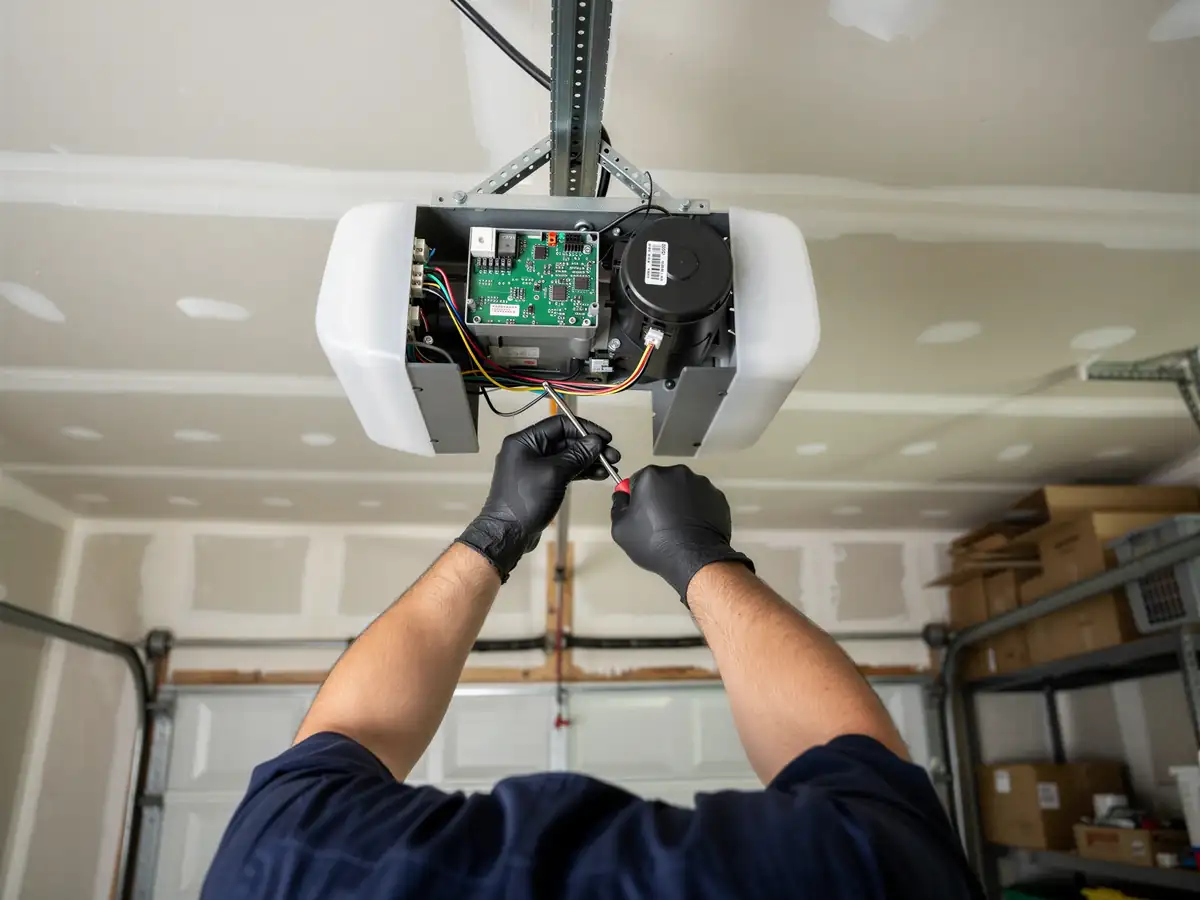
Here's the honest limit: if your opener is original to a mid-80s install, we're not going to hunt down a matching replacement board. Nobody stocks those anymore. At that point replacing the opener outright is the right call, not a repair we'll pretend to make.
How We Get to You
Cottage Lake sits among a cluster of communities we cover on the same general run
Ames Lake, Duvall, and Lake Marcel-Stillwater are all within a few miles in roughly the same direction from Mill Creek, which is part of why we can justify making the trip without padding the bill with a long-distance surcharge.
We don't claim a satellite location or a local presence here
We're straightforward about driving in from Mill Creek every time. What that means practically: book a window, and the truck that shows up has your parts on it, not a tech who drove here to assess and will come back with parts tomorrow. For anything unusual - a non-standard door size, an opener brand we don't carry in stock - we'll say so on the phone rather than finding out in your driveway.