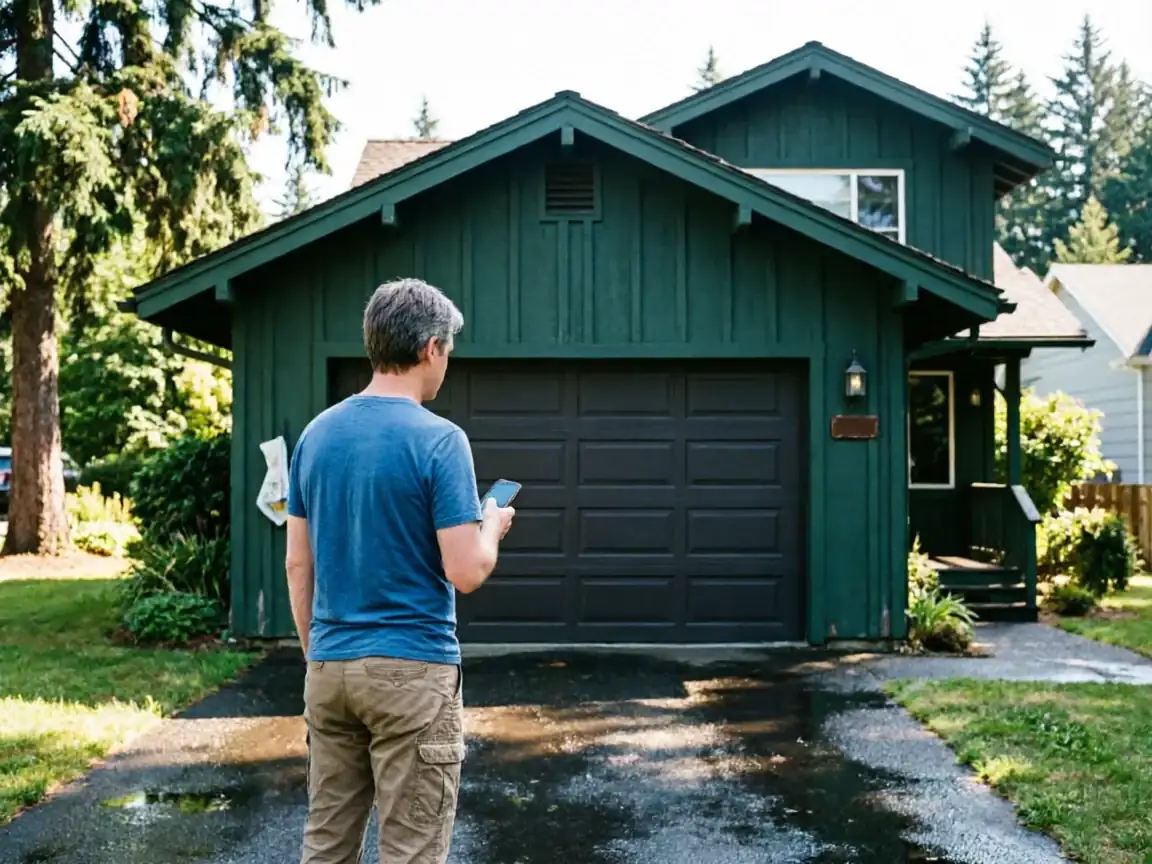
Why It Happens Here
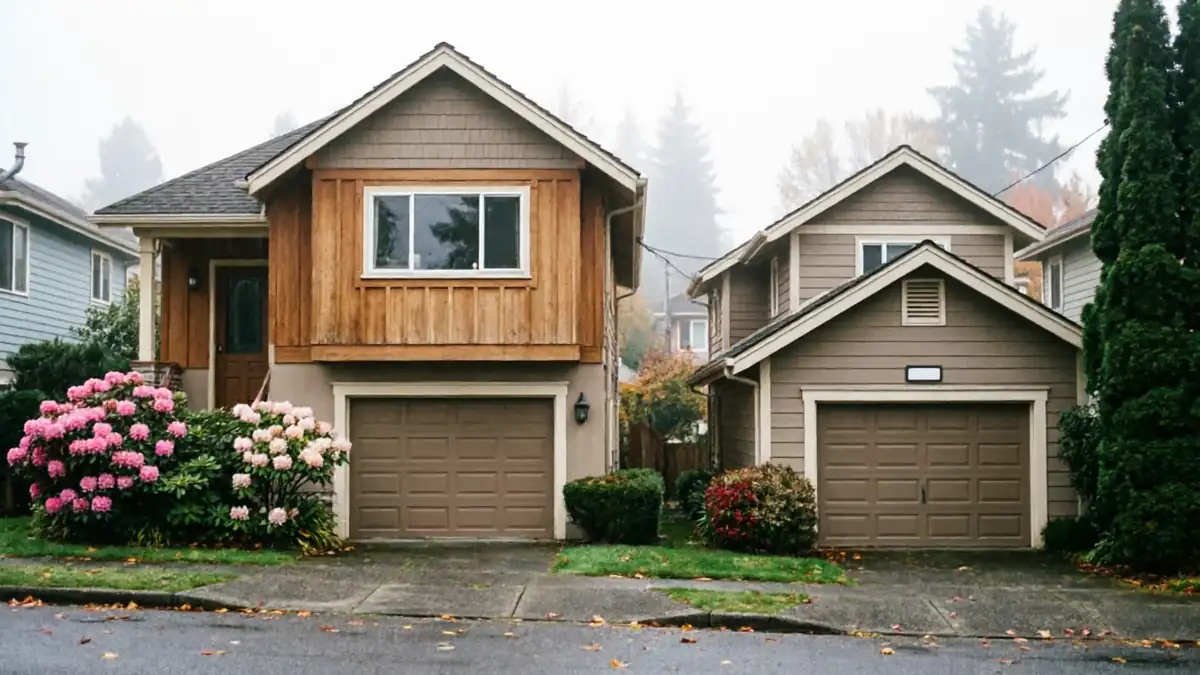
Most of the housing in this service area went up between 1968 and 2000
With the bulk of it dating to the 1980s and 90s across the 31 communities we work in. That matters for maintenance because a door installed in, say, 1989 is now pushing 35 years on its original torsion spring, and most of those springs were rated for a cycle count that's long since been used up. Nobody replaces a spring on a schedule - they replace it when it snaps, usually on the coldest morning of the year.
- 31 communities
- 35 years
The climate band here is cold and moderate, not desert-dry and not coastal-soaked
But wet enough and cold enough that steel rollers pit, track brackets loosen as wood framing moves with the seasons, and lubricant on older hardware gums up or washes out. A door that's fine in August can bind in January because the cold makes grease stiff and metal contract at slightly different rates than the track it rides in.
We see this pattern across the whole service area, not just one neighborhood
Houses built in that same 1968-2000 window, with the same vintage springs, cables, and rollers, all aging out around the same time. That's the maintenance call we get most: not something broken outright yet, but a door that's started making a noise it didn't used to make.
The DIY Question
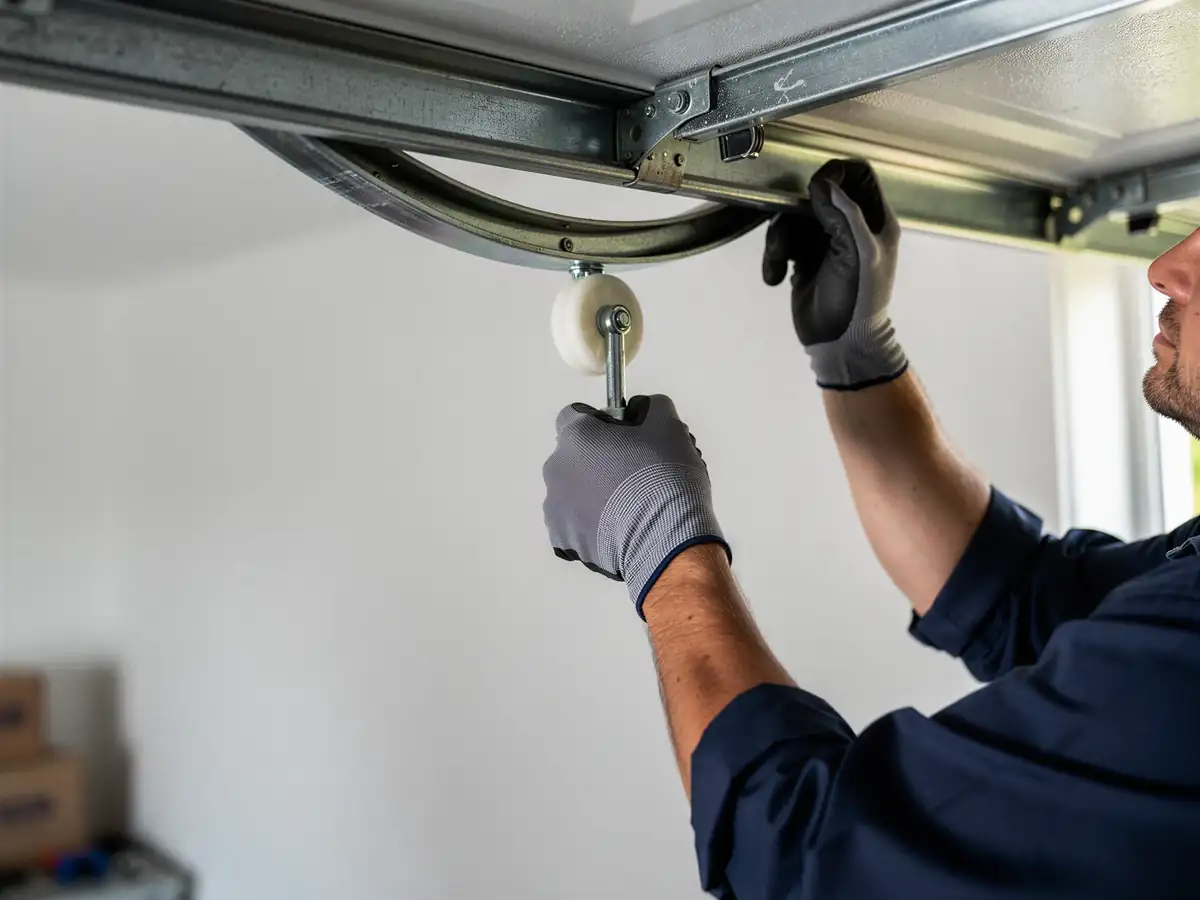
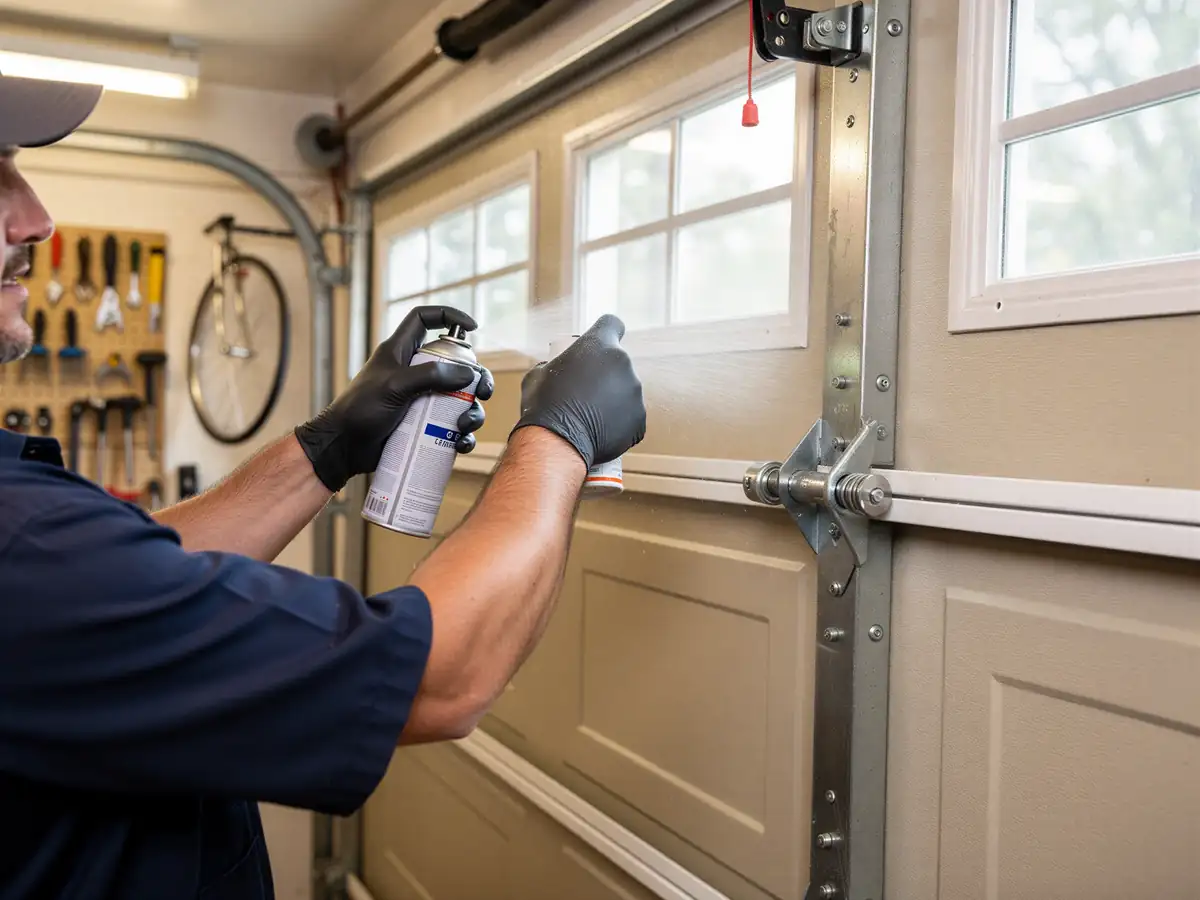
Some of this you can do yourself. Wiping down tracks, checking that the photo-eye sensors are aligned, and listening for new noises are all things any owner can handle without tools. Lubricating rollers and hinges with the right garage-door-specific lubricant (not WD-40, which washes grease out rather than adding it) is also fair game if you're comfortable on a stepladder.
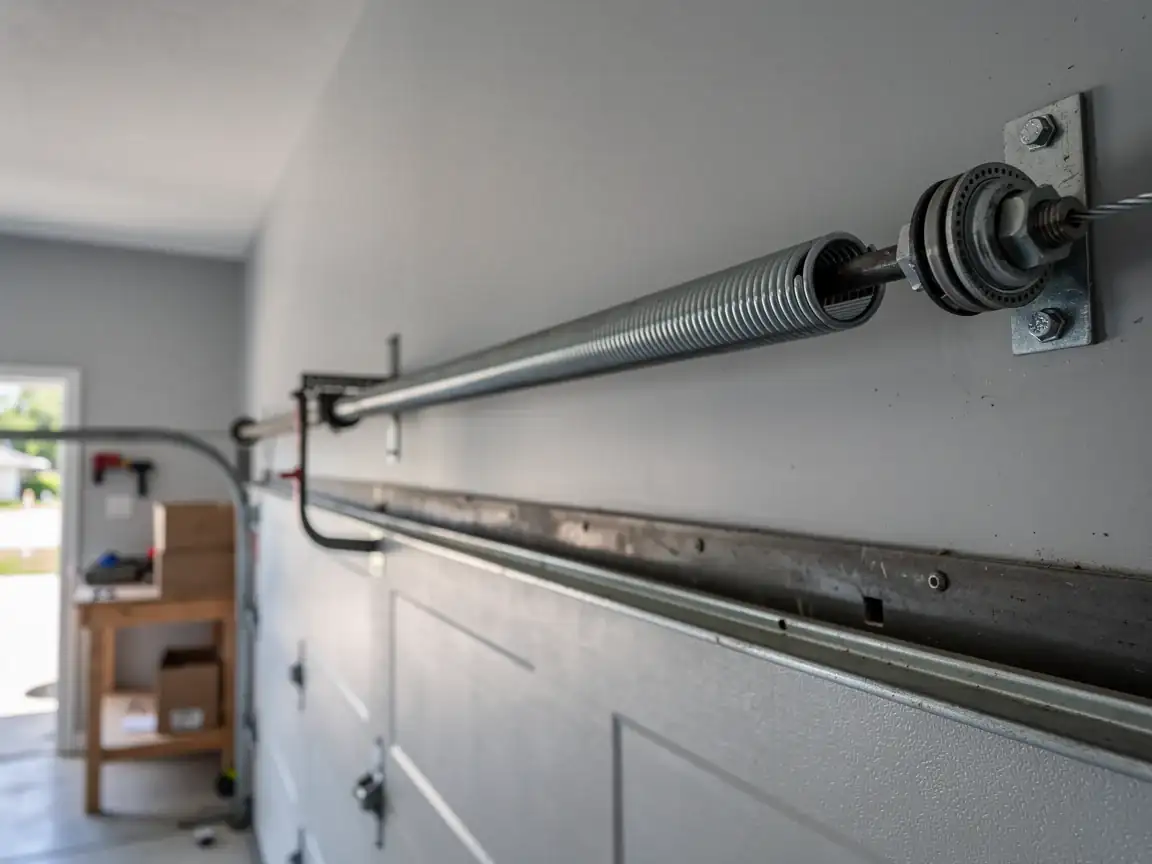
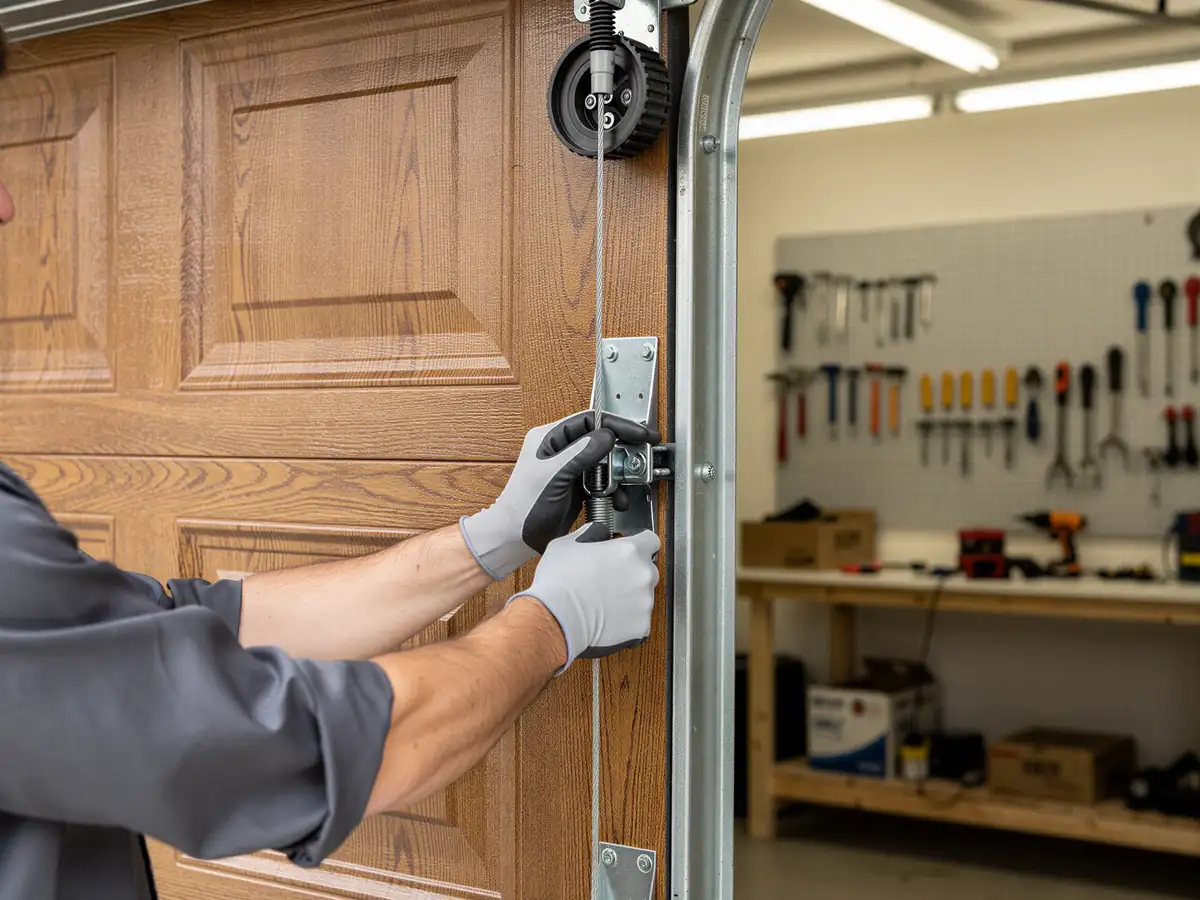
What we don't recommend owners touch: torsion springs, under any circumstances. A torsion spring under tension can cause real injury if it lets go while you're working on it, and on a house from this era the spring is old enough that it's more likely to fail mid-adjustment than a newer one. Cable tension and anything involving the bottom brackets falls in the same category.
Here's the honest limitation: we don't do same-day inspections for every call, since route scheduling across 31 communities means we batch visits by area. If your door is still operating, even roughly, a maintenance visit can usually wait for the next scheduled pass through your part of the service area. If it's stuck open, stuck shut, or the spring has already let go, that's a different call.
Getting It Booked In
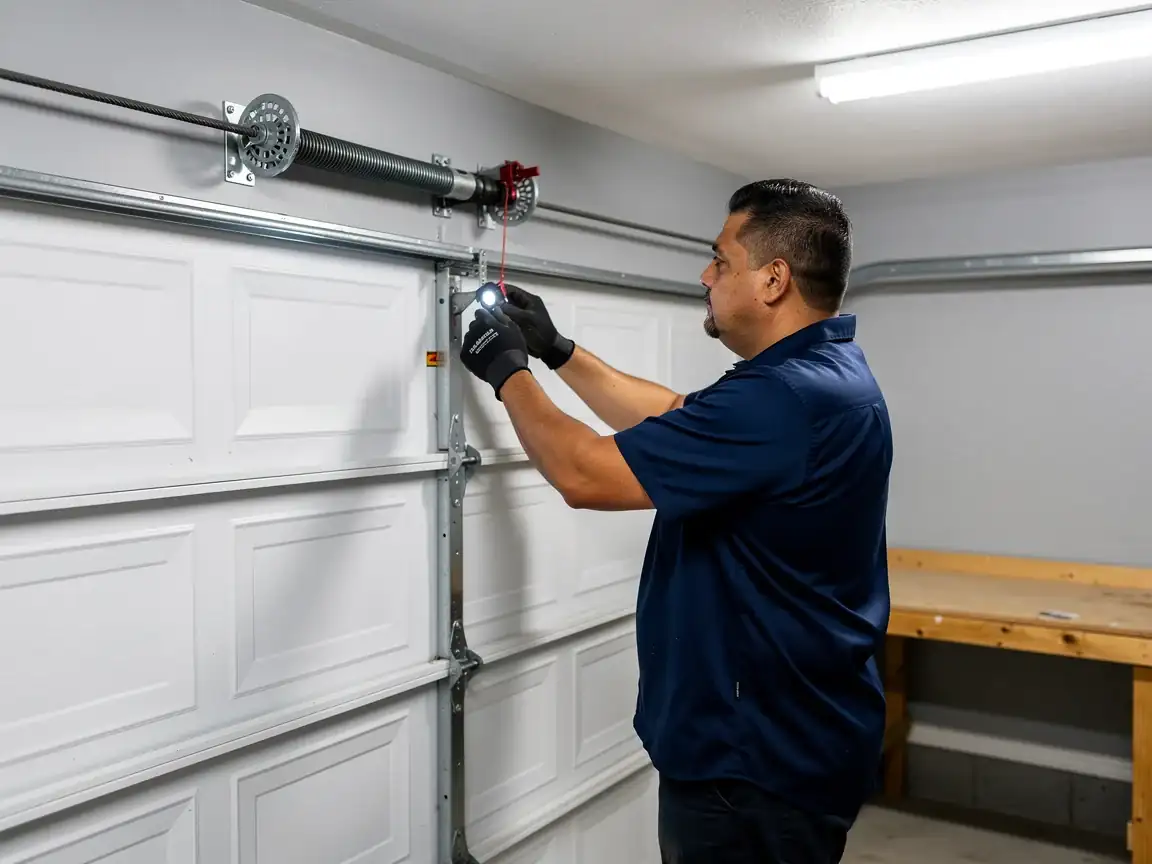
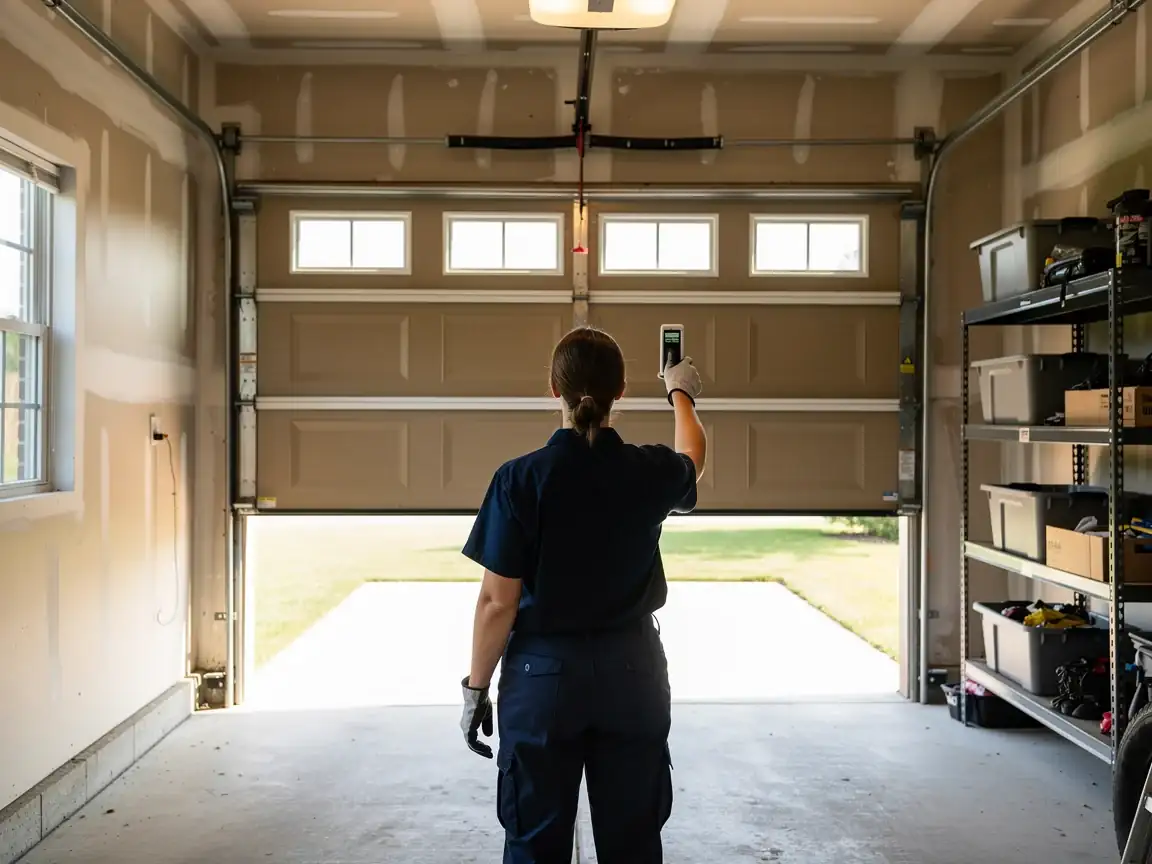
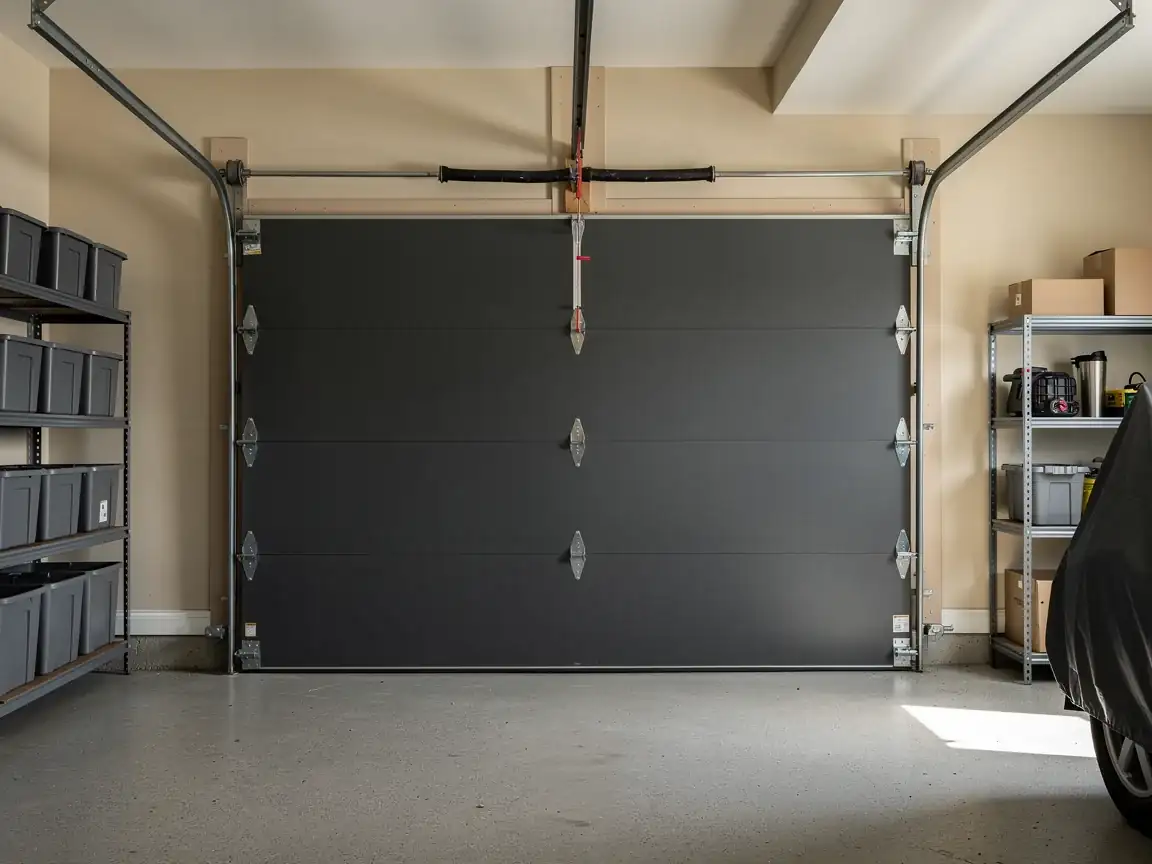
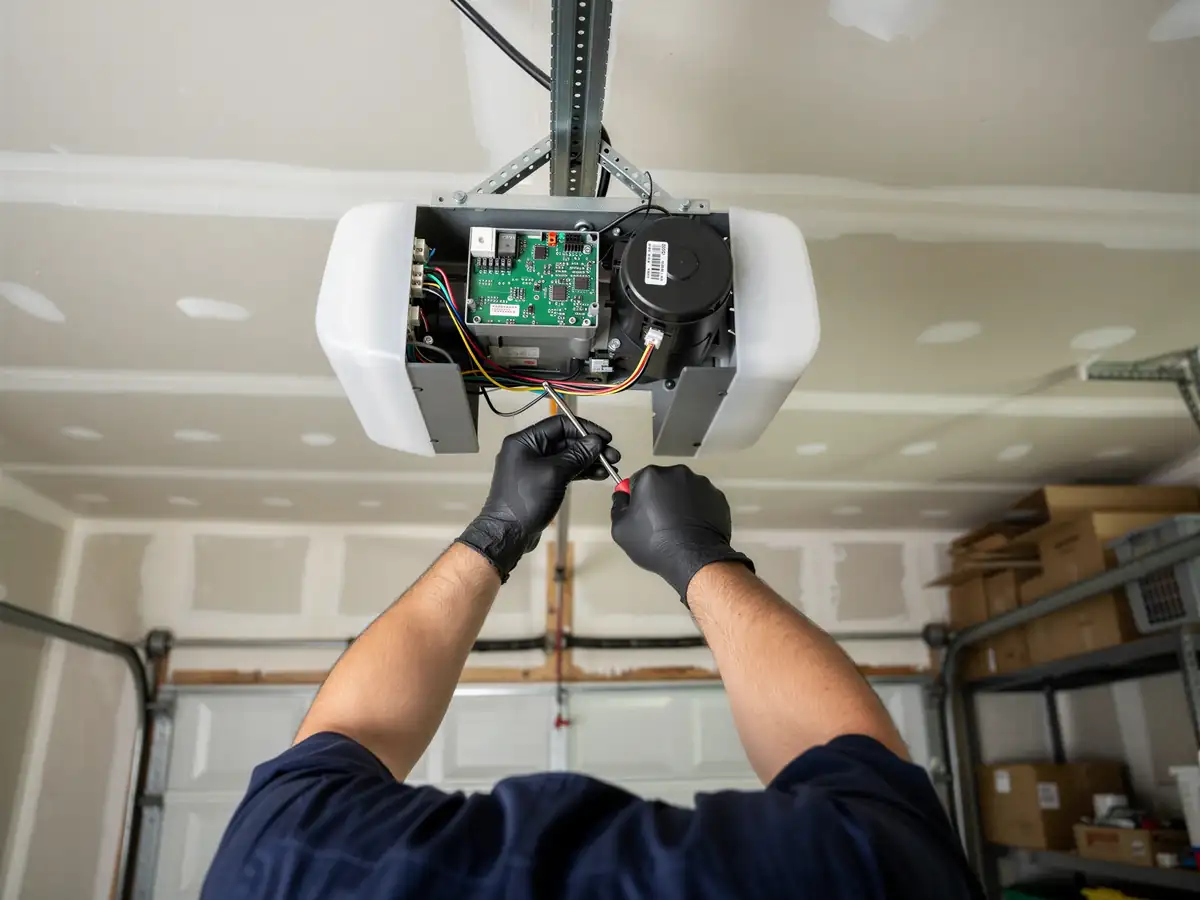
A maintenance visit covers the things that fail quietly on houses from the 1968-2000 era: spring tension, cable wear, roller condition, track alignment, and hardware that's loosened as the house has settled. We check opener force settings too, since a door that closes too hard on cold metal tracks puts extra strain on everything downstream.
For homes in this income bracket and housing stock - the service area's median household income runs around $127,000, and most houses here are owner-occupied - deferred maintenance tends to show up as one expensive repair instead of several cheap ones. Catching a worn cable before it snaps costs a lot less than an emergency call after it takes a panel with it on the way down.
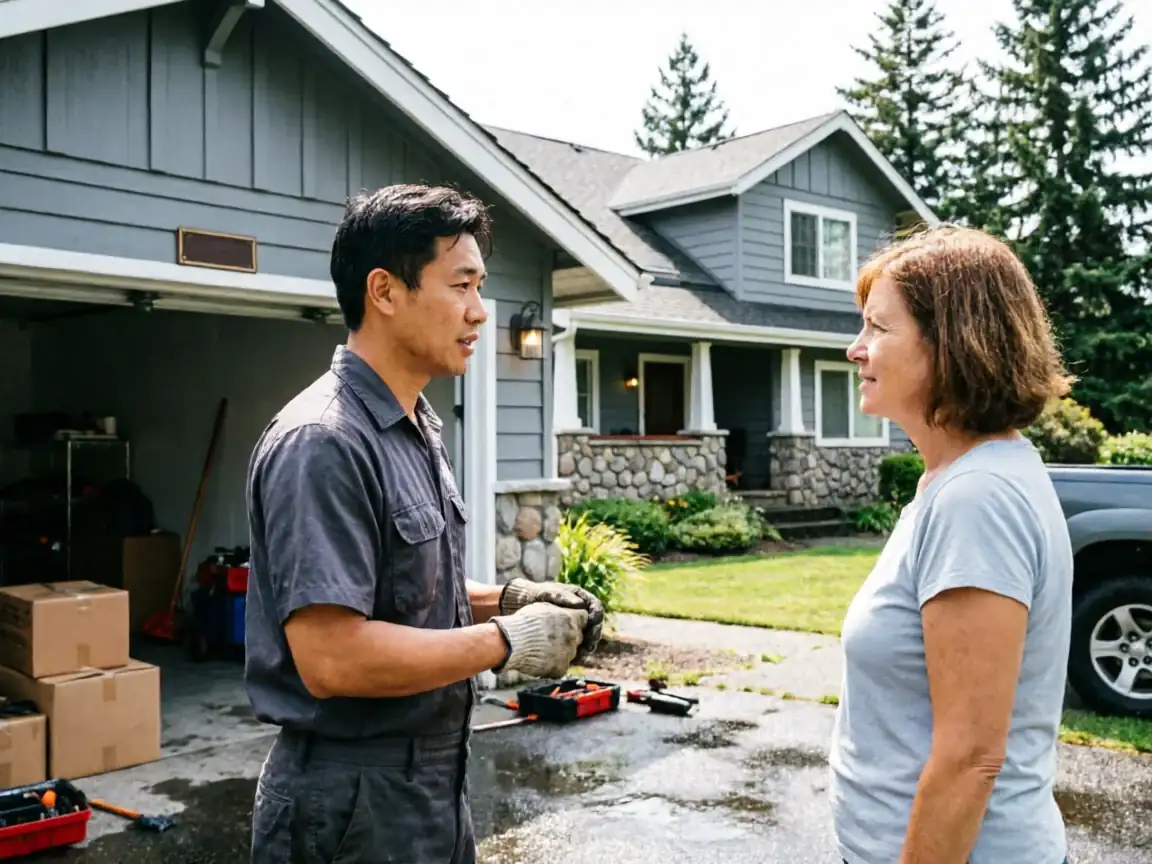
We work across the full service area, from Martha Lake and Lake Stickney in close to towns ten-plus miles out like Monroe and Duvall, so booking timing depends partly on where your house sits relative to our route that week. If you're not sure your door needs a full inspection or just a tune-up, tell us what you're hearing and we can usually tell over the phone which one applies.
What You Are Seeing
If your door is from the 1980s or 90s and you're hearing a grinding sound on the way up
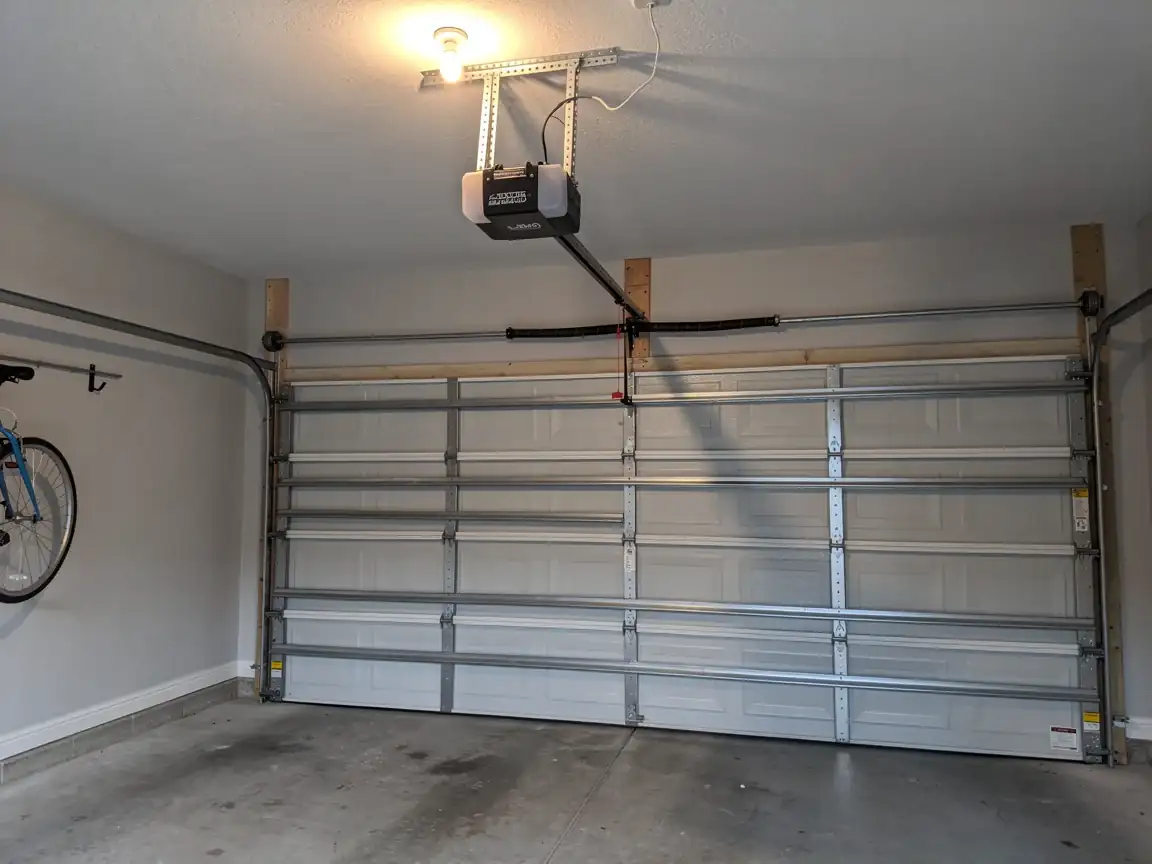
That's usually a roller going bad, not the opener. A door that shudders partway through its travel often means the track has shifted slightly - common once a house has settled over a few decades. A spring that looks stretched or has a visible gap between coils when the door is down is close to the end of its life, even if it hasn't failed yet.
With 53,676 owner-occupied houses across this service area
Most of them built in that same narrow window, the failure patterns repeat house to house. A door that's suddenly heavier to lift by hand, or an opener that strains and clicks but doesn't move the door, both point to spring fatigue rather than anything electrical.
- 53,676 owner-occupied
What doesn't need a maintenance call
Cosmetic dents, a slightly off paint match, or a door that's merely loud but moving at normal speed. Those are wait-and-watch, not urgent. If you're not sure which category your door falls into, describe the noise and when it happens - that's usually enough for us to point you in the right direction before scheduling anything.