Why It Happens Here
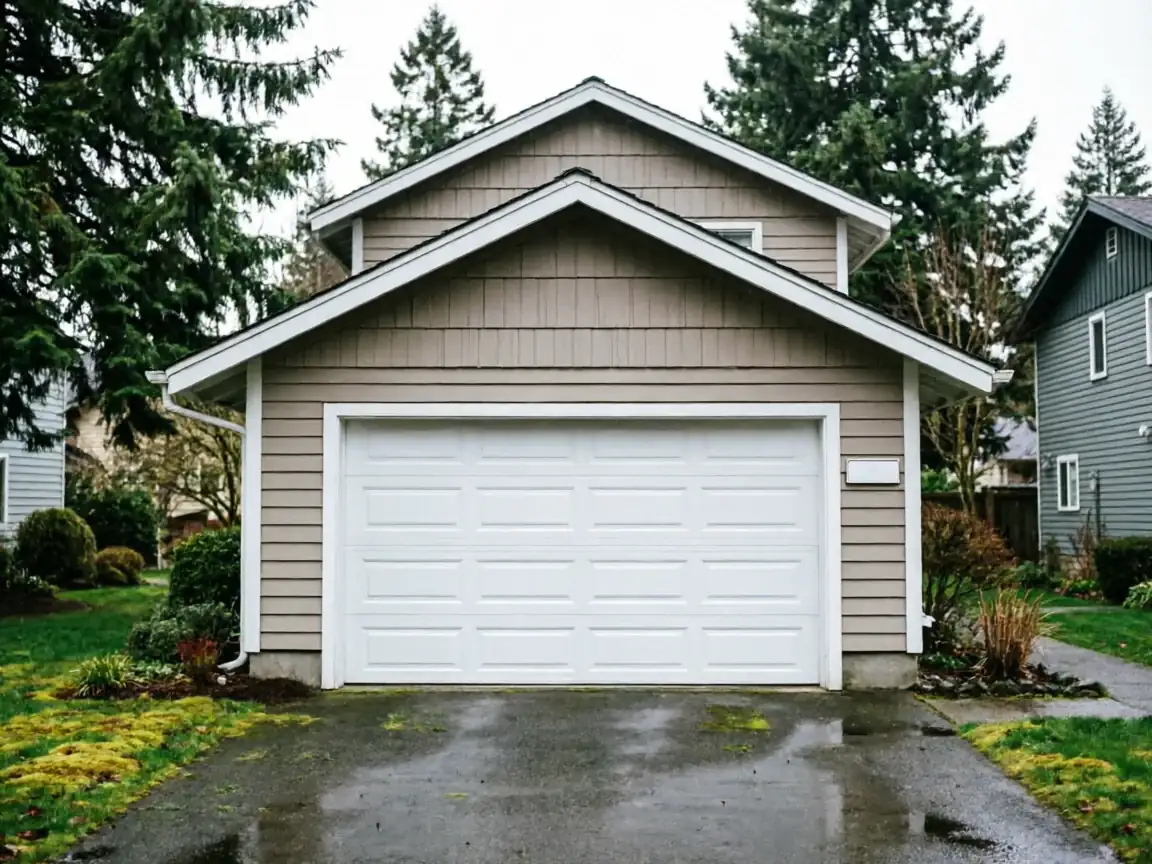
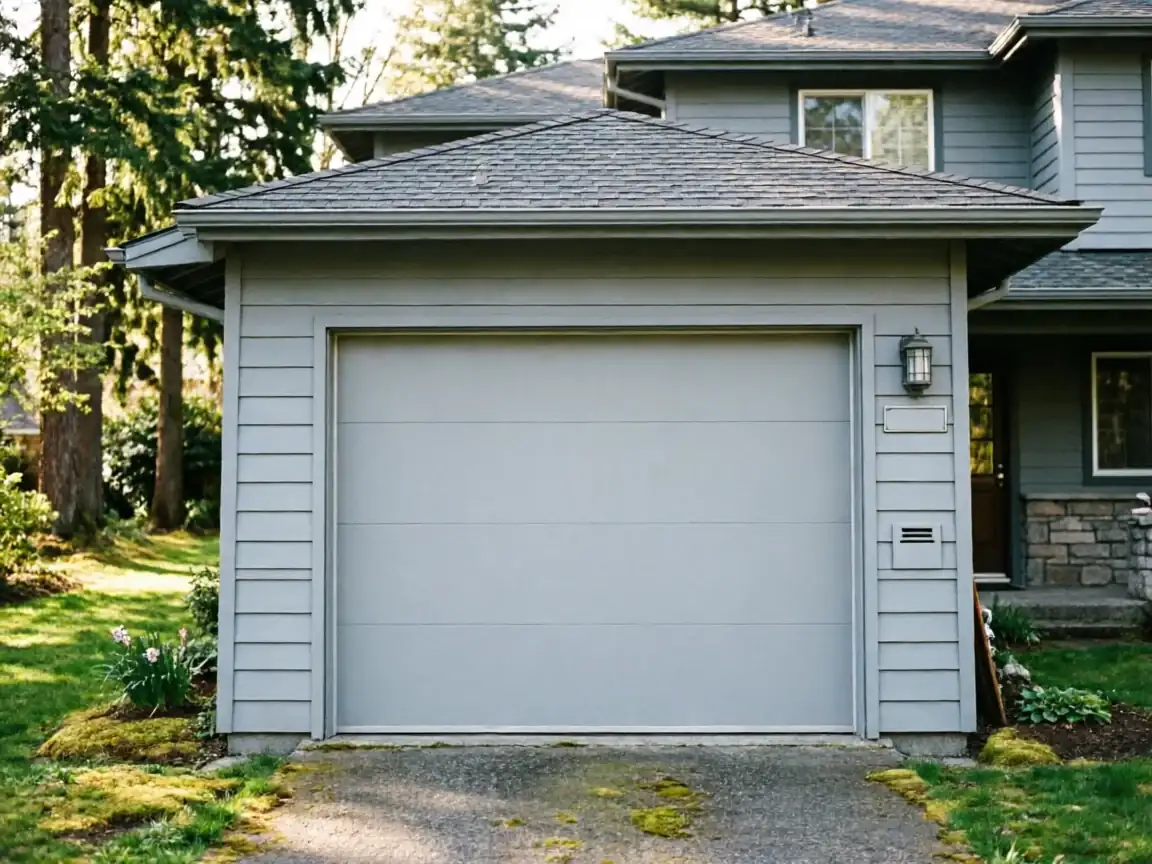
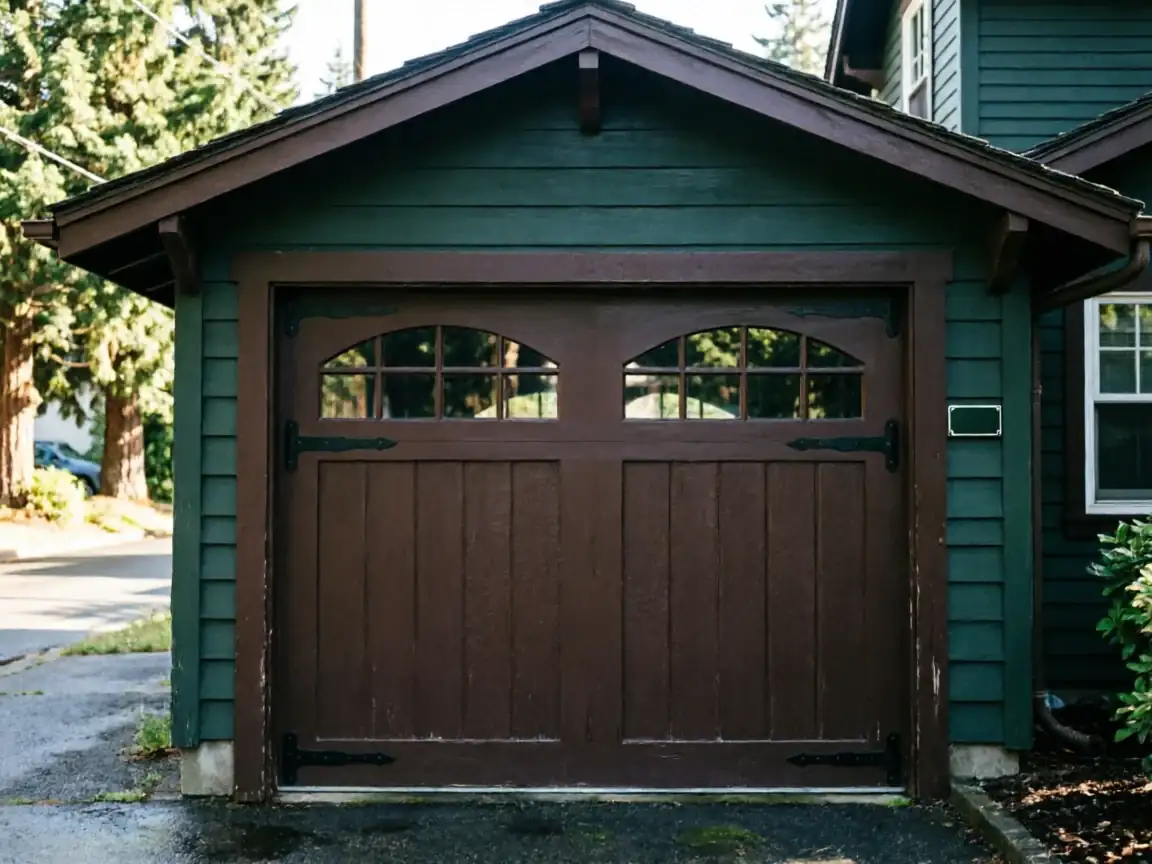
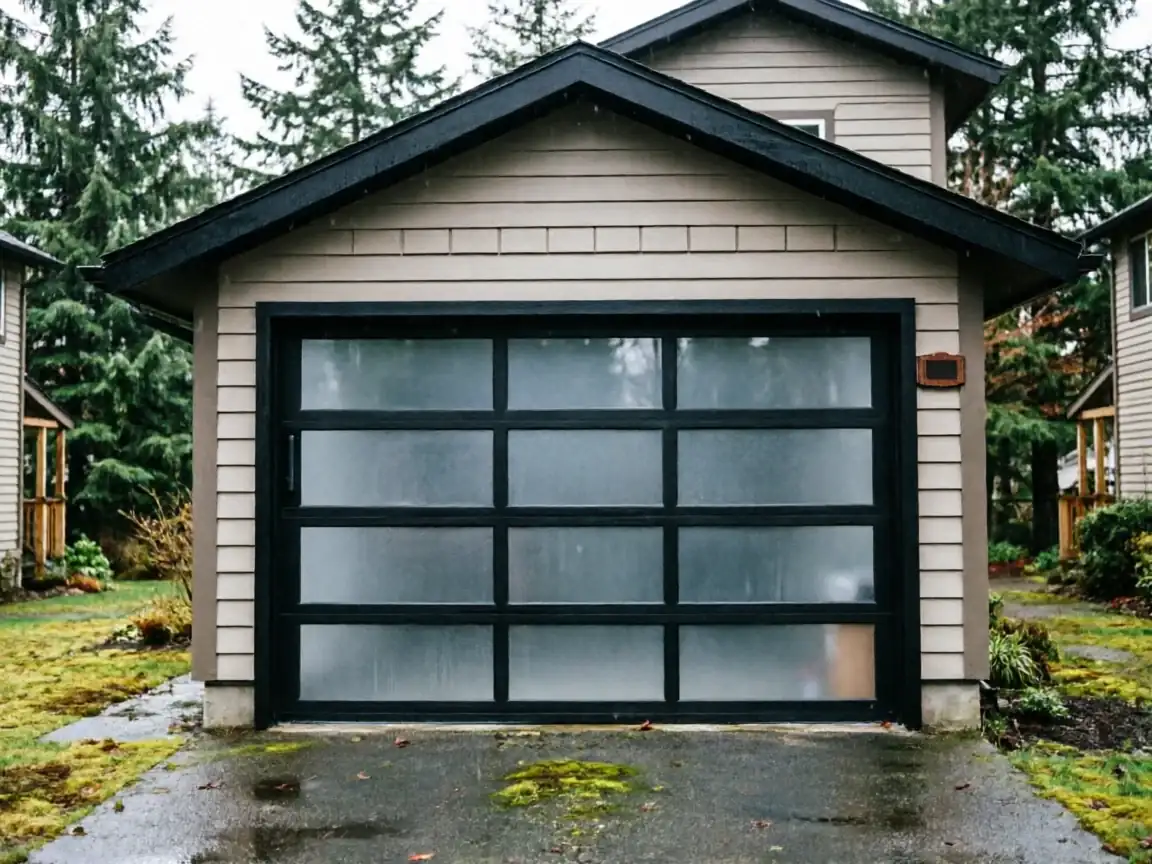
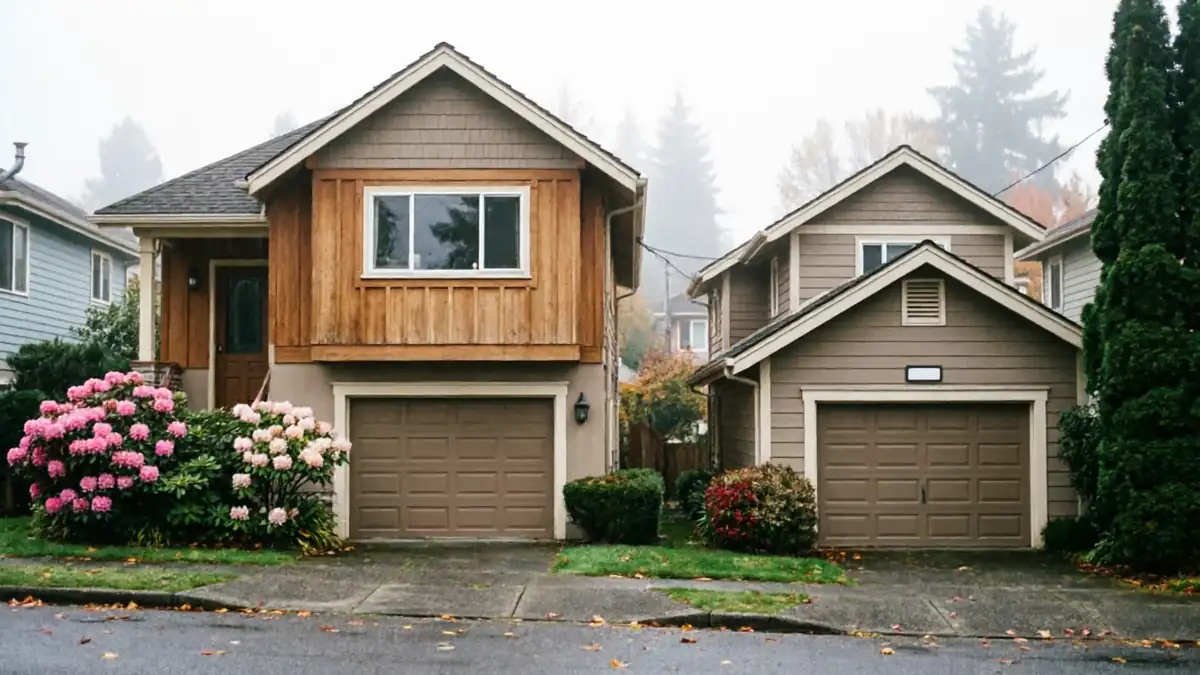
Most of the housing stock across this service area went up between 1968 and 2000
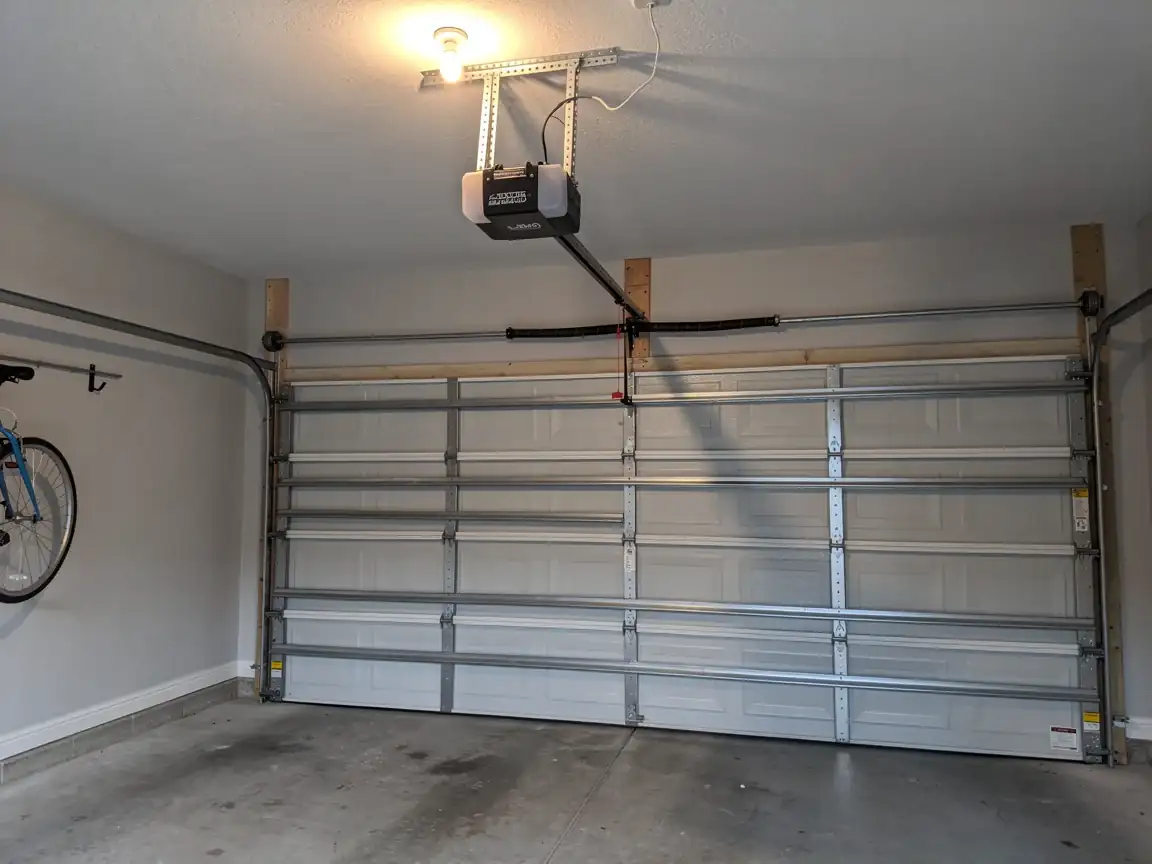
With the median build year landing around 1989. That matters for openers because a house built in the late 80s or early 90s is old enough that its original chain-drive or early screw-drive unit has either already been swapped once, or is still limping along on 30-plus-year-old gears and a capacitor that was never meant to last this long. Across the 31 named areas we cover, the pattern repeats: 1980s and 90s construction, same era of opener, same failure points showing up now.
The cold moderate climate band this region sits in adds a second layer
Openers mounted in unheated garages take a real swing in temperature between a damp winter morning and a warm afternoon, and that cycling is hard on nylon drive gears and on the small circuit boards that run the logic side of the unit. Condensation inside an older housing corrodes contacts slowly, so the opener doesn't die outright - it starts misfiring the remote, running louder, or stalling halfway up. That's the opener telling you its gear or board is on its way out, not that something dramatic happened.
Households here skew toward owner-occupied single-family homes
Which usually means one aging opener per garage rather than a managed fleet - so when it goes, it's the only one you've got.
The DIY Question
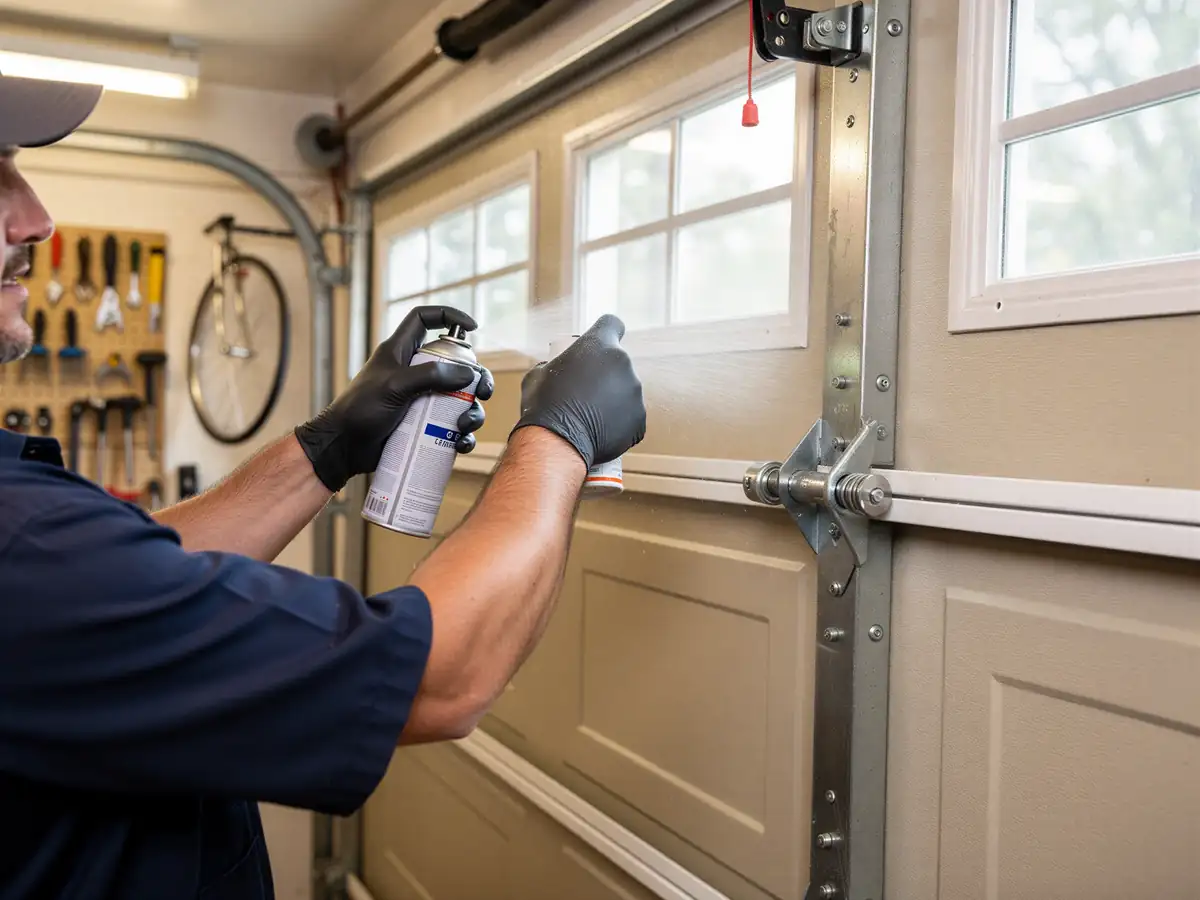
A lot of opener problems look fixable with a ladder and twenty minutes. Sometimes they are - a dead remote battery, a sensor knocked out of alignment by a stored bike, a limit switch that needs resetting after you adjusted the door's travel. Those are reasonable to check yourself before calling anyone.
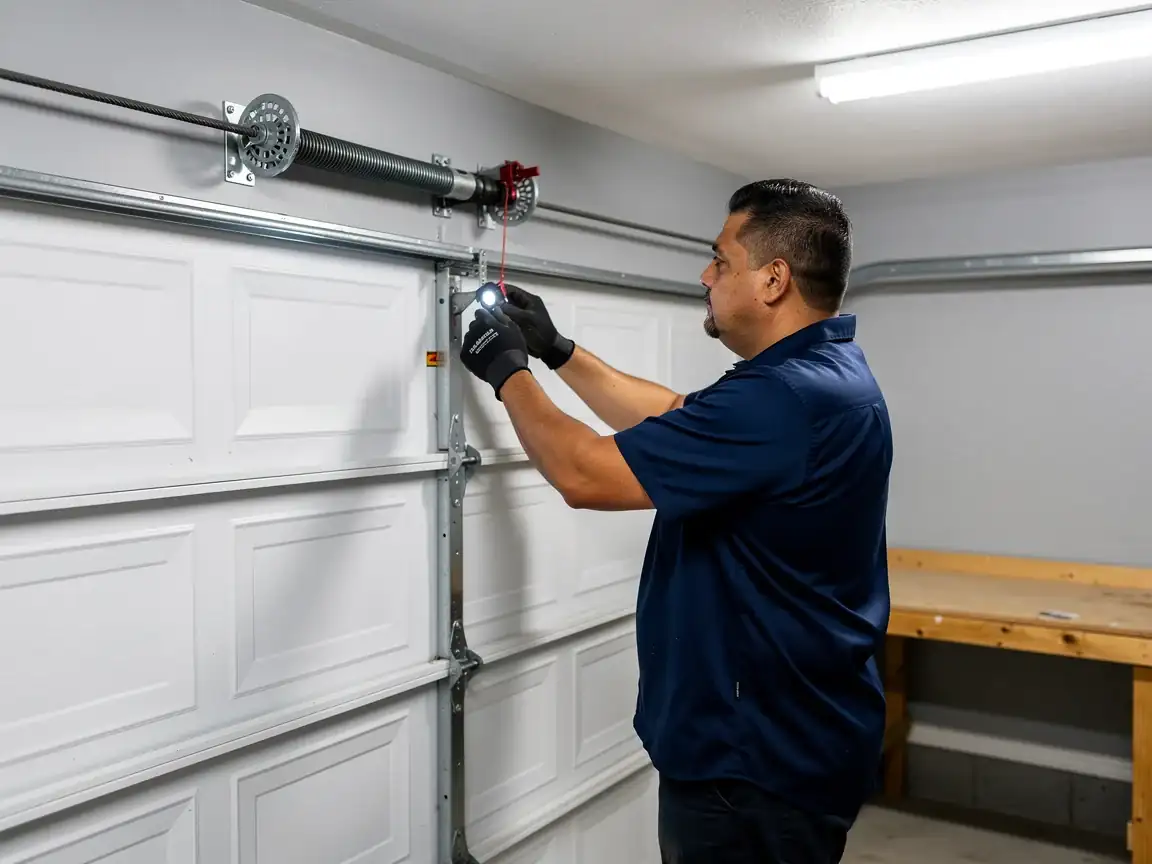
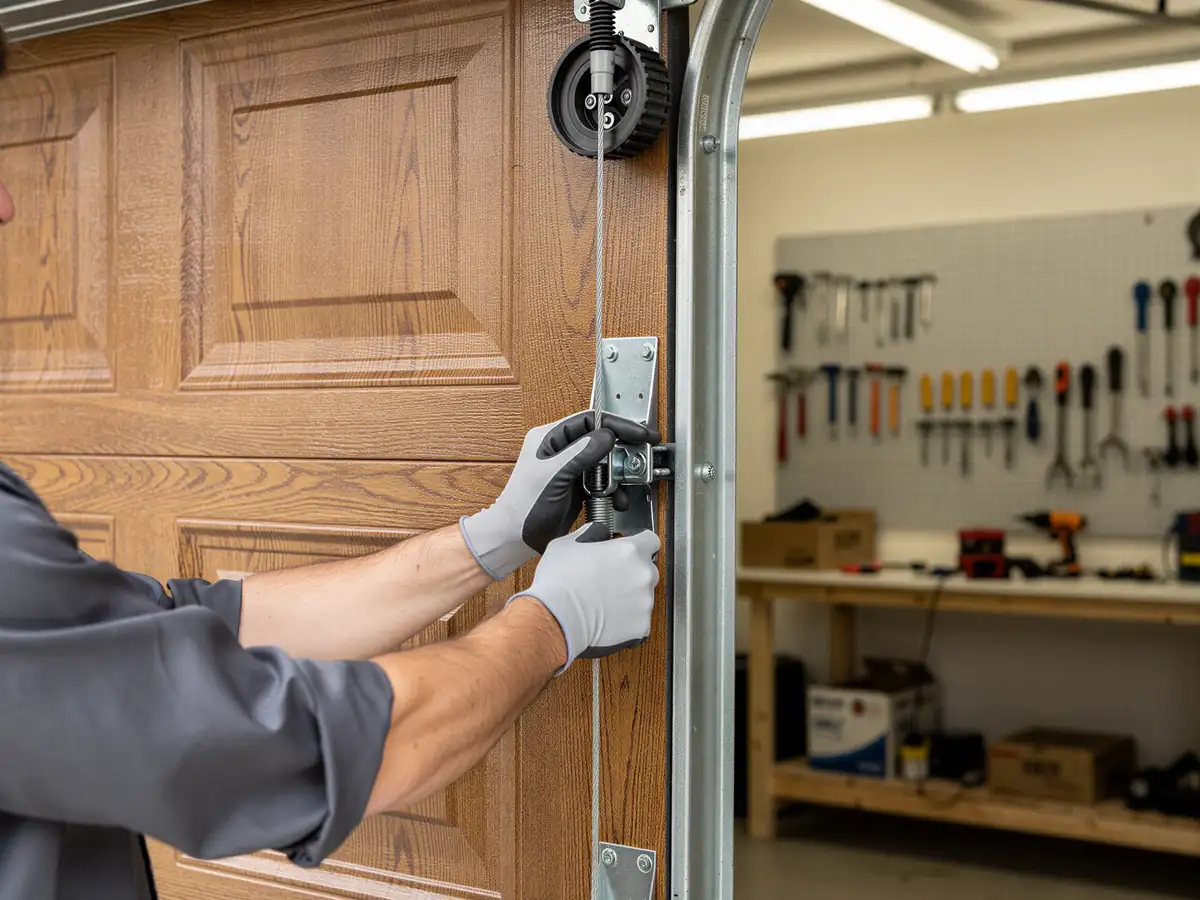
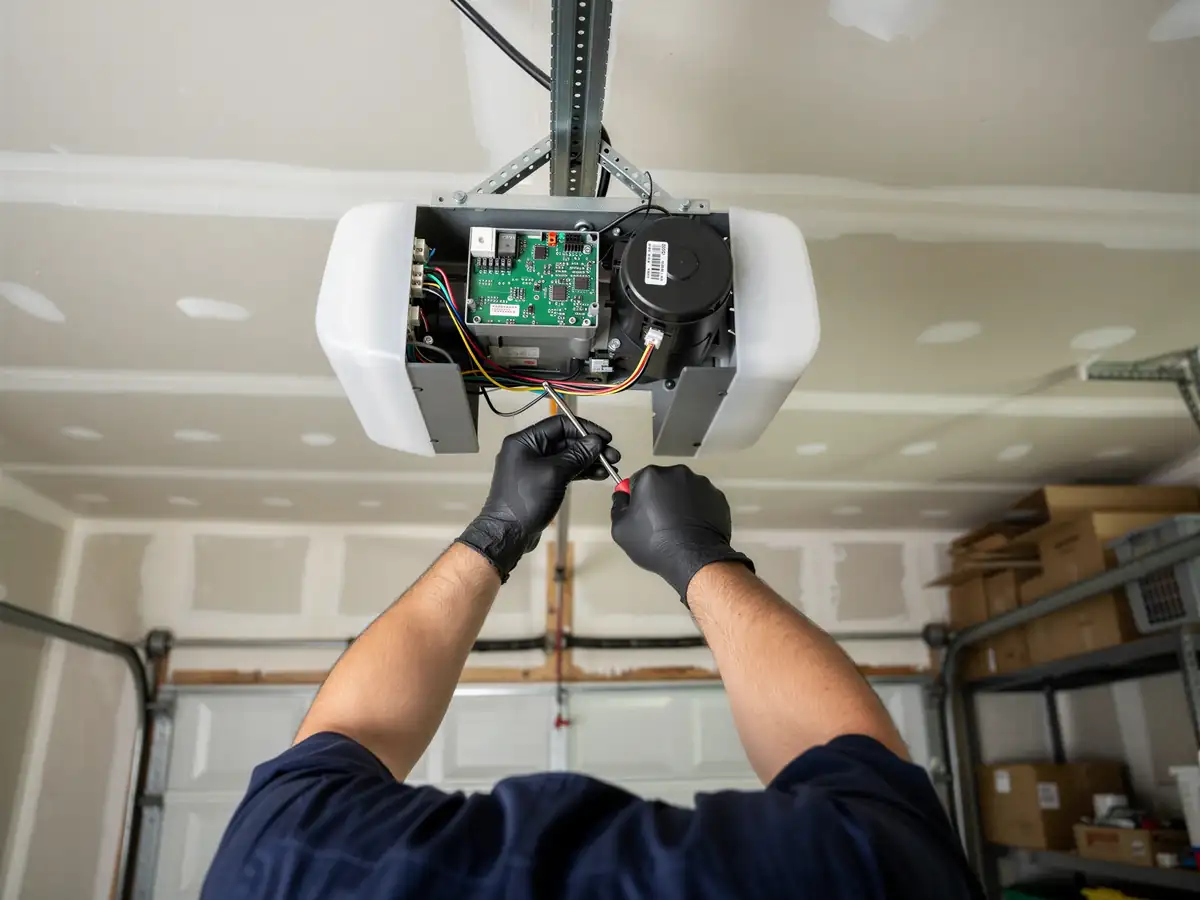
Where it stops being a weekend job is the drive gear, the logic board, or the motor windings. Opening the housing on a unit from the 1989-era median build wave you'll find in a lot of these neighborhoods often means parts that aren't sold anymore, and guessing wrong on a board swap can fry a new part on a bad connection you didn't catch. We'll tell you straight if a repair isn't worth the labor against a new opener - that's not us trying to upsell, it's just where the math lands on units this old.
One honest limit: if the opener is original to a house from that 1968-2000 build range and the motor itself has burned out, we're usually looking at replacement, not repair. We won't pretend otherwise just to book a smaller job.
Getting It Booked In
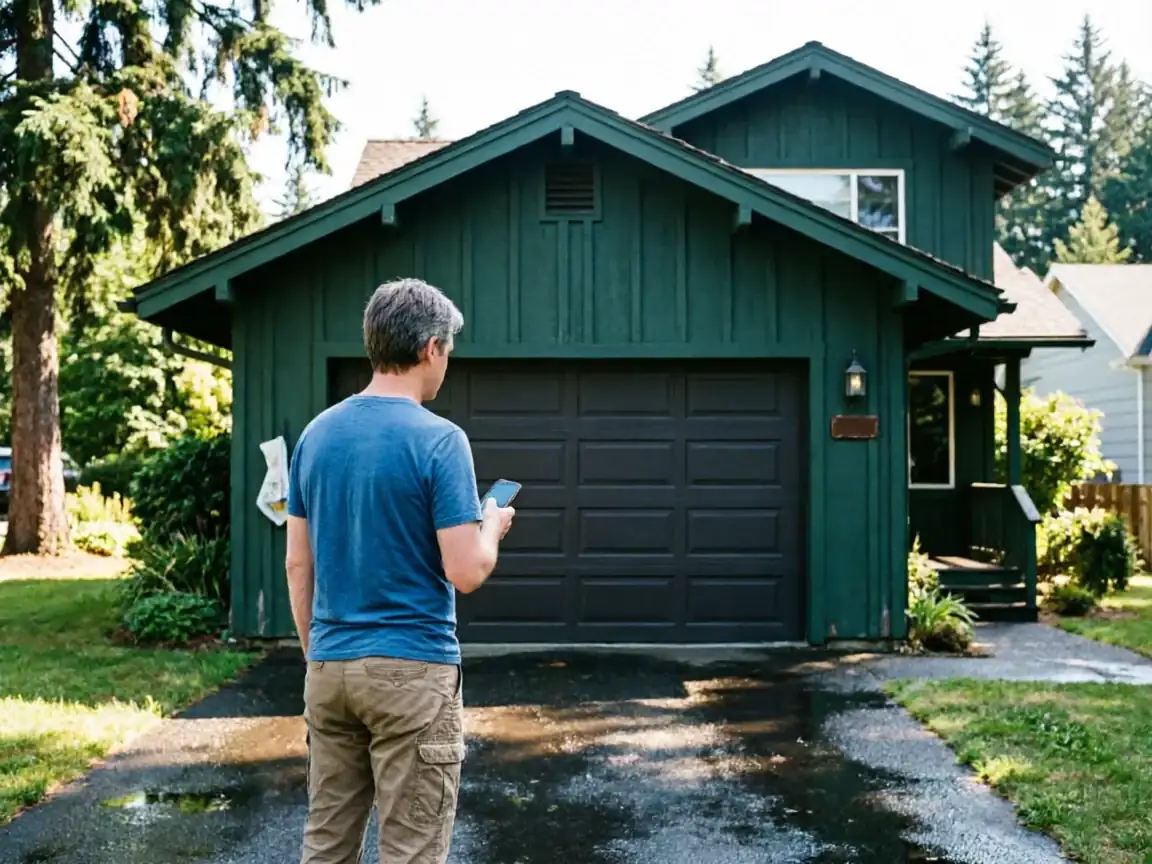
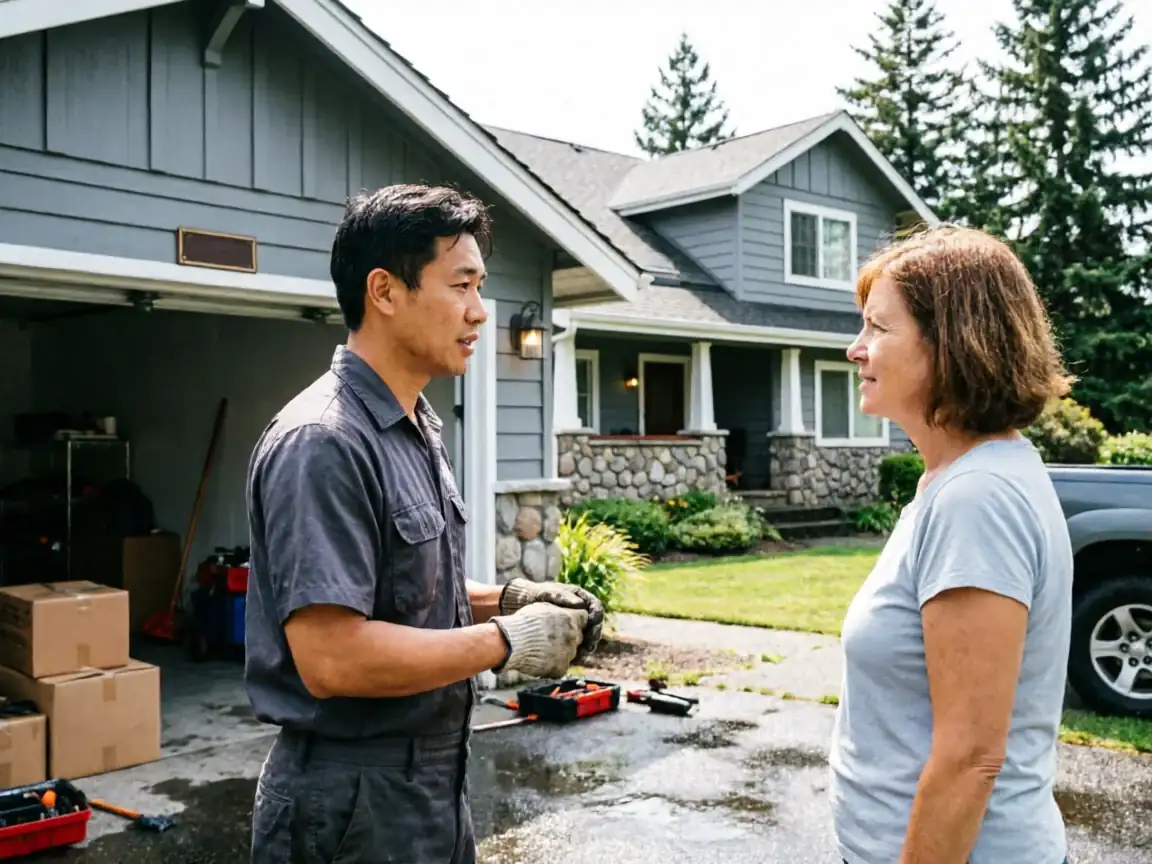
Tell us what the opener is doing - grinding, stalling, running but not moving the door, or not responding to the remote at all - and we can usually tell you over the phone whether it's a quick fix or a bigger one. That matters because households in this area, with a median income above $127,000, often have two vehicles depending on one working garage door, so we try to get a real diagnosis before a truck rolls, not after.
We work across the service area shown on our coverage map, from Mill Creek out through the nearby communities we serve. If you're closer to one of the towns a few miles off - Silver Firs, Martha Lake, Lake Stickney, Alderwood Manor and others nearby - the scheduling is the same, we just route the truck accordingly.
What You Are Seeing
A chain or belt that's slipped off its sprocket will make the opener run but the door won't move
That's usually a tensioner issue, not a dead motor. A door that reverses right after it starts closing is almost always a sensor alignment problem, cheap to fix, often caused by nothing more than a shifted storage shelf. A motor that hums but doesn't turn over is a capacitor or gear failure, and on an opener from the 1980s-90s stock common in this area, that's frequently the end of the unit's useful life rather than a single-part fix.
If the remote works intermittently but the wall button always works
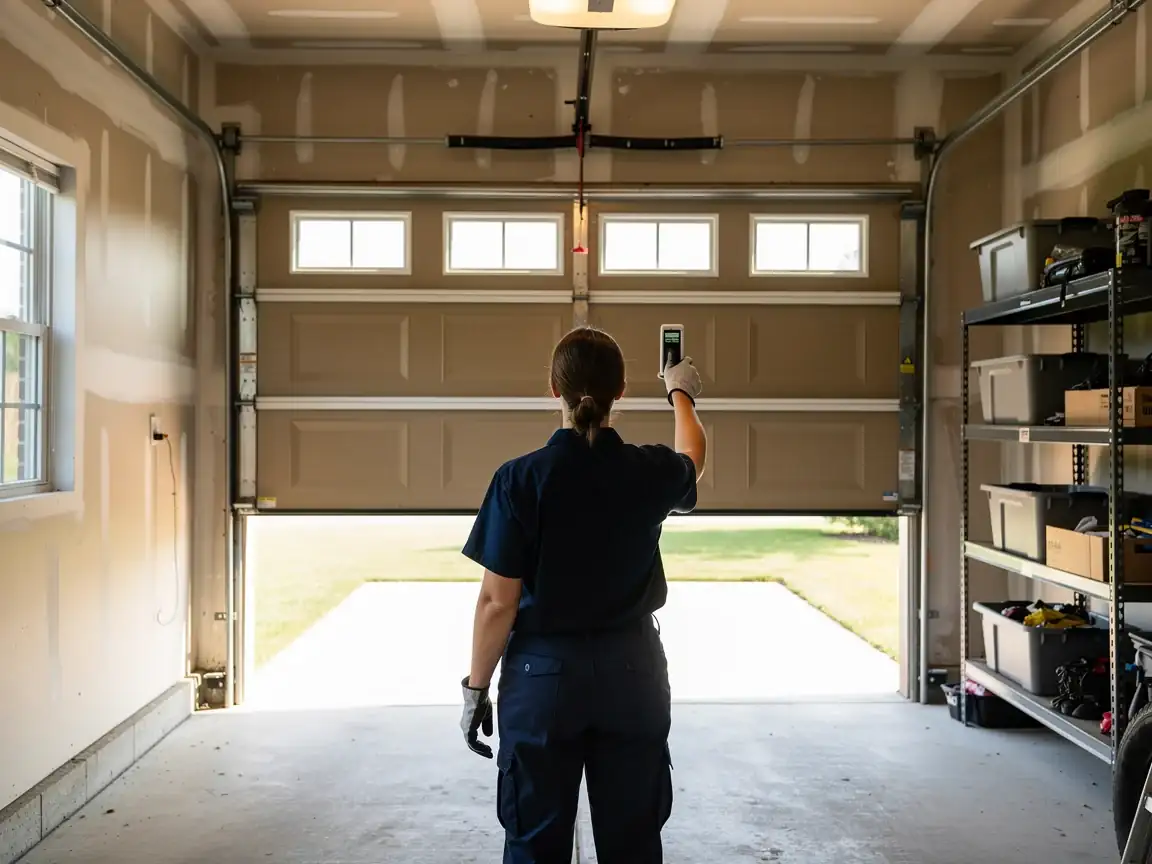
Look at the antenna wire on the unit itself before assuming the remote is bad - it's a common, cheap failure on older models. Grinding noise that gets worse over weeks, not days, points to the drive gear wearing down, and it's worth calling before it strips completely and leaves the door stuck in whatever position it quit in.