How Local Conditions Play In
Most houses in Mill Creek went up between 1968 and 2000
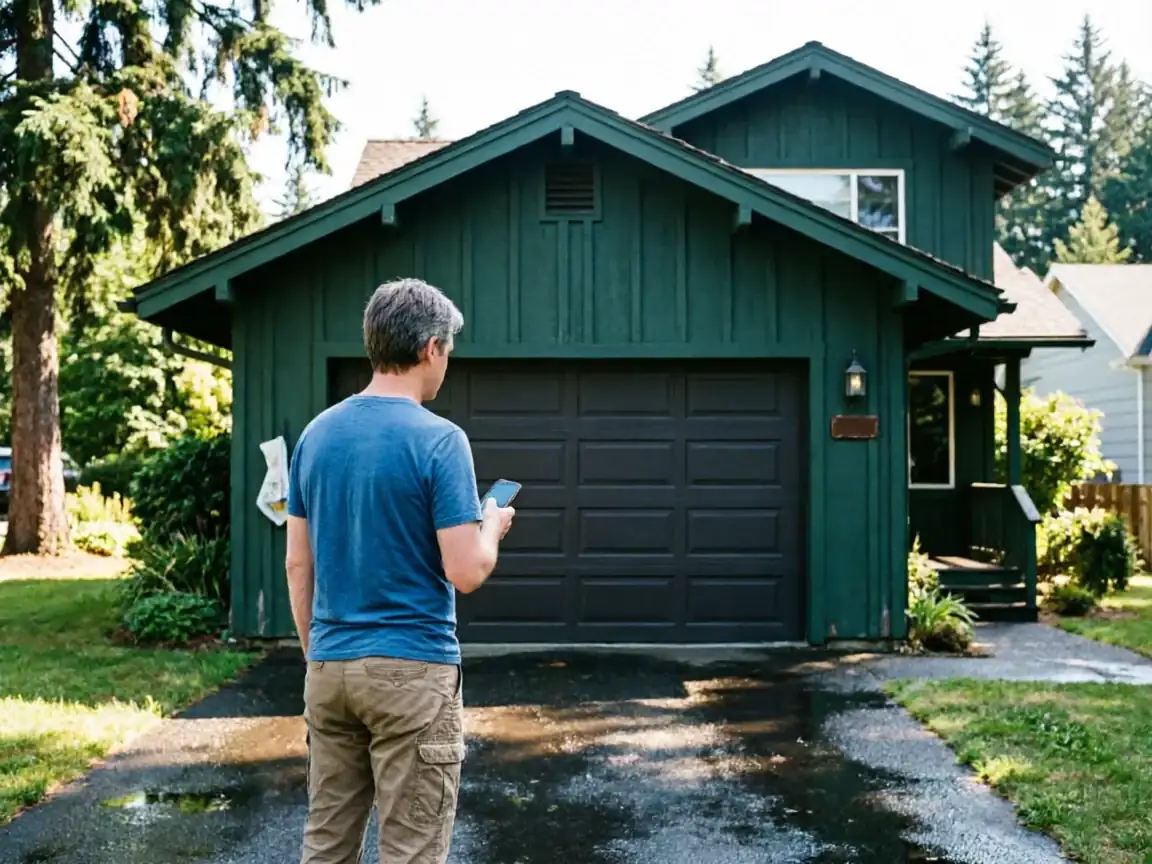
With the median build year landing right around 1989. That means a lot of the doors we see are still running on original torsion hardware from that era - springs sized for a door that's thirty-plus years old now, galvanized lift cable that's seen three decades of cycles, and openers that have outlived at least one remote control generation. Across the 31 named areas we cover, from Silver Firs to to the stock skews the same way: 1980s and 90s builds with similar opening widths and similar hardware kits. That consistency helps us - when a torsion spring lets go on a double door built in that window, we've usually worked the same setup a few streets over.
The climate here sits in a cold-moderate band
It isn't the hard freeze-thaw cycle you'd get further inland, but it's enough to gum up old grease in steel rollers and crack nylon rollers that have gone brittle with age. On a service call, we're not just checking what's broken today - we're checking what thirty years of this specific climate has done to parts that were never meant to last that long in the first place.
What to Check
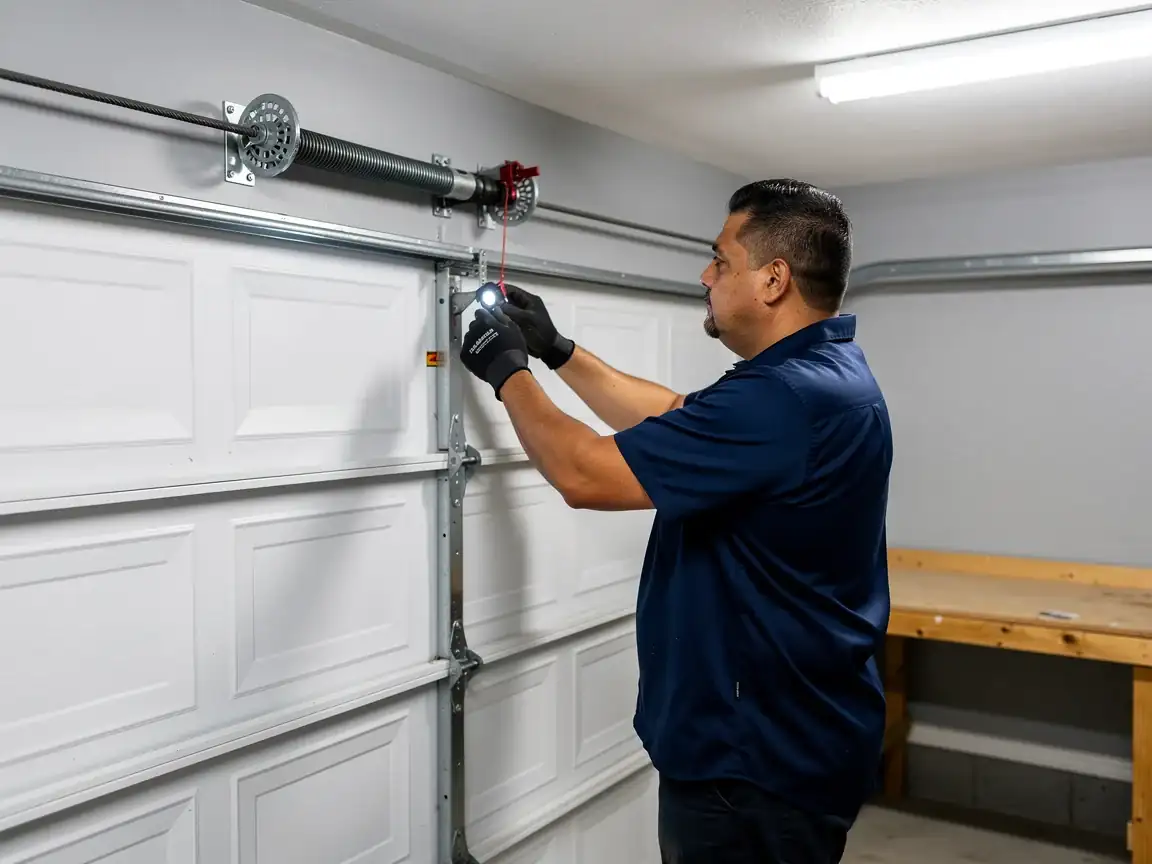
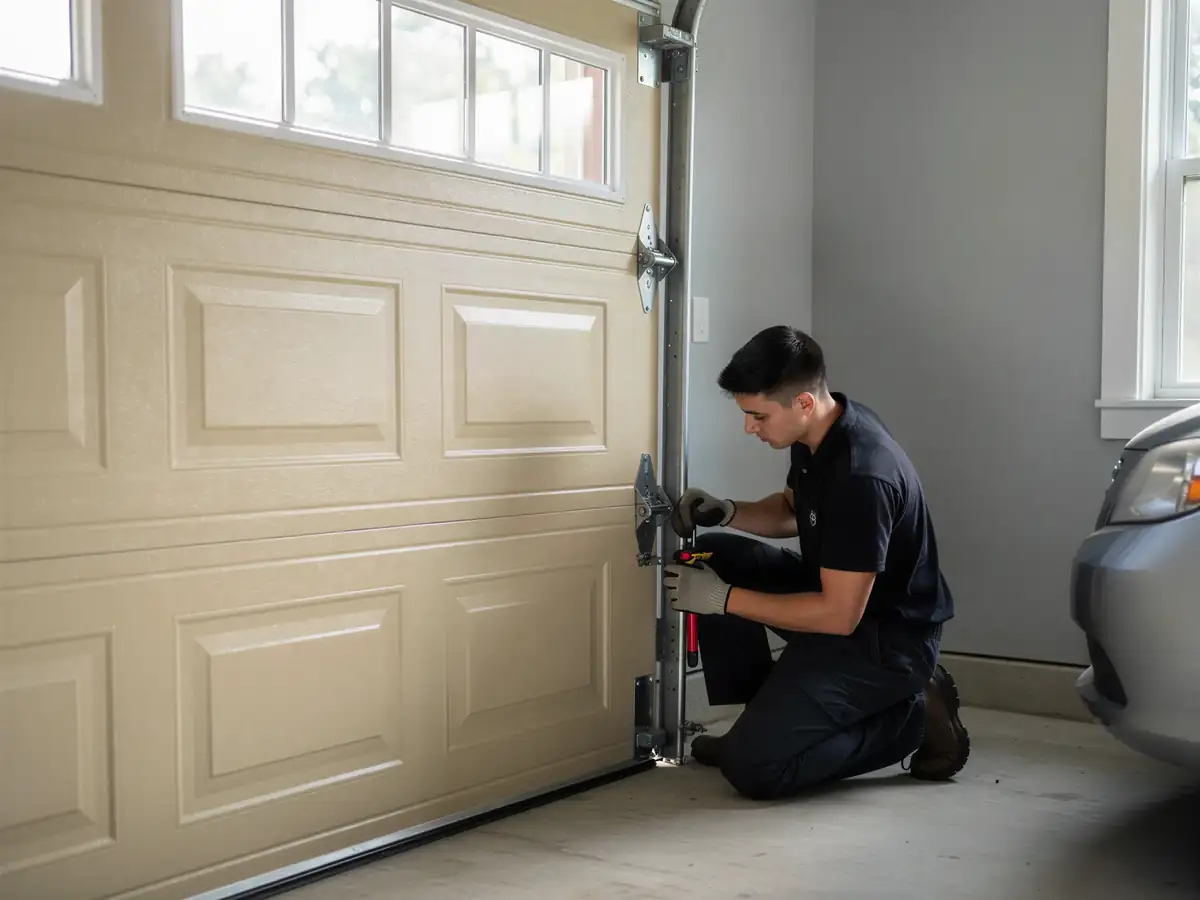
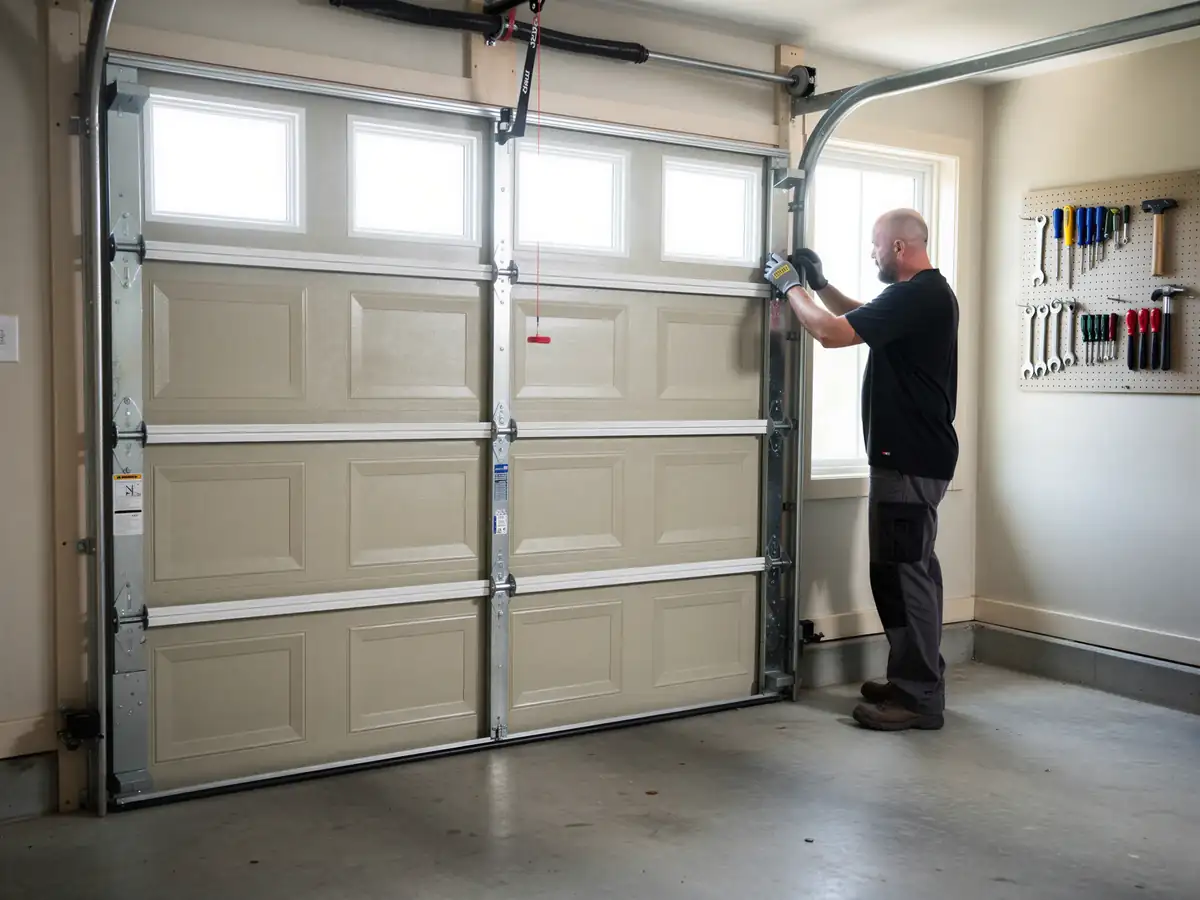
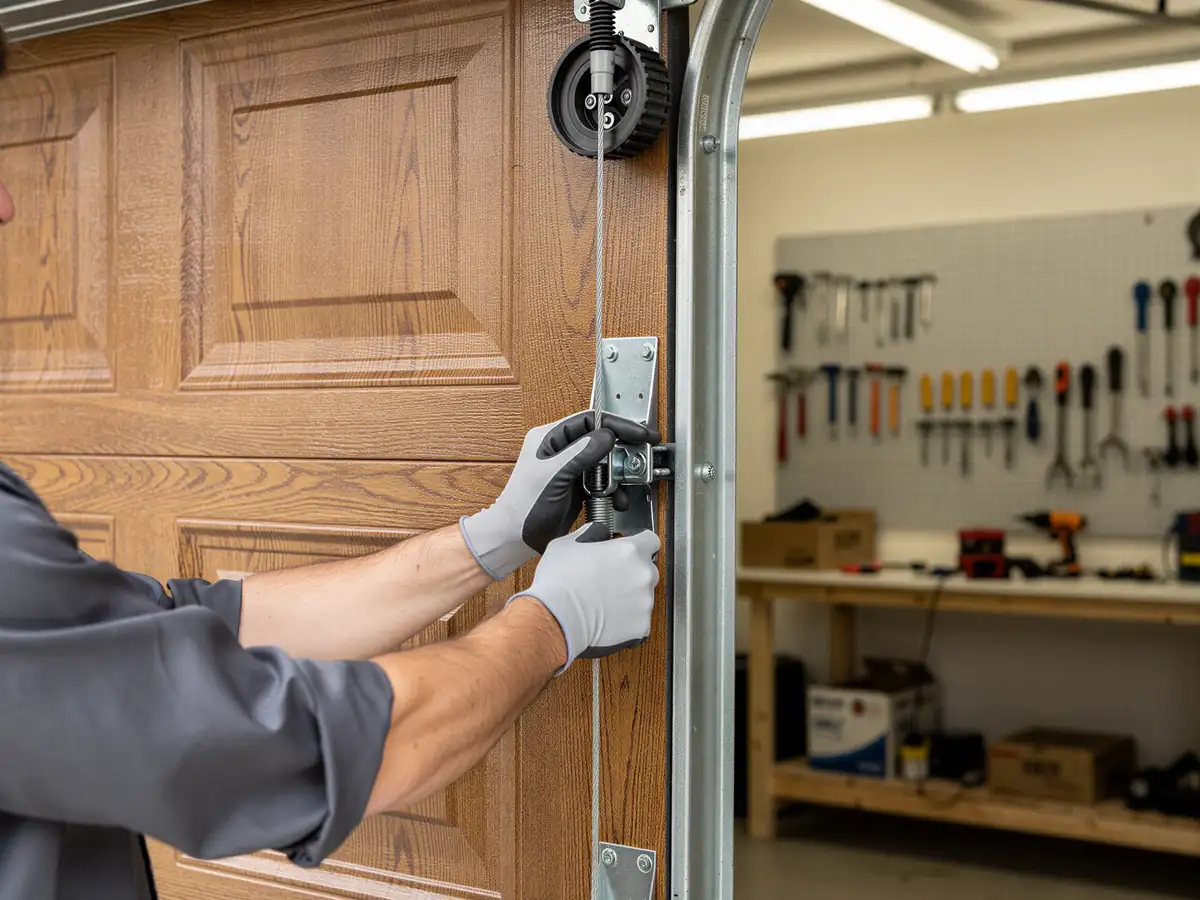
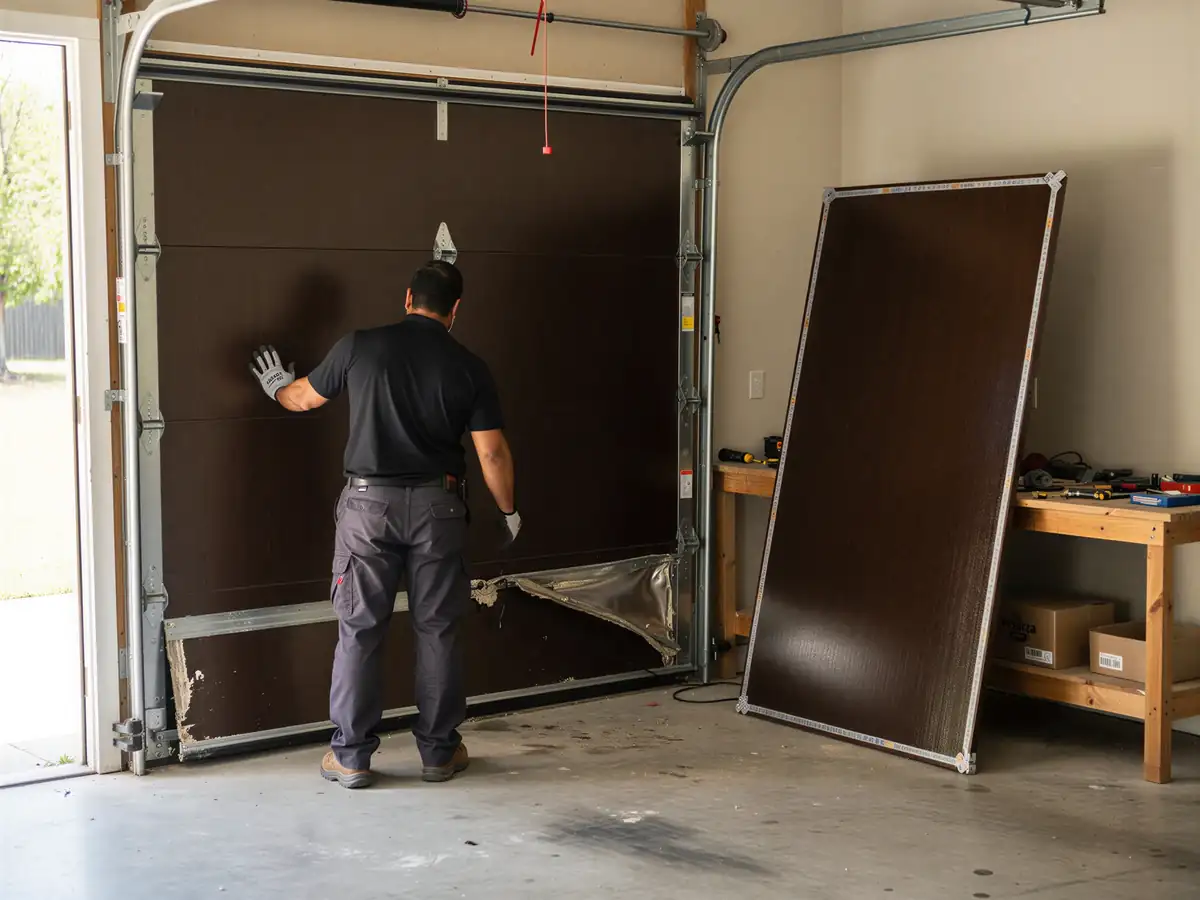
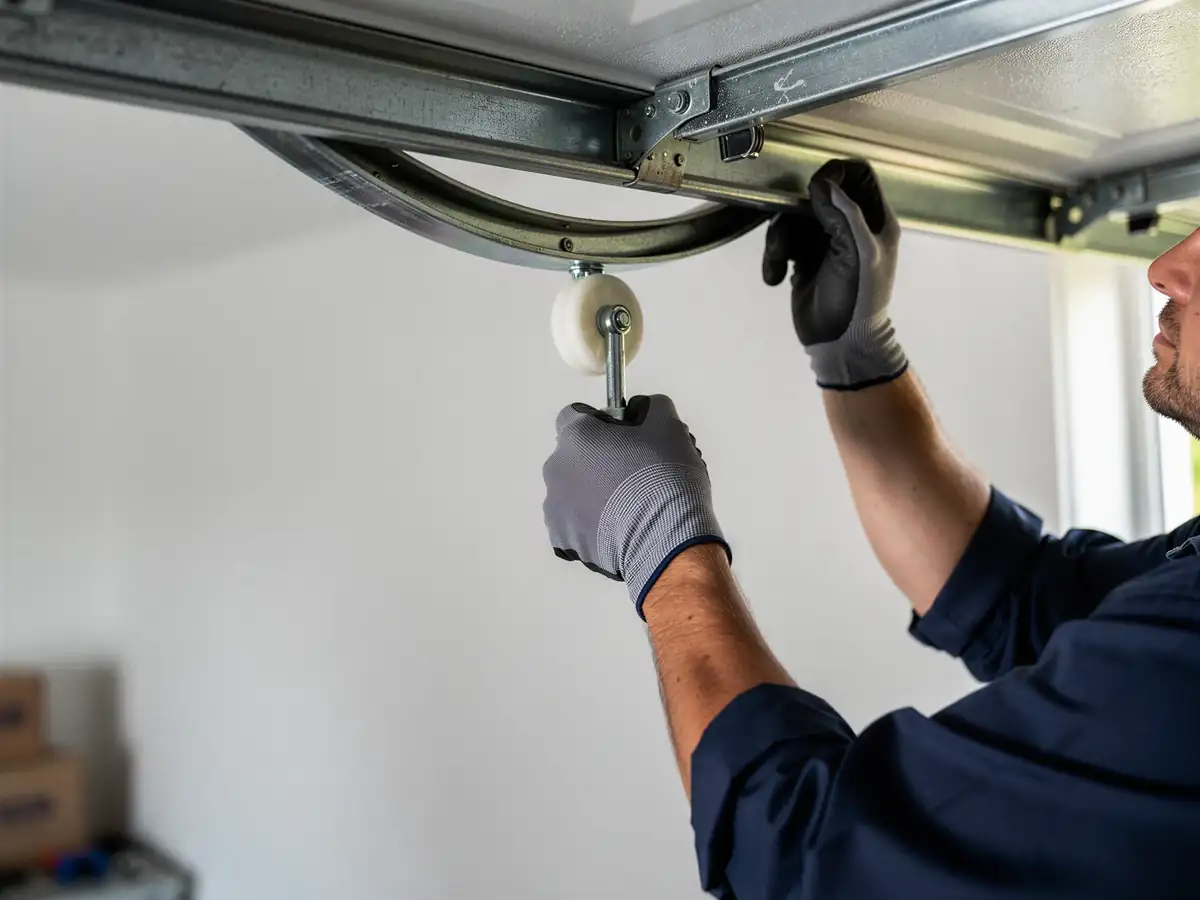
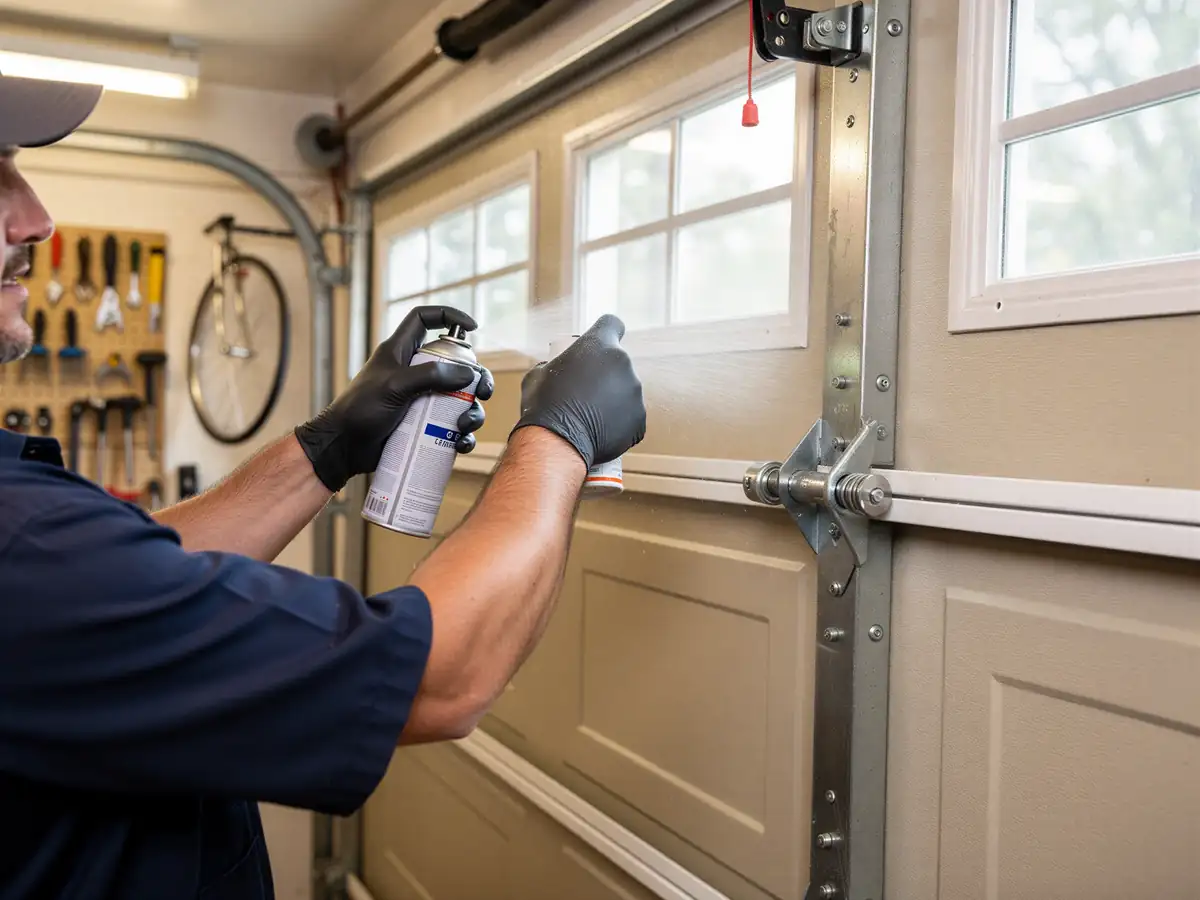
A real service call starts with the spring system, since that's what fails most on doors from the 1968-2000 build window: torsion springs that have lost tension, or in older setups, extension springs without the safety cables they'd require under current code. We check the cable for fraying at the drum, the rollers for flat spots or cracking, and the track for the kind of hairline bends that come from a car bumper tap years ago.
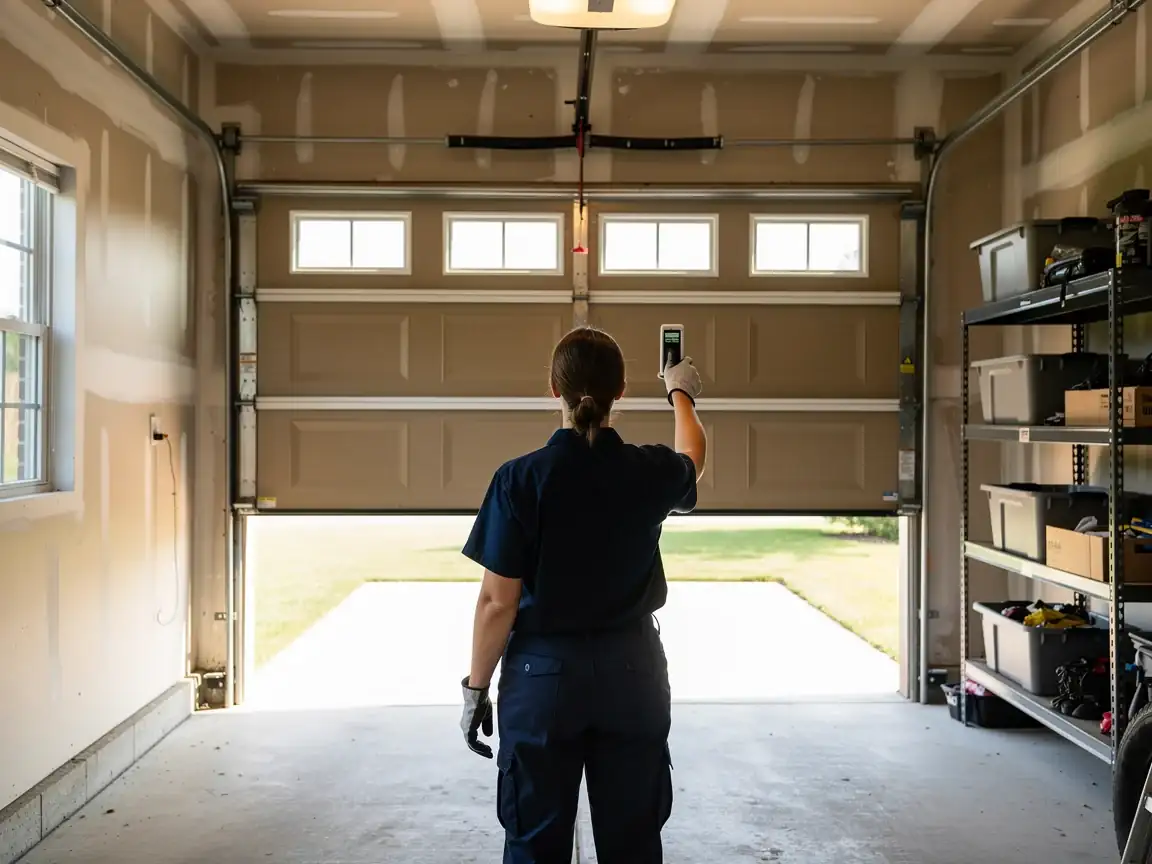
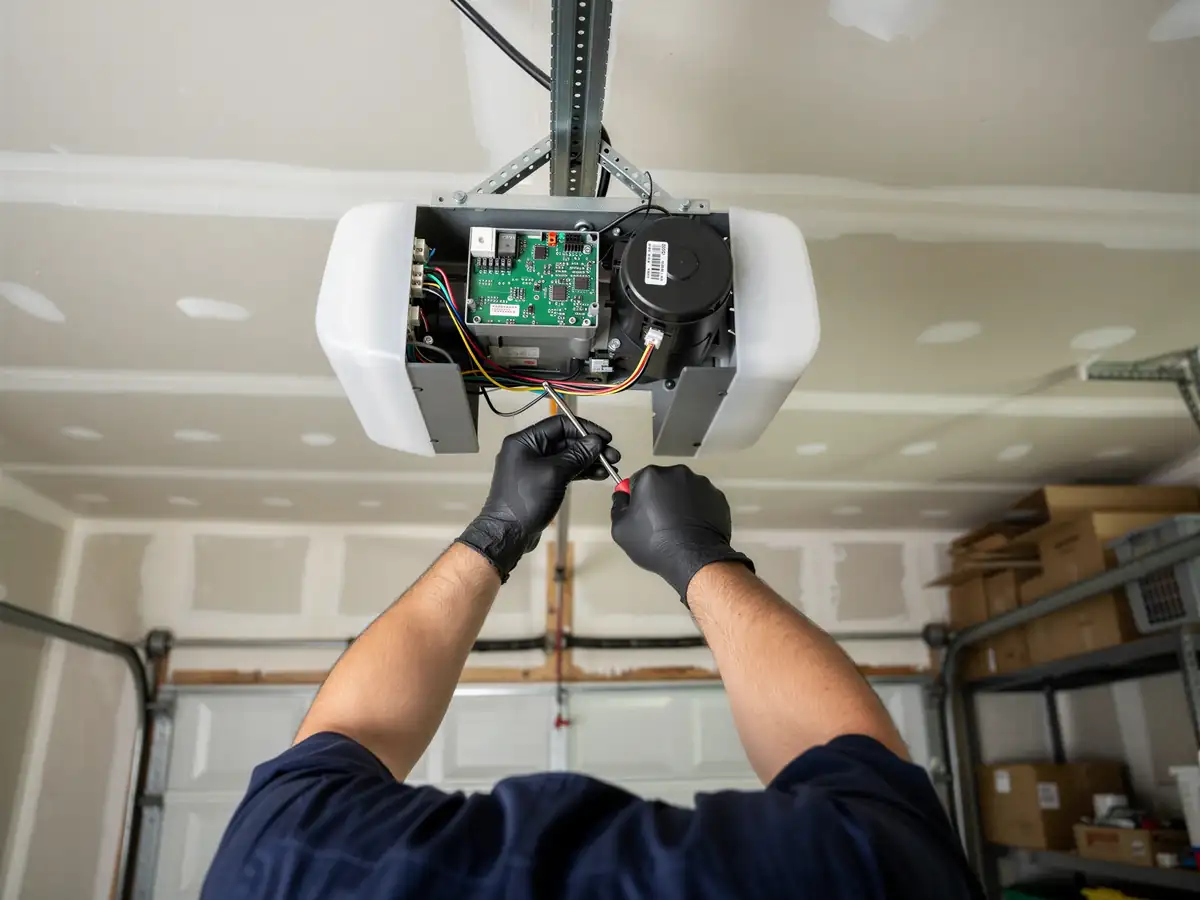
Next is the opener. In a lot of these 1980s and 90s builds, the opener has been swapped at least once but the door hardware hasn't, which means mismatched lift capacity - an opener straining against springs that are too weak, or too strong, for the door it's lifting. We test the force settings and the travel limits, and we look at the photo-eye sensors, which on original installs are sometimes missing entirely since they weren't required when the door went in.
Last is the weatherstrip and bottom seal. Given the cold-moderate climate here, a cracked seal doesn't just let in weather - it lets in enough cold air that the garage stops acting as a buffer for whatever's on the other side of that wall, whether that's a laundry room or a bedroom.
When It Stops Being a DIY Job
Winding or unwinding a torsion spring is not a job to do with hand tools and a YouTube video. The spring is under enough tension to break a wrist or worse, and we'd rather you call us than find out the hard way. Same goes for cable replacement - if the cable's frayed, the drum and spring are usually not far behind, and that's a job that wants a second set of hands and the right winding bars.
Where we draw an honest line: if your opener logic board is fried and the opener's old enough that parts aren't sold anymore, we're not going to spend an hour chasing a part that doesn't exist. At that point replacing the opener costs less than the labor to keep hunting, and we'll tell you that straight instead of running the clock.
What you can check yourself before calling: whether the door is binding on one side versus lifting evenly, whether the noise is a squeal (usually rollers) or a bang (usually cable or spring), and whether the opener light blinks when it won't close - that blink code points to the photo-eye almost every time. None of that requires tools, just paying attention before the call.
The Problem
The gap most homeowners run into is that a garage door looks like one machine but is actually several systems
Springs, cable, track, opener, sensors - that fail independently and on different timelines. A service call has to account for all of it, not just the symptom you noticed. The door won't close isn't one problem; it's five possible problems that happen to share a symptom.
With a median household income of $127,043 across the service area
Most Mill Creek owners we talk to are weighing repair against replacement on a door that's still structurally sound but aging out on hardware - not stretching to cover an emergency fix. That changes the conversation: we're usually not selling you on the cheapest patch, we're telling you honestly whether the spring and cable you need are worth replacing on a thirty-year-old door, or whether the door itself is close enough to the end that doing it twice doesn't make sense.
- $127,043 median household income
Across 81,984 households and 53,676 owner-occupied houses in this area
The door that fails on a Tuesday in Mill Creek is, more often than not, the same door that's been there since the house was built - which is exactly why knowing the build era matters before we even open the panel.
- 81,984 households
- 53,676 owner-occupied