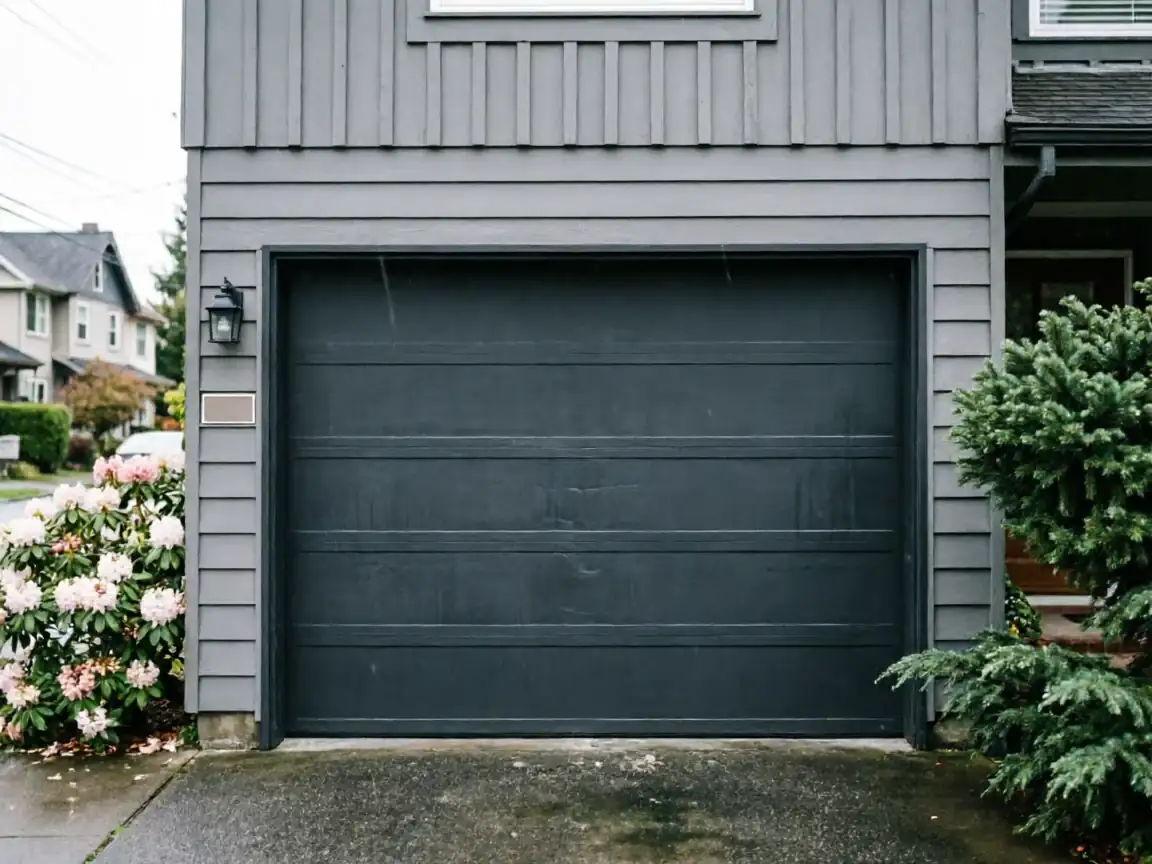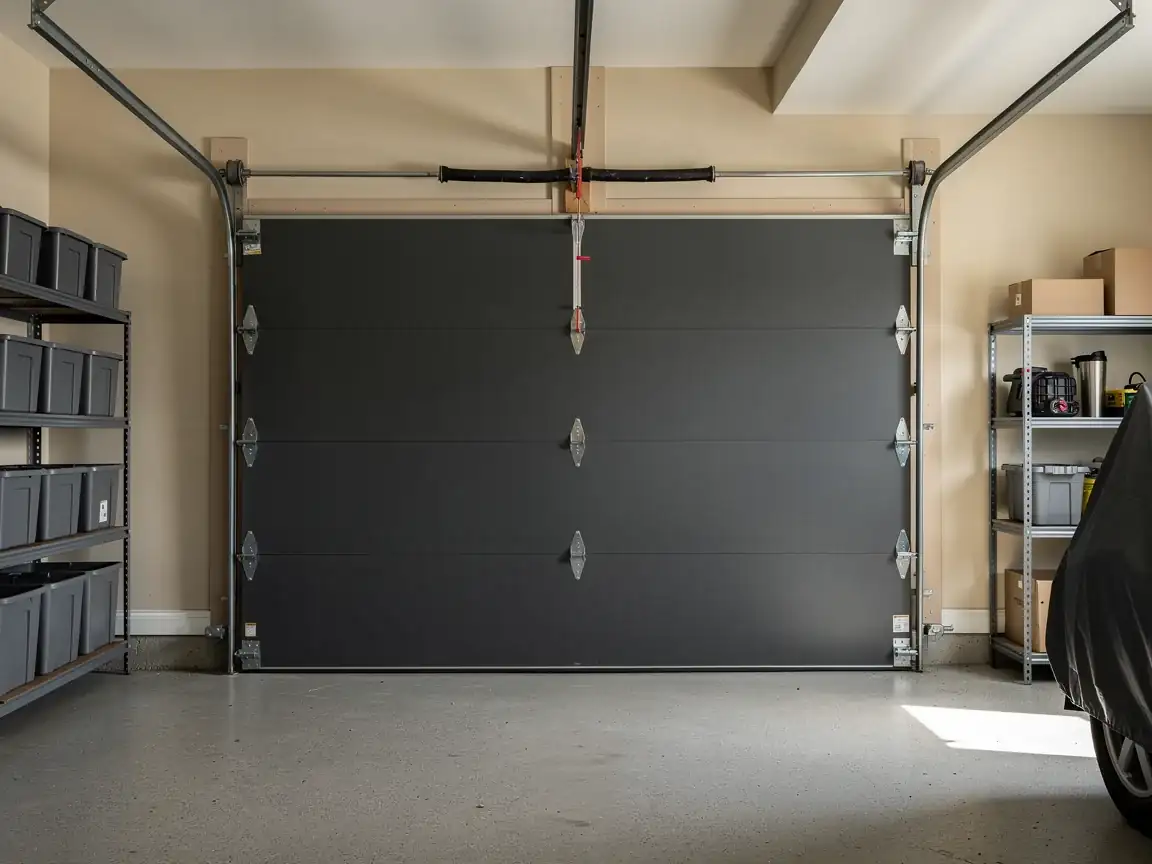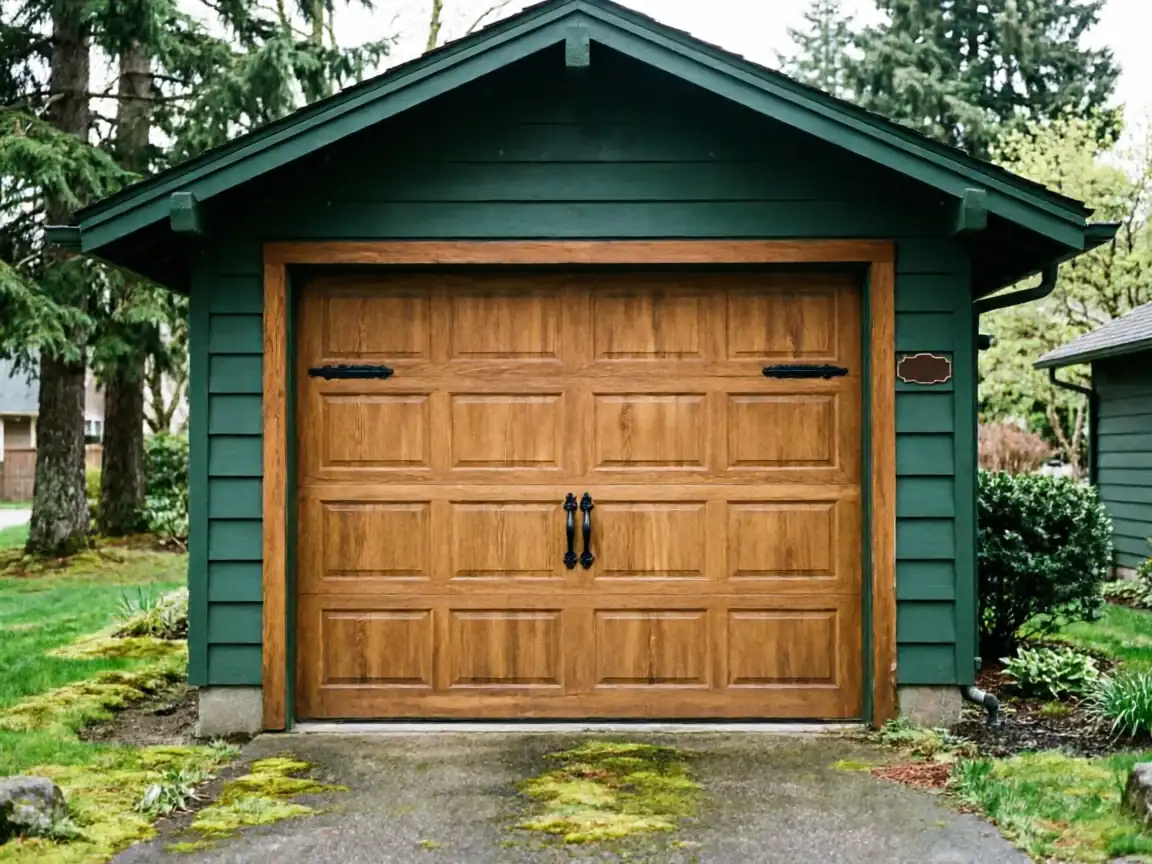
Stocked Parts
The drive out to Picnic Point from our Mill Creek shop is five miles
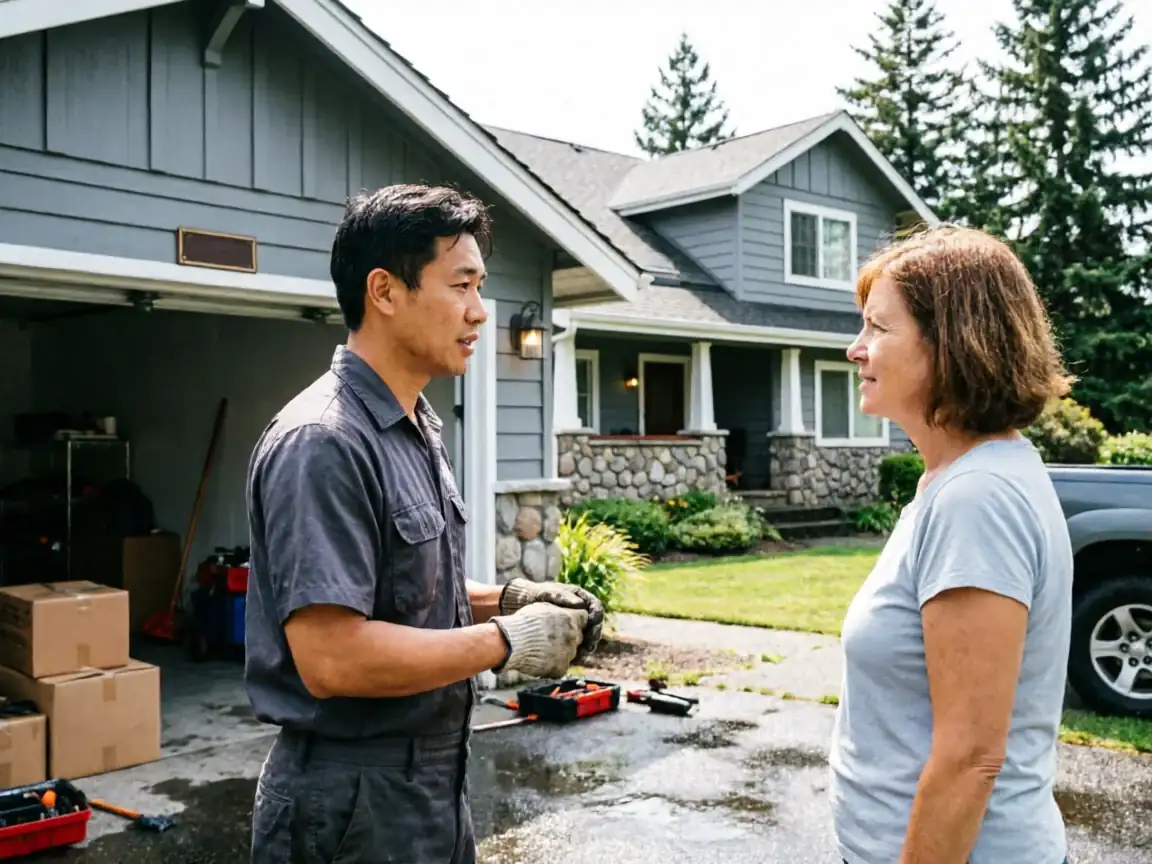
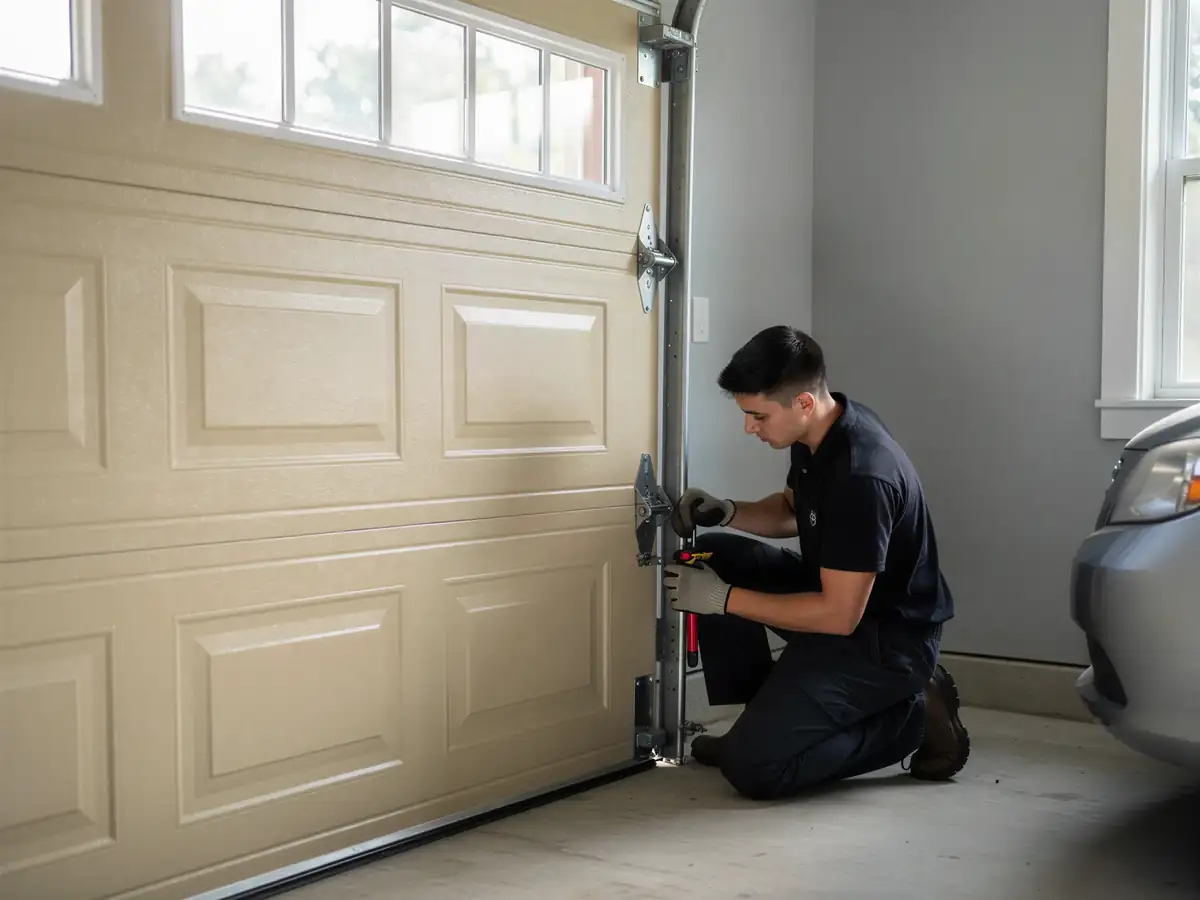
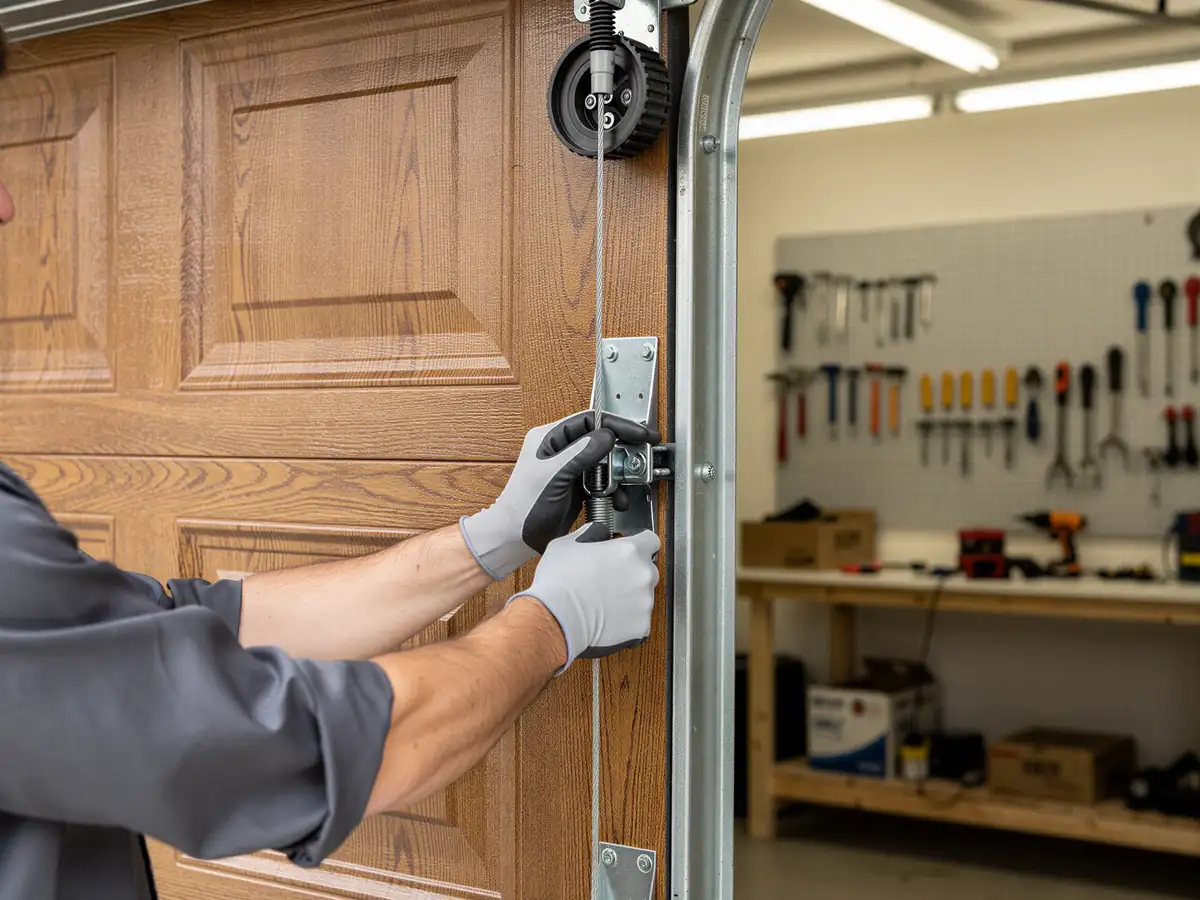
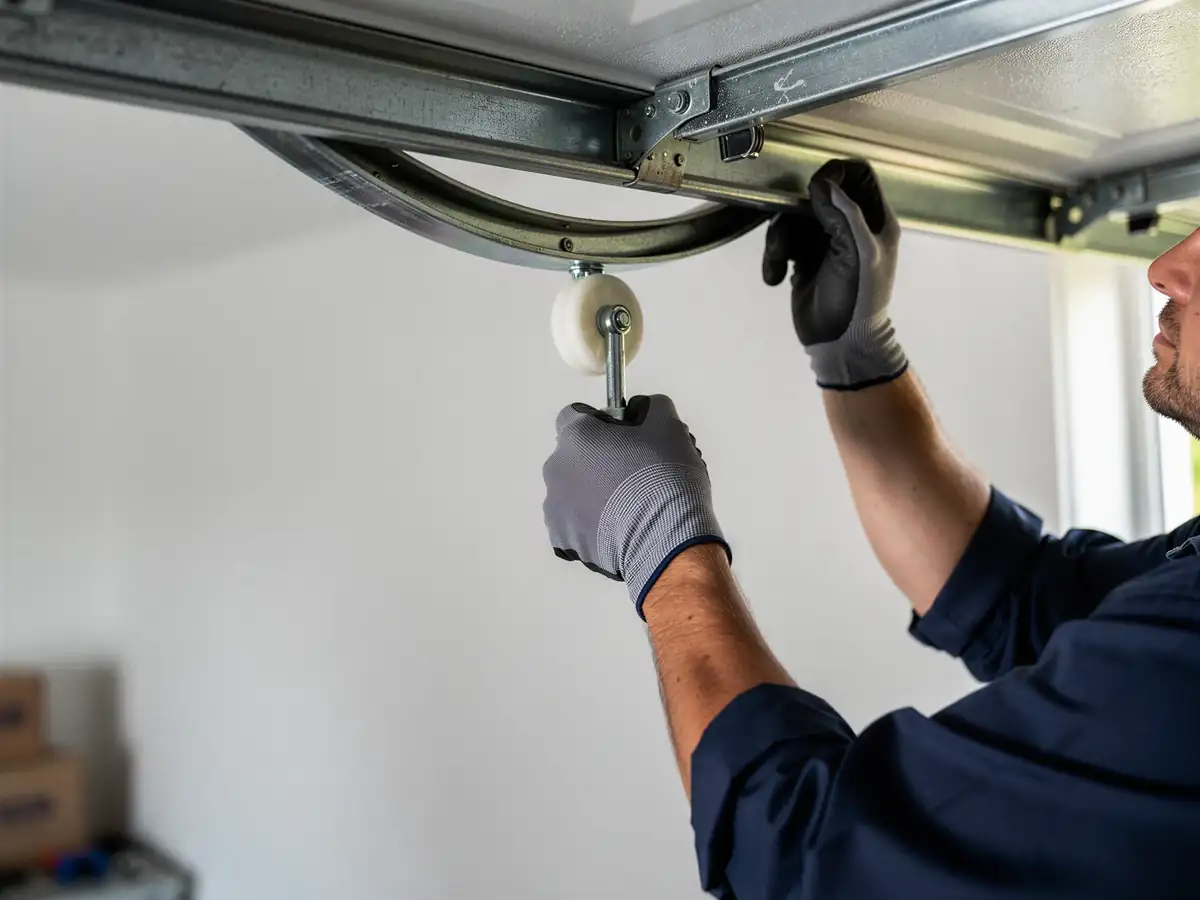
Short enough that we don't build extra slack into the schedule for it, but it still shapes how a maintenance call runs. We load the truck before we leave, not after we see your door, so the rollers, cables, and lubricant we carry are picked for what this neighborhood actually has on its houses. Picnic Point's housing mostly dates to around 1980, which puts a lot of doors here on steel track and torsion hardware that's now over four decades old. That's not exotic stuff, but it's old enough that the original rollers have usually gone out of round and the factory lube has long since dried to a crust. We carry nylon rollers, standard-lift cable, and the fittings that match that era's hardware, so a maintenance visit doesn't turn into a second trip because we didn't have the right roller on the truck. We don't stock every obscure part a custom door might need, and if your opener or track was replaced with something newer and unusual, we'll tell you upfront if that's a special-order item rather than pretend otherwise.
Because the trip is short, we can also come back quickly if something that looked fine at the first visit turns out not to be
Without padding the price for drive time."},
What You Are Seeing
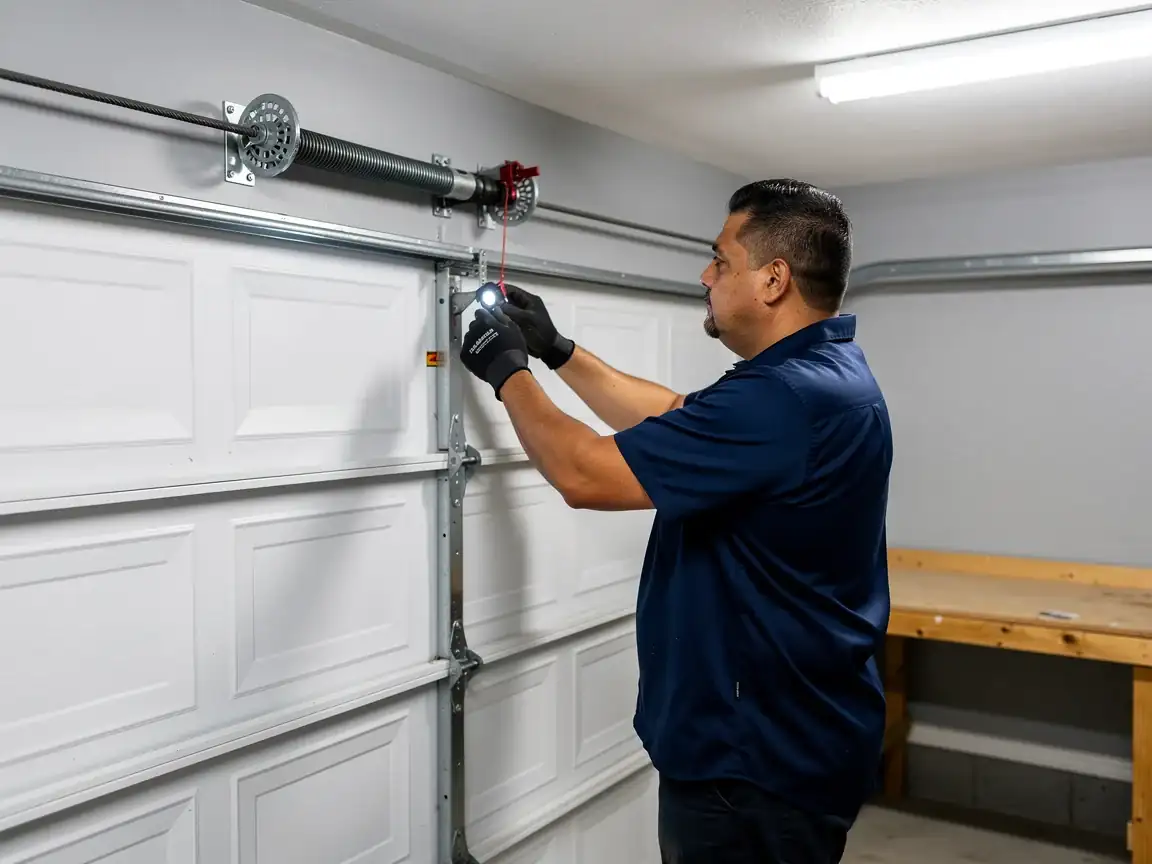
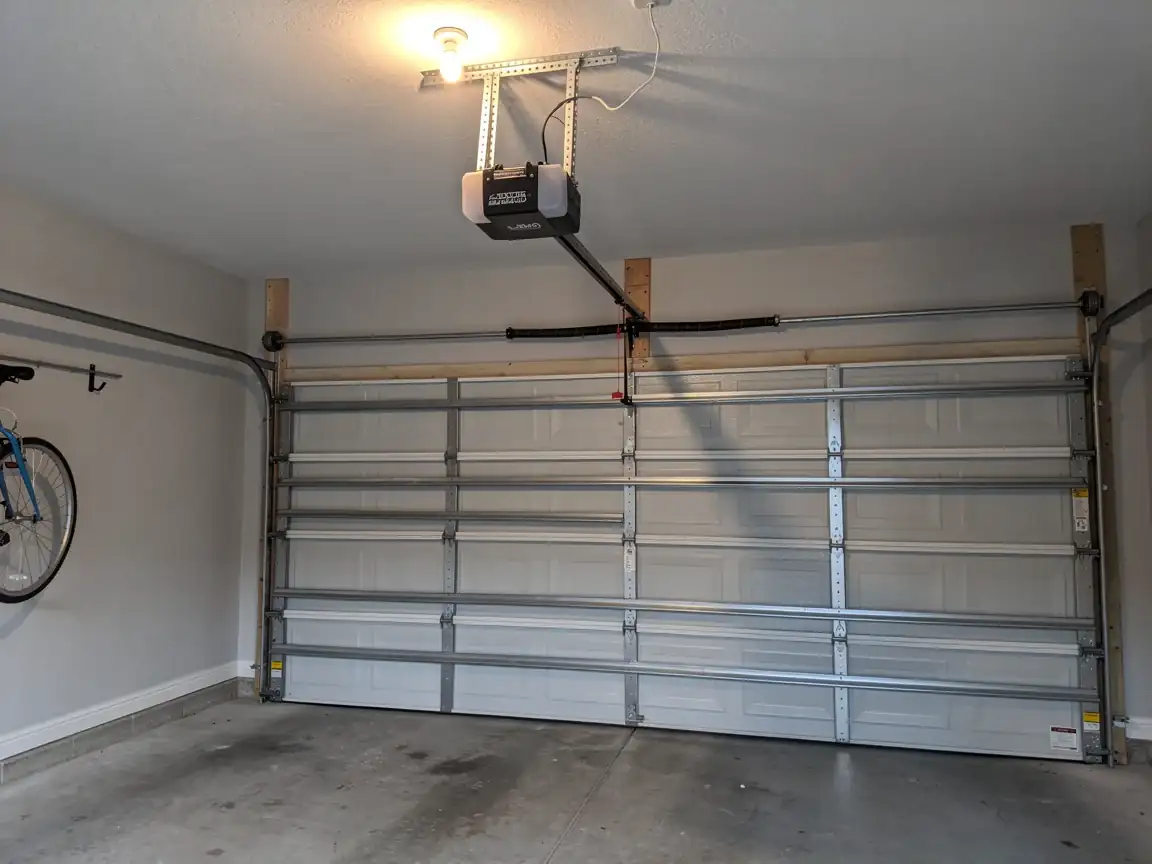
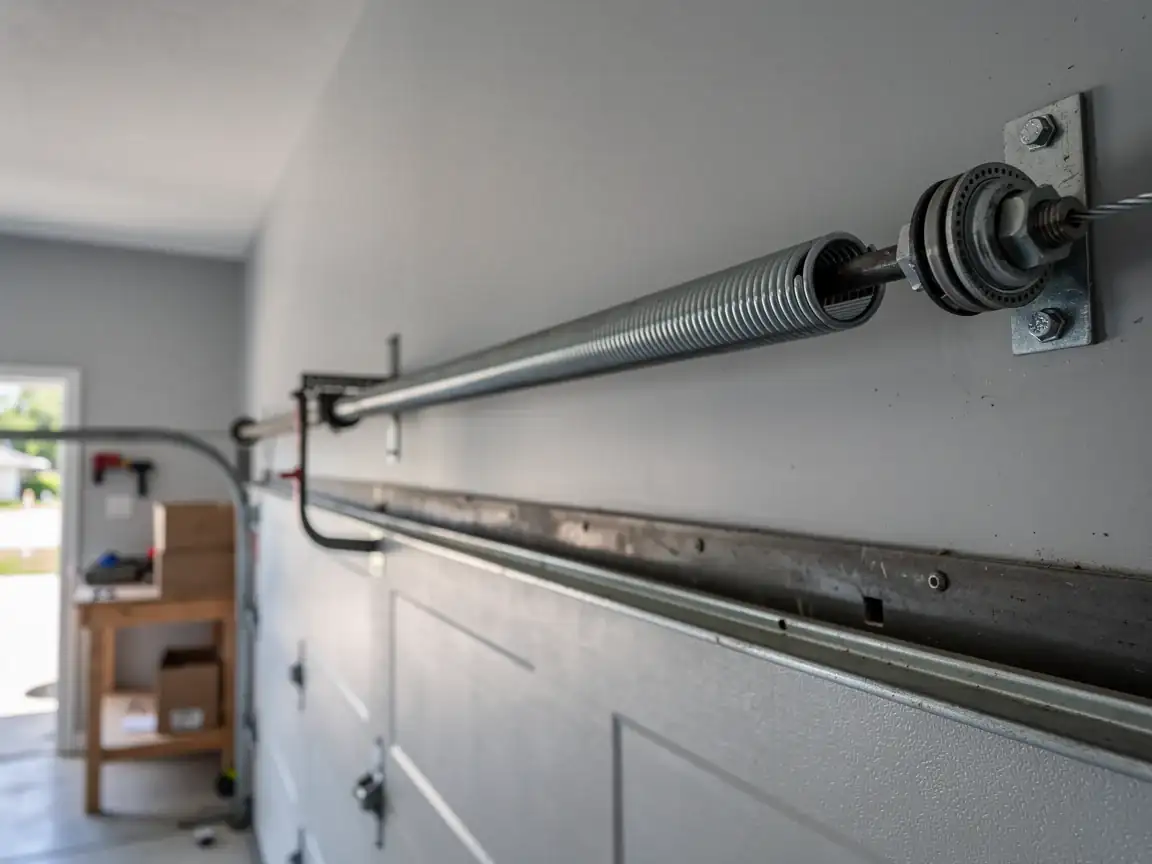
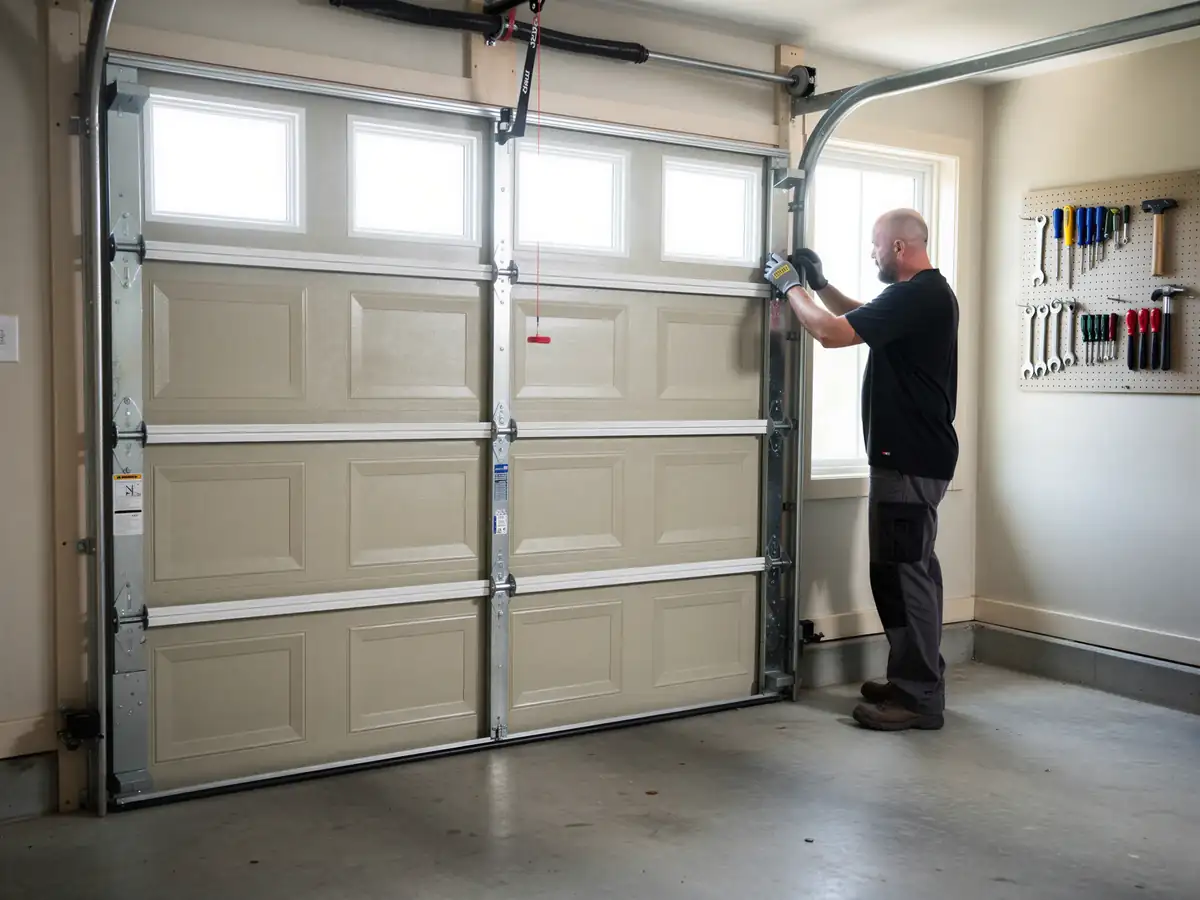
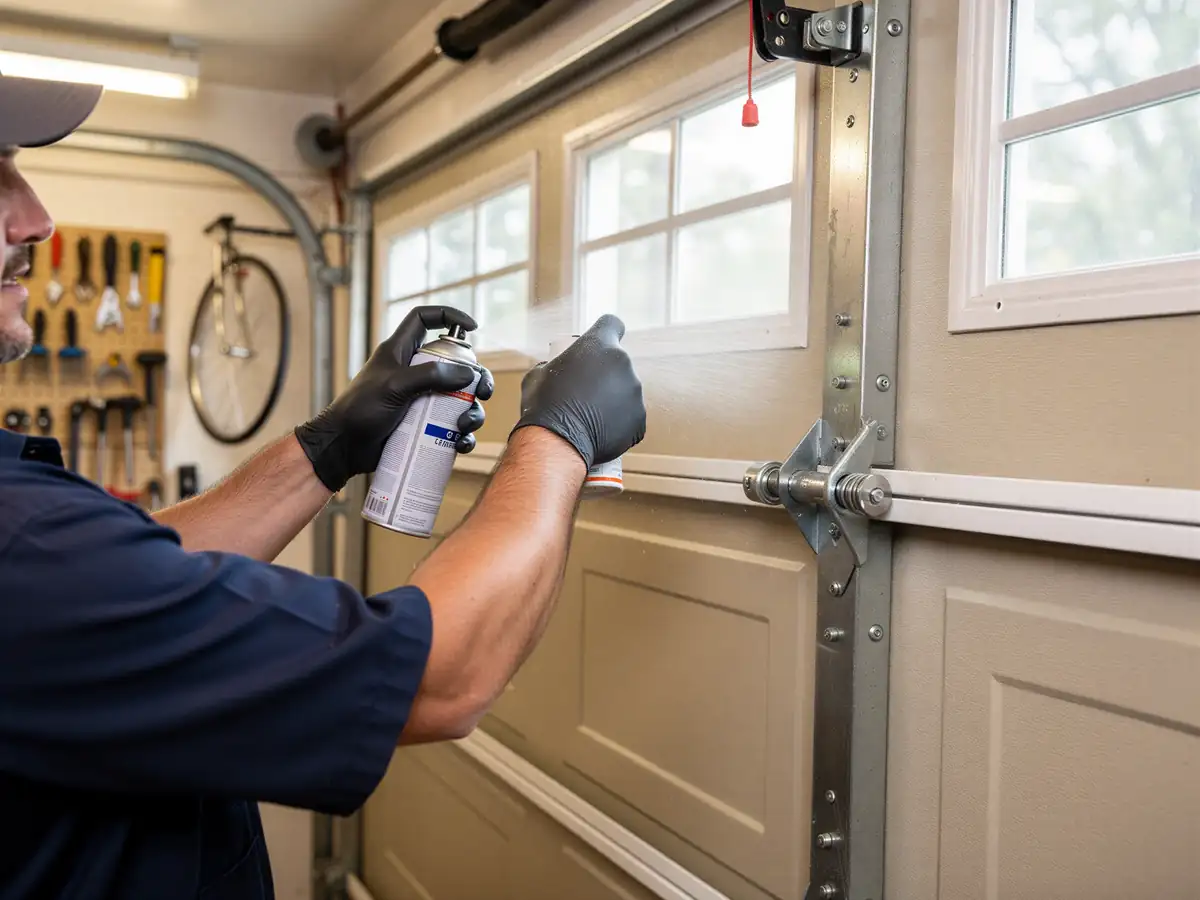
If your house is part of the wave built around 1980, the most common thing we find on a maintenance call is a torsion spring that's lost tension gradually rather than snapped outright, paired with rollers that are chipped or seized in their brackets. Owners usually describe it as the door 'feeling heavier' or the opener straining on the last foot of travel. That's the spring losing wind cycle by cycle over forty-plus years, not a sudden failure. We also see hinges worn oval at the pivot hole, which lets a panel rack slightly and bind in the track. None of this is dramatic, which is exactly why it gets ignored until the door won't open at all. Picnic Point sits in a cold, moderate climate band, so grease that's gone stiff or grit-caked from damp winters is a routine finding here too; we see it less in homes that get regular lubrication and more in doors that haven't been touched since they were installed. We don't find much evidence of storm damage or impact dents being the main driver out here - it's age and lack of lubrication, plain and simple.
How Long It Takes
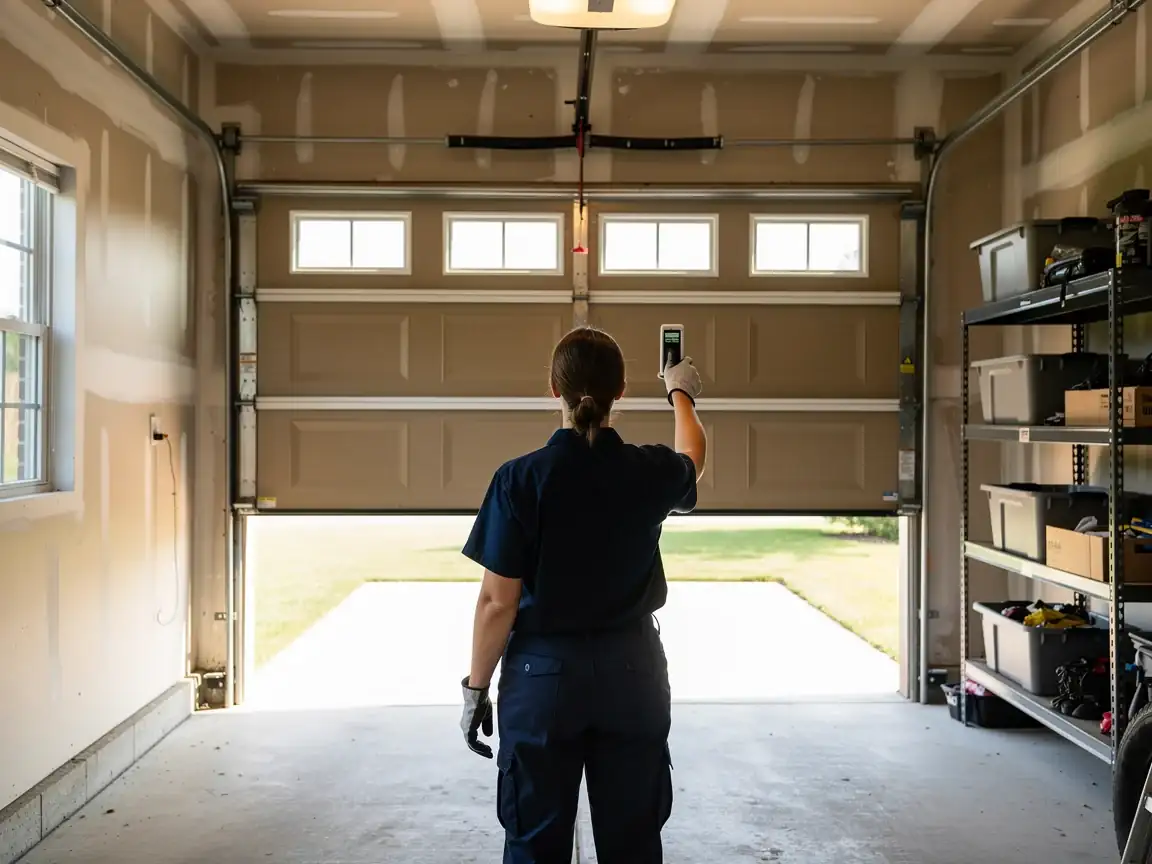
A standard maintenance visit on a single door runs under an hour once we're on site, including a hardware inspection, lubrication, roller check, and a balance test on the spring. Doubling that for a two-car door is reasonable if both doors need attention. What changes the time isn't the five miles from Mill Creek, it's what we find once the door is open. A door that's just due for lubrication and a hardware tighten is quick. A door where a hinge is worn through or a cable has started to fray takes longer, because fixing that properly means stopping and doing a repair, not just noting it for later. We'd rather tell you the visit will run long because we found something than rush through and leave a worn part in place. If parts beyond what's on the truck are needed, that's a second visit, and we'll say so before we start rather than after.
Getting It Booked In
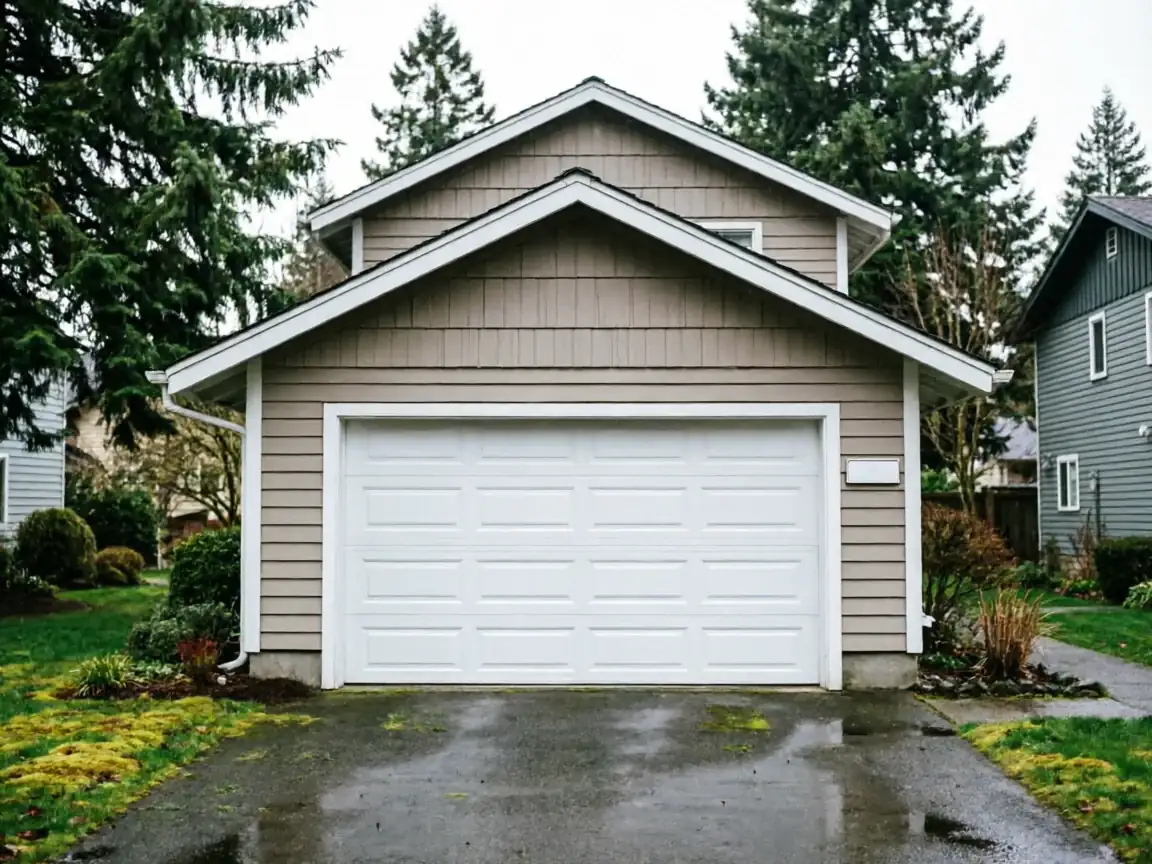
Booking a maintenance visit for a Picnic Point address works the same as anywhere we cover from Mill Creek - we schedule the truck, not a separate branch, since there isn't one out here. Given it's a five-mile trip, we're usually able to offer same-week slots without the scheduling getting complicated by distance. Tell us roughly how old your door and opener are when you call; for a house built around 1980 that still has its original hardware, we'll plan the visit around replacing worn rollers and hinges as part of the same stop rather than treating it as a separate job later.
What the Repair Takes
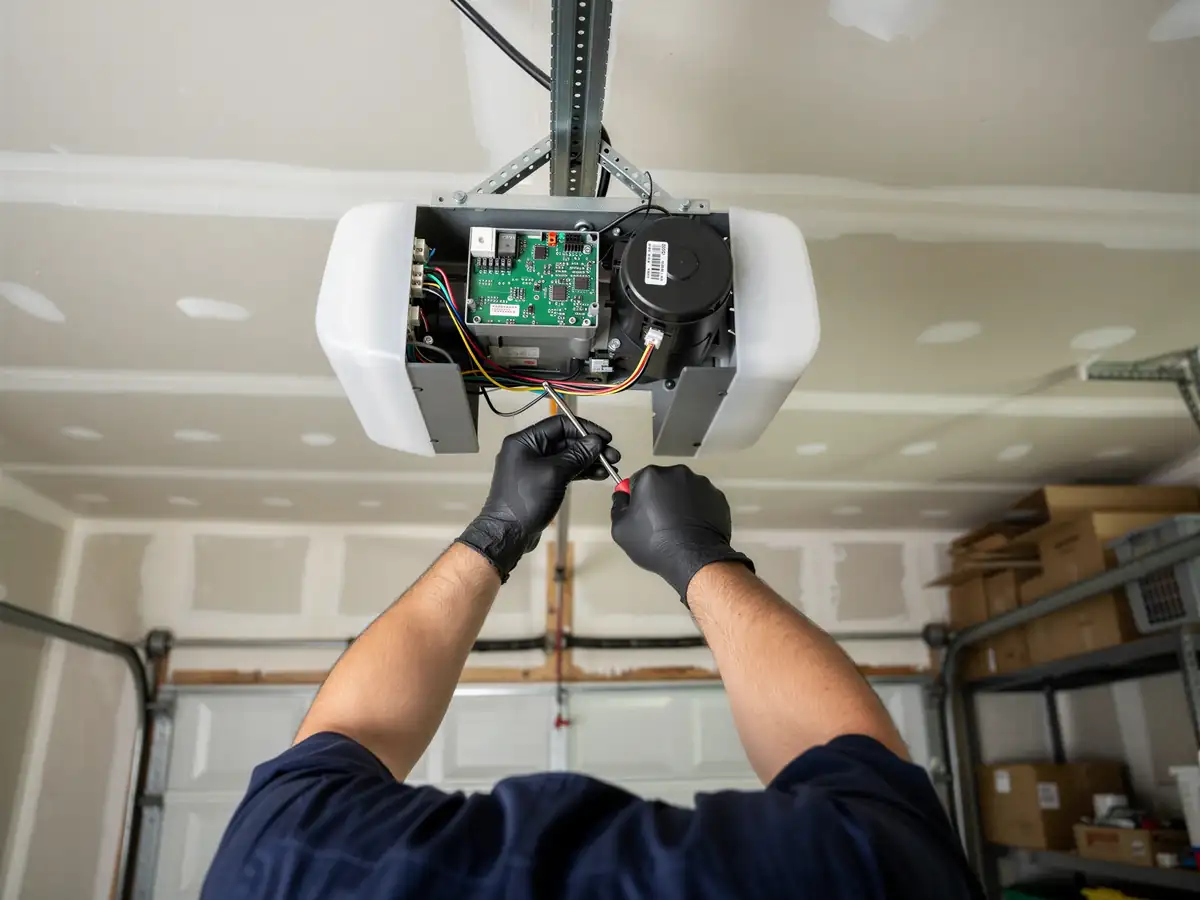
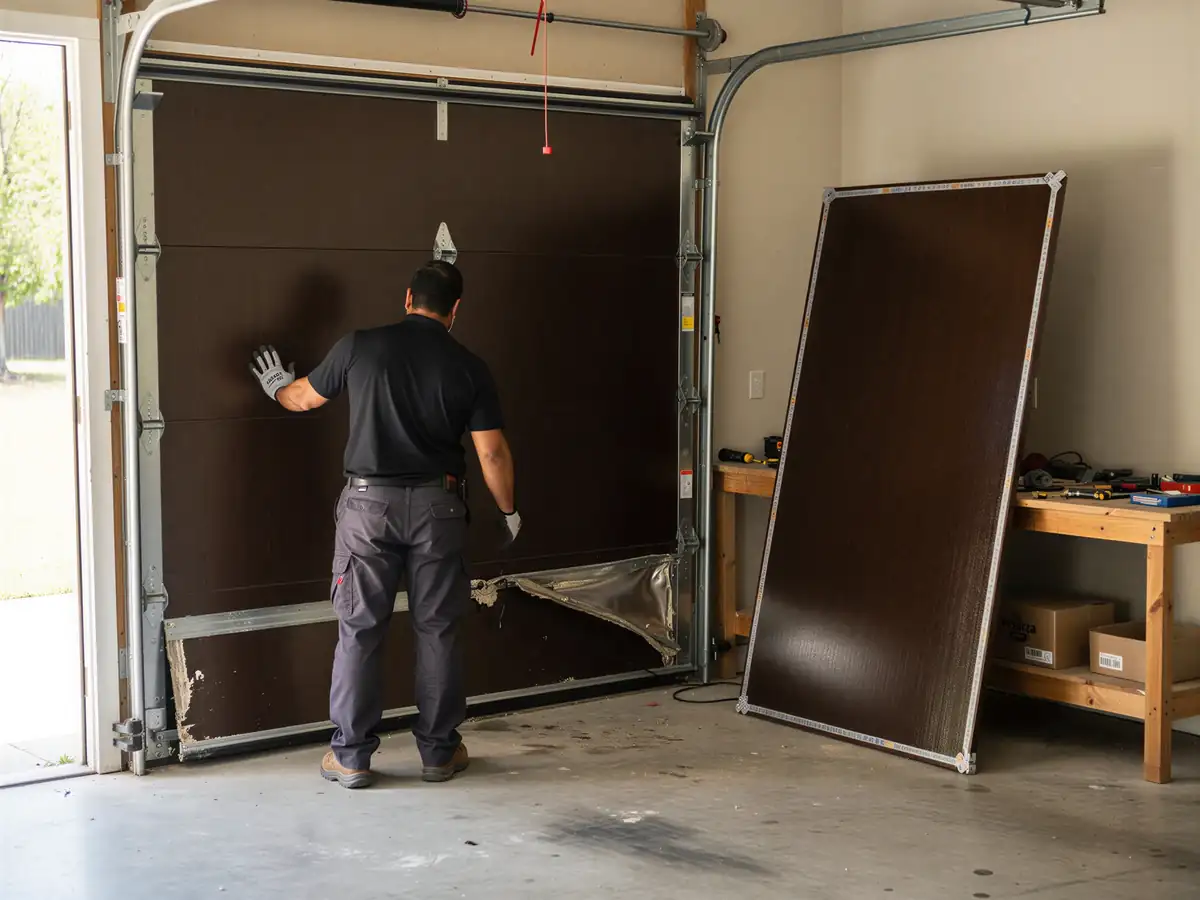
When maintenance turns up something that needs fixing rather than just adjusting, the repair itself depends on what's worn. Swapping a run of rollers and a hinge or two is a same-visit fix with parts off the truck. A torsion spring that's lost most of its tension is a bigger job and one we take seriously given how often this area's spring age shows up - we'll walk you through the tension and cycle count before we touch it. We won't recommend replacing a whole door just because the hardware is old; a lot of these 1980-era doors are structurally fine once the moving parts are brought back up to spec. Where replacement does make more sense than repair is when the door panel itself is warped or rusted through, which is a different conversation from a worn roller.