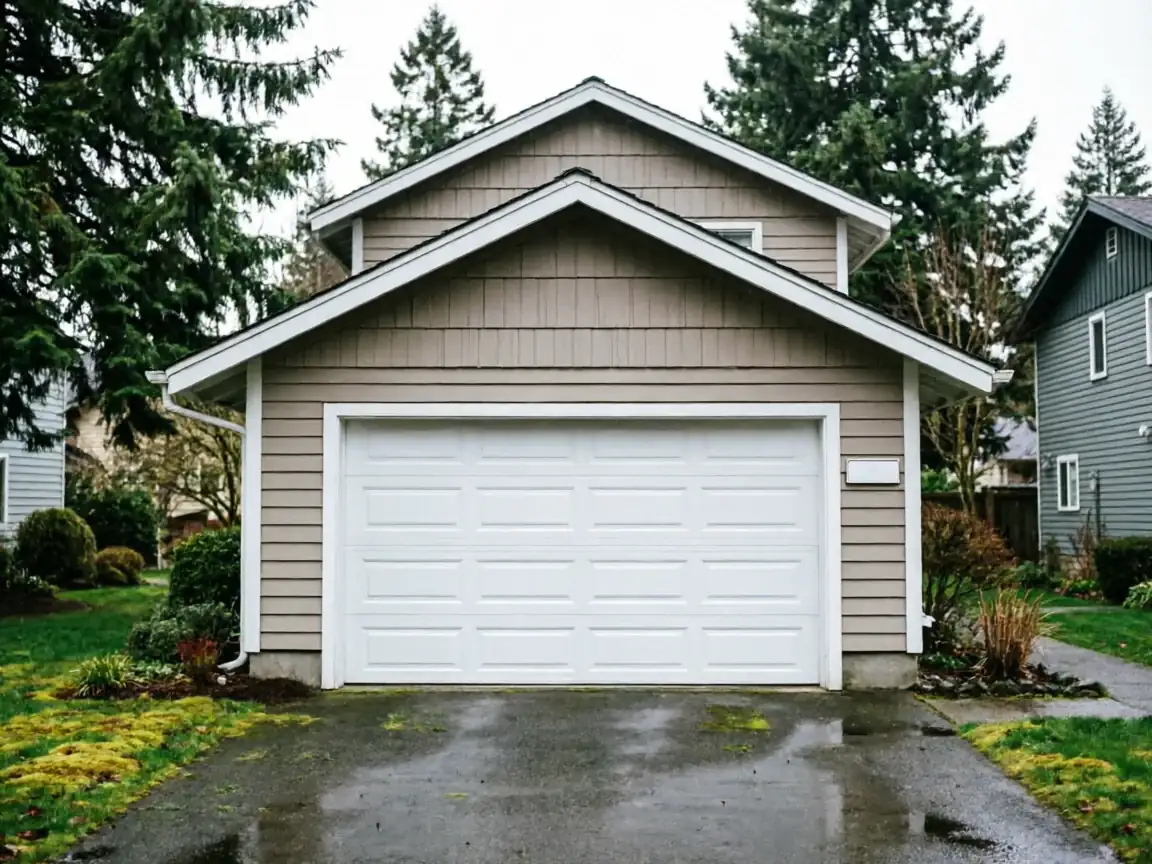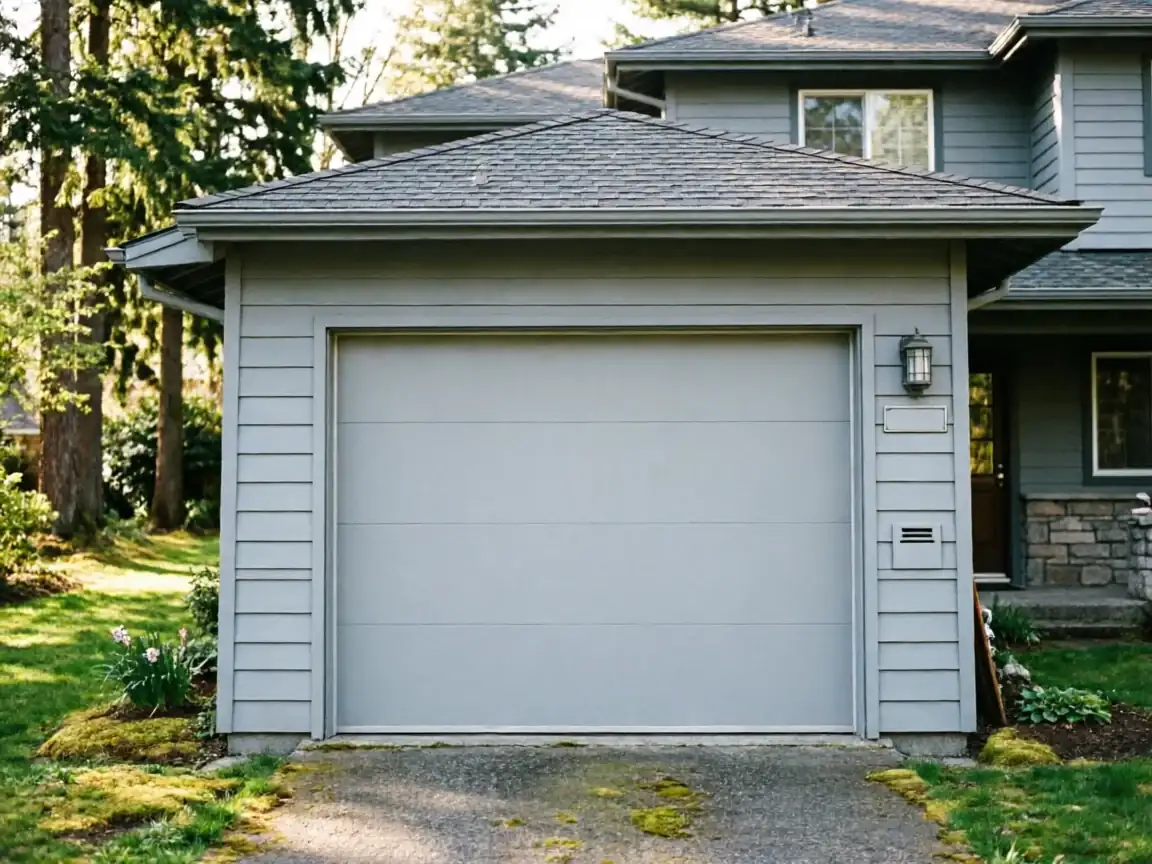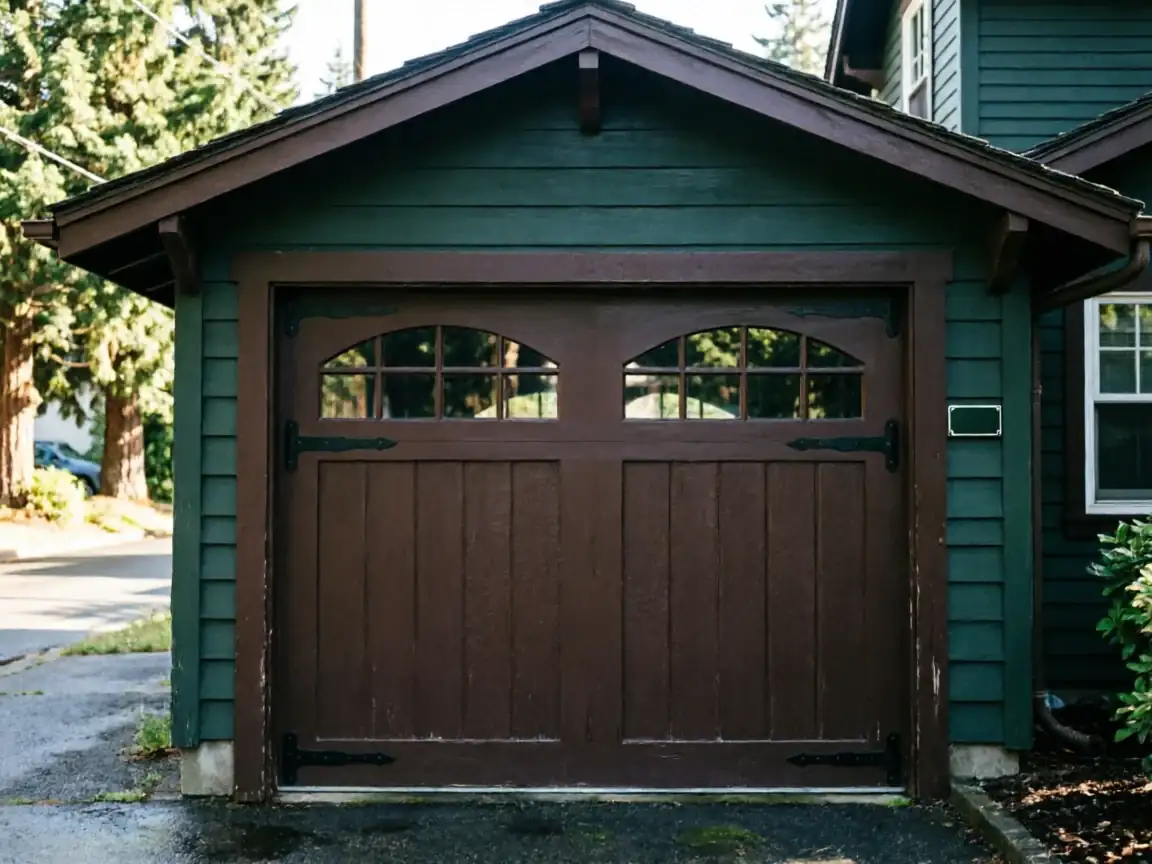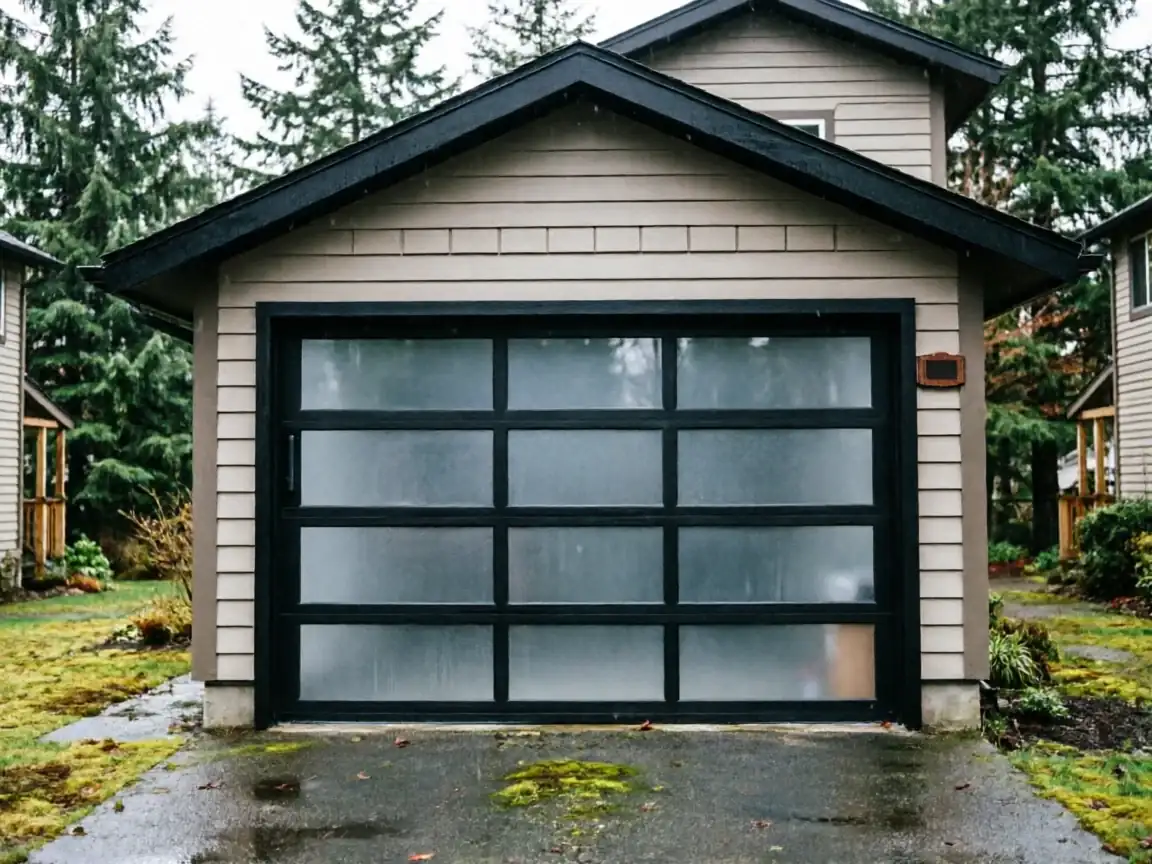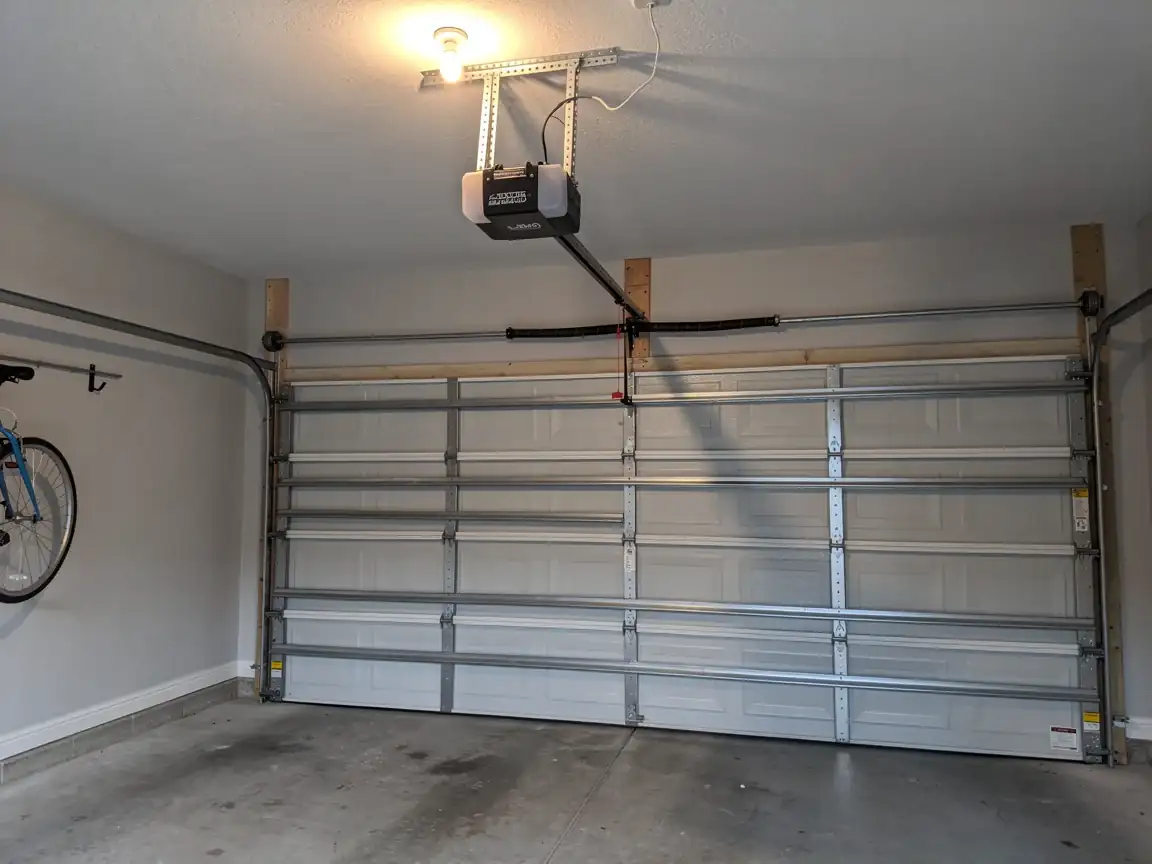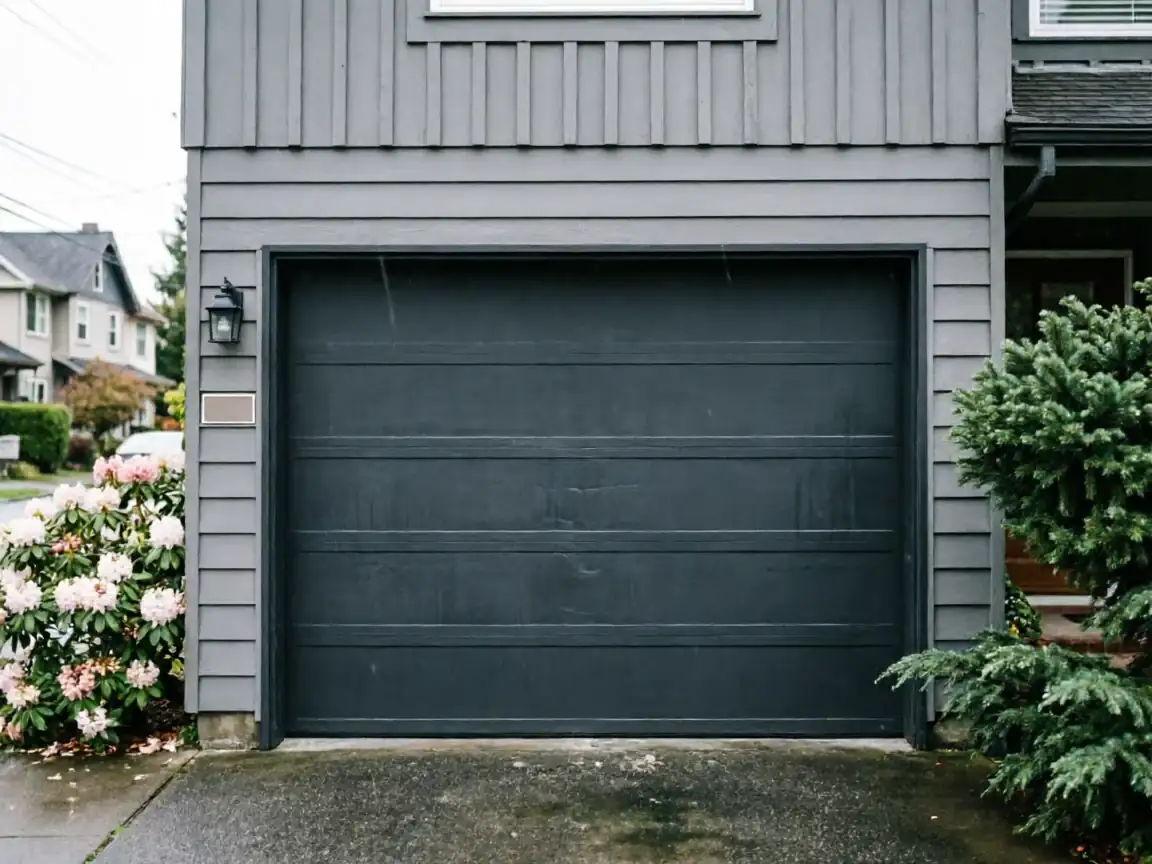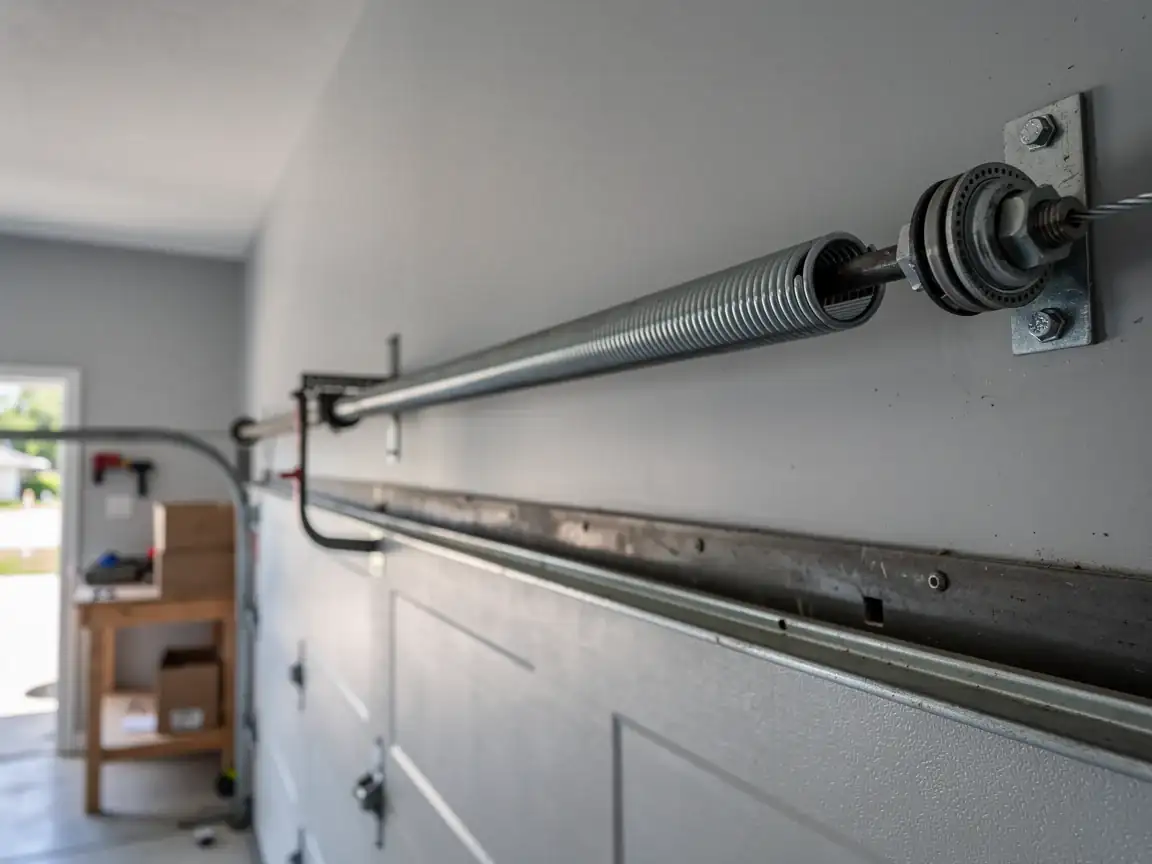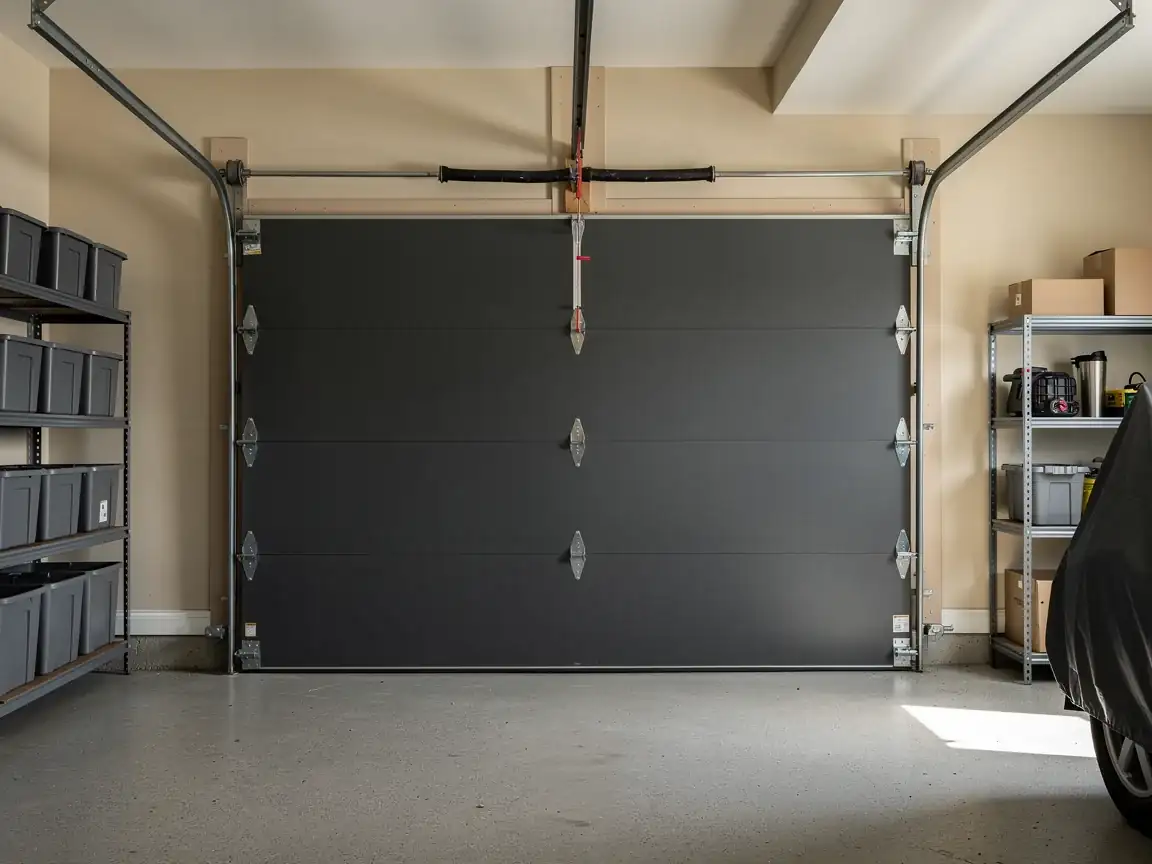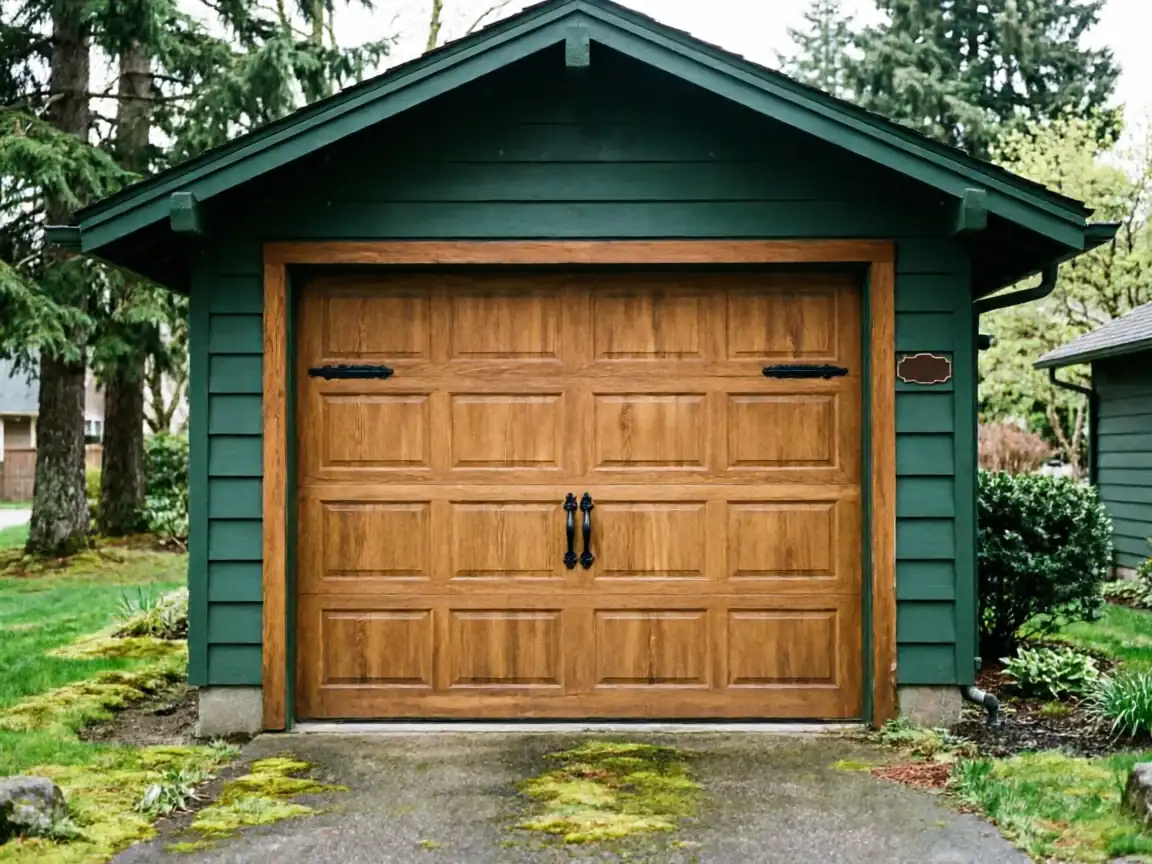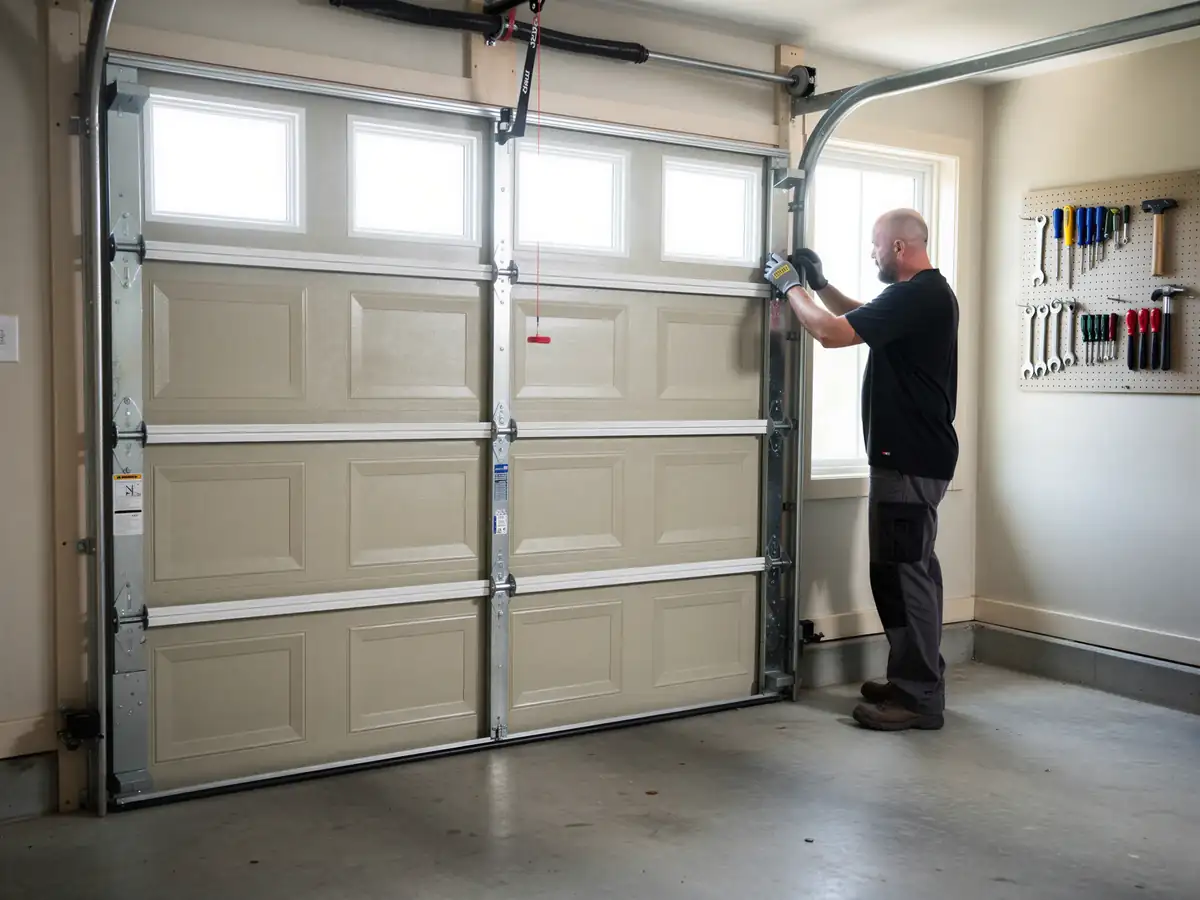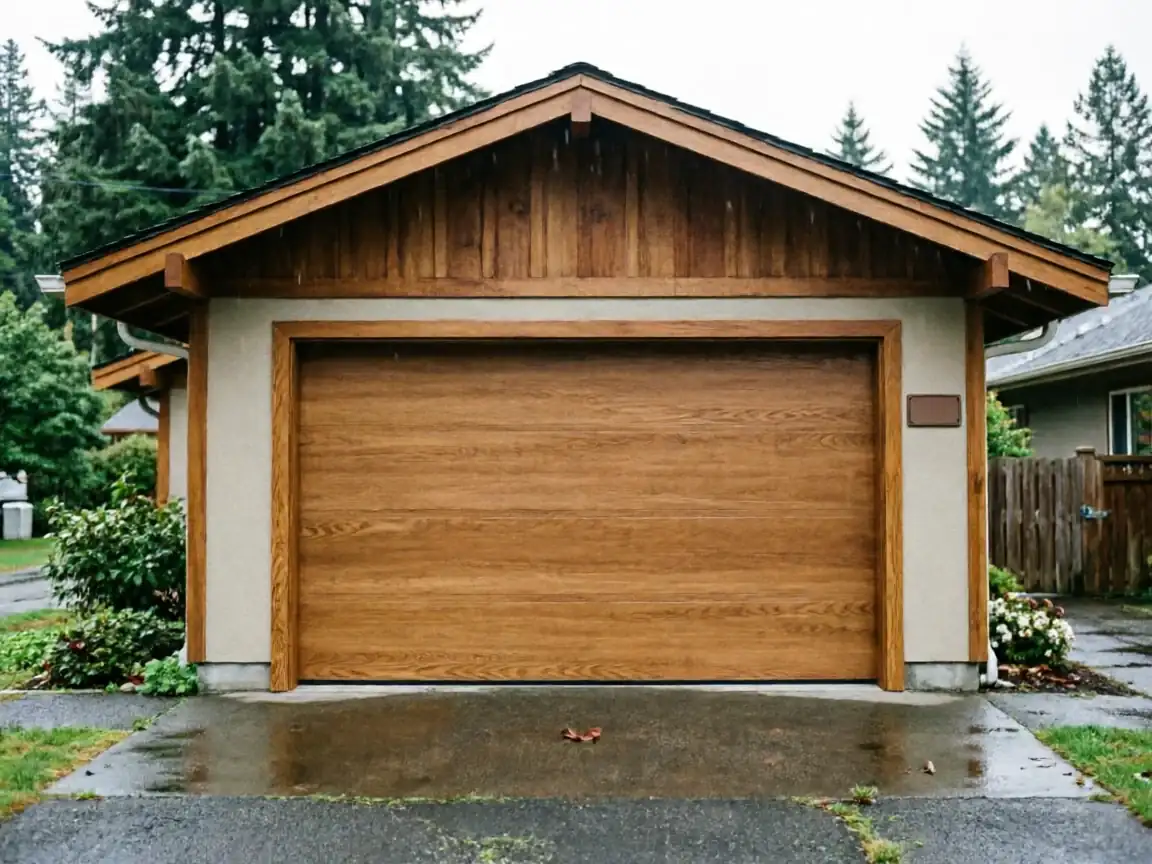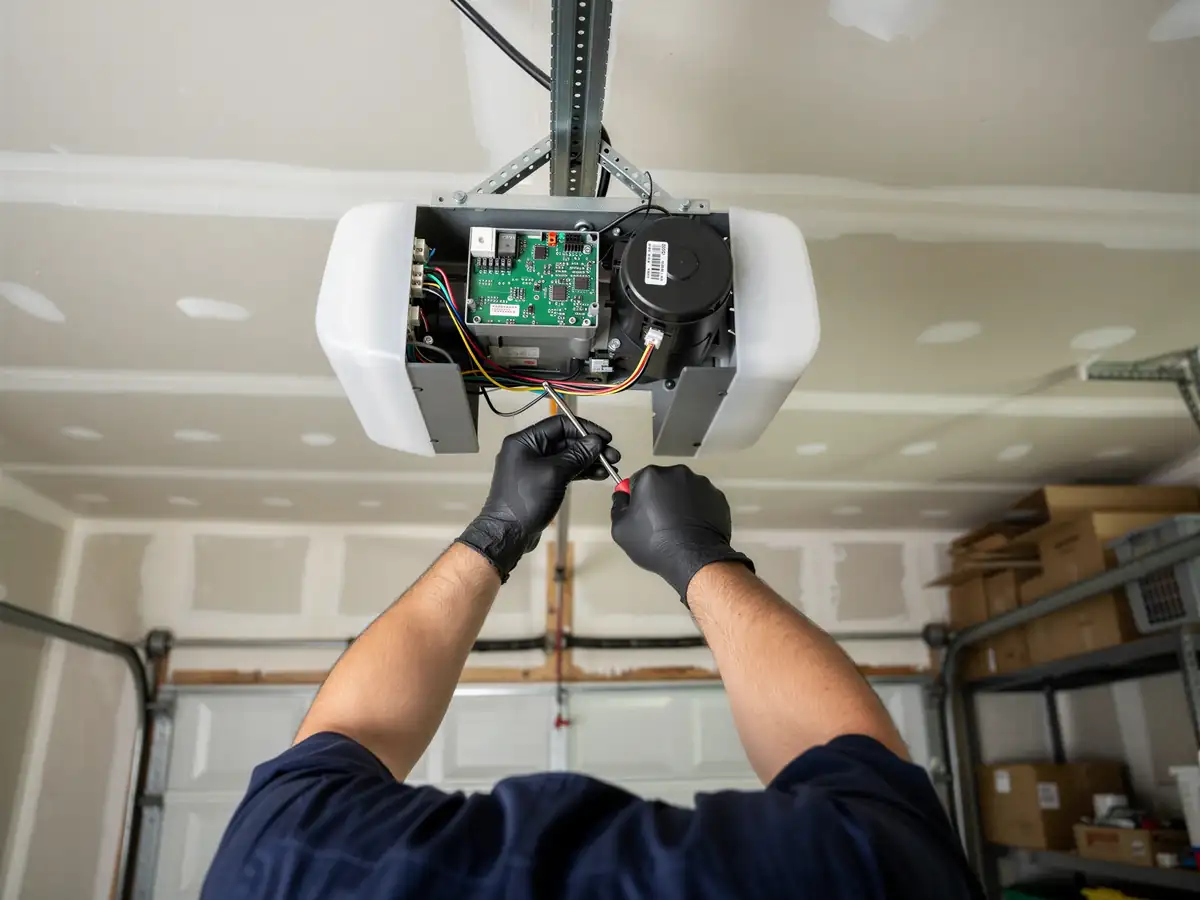
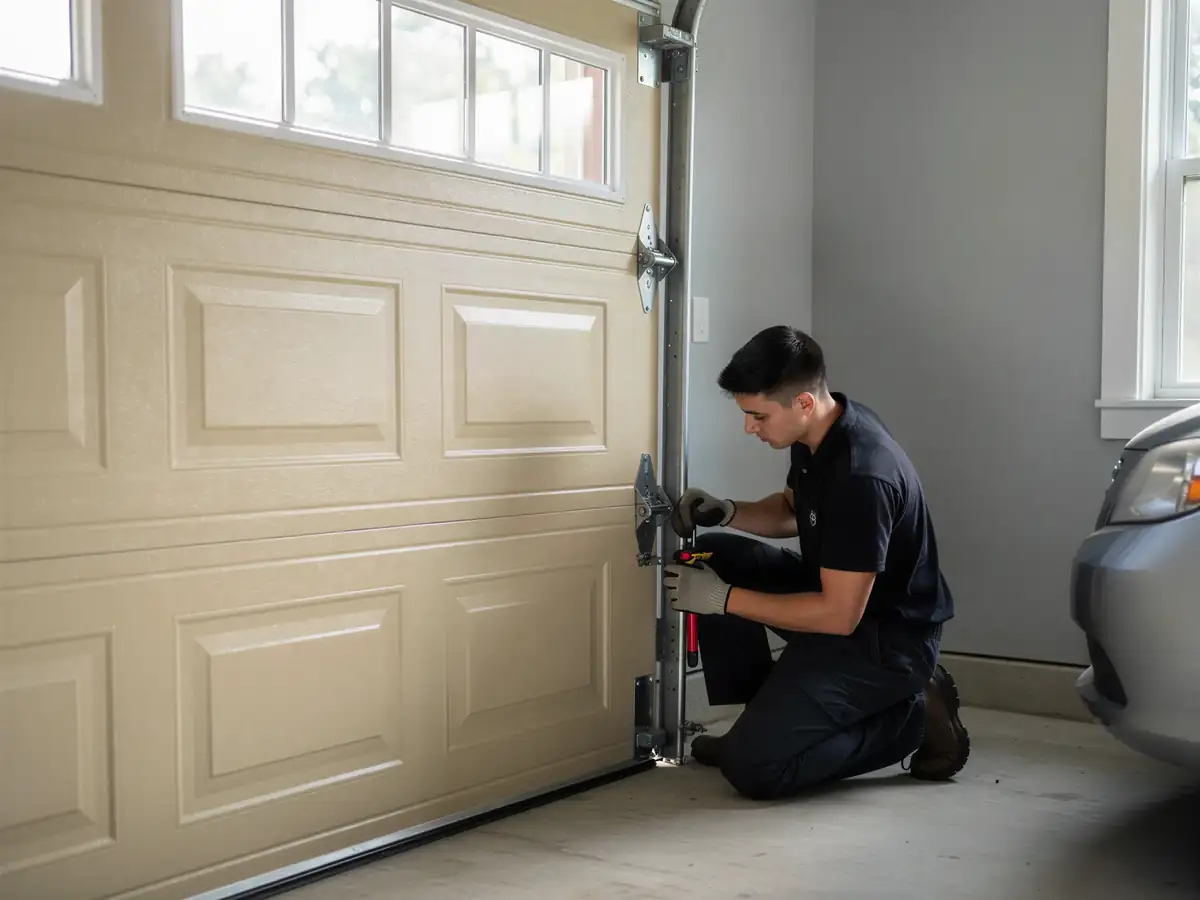
What You Are Seeing
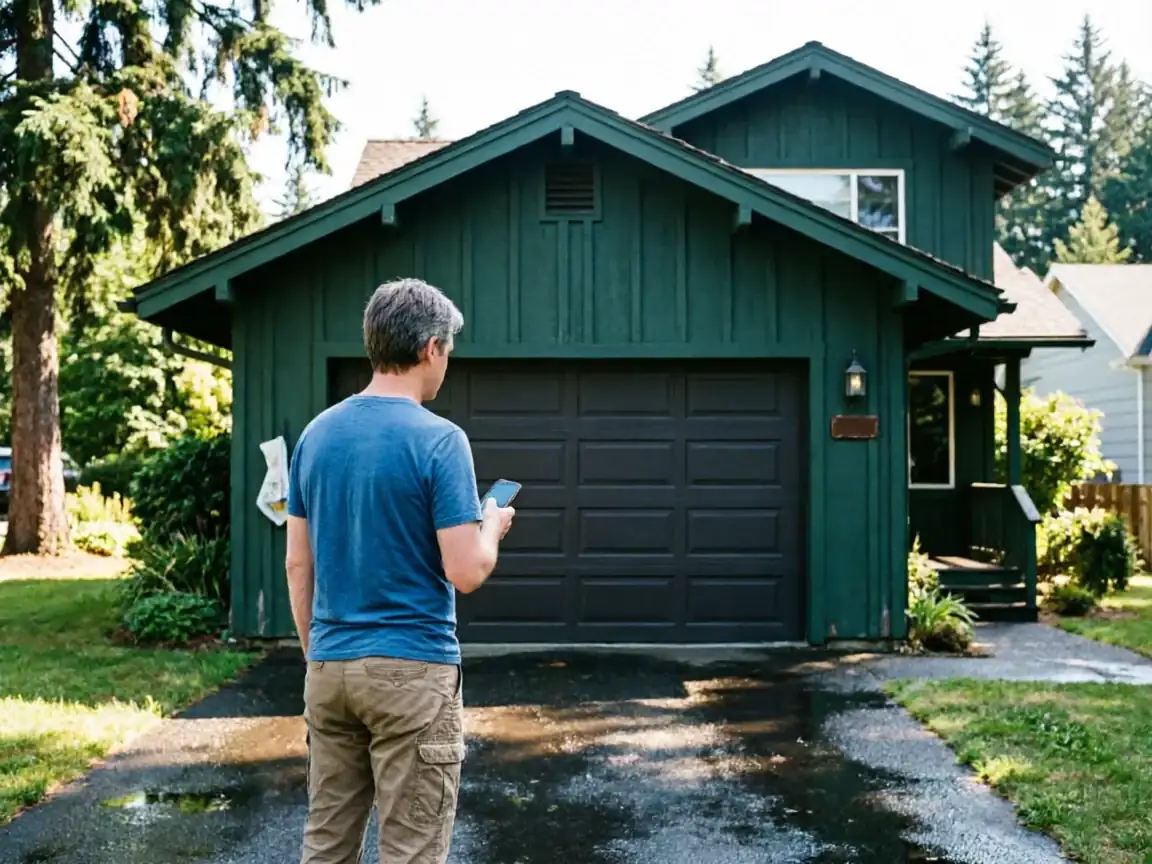
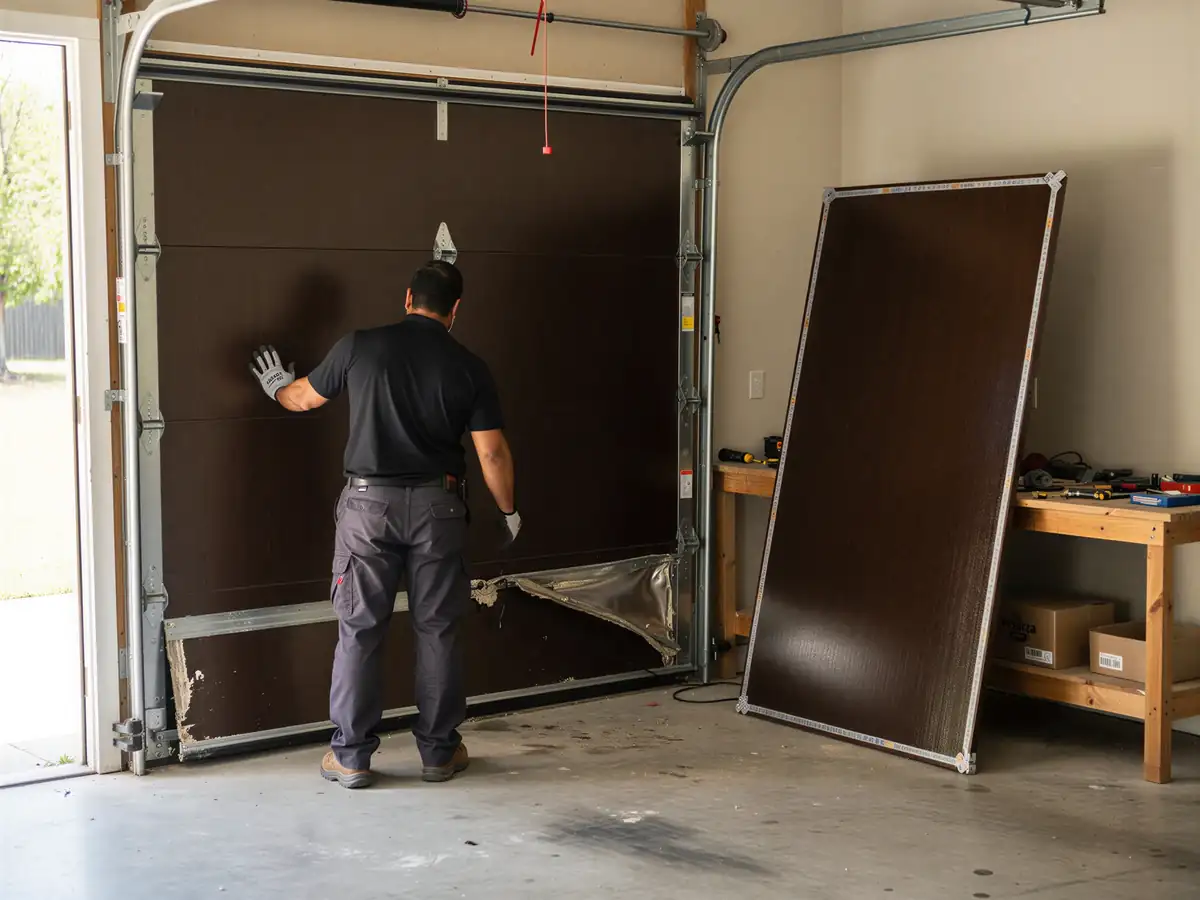
A door built around 1980 and sitting 5 miles from our Mill Creek shop usually shows its age in a couple of predictable ways. The spring goes first - torsion springs from that period weren't rated for the cycle counts we expect now, and after enough winters of damp, cold-band weather the coil fatigues and snaps, usually without warning, usually when you're already late. The second pattern is the opener: original chain-drive units from the 80s and 90s are still common here, and their gears strip or their logic boards fail quietly, so the door looks fine but won't respond to the remote. Less common, but it shows up, is panel rust along the bottom section where moisture sits - this region's moderate cold climate keeps things damp more than it keeps things frozen, which rots steel at the seams faster than it cracks it. None of this is specific to one house; it's specific to the decade the neighborhood was built, and that's why the same two or three failures keep coming up on the same side of town.
How Long It Takes
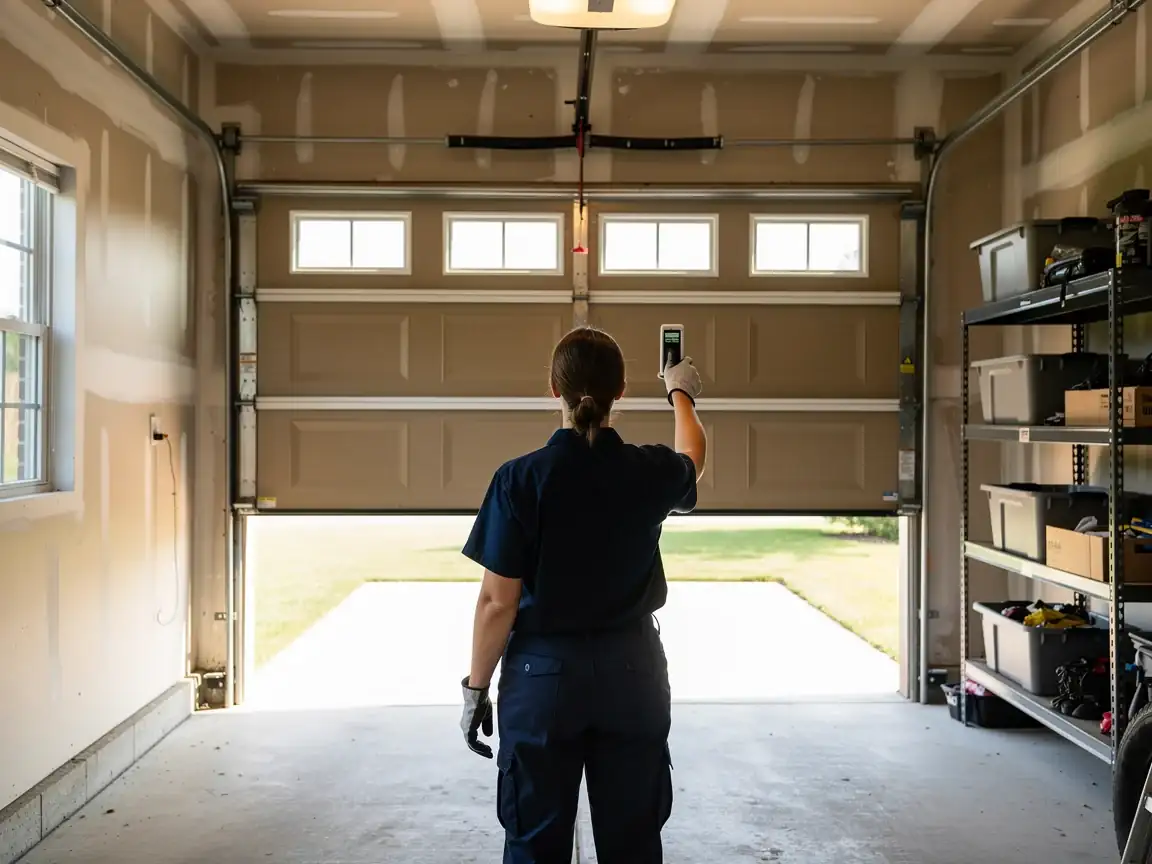
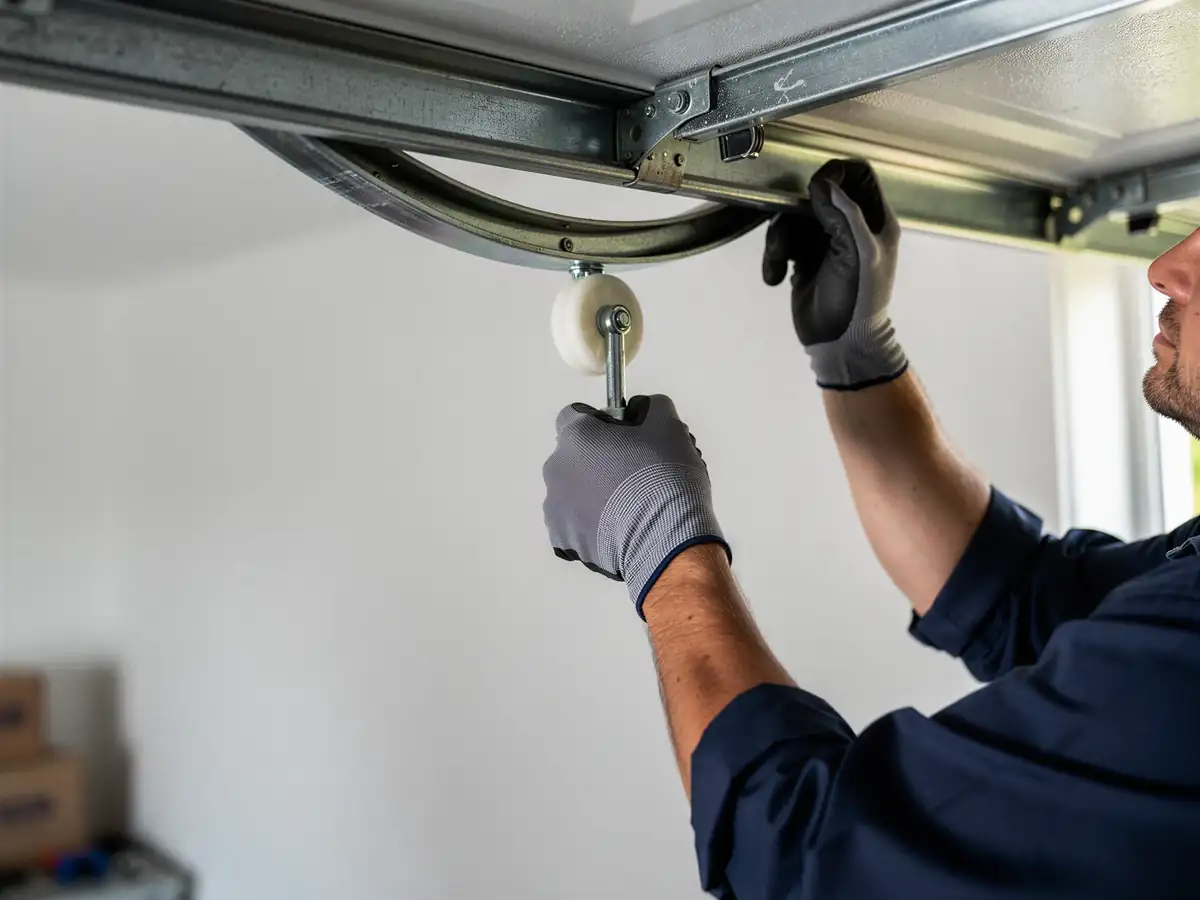
A straightforward torsion spring swap on one of these 1980-vintage doors is usually a same-visit job once we're on site - no drama, no waiting on parts, because the spring sizes for that era are ones we already carry. Opener problems take longer to pin down. If it's a dead gear or a worn sprocket on an original chain-drive unit, that's a quick fix. If the logic board's gone and the unit's old enough that the manufacturer's stopped making parts for it, replacement is usually the honest answer rather than chasing a board that may not exist anymore. We're not going to quote a fixed number of hours here because every job on an older door runs into some variable - rust on a bracket, a stripped bolt, a track that's been knocked slightly out of true over the years. What we can say is the drive from Mill Creek is short, 5 miles, so travel isn't what eats the clock.
Getting It Booked In
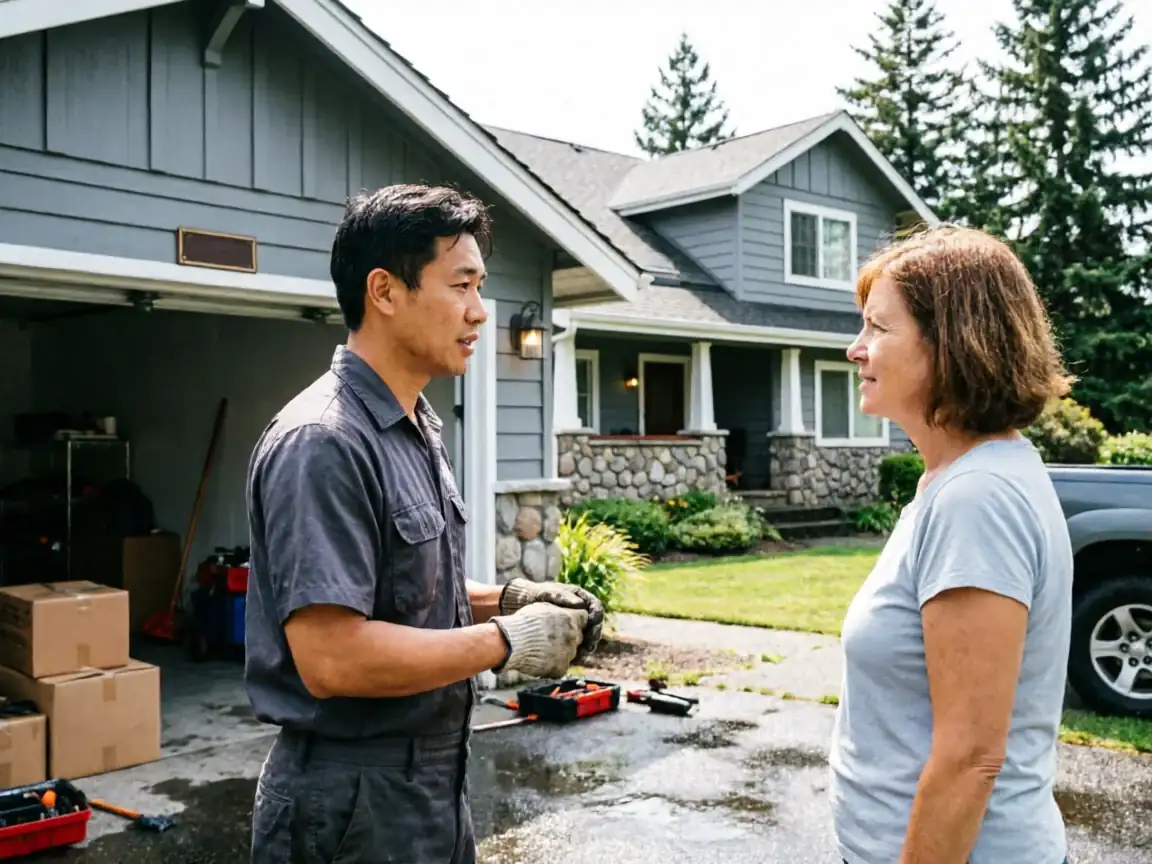
We run jobs out to Picnic Point from the Mill Creek side, about 5 miles each way, so getting a technician out doesn't mean a long wait built into the route itself. What does affect scheduling is parts - if your door's original hardware and the spring size is one we stock, we can usually turn it around fast. If it's a newer retrofit opener or an unusual panel width, we'll tell you upfront if that means ordering in. Check the Picnic Point coverage page for what's covered on this route, and if you're comparing against the broader Mill Creek service area, the main Mill Creek garage door repair page covers that ground.
What the Repair Takes
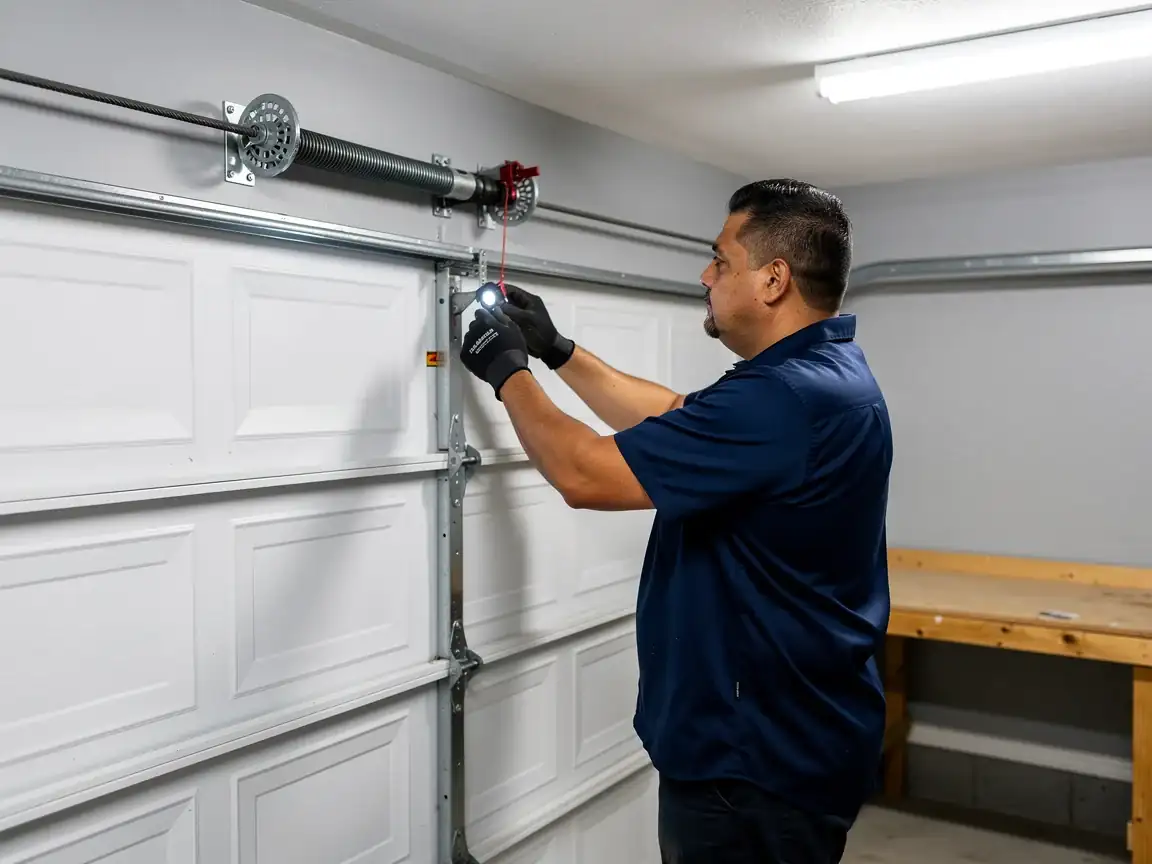
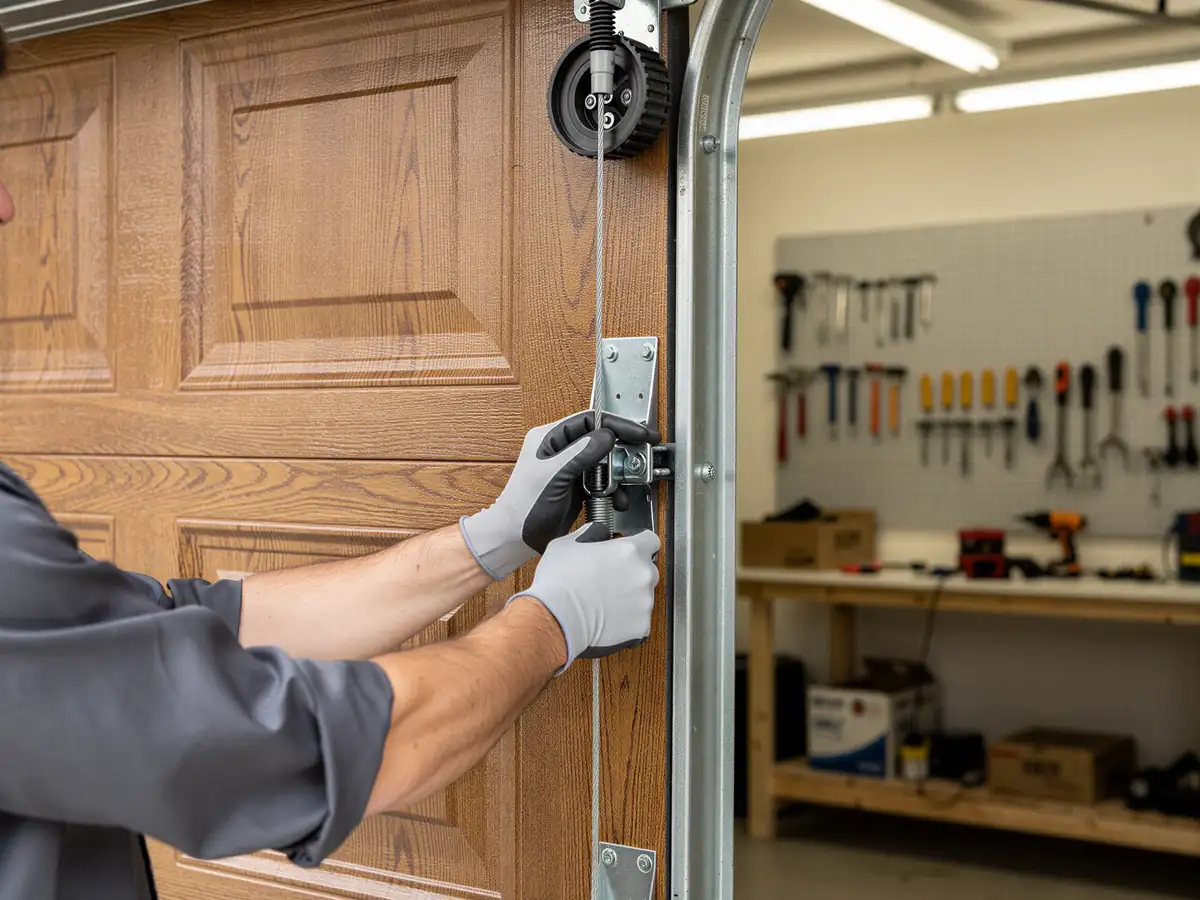
Fixing a door correctly on a house built around 1980 usually means more than swapping the broken part. If the spring snapped, we check the opposing spring too - springs installed as a pair age together, and replacing one while leaving a 40-year-old twin on the other side just means a second call in a year or two. If the opener's original, we look at whether the safety reversal sensors were ever retrofitted, since many units from that period predate the federal sensor requirement and were upgraded later, sometimes poorly. None of this requires guessing - it's just what tends to be true of hardware from that build window, and checking it once saves a second visit. What it doesn't mean is replacing a whole door when a spring and a cable will do; we'll tell you plainly when repair makes more sense than a full swap, and when it doesn't.