How Local Conditions Play In
Most of the garages on this side of Mill Creek went up between 1968 and 2000
With the median landing around 1989. That matters for openers because a chunk of that stock still runs units original to the house, or a second-generation replacement wired into the same box the builder put in decades ago. None of that gear was designed with today's battery-backup standard in mind.
Mill Creek sits in a cold-moderate climate band, not the deep-freeze territory you'd get further east
But enough to matter. Winter storms here bring the kind of wind and wet that knock out power on exactly the nights the cold has already stiffened the opener's weatherstripping and thickened the grease on the rail. When the power drops on one of those nights, the door doesn't just stop working - it's also harder to lift by hand because everything on it has tightened up.
The nearby areas - Martha Lake, Lake Stickney, Silver Firs, Alderwood Manor
Sit inside the same climate band and largely the same building era, so if your opener is acting up during a cold snap, you're not dealing with something unique to your street. It's the housing stock talking.
What to Check
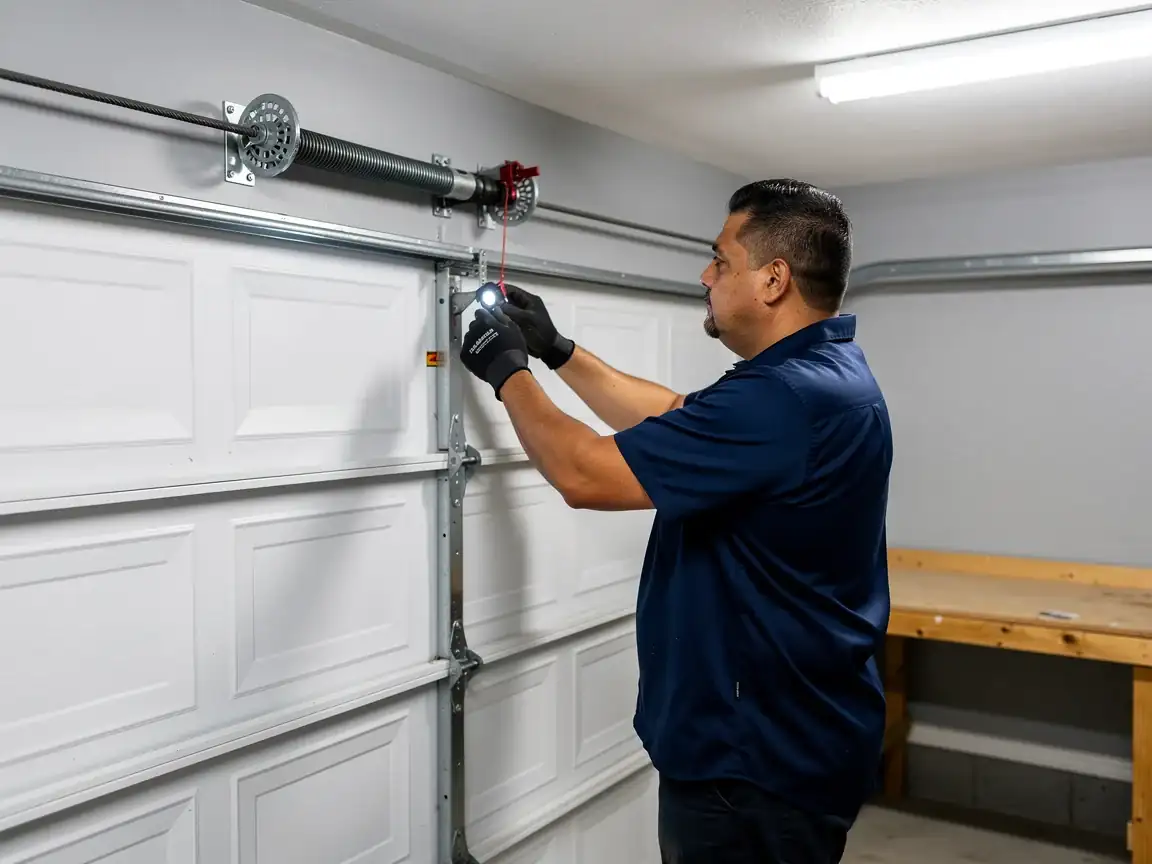
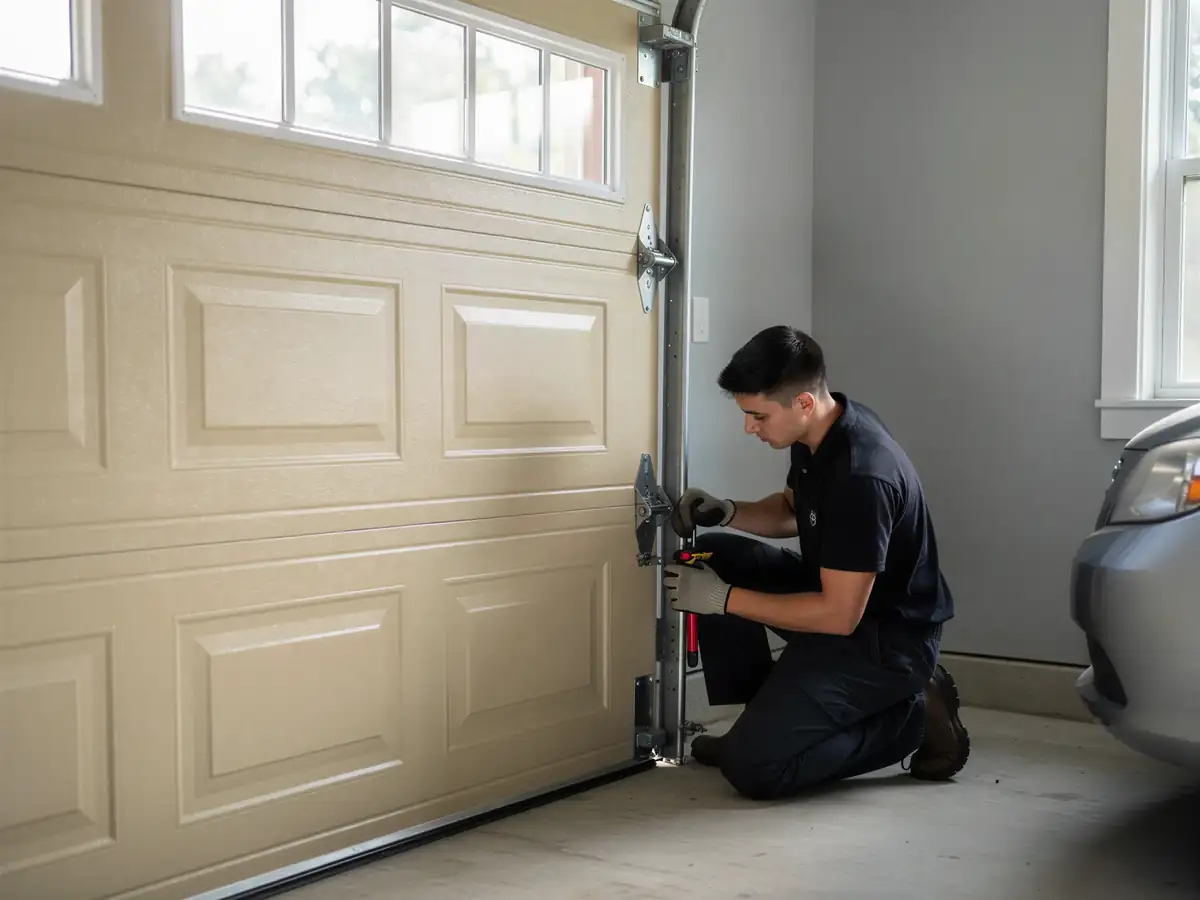
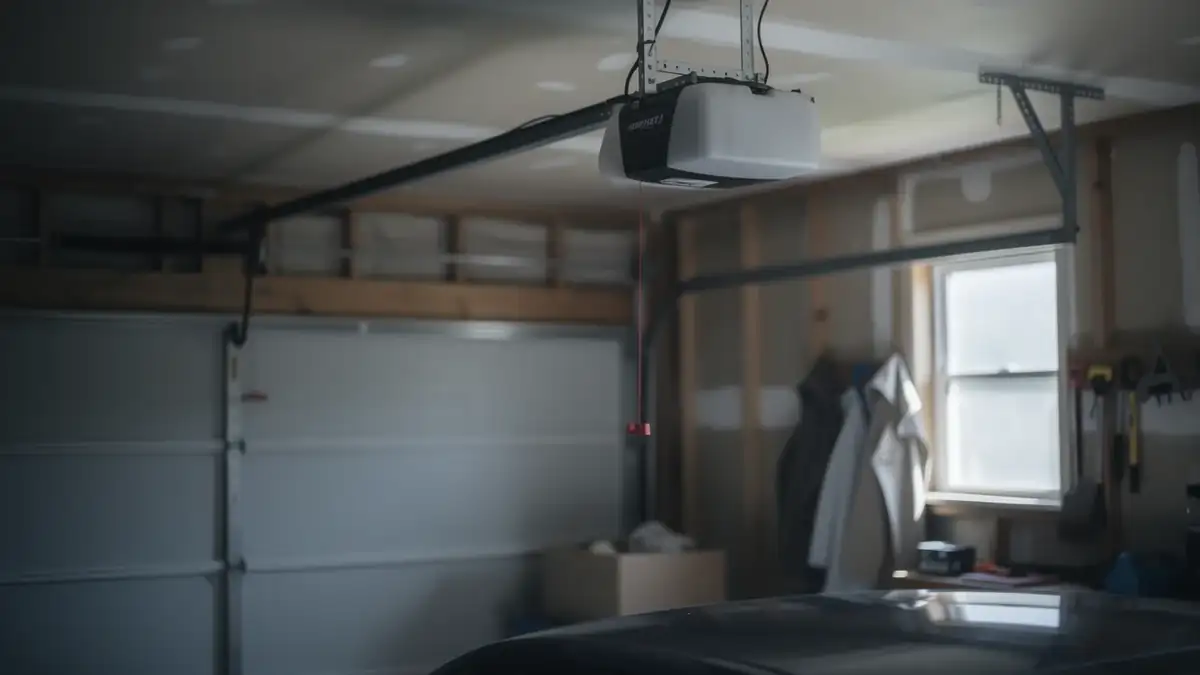
First, find the manual release cord - the red handle hanging from the trolley. Pulling it disconnects the opener from the door so you can lift it by hand during an outage. If you've never located it before a storm, now's the time, not during one.
Second, check whether your opener has a battery backup unit. Houses built in the 1968-2000 range, which covers most of Mill Creek, often got openers retrofitted later without one added. If yours doesn't have battery backup and you're relying on standby power, that's worth fixing before winter, not after the first outage.
Third, check the breaker. Older houses from this era sometimes have the opener sharing a circuit with other garage outlets - a shop light, a freezer. If the opener seems dead but the house still has power, the breaker for that specific circuit is the first place to look before assuming the motor's gone.
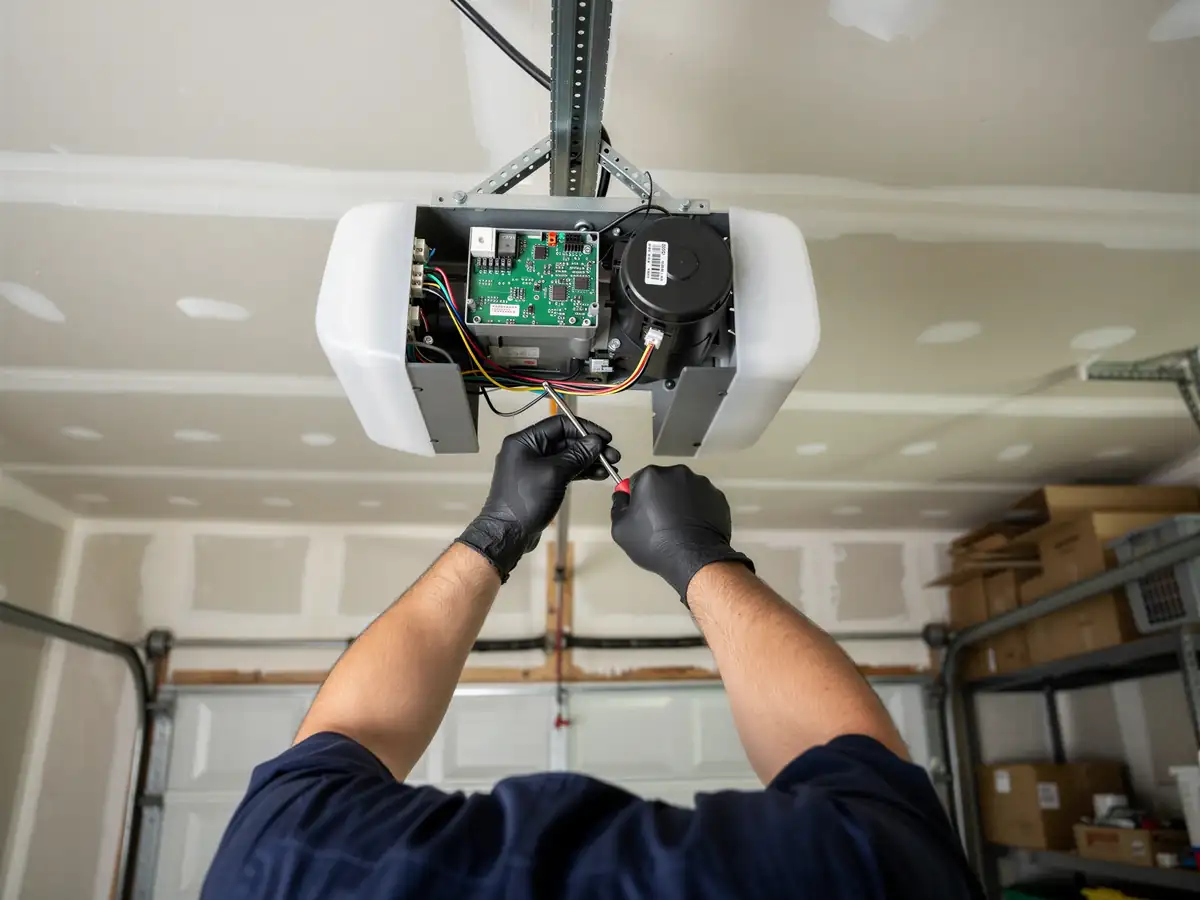
Fourth, listen to the motor when you test it. A humming motor that doesn't move the door usually means a capacitor or gear issue, not a wiring problem - different fix, different cost.
When It Stops Being a DIY Job
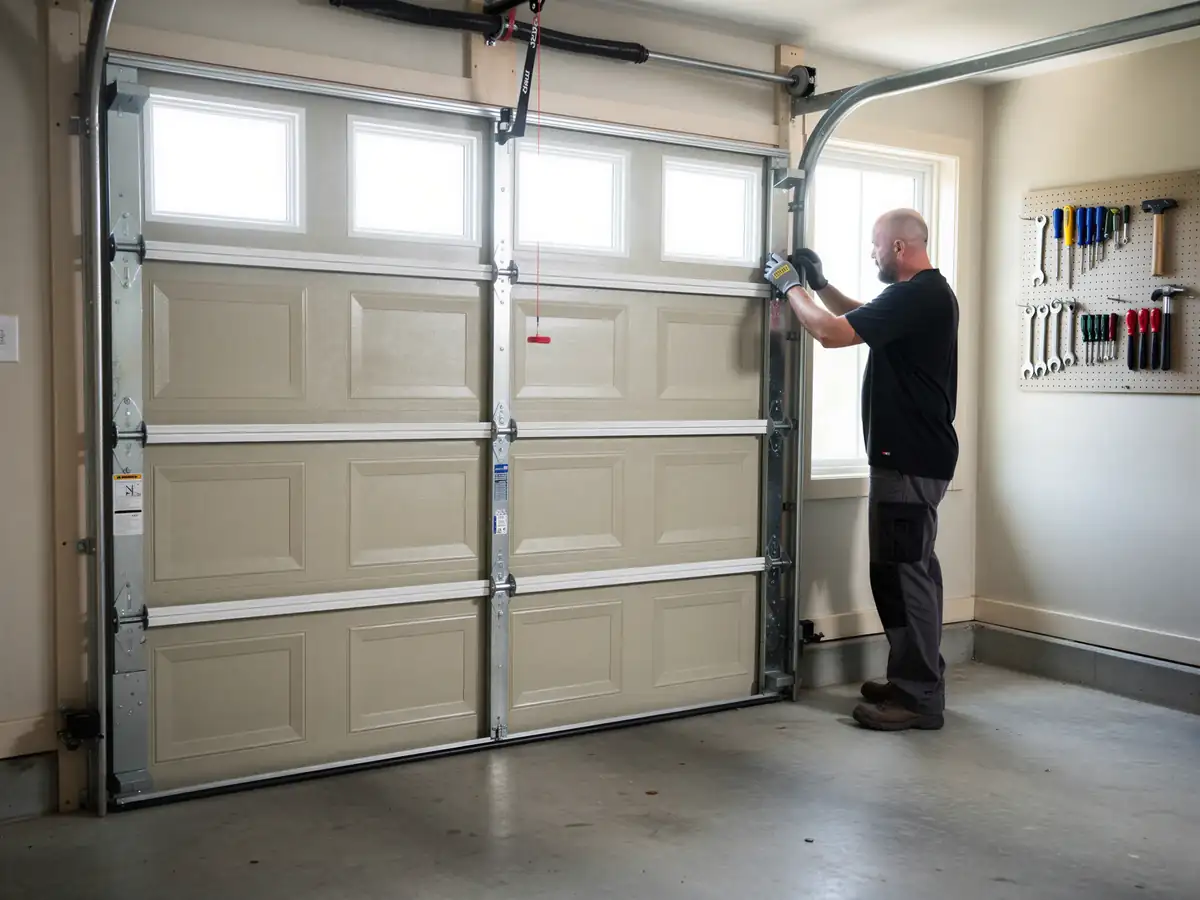
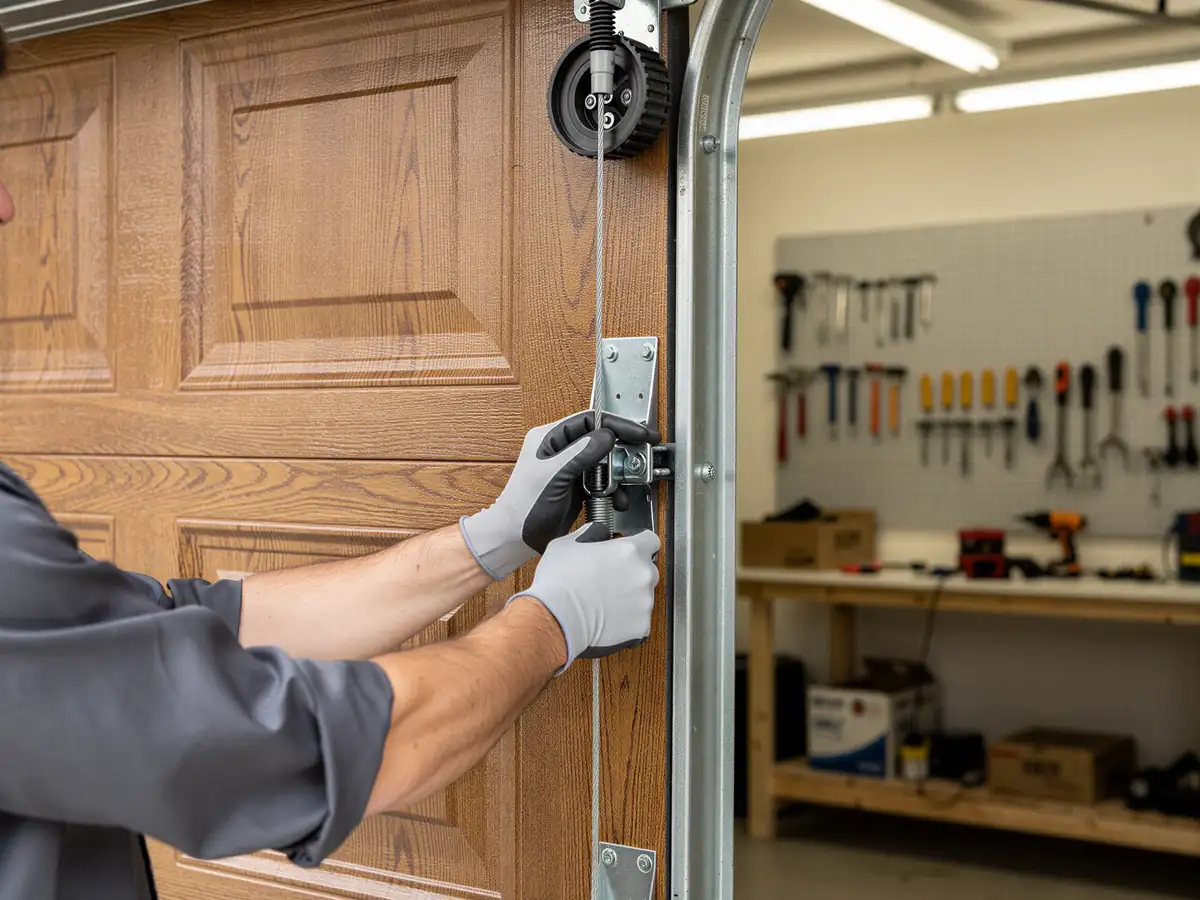
If the manual release works but the door is heavy to lift by hand, don't force it open and shut all winter as a workaround. A door that's hard to lift usually has a spring losing tension, and that's not something to diagnose from the opener end - it's a separate repair.
If you've checked the breaker, confirmed the house has power, and the opener still won't respond, that's a motor or logic board problem. Openers from the earlier end of the 1968-2000 building stretch often don't have parts still in production, so a repair quote on a 1980s unit can come back close to the cost of replacement - that's the honest limitation here, not every old opener is worth fixing.
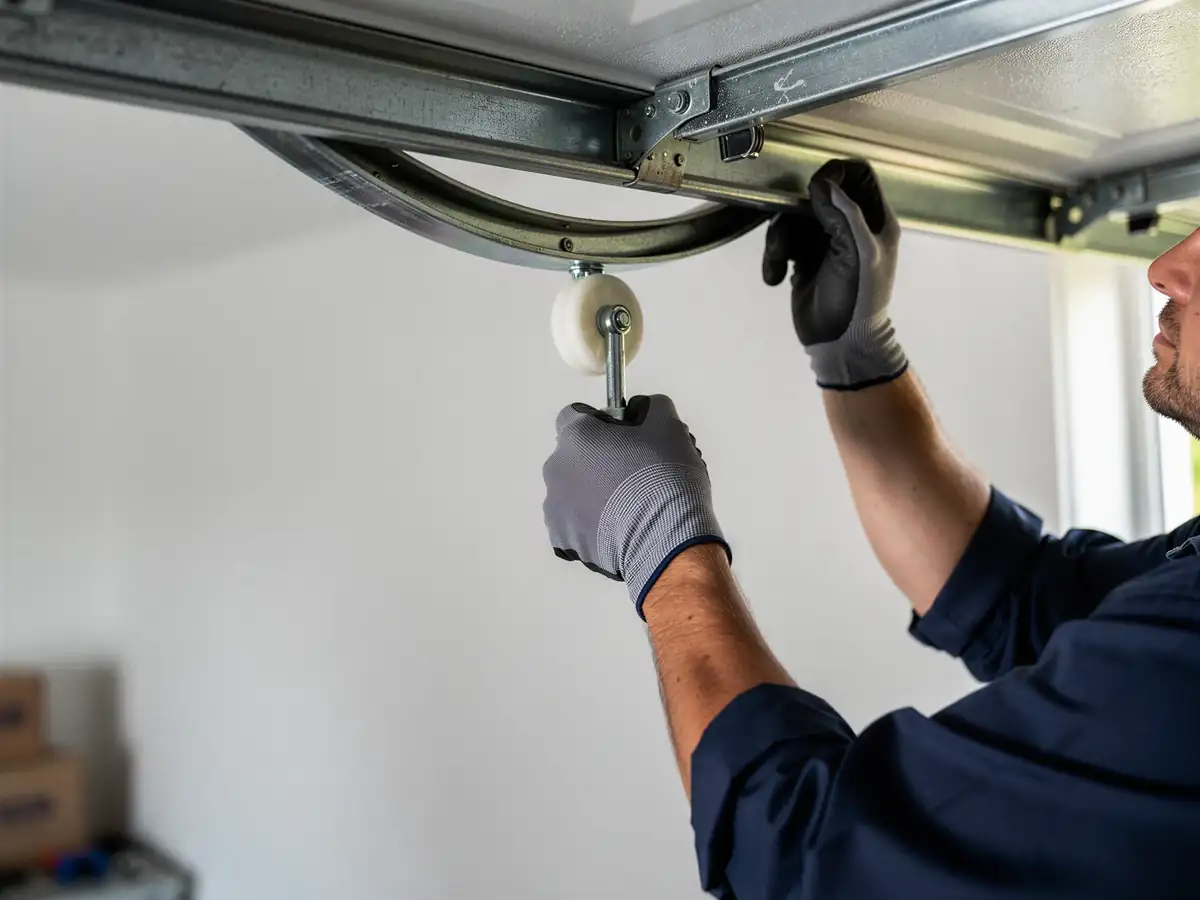
And if the door moves on the opener but binds or scrapes partway through the cycle, that's a track or roller issue, which can look like an opener problem but isn't one. Pulling the release cord and running the door by hand will tell you fast whether the resistance is in the door or the motor - if it's heavy by hand too, call before you keep cycling the opener against it.
The Problem
The actual failure pattern in Mill Creek is pretty consistent
A cold-season power cut hits a house with an opener old enough to predate standard battery backup, on wiring old enough to share a circuit with something else in the garage. None of those three things alone is a crisis. Together, on a stormy night, they add up to a door that won't move and an owner who can't find the manual release because they've never needed it before.
With 53,676 owner-occupied houses across this service area
Most built in the same 1968-2000 window, that combination isn't rare - it's close to the norm for anyone who hasn't already upgraded. A median household income of $127,043 across the area means most owners eventually replace rather than nurse along a dying opener, but there's still a real population of original or first-replacement units running out there, and they're the ones that fail on the exact nights you need the door most.
- 53,676 owner-occupied
- $127,043 median household income