How Local Conditions Play In
Most houses in Mill Creek went up between 1968 and 2000
With the bulk of that stock dating to the 1980s and 90s. That's not a small detail when it comes to seals and draughts. A door installed in 1989 came with the weatherstripping standard for that era - usually a single bead of vinyl along the bottom and a thin flap stapled or nailed along the sides. Thirty-some years of a cold moderate climate band does the same thing to that rubber it does to wiper blades: it hardens, shrinks, and splits at the corners first.
Mill Creek doesn't get brutal winters
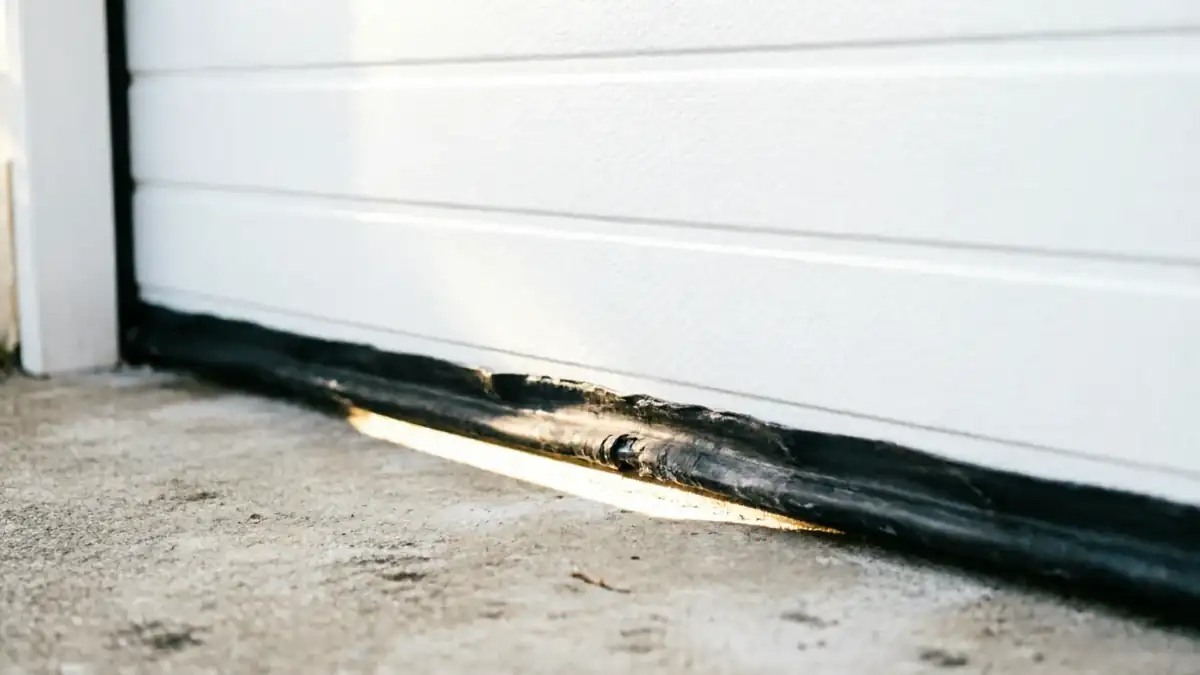
But it gets enough cold stretches each year that the gasket material goes through repeated freeze-and-thaw flexing. Rubber that was pliable in 1990 has usually lost most of its give by now. You feel it as a cold line of air along the floor of the garage, or as light coming through at the bottom corners when the door's closed. That's not the door failing - it's the seal doing exactly what thirty years of weather and age does to vinyl.
What to Check
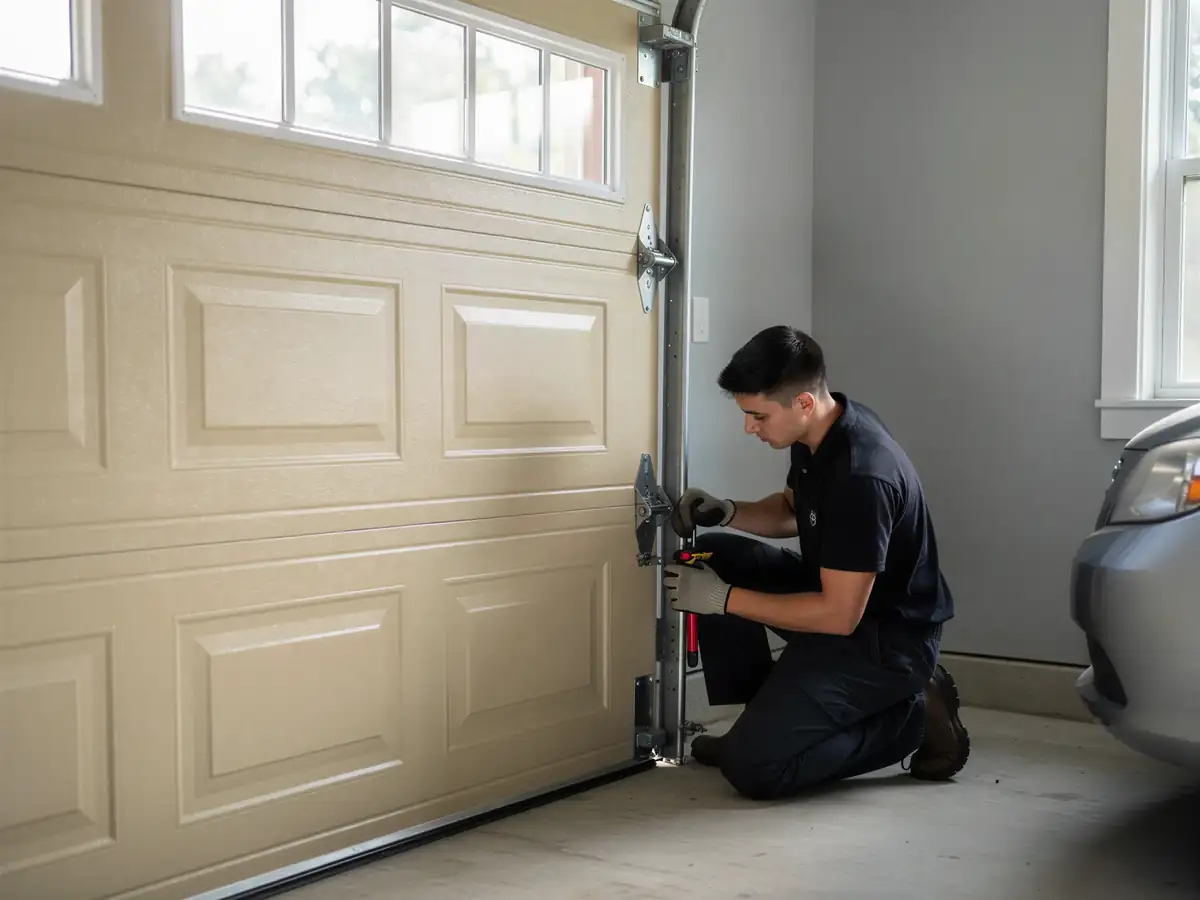
Start at the bottom seal, the horizontal strip that sits in the track along the floor. On a house from the 1980s or 90s stock common here, this is usually the first thing to go - look for flattening, cracking, or a seal that's pulled loose from its track rather than sitting flush. Run a hand along it with the door down; if you can feel a draft move past your fingers, the seal isn't doing its job anymore.
Next, check the side stop molding where the door meets the frame. Original builds from this era typically nailed the stop in place rather than using the screwed, adjustable style seen on newer installs. Nailed stop can warp over the decades as the house settles, leaving gaps you can see daylight through.
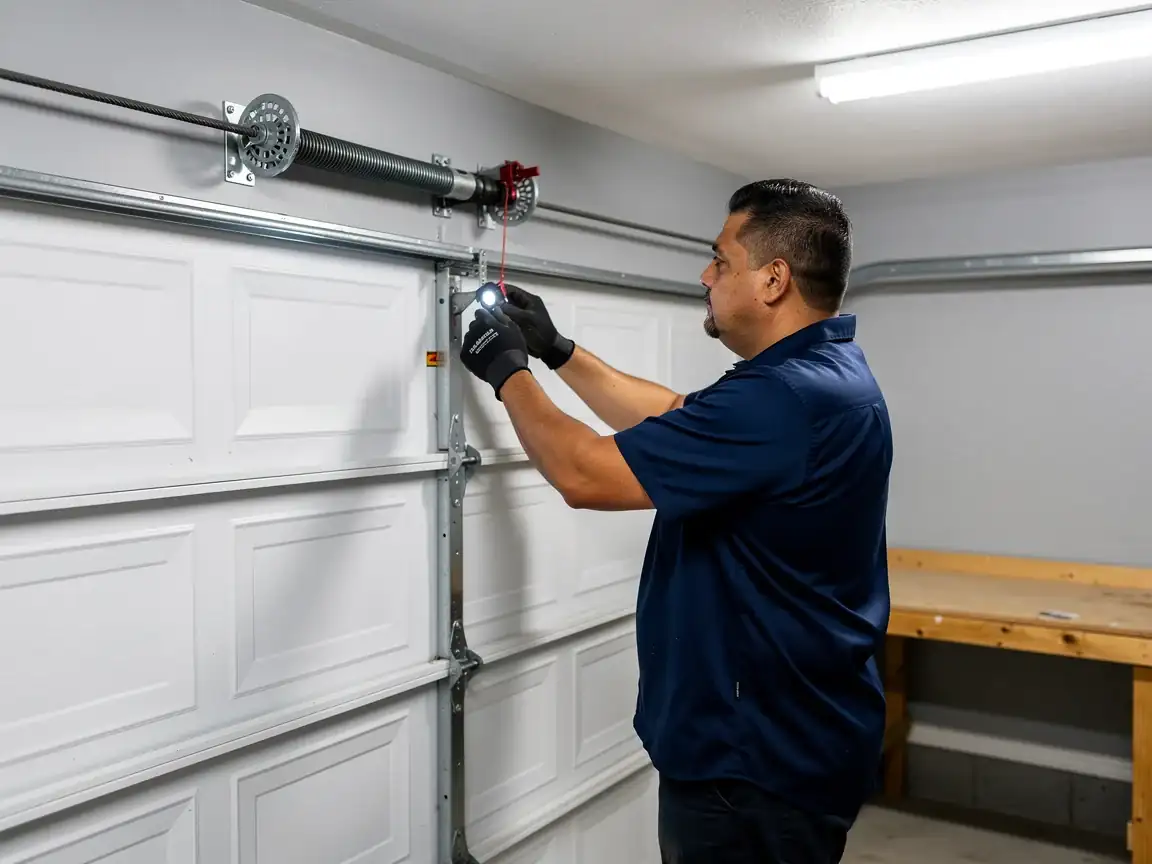
Last, check the top seal and the weather seal between panels if you've got an older sectional door. None of this takes more than a flashlight and ten minutes, and it tells you whether you're looking at a $20 strip of vinyl or something structural.
When It Stops Being a DIY Job
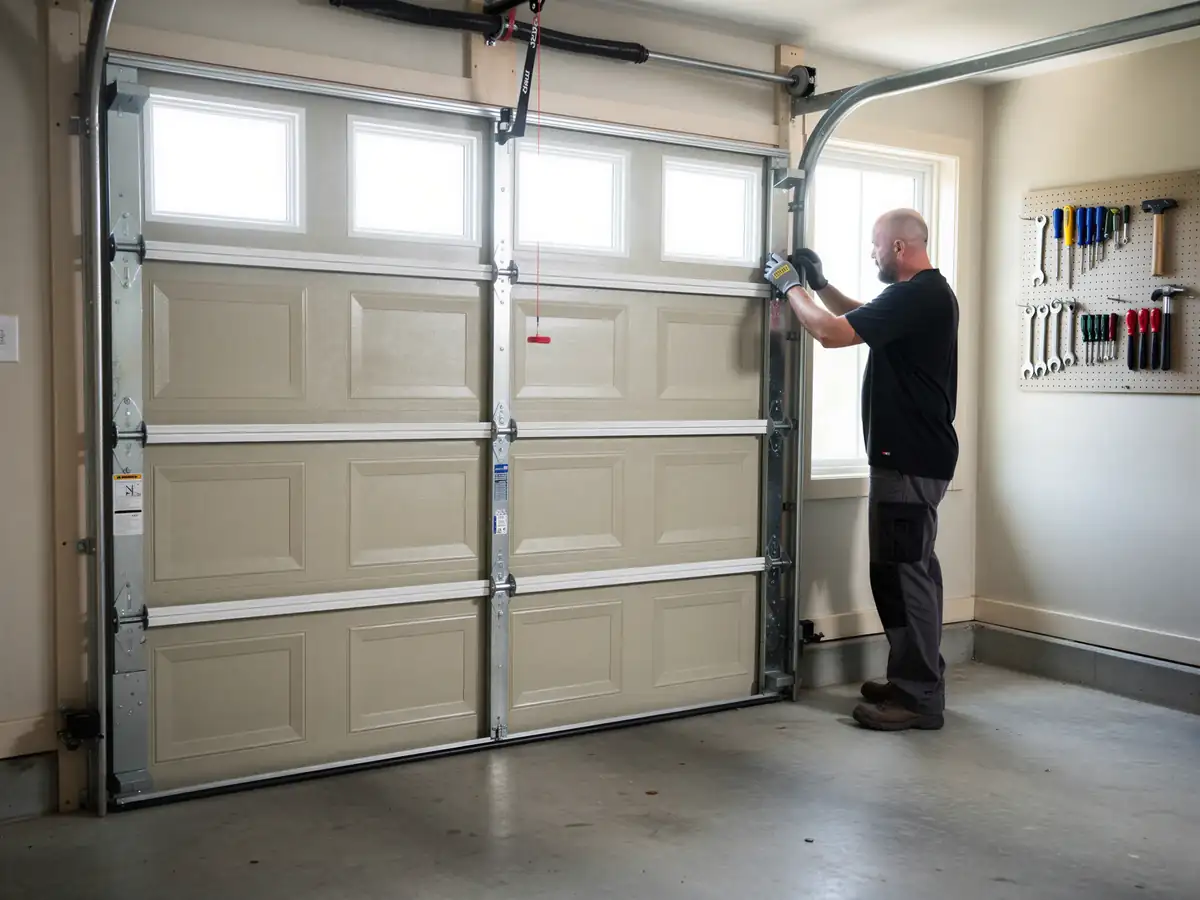
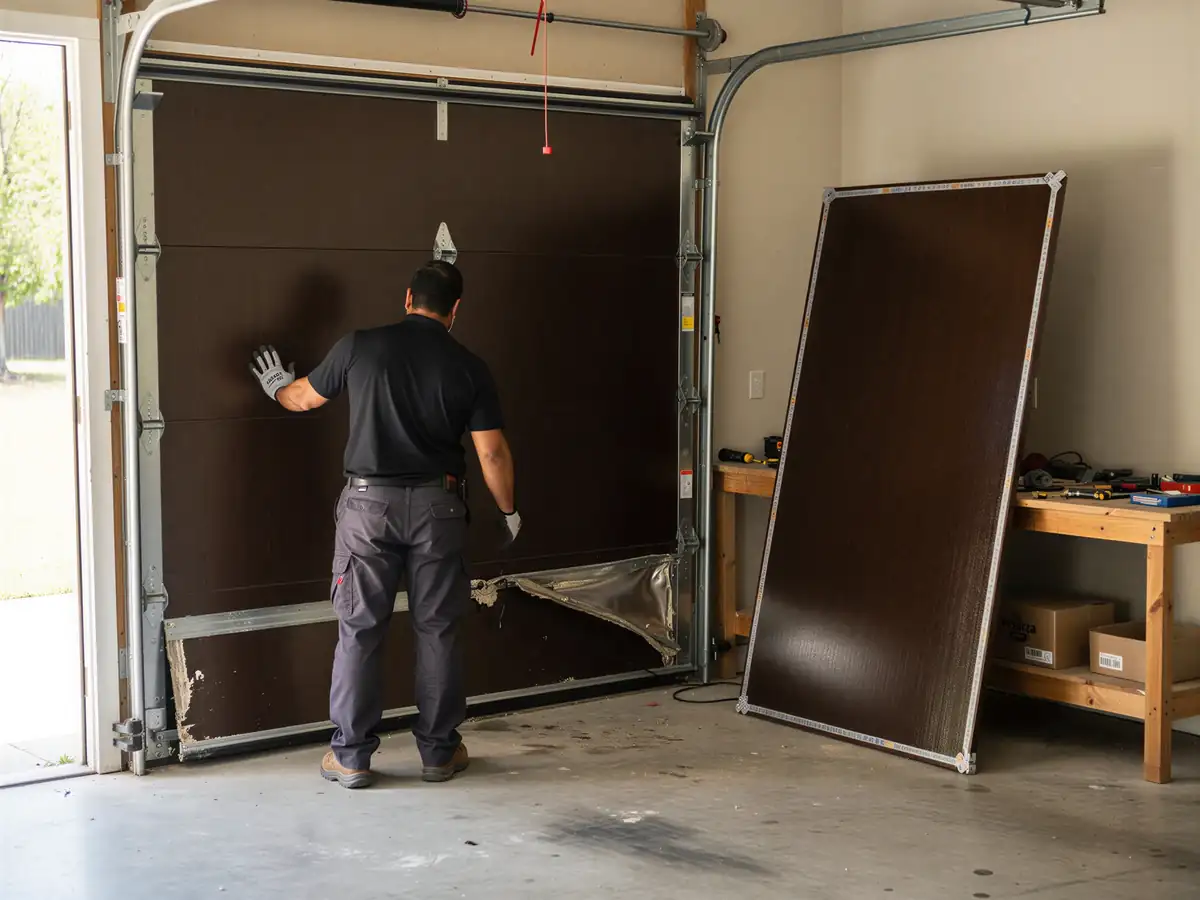
Swapping a bottom seal yourself is reasonable if the track it sits in is straight and the door hangs level. Where it stops being a weekend job: if the stop molding has warped enough that nailing in new material won't close the gap, if the bottom corners of the door itself have rusted or rotted from years of trapped moisture behind a failed seal, or if the draught is coming from a bowed panel rather than the seal at all.
We don't do full insulation retrofits on original 1980s doors as a seal fix - if the panel core is original, uninsulated steel, no amount of new gasket material closes that heat loss. At that point replacement makes more financial sense than another round of weatherstripping, and we'll say so rather than sell you a seal job that won't hold.
The Problem
The draught itself is rarely the real issue - it's what it tells you
A garage attached to a house built in this window is often sharing a wall with living space, and a door that leaks cold air at the bottom corners is doing the same thing at every seam you can't see: around the opener rail penetration, along warped stop molding, behind trim that's shifted with the foundation.
Houses as close as Silver Firs, three miles east, and Martha Lake, two miles off, share the same build era and the same seal complaints
Because they went up under the same codes and the same materials supply. It's not a Mill Creek-specific defect - it's just what thirty to forty years does to vinyl and nailed trim everywhere in this part of the stock. The fix is almost always cheaper than people expect once you know whether you're dealing with seal, stop, or panel.