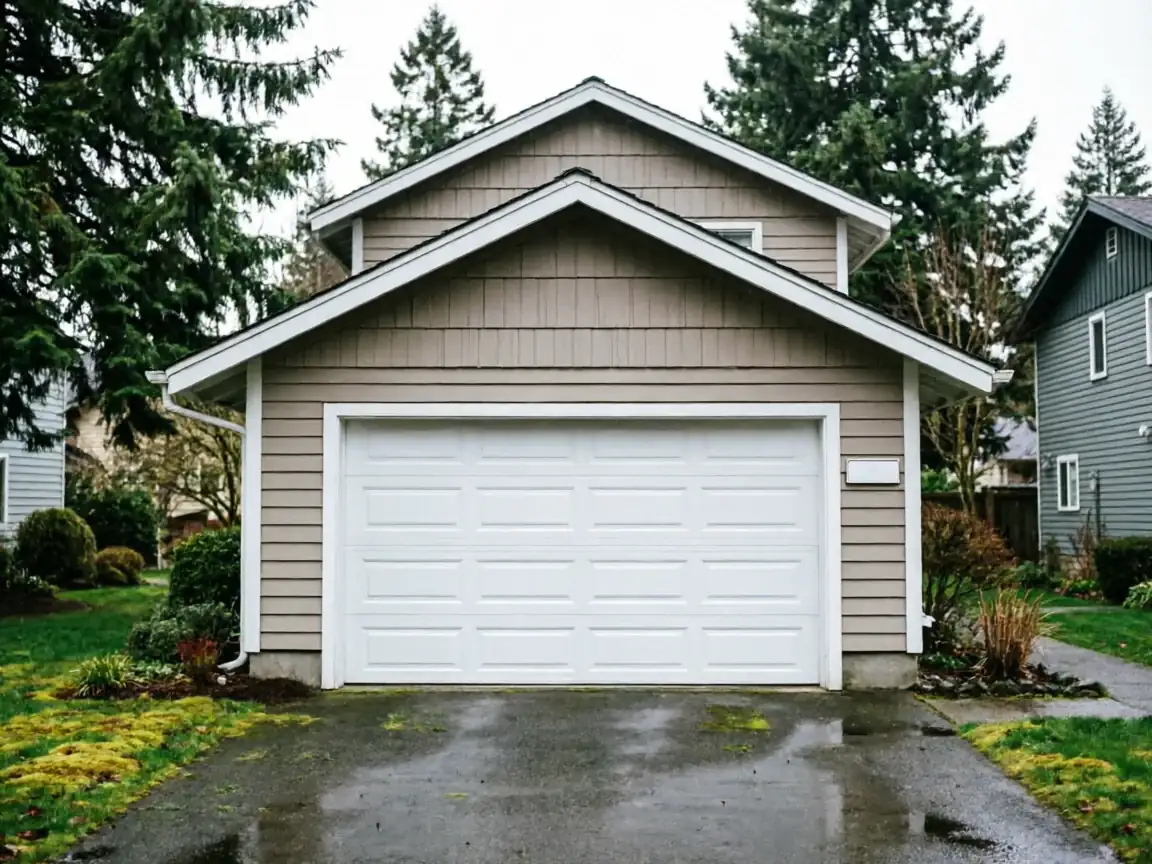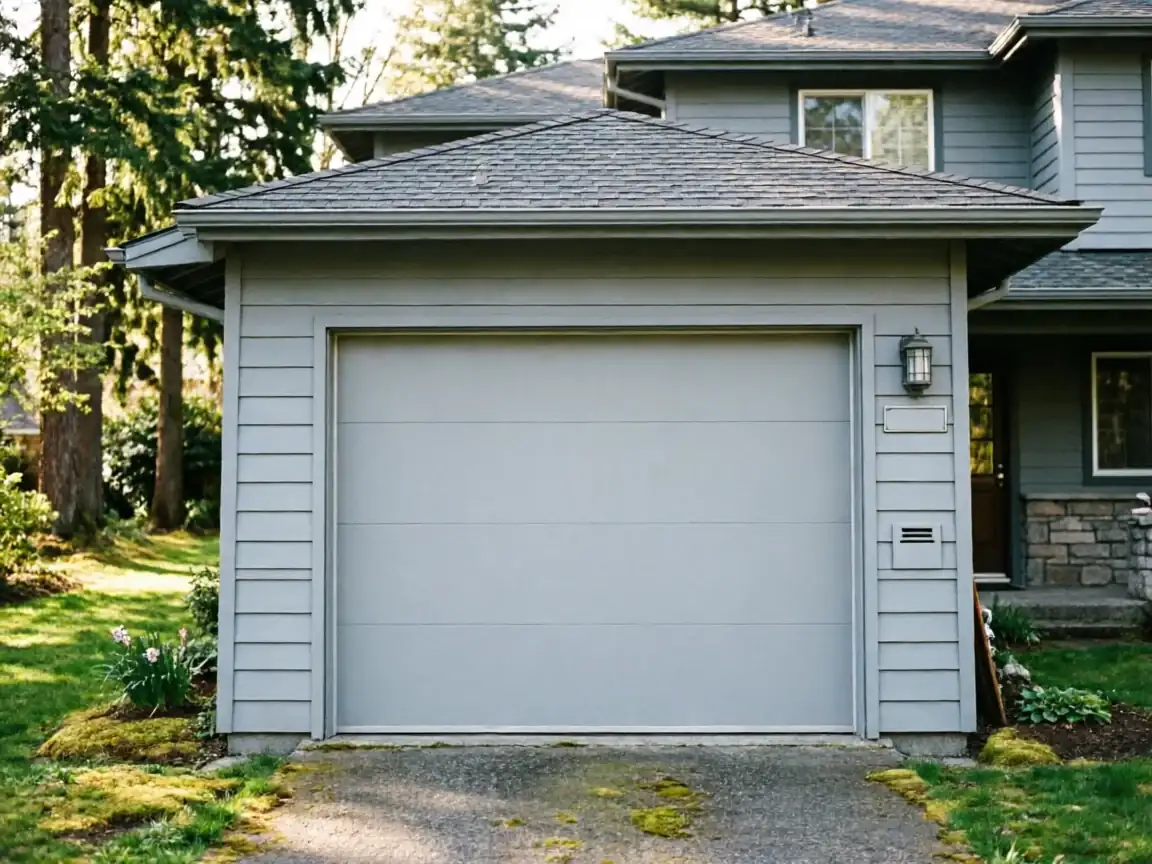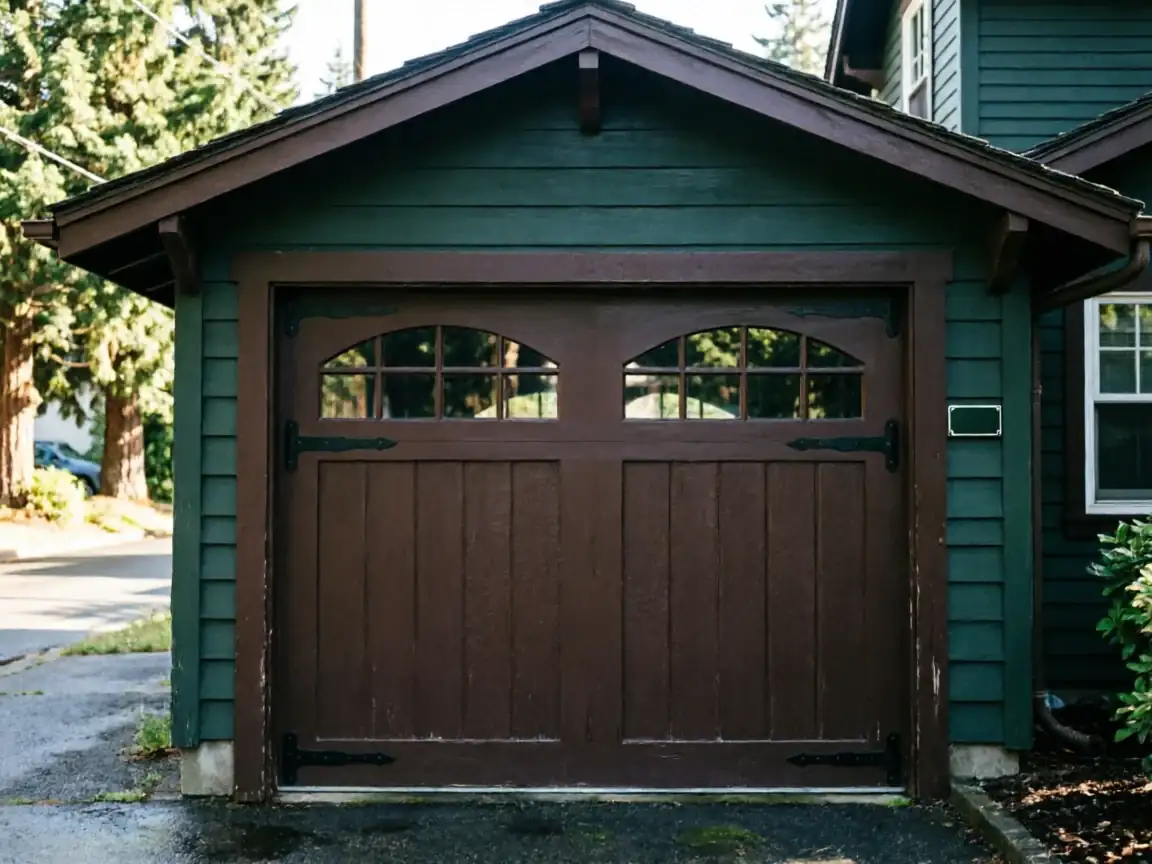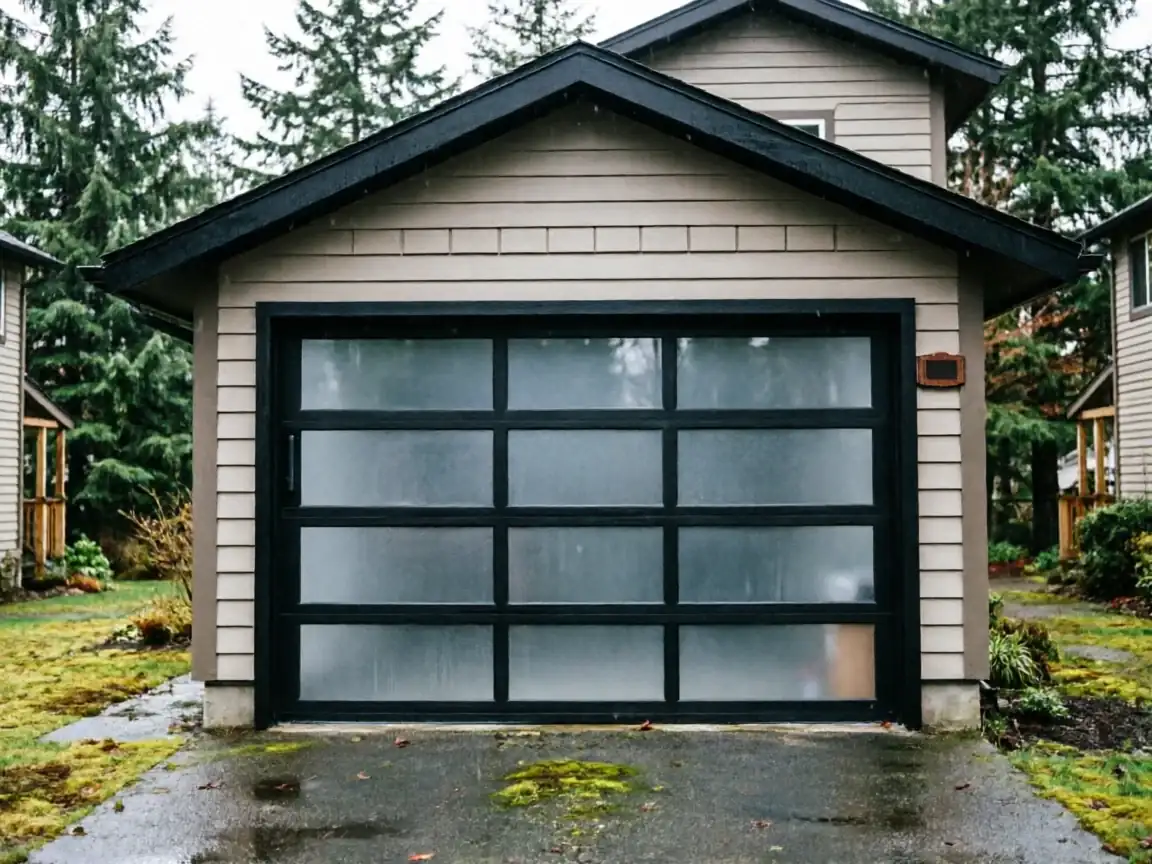
Why It Happens Here
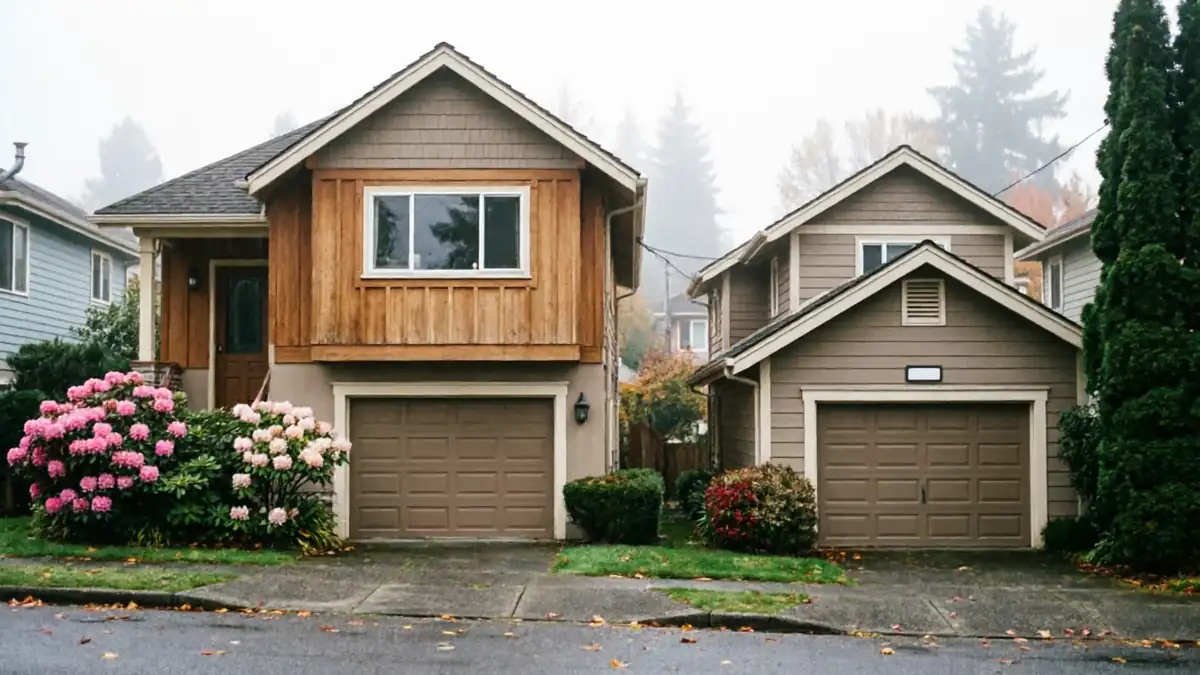
Most houses in Mill Creek went up between 1968 and 2000
With the median build year sitting around 1989. That means a huge share of the doors, openers, and torsion hardware in this area are the same age as the houses themselves - somewhere between twenty-five and fifty-five years old. Springs are rated for a number of cycles, not a number of years, but in a neighborhood where most garages see two openings a day, that cycle count runs out right around the same decade across dozens of streets at once. We see the same failure mode repeat across the 31 named pockets of this area because the housing stock itself repeats: 1980s and 90s construction, same door gauge, same opener-belt or chain-drive units, same cheap plastic idler pulleys.
The climate adds its own wear
Mill Creek sits in a cold-moderate band, which means grease inside torsion springs and on nylon rollers stiffens during cold snaps and then gets sticky again once it warms back up. That cycling - stiff, loose, stiff, loose - is harder on hardware than steady cold ever would be. A spring that's already near the end of its rated cycles is the one that finally gives out on the first real cold morning of the season, not in July.
The DIY Question
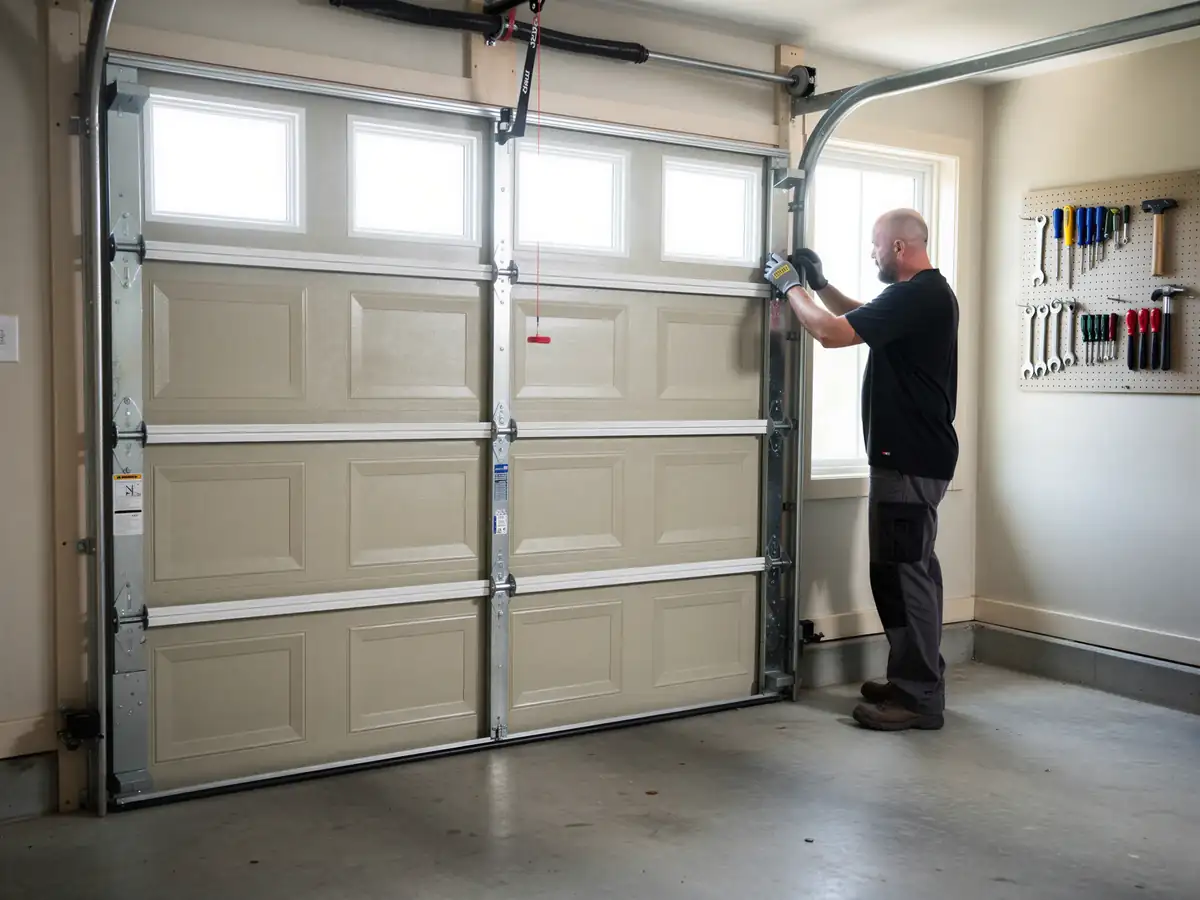
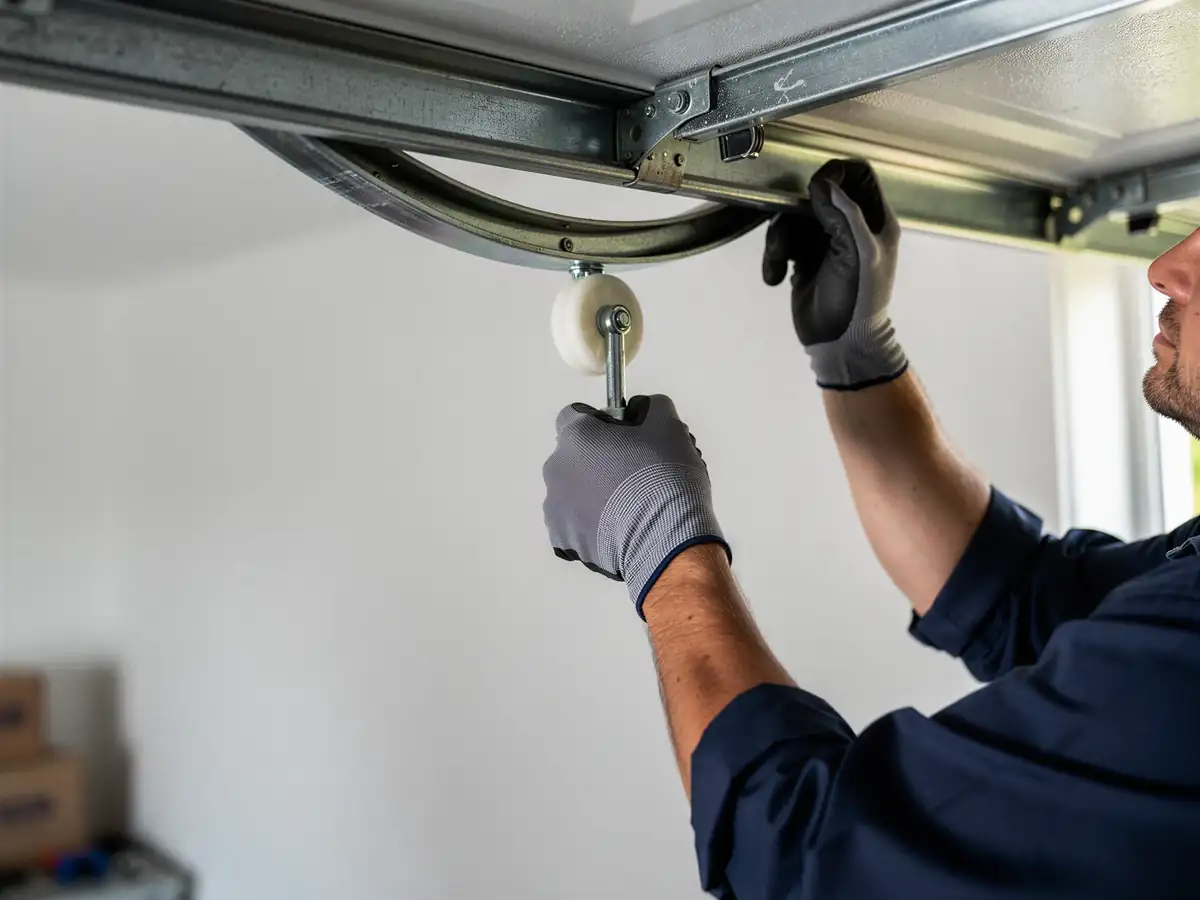
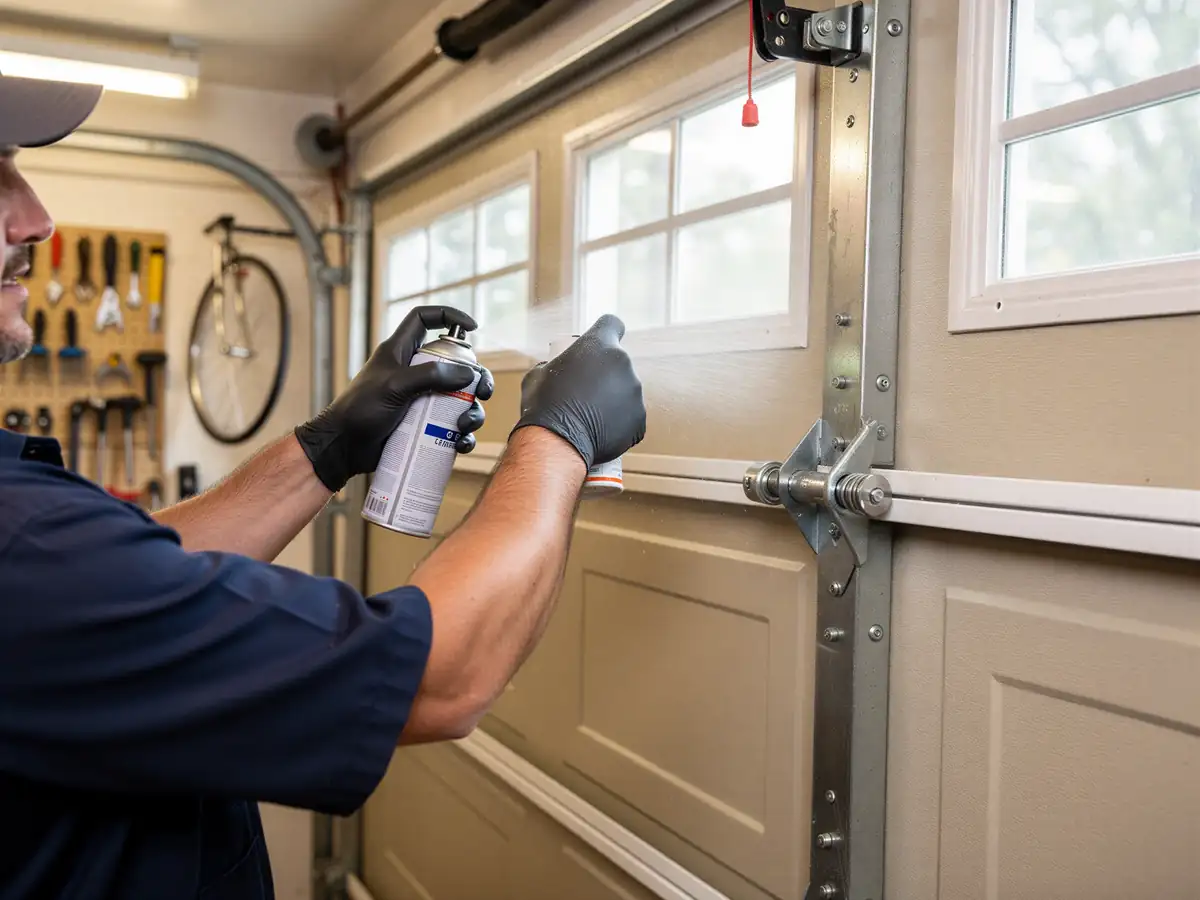
You can do some of this yourself, and you can hurt yourself doing other parts of it. Lubricating rollers and hinges, tightening loose bolts on the track, checking that the photo-eye sensors are aligned and clean - all reasonable homeowner jobs, and all worth doing twice a year given how the cold-moderate swings here work on hardware.
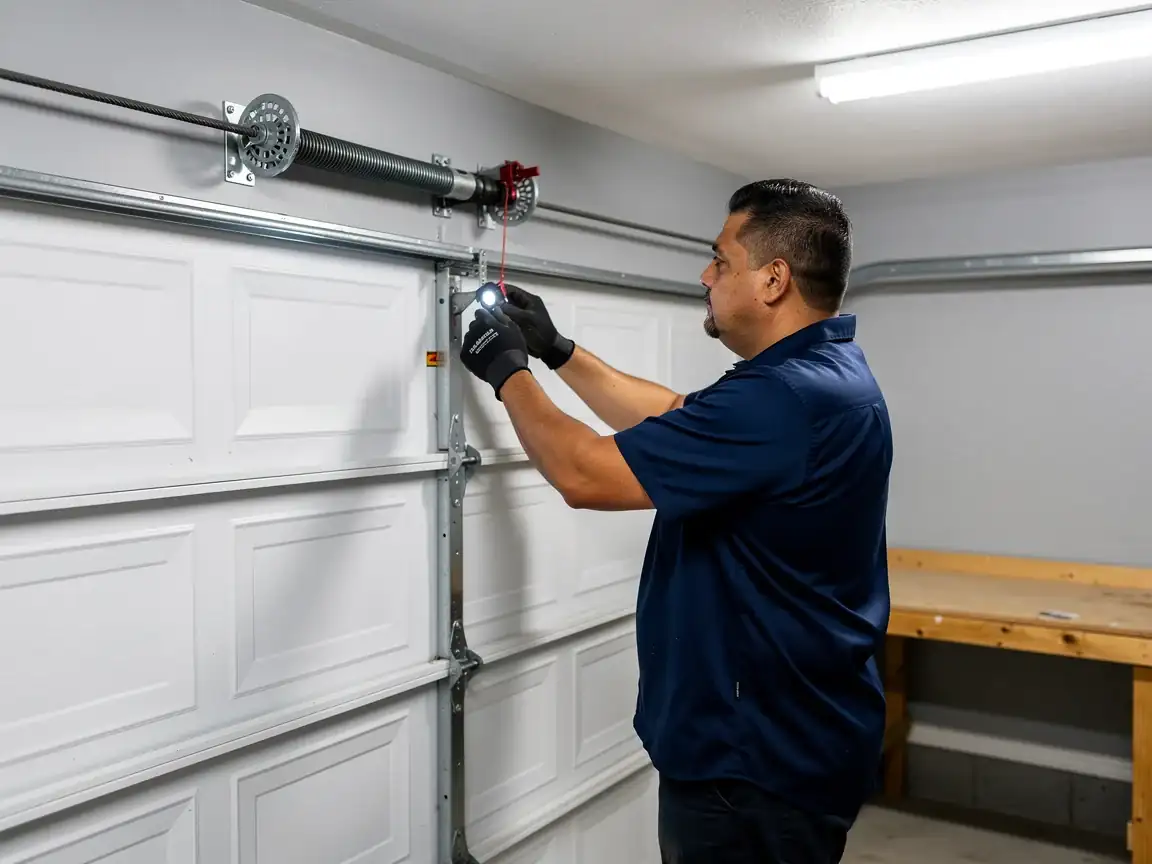
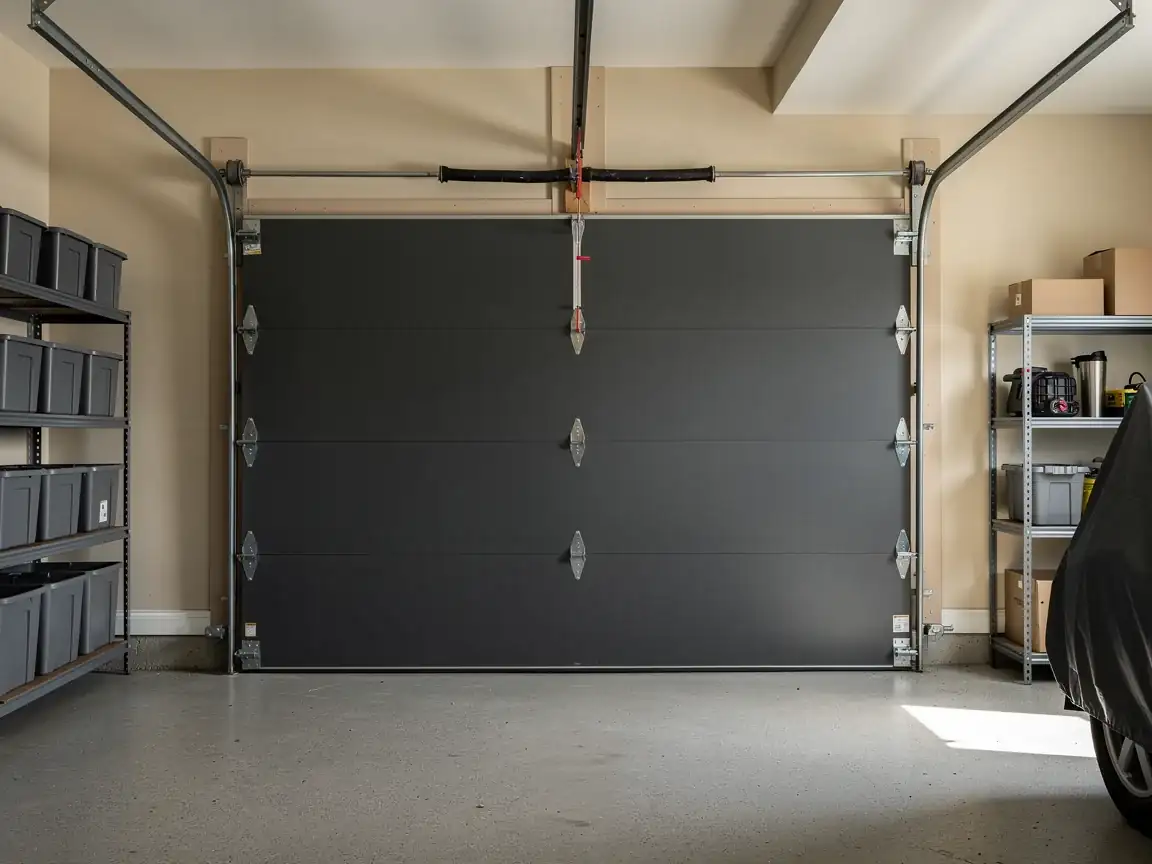
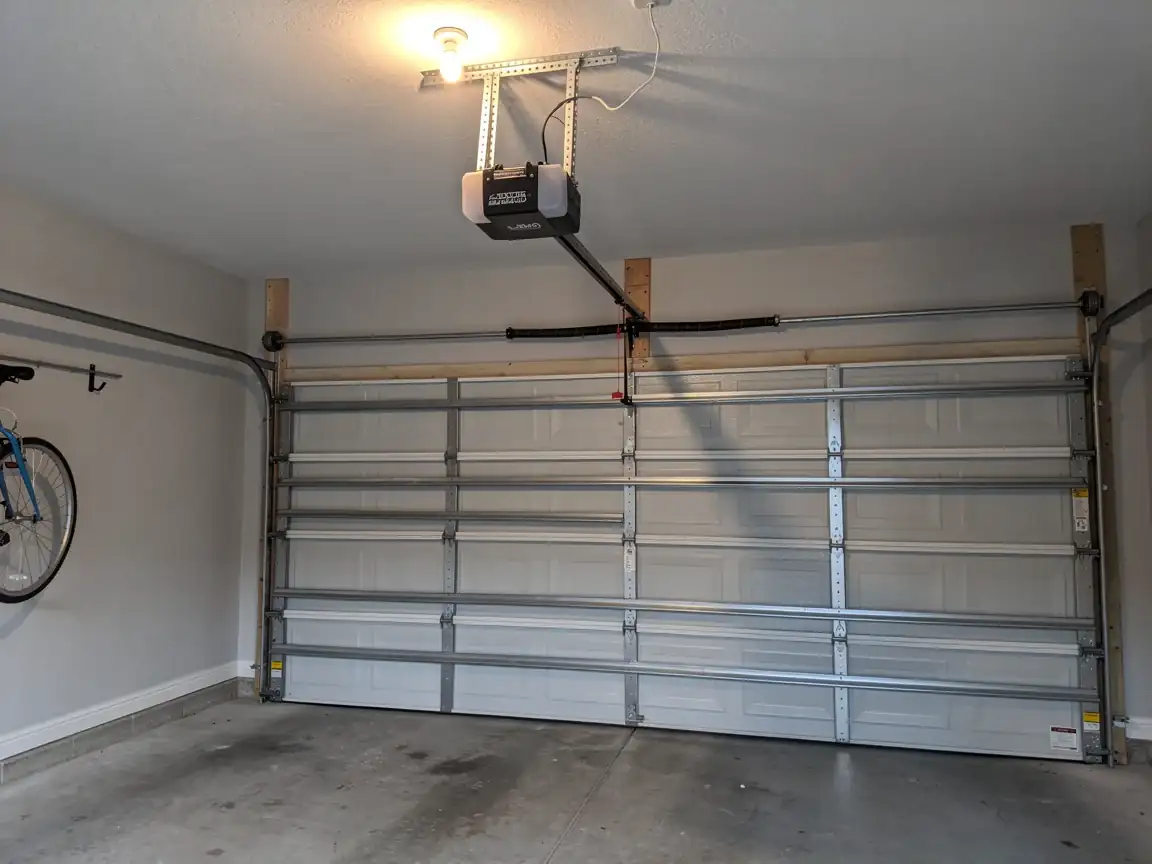
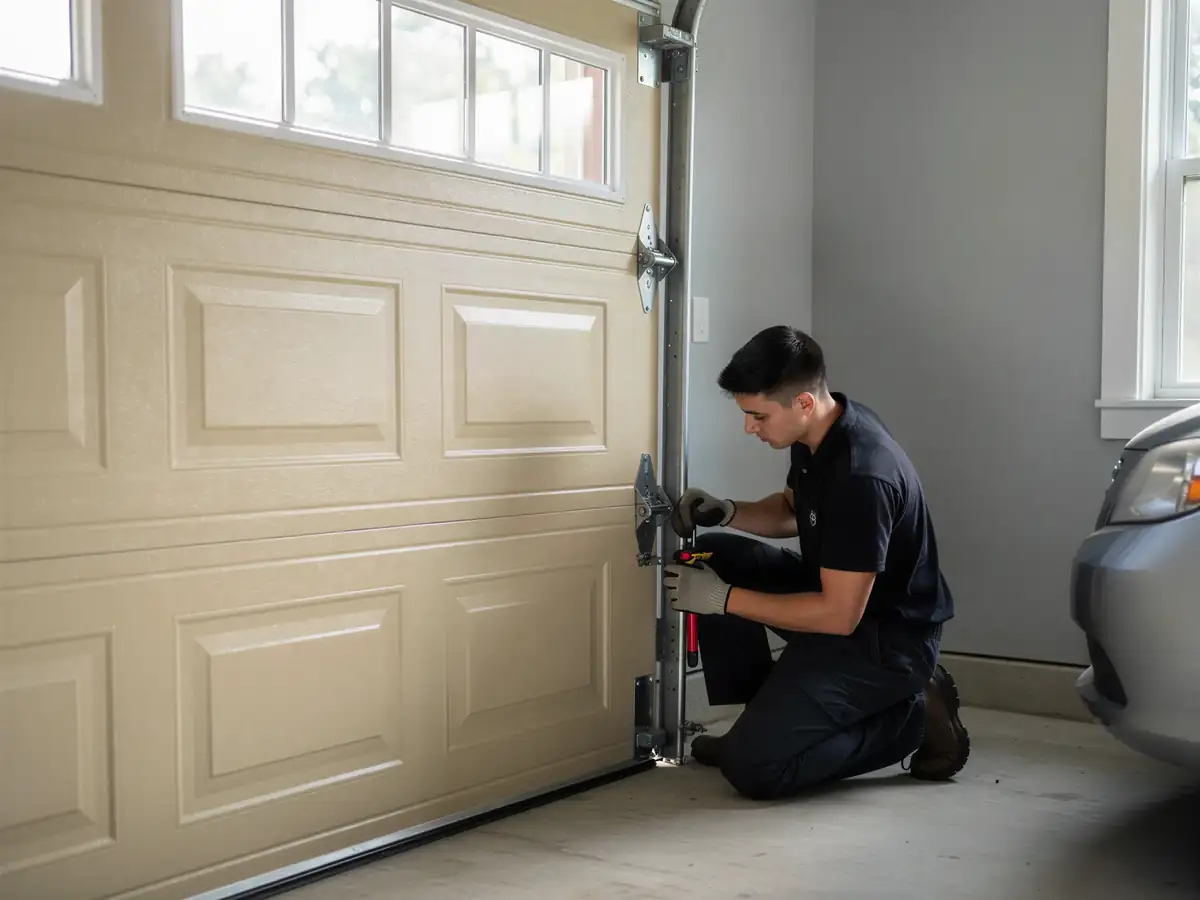
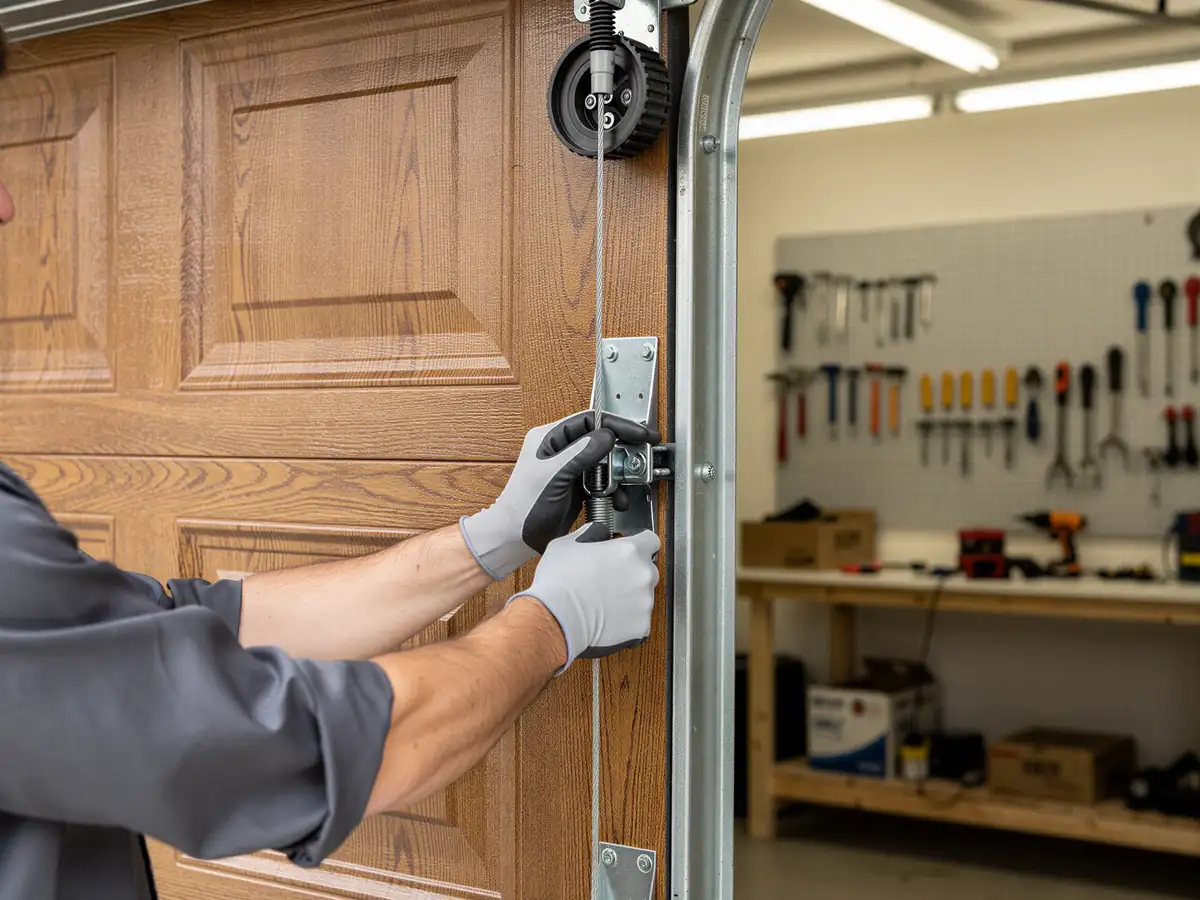
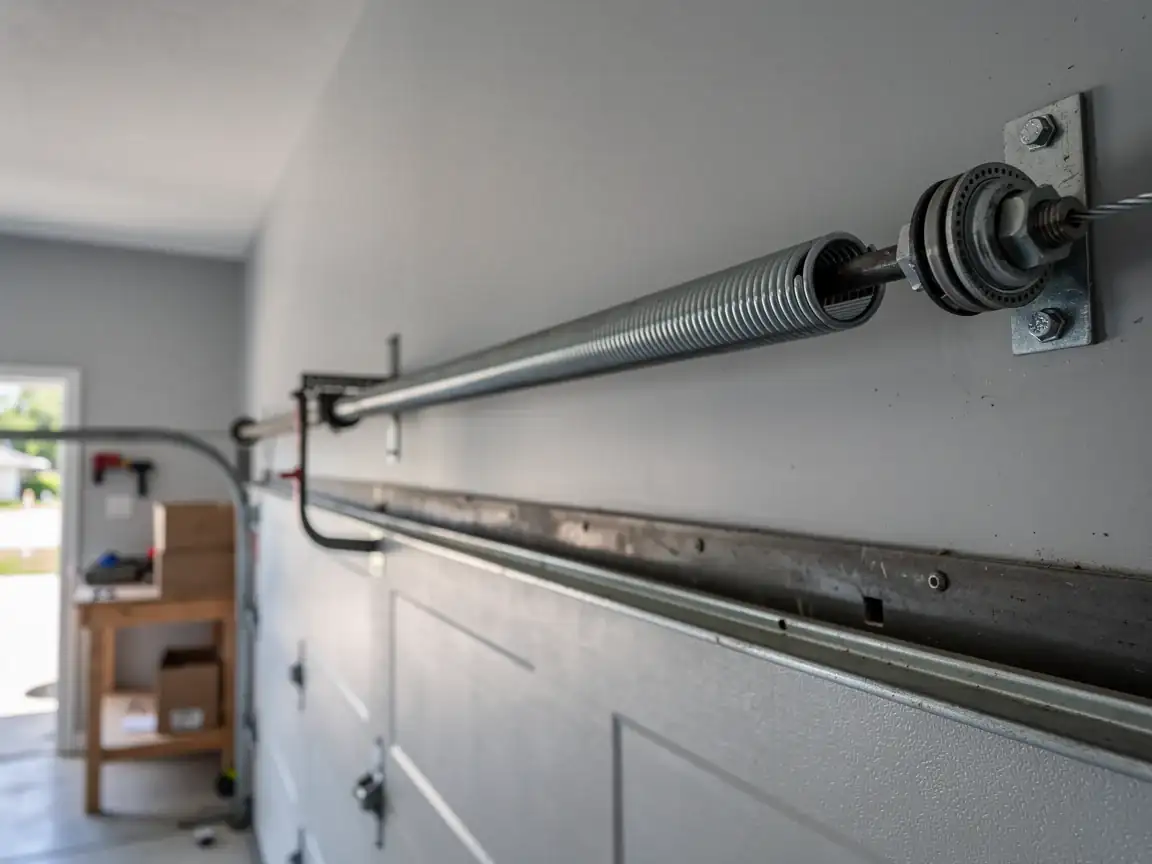
Torsion springs are where we draw a hard line. A broken or failing torsion spring on a door built to this area's common sizes holds enough stored tension to break fingers or worse, and the tools to wind it safely aren't something most garages have lying around. If your door is from the original 1980s or 90s build and the spring looks original too, that's not a weekend project - that's a call.
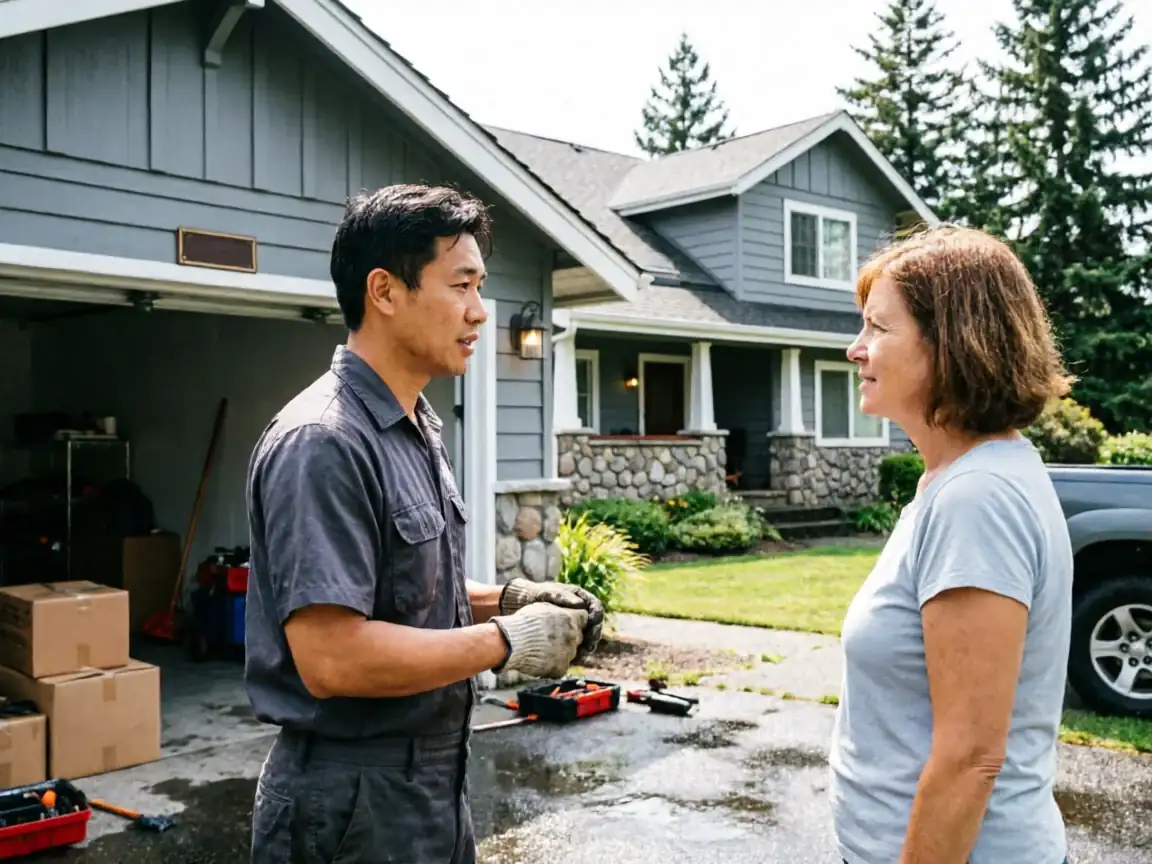
One honest limitation: if your opener or spring is an older or discontinued model from that era, we may need to order a part rather than carry it on the truck. We'll tell you up front if that's the case instead of guessing at the first visit.
Getting It Booked In
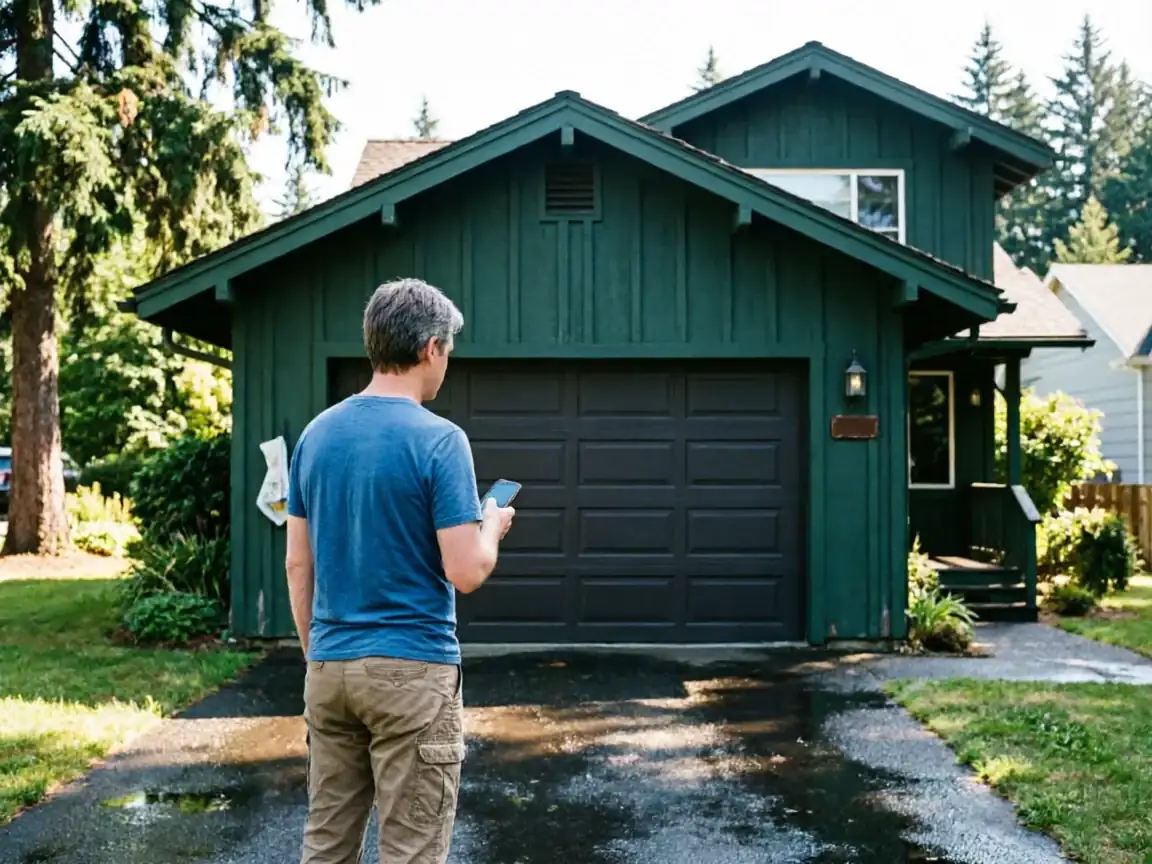
Tell us what the door is doing - won't open, opens then reverses, grinding noise, door hanging crooked - and roughly how old the house is. That second detail actually matters here, since a door original to a 1989-built house gets diagnosed differently than one replaced ten years ago.
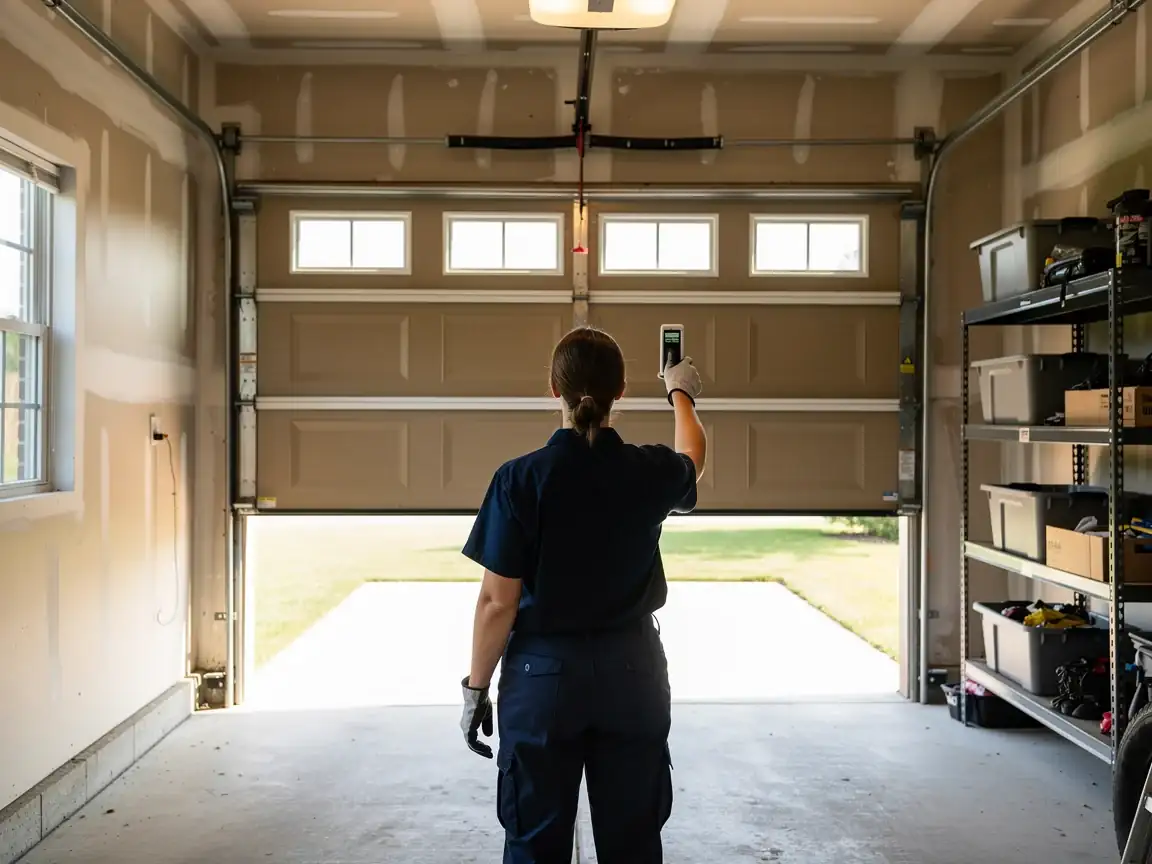
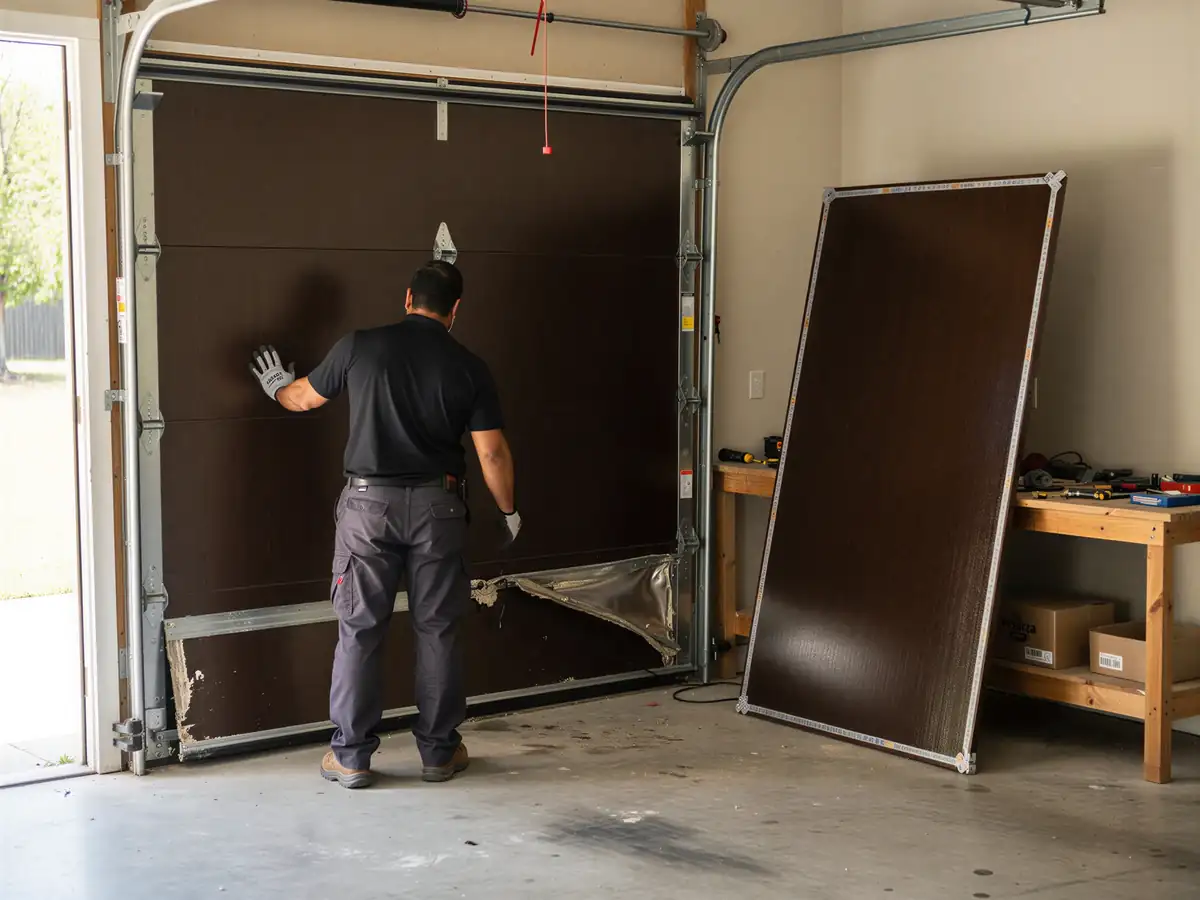
We book the visit, confirm a window, and show up with the common parts for this area's housing stock already on the truck, since so much of it falls into the same late-80s to late-90s range. If the fix needs an ordered part, we'll say so at the door, not after we've already opened things up.
See our main page at / for the rest of what we do.
What You Are Seeing
A door that shudders partway up and stalls is usually a spring losing its tension unevenly
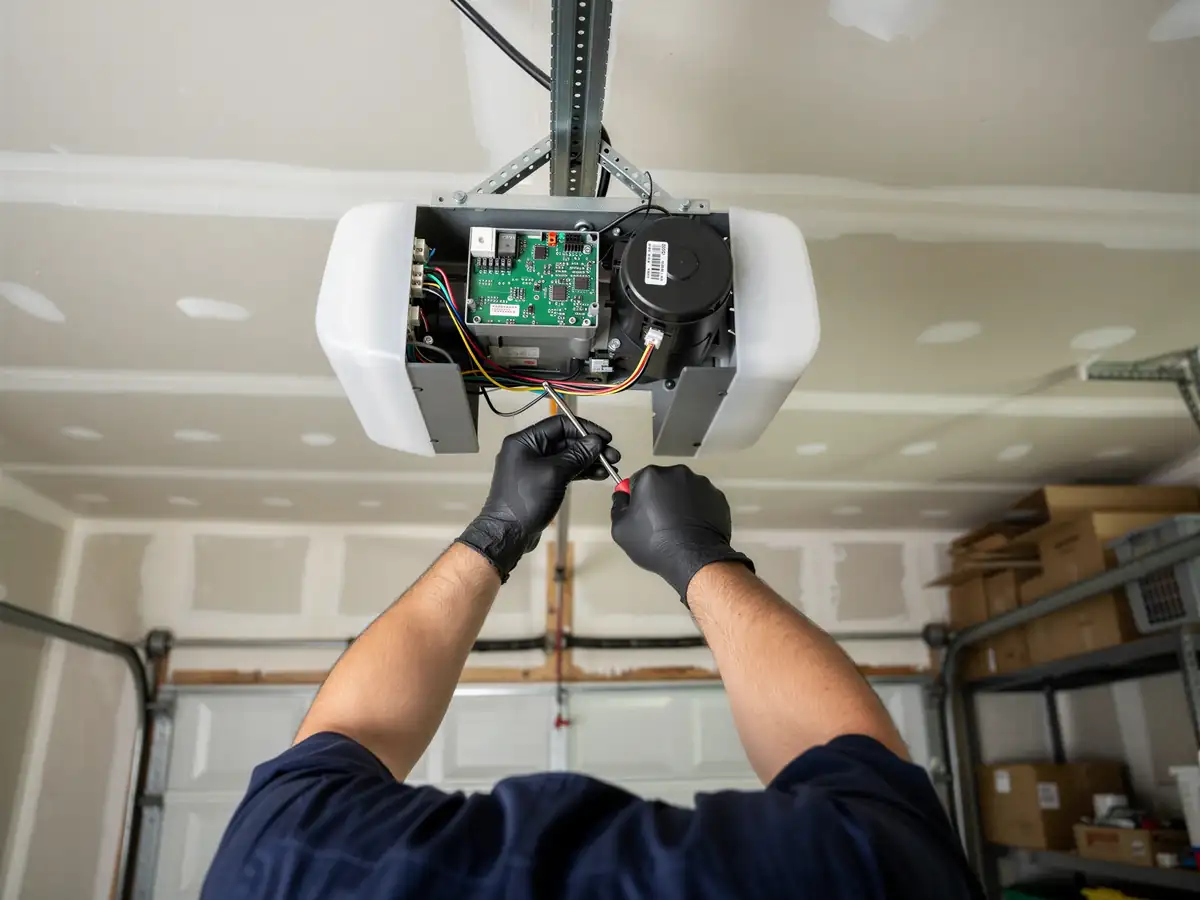
Which happens a lot in original hardware from the 1968-2000 build era once it's past its rated cycle count. A door that reverses right after the floor without touching anything is almost always the opener's force or limit settings drifting, common on chain-drive units installed during that same construction window.
A loud bang followed by the door refusing to move at all is a snapped torsion spring
Don't try to open it manually past that point. Grinding or popping from the track usually means a bent section or worn rollers, more common on original builders'-grade steel rollers than on anything upgraded. And if the whole door looks like it's hanging crooked on one side, check the cables first; a frayed or jumped cable on older torsion hardware is a frequent cause and not something to force through with the opener.