
This Area's Housing
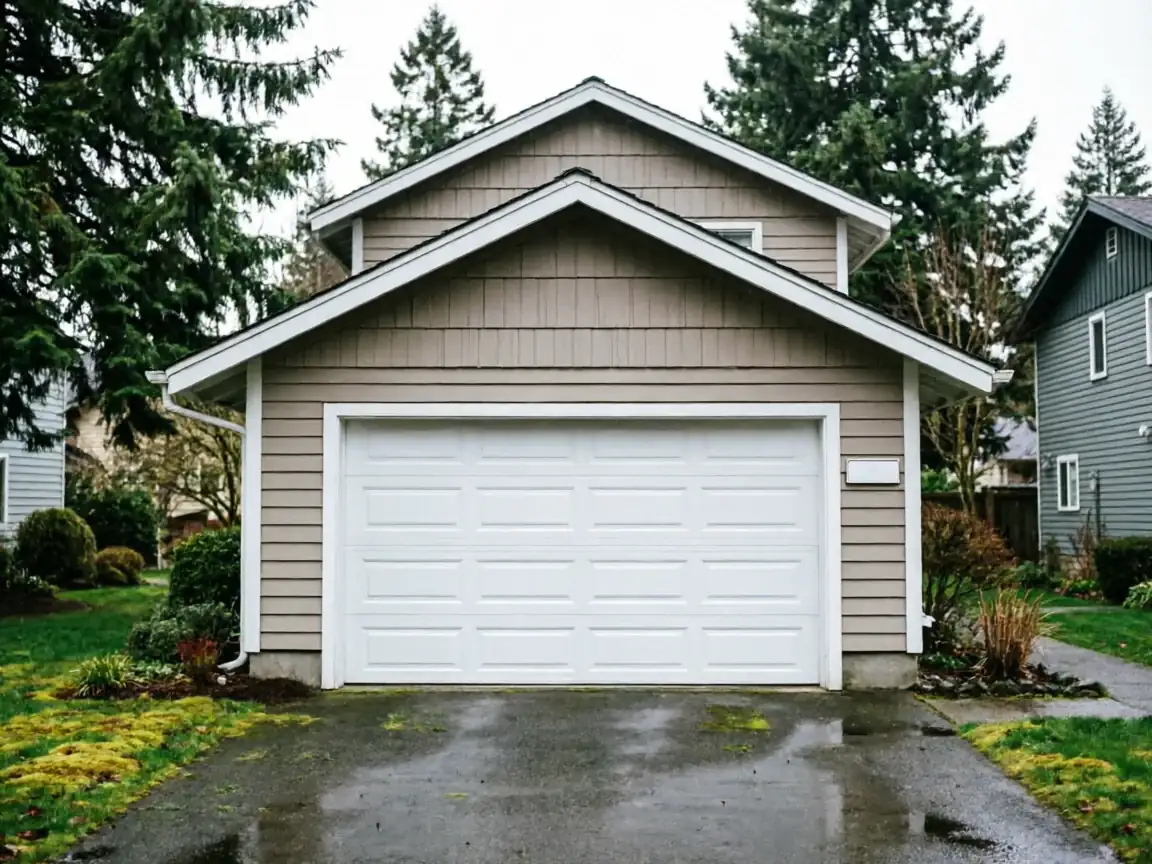
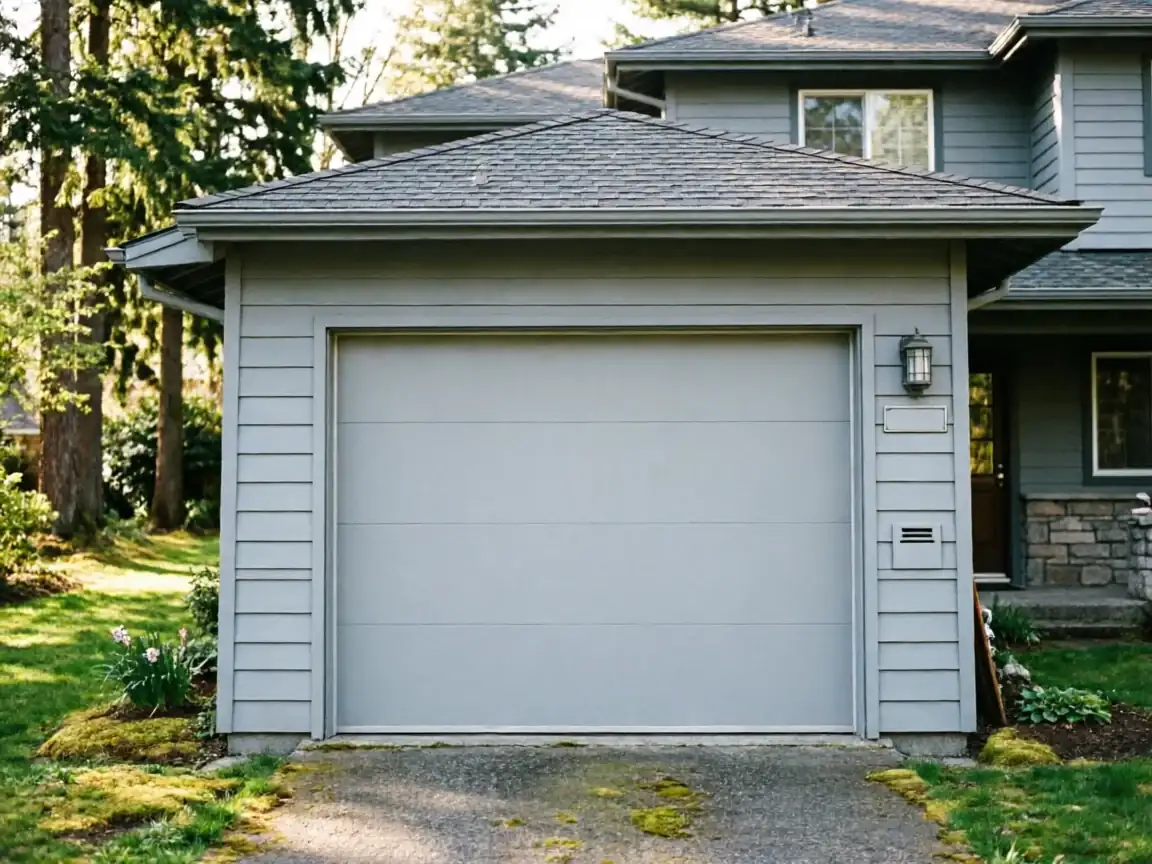
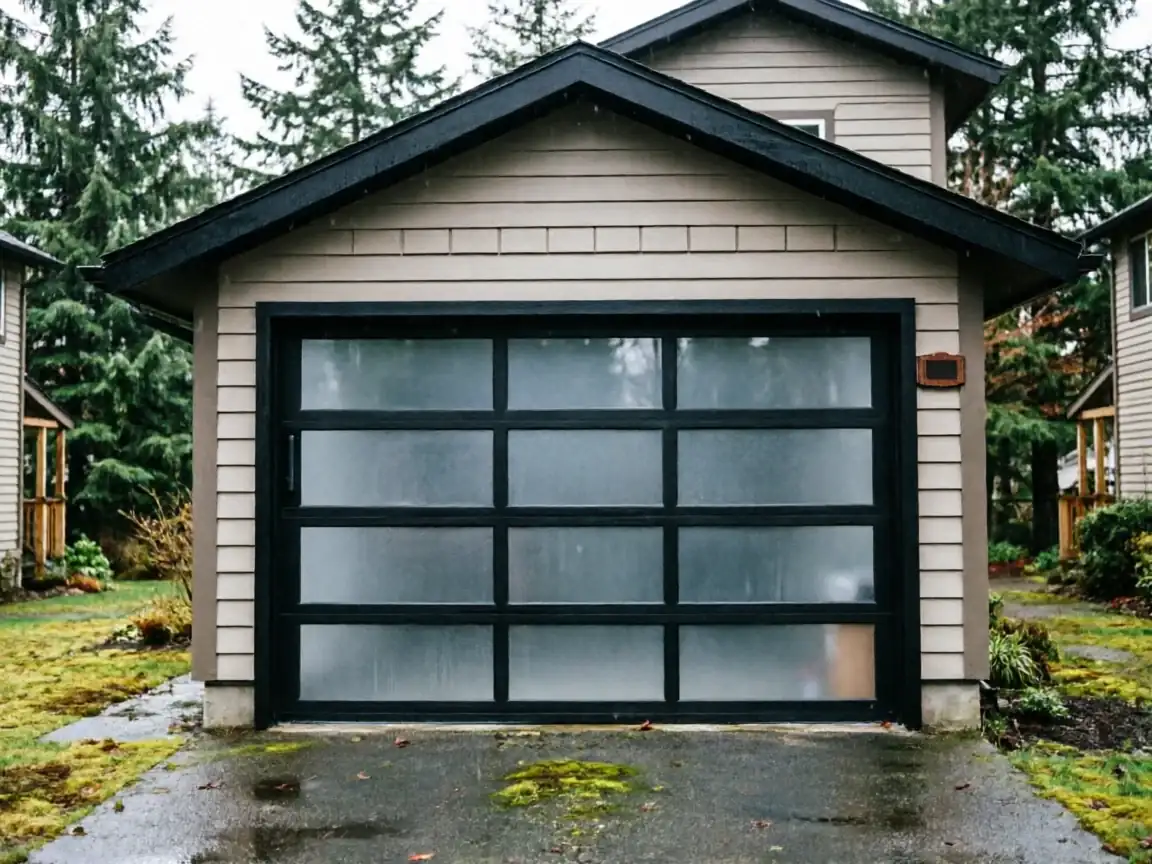
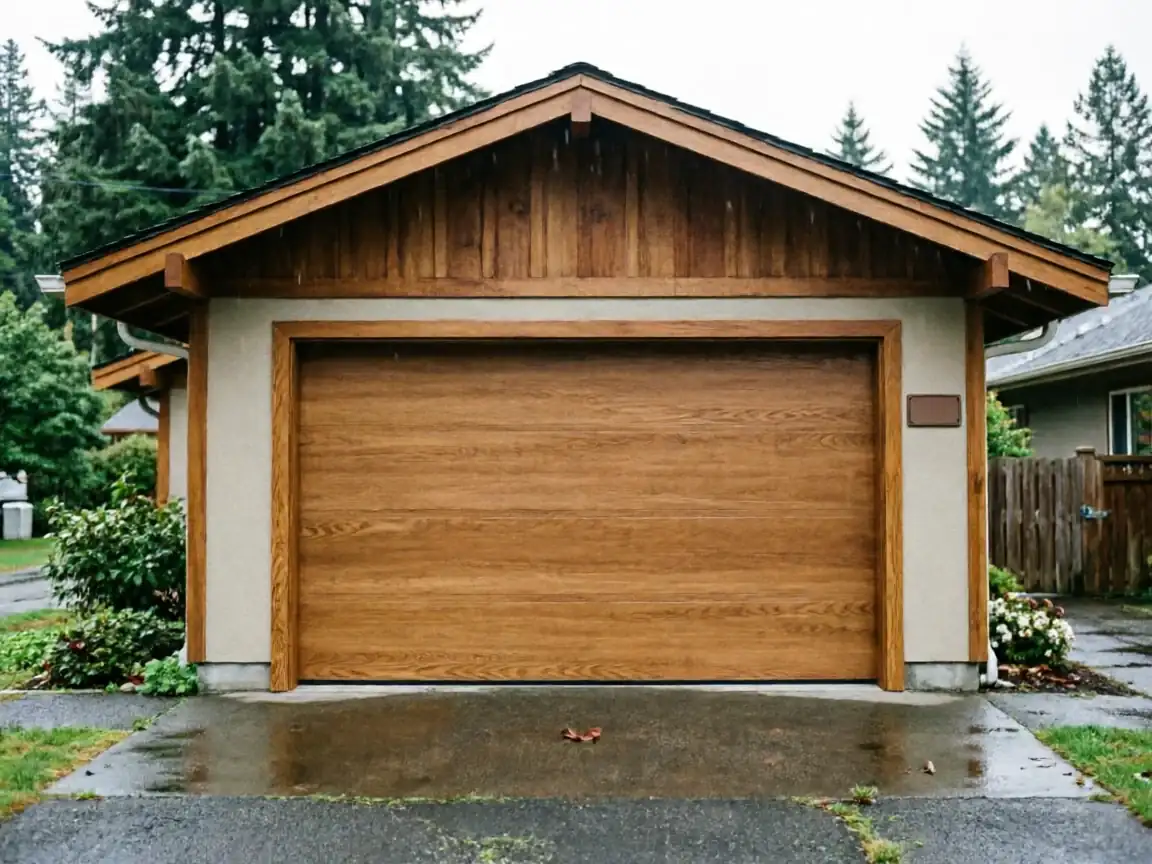
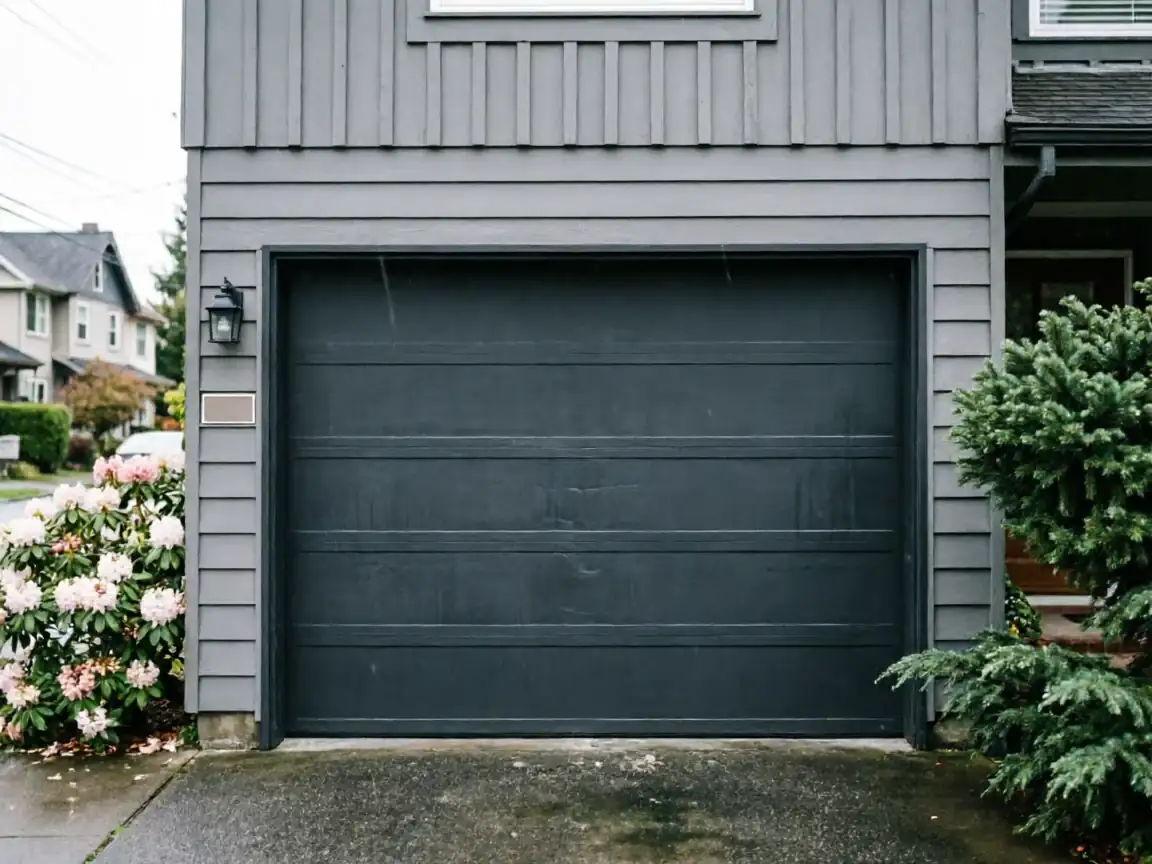
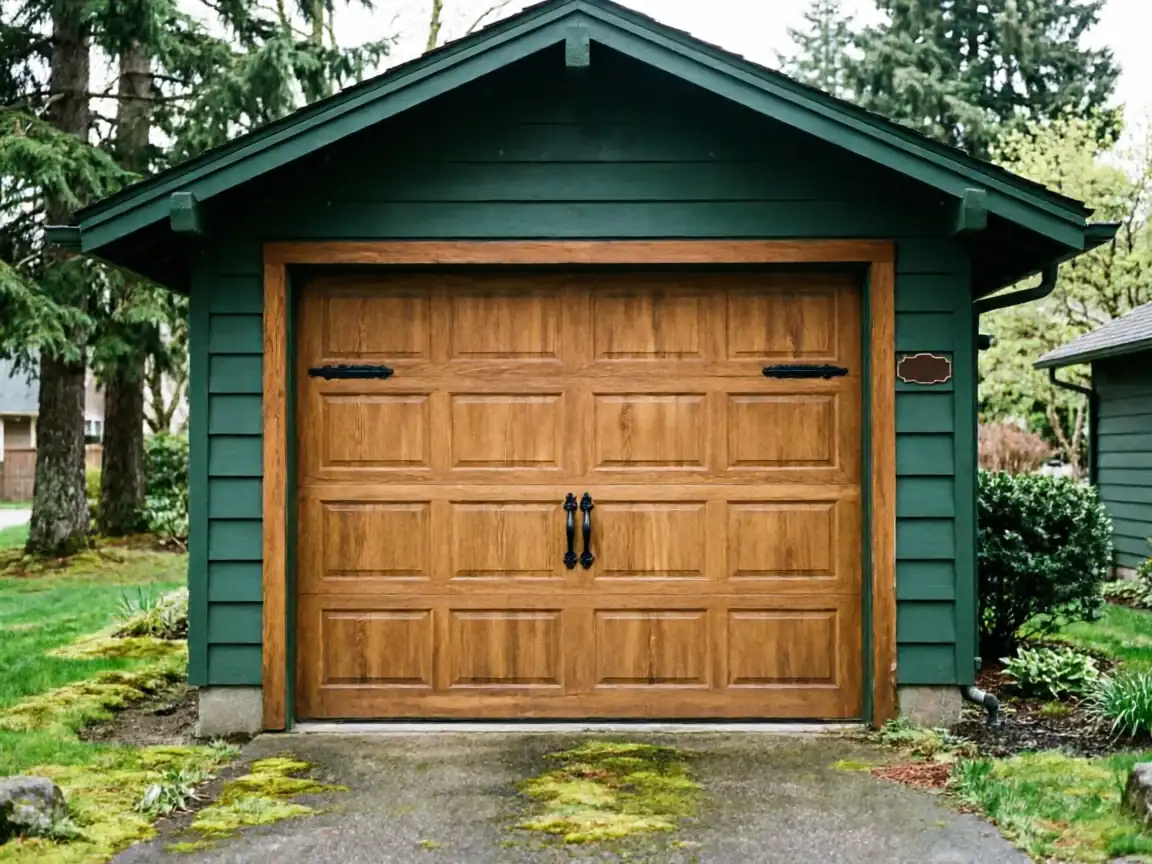
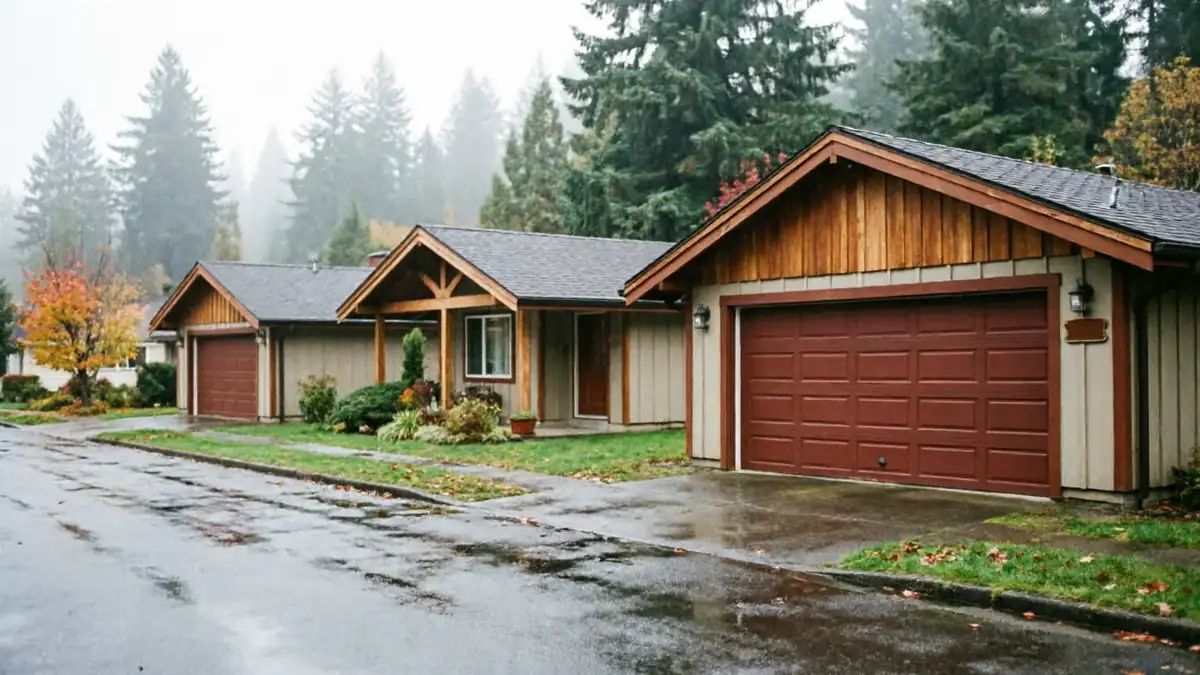
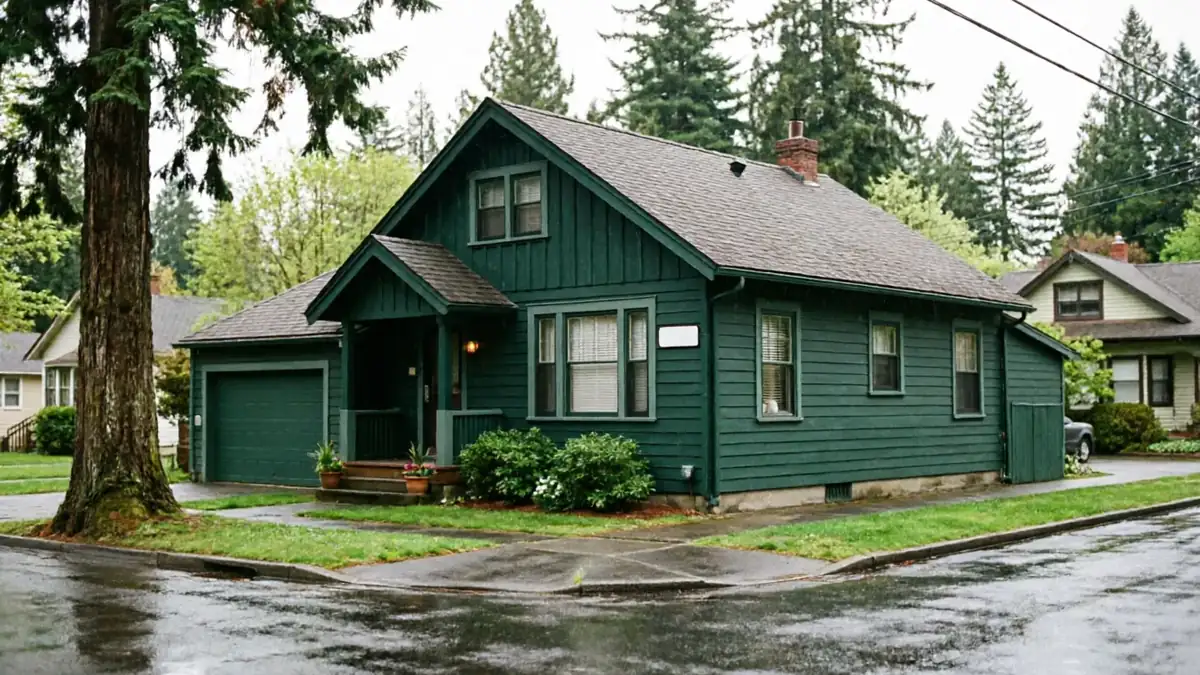
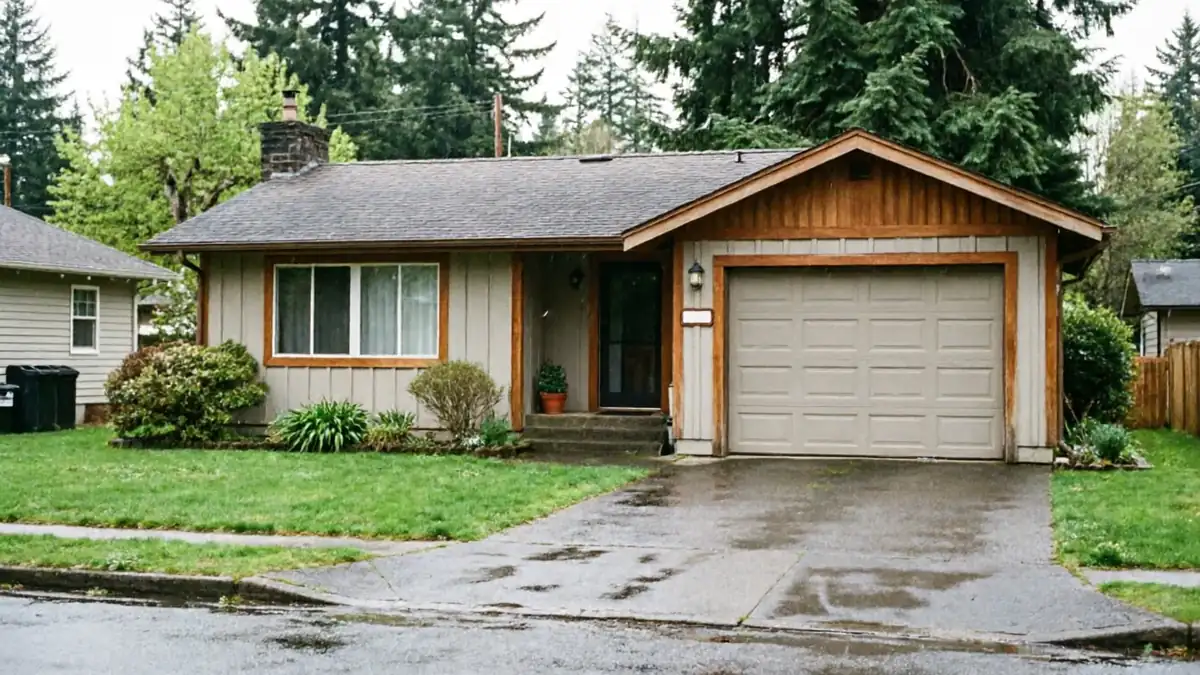
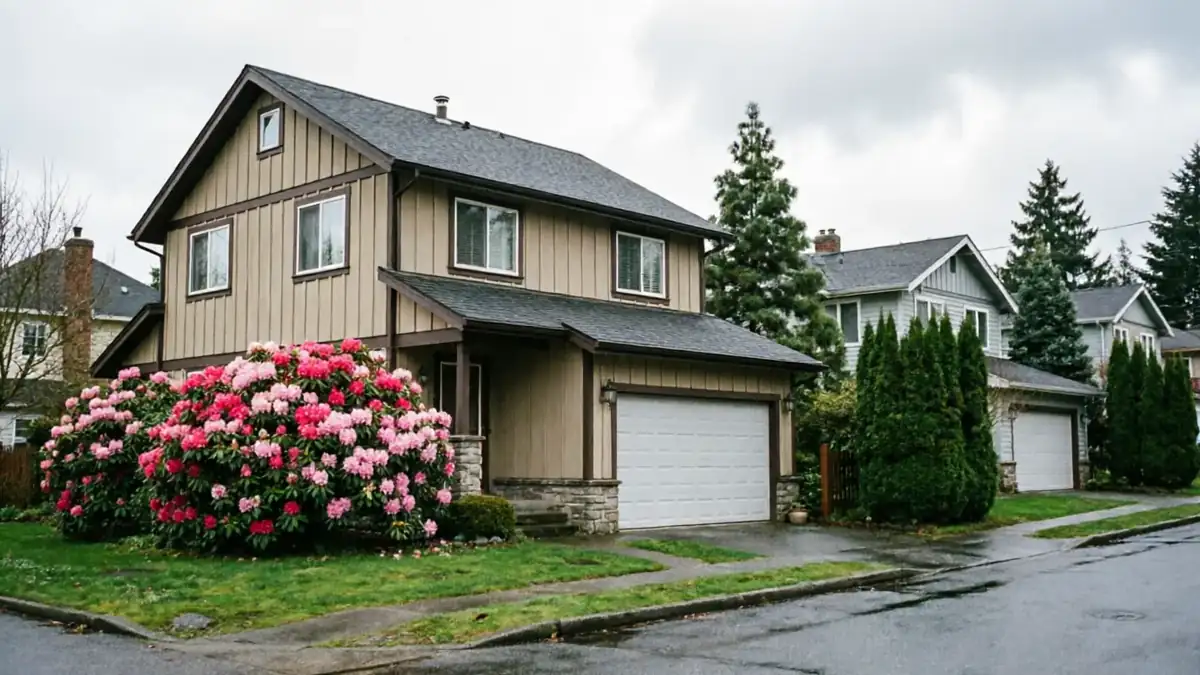
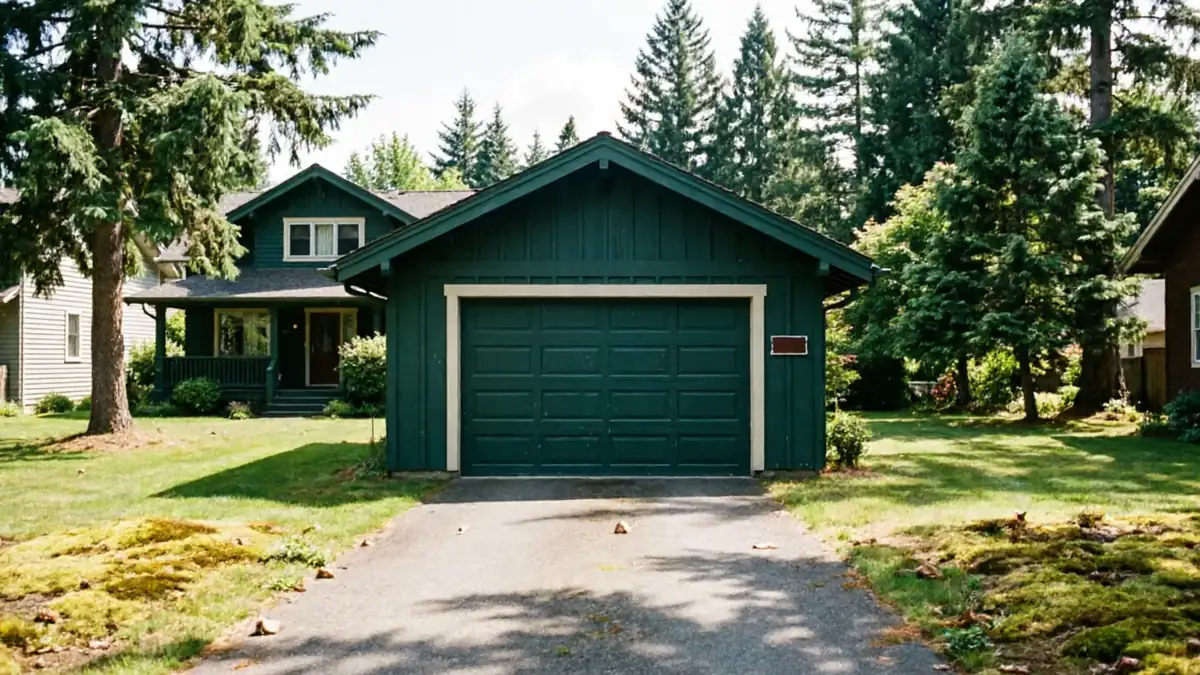
Maltby's housing skews earlier than a lot of what we see elsewhere in the territory. The median build year here lands around 1983, compared with a service-area median closer to 1989 and a broader range running 1968 to 2000. That six-year gap matters more than it sounds like for garage doors, because door hardware, opener mounting, and track geometry all shifted noticeably through the late 80s and into the 90s. With about 3,779 households in Maltby and a median income around $179,276, we see a fair number of owners investing in upgrades rather than patchwork repairs - insulated steel doors replacing original panels, openers swapped for quieter belt-drive units. But the bones of a lot of these houses are still the earlier build, and that's the part that decides what kind of repair call we're actually dealing with.
What That Means for Doors
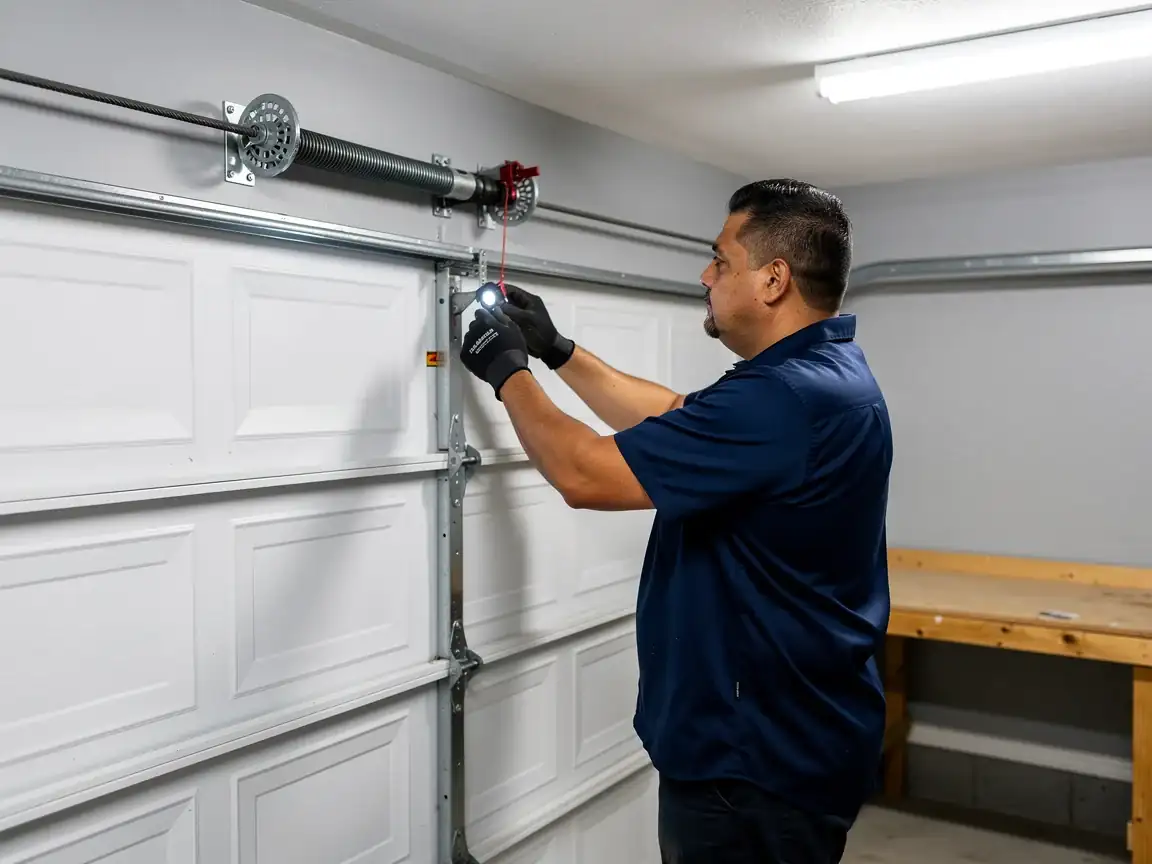
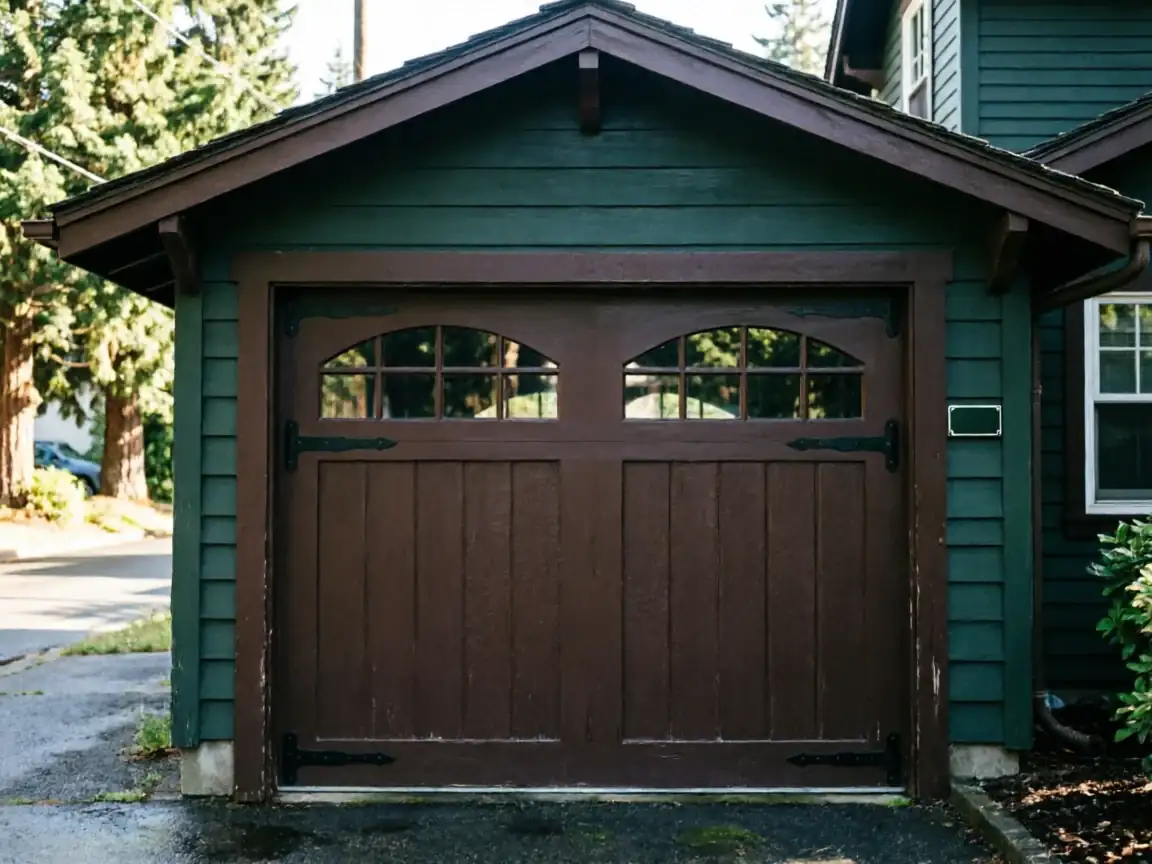
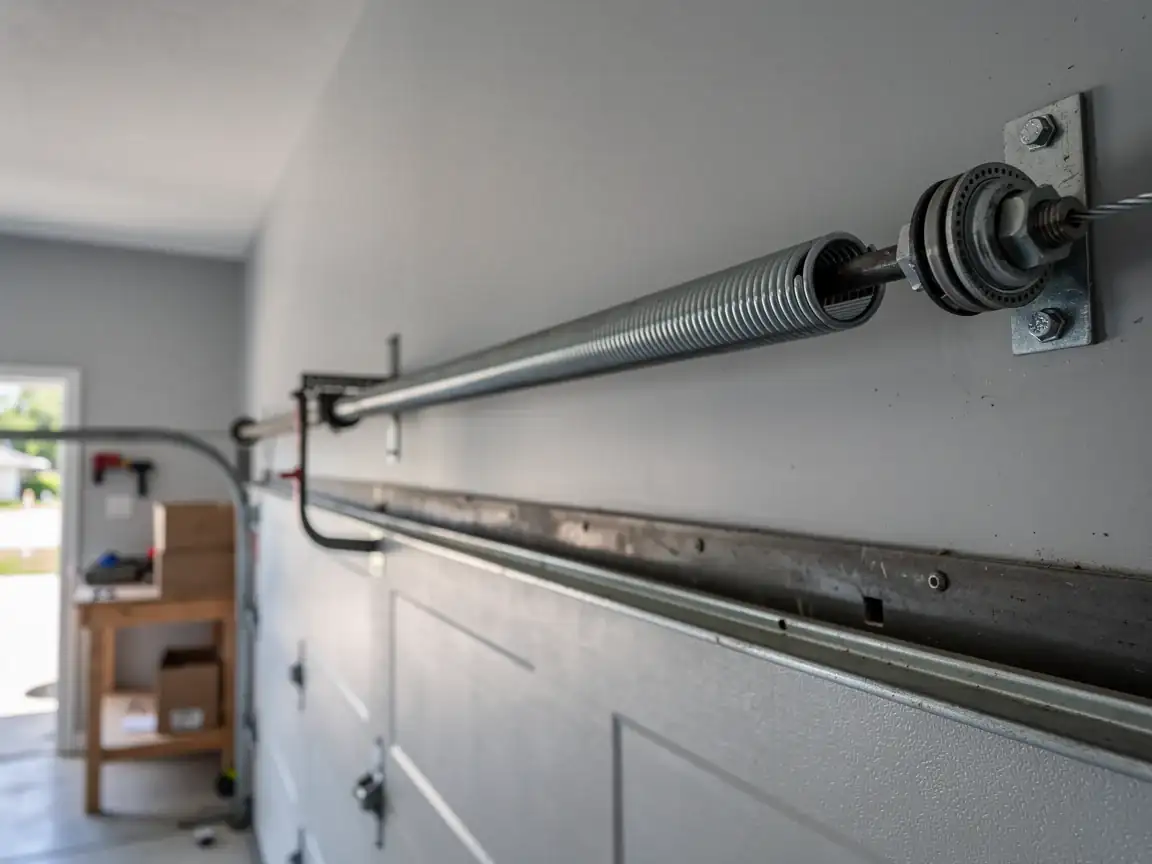
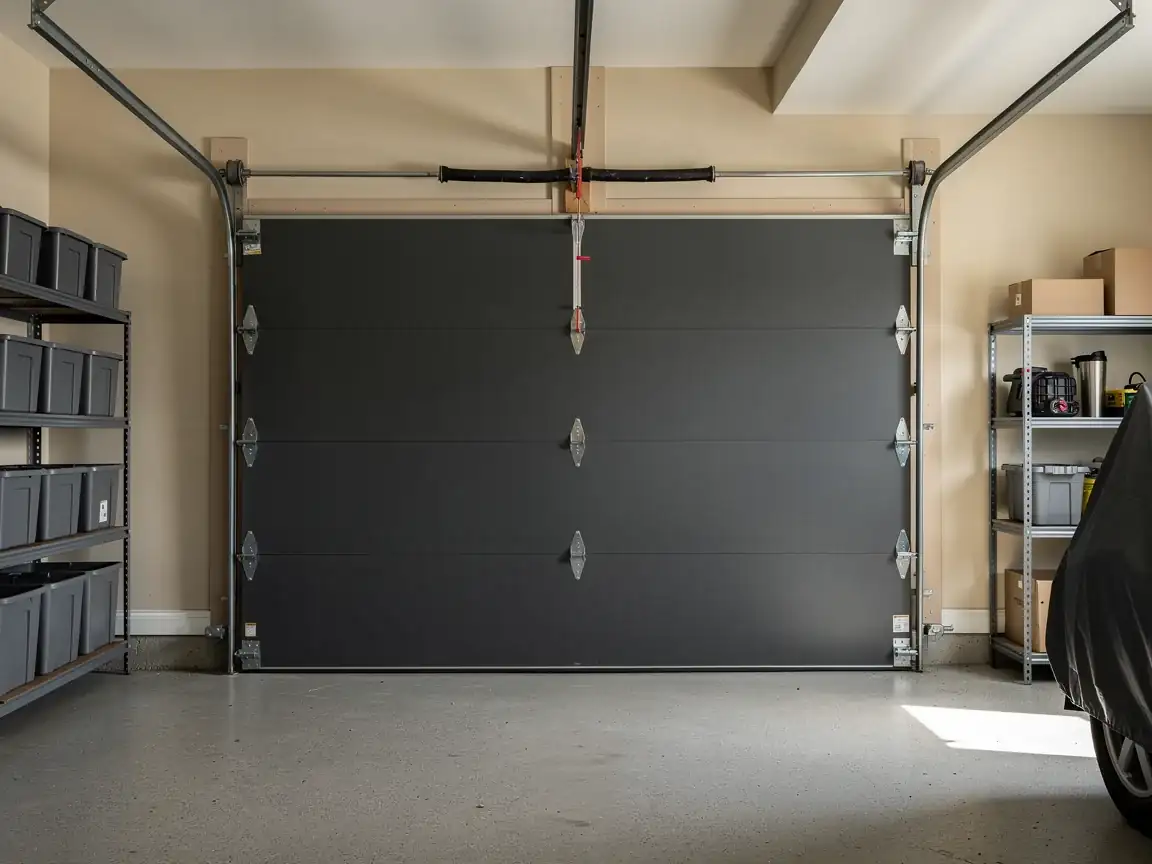
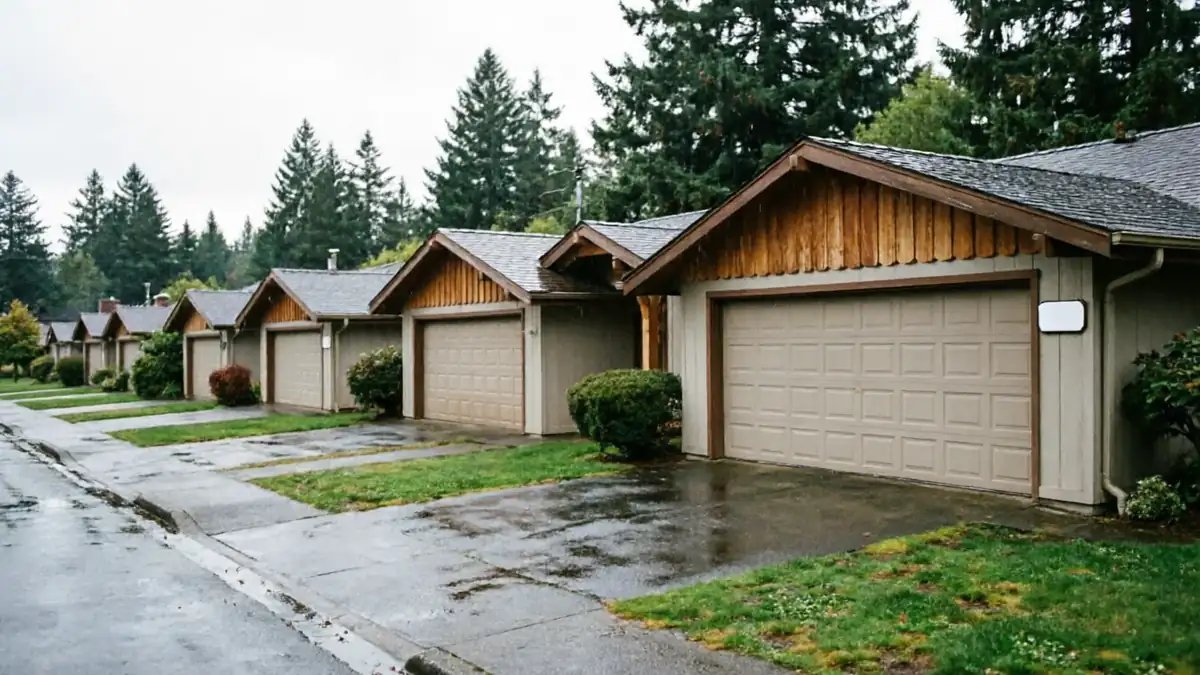
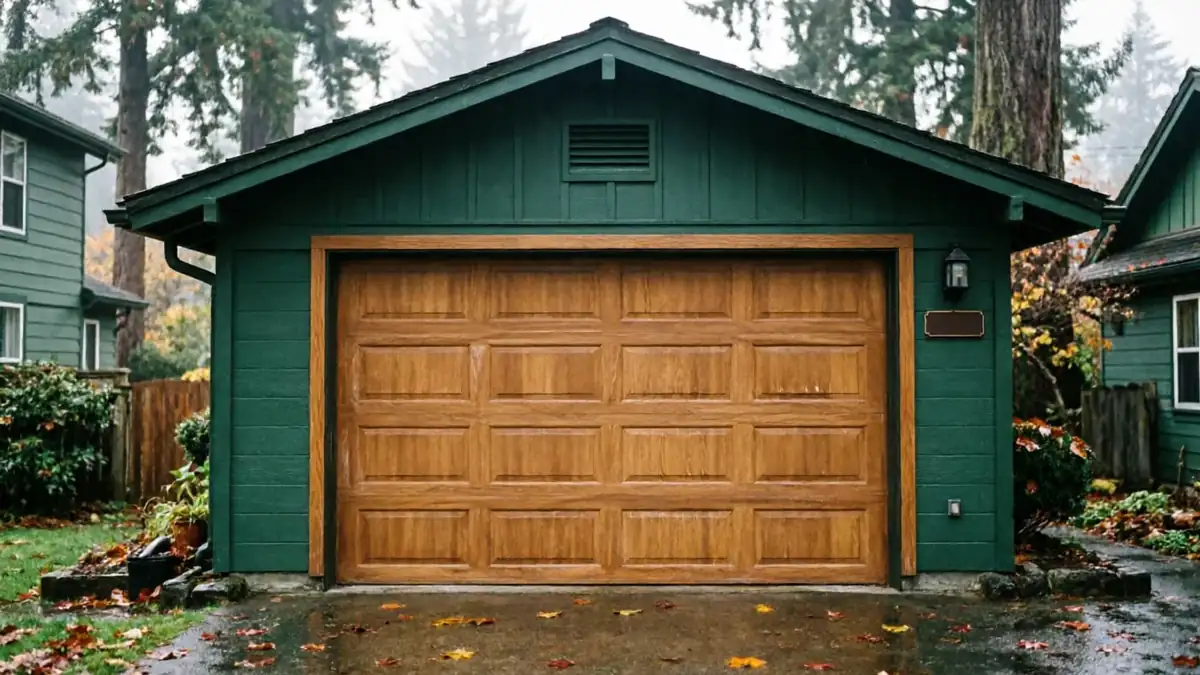
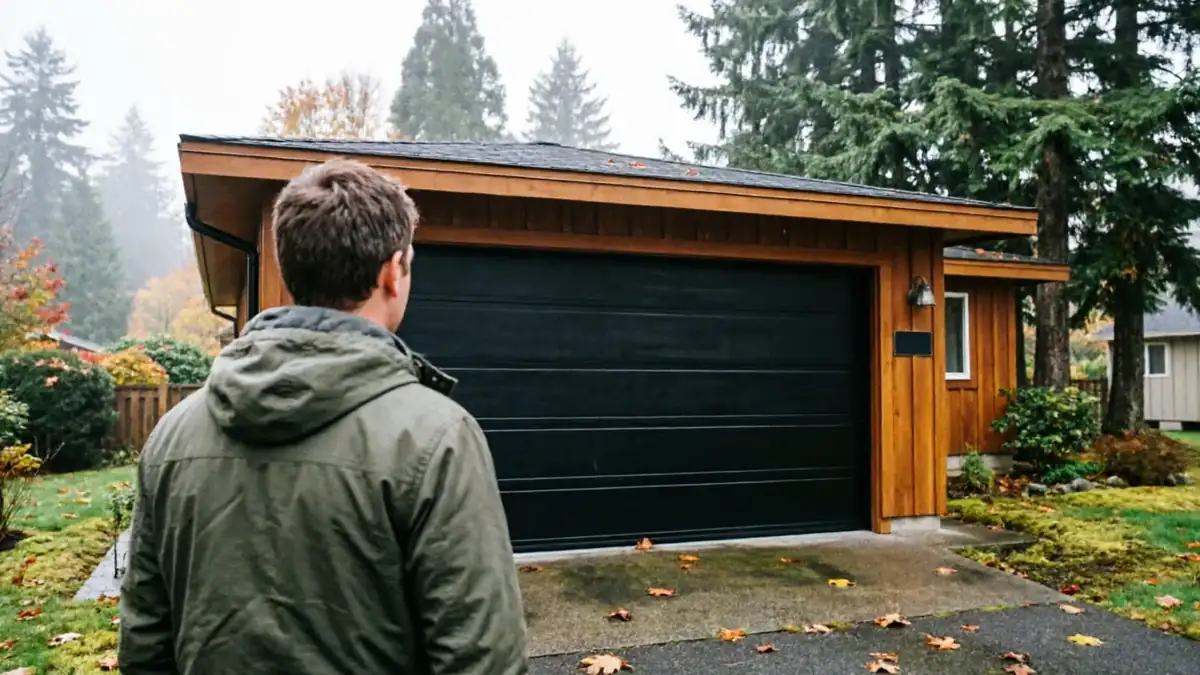
Doors installed when a house was built in the early 1980s tend to run older torsion spring setups and, on the double-wide garages especially, headroom and track hardware sized differently than what gets installed today. If your opener has never been replaced, there's a decent chance it's an older chain-drive unit that's simply outlasted its working life rather than failed outright - those calls are less "fix it" and more "it's time." Our climate band here is cold-moderate, which isn't the brutal end of things, but it does mean seasonal temperature swings work on steel panels and on spring tension over the decades, and a 40-year-old spring set wasn't engineered with today's double-insulated panel weights in mind if a door's been upgraded without redoing the hardware underneath it. We'll tell you plainly when a repair on an older setup isn't worth it compared to swapping the whole door - matching obsolete hardware can mean a real wait on parts, and sometimes replacement is just the cheaper path.