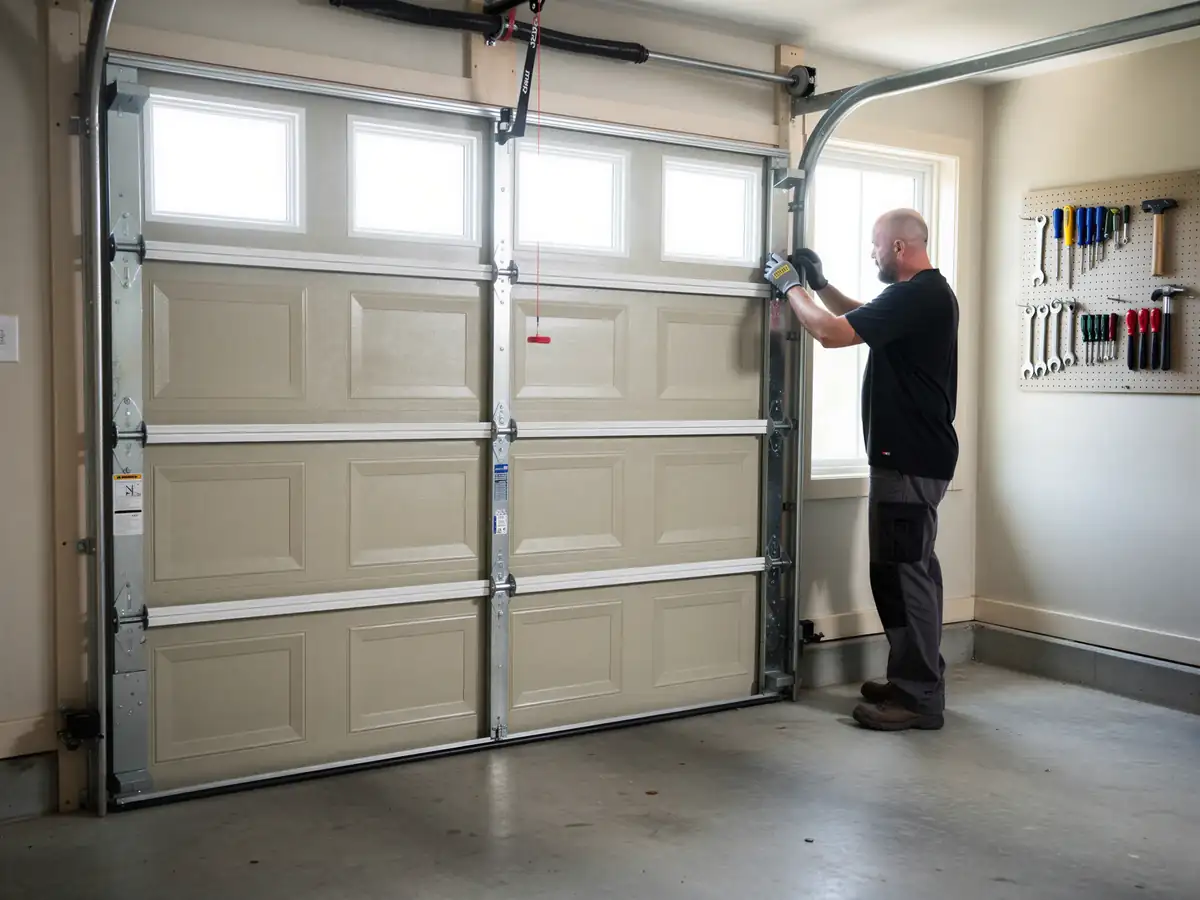
What You Are Seeing
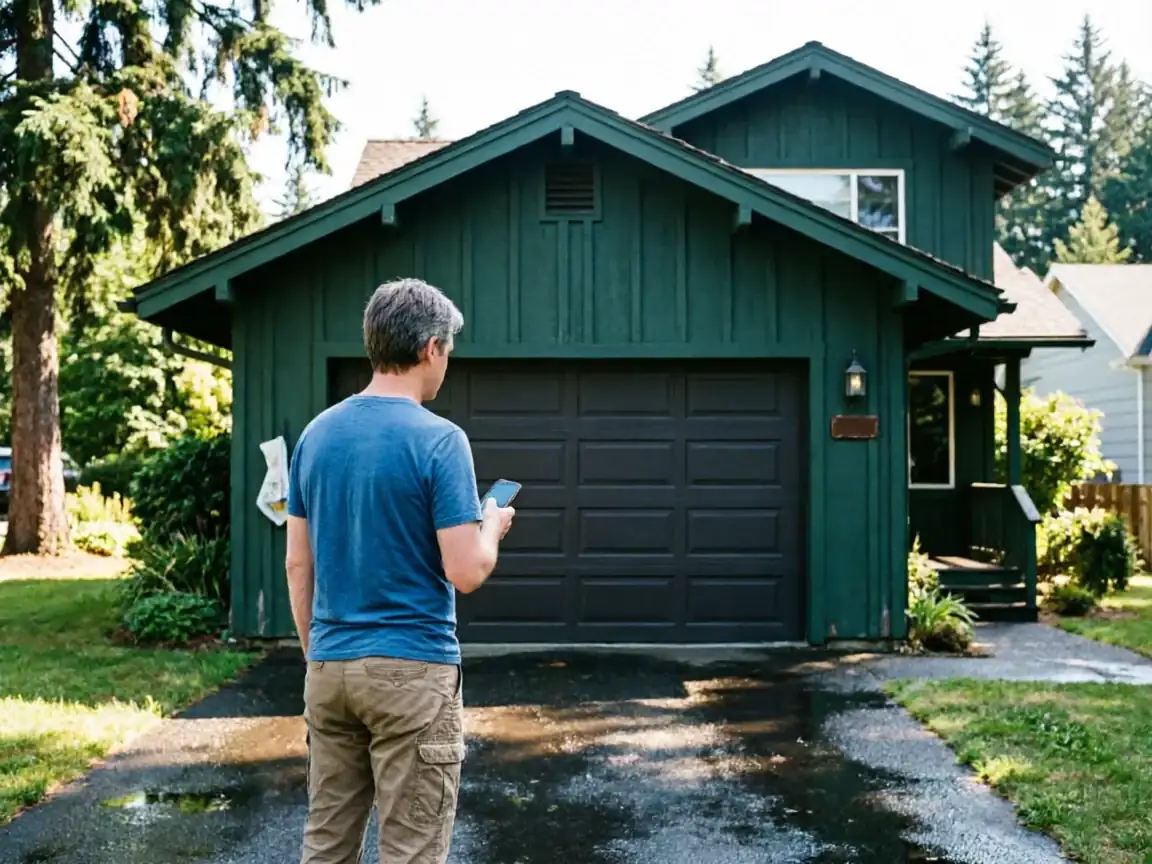
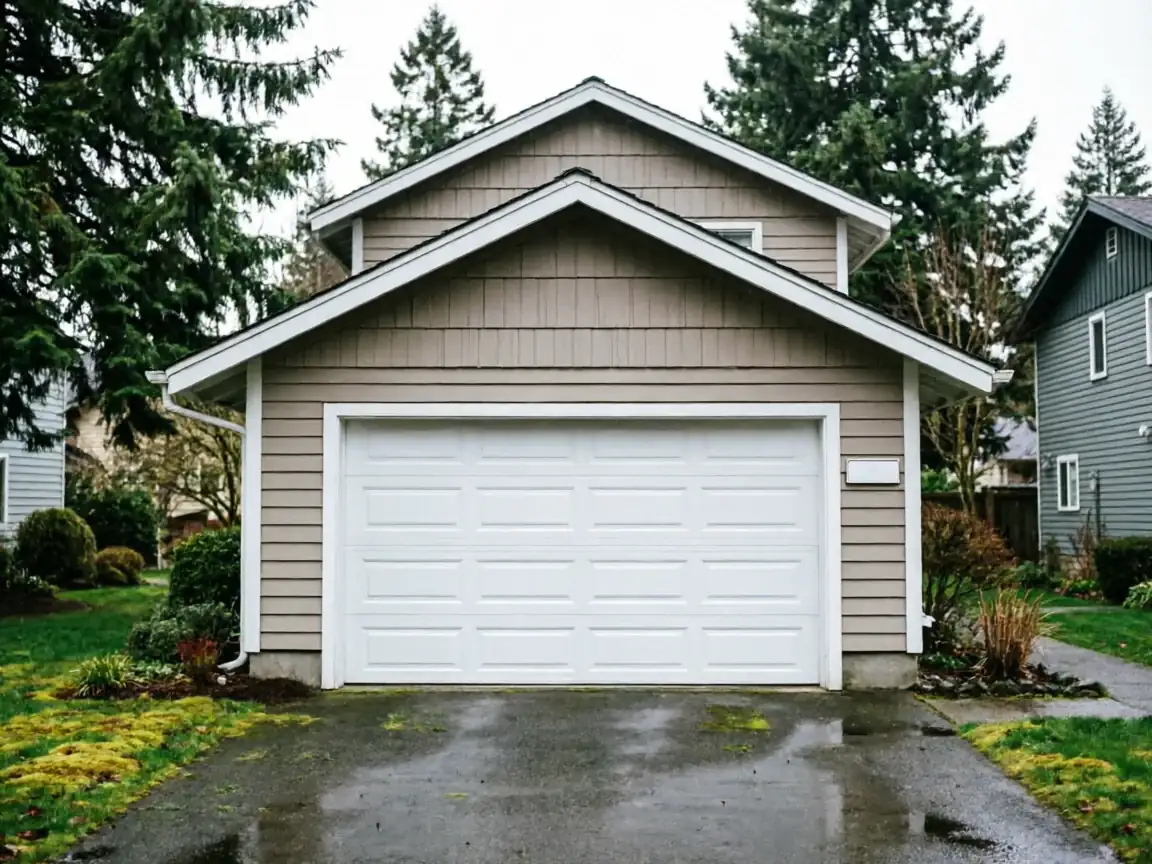
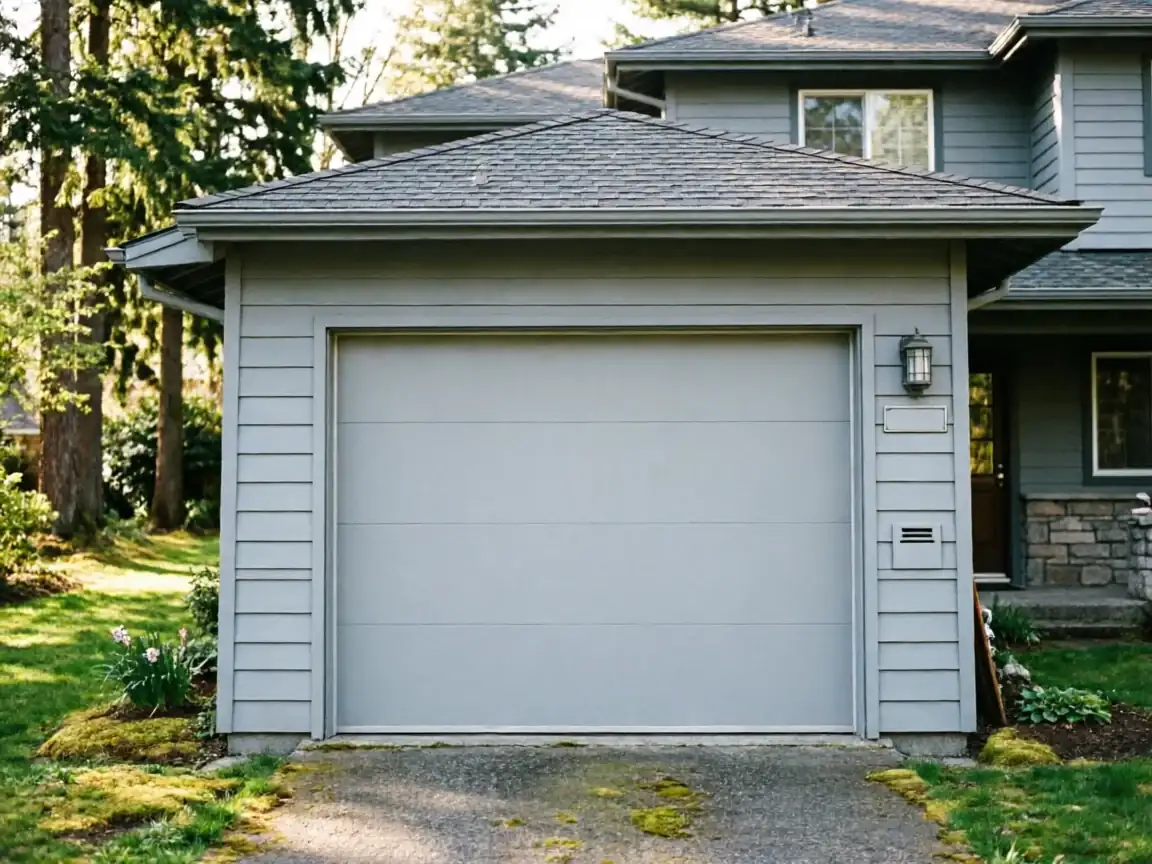
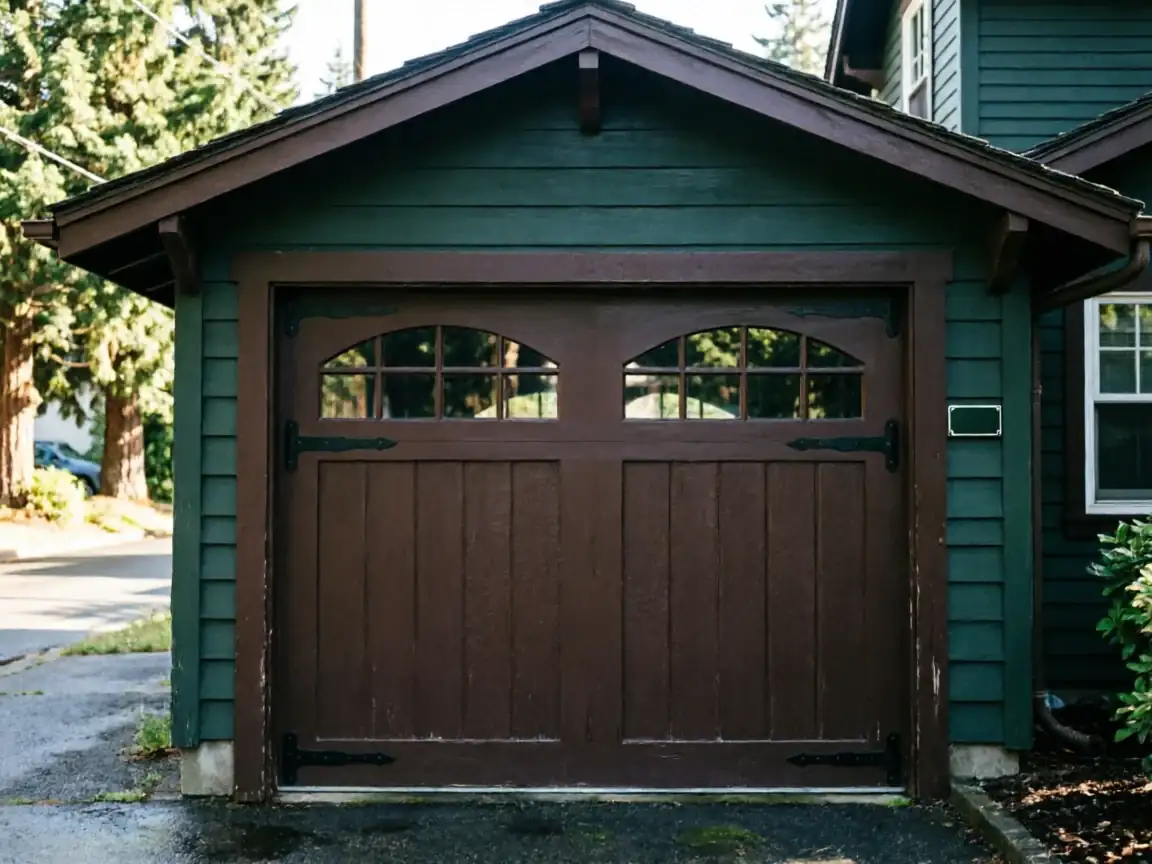
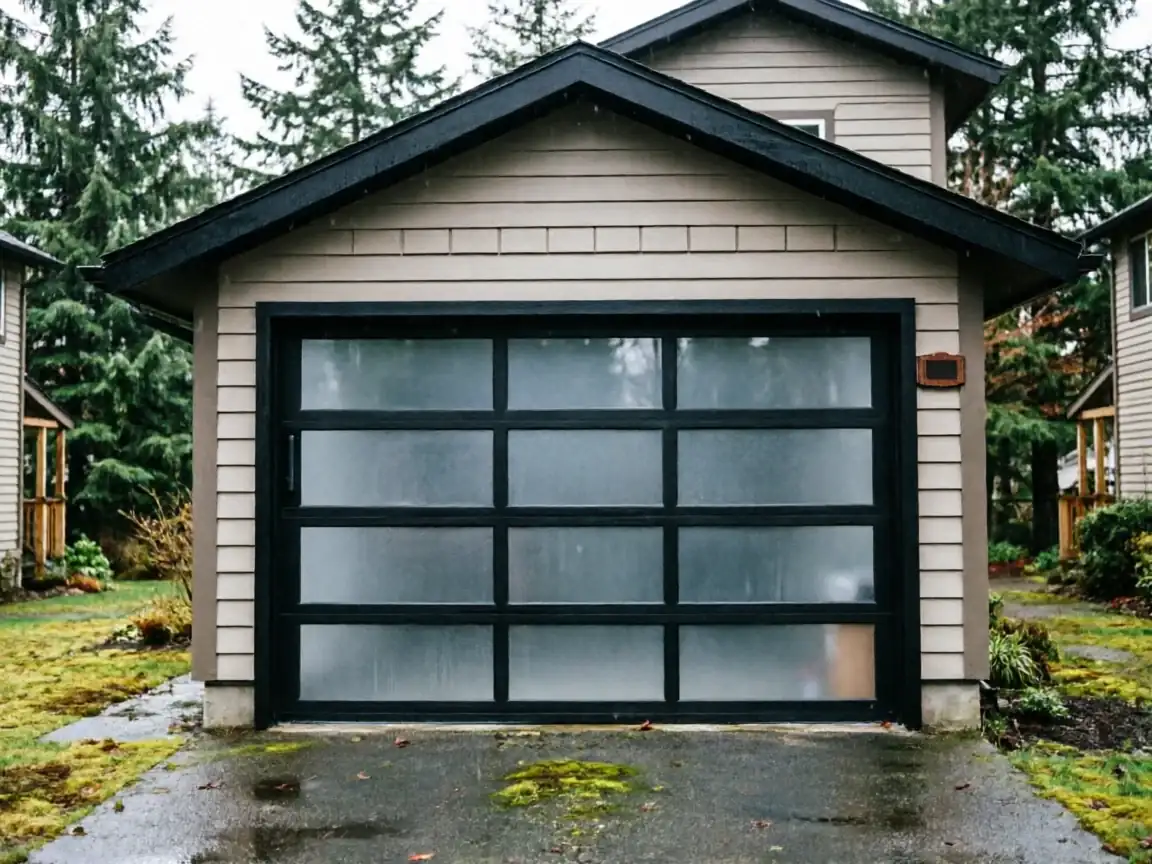
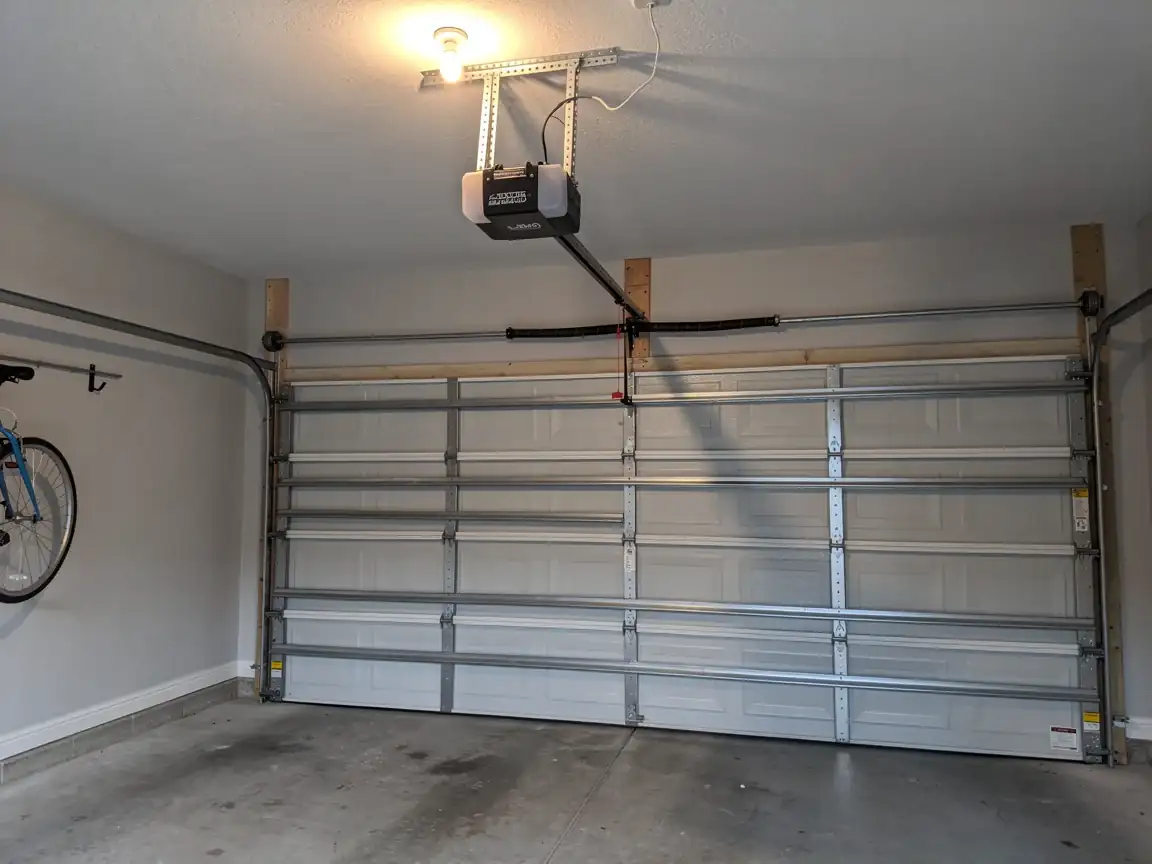
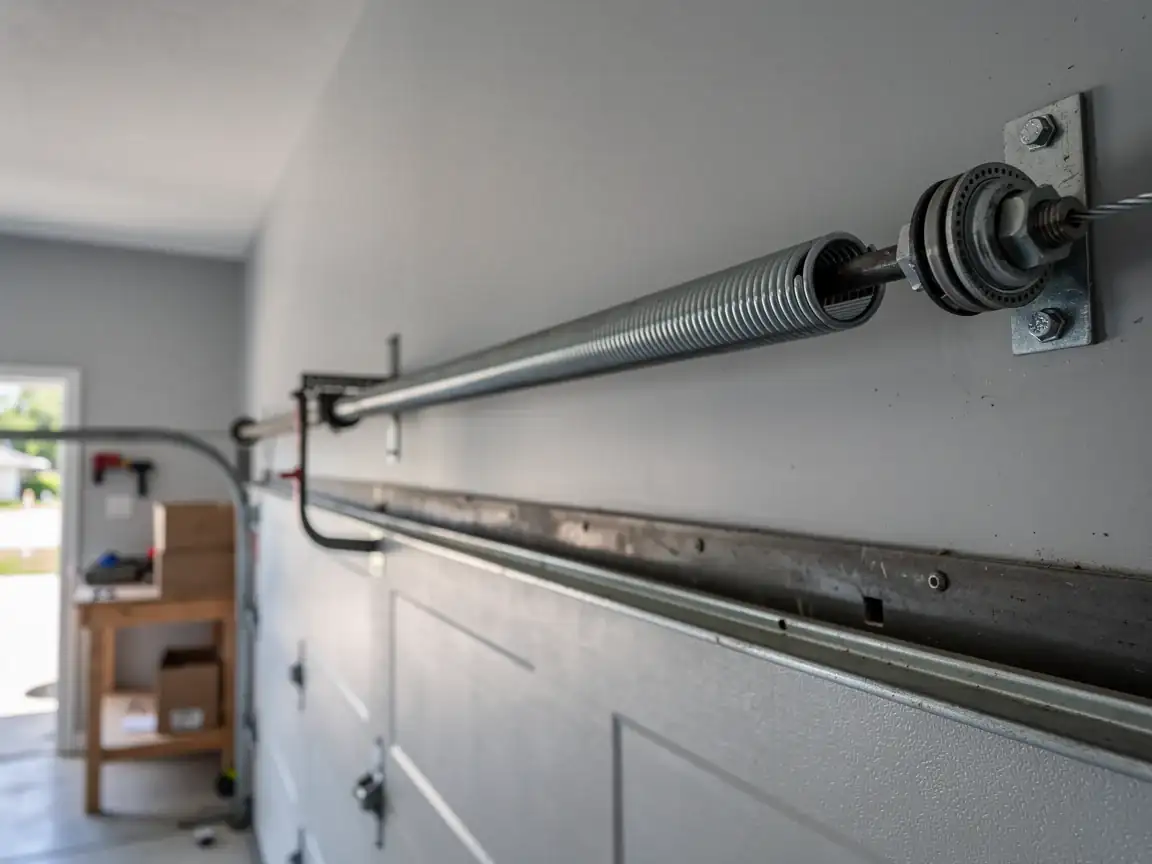
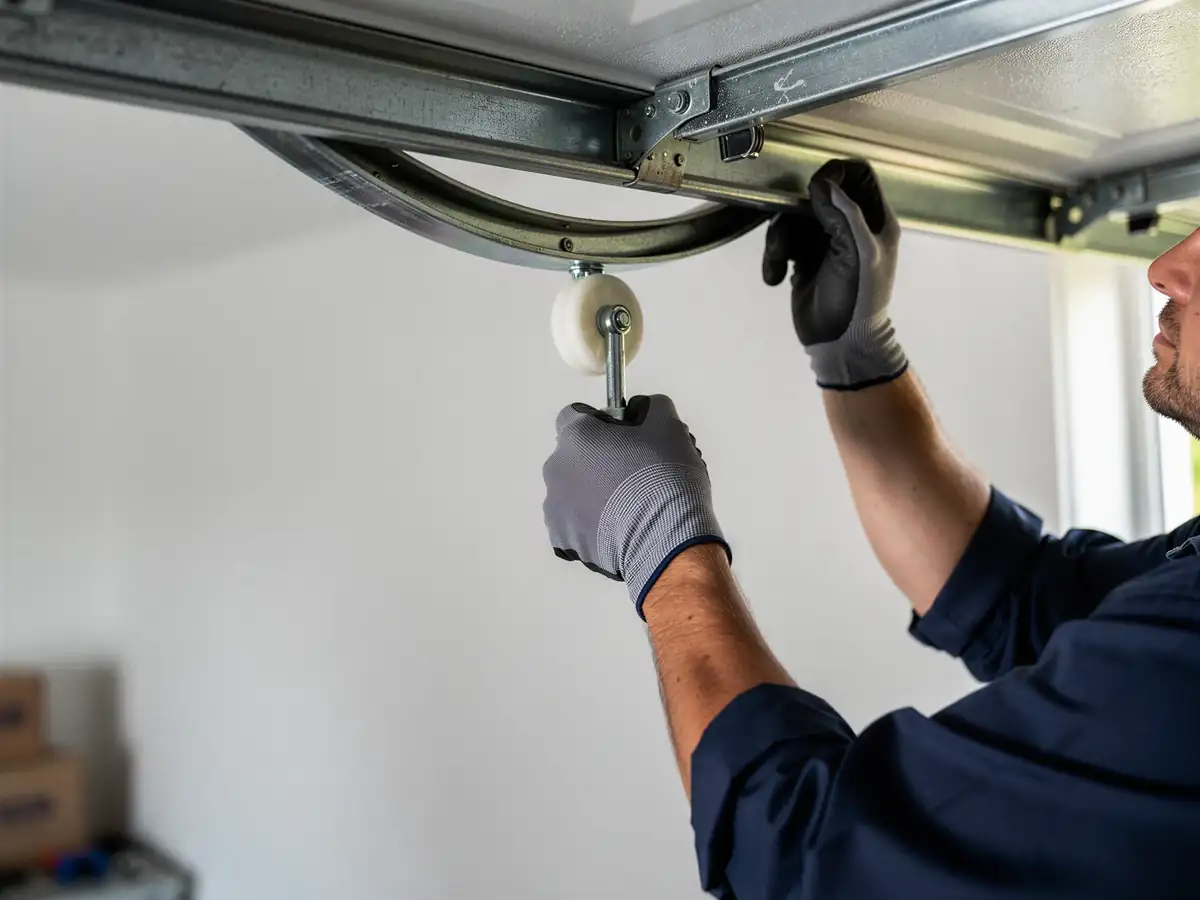
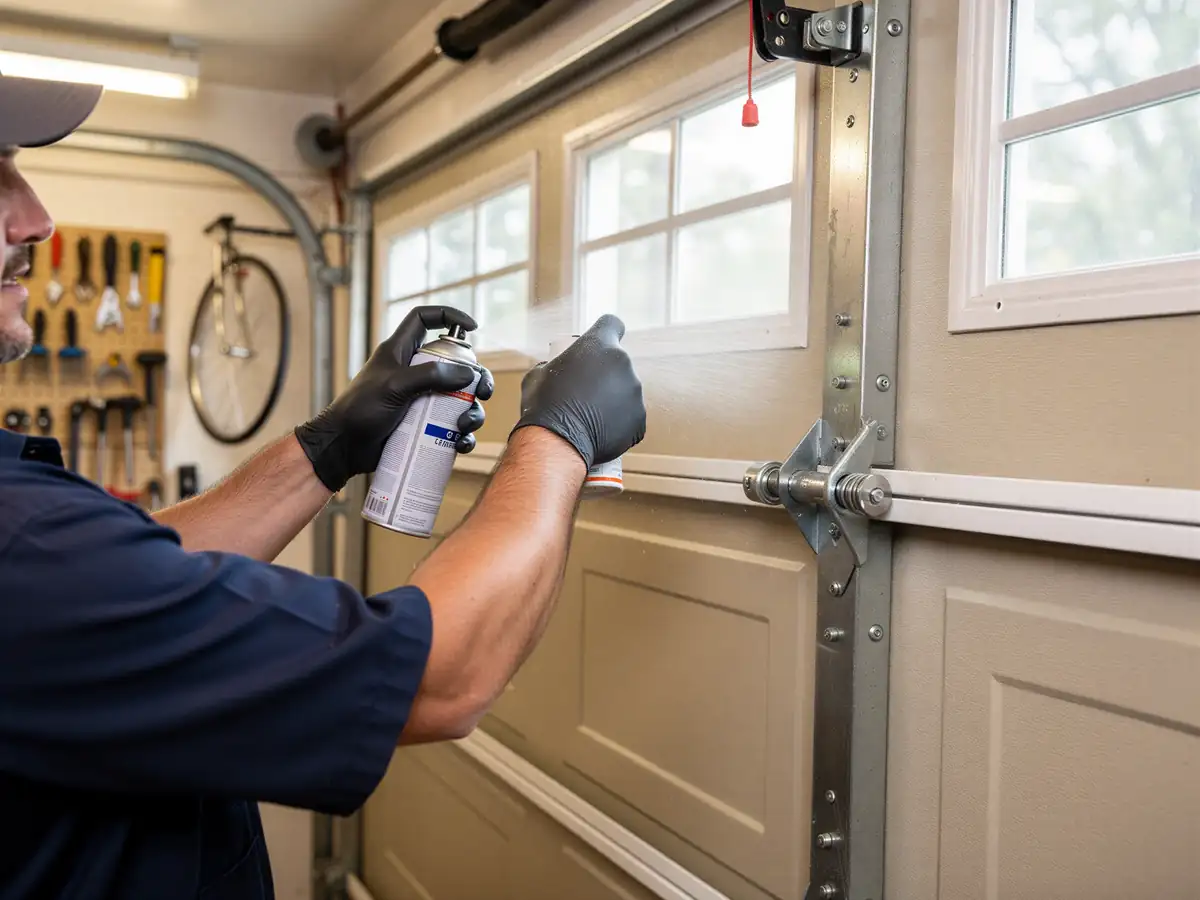
A non-insulated steel door from 1980 shows its age in specific ways: the bottom panel rusts from the inside where condensation sits, the seams between panels start to show daylight as the steel fatigues, and the original rollers - steel, not nylon - get loud and start binding in the track. None of that is cosmetic. A door that's visibly bowing in the middle is a door whose torsion spring is fighting a panel that no longer sits flat, which shortens the spring's life and puts more load on the opener than it was built for. If you're seeing rust at the bottom corners or a door that catches halfway up, that's consistent with the age of construction common across this part of the service area, not a one-off problem.
How Long It Takes
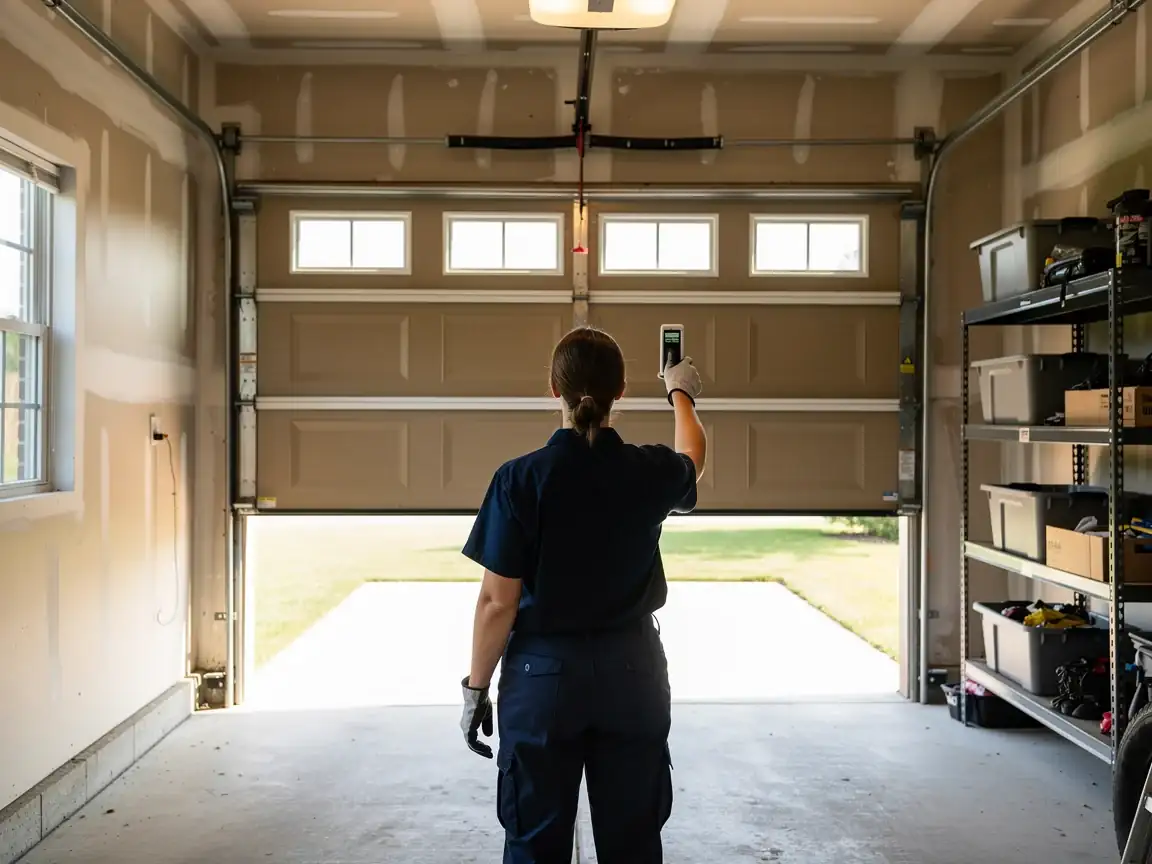
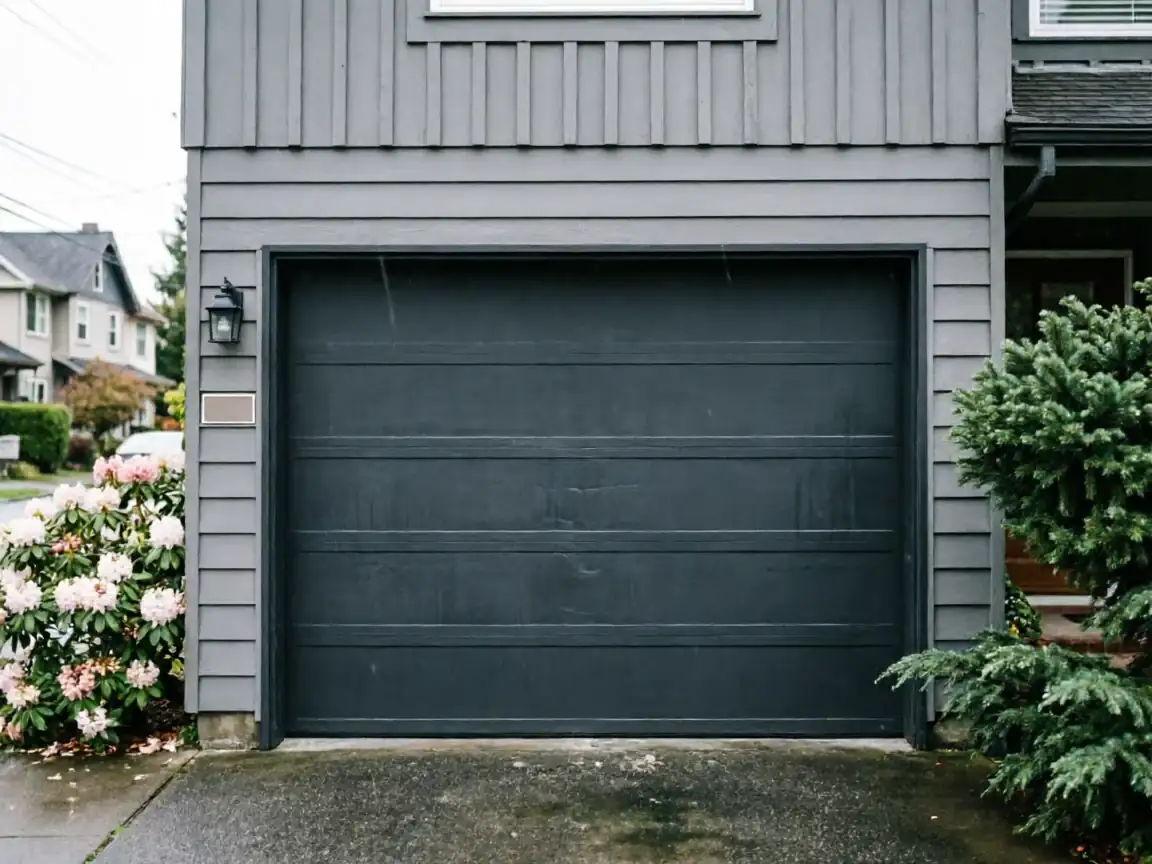
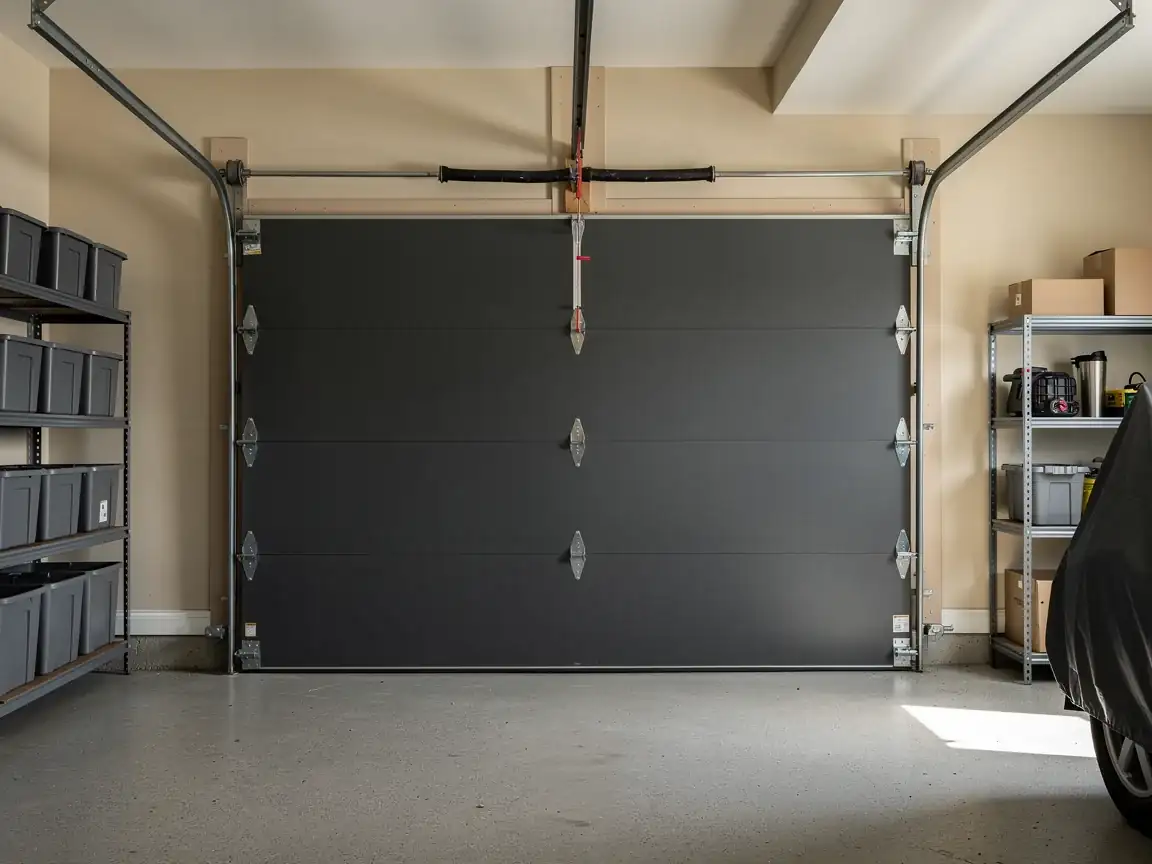
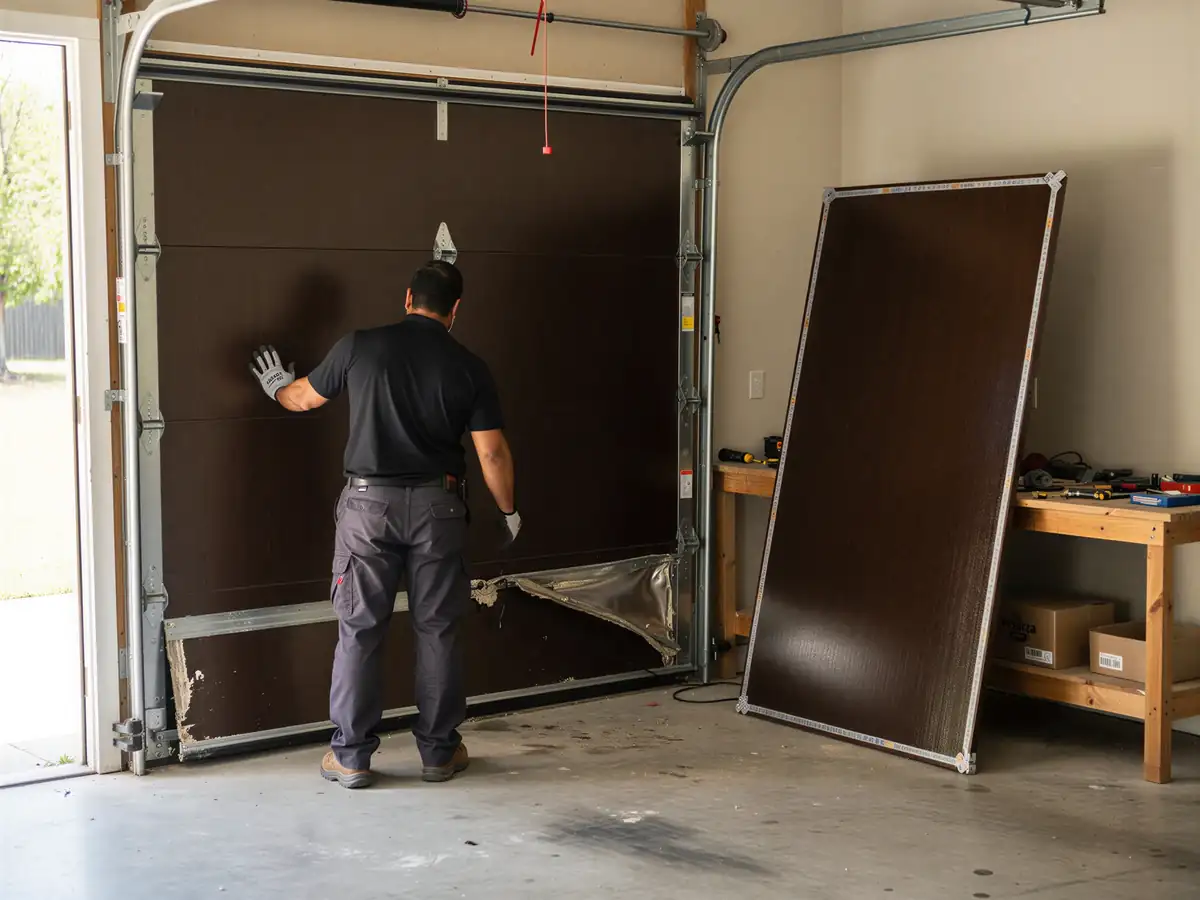
A straight swap - same size opening, new door on the existing track and opener - is usually a one-day job once the door itself is on hand. Where it runs longer is when the opening needs reframing, which shows up more often on older garages than newer ones because wood jambs from this era have usually taken on some moisture damage over the decades. We won't know which situation a given Picnic Point garage is until someone's there with a level and a tape measure. What we can say up front is that stocked sizes go faster than custom orders, and a double 16x7 takes longer to hang correctly than a single, simply because there's more door to square up.
Getting It Booked In
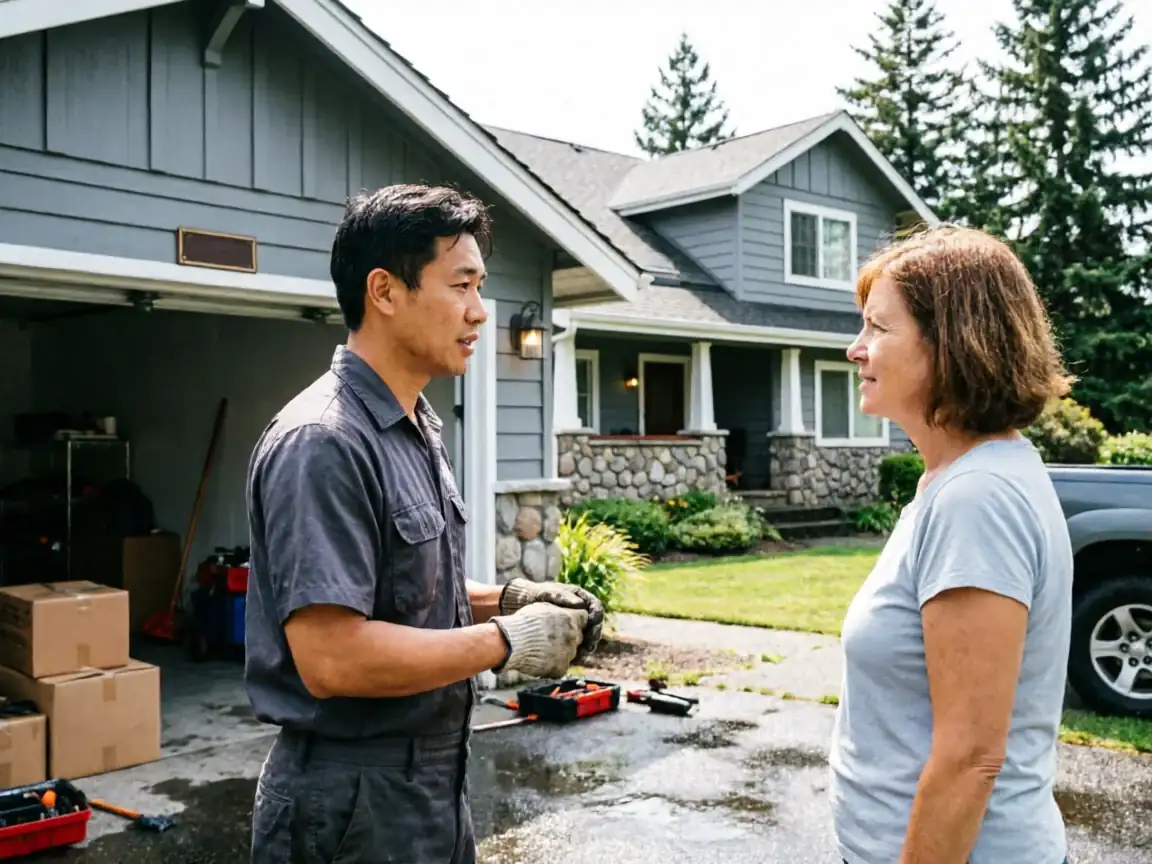
We run out of Mill Creek, about 5 miles from Picnic Point, so every job here is scheduled, not walk-up. That's a short enough drive that it doesn't add meaningfully to a quote, but it does mean we're not sitting on standby in the neighborhood - if you need a look at the door before committing to a full install, that gets set up ahead of time rather than same-hour. See the Picnic Point coverage page for what else we handle in the area, or the main Mill Creek installation page for the broader rundown on how we price and schedule installs.
What the Repair Takes
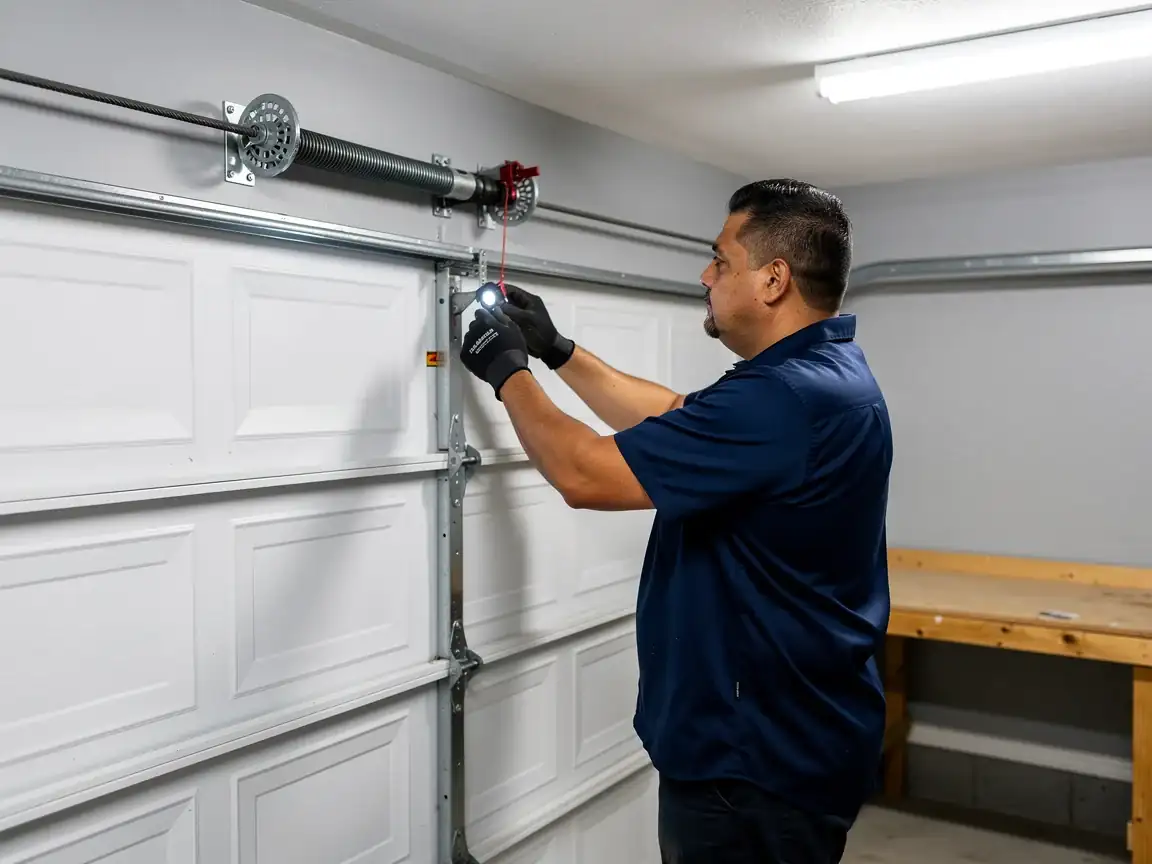
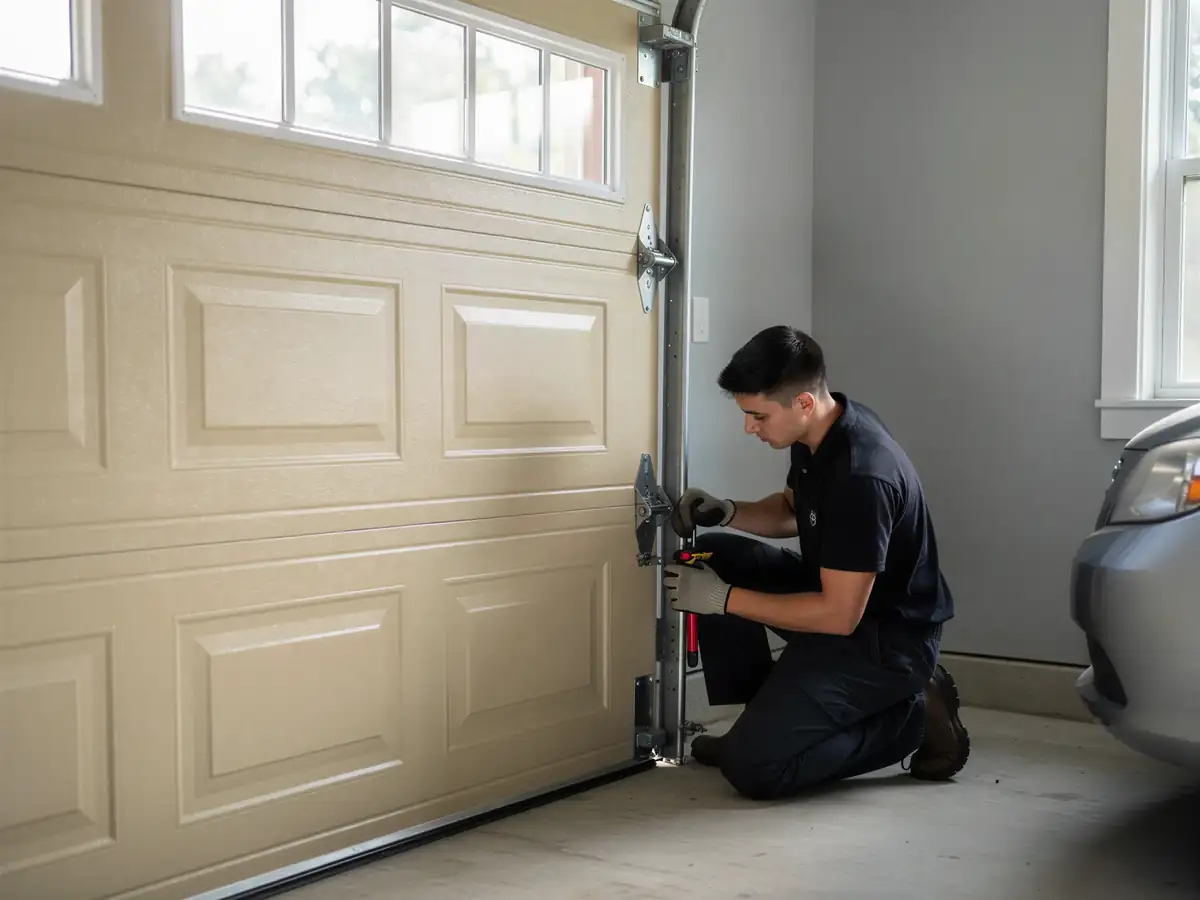
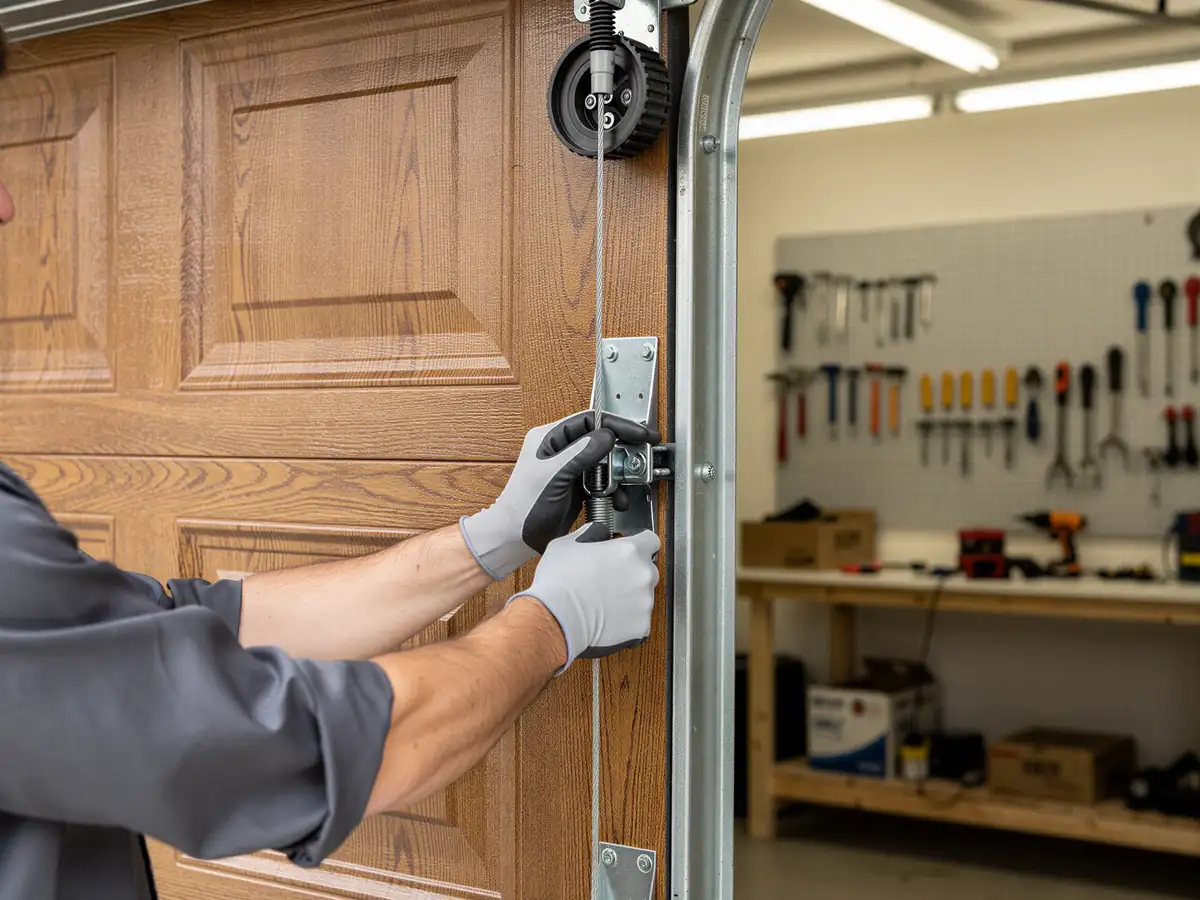
Pulling an old door isn't just unbolting panels. On a 1980-era opening, the track is often rusted to the jamb bracket, the spring anchor plate has usually been painted over at some point, and the header above the door may have settled slightly over four decades, which means the new door's track sometimes needs shimming to run true rather than just bolting to the old marks. That's an extra half hour most homeowners don't budget for, and it's the kind of thing that only shows up once the old door is actually off the wall. We replace what's failed - track, spring, cable, rollers - rather than the whole assembly when the opening itself is still square, which keeps the job closer to a door swap than a full structural rebuild.