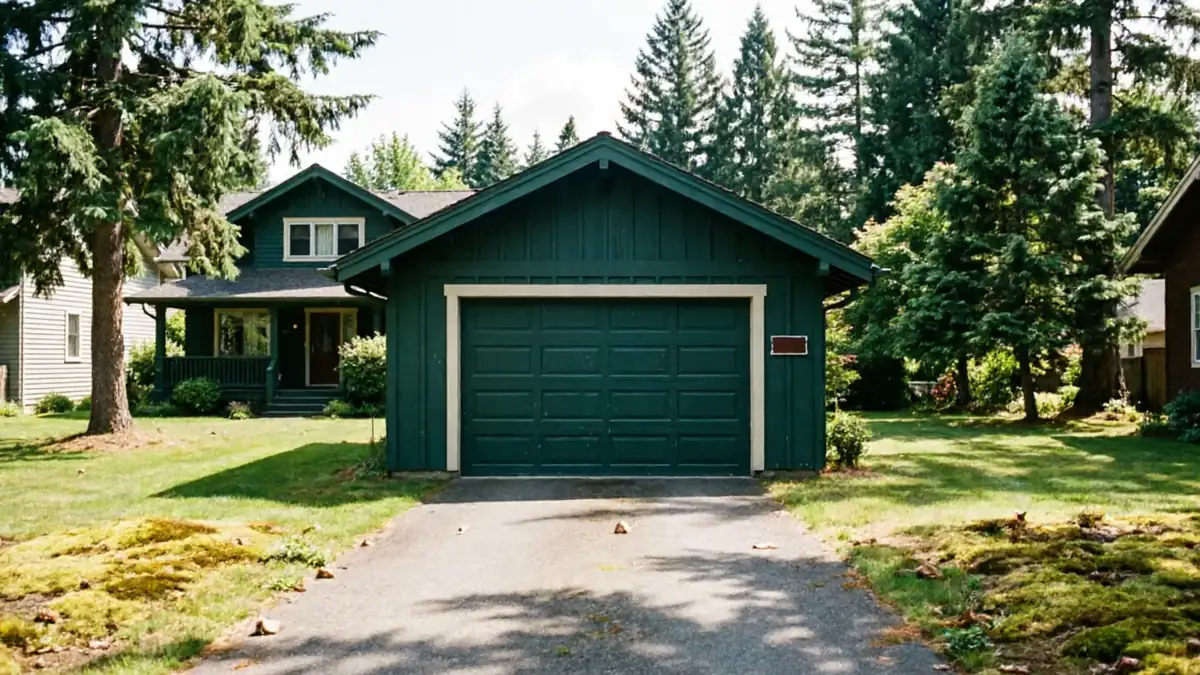
This Area's Housing
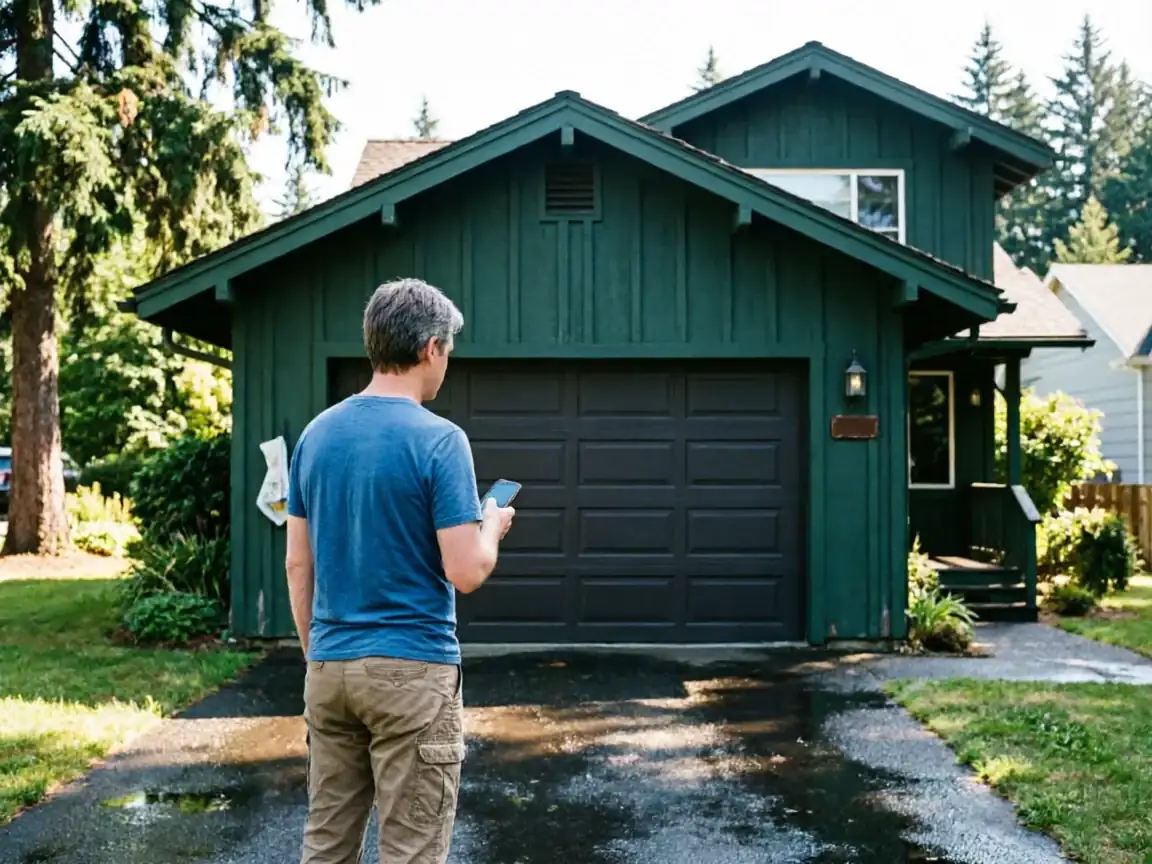
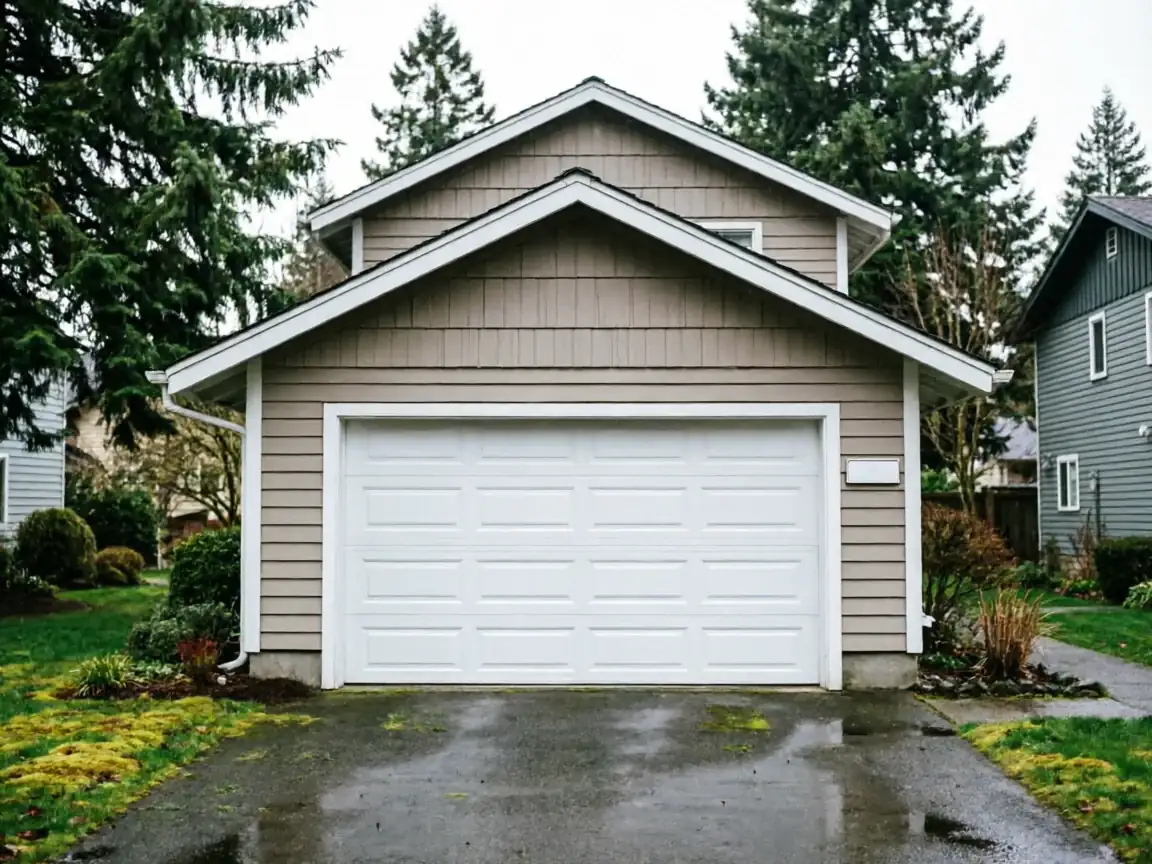
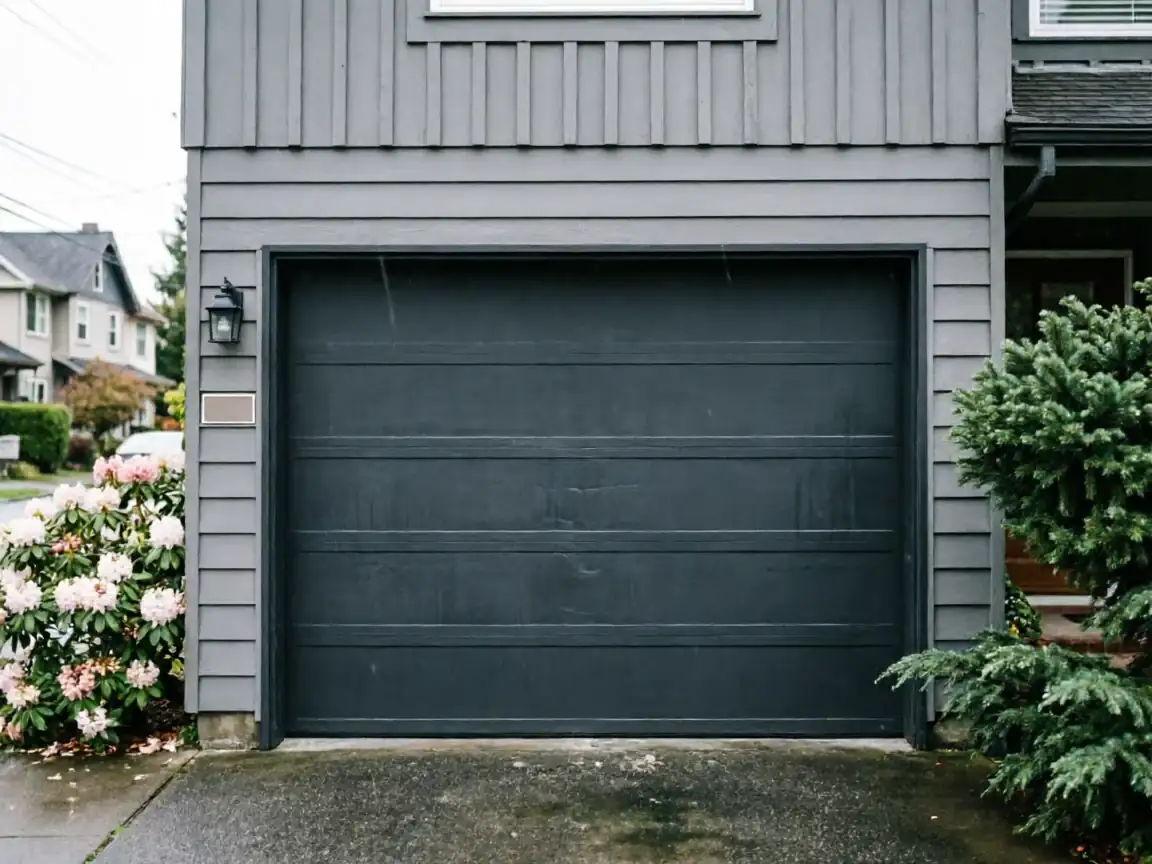
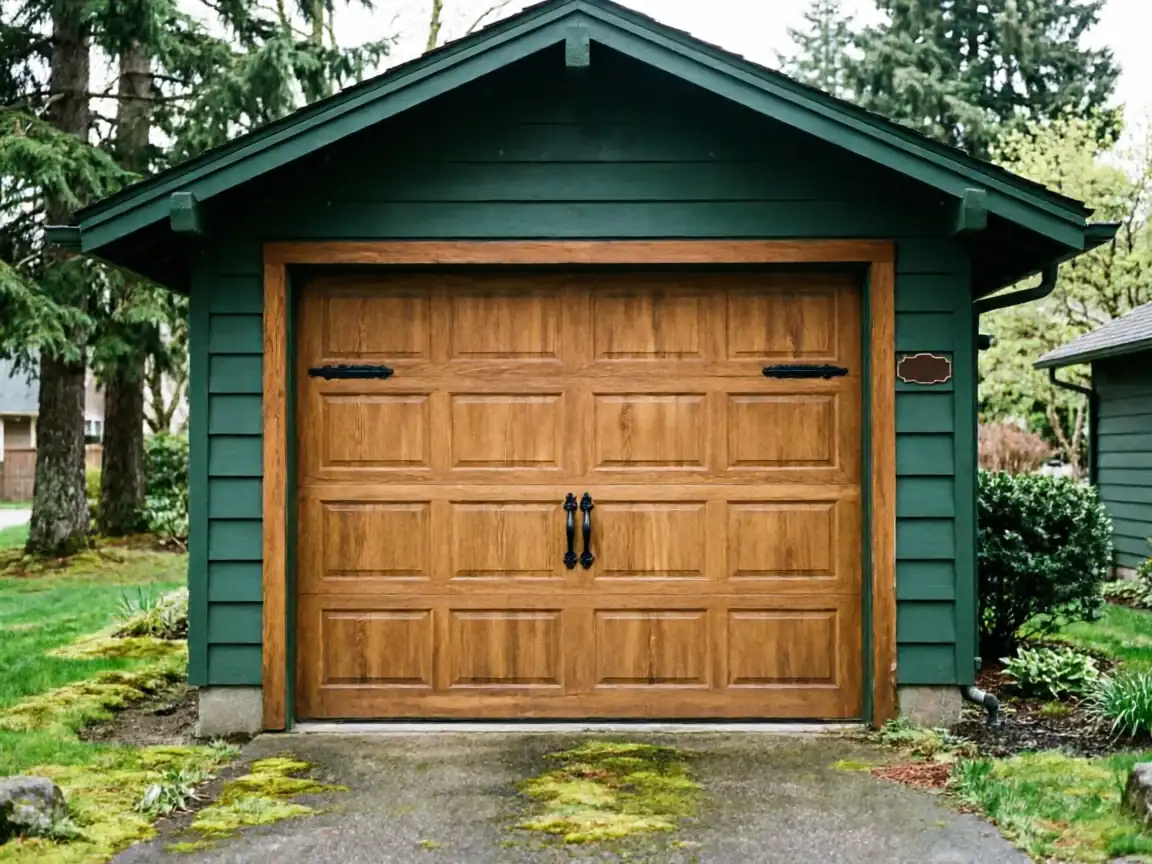
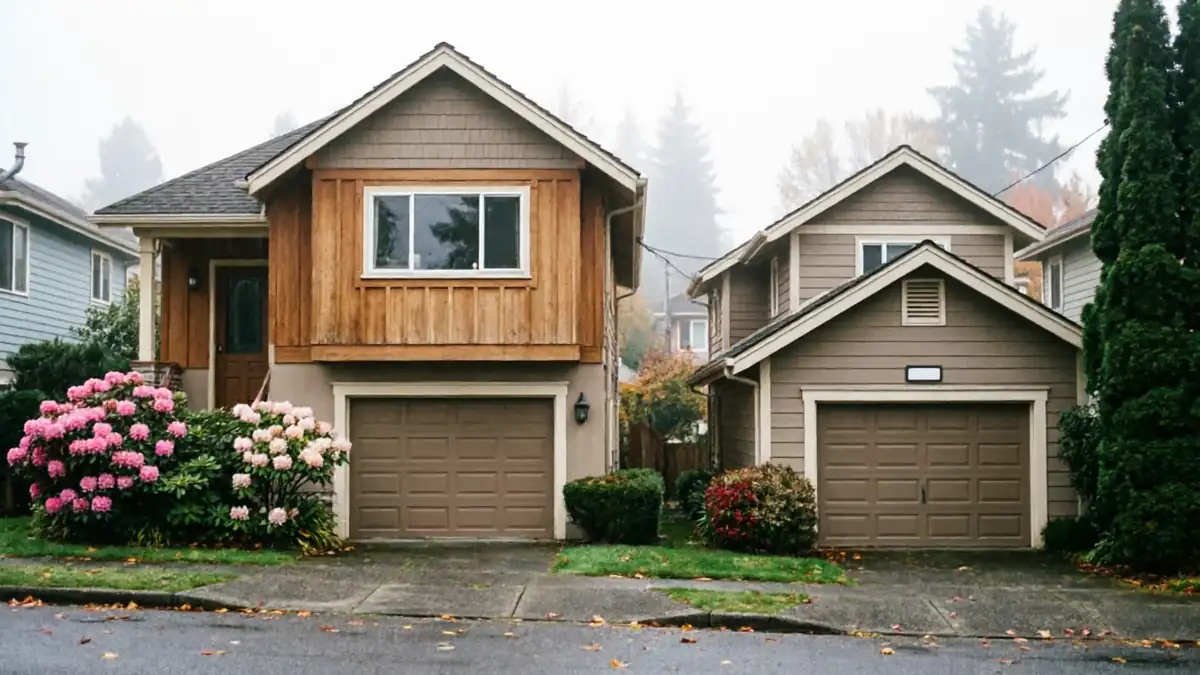
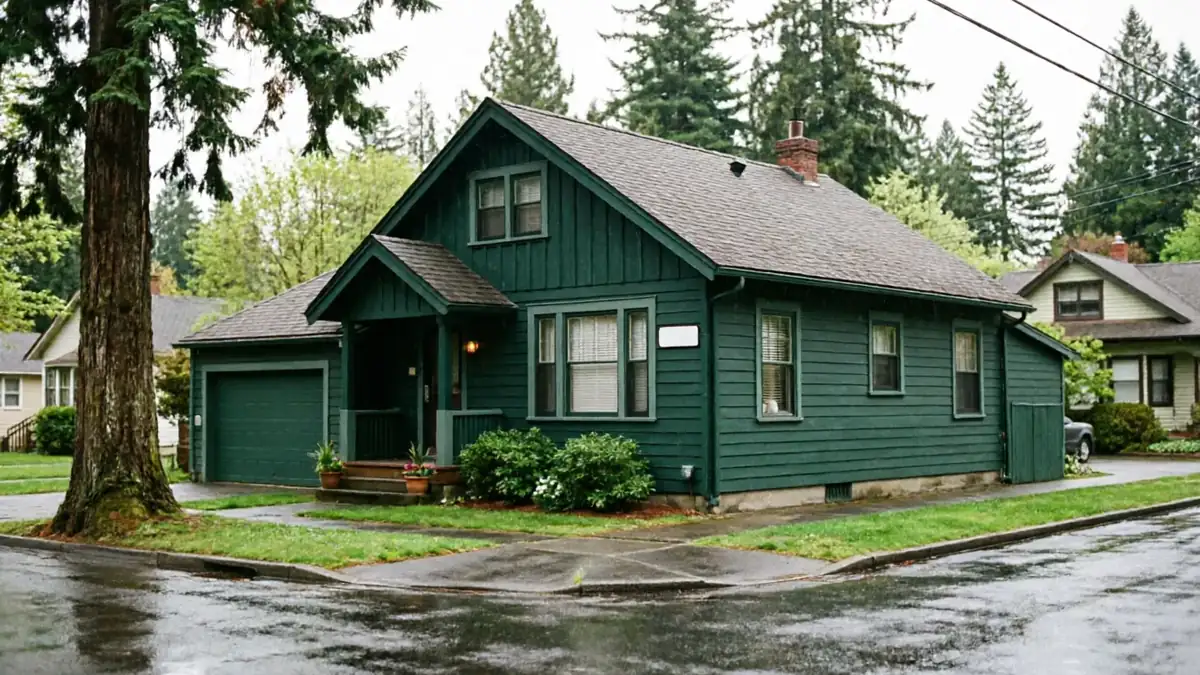
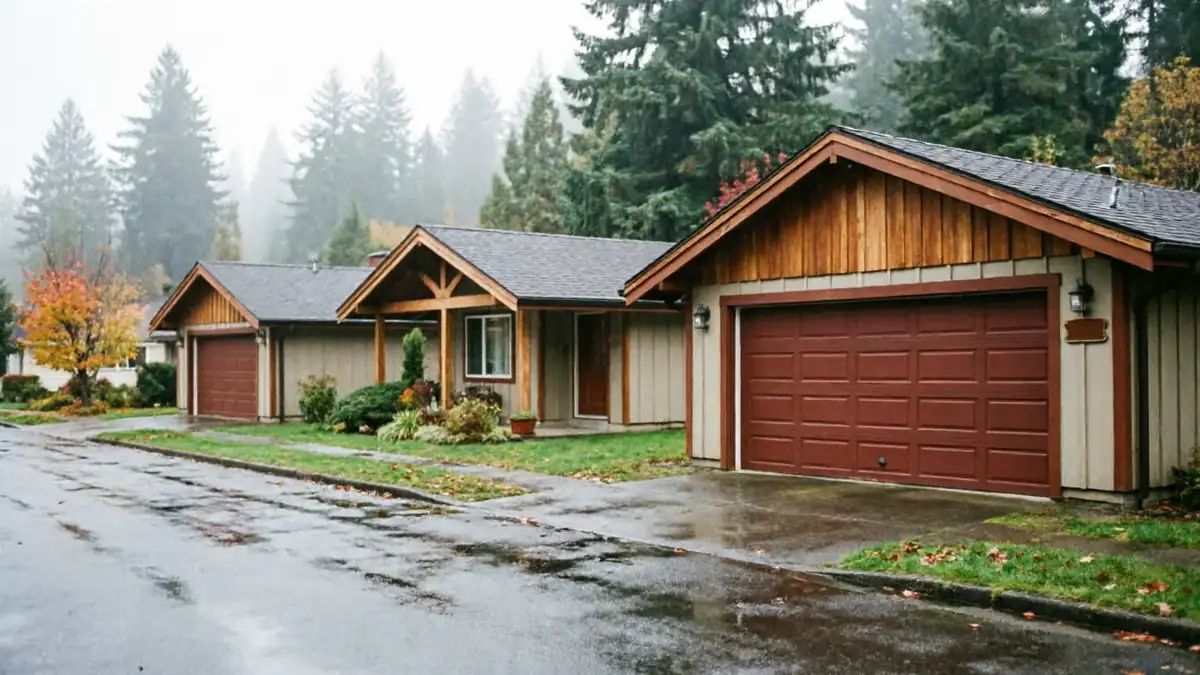
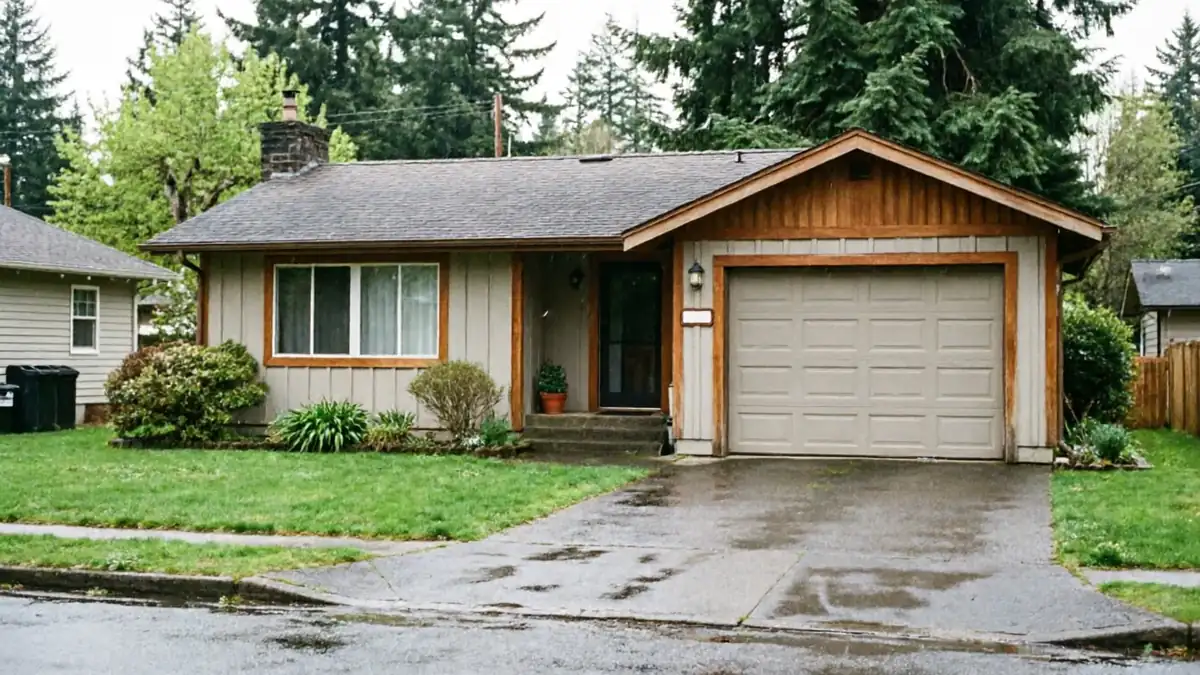
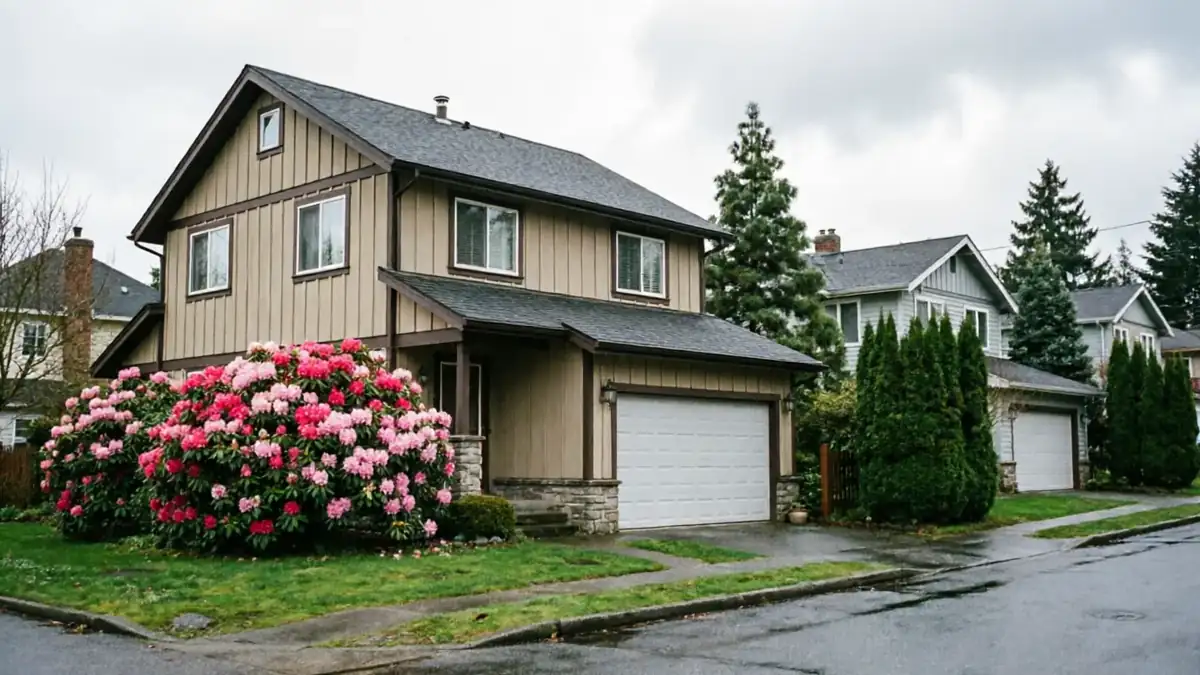
Lake Forest Park's housing centers on a median build year of 1968, which puts a lot of these garages a full generation earlier than the newer stock we see closer to Mill Creek, where the service area's median build year runs closer to 1989. That gap matters more than it sounds like it should. A door and opener installed in the late 1960s or early 1970s was built to a different spec than anything going up since 1990, and a lot of those original setups are still partly in place - sometimes the door's been swapped once, but the track and header hardware behind it never were. With roughly 5,290 households in the area and a median income near $158,868, we also see a fair number of owners who've already put money into one upgrade (insulated panels, a quieter opener) but left the original torsion hardware untouched because nobody flagged it.
What That Means for Doors
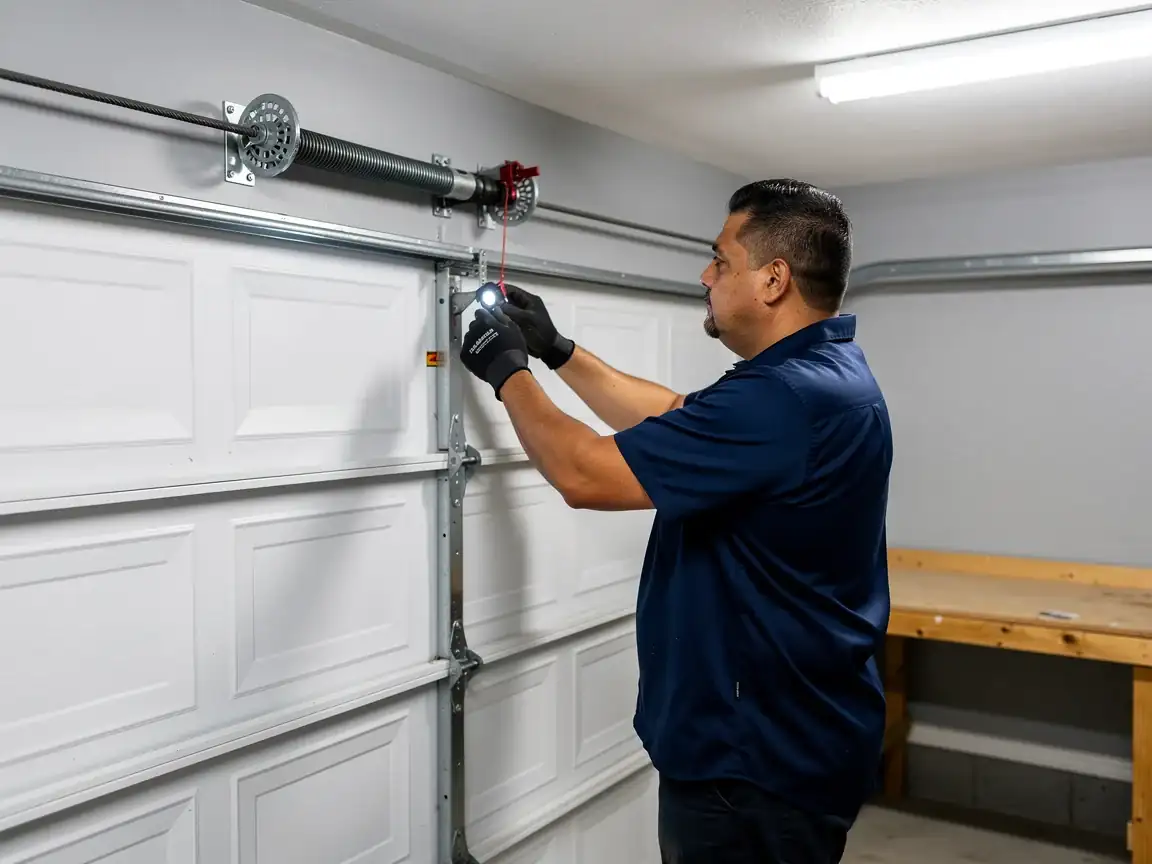
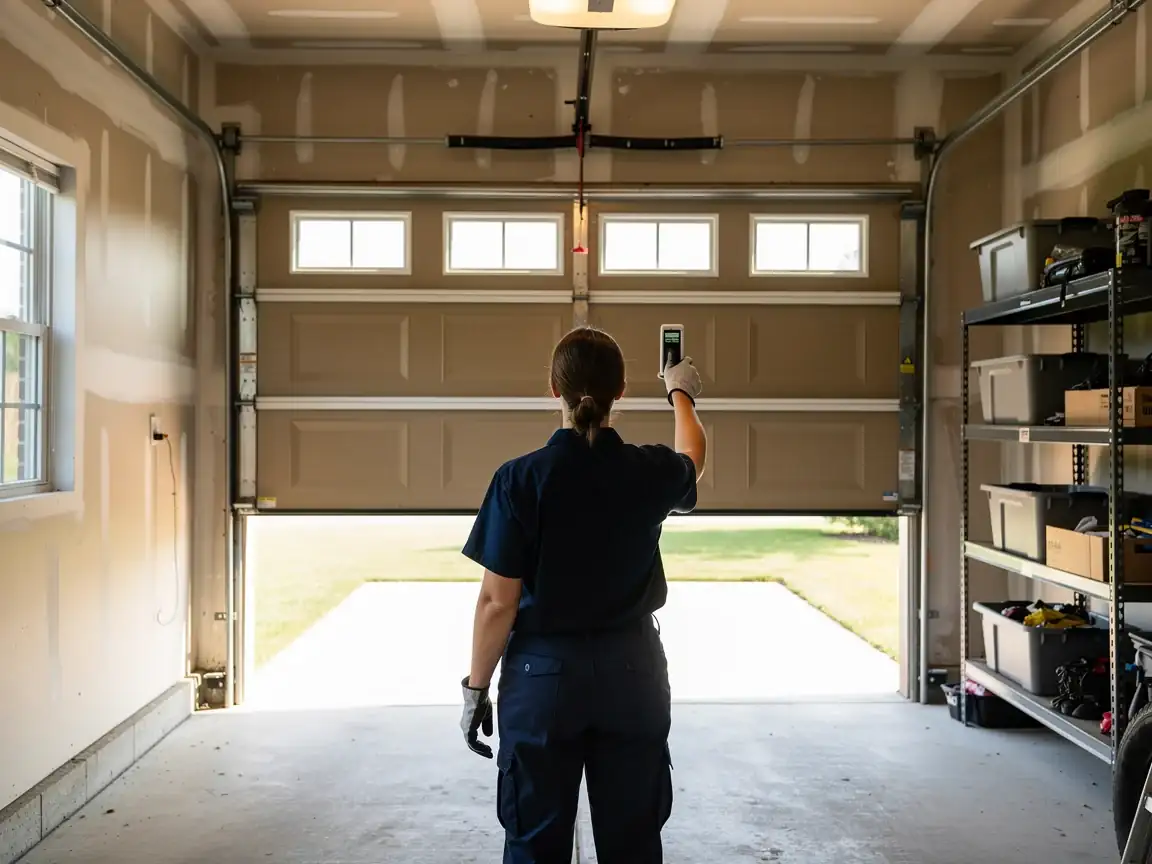
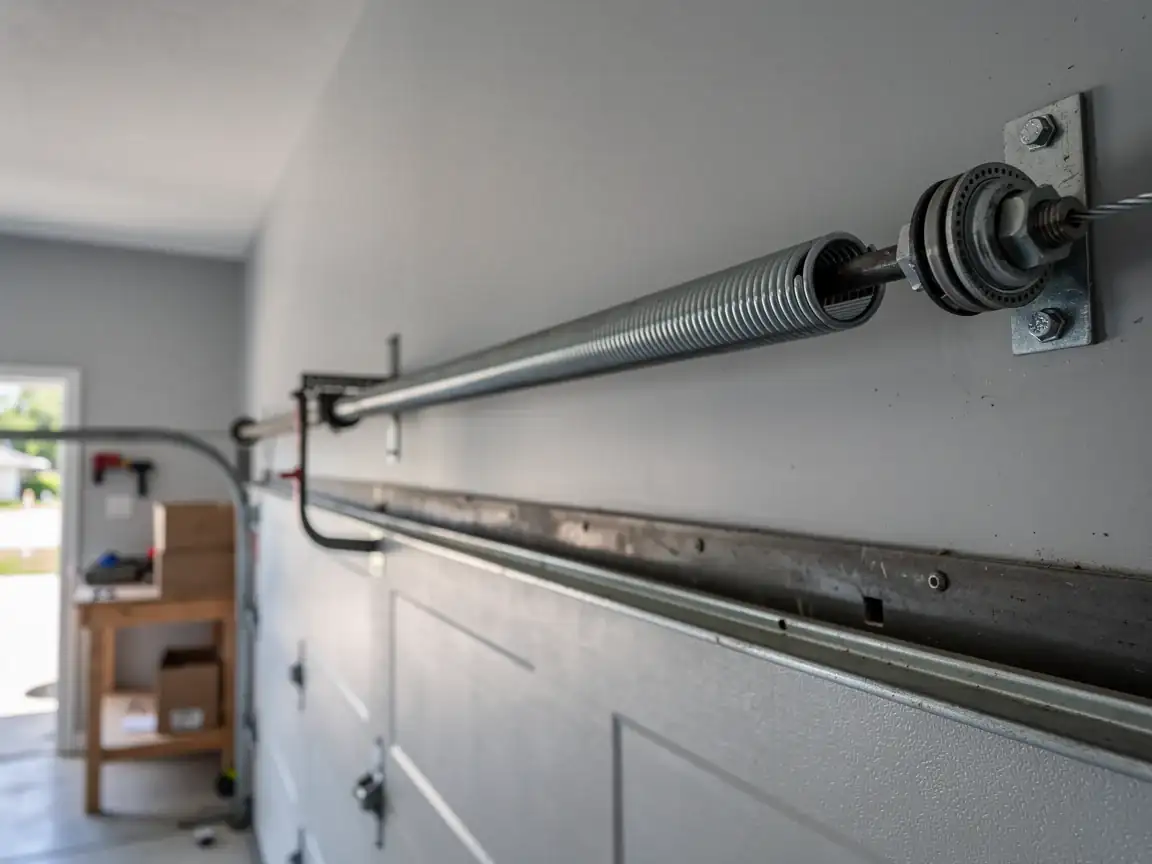
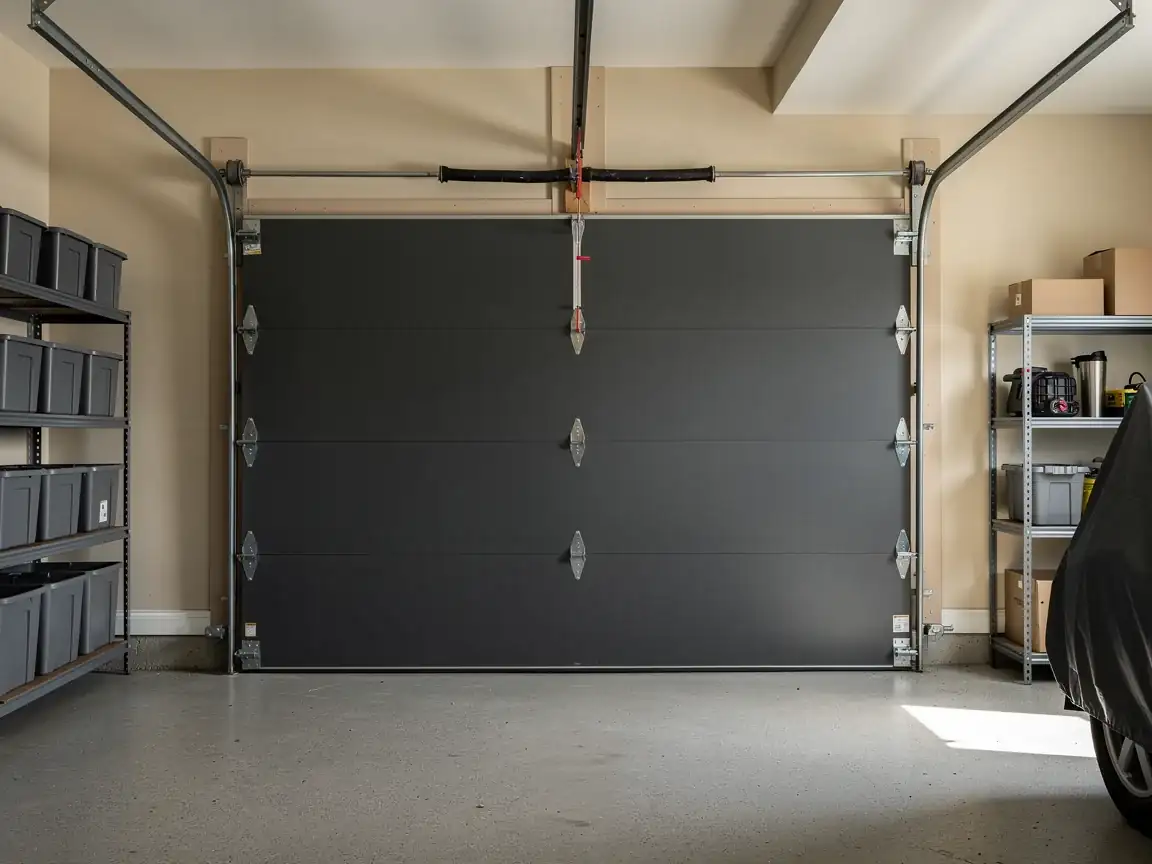
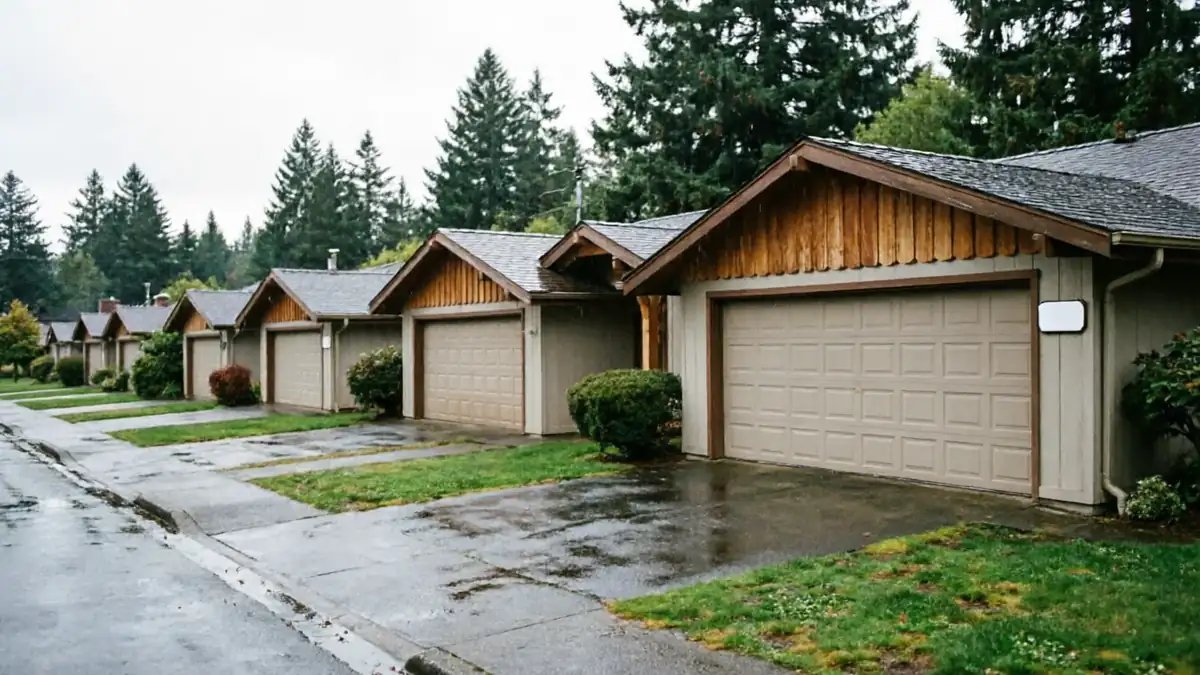
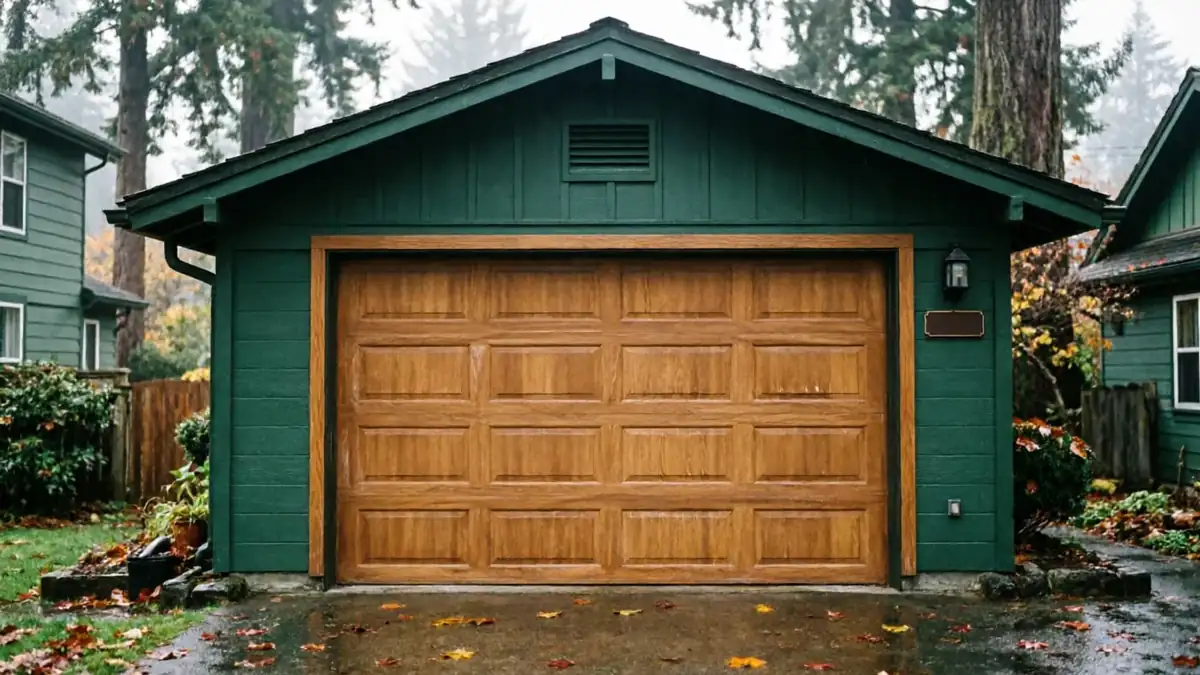
Older torsion springs sized for a 1968-era door don't always match what a newer, heavier insulated panel needs, and we find mismatched spring-to-door pairings in this area more than in newer subdivisions. The service area sits in a cold, moderate climate band, which isn't brutal, but repeated freeze-thaw cycling over 50-plus years does wear out the galvanizing on old cable and track hardware faster than people expect. On a house built in 1968, the most common failure we see isn't the door itself - it's a spring that was never upsized when the door was replaced, or a track that's been re-shimmed so many times the rollers are riding at an angle. We'll tell you straight if a repair is a patch on old bones or if replacement is the better money - sometimes the hardware's worn enough that fixing one part just moves the failure to the next one.