How Local Conditions Play In
Most of the housing around Mill Creek went up between 1968 and 2000
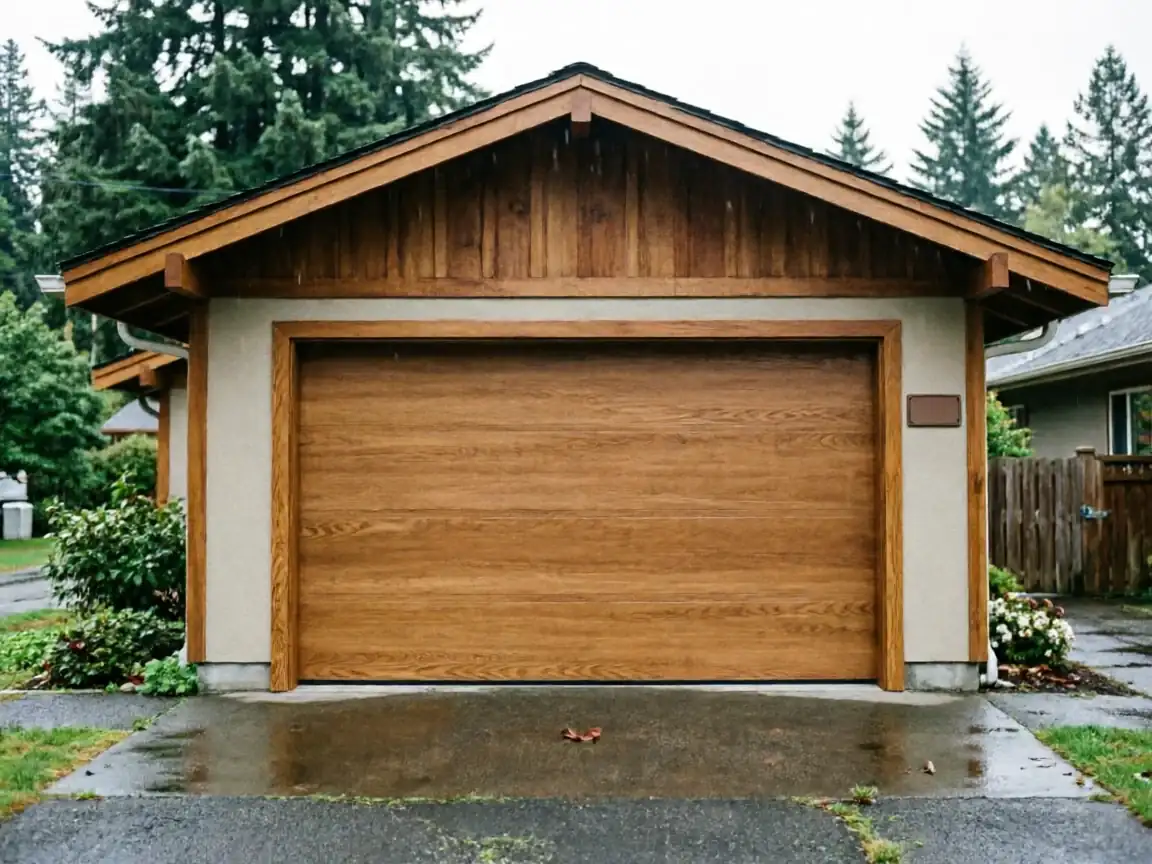
With the median house dating to about 1989. That matters more than people think when it comes to garage doors. Energy codes that require insulated garage doors on homes with living space above or beside the garage came later than that build wave. A lot of houses from this era still carry the original single-layer steel door, or a replacement that matched the old standard instead of a modern one.
The region sits in a cold-moderate climate band
Not brutal, but cold enough and wet enough that an uninsulated door becomes a real gap in the building envelope, especially on a garage that shares a wall with a bedroom or laundry room, which is common in houses built across this period. You feel it as a cold wall, a door that sweats on the inside in winter, or a room above the garage that never holds heat.
This isn't a defect
It's just what houses from 1968 to 2000 were built to at the time. The problem shows up now because expectations and energy costs have both changed since then.
What to Check
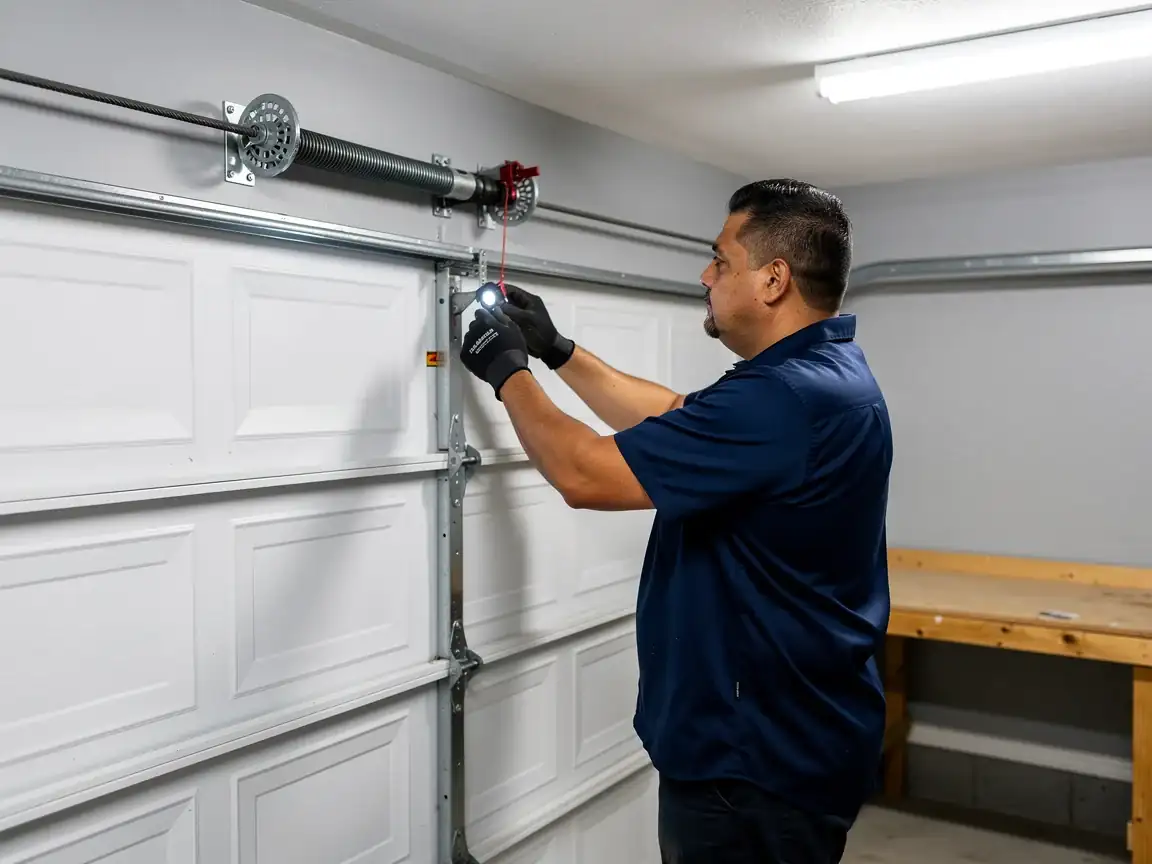
Start by looking at the door itself. If you can see raw ribbed steel on the inside with no foam board or sandwich panel behind it, that's a single-layer door - standard for a lot of Mill Creek's 1980s and 90s stock. Knock on it. A hollow, thin sound means no insulation. A denser, quieter sound usually means a foam-filled panel was added at some point, either from a past replacement or a retrofit kit.
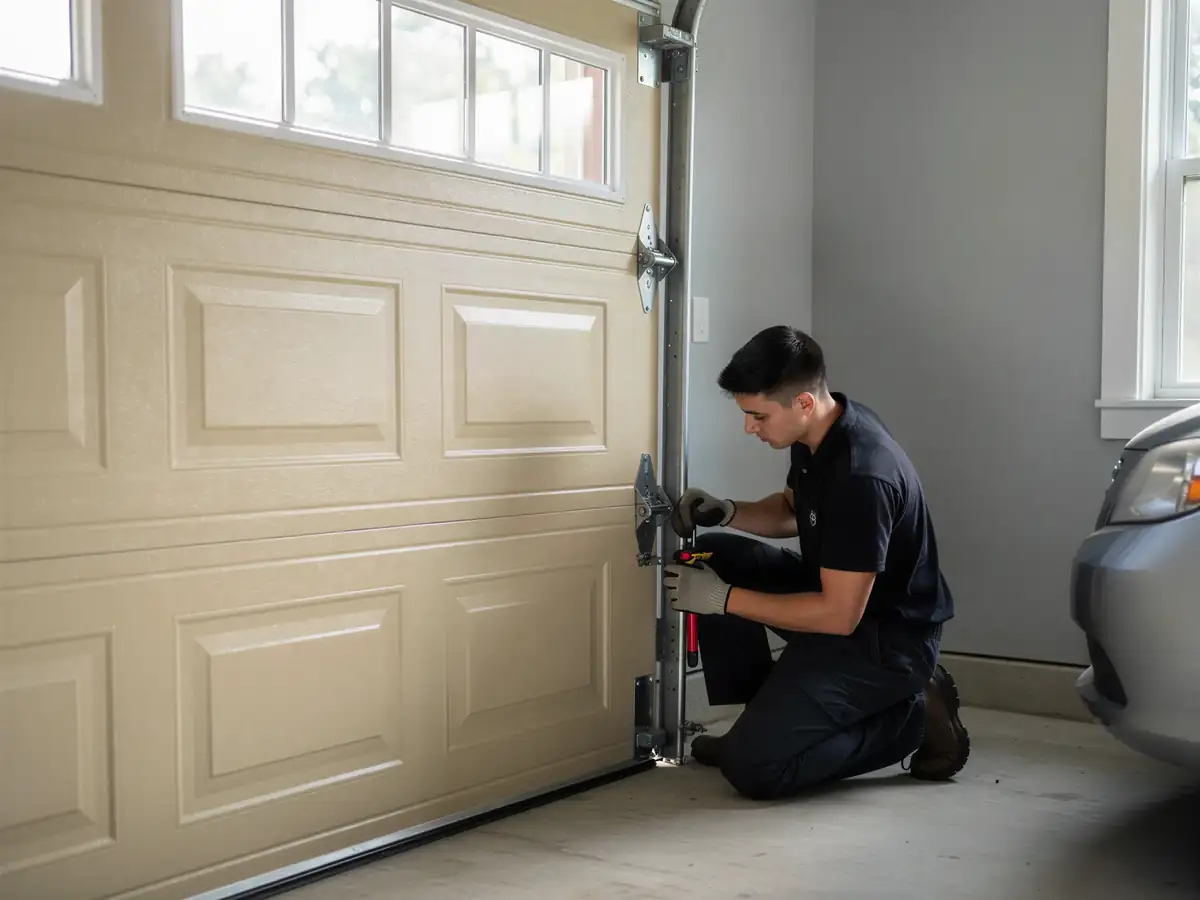
Next, check the weatherstripping at the bottom and sides. On houses this age, the original vinyl seal has usually hardened or cracked, even if the door itself still operates fine. That gap lets in more cold air than the door panel itself does.
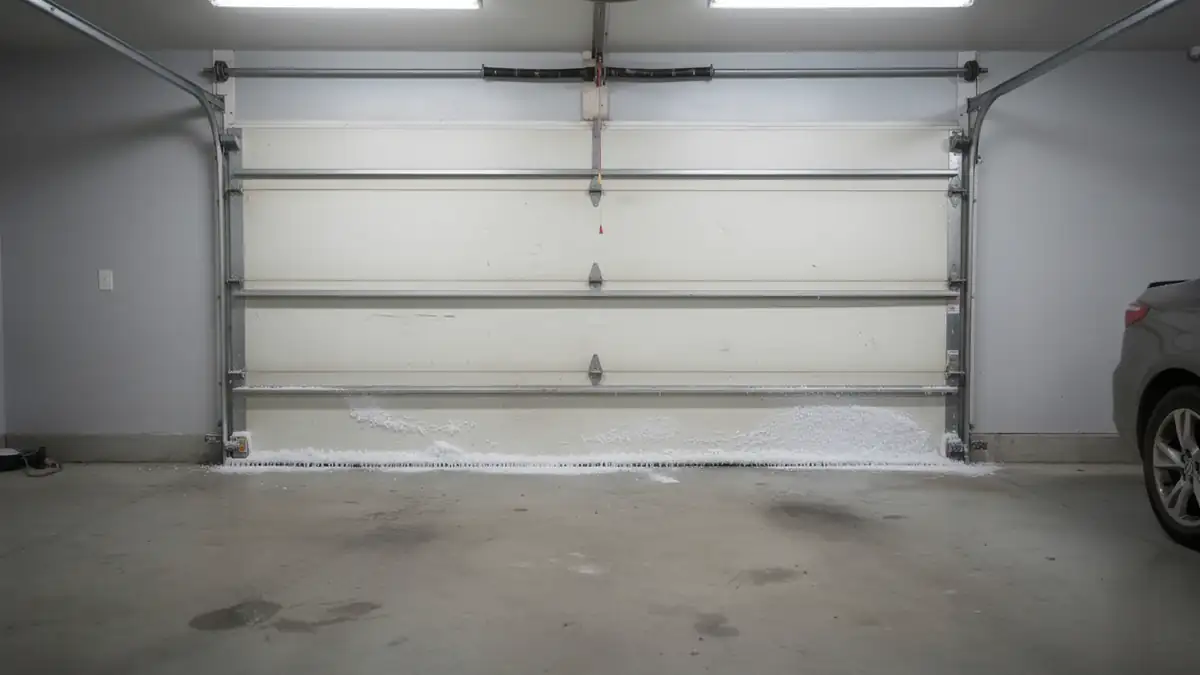
Last, check for condensation or frost on the inside of the door on cold mornings. That's the clearest sign the door is acting as a thermal weak point rather than a barrier. None of this requires tools - a flashlight and five minutes in the garage will tell you where you stand.
When It Stops Being a DIY Job
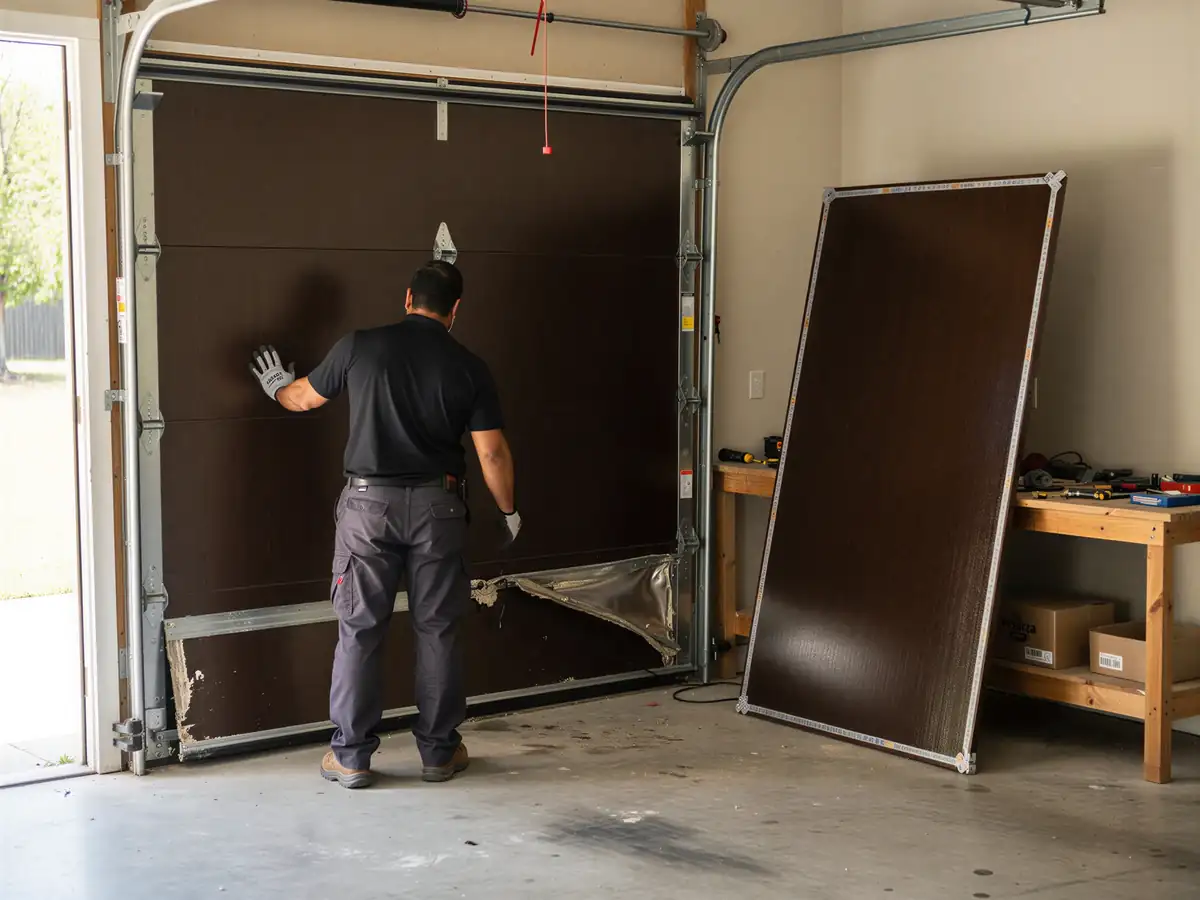
Adding a cheap foam-board insulation kit to an old single-layer door is a reasonable DIY weekend project, and it does something. What it doesn't do is fix a door that's also warped, rusted at the bottom corners, or running on original 1980s-era hardware that's outlived its service life.
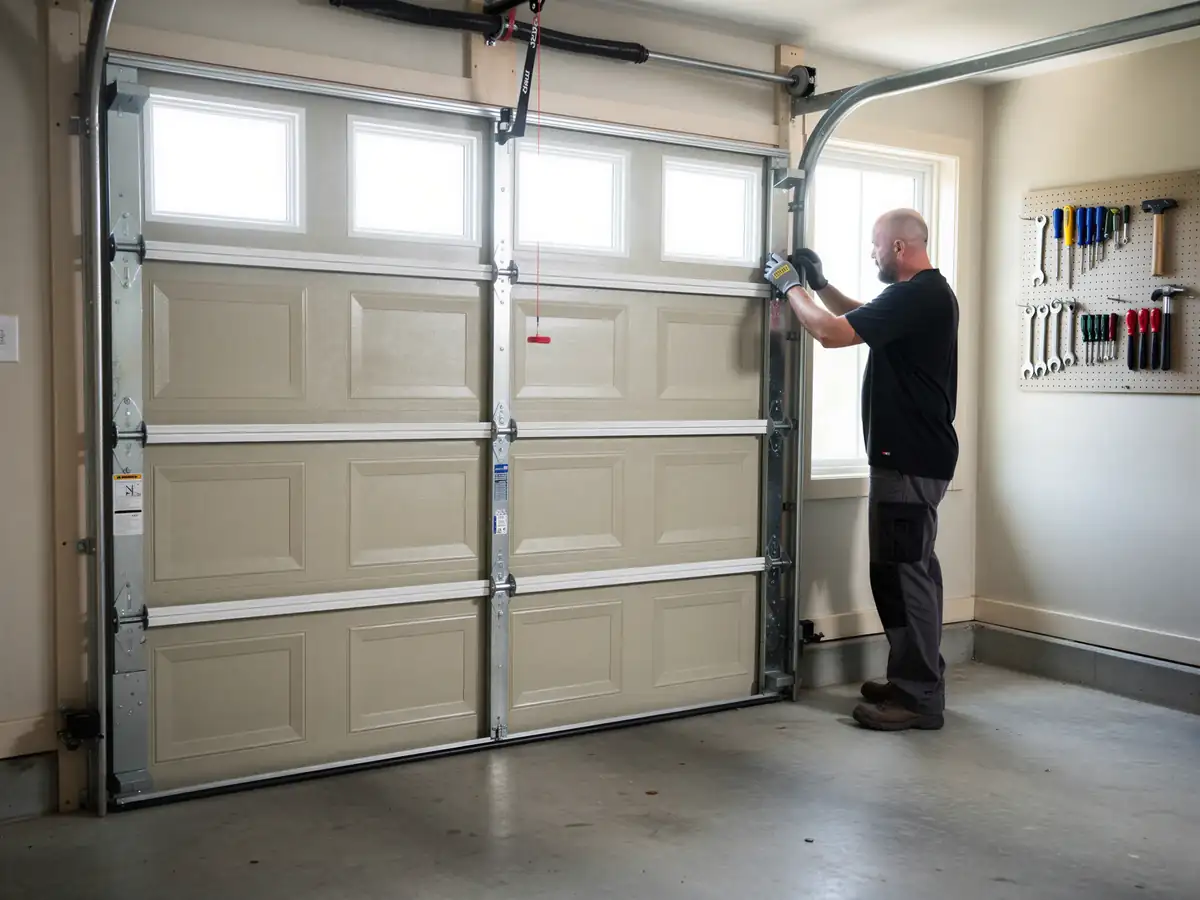
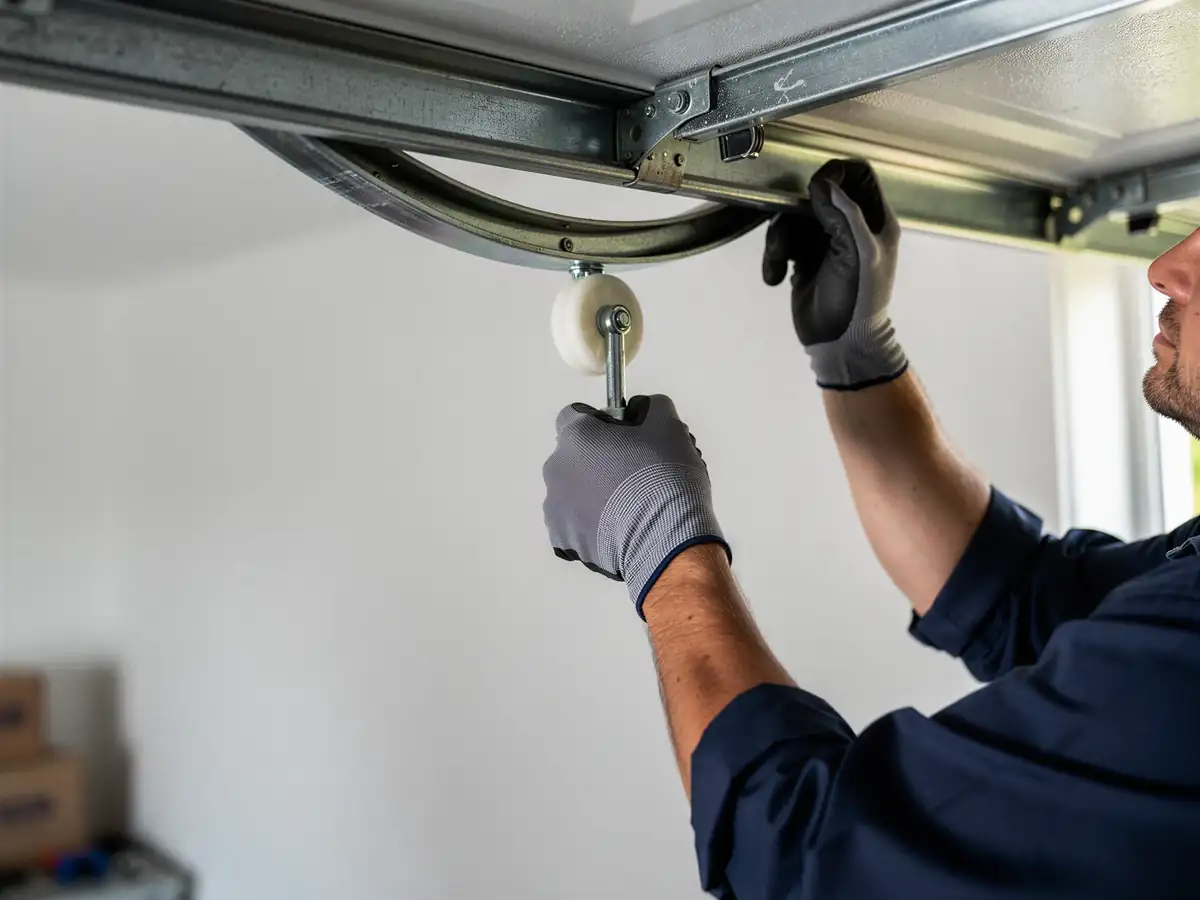
If the track is bent, if the door binds partway through its travel, or if the panels have separated slightly at the seams - which happens on steel doors from this era after enough temperature swings - insulating over that is wasted effort. You're putting a blanket on a door that needs to come off the hinges.
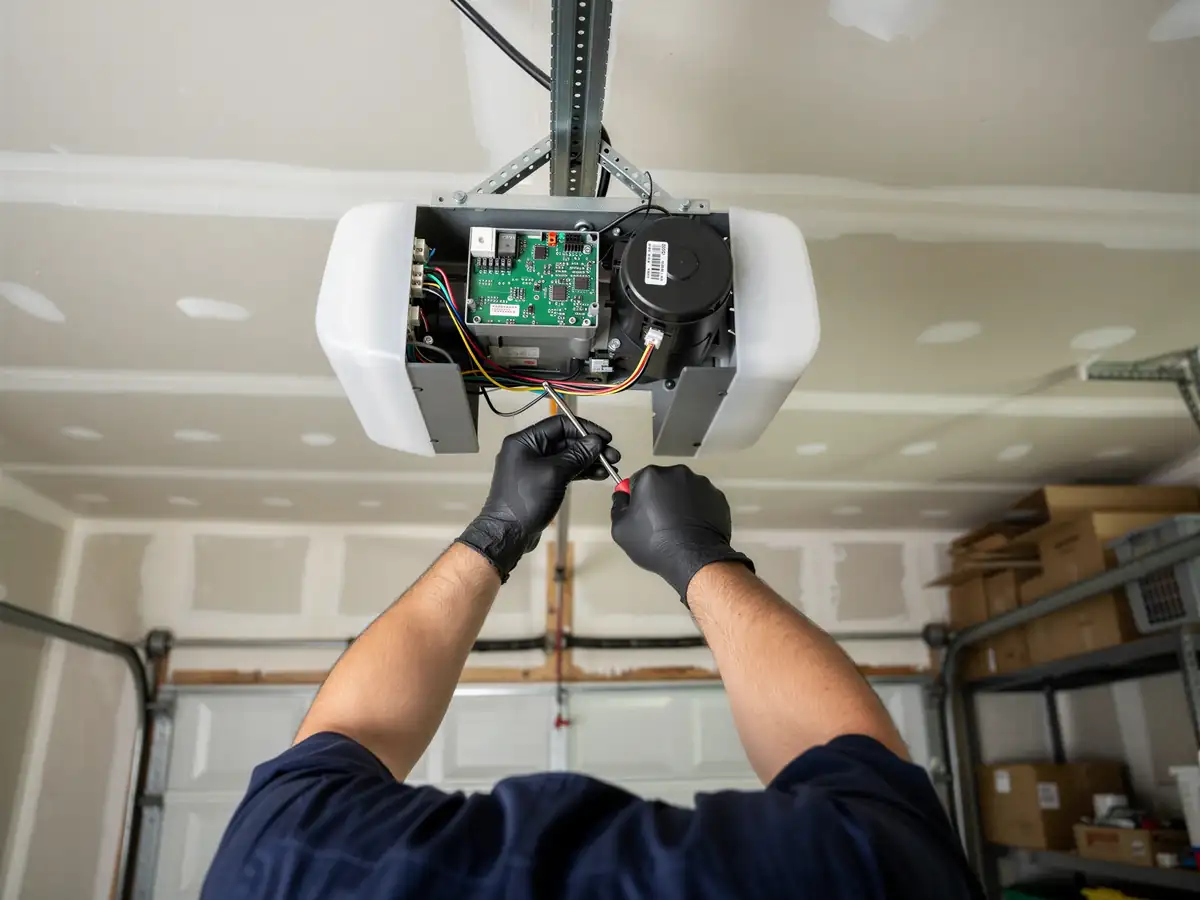
The other line we draw: springs. If you're looking at an insulation upgrade and notice the spring is original to the house, that's 30-plus years of cycles on a torsion spring, and that's not a project to combine with a Saturday insulation job. A spring under tension that's past its expected life is a call, not a to-do list item.
The Problem
The honest limitation here is that insulation retrofits only help so much on a door that's otherwise original
We can add a kit, reseal the perimeter, and it'll cut the draft noticeably. But a single-layer steel door from the 1968-2000 build wave was never engineered around today's energy expectations, and no amount of foam board changes the door's actual R-value by much - it mostly stops air movement, which is still worth doing.
For a lot of Mill Creek houses in this age range
The more durable fix is a full door replacement with a factory-insulated panel, especially on garages attached to living space. That's a bigger job and a bigger cost, and we won't talk you into it if the door is otherwise sound and the room above isn't one you use. Sometimes the right call is new weatherstripping and a kit, and leaving the rest alone. We'll tell you which one your door actually needs when we're standing in front of it.