What You Are Seeing
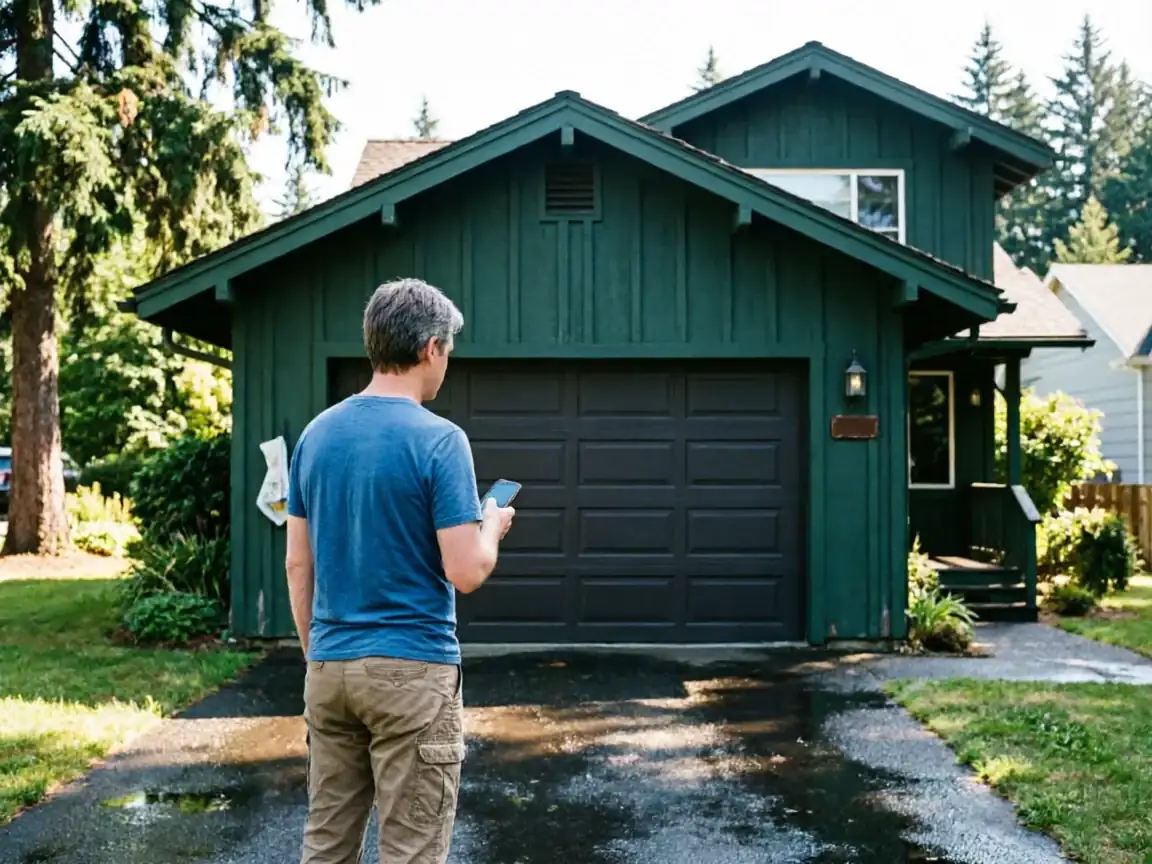
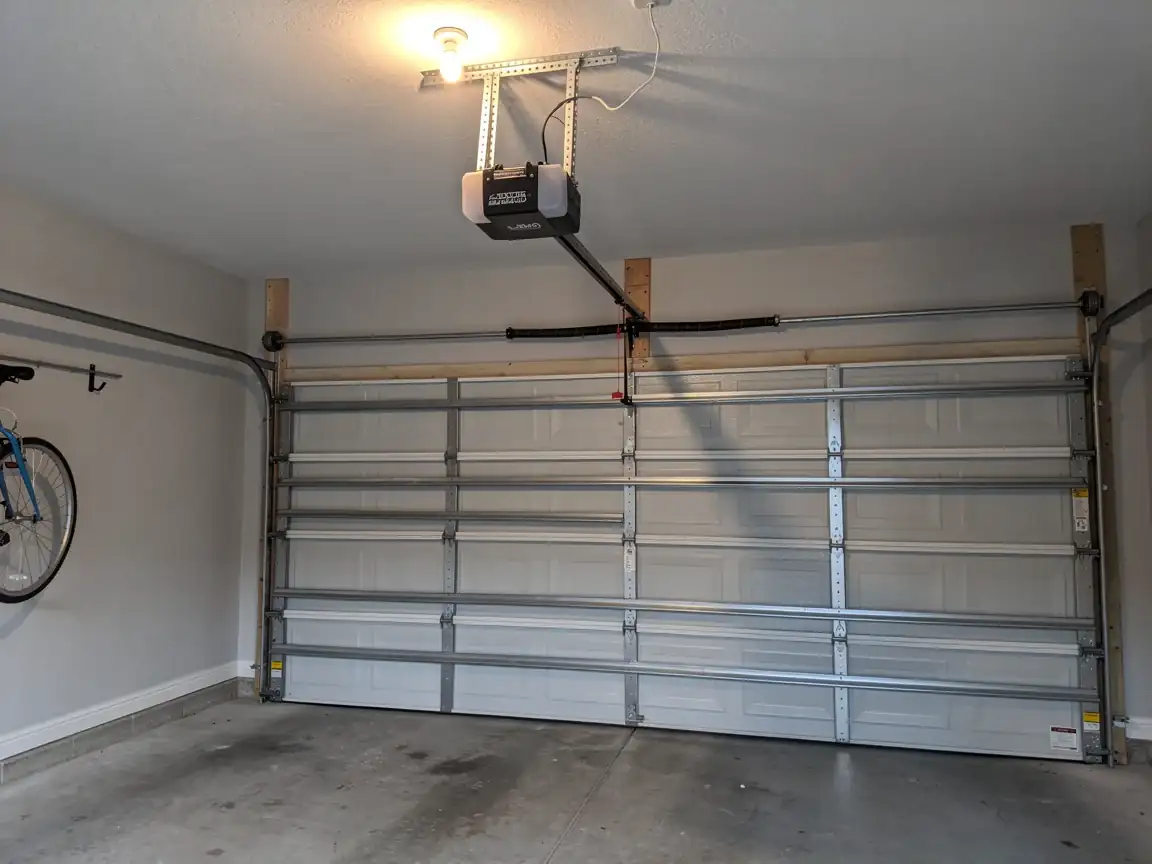
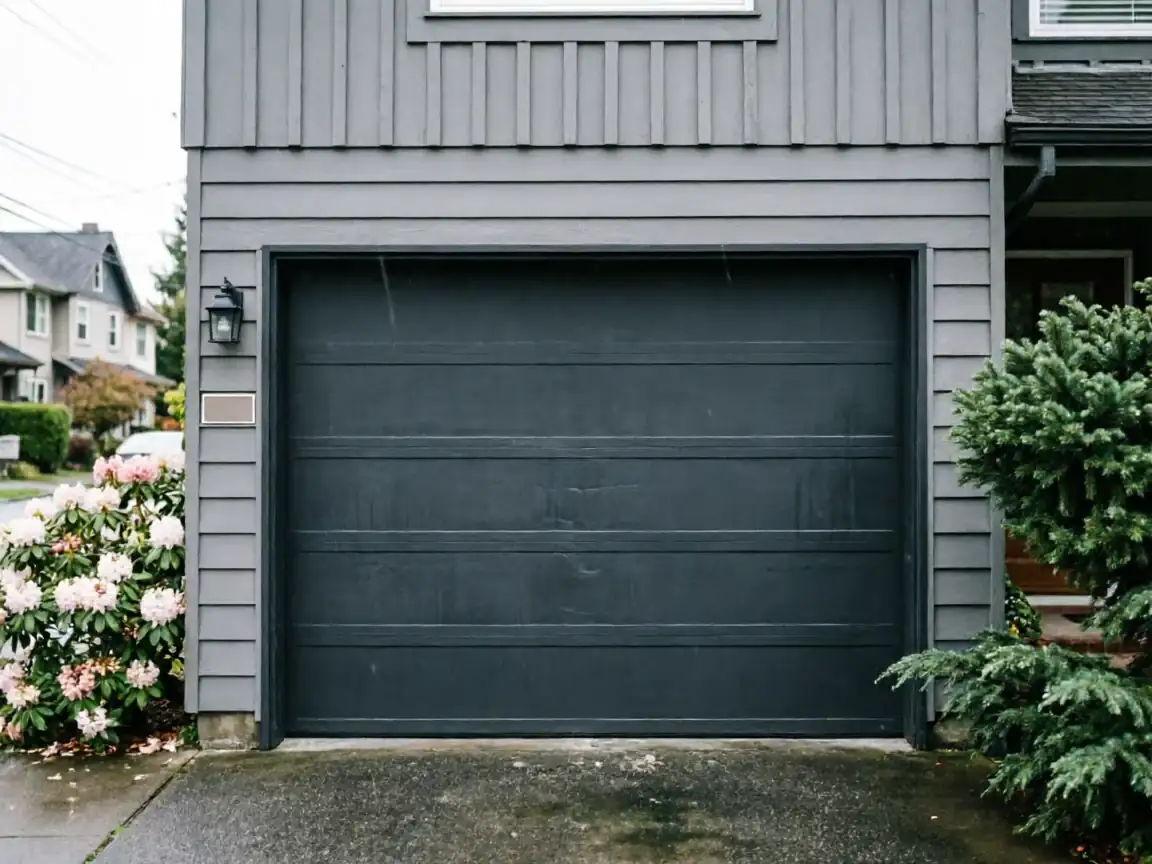
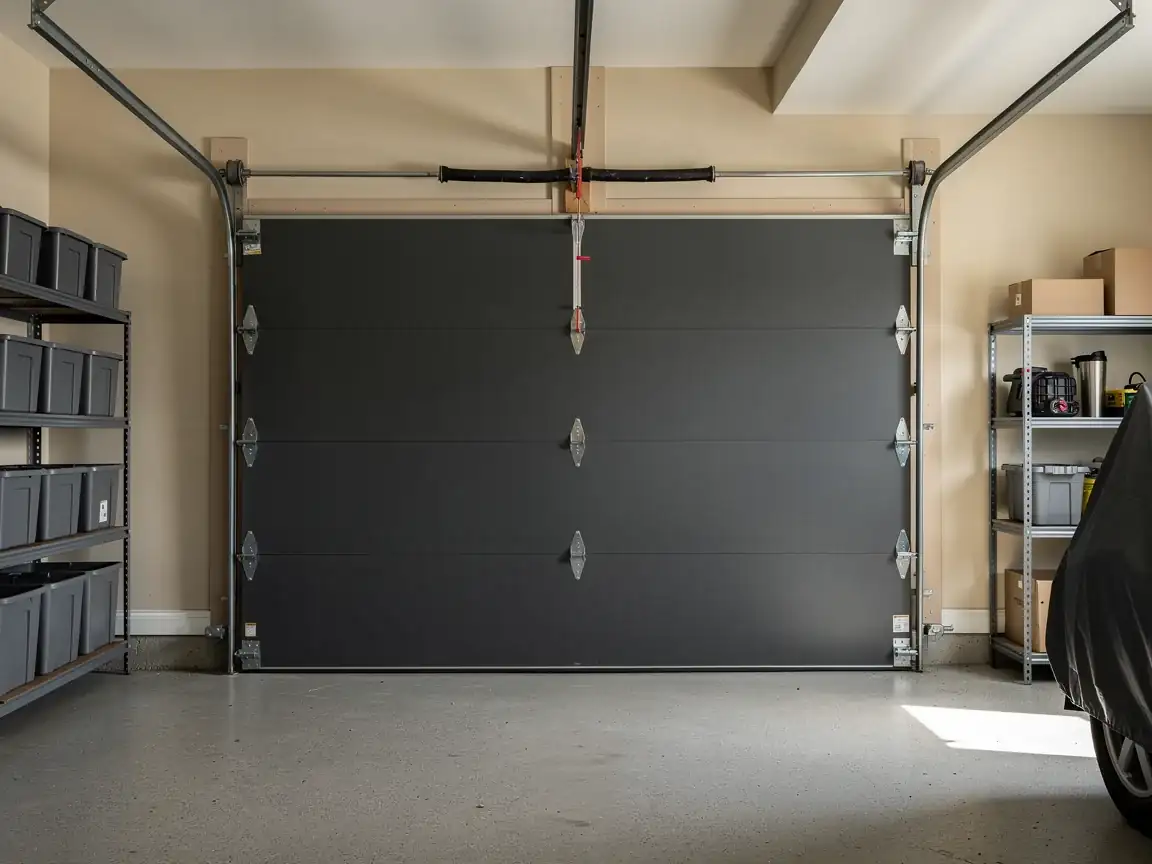
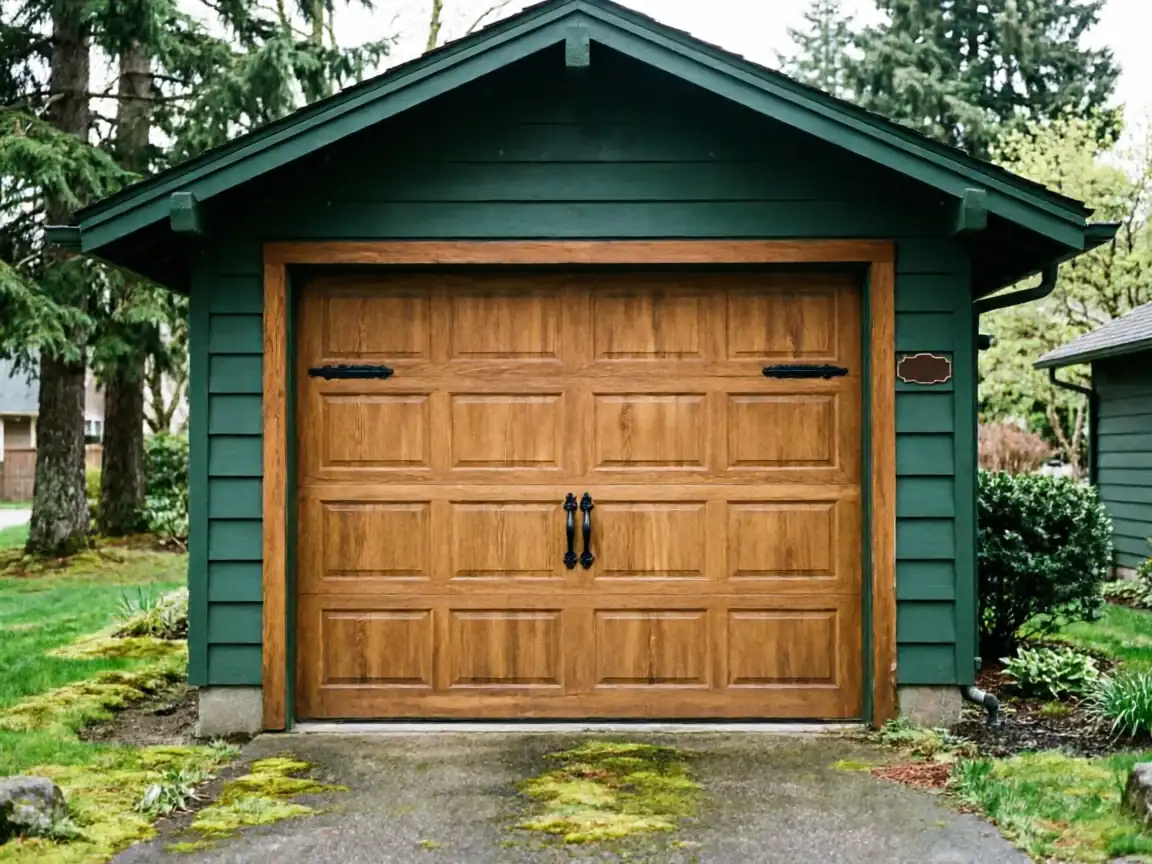
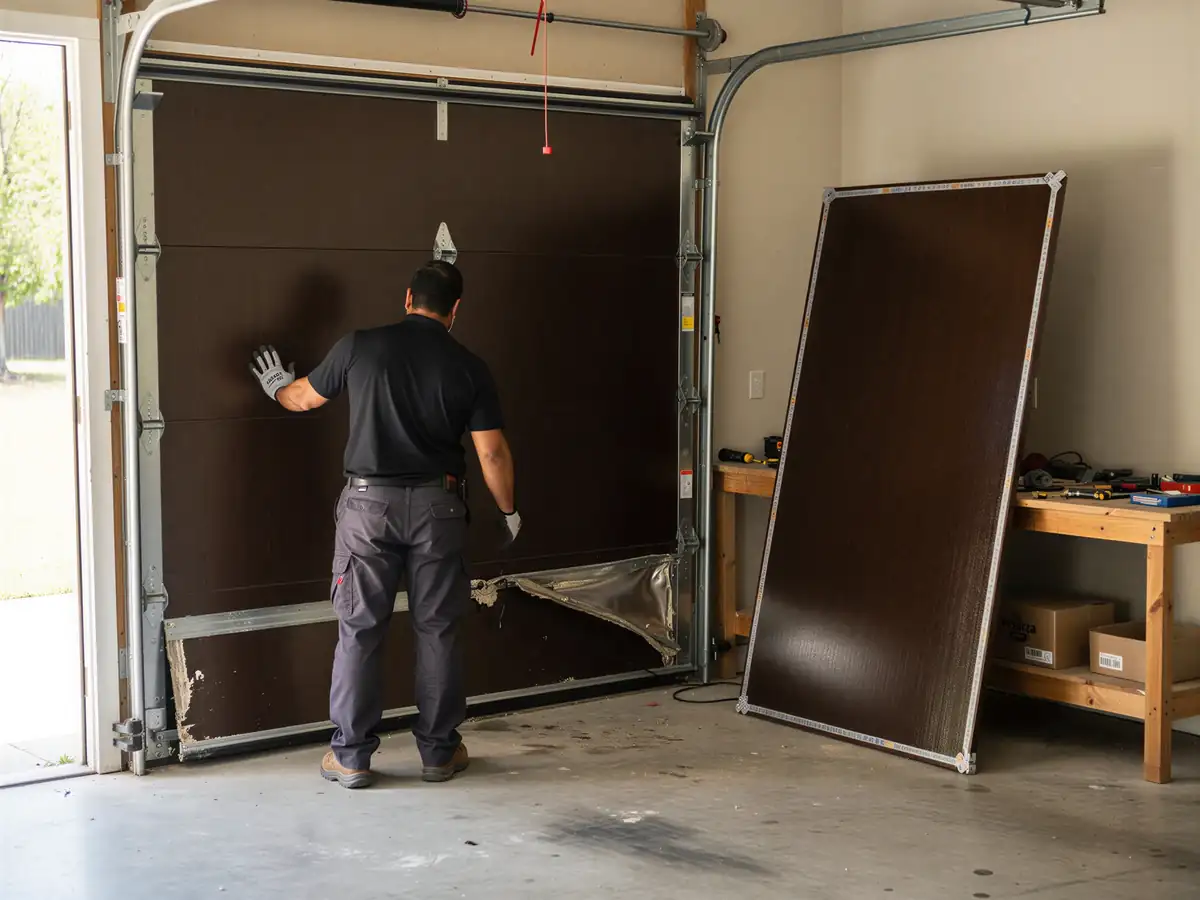
Houses built around 1980 in this stretch are coming up on four and a half decades of door cycling, and the panels show it in a specific way: bottom-section rust and bowing, usually at the section that takes splashback from the driveway, plus denting along the bottom few feet where a bike or a bumper caught it. In a cold-moderate climate, the freeze-thaw cycle works into any seam where the galvanizing has already worn through, so what looks like a small rust spot in fall is often a hole by spring. We also see hinge-area cracking on the thinner steel used in some builder-grade doors from that period - that's a panel problem, not a spring or opener problem, and it's worth telling the two apart before you call about 'the door is stuck.' A panel that's dented but not cracked is usually cosmetic and can wait. One that's rusted through at a hinge point is a safety issue because the hinge can tear free under tension.
How Long It Takes
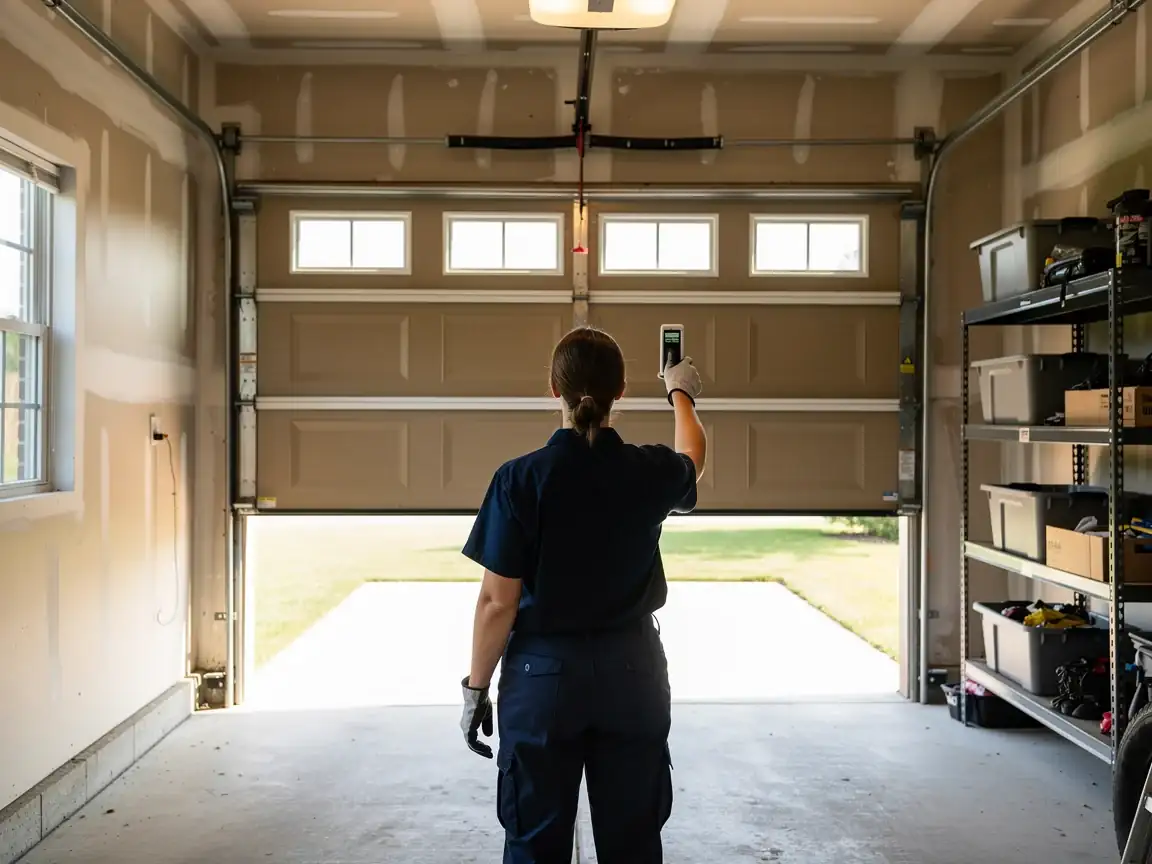
A single panel swap is a same-visit job once we've got the correct panel on the truck or in stock - the work itself is removing the hardware, swapping the section, and resetting the hinges and rollers so the door tracks true. What stretches it out is sourcing: if your door uses a panel profile we don't carry, we're ordering from the manufacturer, and that lead time is outside our control. Since we run this job out of Mill Creek, about 5 miles from Picnic Point, travel isn't the bottleneck - parts availability is. We'll tell you up front, before we book anything, whether your panel is a stock item or a special order, so you're not waiting on a guess.
Getting It Booked In
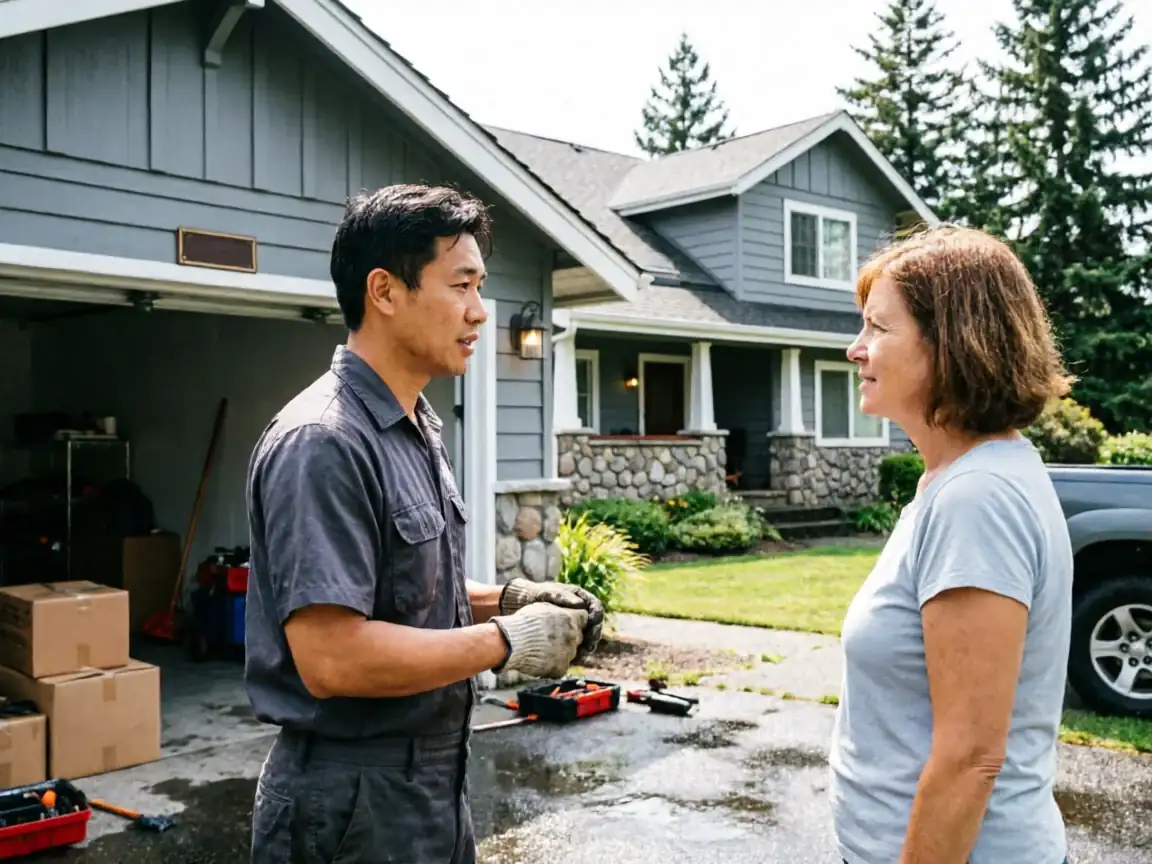
We come out from Mill Creek to handle panel jobs across Picnic Point - you can see the areas we cover at our coverage page. If what you actually need is a broader look at panel replacement as a service, including pricing structure and what counts as a full-door job versus a single-panel fix, that detail lives on our Mill Creek panel replacement page. For Picnic Point specifically, the booking step is the same either way: we ask for the door's age, a photo of the damaged panel, and the door's width, so we know before we drive out whether we're bringing a stock panel or placing an order first.
What the Repair Takes
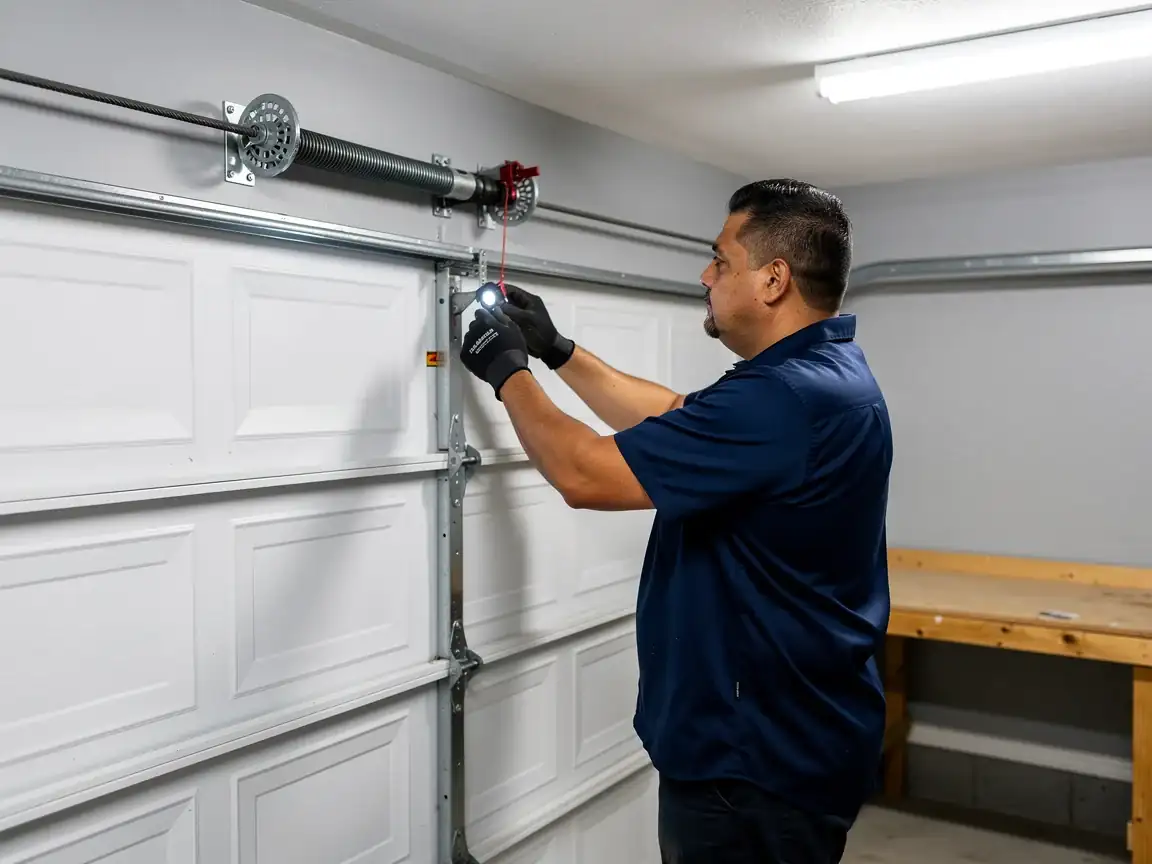
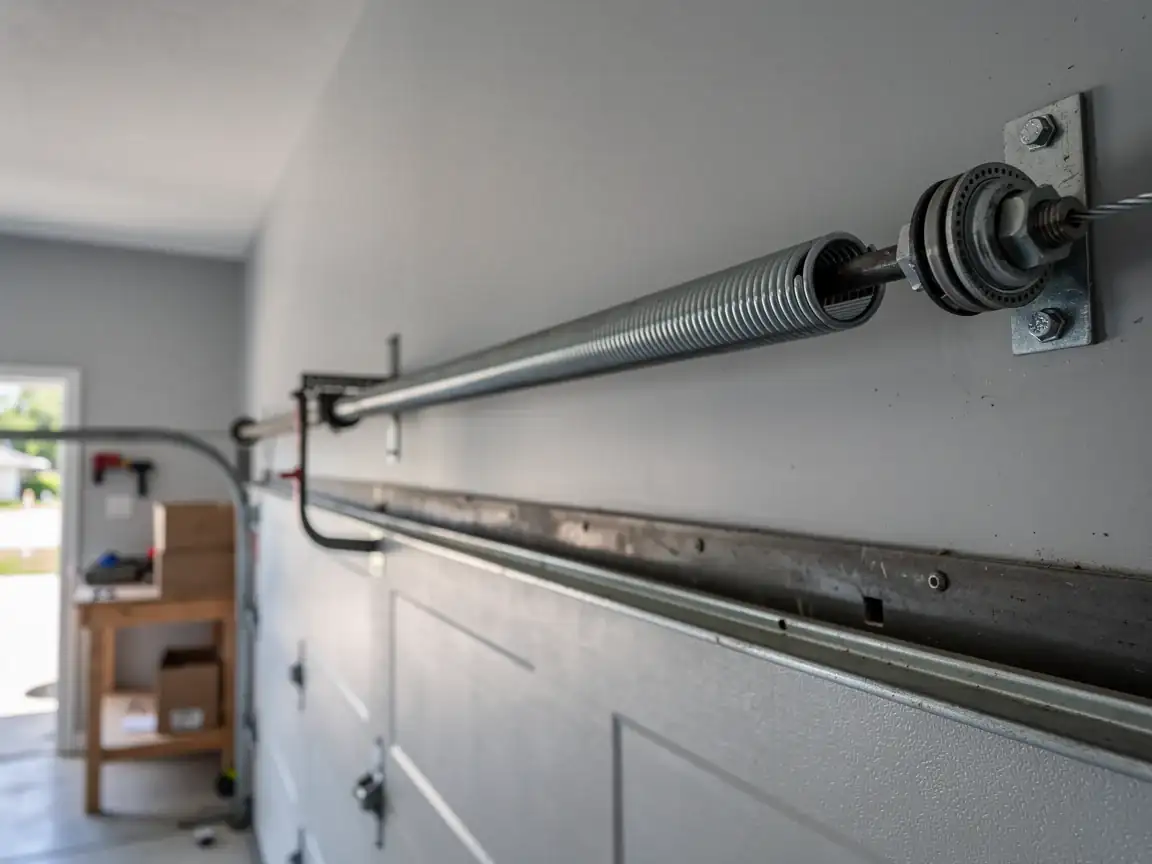
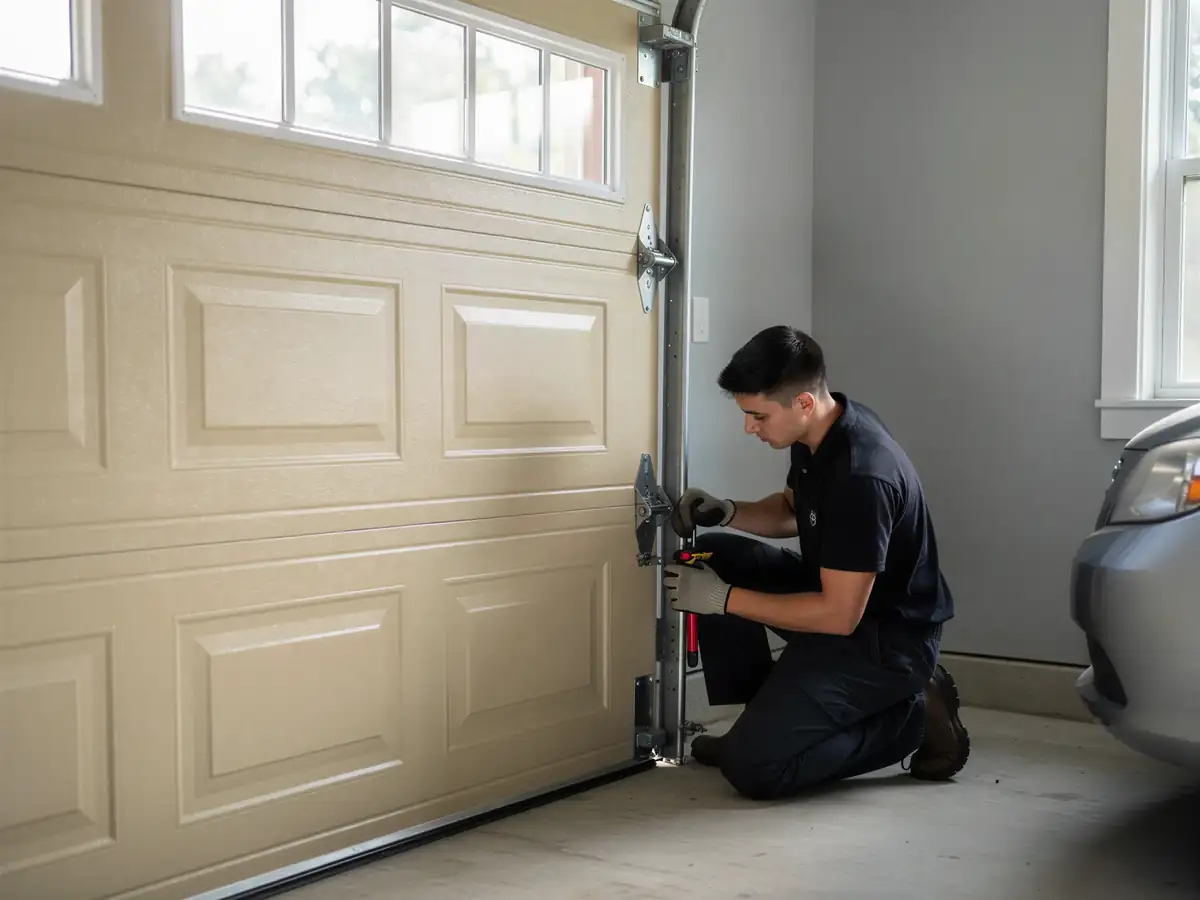
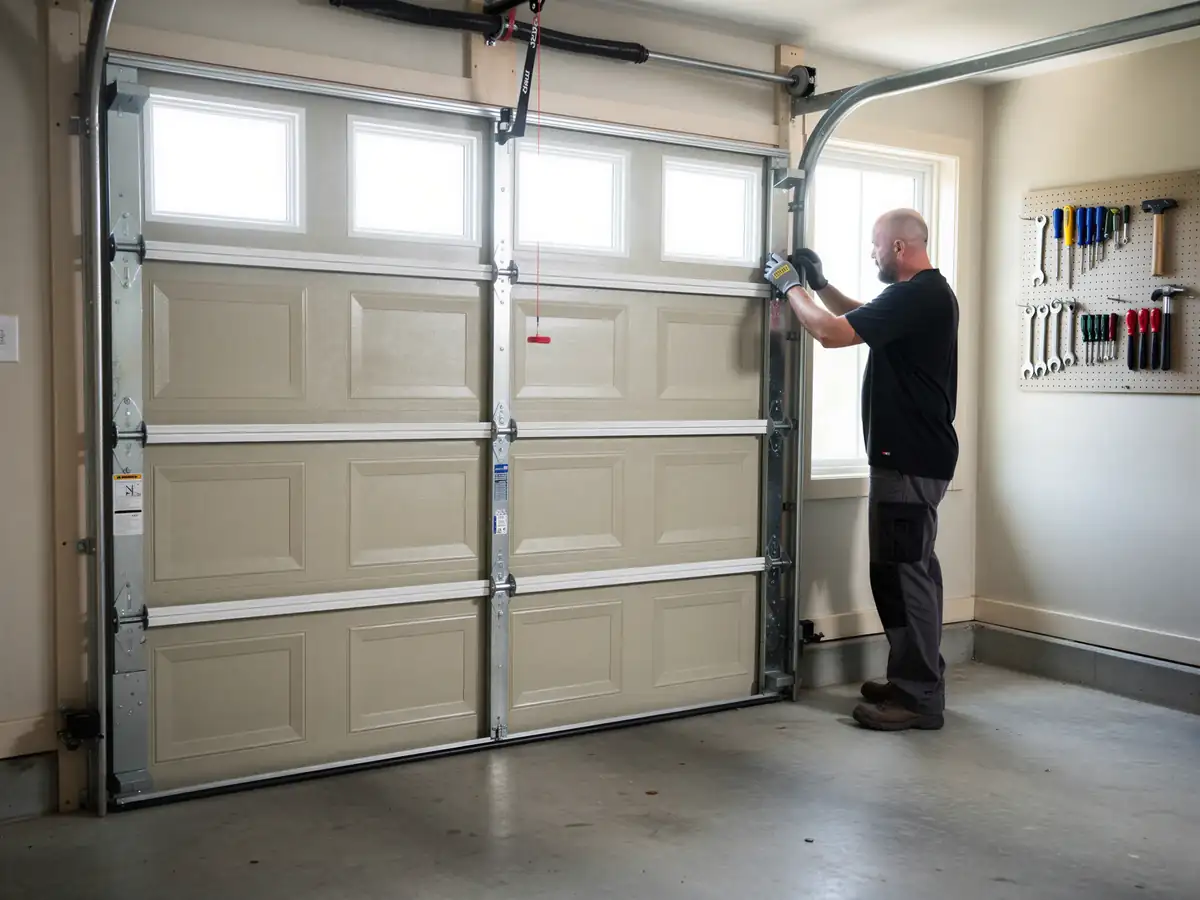
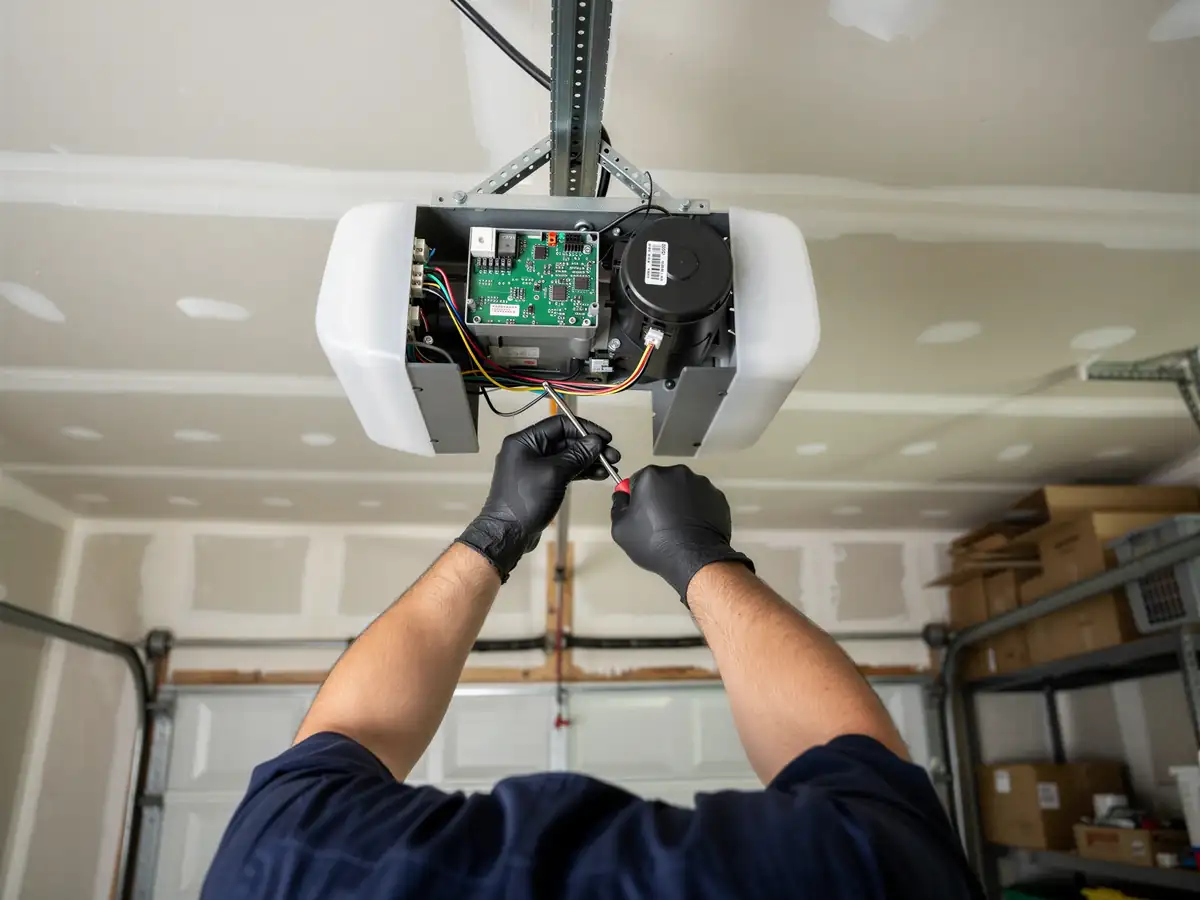
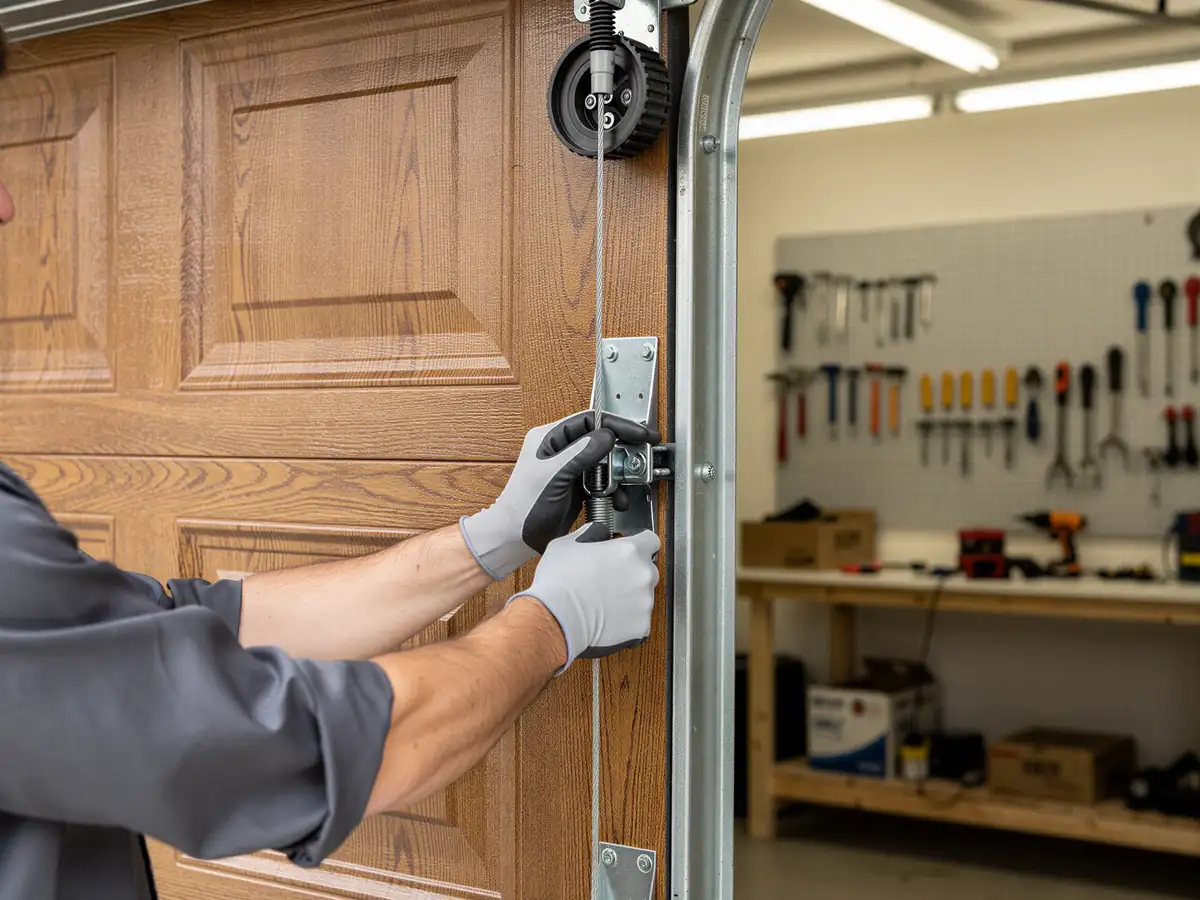
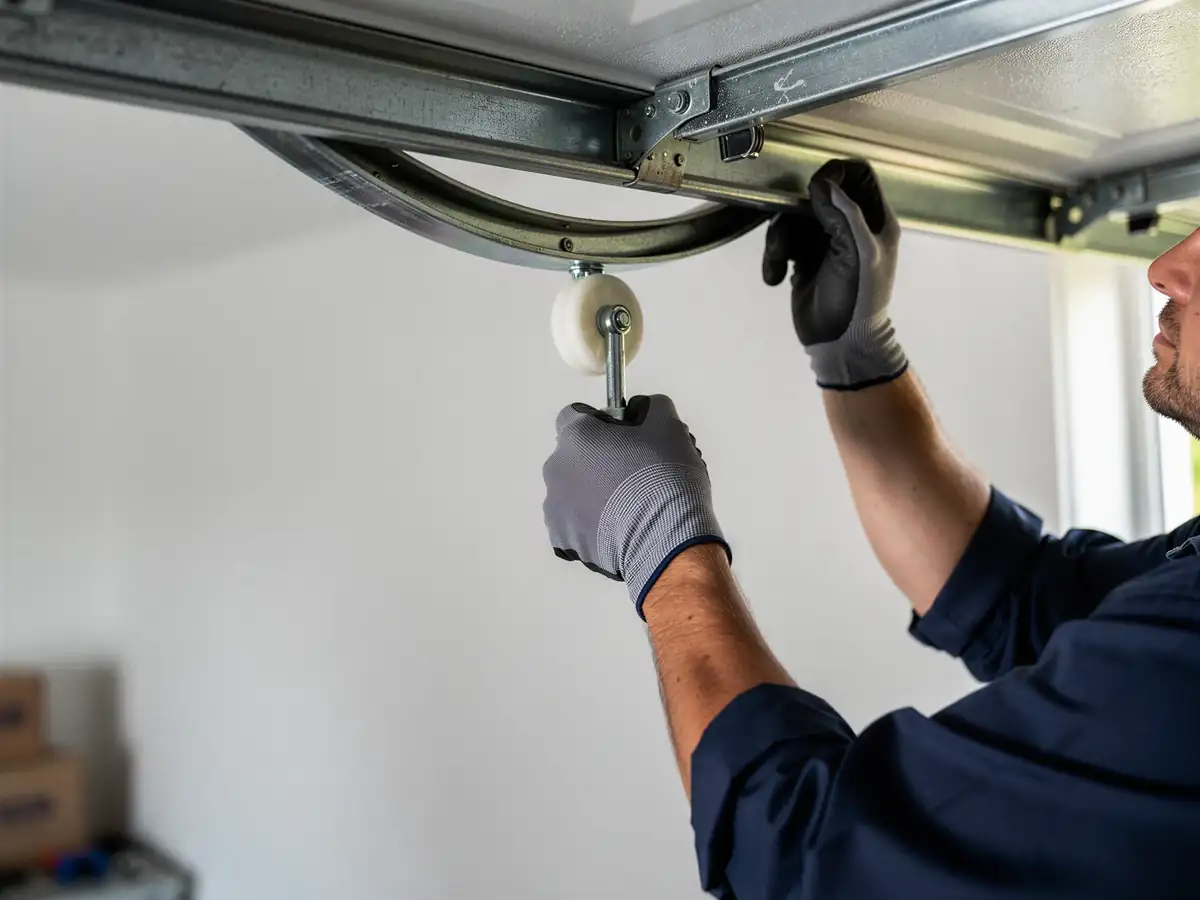
The job itself: disconnect the opener arm if the damaged panel sits near the top, unbolt the hinges on either side of the bad section, slide it free of the track rollers, and set the replacement in its place before re-torquing every hinge bolt to spec. On a door from the 1980 era, we also check the track brackets while we're in there, since four-plus decades of cycling loosens lag screws more often than the panel itself fails. With 3,581 households in Picnic Point and a housing stock clustered tightly around that same build year, we're seeing the same hardware generation on repeat, which means we know what to check beyond just the panel: roller wear, hinge elongation, and whether the bottom seal needs replacing at the same time so you're not paying for a second visit in six months.