
This Area's Housing
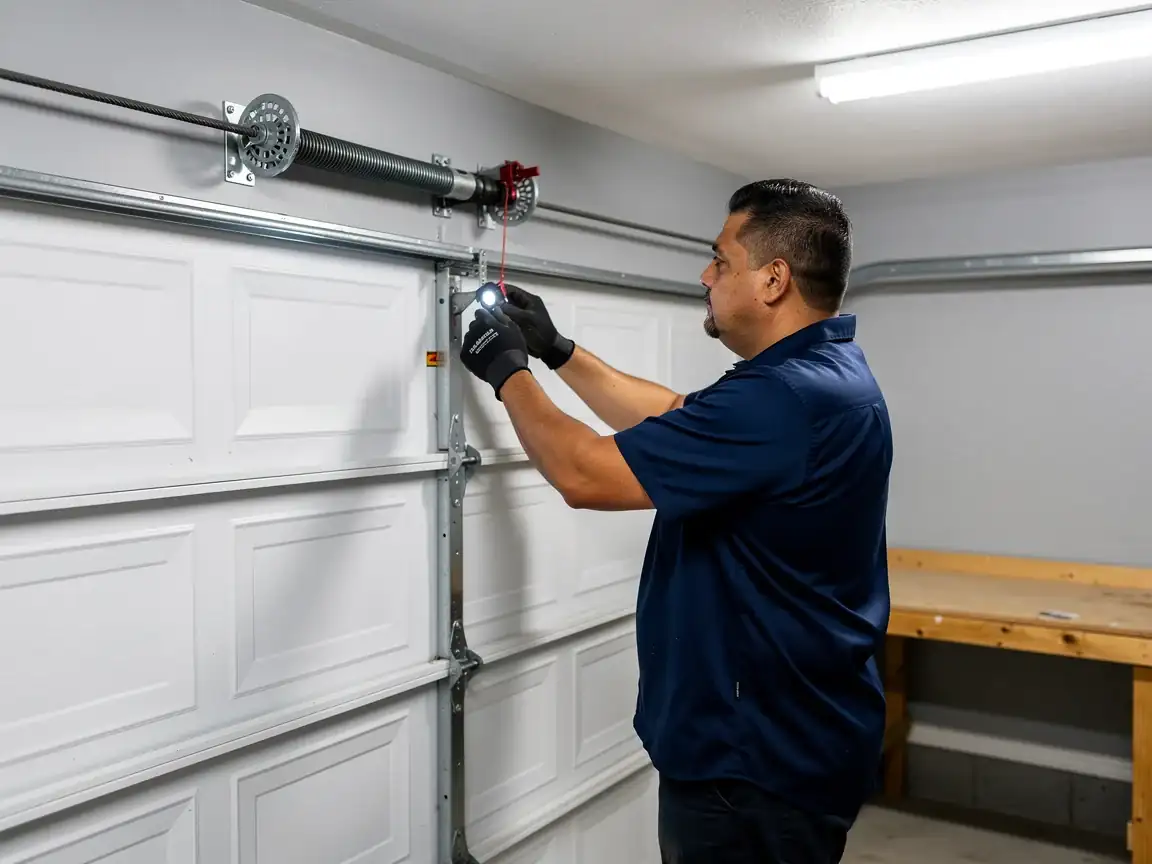
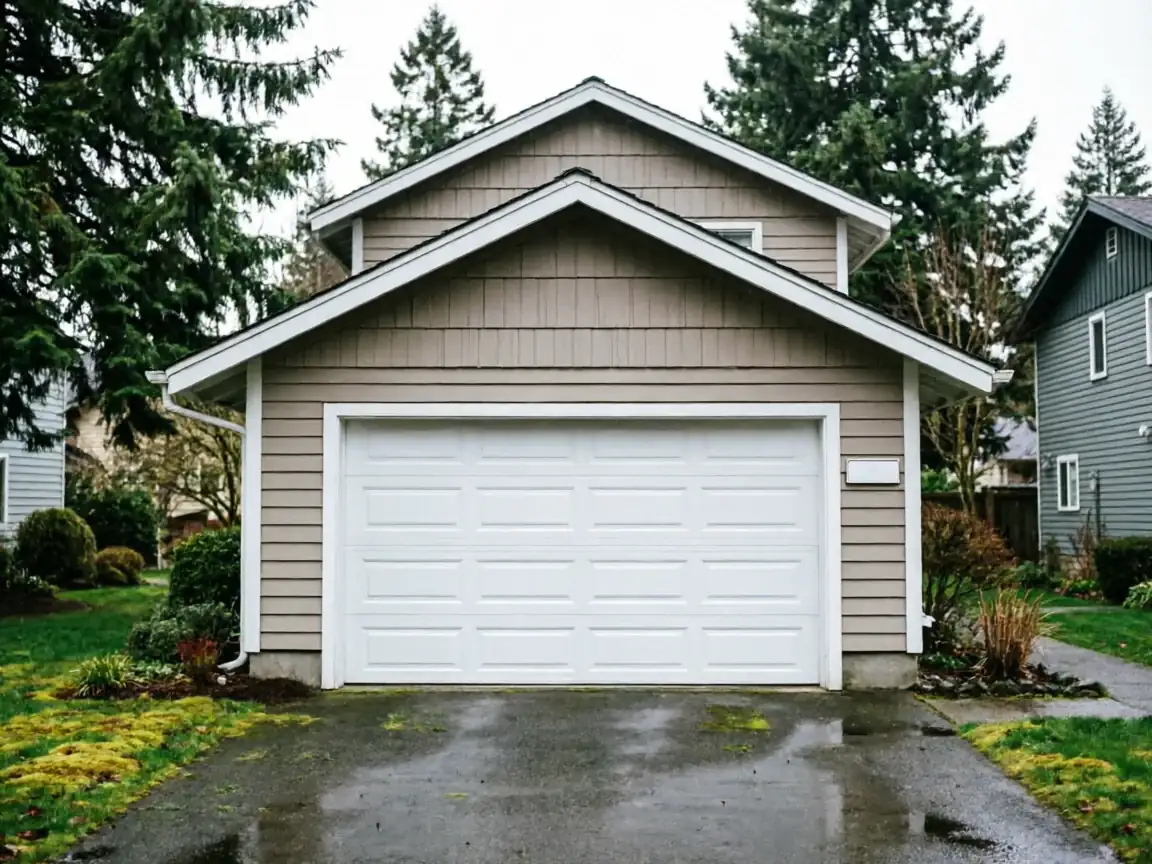
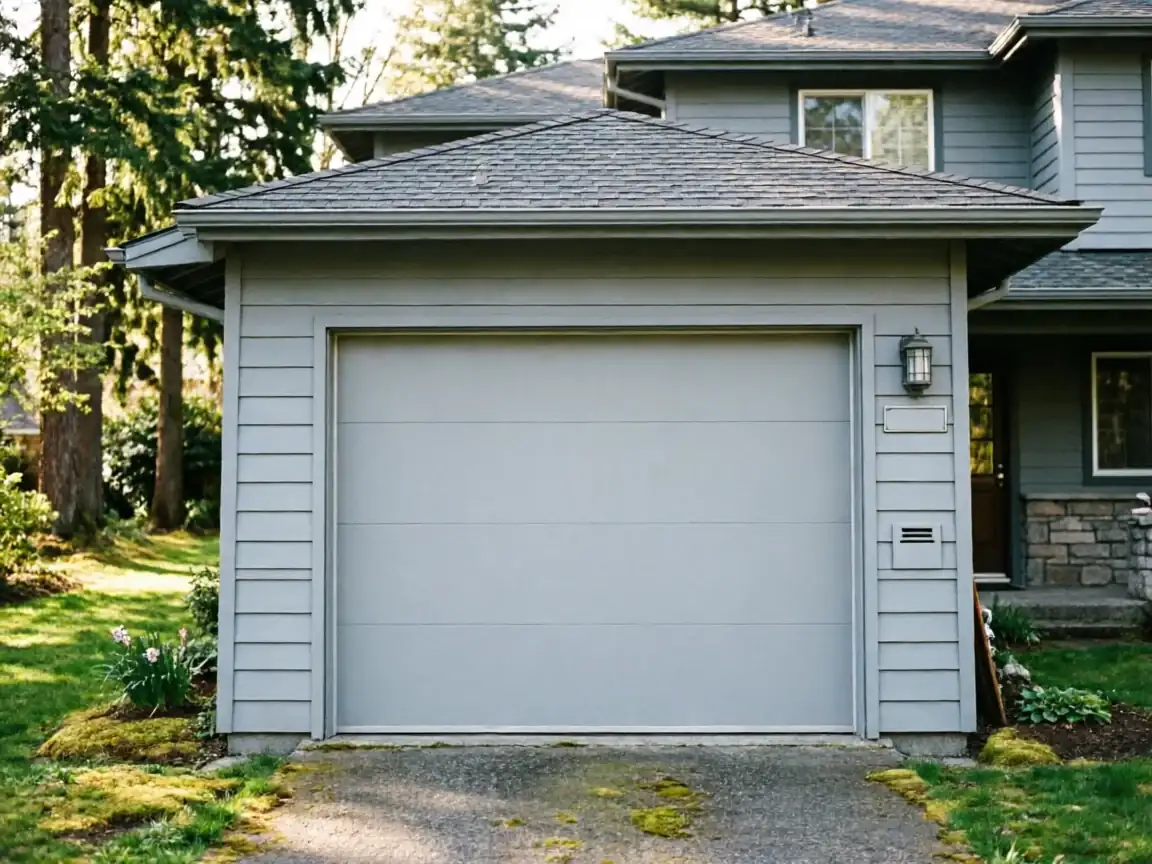
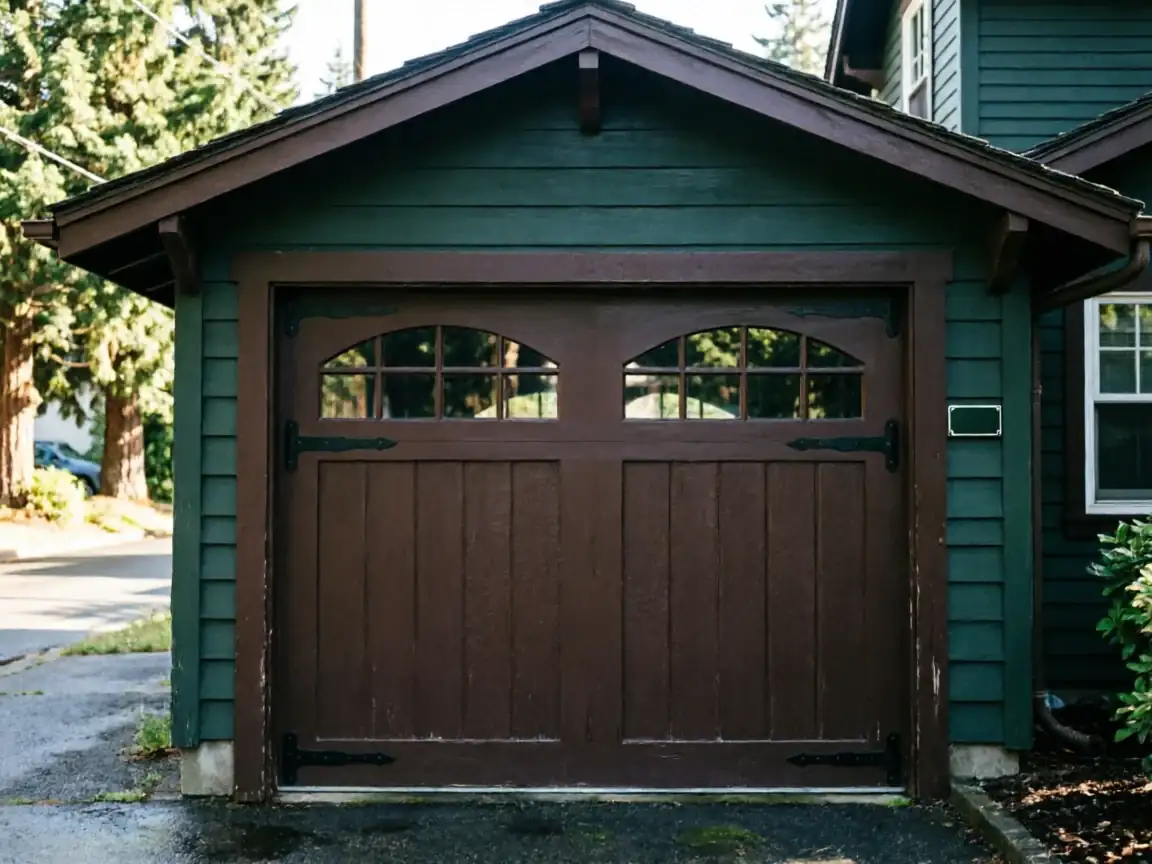
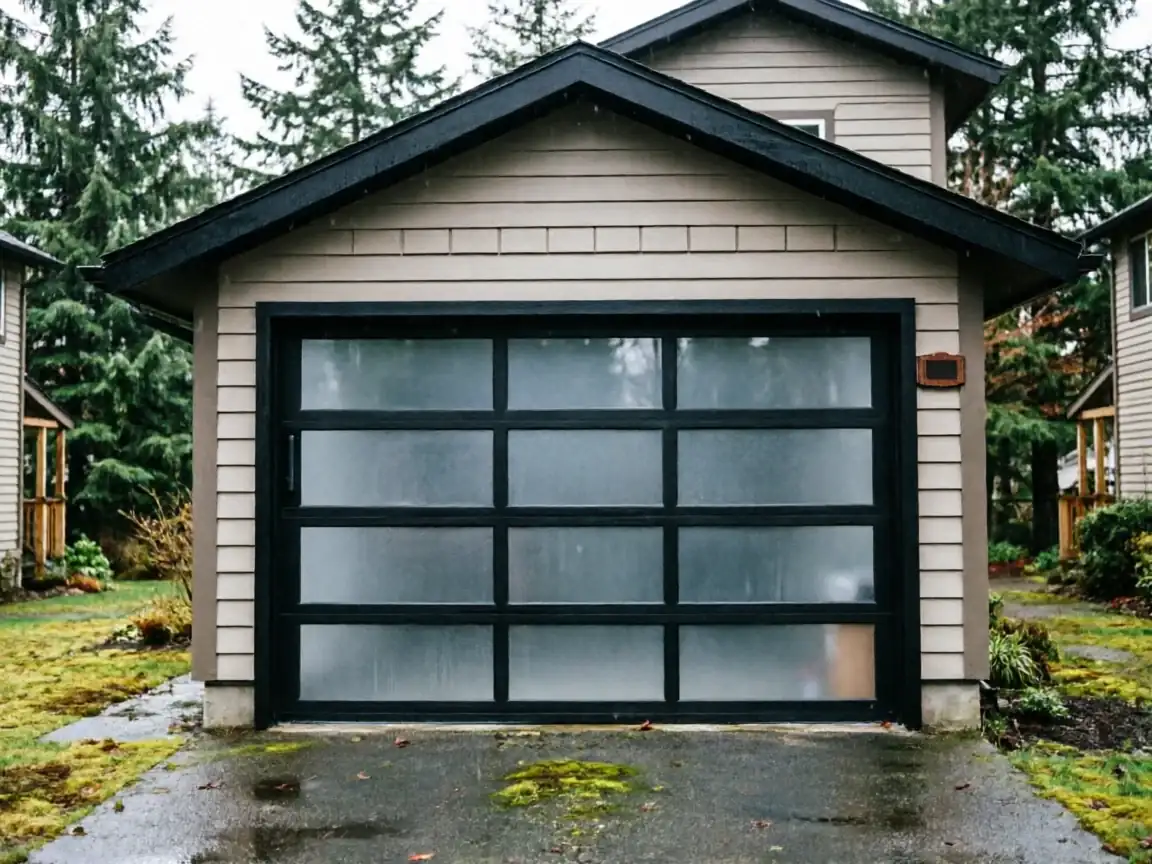
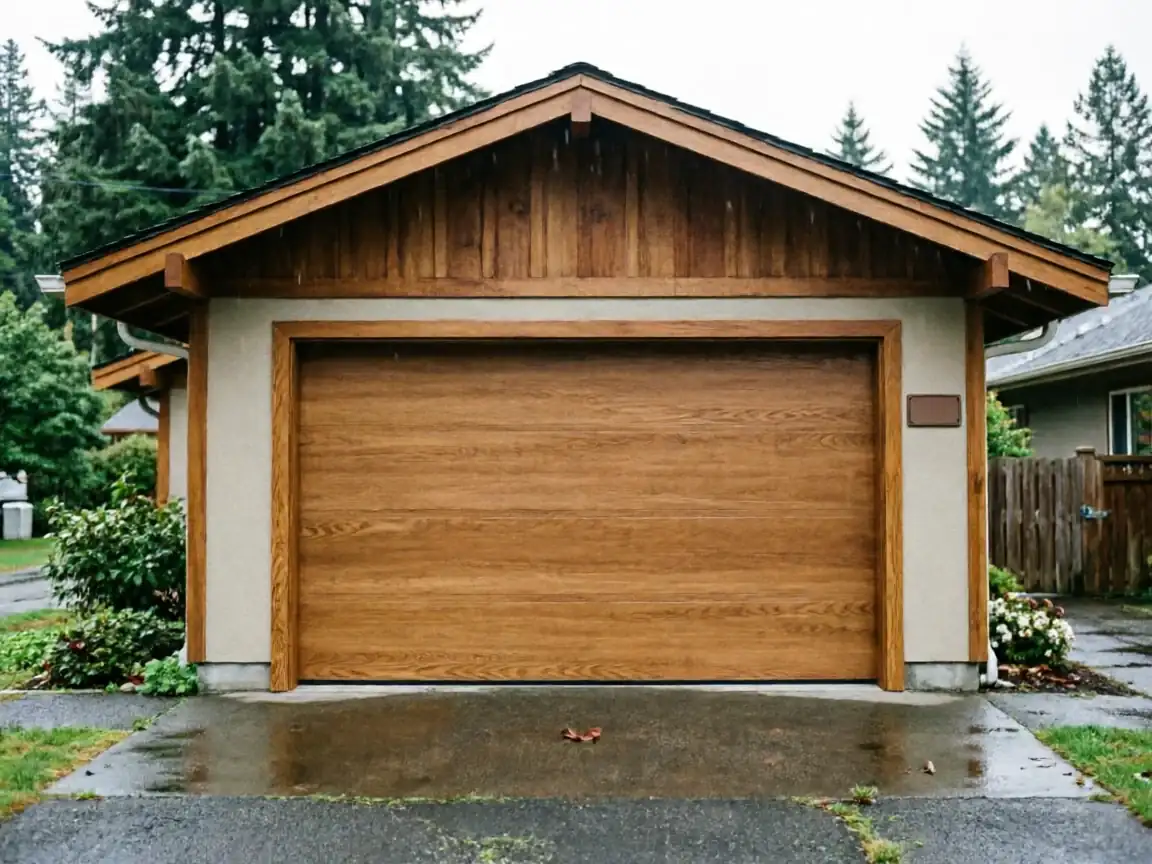
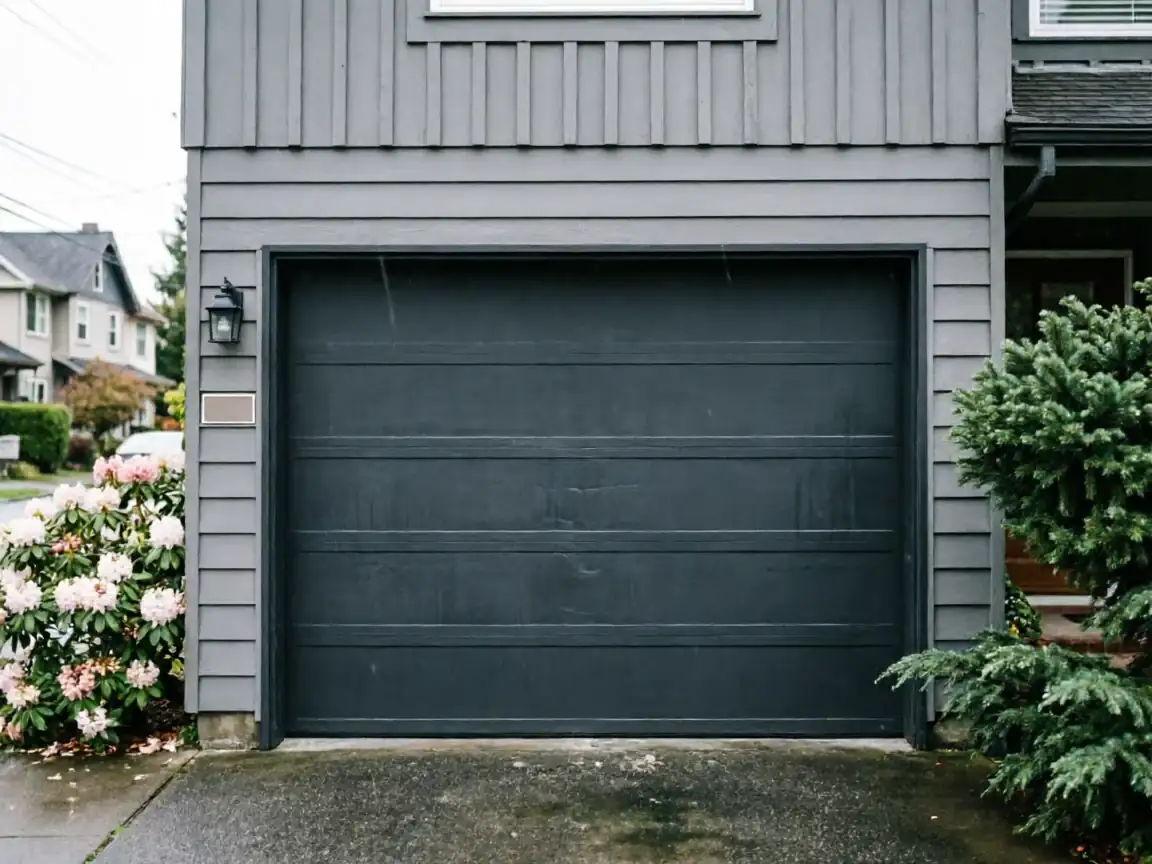
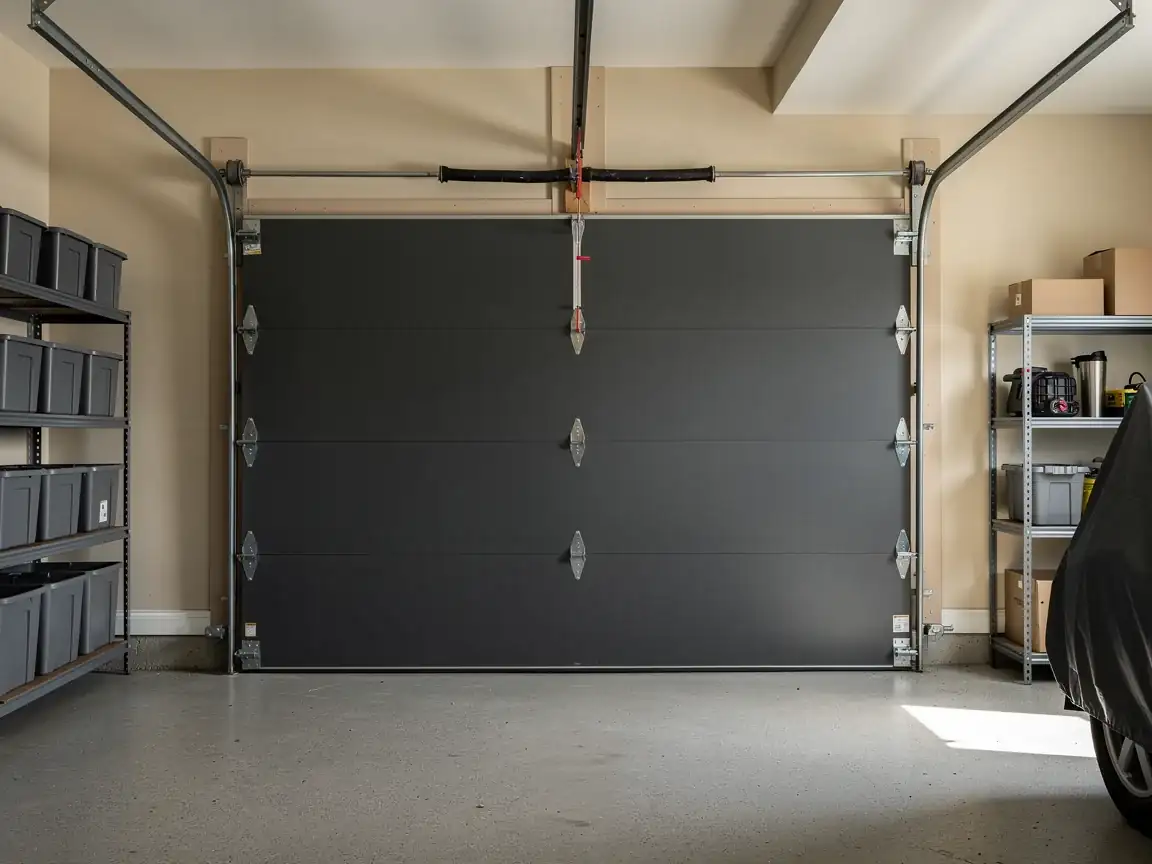
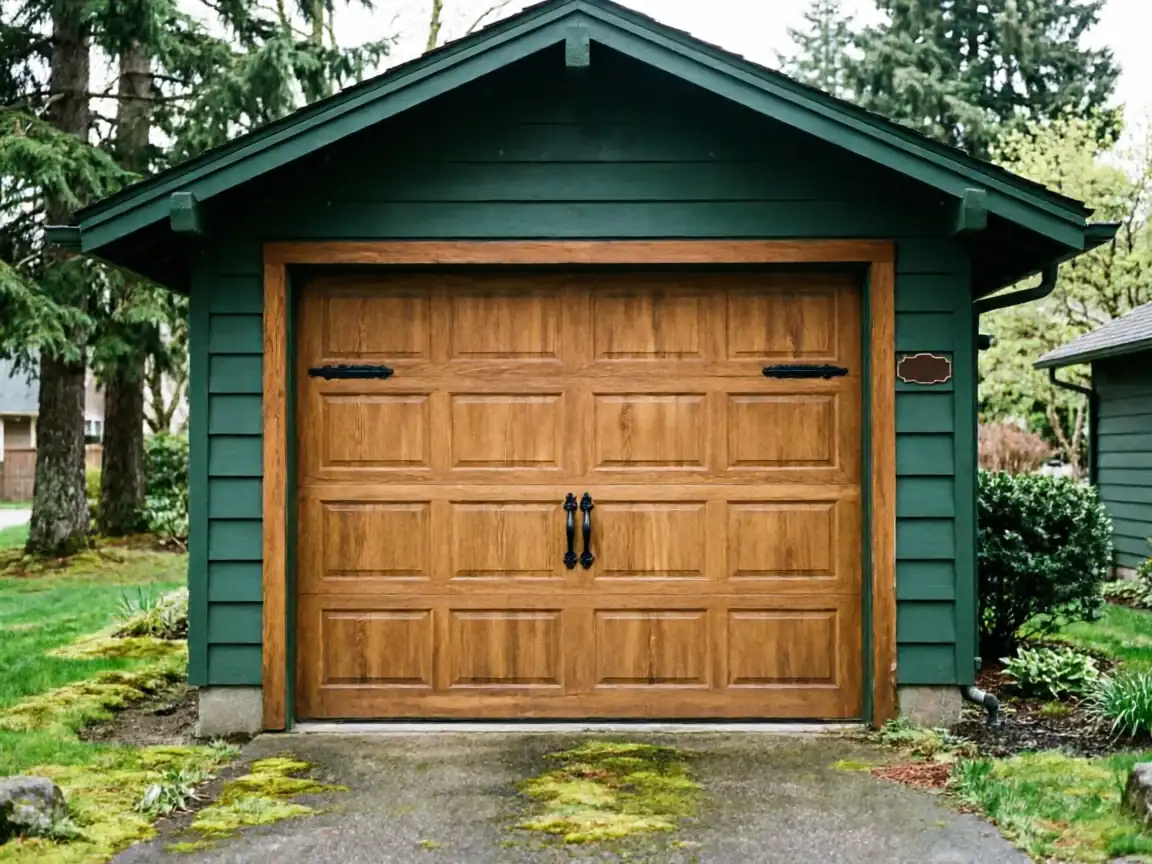
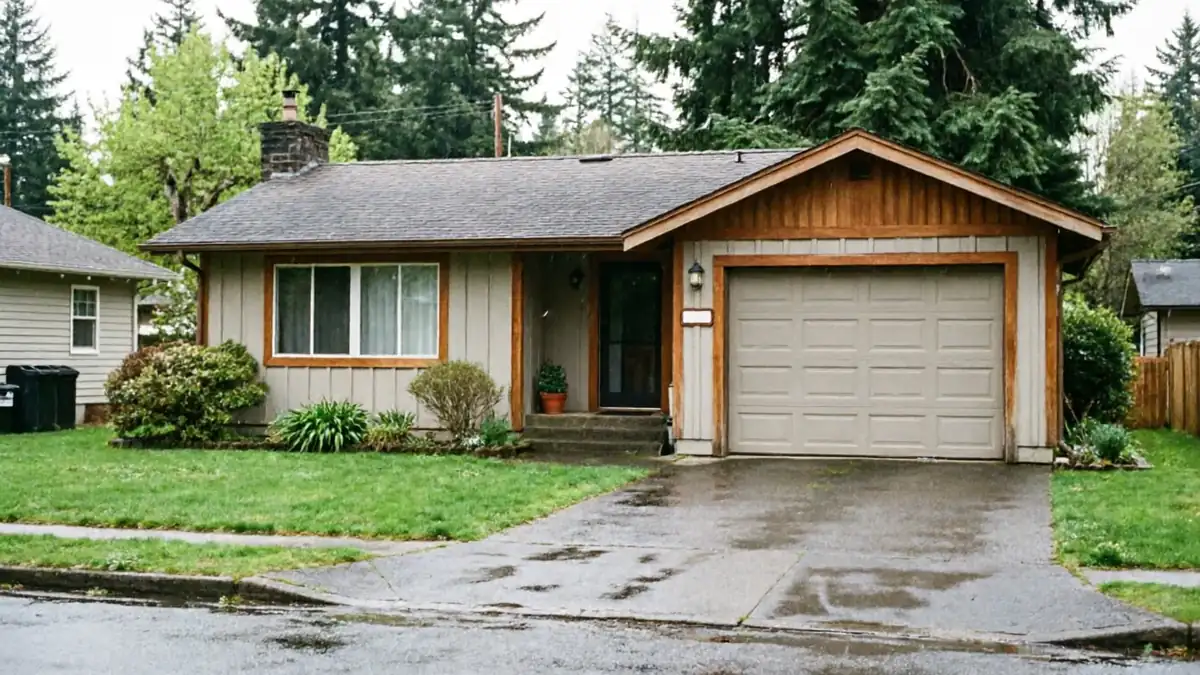
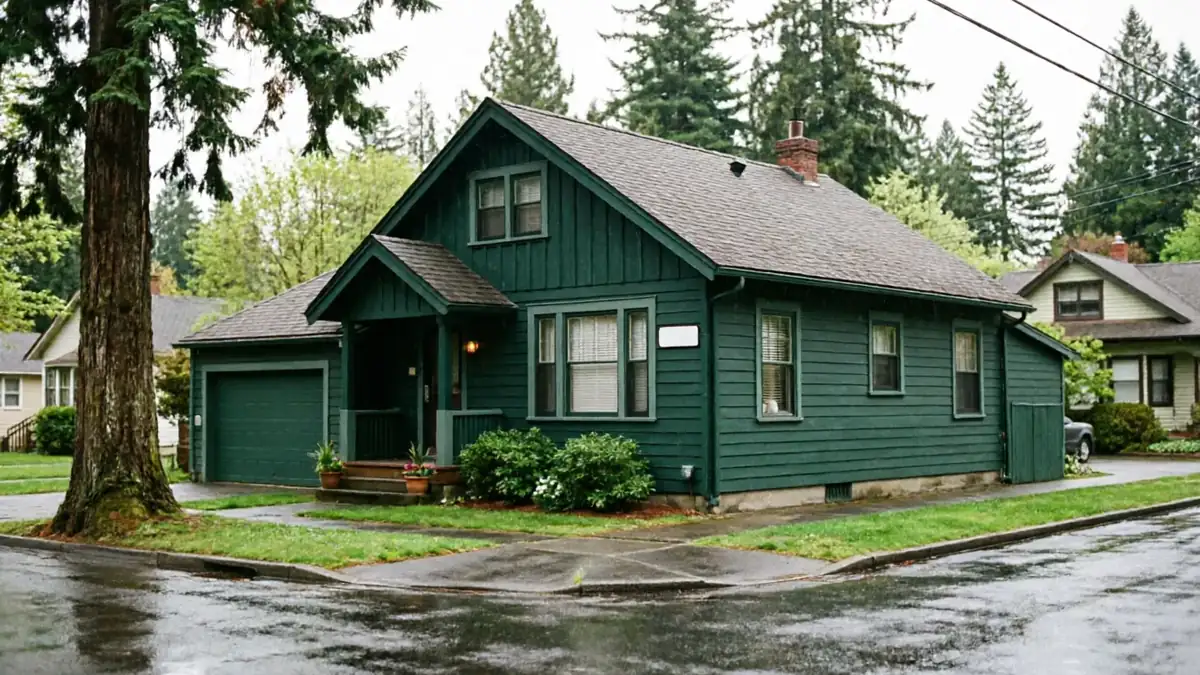
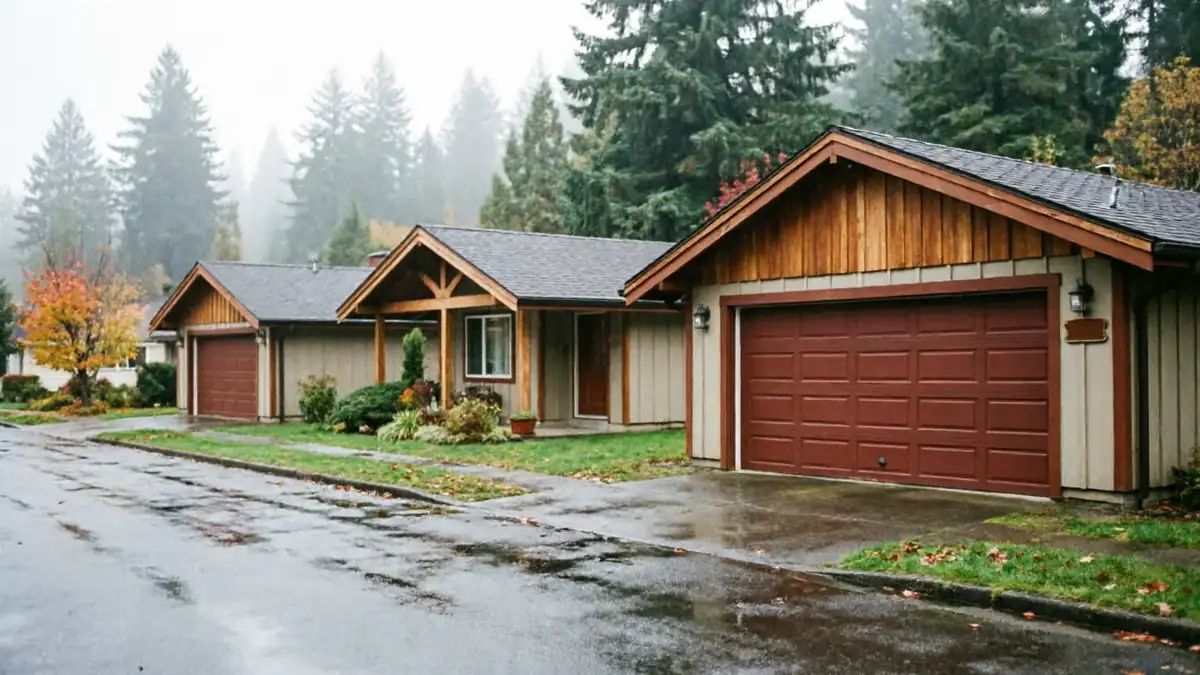
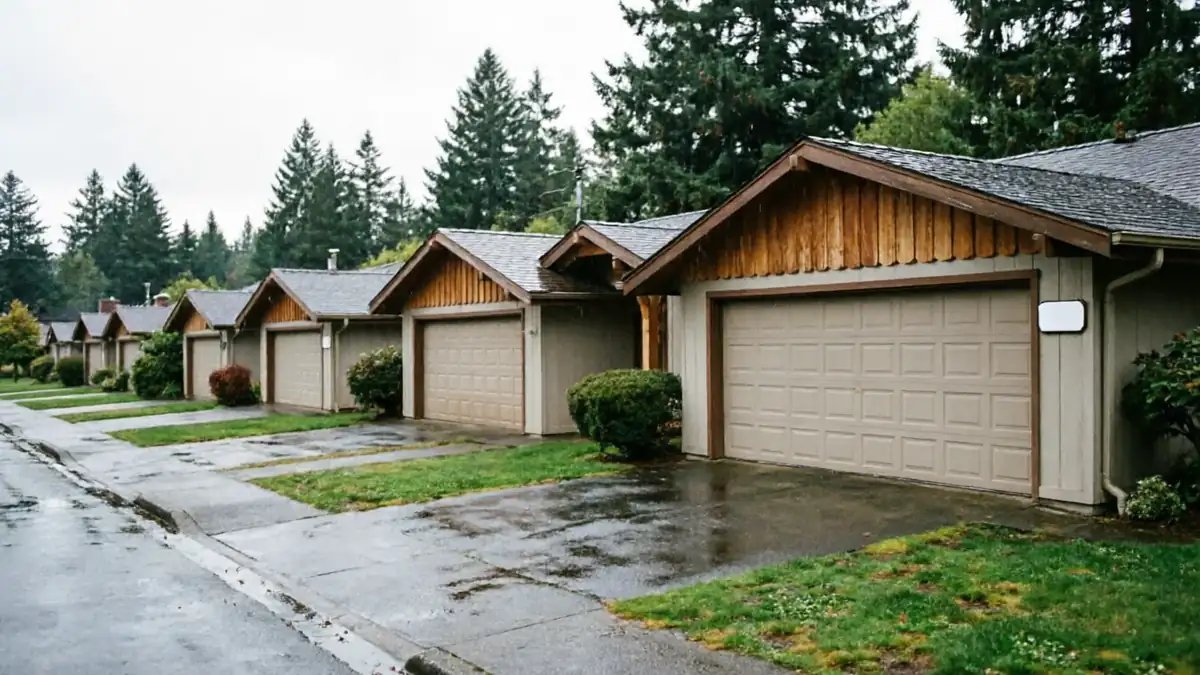
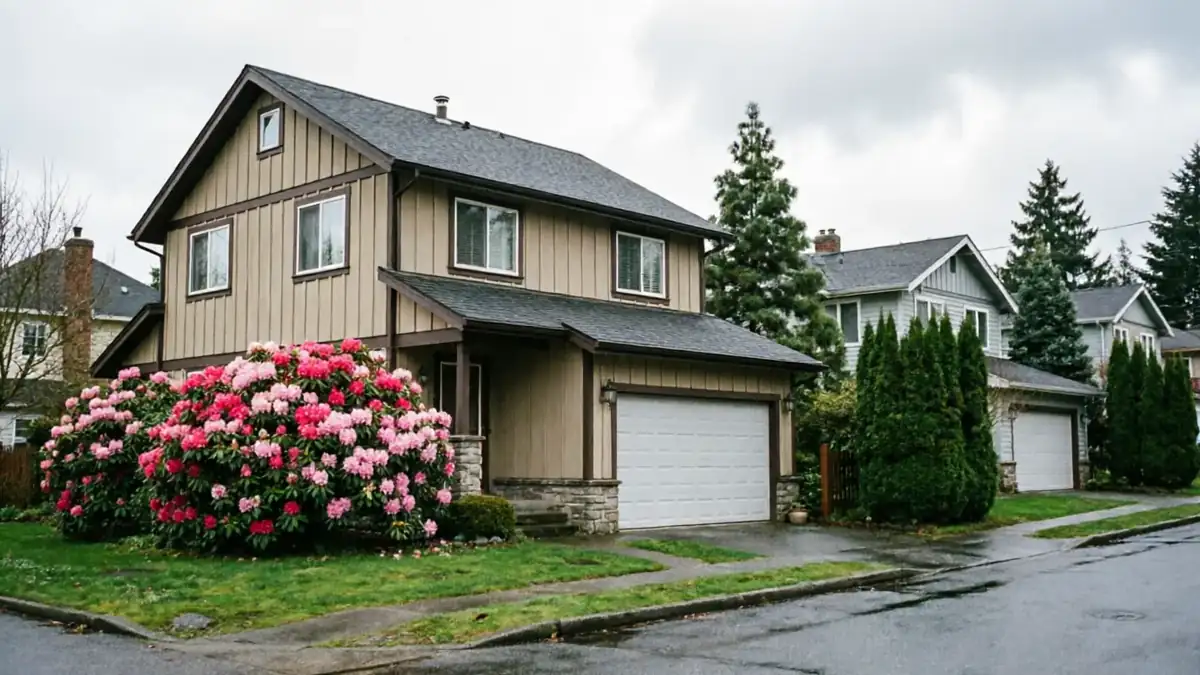
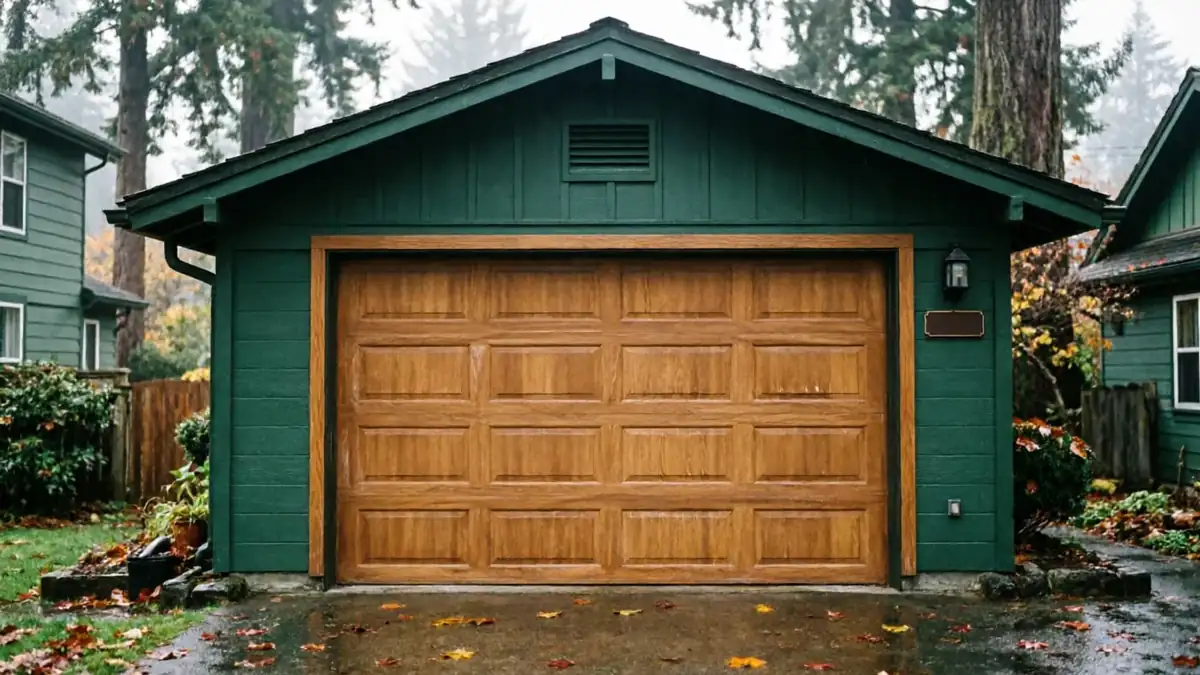
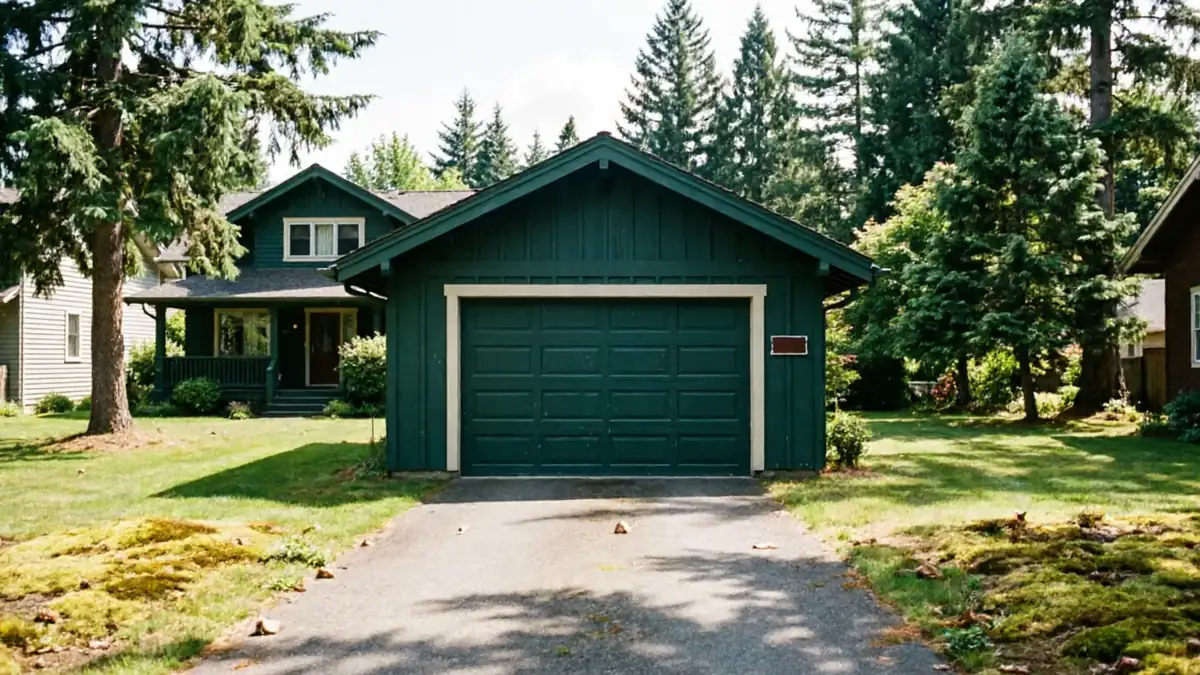
Monroe's housing runs younger than a lot of what we see elsewhere in our coverage. Median year built here is 1996, which puts most of the neighborhood into a narrower, later build window than the 1968-2000 spread (median 1989) we see across the wider service area. That ten-year gap from the broader median is enough to change what's actually hanging in these garages. A house built in 1996 almost certainly came with a factory steel sectional door on a standard torsion spring system - not the older single-panel or side-mounted setups that show up in the pre-1980s pockets elsewhere. Monroe also has about 6,113 households and a median income of $107,556, somewhat below the wider service-area median of $127,043. That mix tends toward mid-tier factory doors rather than high-end custom installs, which is the segment we see the most call volume from anyway.
What That Means for Doors
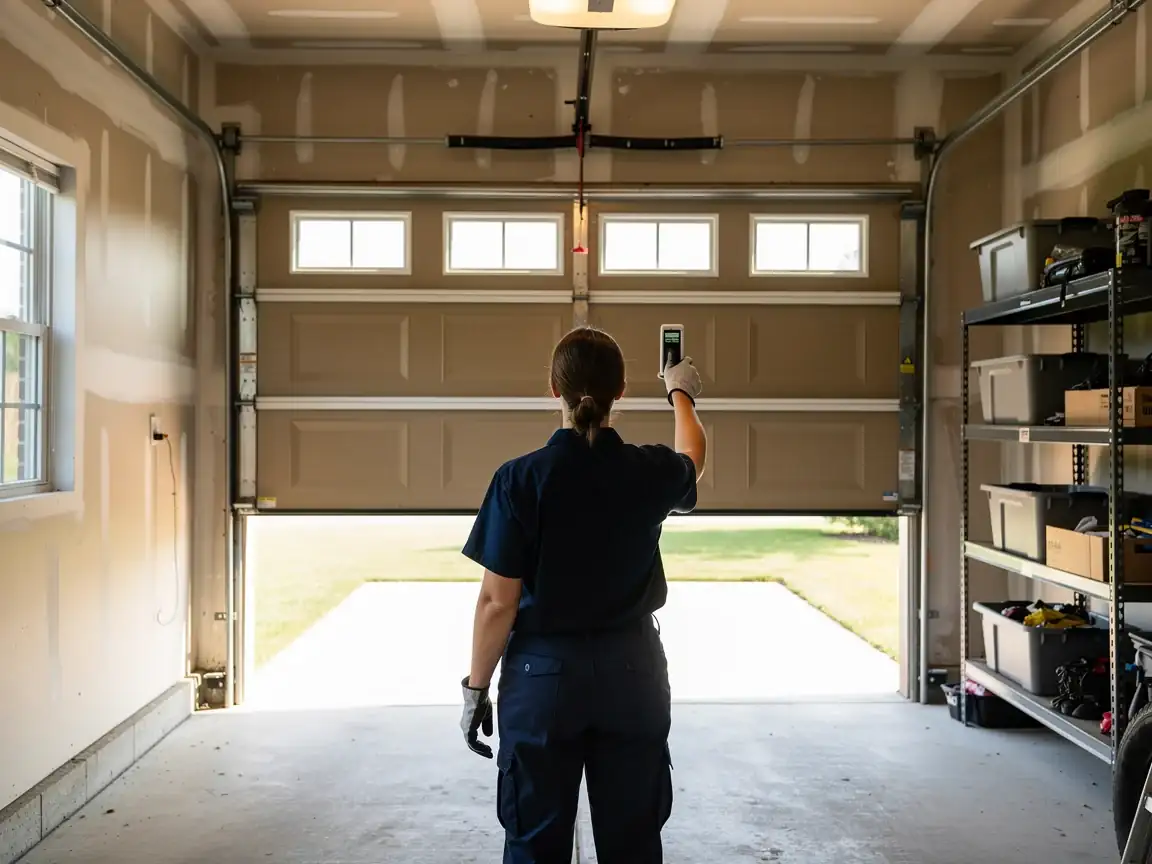
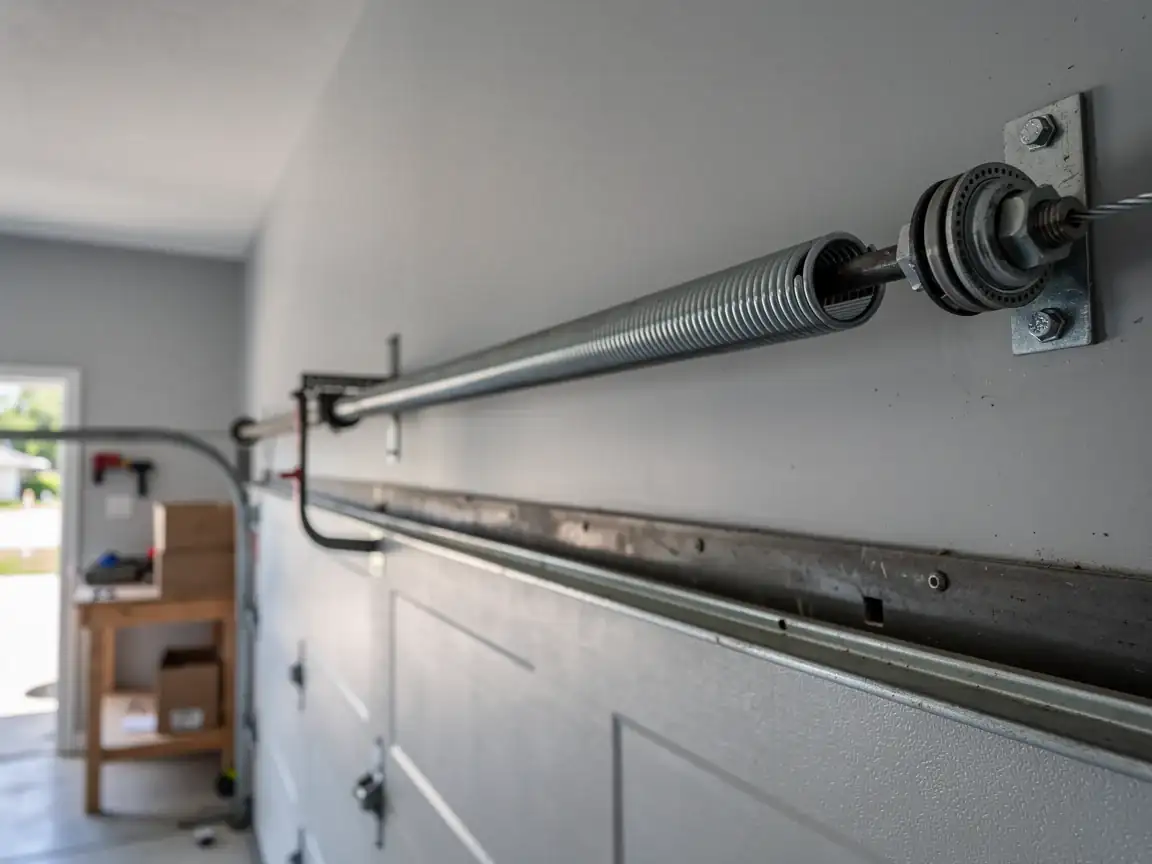
A door installed in the mid-90s is now pushing thirty years old, and that's exactly the age where the first-generation hardware on it starts failing - not catastrophically, just one part at a time. Torsion springs from that era are usually rated for a cycle count that's long since been used up if the door's original. Nylon rollers from the same install age out and start cracking, which you hear as a grinding rattle before you see it. Openers from the mid-90s to early 2000s are also right at the point where circuit boards and logic chips fail outright rather than being repairable. We're in a cold-moderate climate band here, which isn't the harshest in the country, but it's still enough freeze-thaw cycling over three decades to stiffen or crack the weatherstripping and dry out track lubrication on a door this age. None of this is unique to one house - it's close to universal for a build cohort this size and this age.