Why It Happens Here
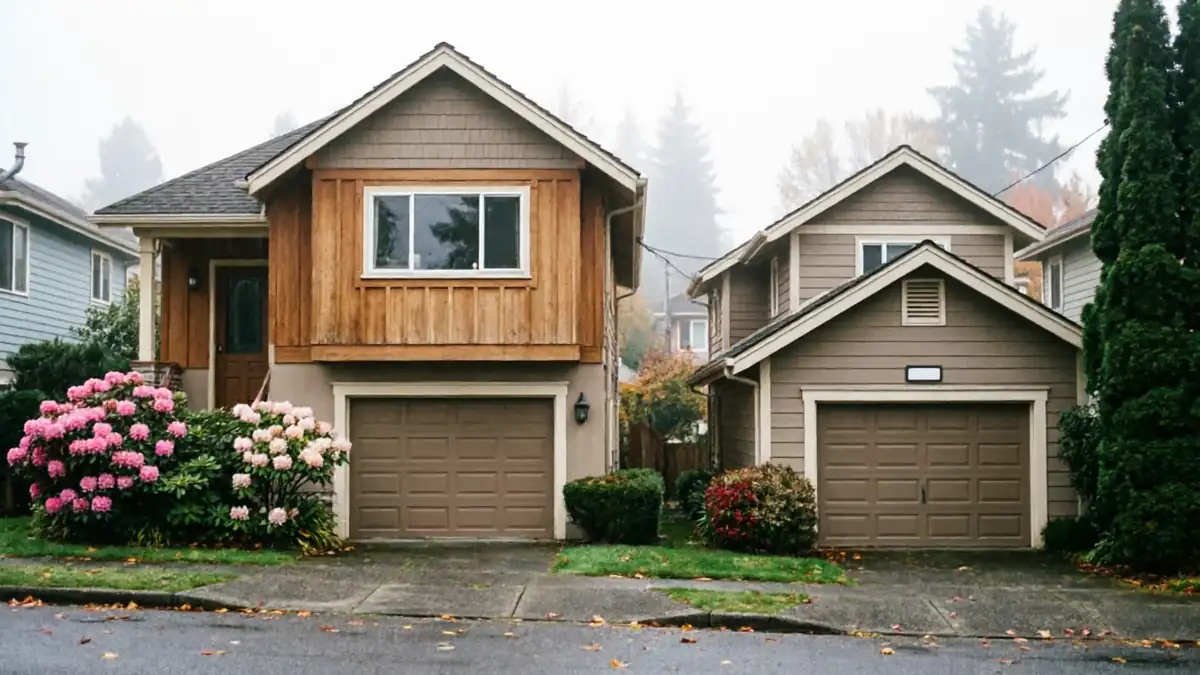
Most houses in this area went up between 1968 and 2000
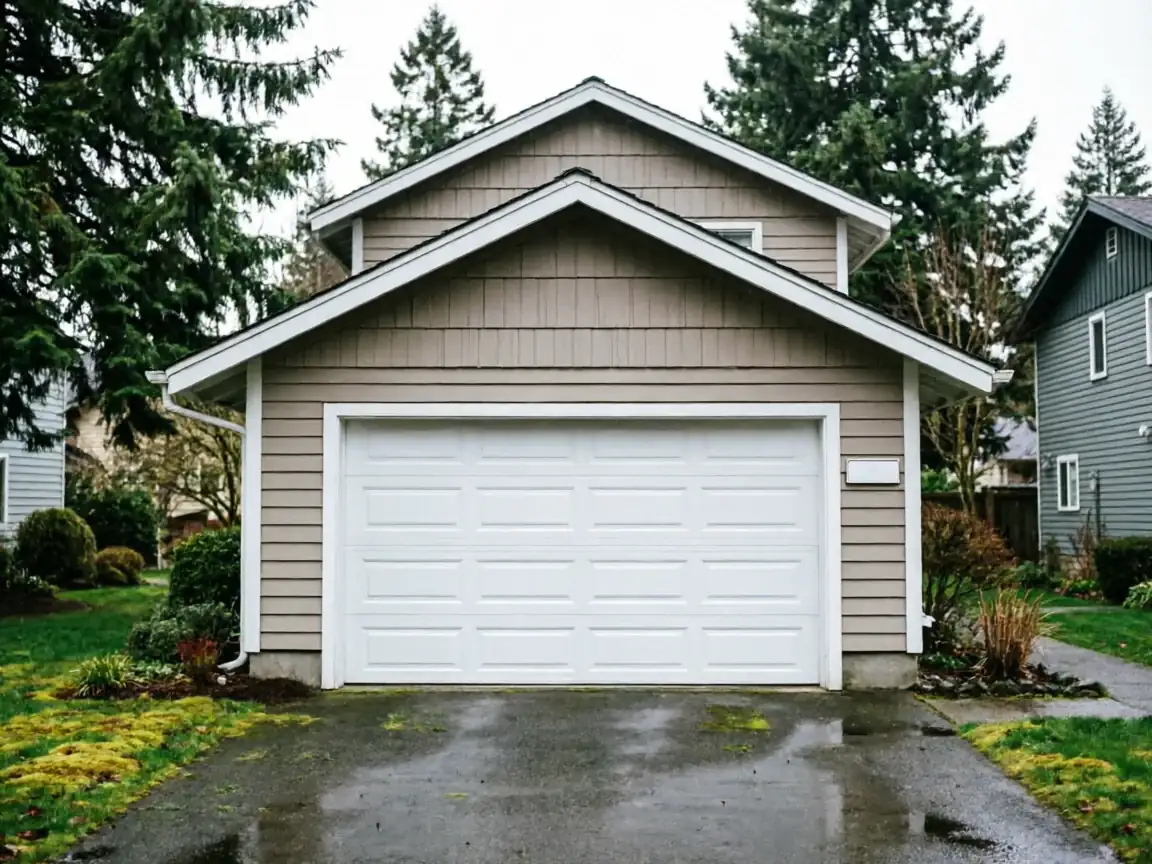
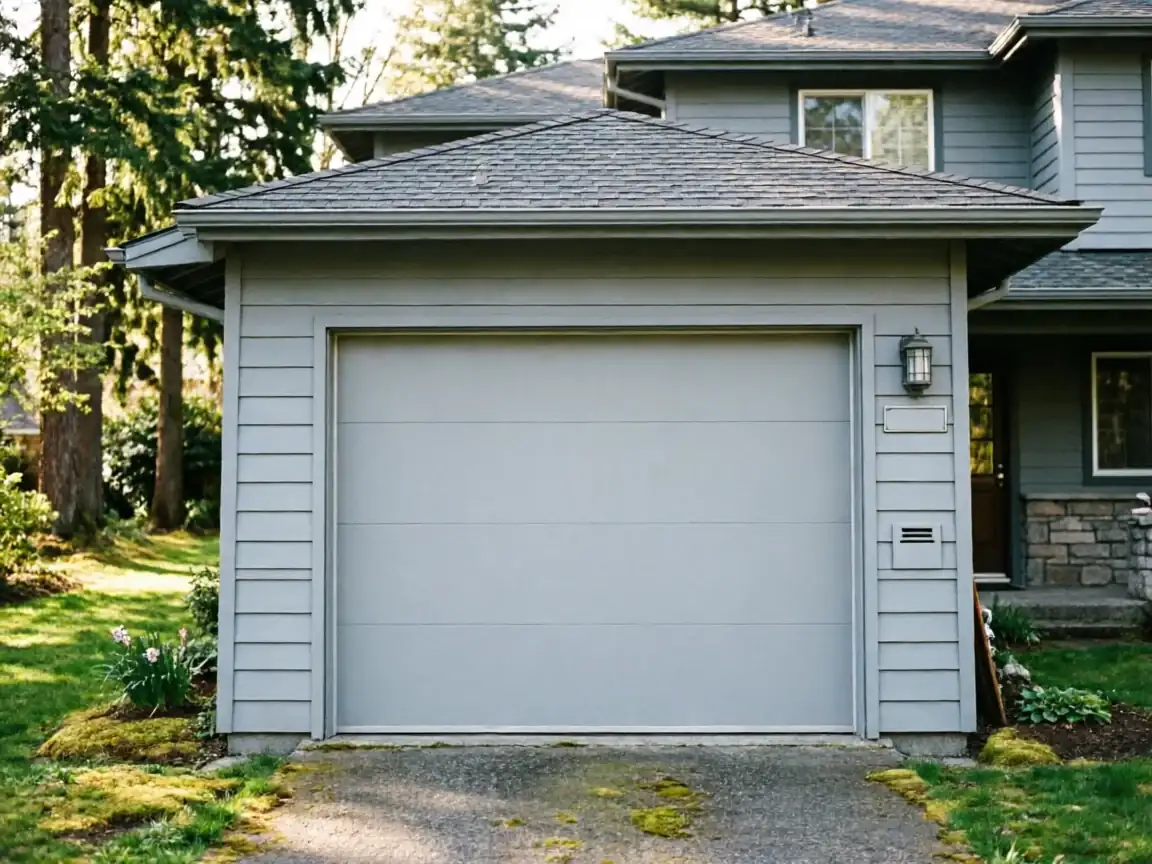
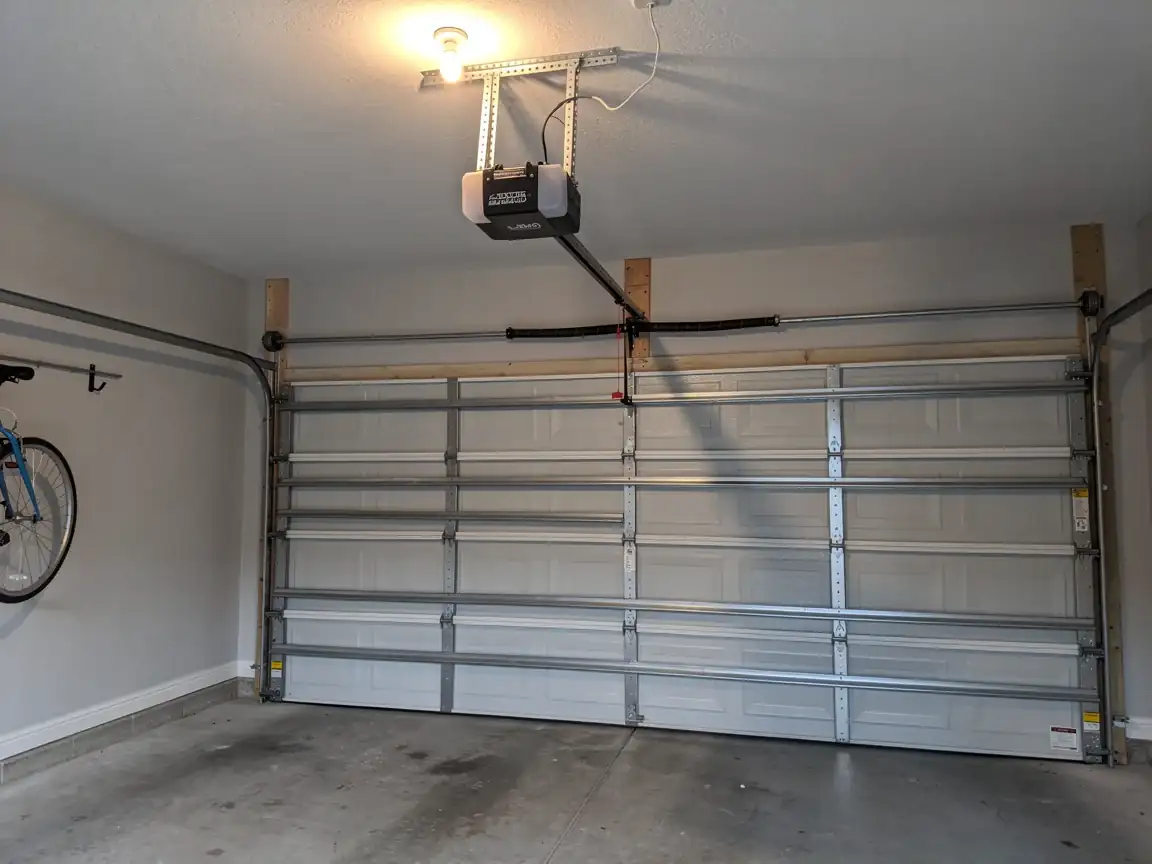
With the median build year landing around 1989. That matters for installs because the original single-layer steel doors and the chain-drive openers that came with those houses are now thirty-plus years into service. Springs stretch out, drums wear, and the door itself is often the same panel the house was built with.
Mill Creek sits in a cold, moderate climate band, not the kind of heat that cracks panels
But the kind of damp cold that works into seams and hardware over decades. An uninsulated door built for 1980s code doesn't hold heat the way a current double-wall steel or composite door does, and homeowners feel that difference in the garage itself, especially if it's attached to living space.
Across the mix of neighborhoods that make up this stock
Areas like sitting within a few miles of each other - the builder-grade doors from that same construction wave share the same aging torsion springs and the same single-wall panel construction. When one fails, it's rarely an isolated case; it's the whole era of houses catching up at once. That's the pattern that drives most installation calls, not storm damage or an accident, just age doing what age does.
The DIY Question
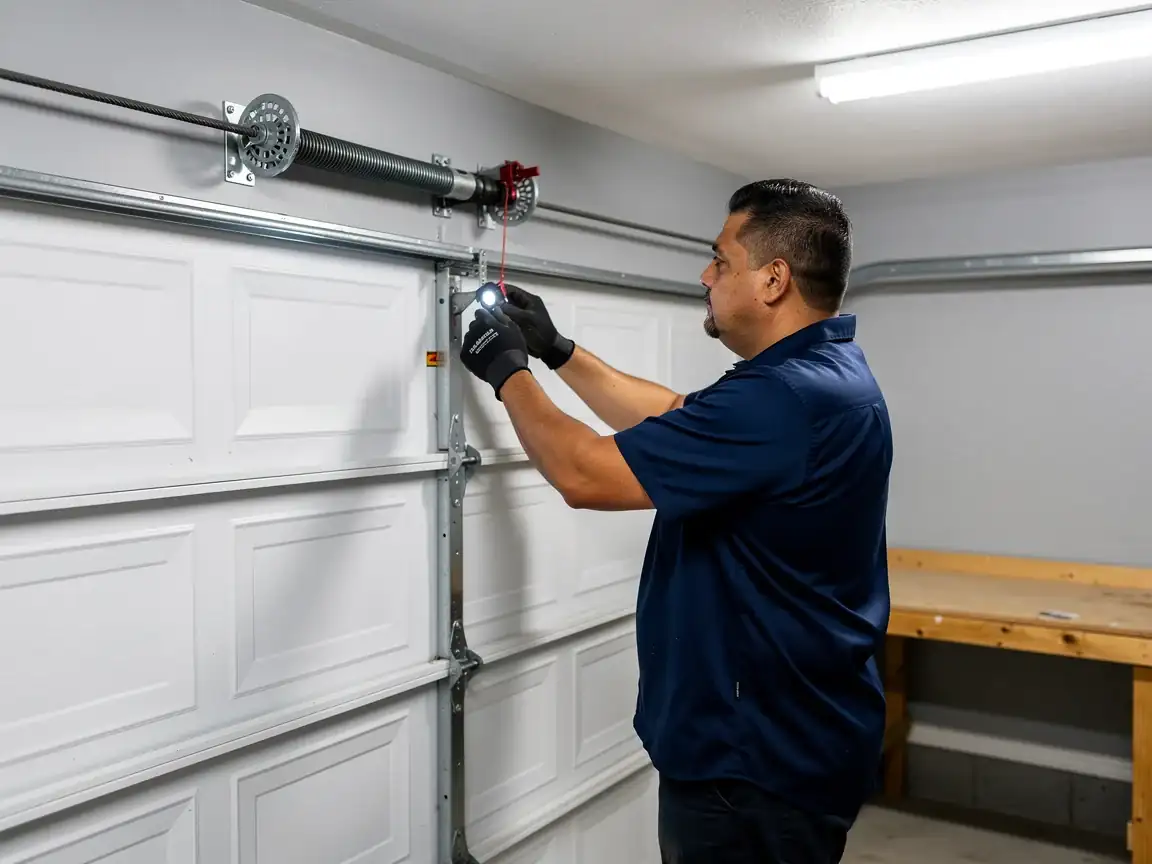
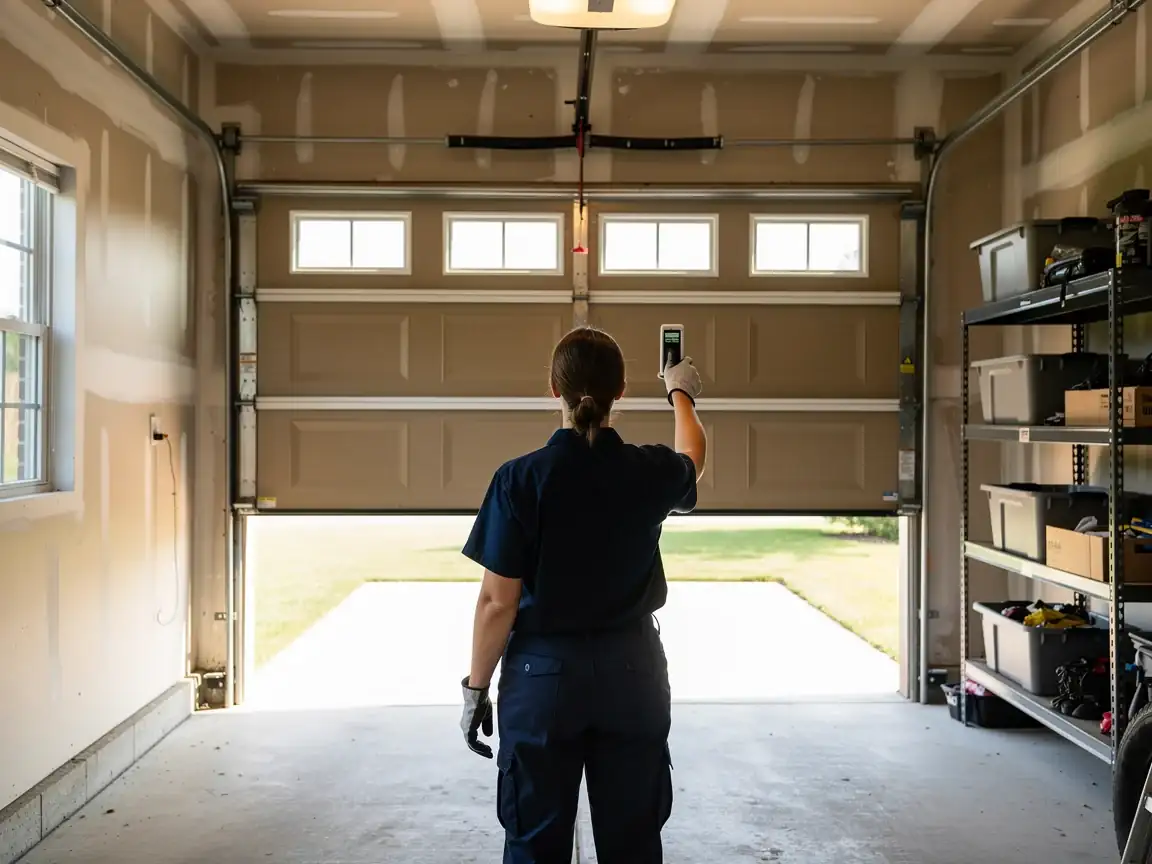
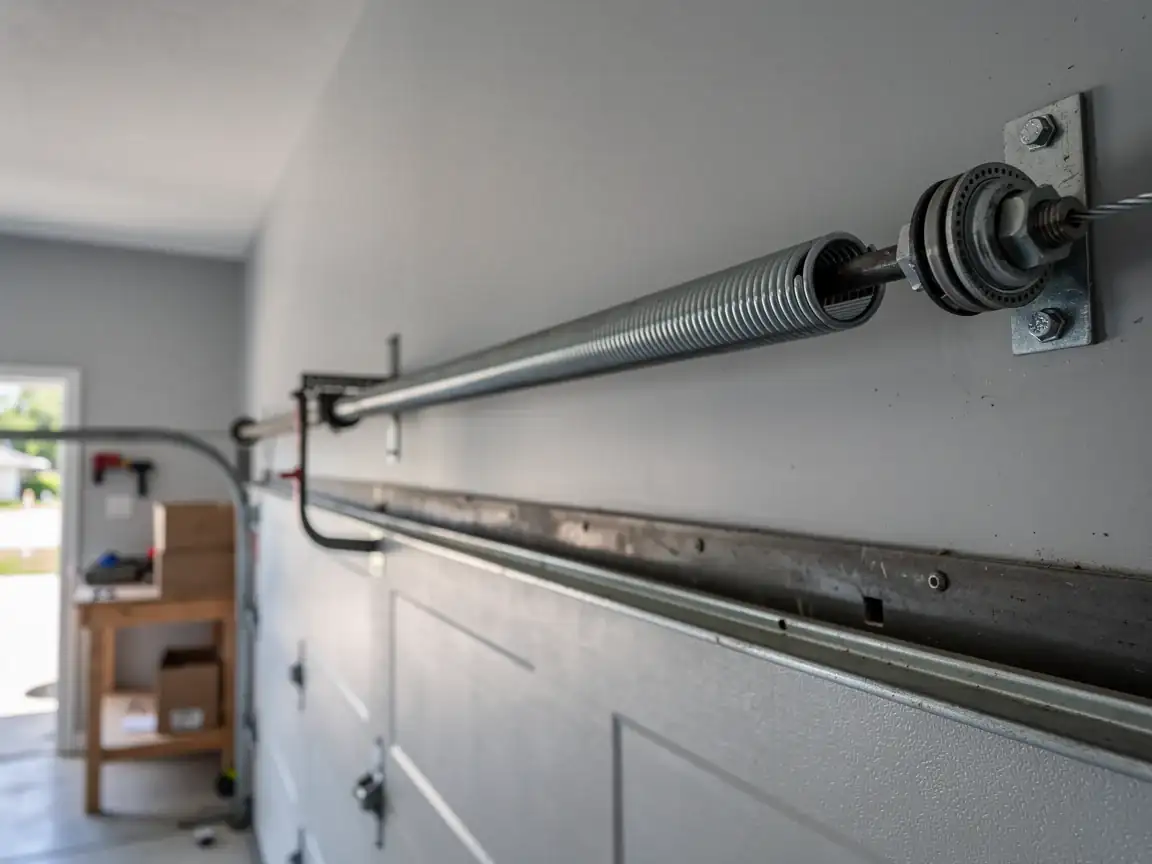
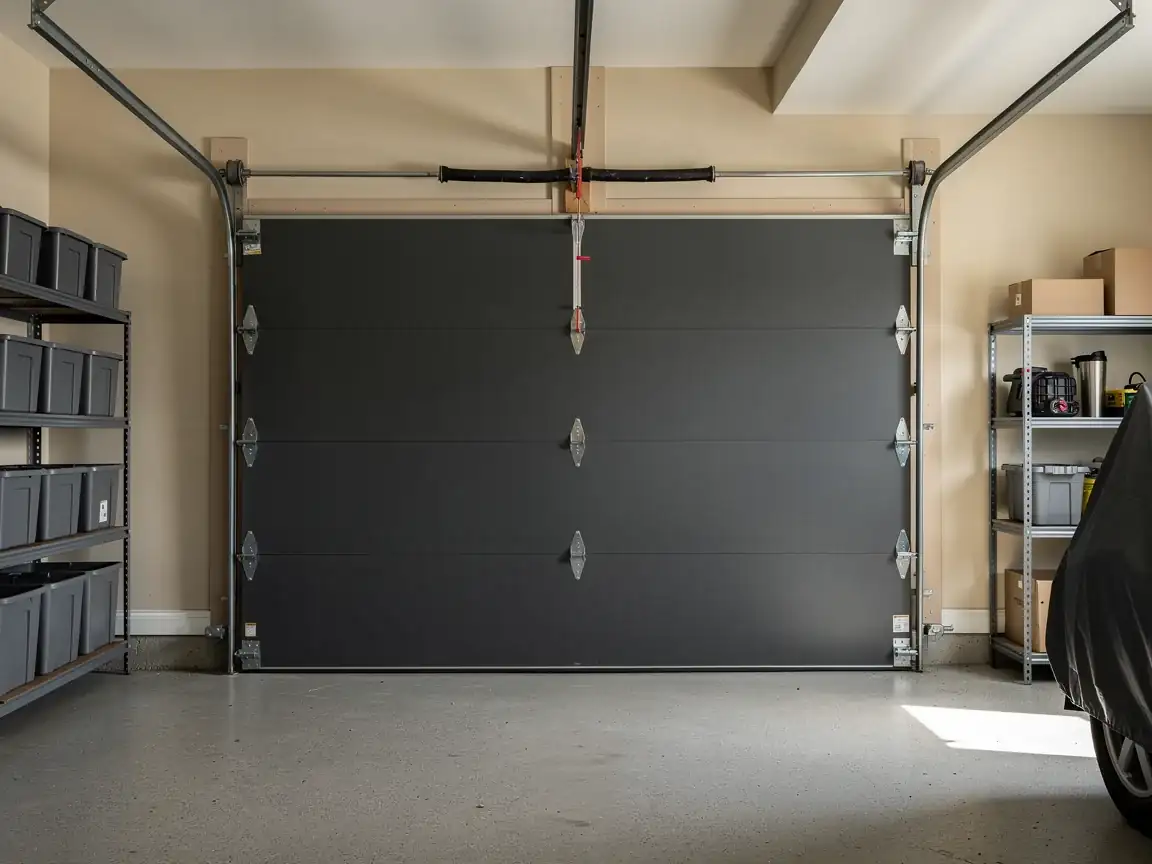
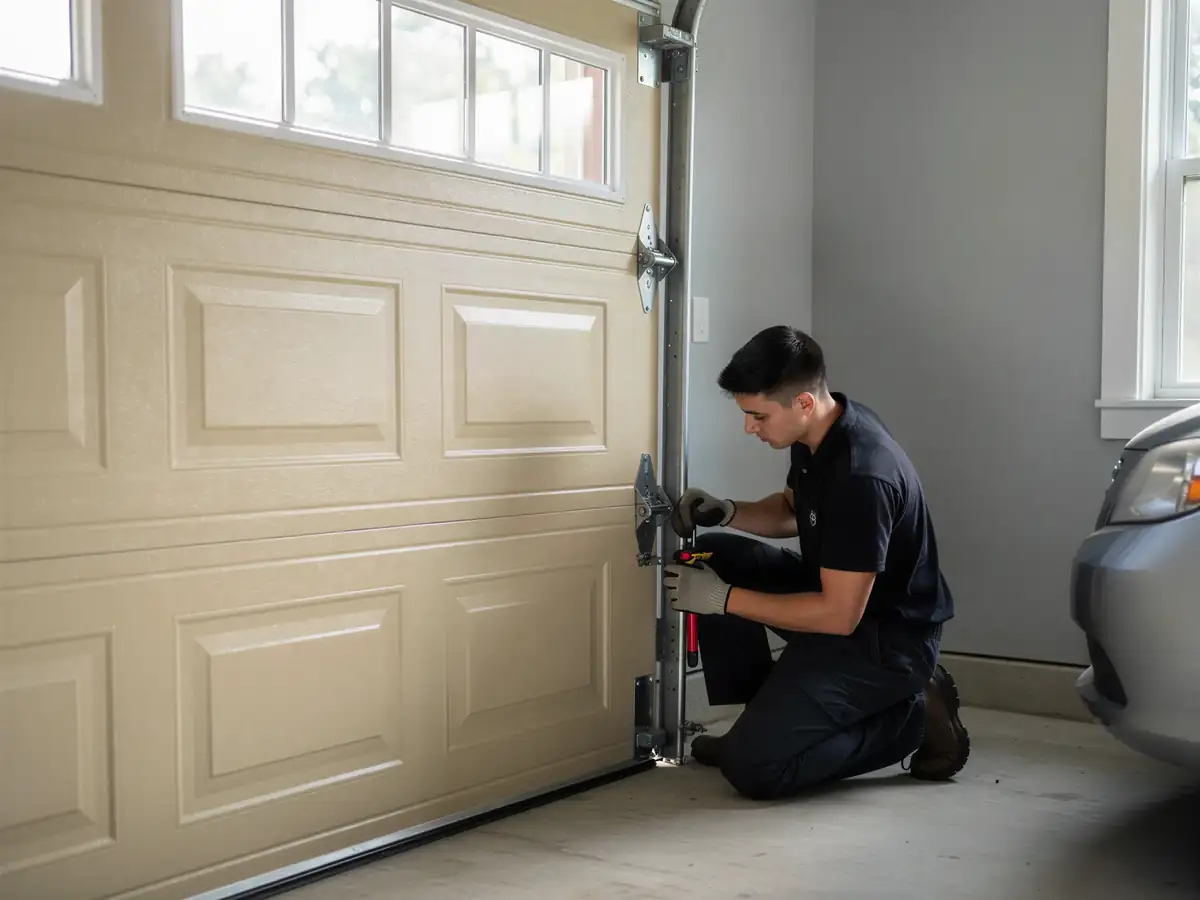
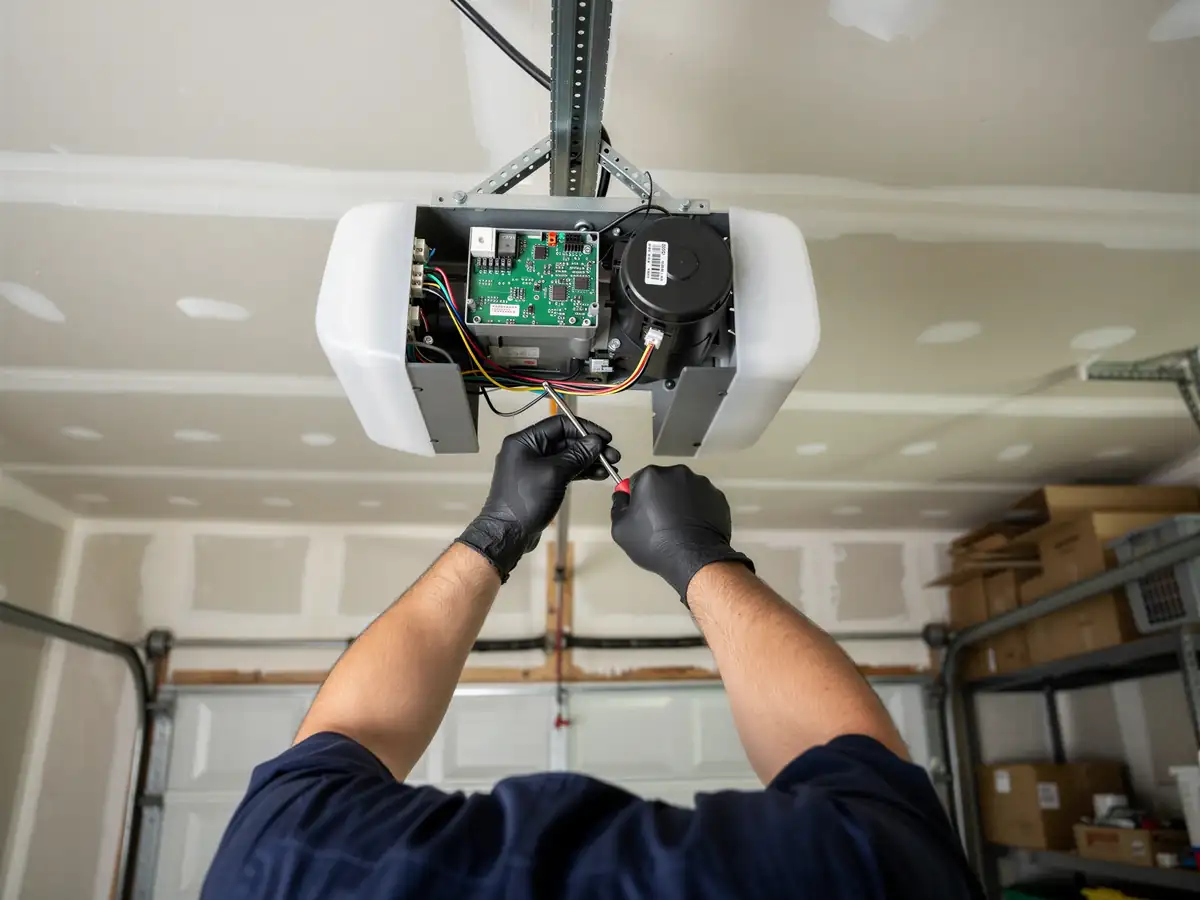
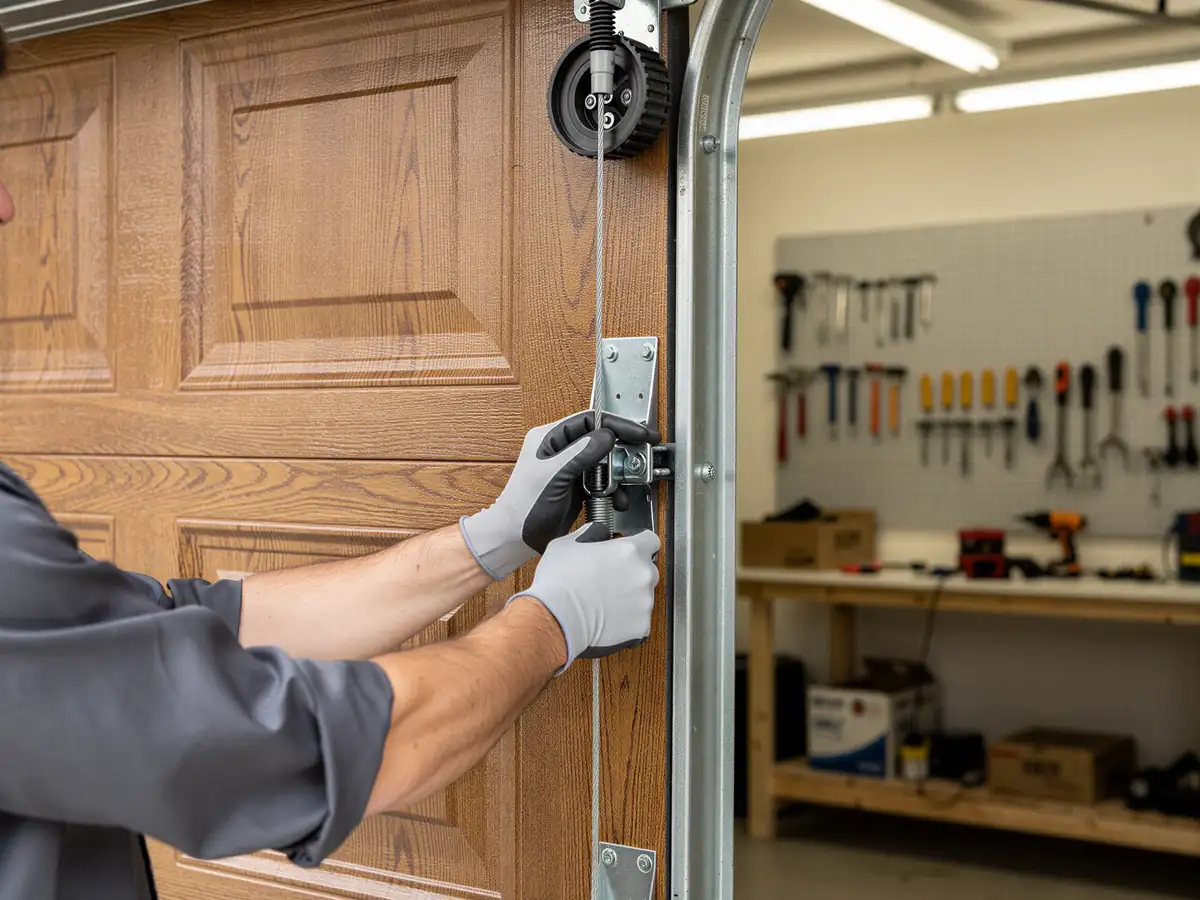
A torsion spring under tension can put someone in the hospital, and a full door install means setting that spring correctly, squaring the track, and getting the opener's travel limits dialed in so the door doesn't reverse on a car or a kid's bike. This isn't a weekend project with a box-store kit and a ladder. We say that plainly because plenty of guides online make it look simple, and it isn't.
Where a homeowner can reasonably step in is the decision stage: measuring the opening, deciding on insulation level, picking a style that matches the house. That part doesn't need a truck. The install itself - lifting a 150-plus pound door into place, winding springs to the right turn count, wiring a new opener into an existing circuit - is where the risk sits.
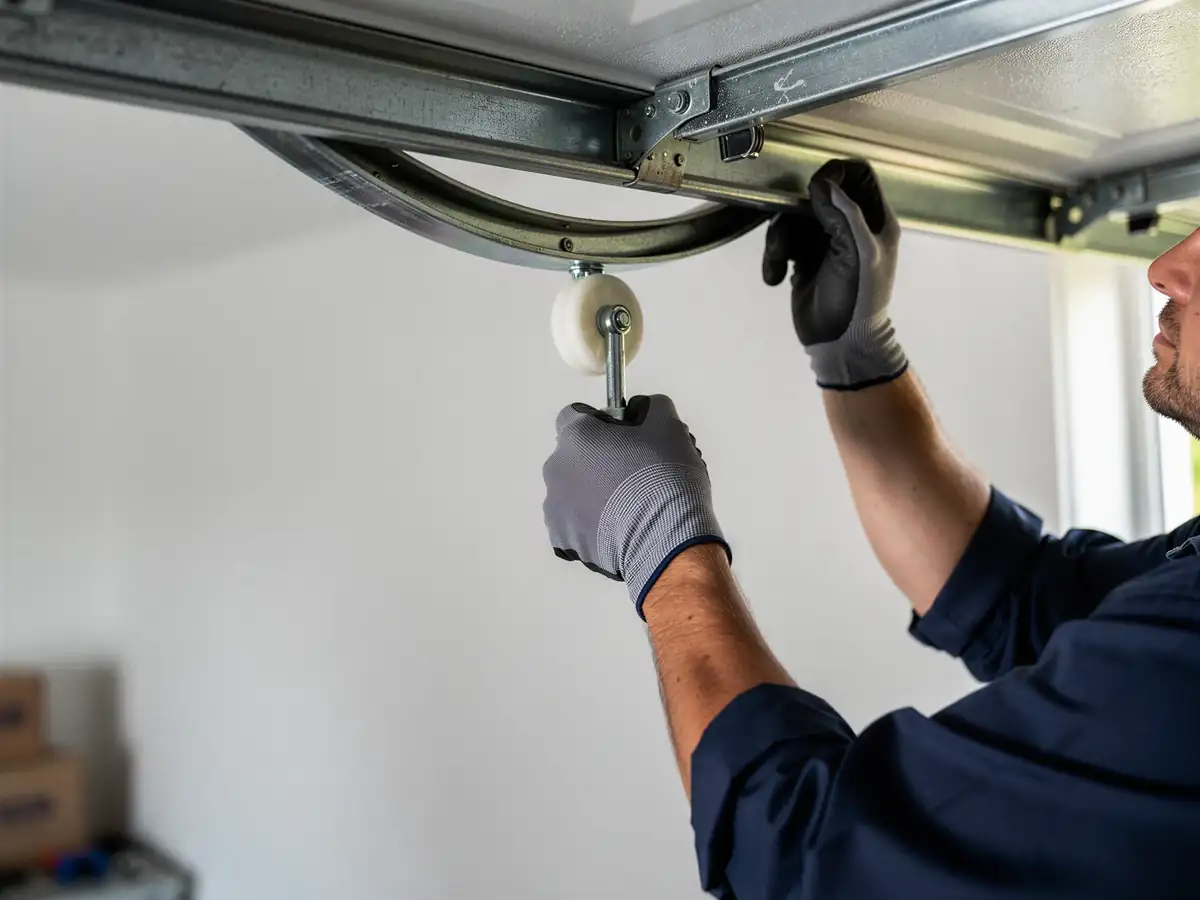
Here's the honest limitation: if your existing track and header are out of square from years of settling, a straight swap-in install sometimes isn't possible without reframing, and that's a bigger job than a standard install quote covers. We'll tell you that before we start, not after the door's half up.
Getting It Booked In
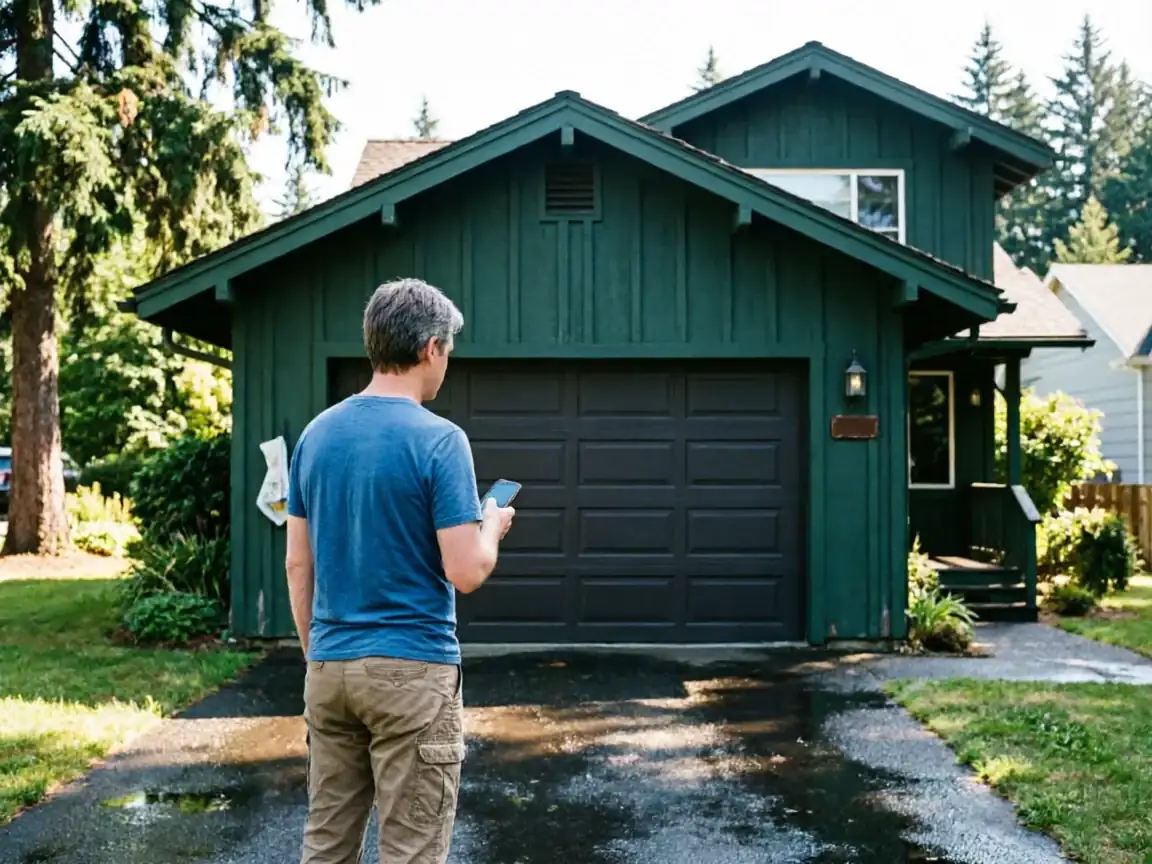
Booking starts with a look at what's there now - door size, track type, whether the opener is original to the house or already replaced once. Most of the homes we see on install calls fall into that 1968-2000 window, so we're usually working with a known set of openings and hardware patterns rather than something unusual.
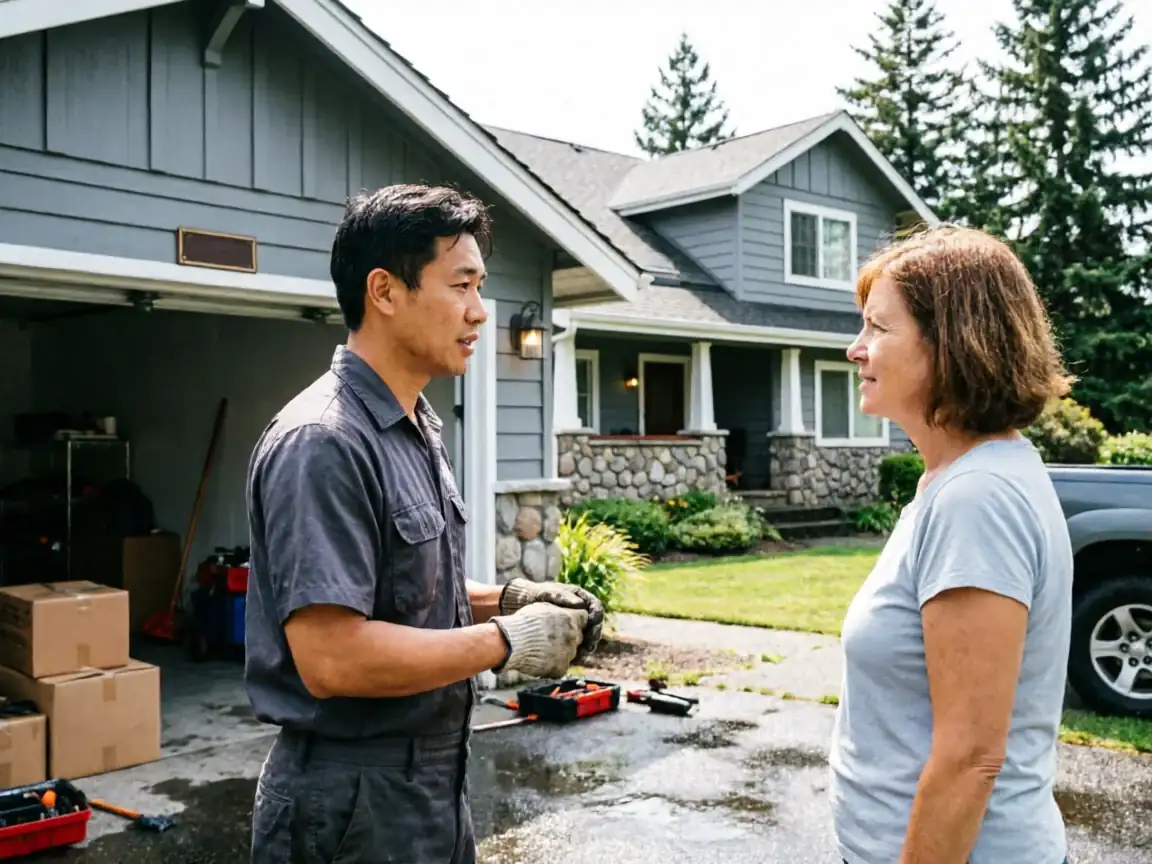
We cover Mill Creek and the surrounding areas, including Martha Lake, Lake Stickney, Silver Firs, and Alderwood Manor, all within a few miles. If you're farther out toward Snohomish or Monroe, give us a call and we'll tell you straight whether it's in range for a given week.
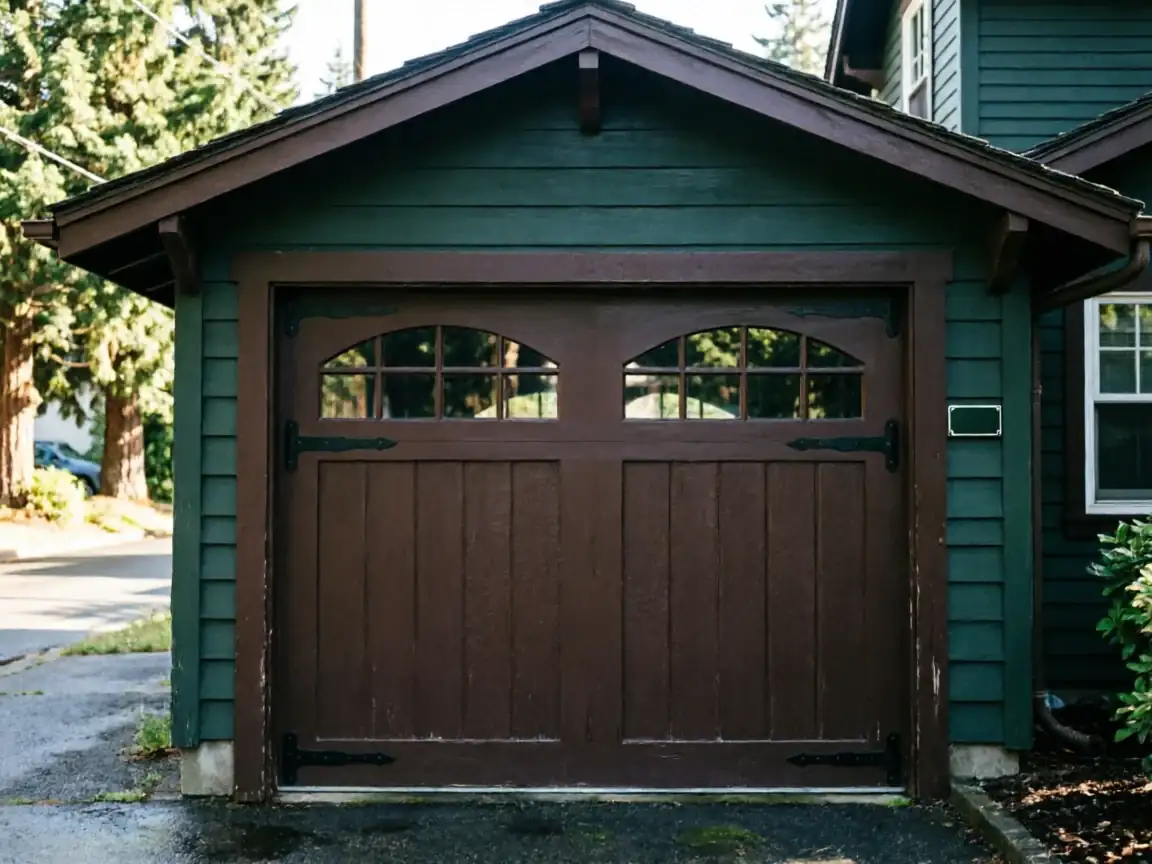
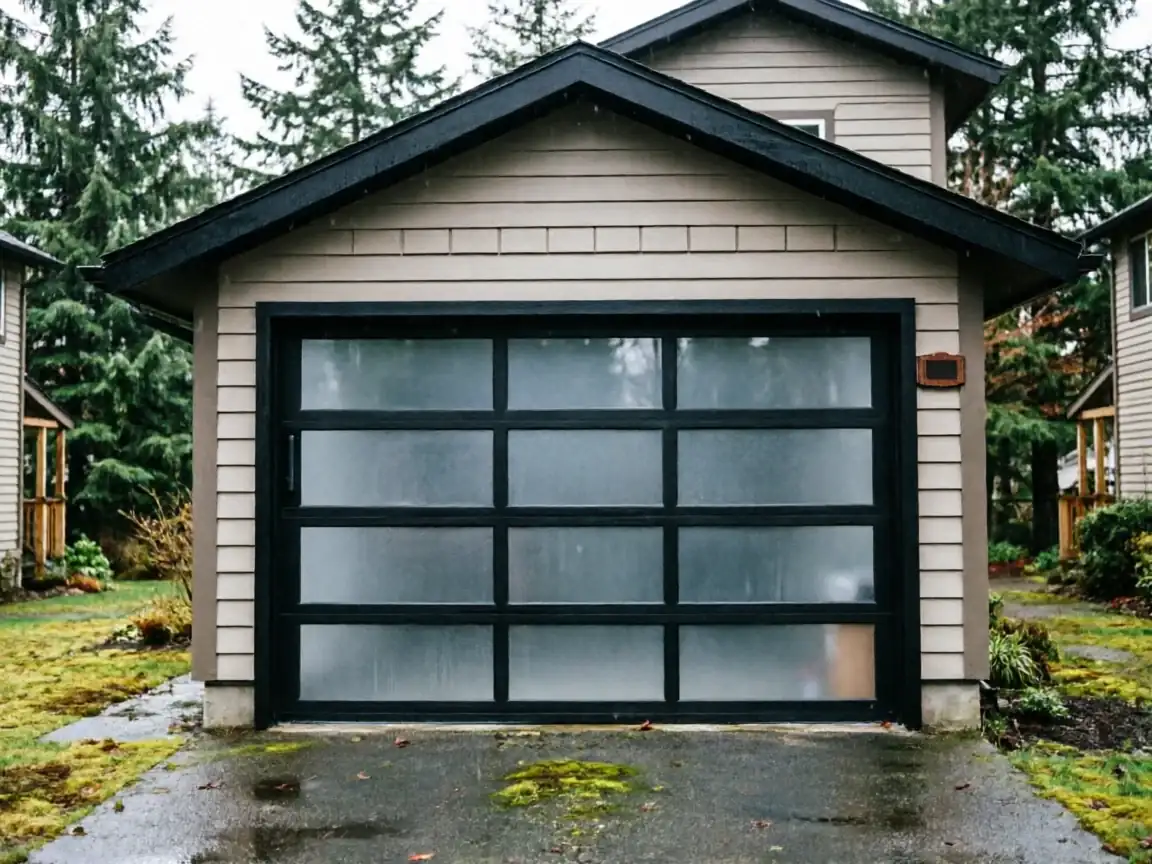
With a median household income of $127,043 across the service area, most owners here choose a fully insulated steel or composite door rather than the base-level option, since the difference in comfort and noise is noticeable in a climate that's cold and damp more months than not. We'll walk through the options that fit your opening and your budget, not just the one on the showroom floor.
See our home page for the full range of what we handle beyond installation.
What You Are Seeing
The signs that point to a replacement rather than another repair usually show up together
A door that sags visibly at the bottom corners when it's down. Daylight showing under the edges even with the weatherstrip intact. An opener that strains, grinds, or stalls partway through its cycle because the door itself has gotten heavier to lift as the springs lose tension unevenly over the years.
With roughly 53,676 owner-occupied houses across this service area
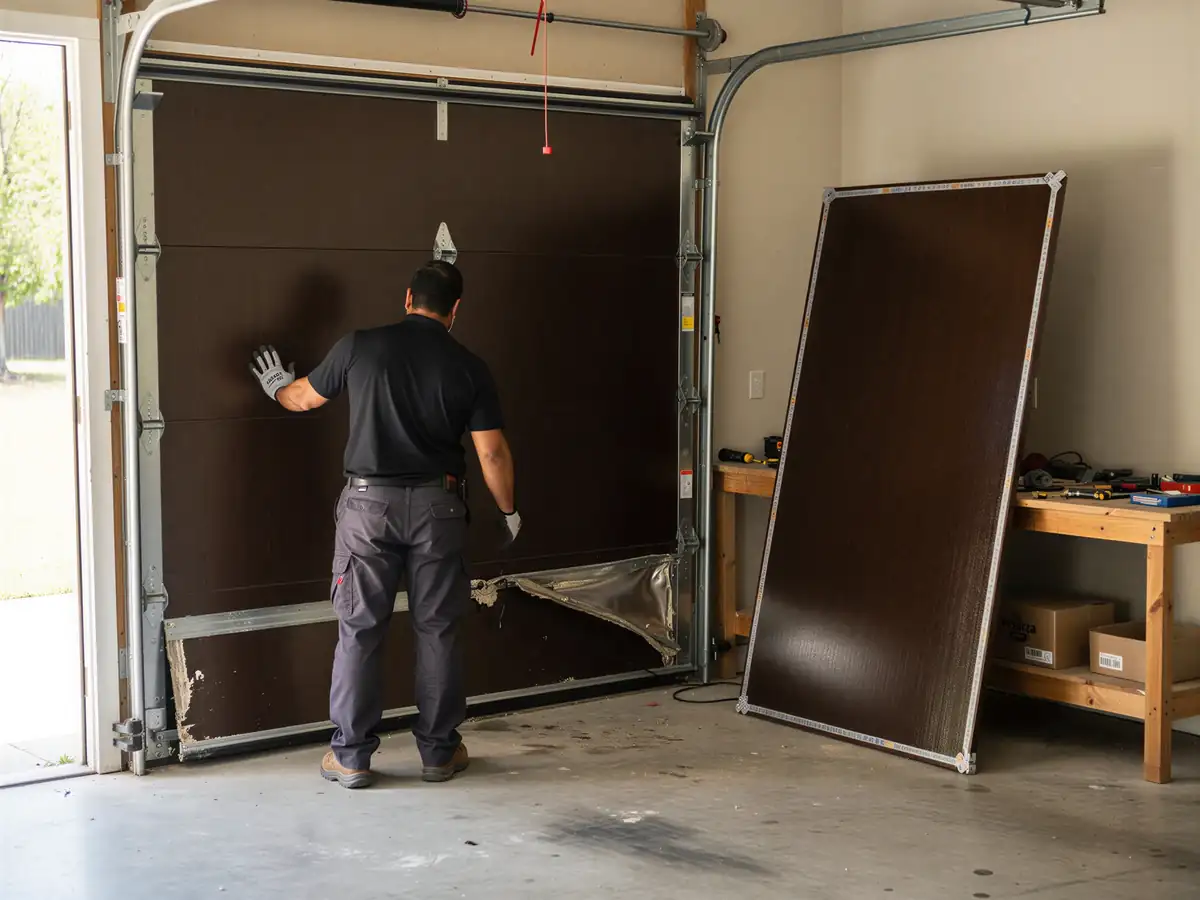
Swapping an original single-layer door for a current double-wall install is one of the most common jobs we book, and it's rarely a surprise to the homeowner by the time they call. They've usually noticed the door getting slower, louder, or harder to trust around kids and cars for months before deciding it's time.
- 53,676 owner-occupied
If your door is still tracking straight and the spring is holding tension evenly
A repair might solve it without a full install - we'd rather tell you that than sell a door you don't need yet. But once the panel itself is warped or the track is pitted from age, patching it is a short-term fix on a problem that's structural, not mechanical.