Why It Happens Here
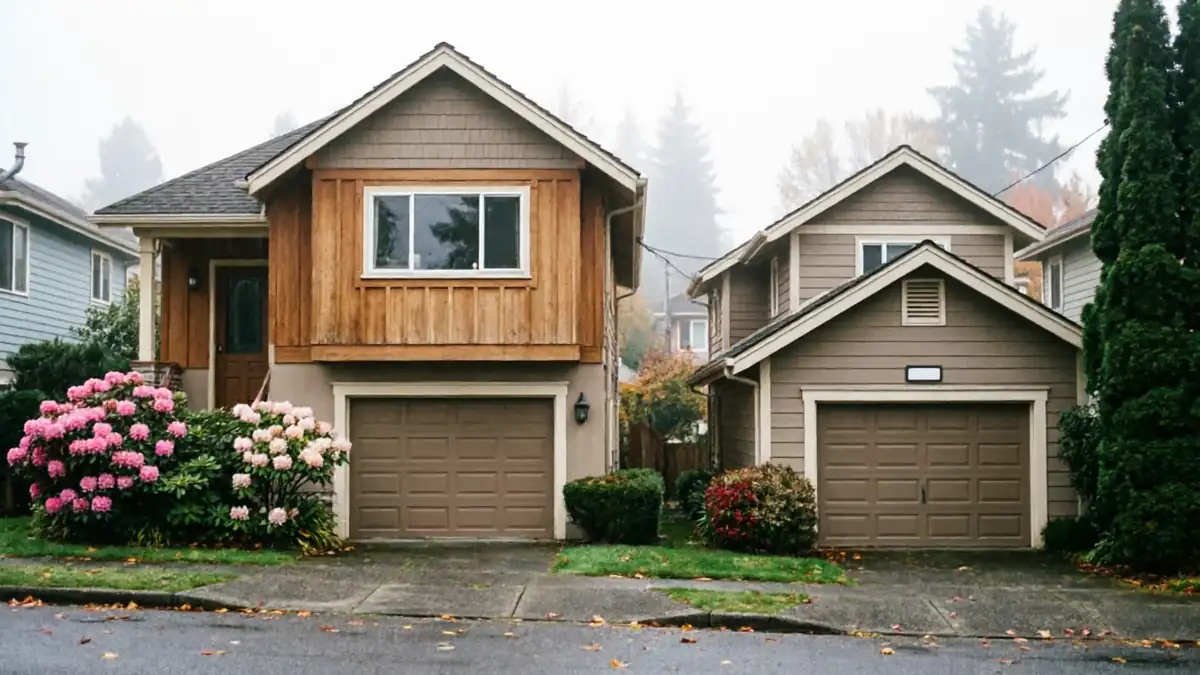
Most of the housing stock in this area went up between 1968 and 2000
With the heaviest build-out through the 1980s and into the 90s - median year 1989. That era is important for one reason: builder-grade steel rollers with unsealed bearings were standard on nearly every door hung in that window, across all 31 named neighborhoods in this service area. Those rollers were never meant to run 30-plus years.
The climate here doesn't help
This is a cold, moderate band with regular damp stretches, and moisture works into the bearing and the roller stem long before the track itself shows any wear. You get a dry, worn bearing that seizes, then a roller edge that flat-spots or cracks, then a door that bangs or drags on every cycle. Nylon rollers, more common in homes updated later, hold up better against rust but wear down at the edge until they're out of round and start slapping the track on the way up. Either way, by the time you hear it, the roller's past the point of lubricating your way out of it.
The DIY Question
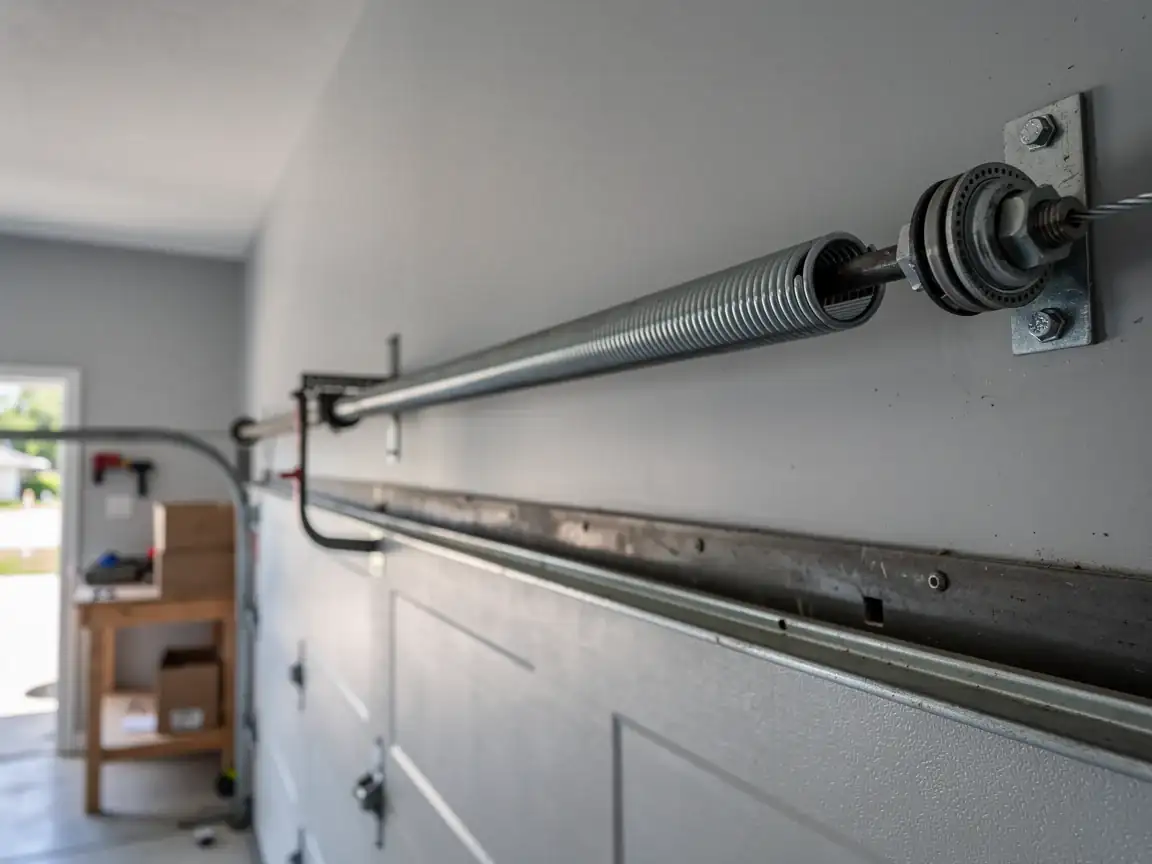
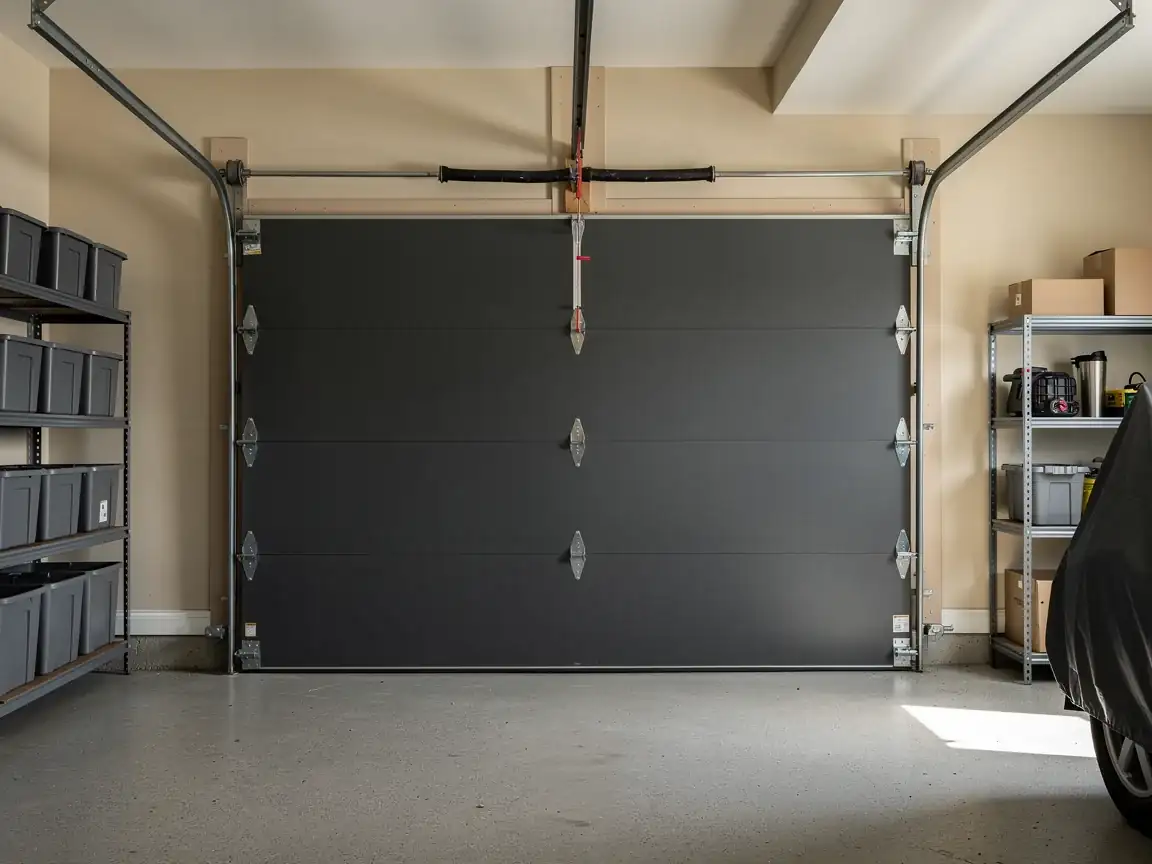
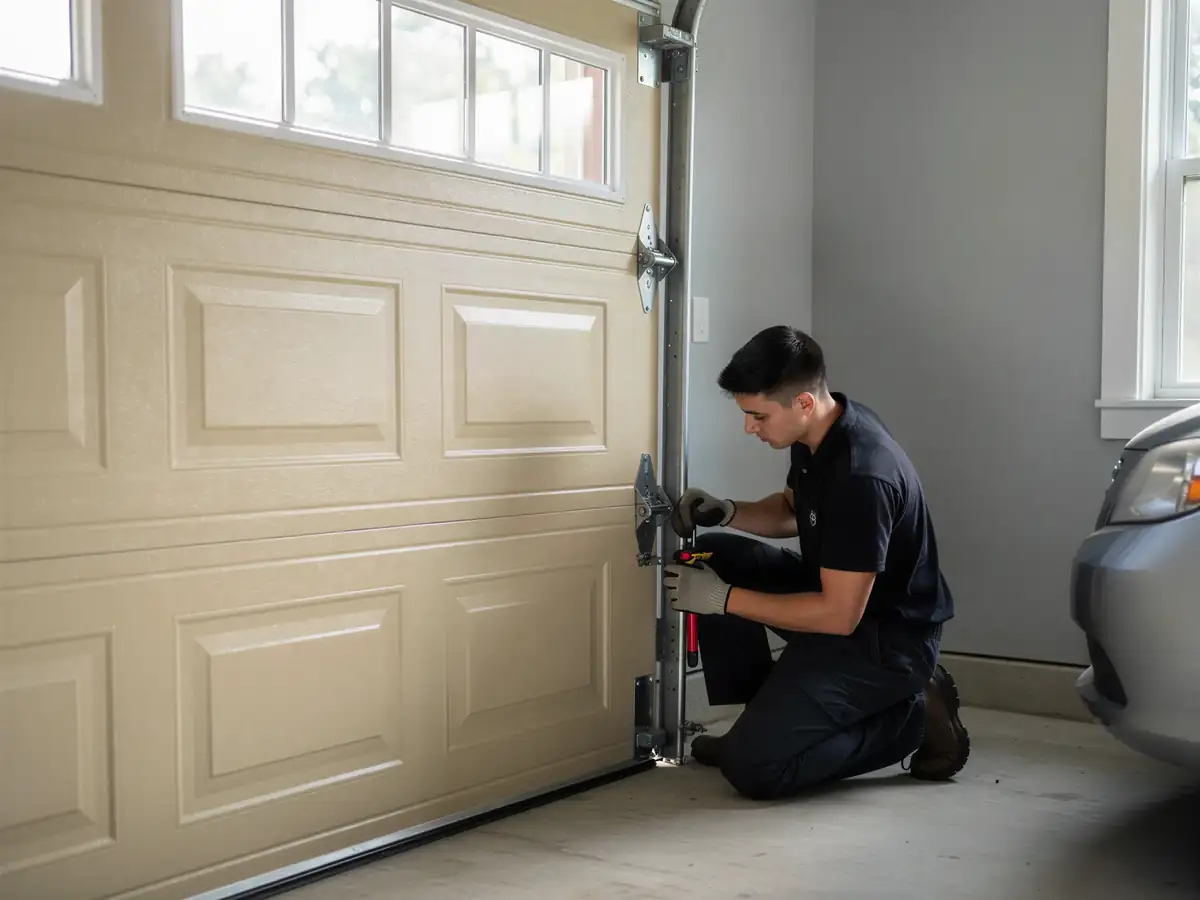
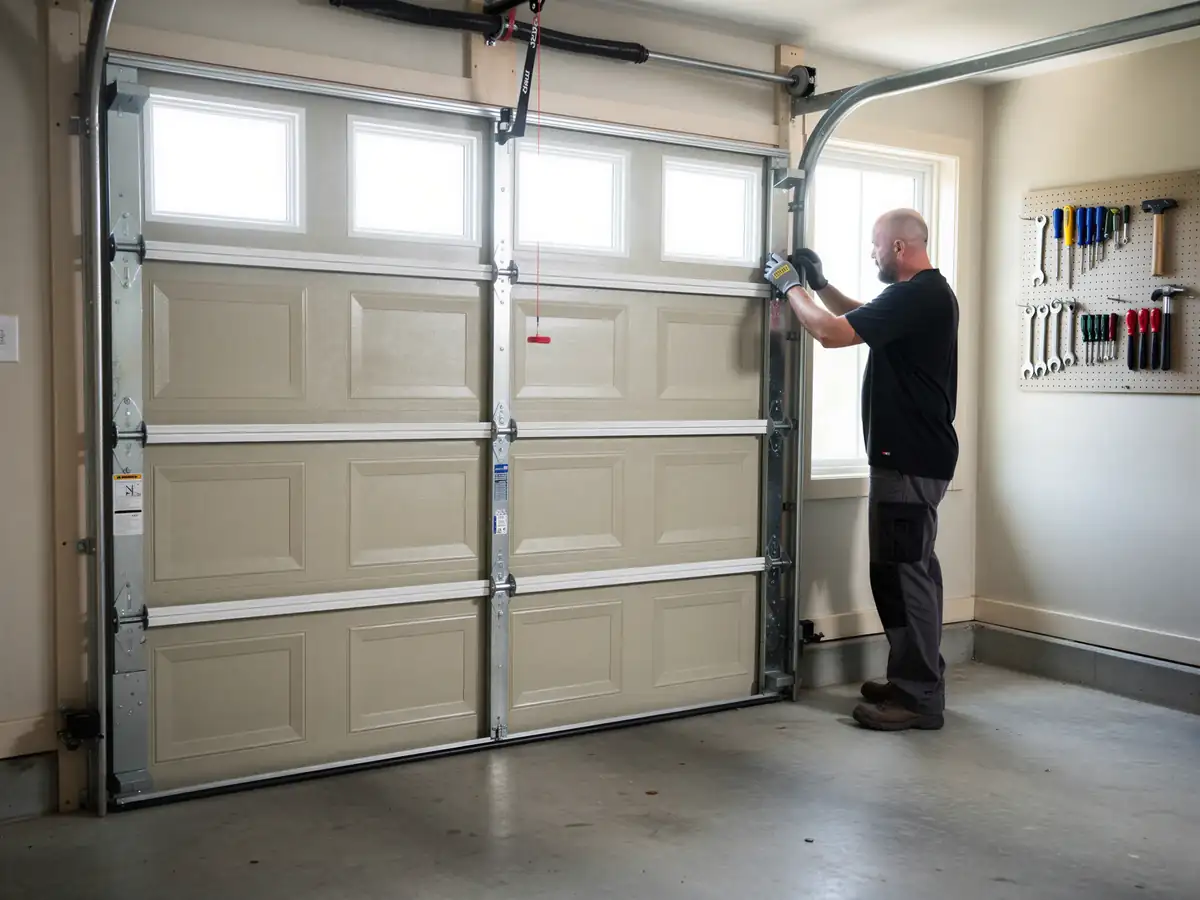
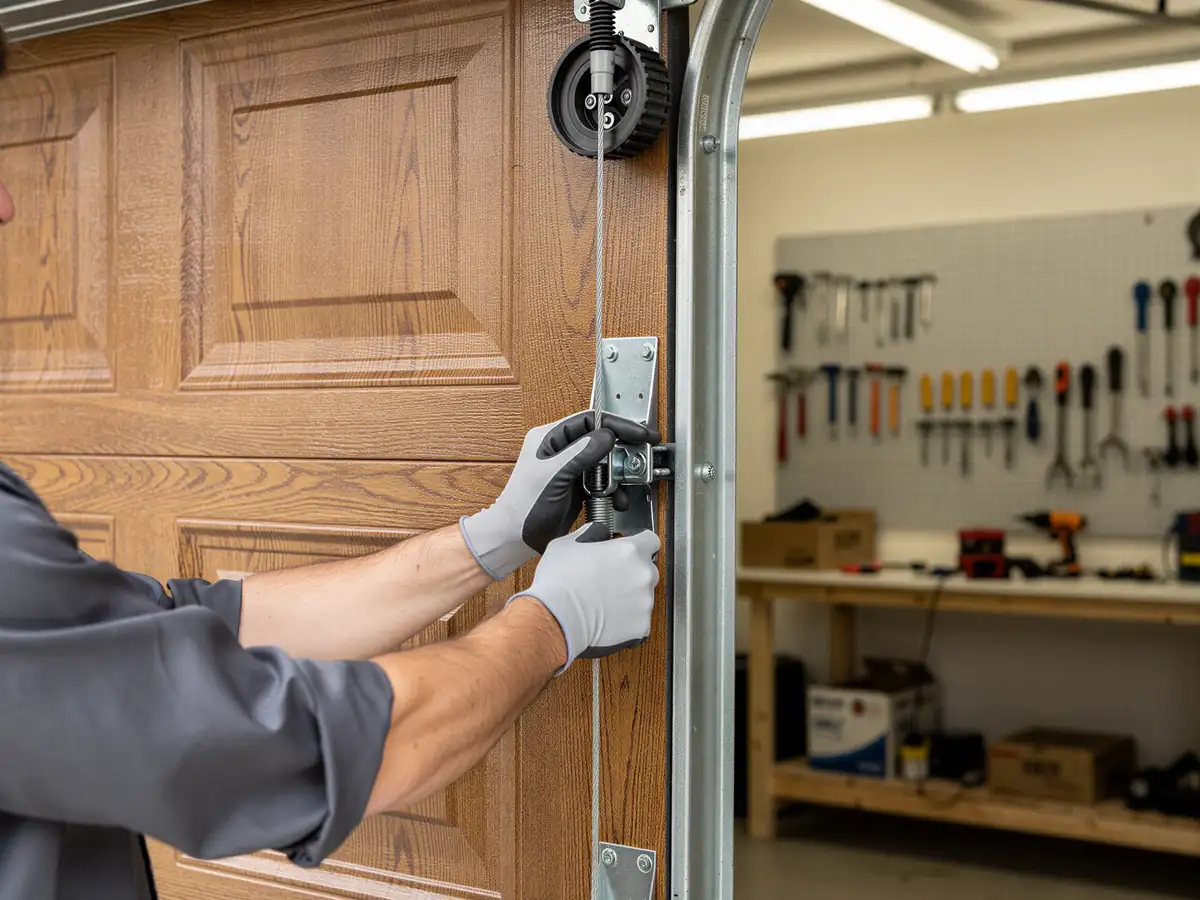
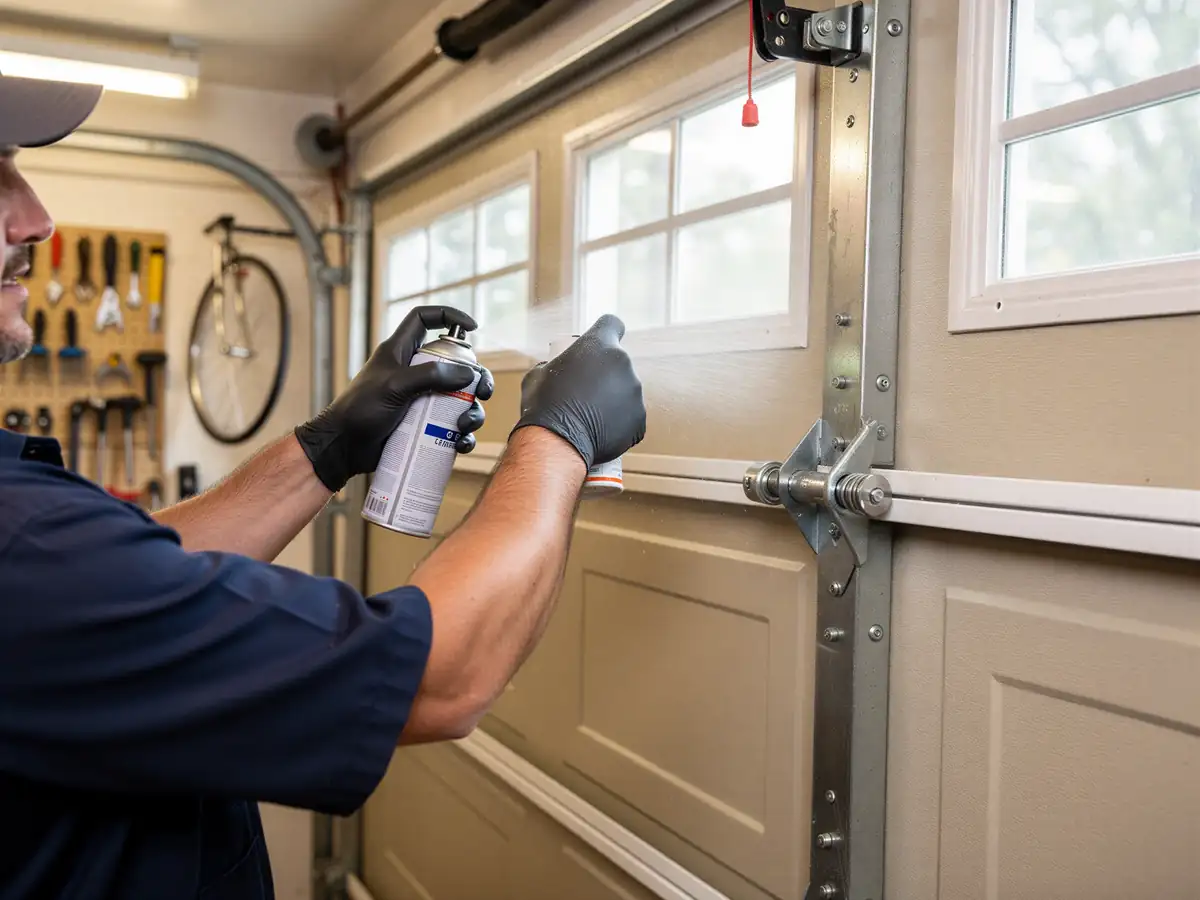
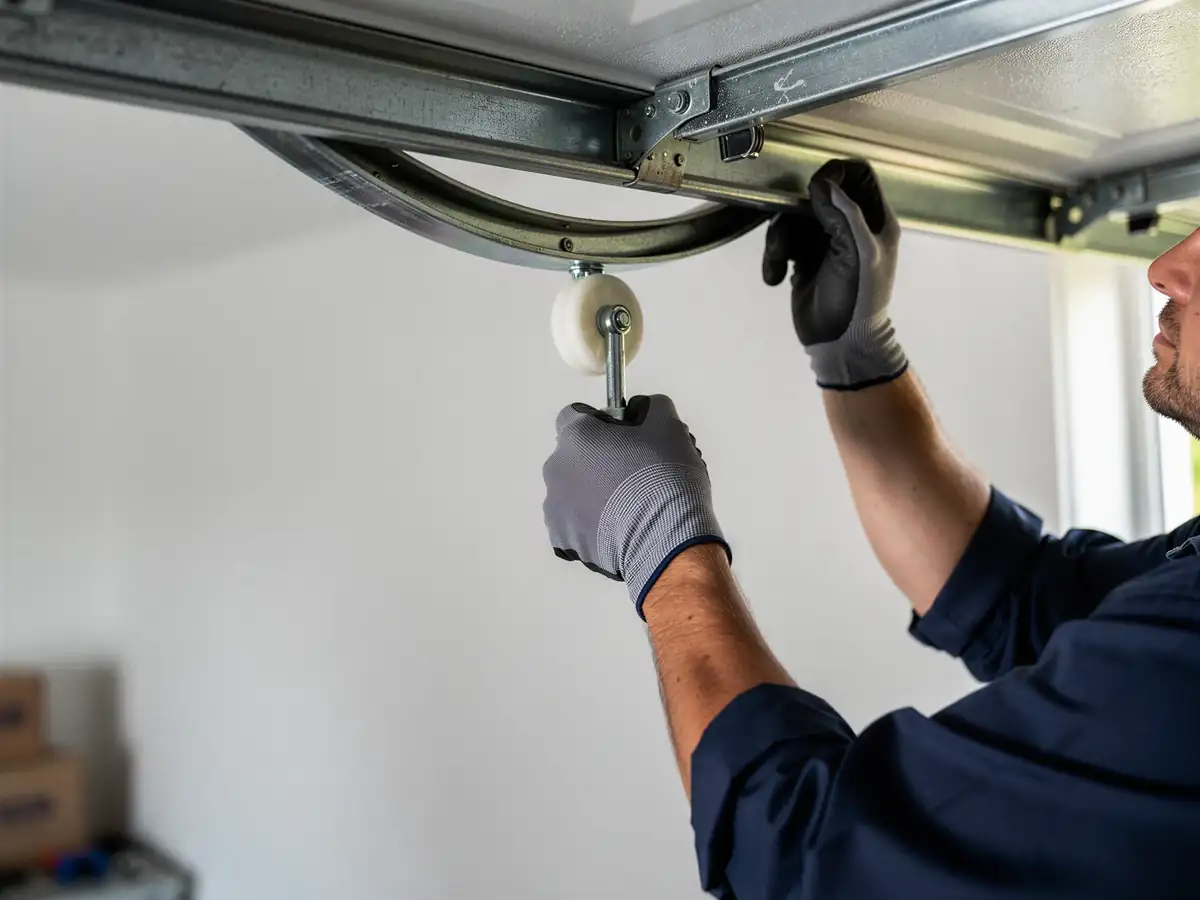
Swapping a worn roller is one of the more approachable garage door jobs, and plenty of homeowners do the bottom rollers themselves - loosen the bracket, slide the old one out, slide the new one in, done. Where it gets risky is anywhere near the top rollers on a door that's under spring tension, or any roller bracket you have to remove while the door is still loaded on its cables. That's where fingers get pinched and doors come off track.
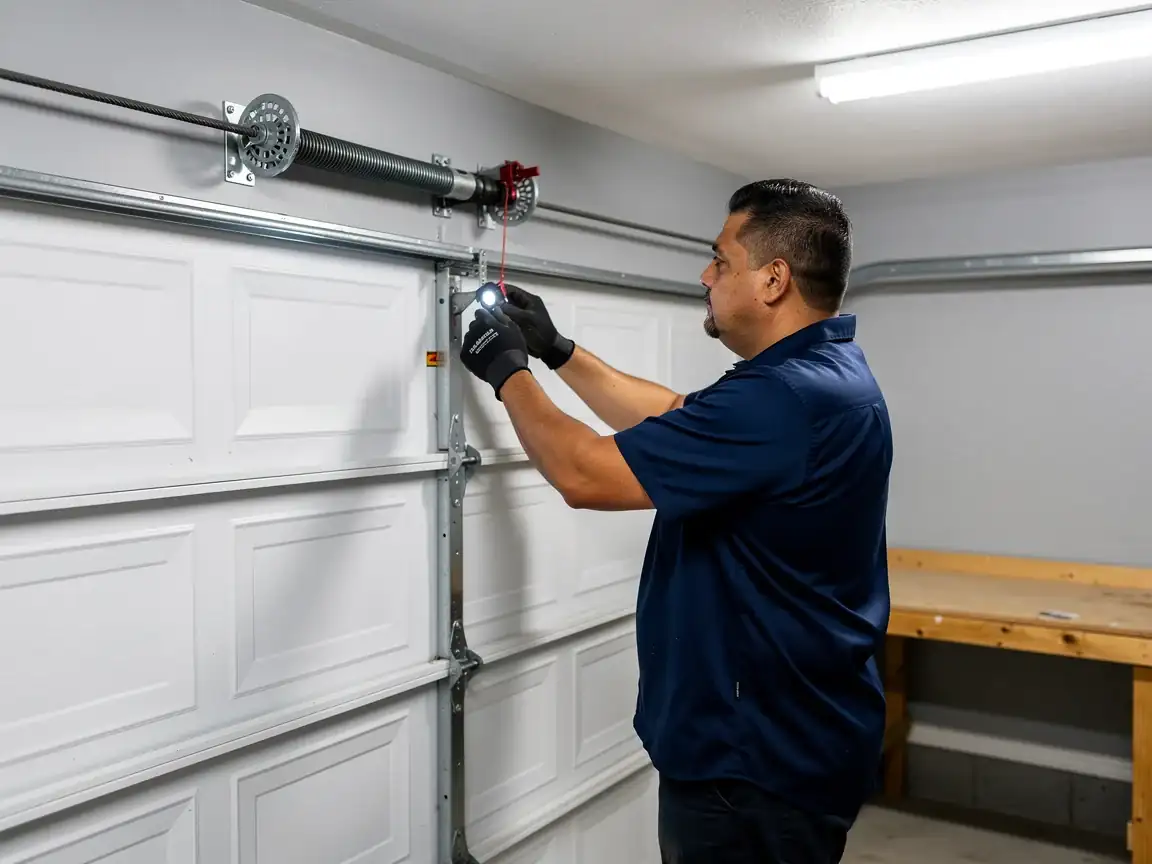
We'll say the limitation plainly: we don't talk anyone through torsion spring work over the phone, and roller jobs that involve disconnecting cables or working the top track aren't a weekend project. If your door is sagging unevenly, or a cable looks frayed next to the roller, that's not a roller-only fix anymore - that's a service call. If it's just bottom rollers grinding and the door still travels straight, a DIY swap with the right-size roller (steel vs. nylon, 7-inch vs. 10-inch stem) is a reasonable call for someone comfortable with a wrench.
Getting It Booked In
We cover Mill Creek and the surrounding area out to places like Martha Lake, Silver Firs, Lake Stickney, and Alderwood Manor, and the roller jobs we see follow the same pattern across all of it: original builder-grade rollers from the 1980s and 90s build wave finally giving out. Across the roughly 81,984 households and 53,676 owner-occupied houses in this service area, a large share are still running what the builder installed decades ago.
When you call, we ask what you're hearing and seeing - grinding, jumping, a door that hangs up partway - because that tells us whether it's a roller-only job or something involving the track or cable too. We bring both steel and nylon roller options on the truck for straightforward swaps. If the inspection turns up something more, like a bent track section the rollers were fighting against, we'll tell you before any work starts, not after. You can find more on how we work from the home page.
What You Are Seeing
The clearest sign is sound
A grinding or rattling noise that happens at the same point in the door's travel every time, usually right where a specific roller sits in the track. As it gets worse, you'll see the door hesitate or jump slightly at that spot instead of moving smoothly.
A cracked or flat-spotted roller will make the door vibrate the whole garage when it runs
Sometimes loud enough to hear from inside the house. Rust streaking down the track near a roller bracket is another giveaway in this climate - it means moisture's already worked into the bearing. On the extreme end, a roller that's seized completely can pop out of the track altogether, which usually shows up as the door suddenly binding or refusing to open past a certain height. None of these mean the opener's at fault, even though that's where people often look first.