What You Are Seeing
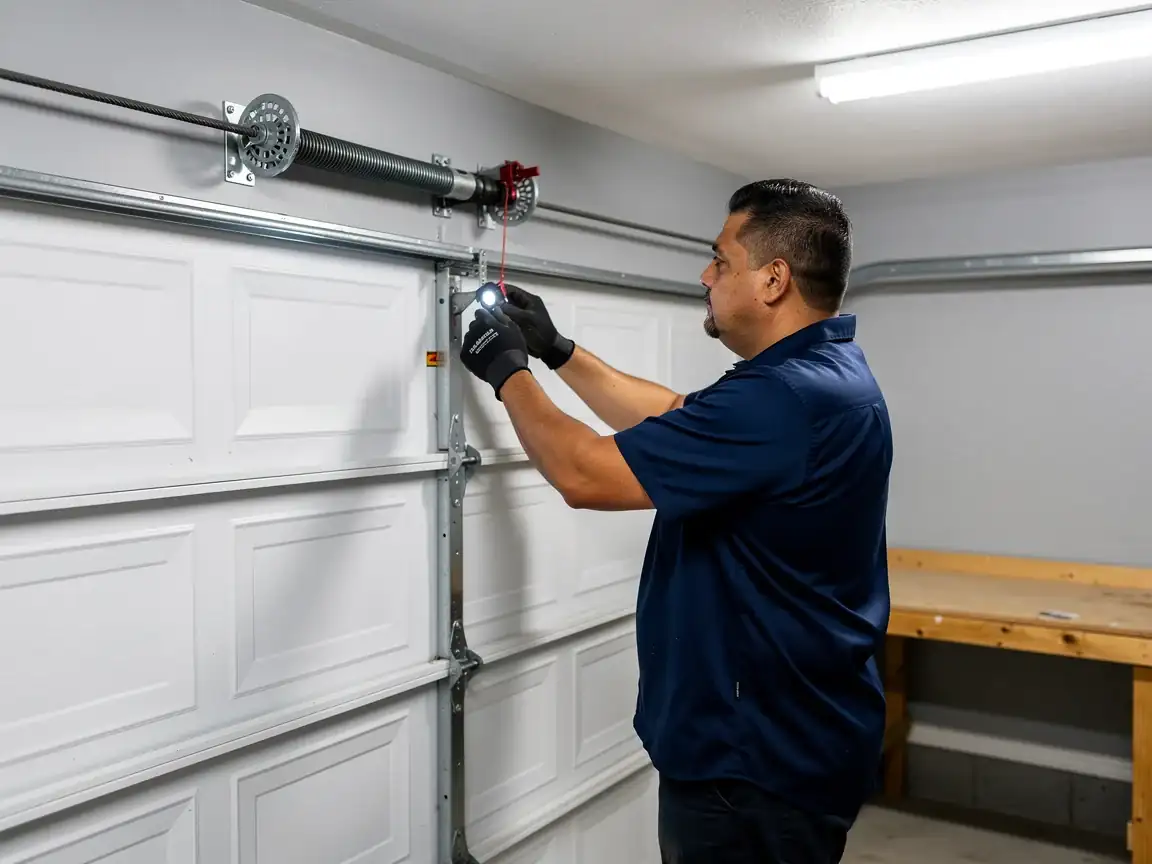
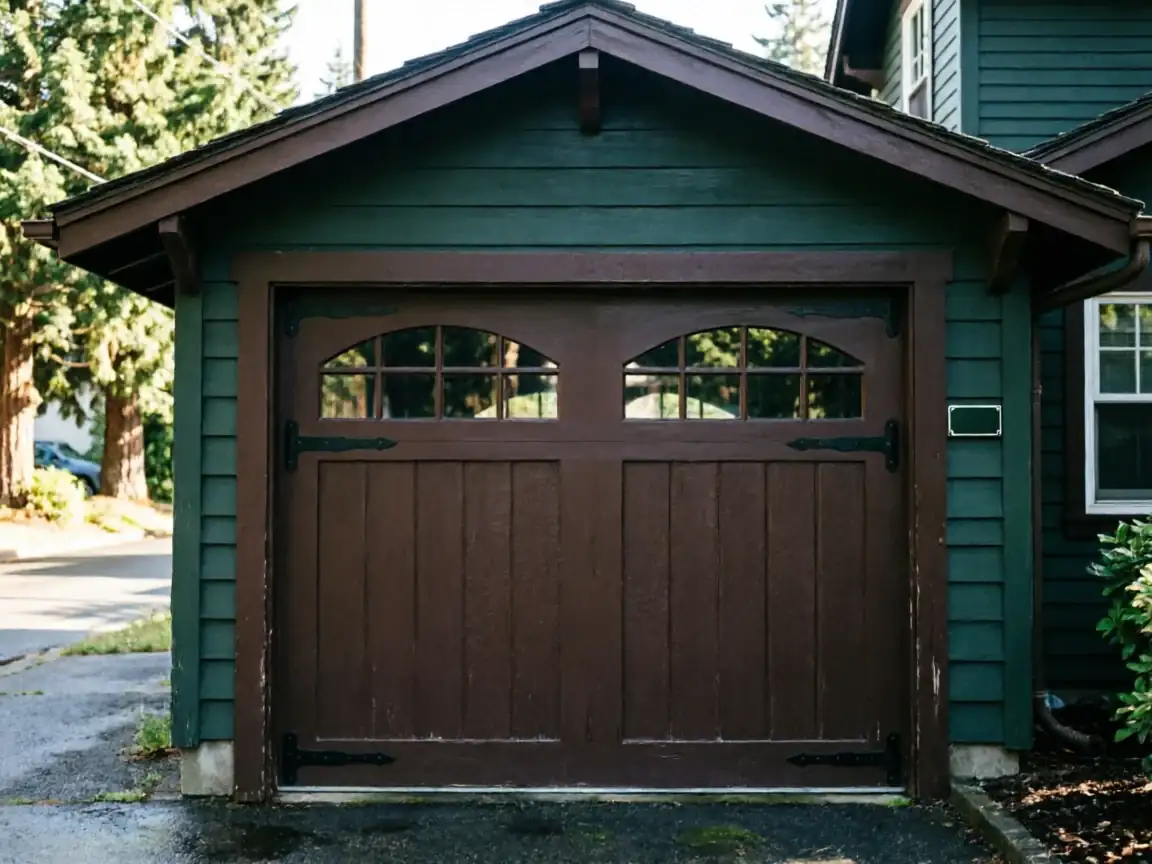
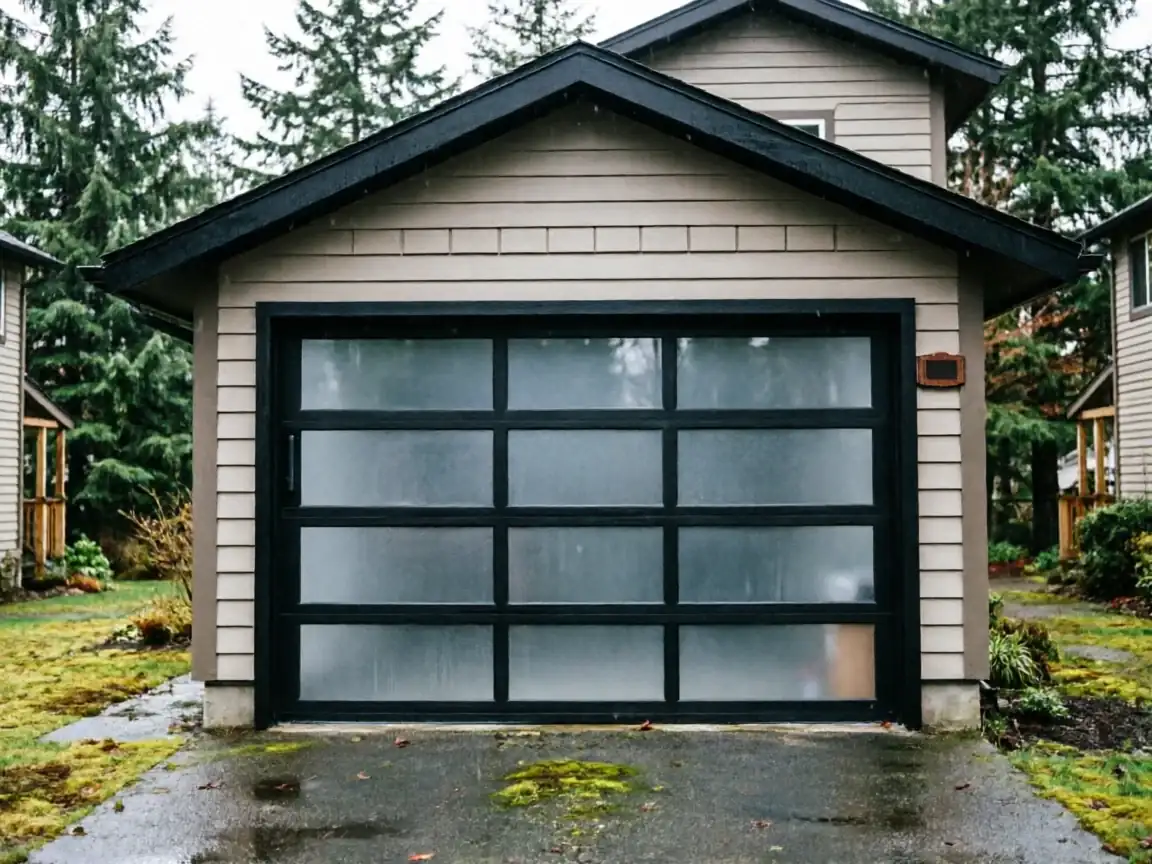
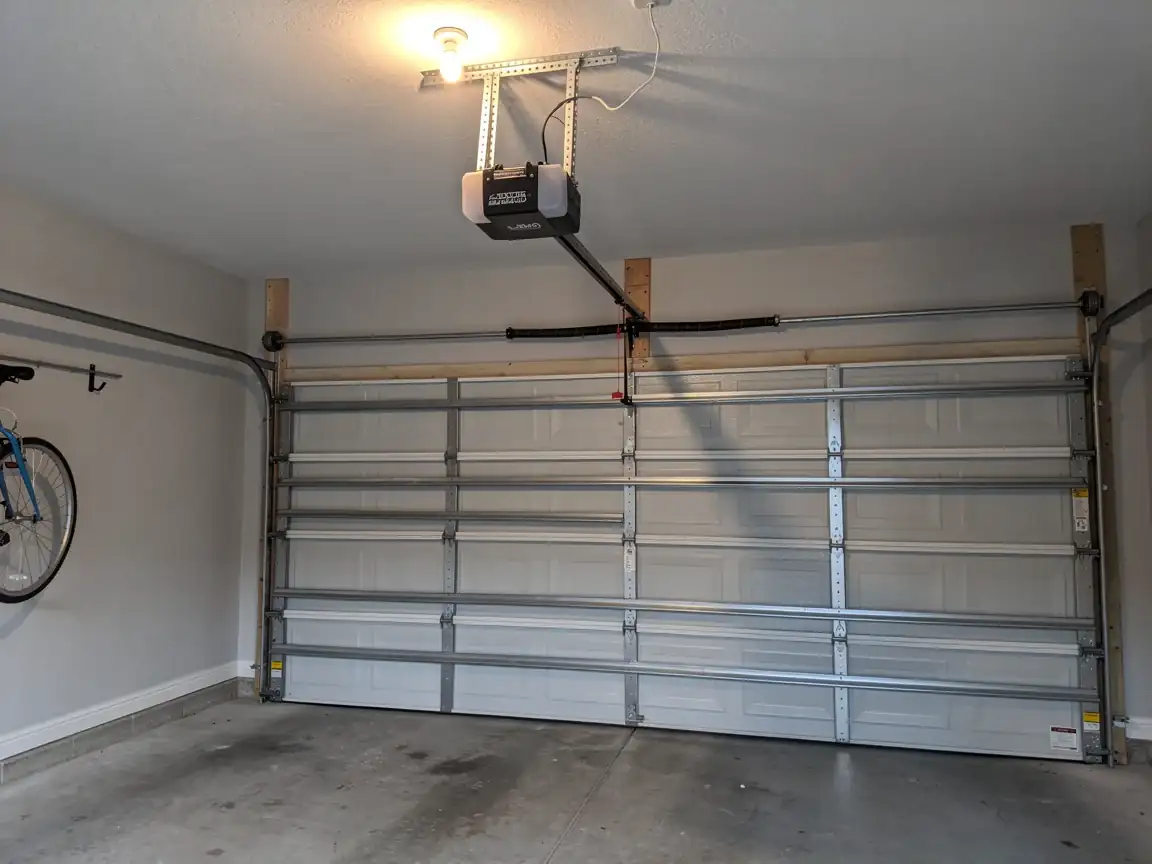
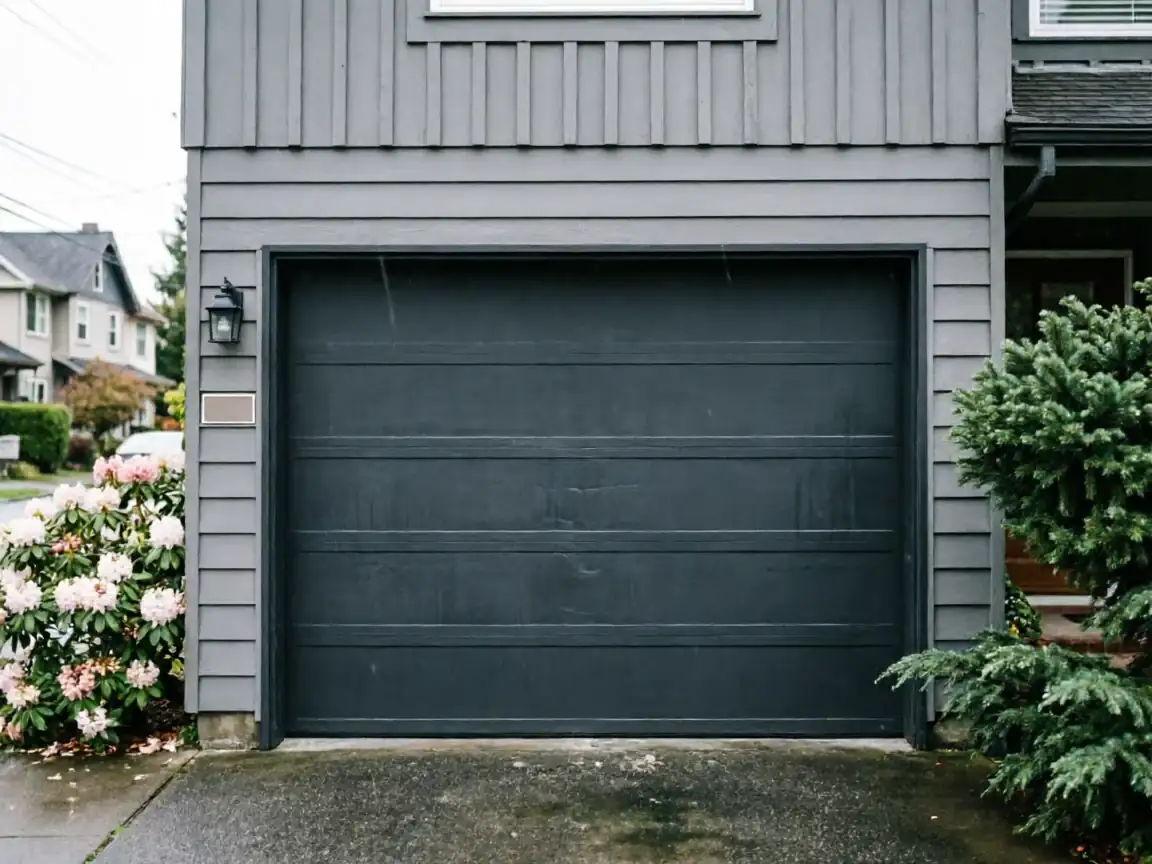
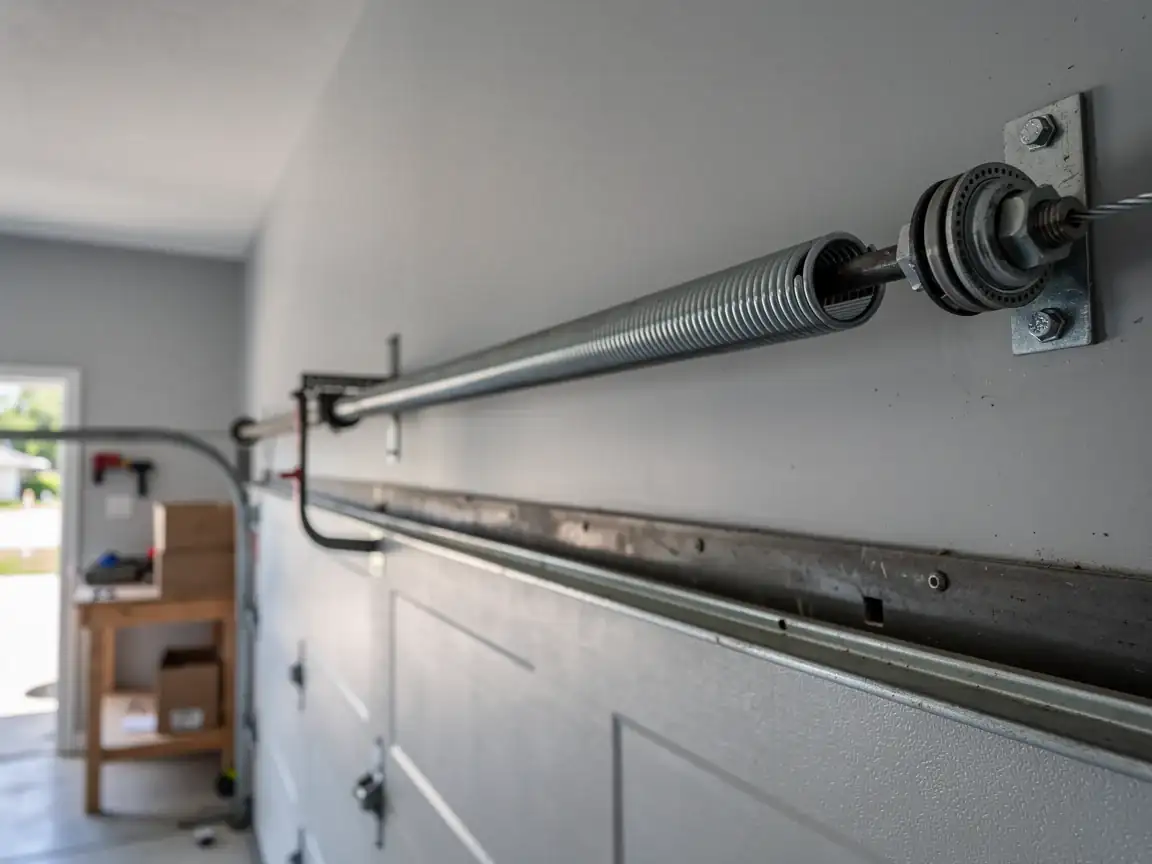
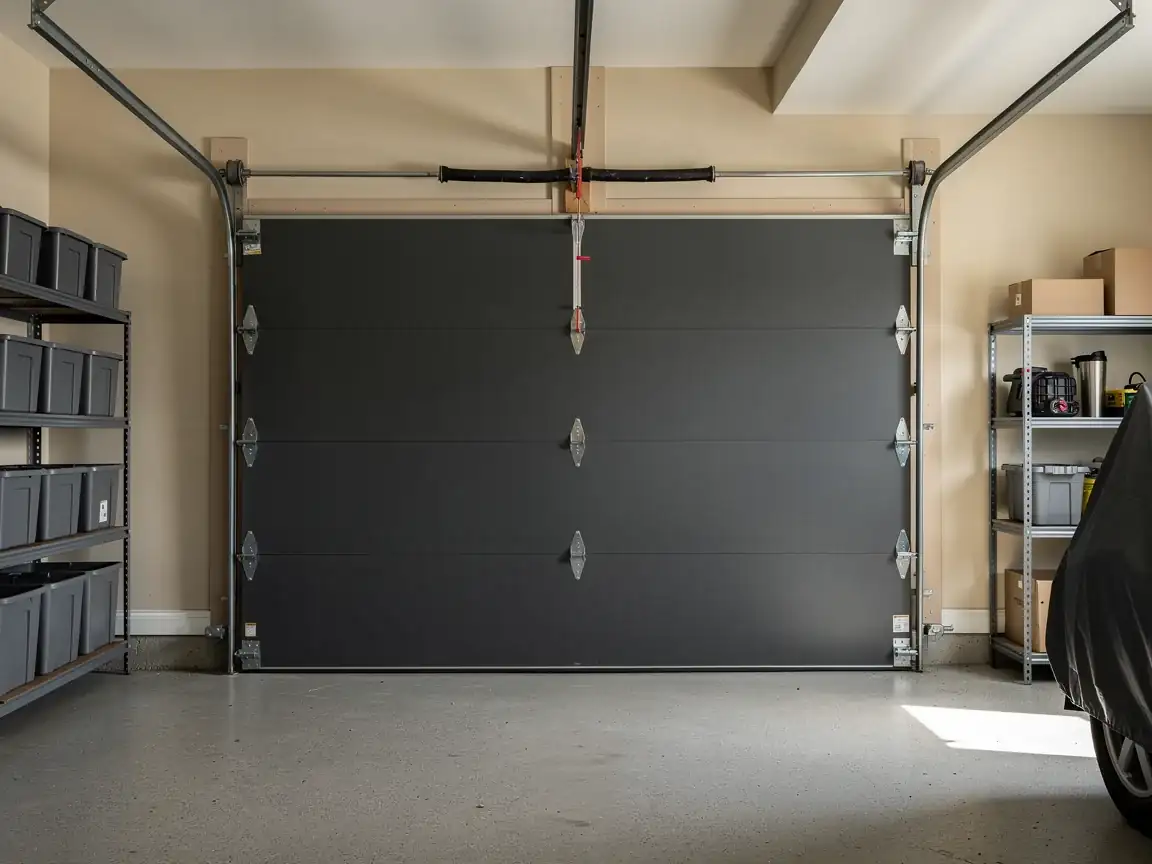
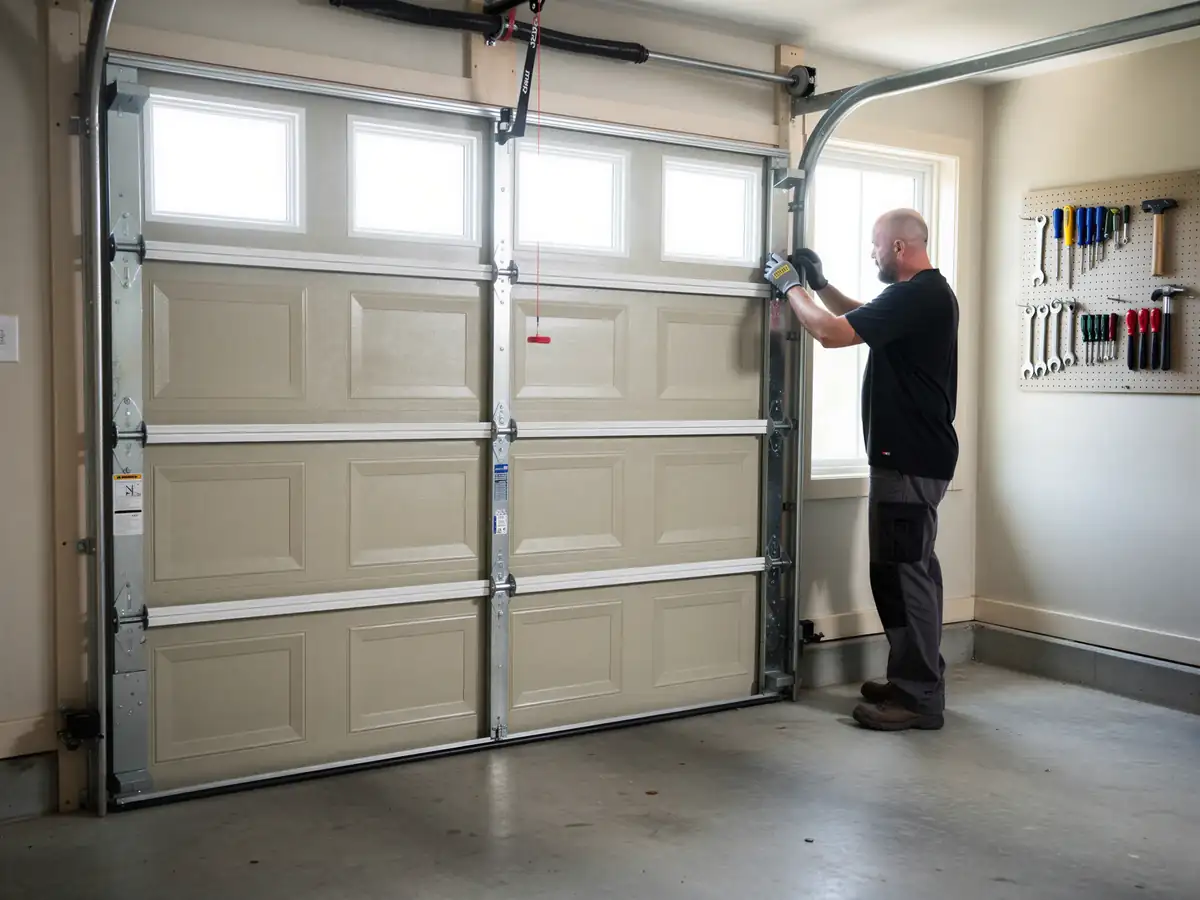
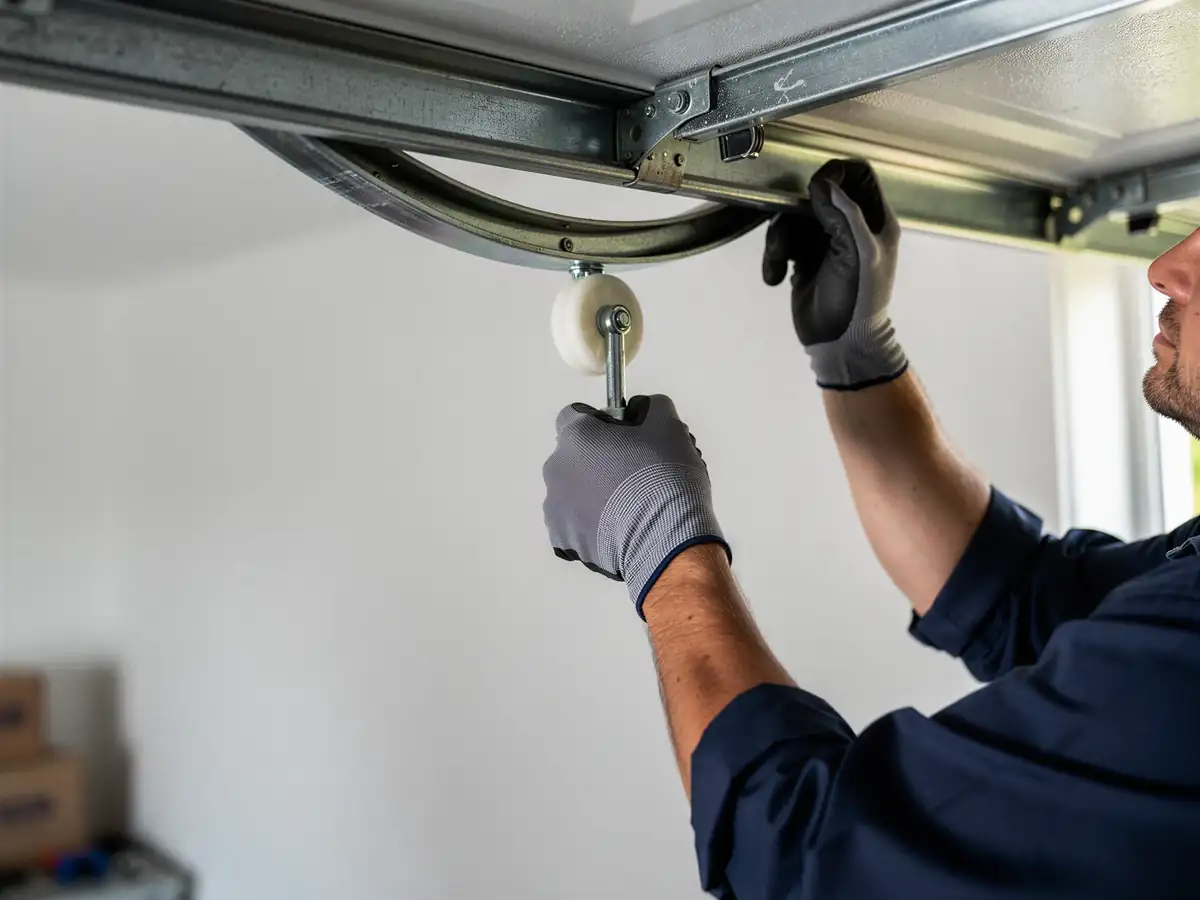
A door original to a 1980 build has had roughly four and a half decades of cycles on the same spring, give or take a replacement somewhere along the way. In the cold, moderate climate this area sits in, steel contracts in winter and the torsion spring loses a little tension every season - so the door that was fine in August starts dragging or reversing on its own in January. Grinding on the way up usually means the rollers are the original nylon, not the sealed-bearing kind. A door that slams the last foot of travel is almost always a spring that's lost coil tension gradually, not a sudden break. If the opener motor runs but the door doesn't move, check the track for a bent section before you assume the motor's dead - it's a cheaper fix.
How Long It Takes
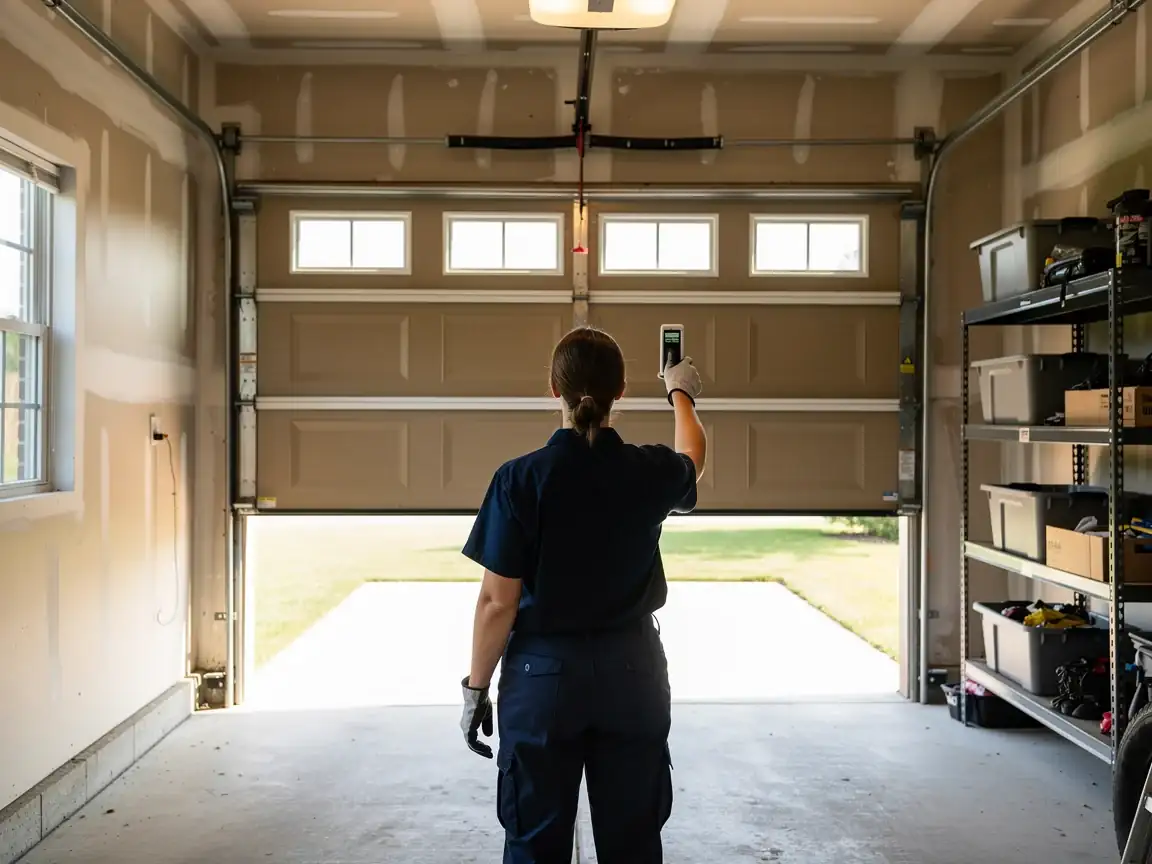
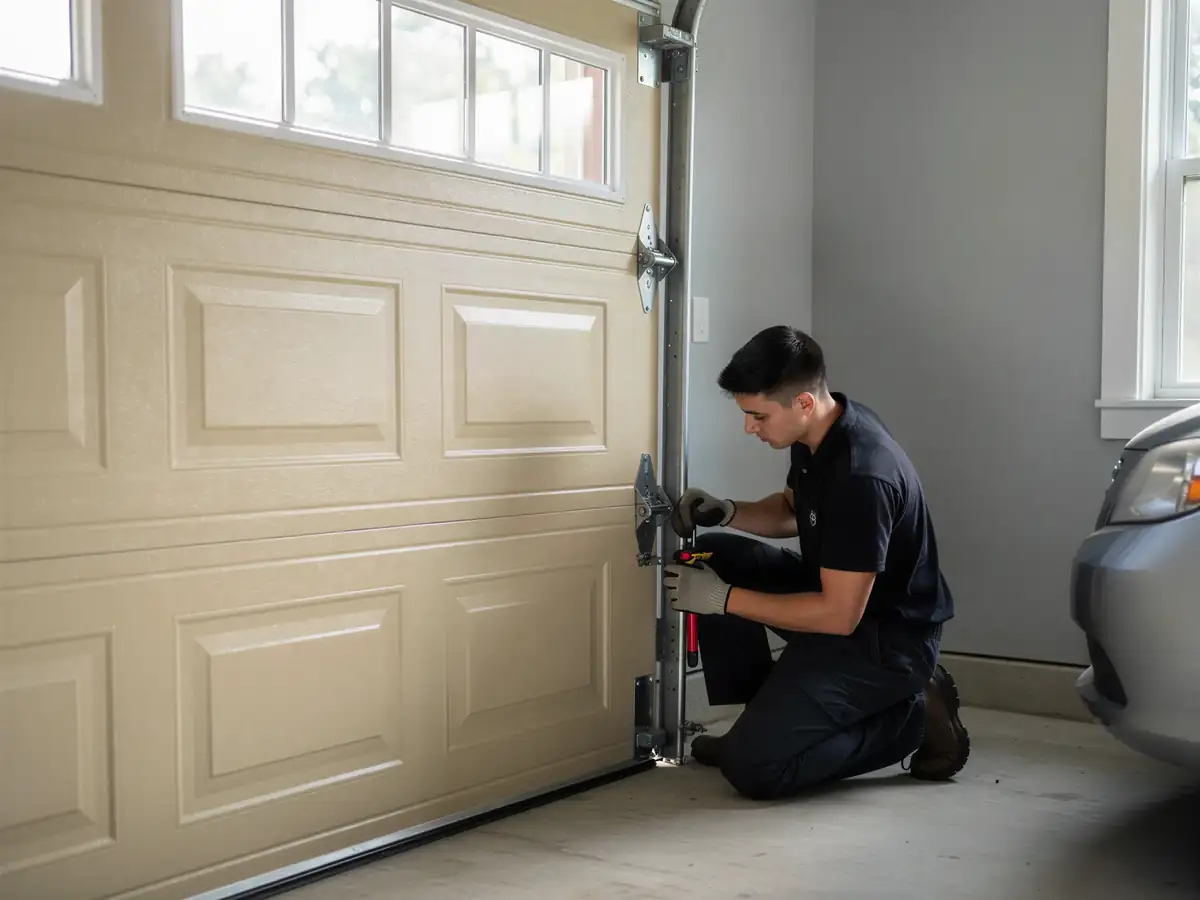
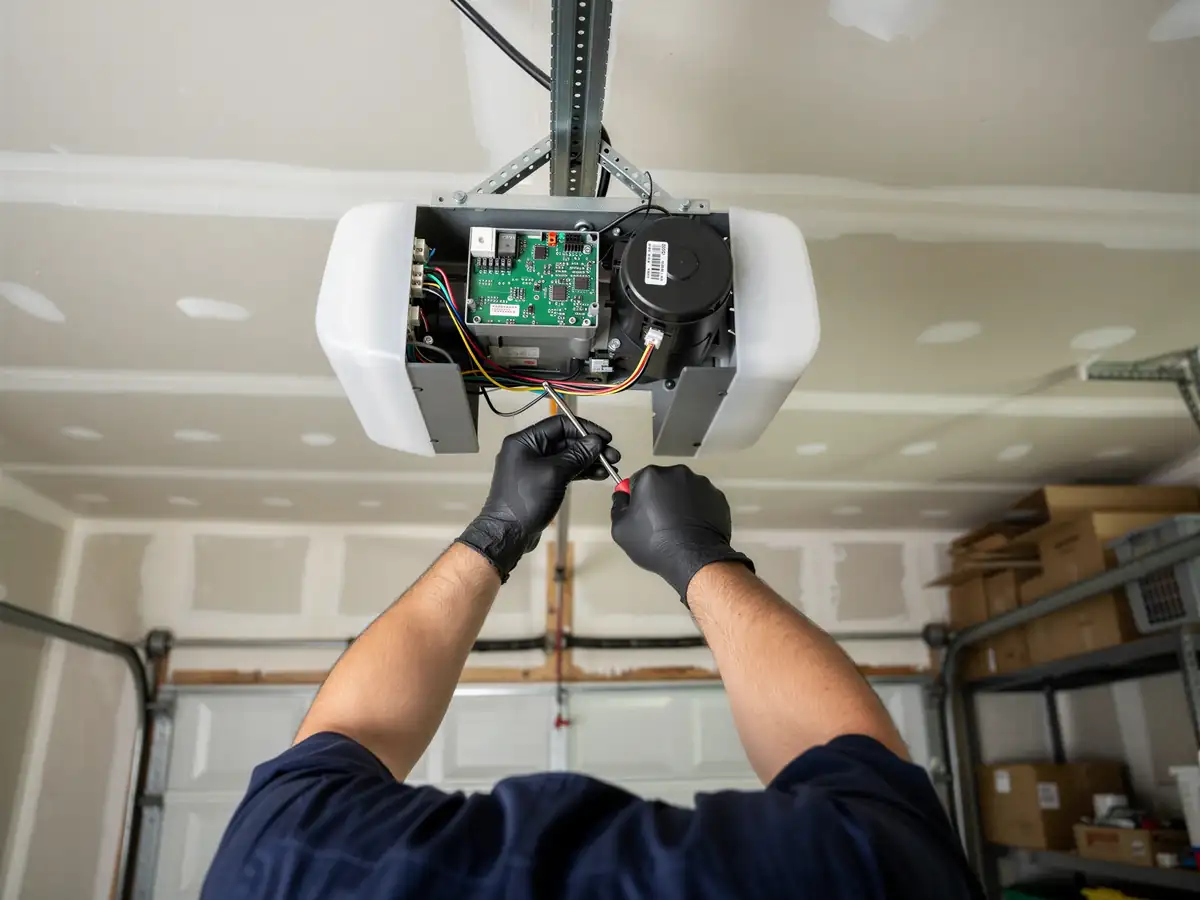
Most spring jobs on a door this age run under two hours once the truck is on site, because the hardware is straightforward and we're not hunting for an odd part. Opener swaps take longer if the old unit is hardwired into a circuit that needs updating, which turns up more often on houses built before smart-opener wiring was standard. Track realignment is usually the fastest fix we do and the one most owners wait too long to call about. What we can't promise is a same-day slot every time - we run out of Mill Creek, about 5 miles away, and if the truck's already on a job in another part of the coverage area, you may be looking at next day instead of same day.
Getting It Booked In
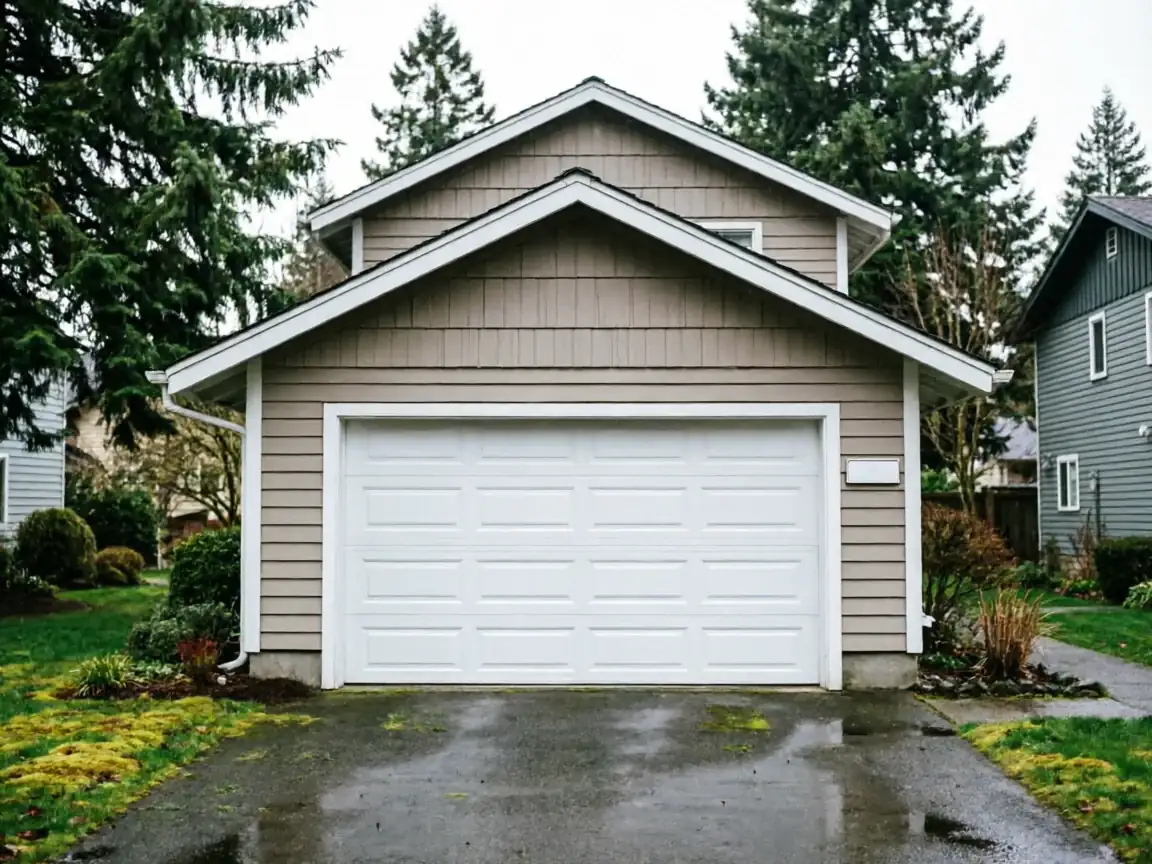
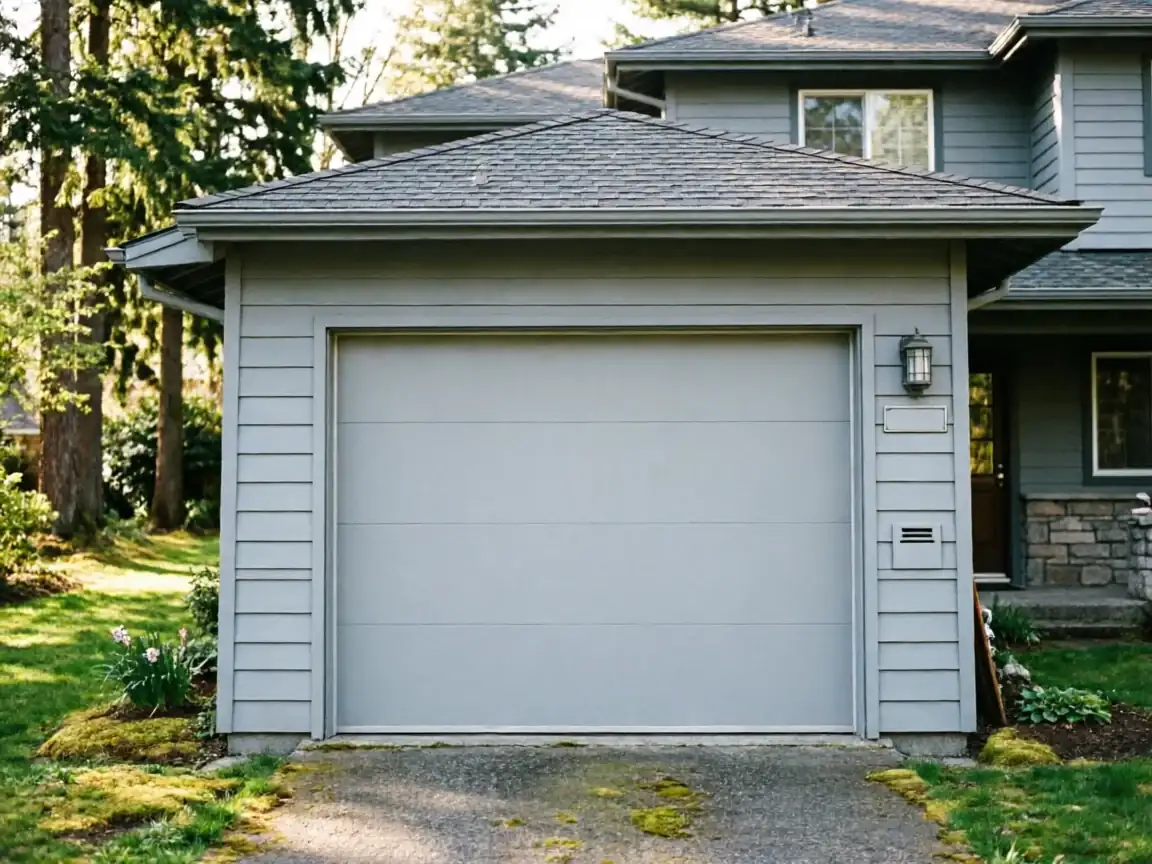
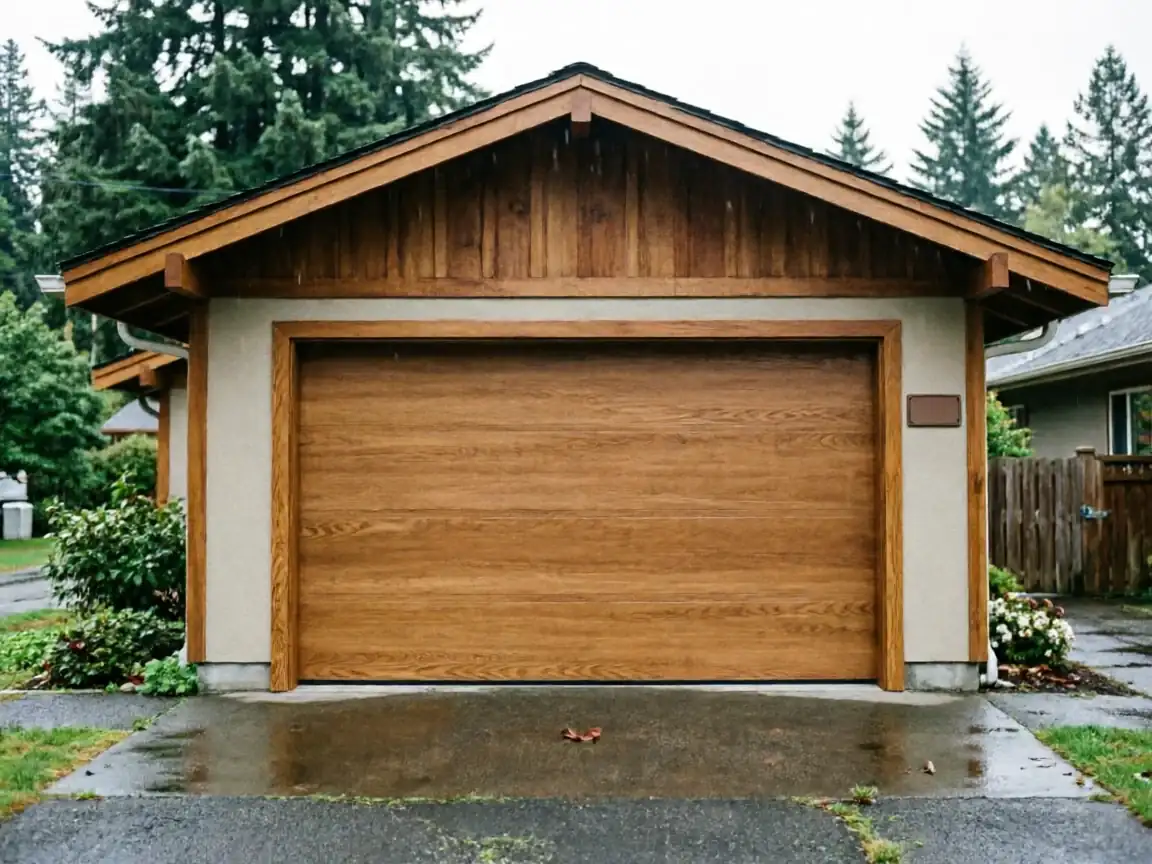
We cover Picnic Point from Mill Creek, which is a short run at about 5 miles, so getting a truck out isn't the issue - matching the hardware is. Tell us the rough age of the house when you call, since a 1980-era door is a different job than a door installed last year, and it changes which parts ride on the truck. You can see the rest of what we cover from the coverage page for Picnic Point, and the full rundown of services we run out of Mill Creek is on the main service page.
What the Repair Takes
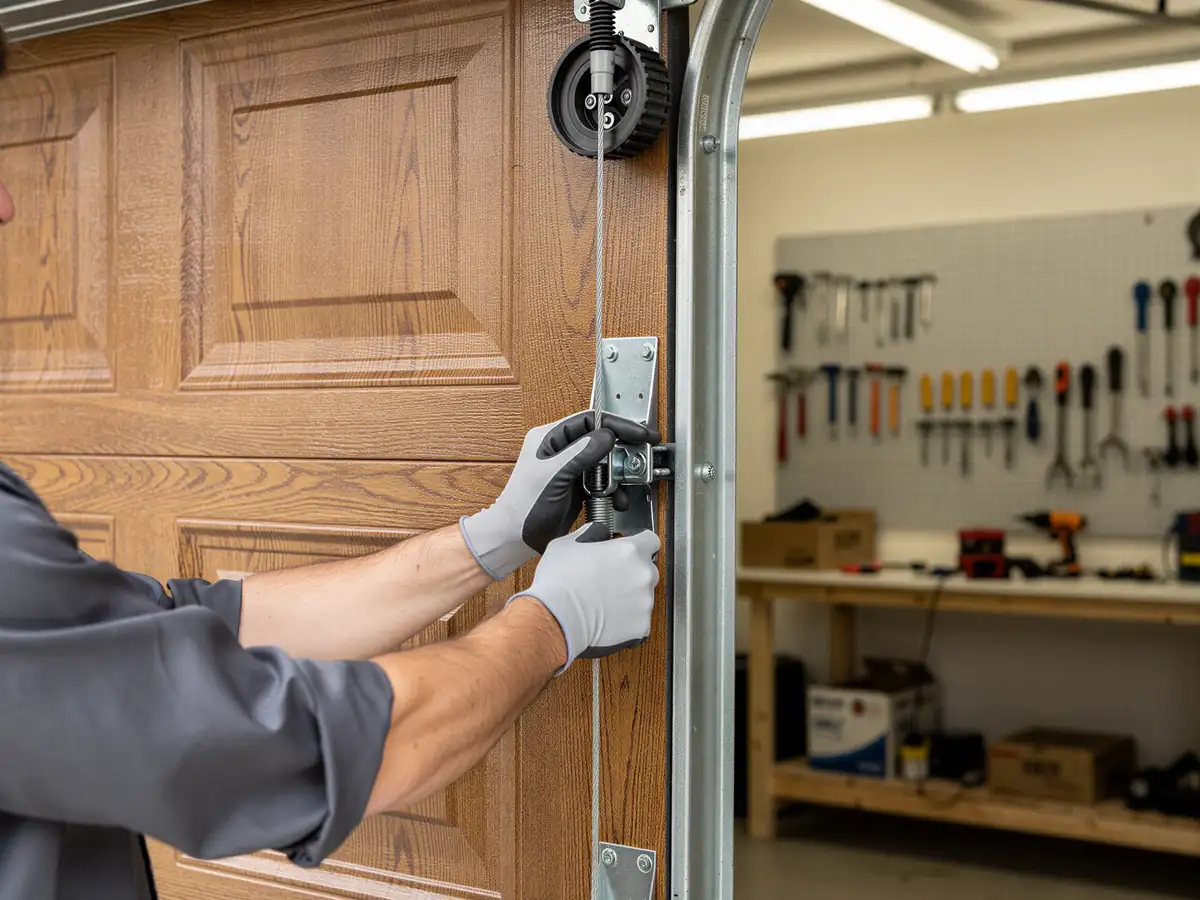
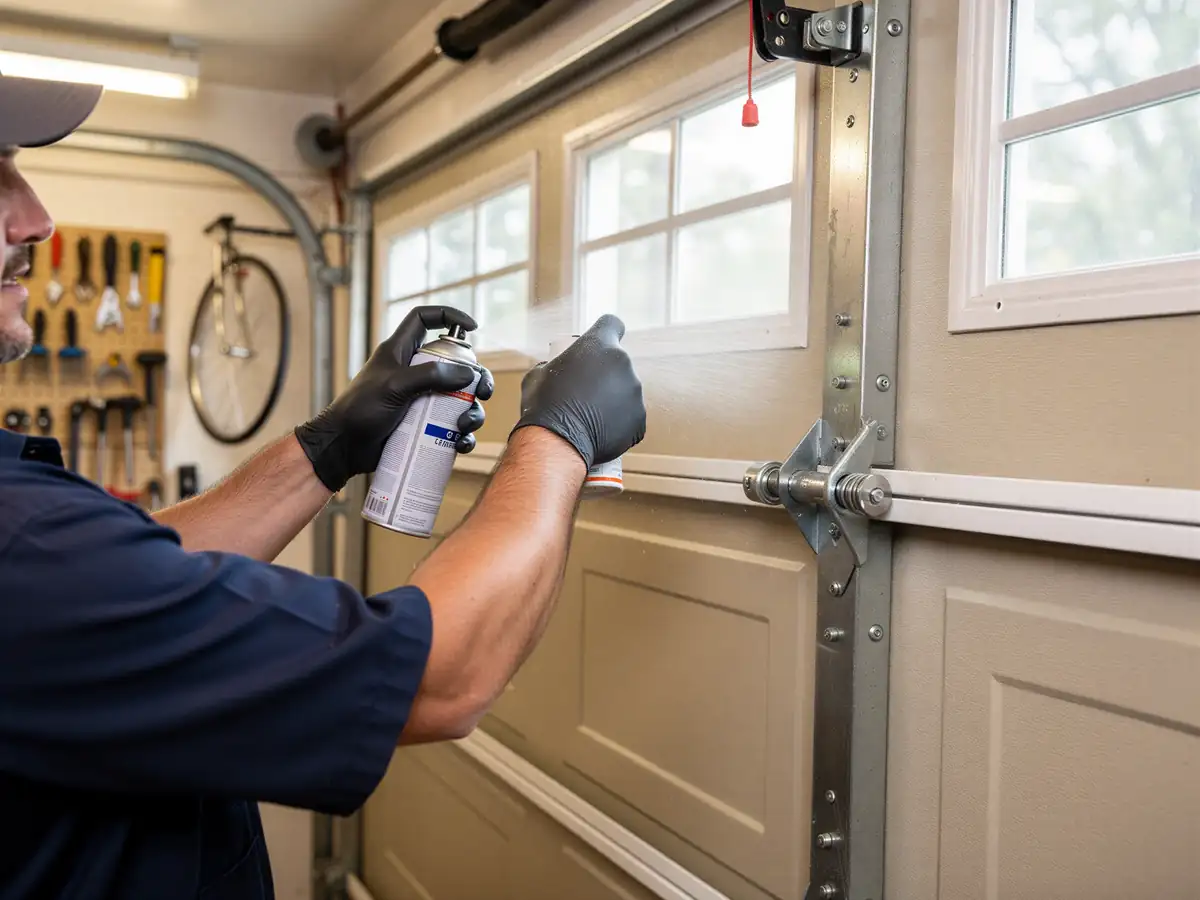
On a door original to this neighborhood's build era, a spring replacement means matching wire gauge, coil diameter, and wind direction to hardware that's often 40-plus years old and no longer has a visible part number. We measure rather than guess. Labor on these jobs tends to run a little longer than on newer installs because the drums and bearing plates are older designs, and sometimes a bolt pattern doesn't match what's on the truck without an adapter. We'll always replace both springs on a double door even if only one broke - uneven spring age on the same door is how you get a second call in a year. That's standard practice, not an upsell.