Why It Happens Here
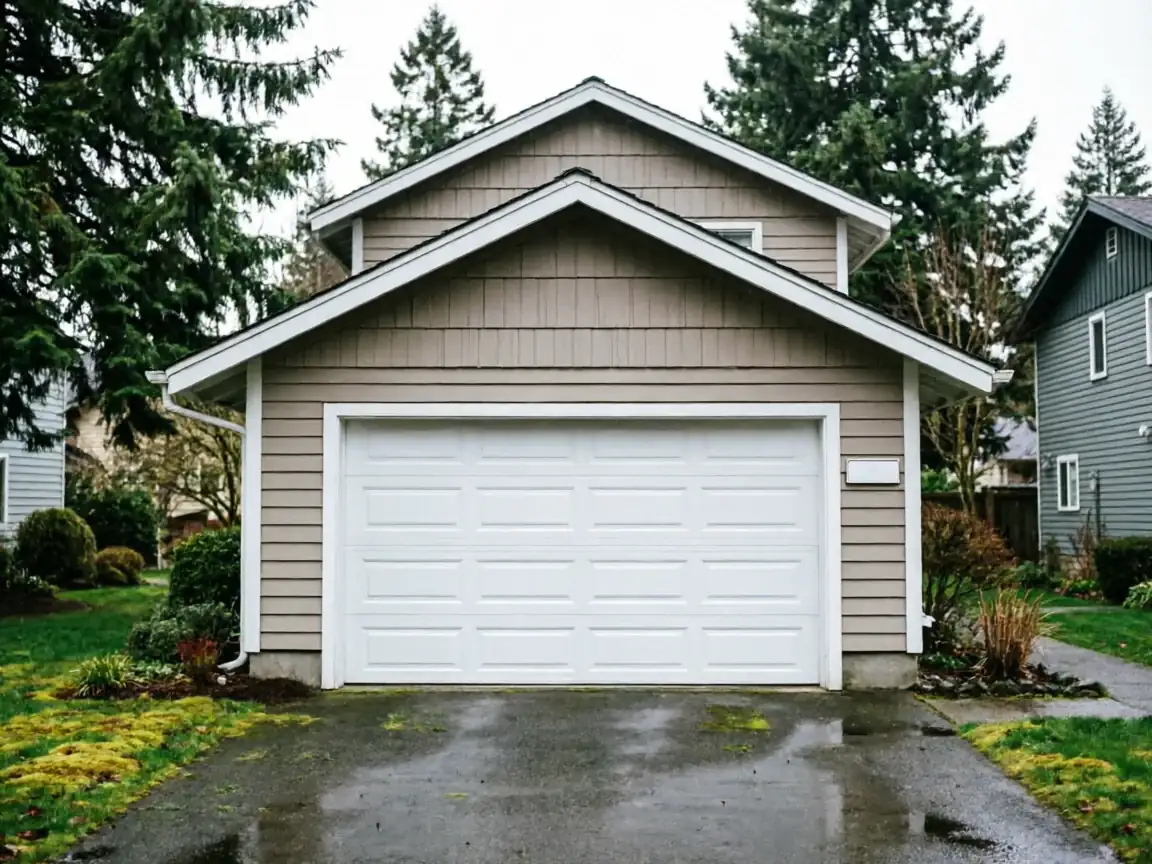
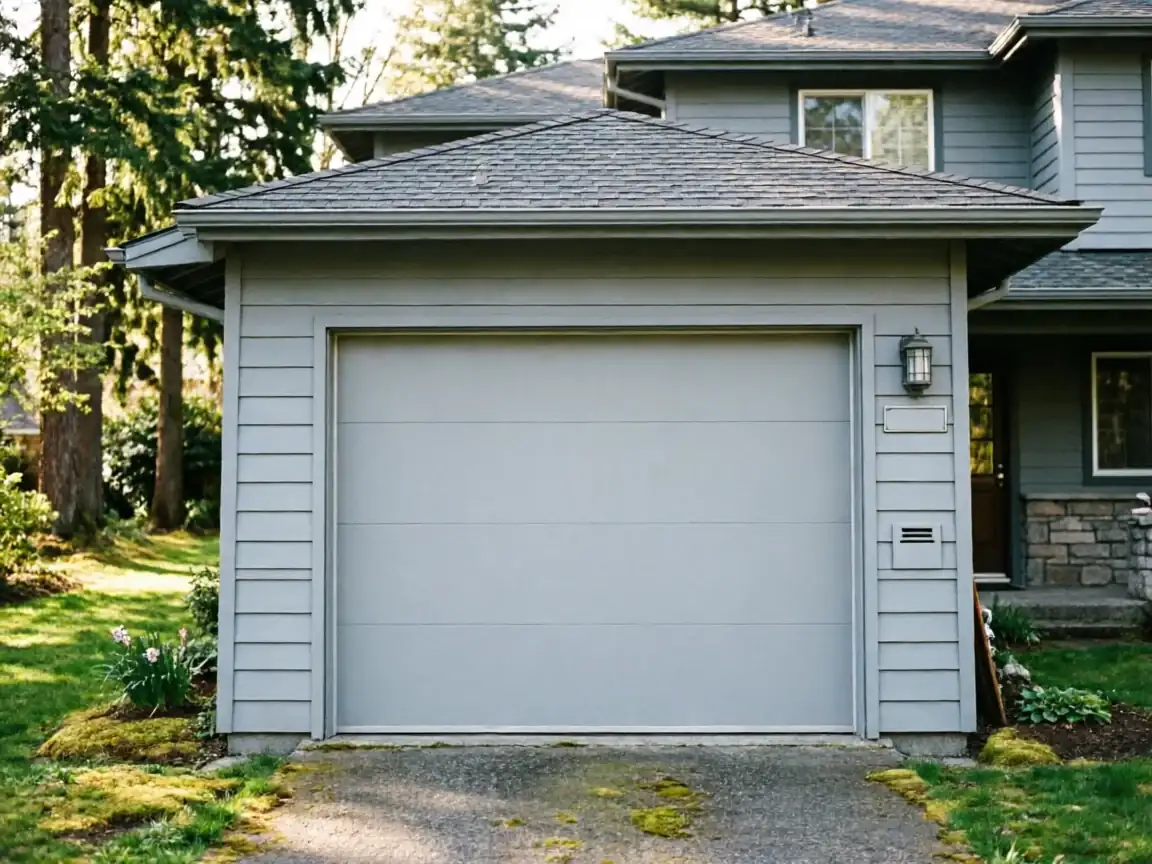
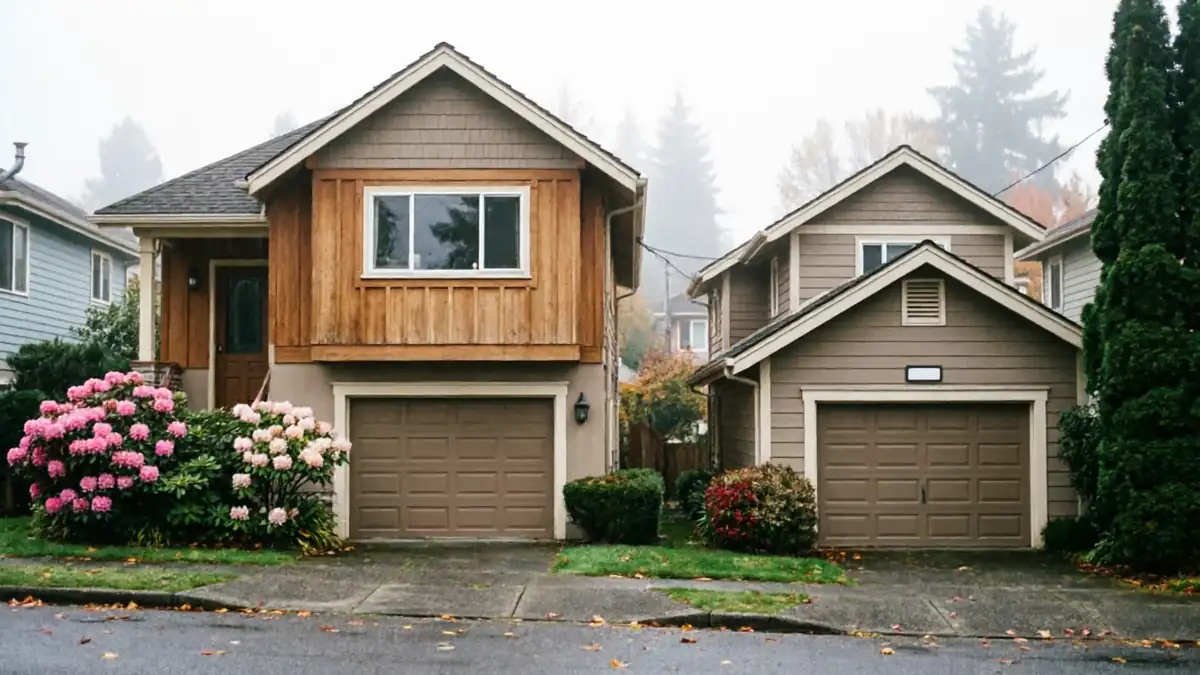
Most of the housing across this service area went up between 1968 and 2000
With the median build year landing around 1989. That means a huge share of the doors we look at are steel sandwich panels from that same stretch - two thin steel skins with a foam core, hung on tracks that were spec'd for a lighter, thinner door than what often sits on them now. Those panels dent instead of bending back, and once one section is creased, the roller and hinge holes around it start to oval out.
The climate here is cold and moderate, not brutal
But enough freeze-thaw cycling each winter to work moisture into any seam that's already cracked from an impact. A dinged panel that would just be cosmetic in a warmer market starts trapping water, and the foam core swells or delaminates from the inside. We see this same pattern across the 31 named areas in this stock - Martha Lake, Silver Firs, Alderwood Manor, and the rest - because they were largely built in the same era with the same builder-grade door lines. It's not one bad batch of doors; it's one era of construction meeting the weather it was never fully sealed against.
The DIY Question
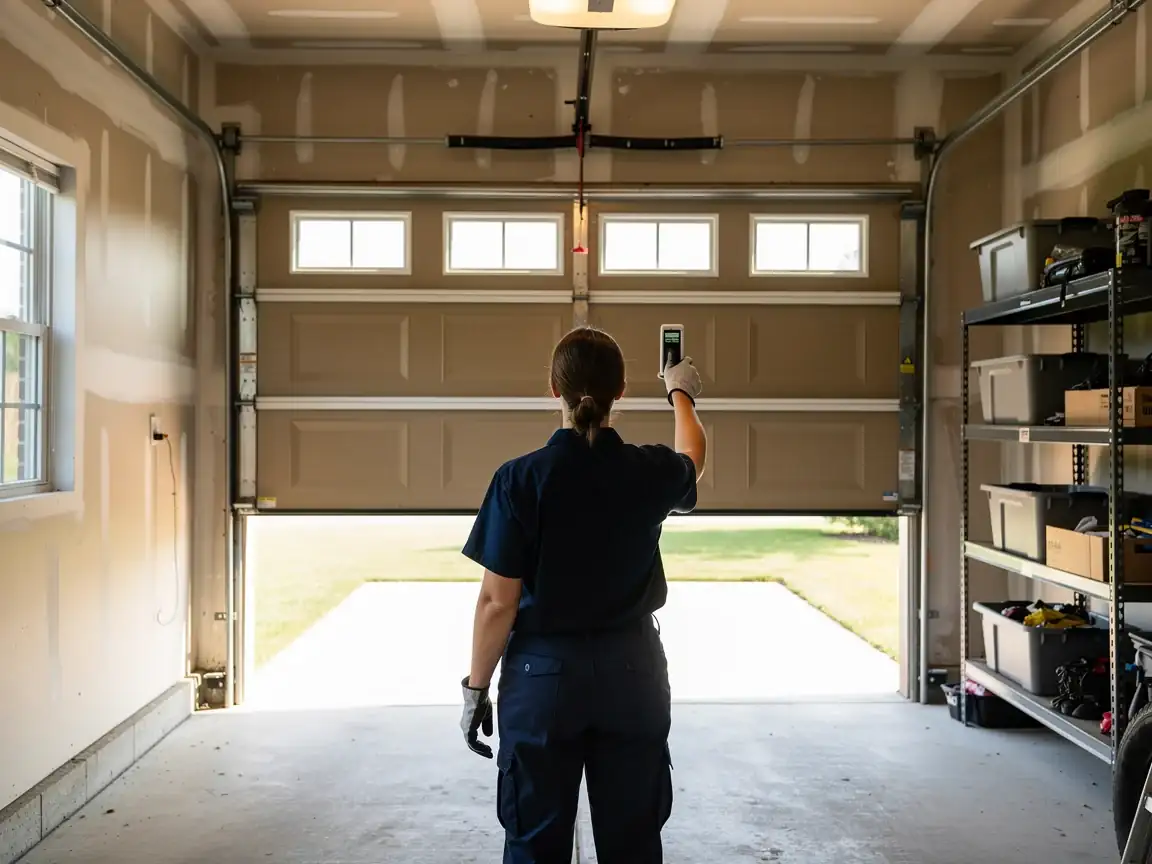
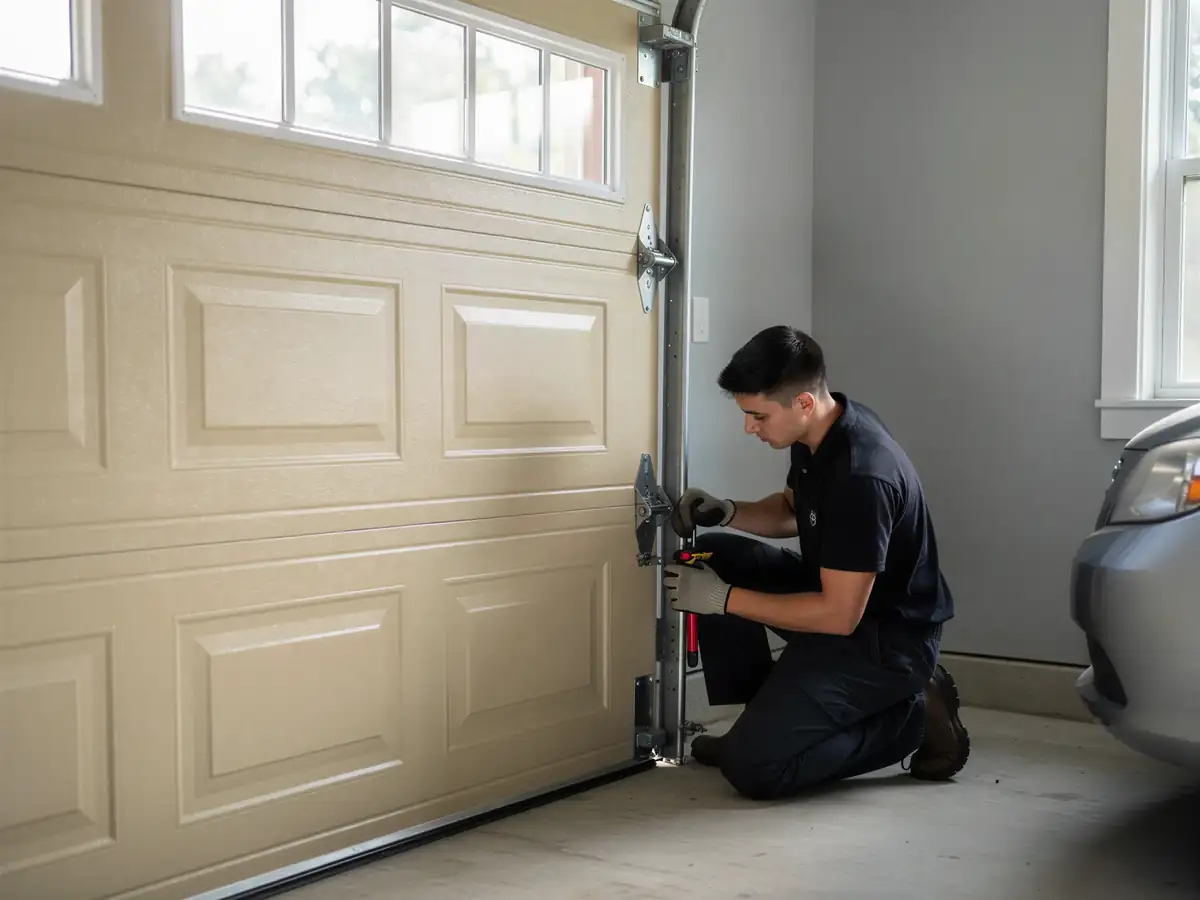
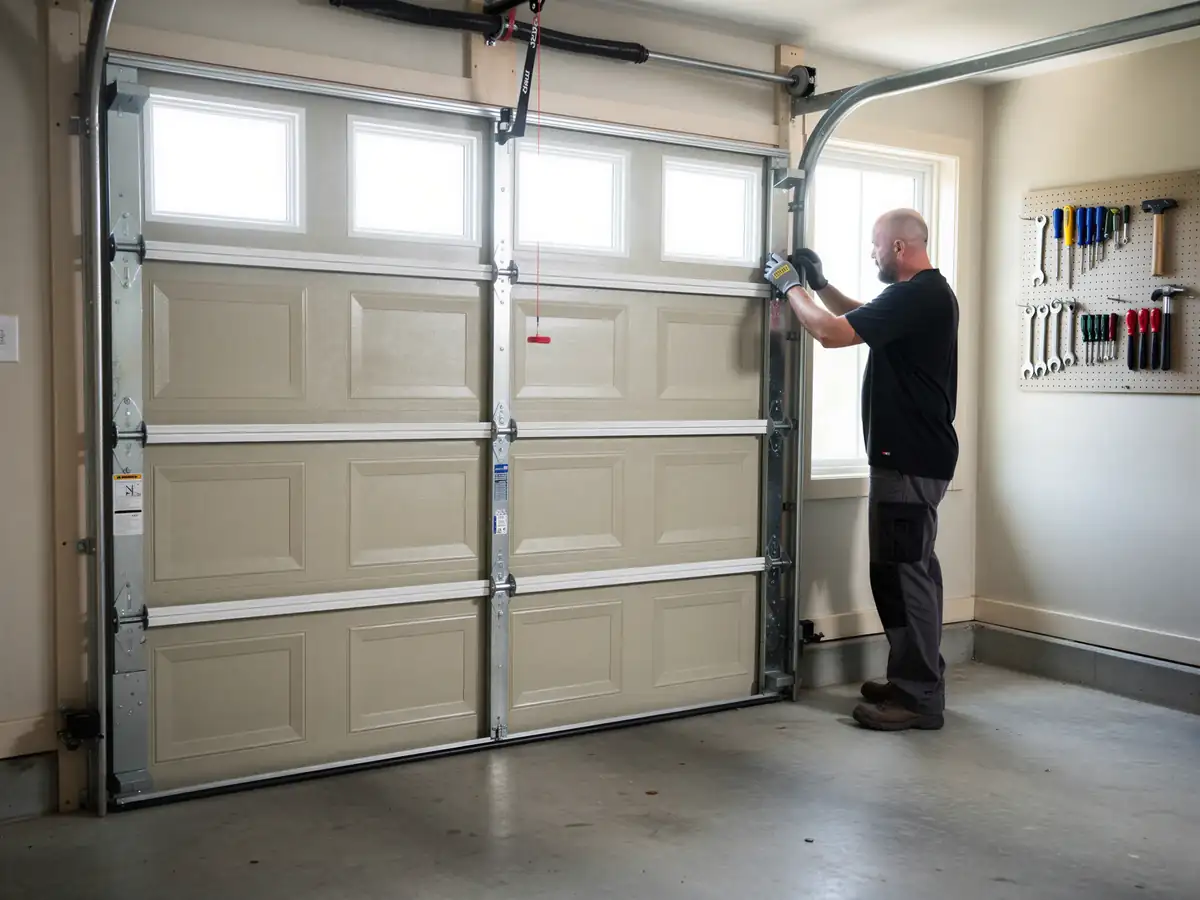
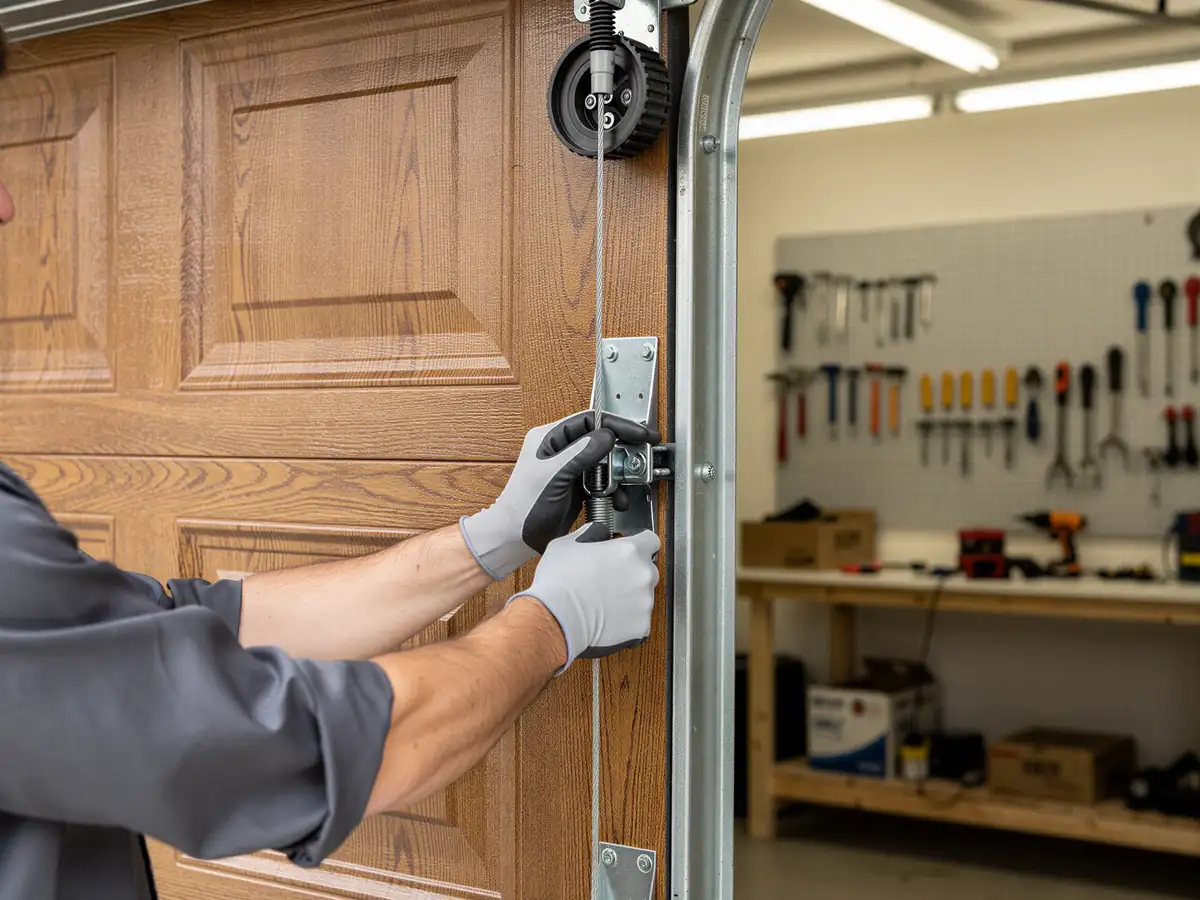
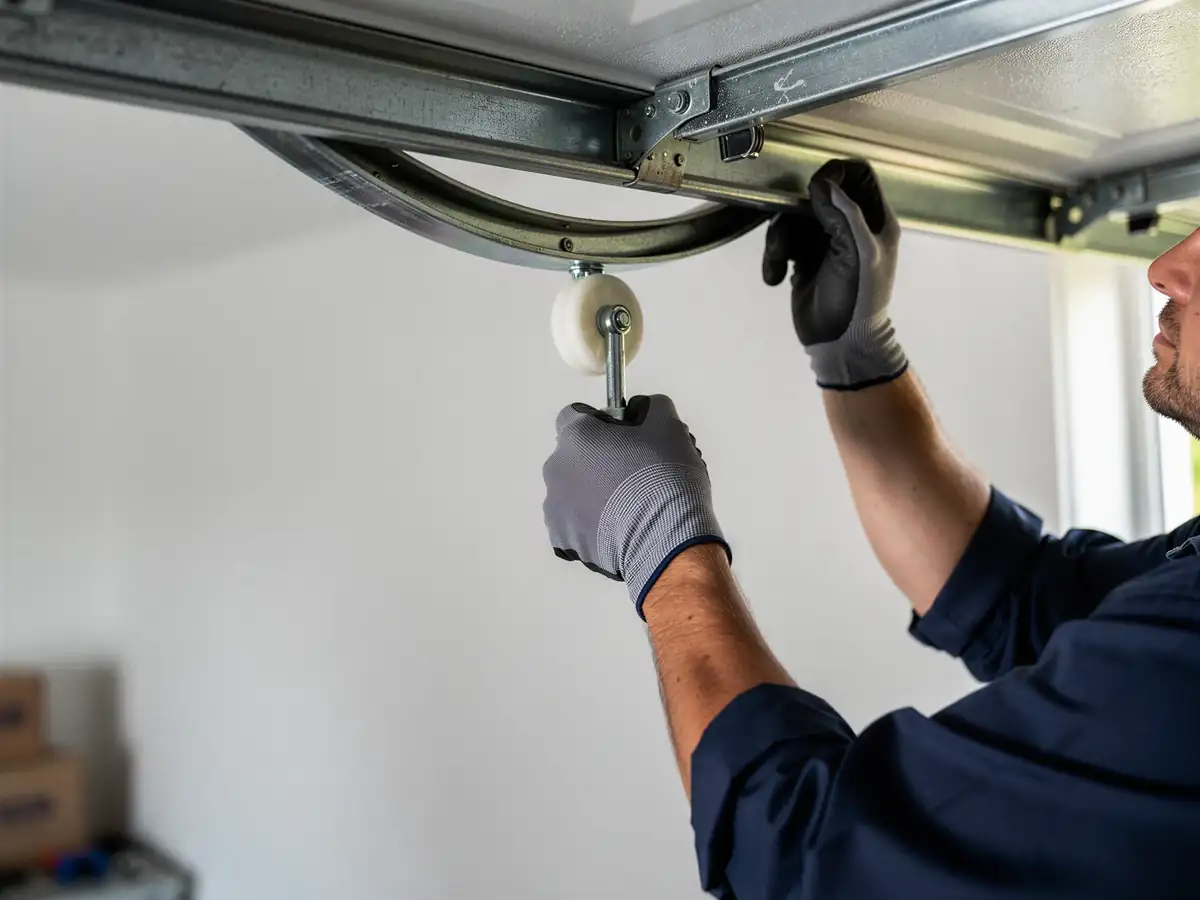
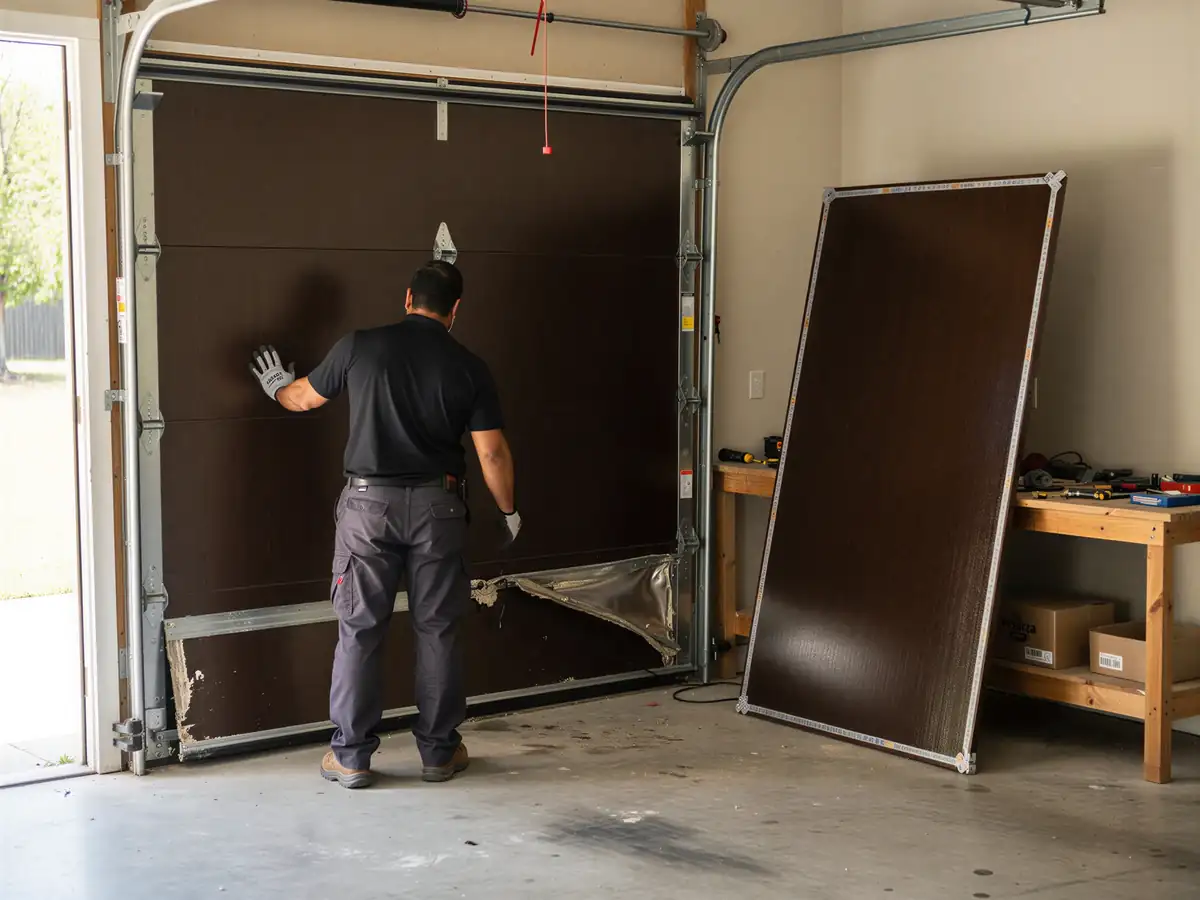
You can replace a single panel on some door models without touching the rest of the door, and for a lot of homeowners that's a real option if you've got the time and a second set of hands. The panel has to come off clean, the new one has to align with the existing hinges and roller brackets, and the whole section needs to hang level or the opener will fight it every cycle.
Where this gets hard is matching. Doors built in the 1980s and 90s came in finishes and rib patterns that a lot of manufacturers have since changed or discontinued, so finding a panel that matches the other sections on your door - not just fits the opening - isn't always something you can do off a shelf. Sometimes the closest match is close enough. Sometimes it isn't, and the mismatch bothers people more once it's up than they expected.
If your door is a double door with one section badly bowed, or if more than one panel is cracked, we'd rather tell you honestly that full replacement makes more sense than patching it twice. That's not an upsell - it's what actually holds up.
Getting It Booked In
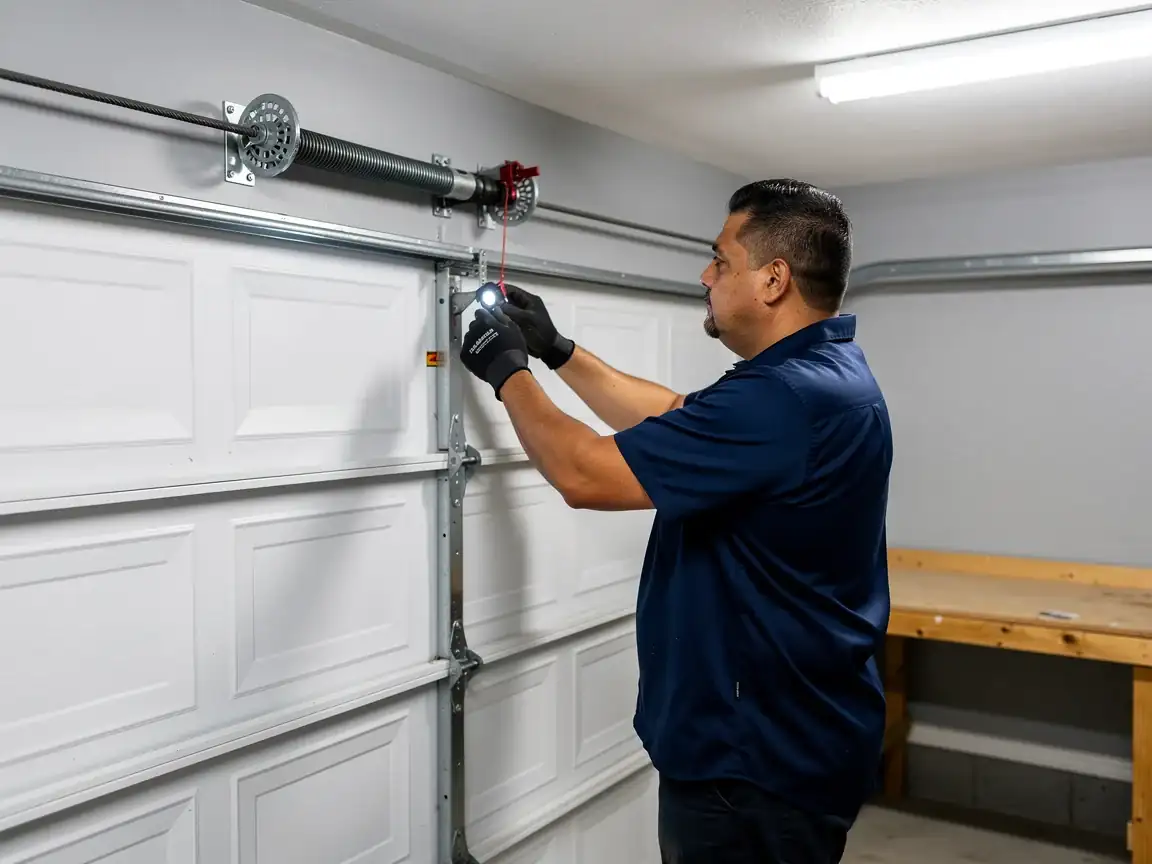
When you call about a panel, we'll ask for the brand if it's visible on the end stile, the approximate age of the door, and which section is damaged - top, bottom, or one in the middle, since that changes what hardware has to come off. A photo helps more than a long description.
From there we figure out whether a matching panel is realistically available or whether we're looking at a full door swap instead. Given how much of the housing stock here dates to the 1980s and 90s, matching an exact finish from that era isn't always possible - some runs were discontinued years ago, and we won't pretend a close substitute is identical when it isn't.
This is one service among several we run across the area, and this page sticks to panel work specifically - if you're dealing with a spring, opener, or track issue instead, that's a different job with a different fix.
What You Are Seeing
A few signs point specifically to a panel problem rather than something in the track or opener
A visible dent or crease that doesn't pop back out, daylight showing through a seam that used to be tight, or a section that looks slightly bowed compared to the ones next to it are the obvious ones. Less obvious: a door that runs rough or binds at one specific point in its travel every single time - that's often a warped or swollen panel dragging against the track, not a track that's actually bent.
If you're hearing a soft crunch or seeing flex in one section when the door is moving but not when it's sitting still
Moisture has likely gotten into the foam core and it's starting to separate from the steel skin. That gets worse with each freeze-thaw cycle, not better, so it's worth having someone look at it before the section fails outright and takes the roller bracket with it.