The DIY Question
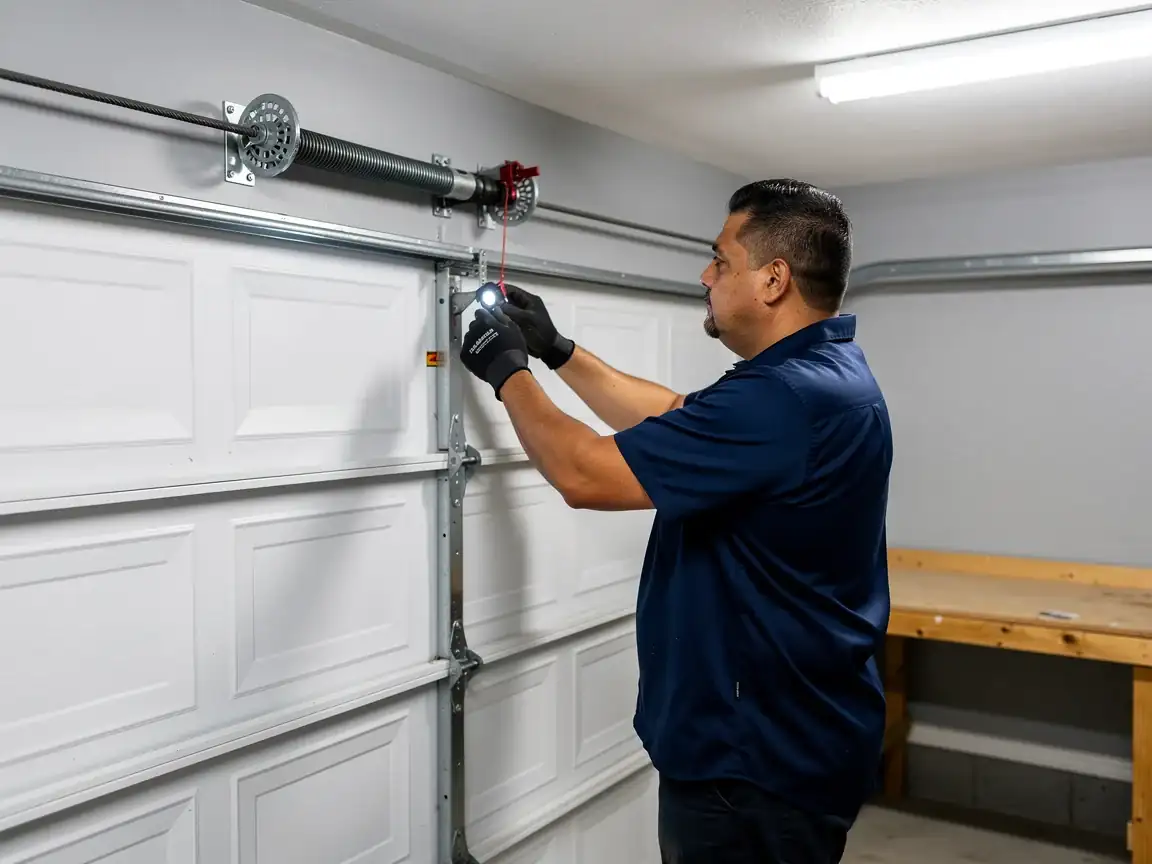
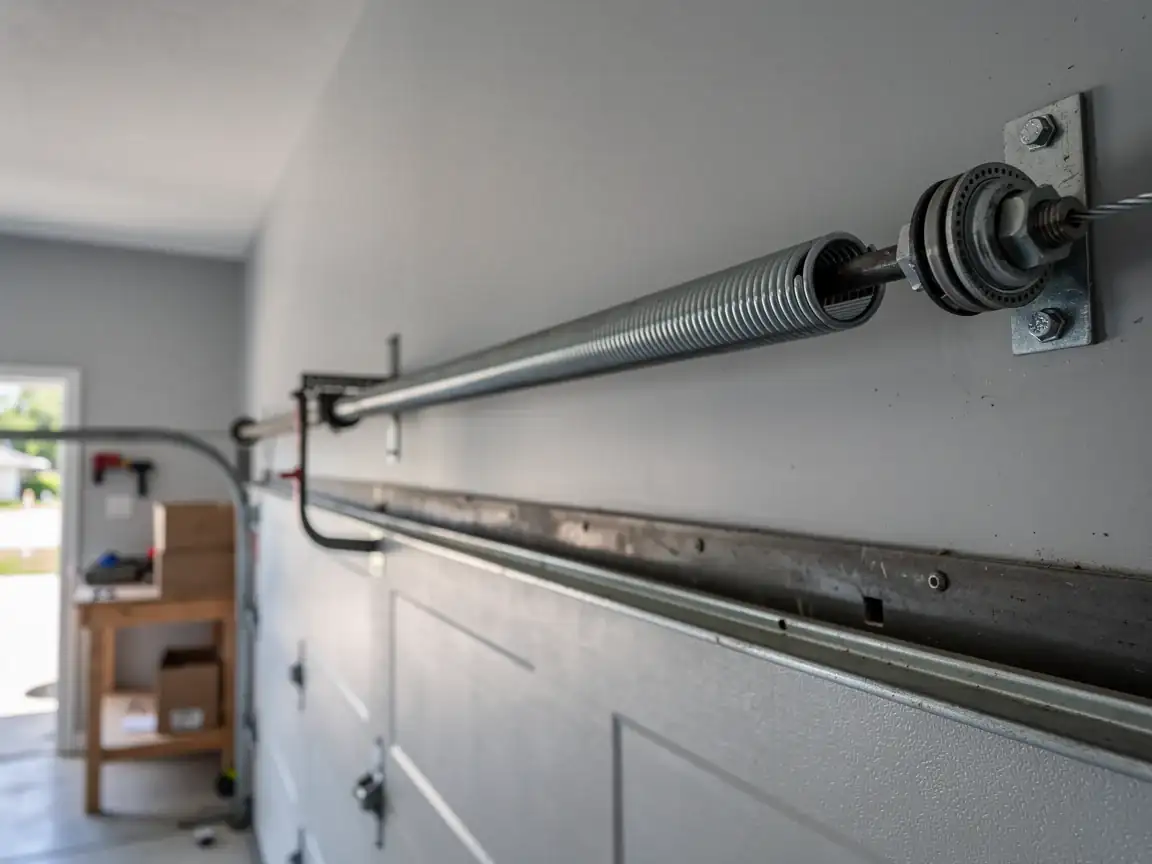
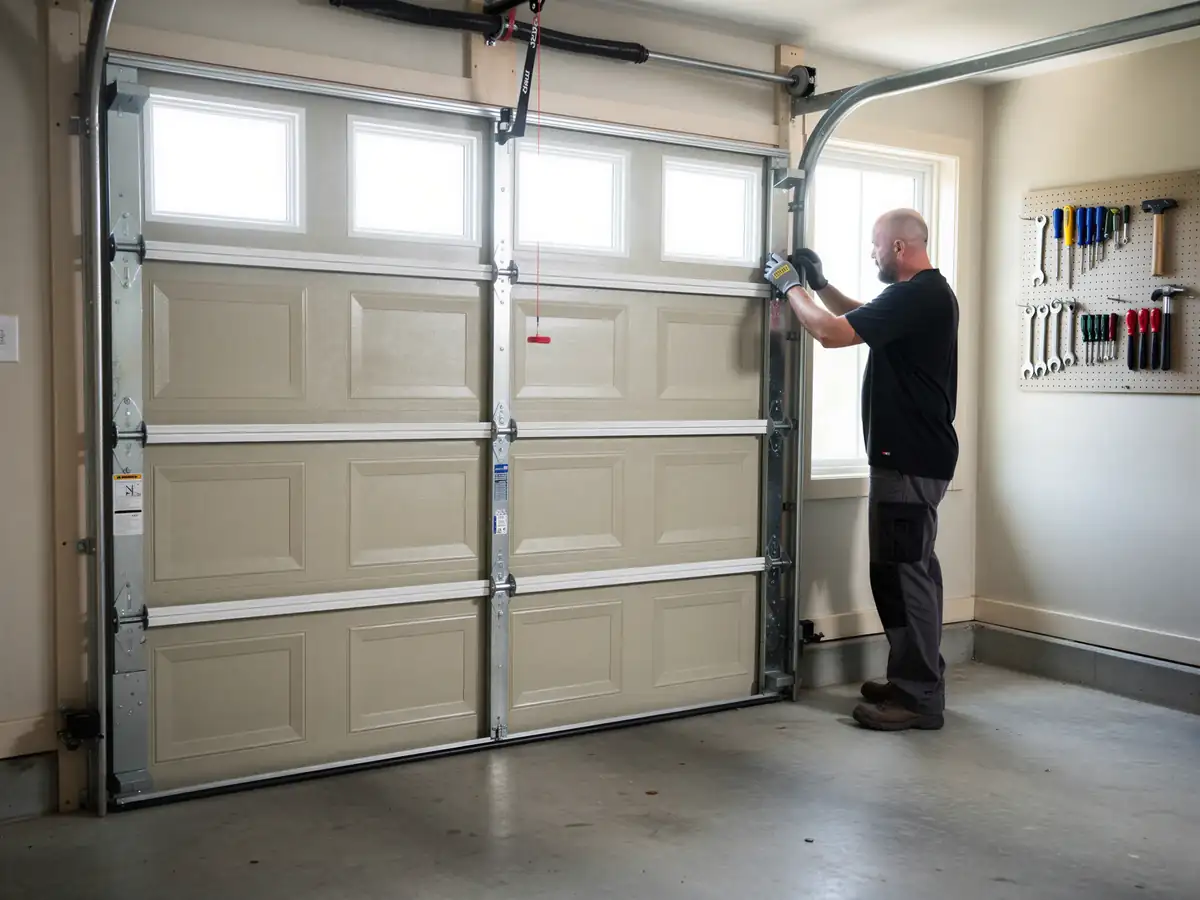
Roller replacement is one of the more forgiving garage door jobs to do yourself, which is more than we can say for spring work - we won't talk you into tackling a torsion spring on your own, the stored tension in those things puts people in the hospital. Rollers are different. If your door is off its track or a panel is bent, that's a sign of more than a worn roller and you should call before you start pulling pieces off. For a straightforward noisy roller on an otherwise square, true door, a patient homeowner with the right socket set and a way to secure the door while a track is open can do it. The part that trips people up isn't the roller itself, it's getting the door properly supported first so a track section doesn't drop on a hand.
Stocked Parts
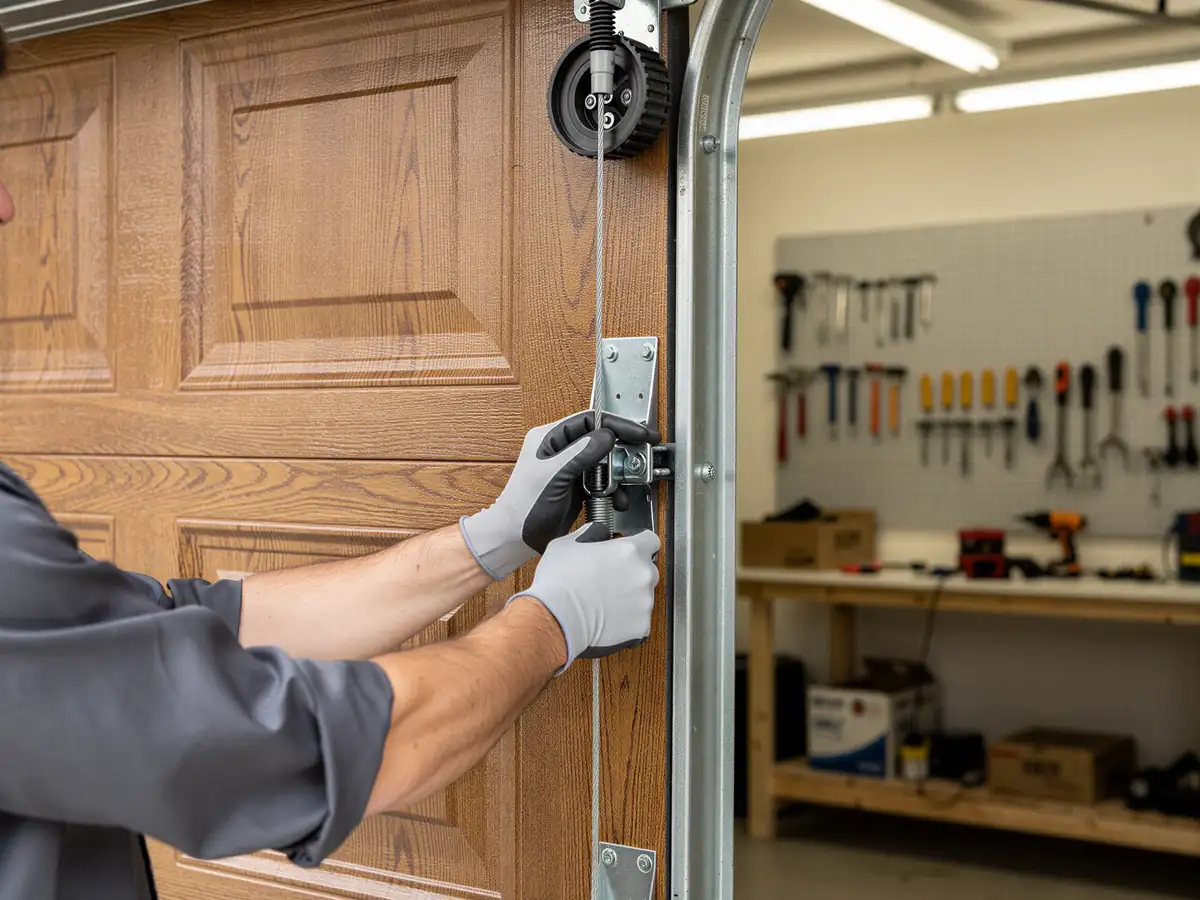
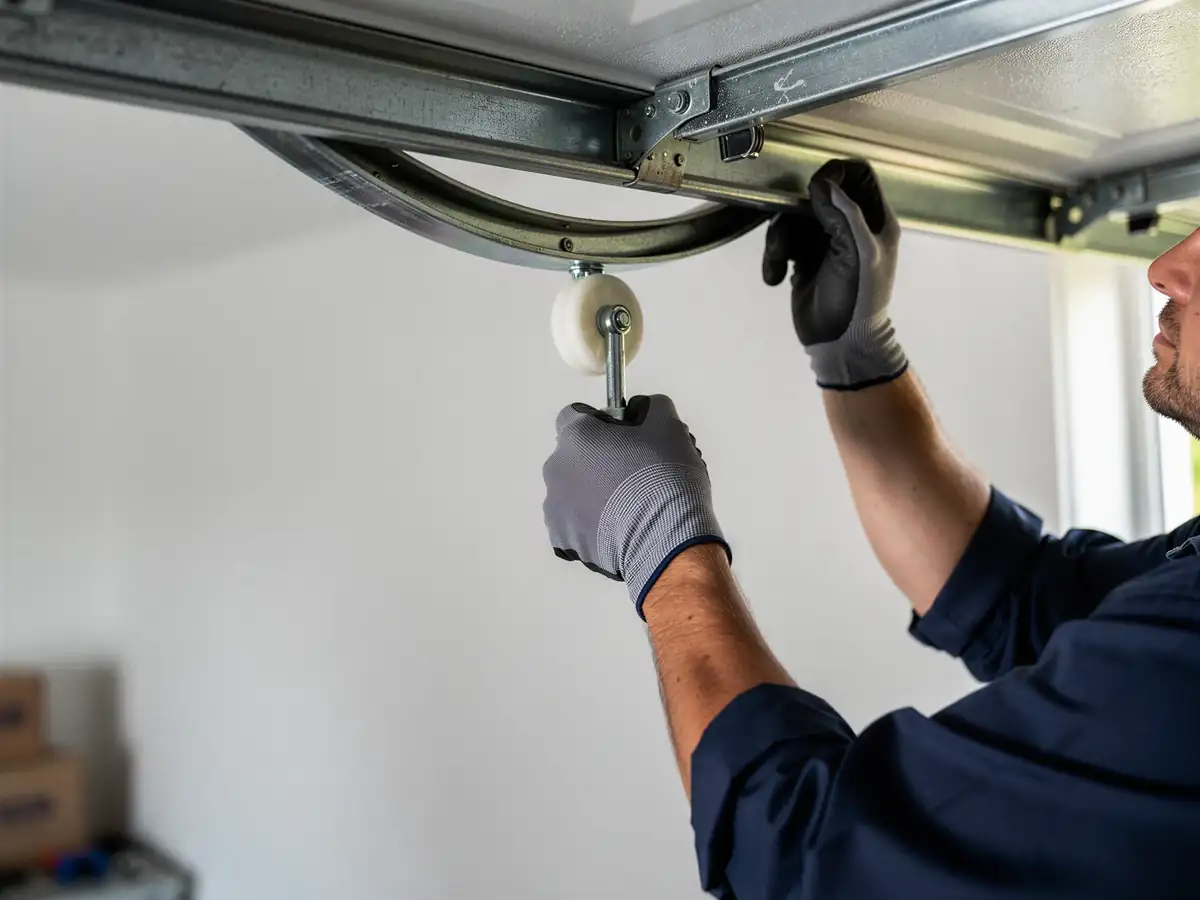
We carry sealed-bearing nylon rollers as the default swap for the steel rollers that came standard on doors built around here through the 1990s. Nylon runs quieter and doesn't need the same lubrication schedule, which matters given the cold moderate winters this area sits in - steel rollers stiffen and squeal more as temperatures drop, and that cold snap is usually what finally brings someone to the phone. We also keep standard 7-inch and 10-inch stem lengths on the truck, since most Silver Firs doors from the late-80s-through-90s construction wave use one of those two. What we don't stock on the truck is anything custom - a non-standard track width or an older low-headroom setup means a second trip while we source the part, and we'll tell you that up front rather than promise same-visit on something we can't confirm.
What the Repair Takes
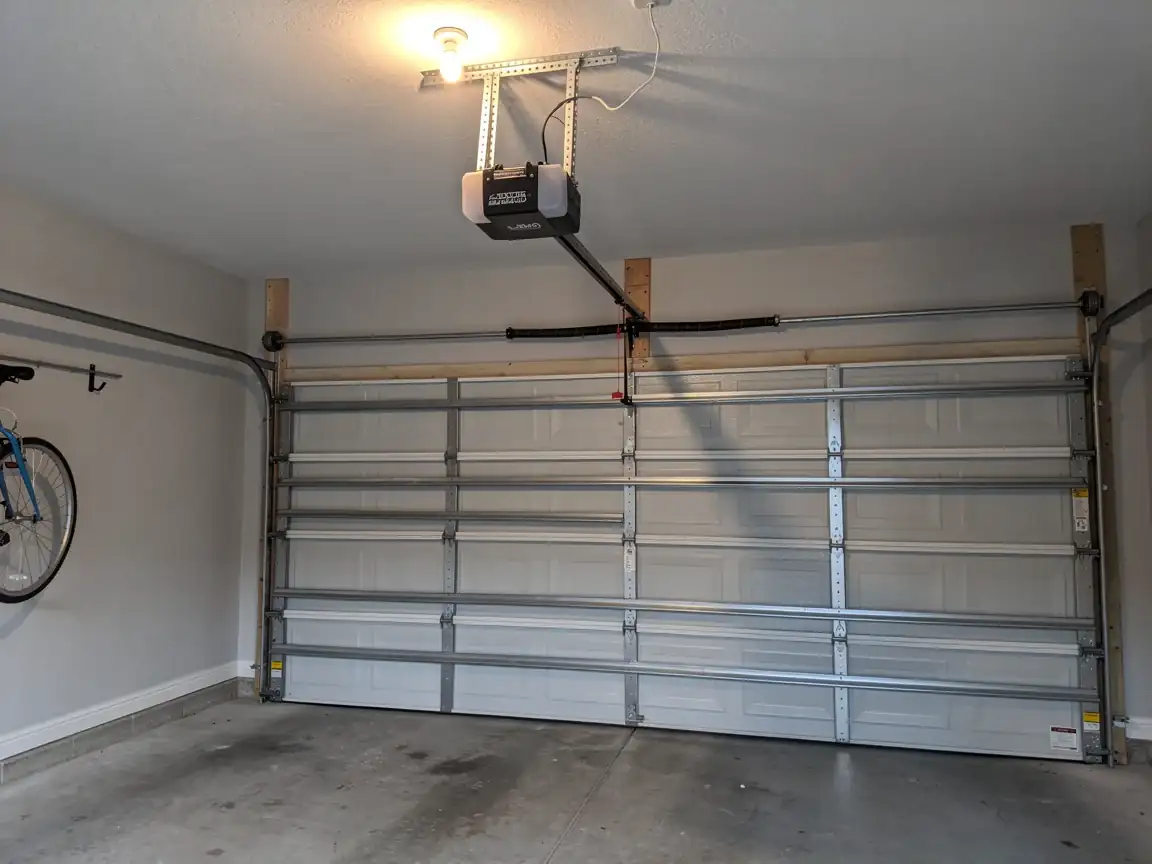
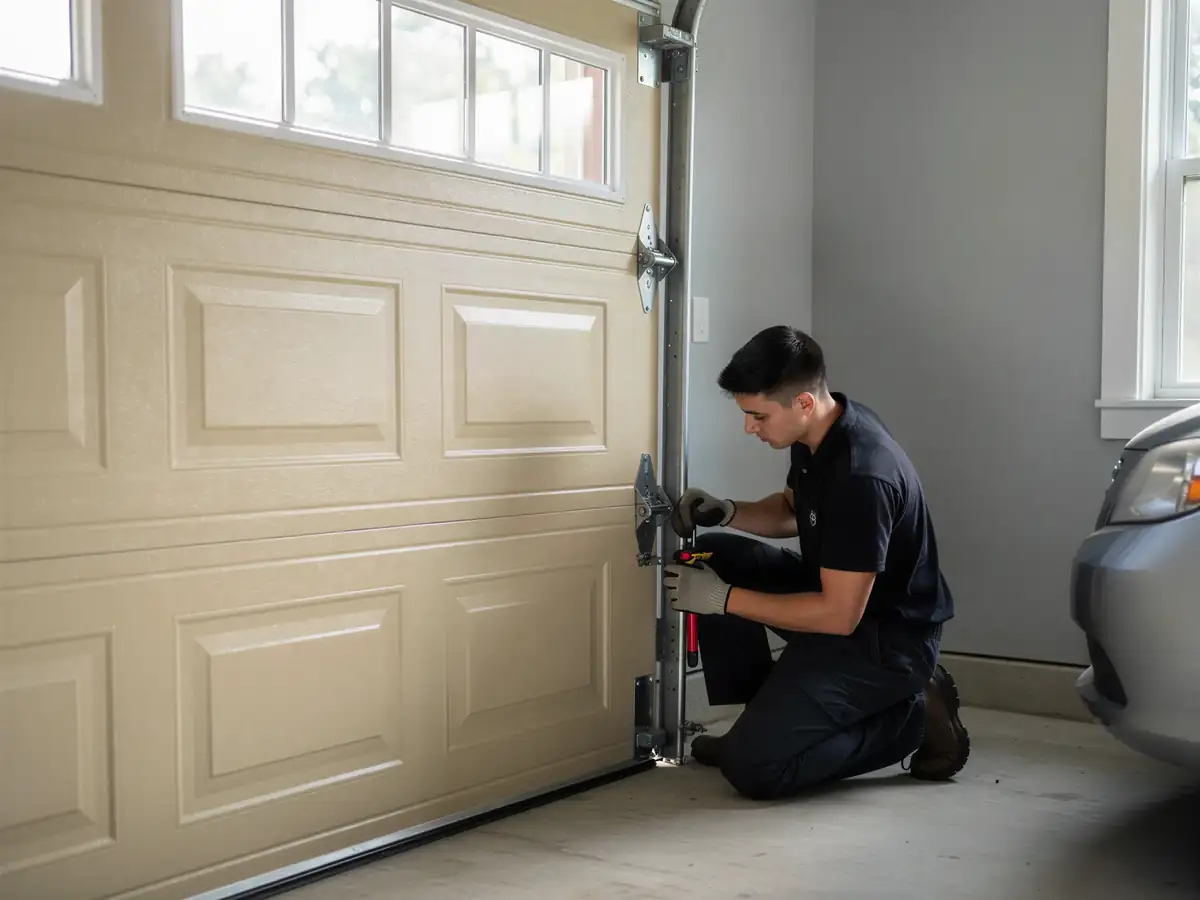
A full roller swap on a standard double door runs through each roller in sequence - track section open, old roller out, new one in, track reseated - and most jobs like this close out in one visit once we're on site. The time sink isn't the mechanical part, it's confirming stem length and track gauge match what we loaded on the truck, which is why the build-year consistency in this area helps us move faster than in a neighborhood with mixed-era housing. We'll also check the track mounting brackets while we're in there, since a track that's worked loose over nearly three decades is a common companion issue to worn rollers, not a separate complaint you'd need to call back about.
Why It Happens Here
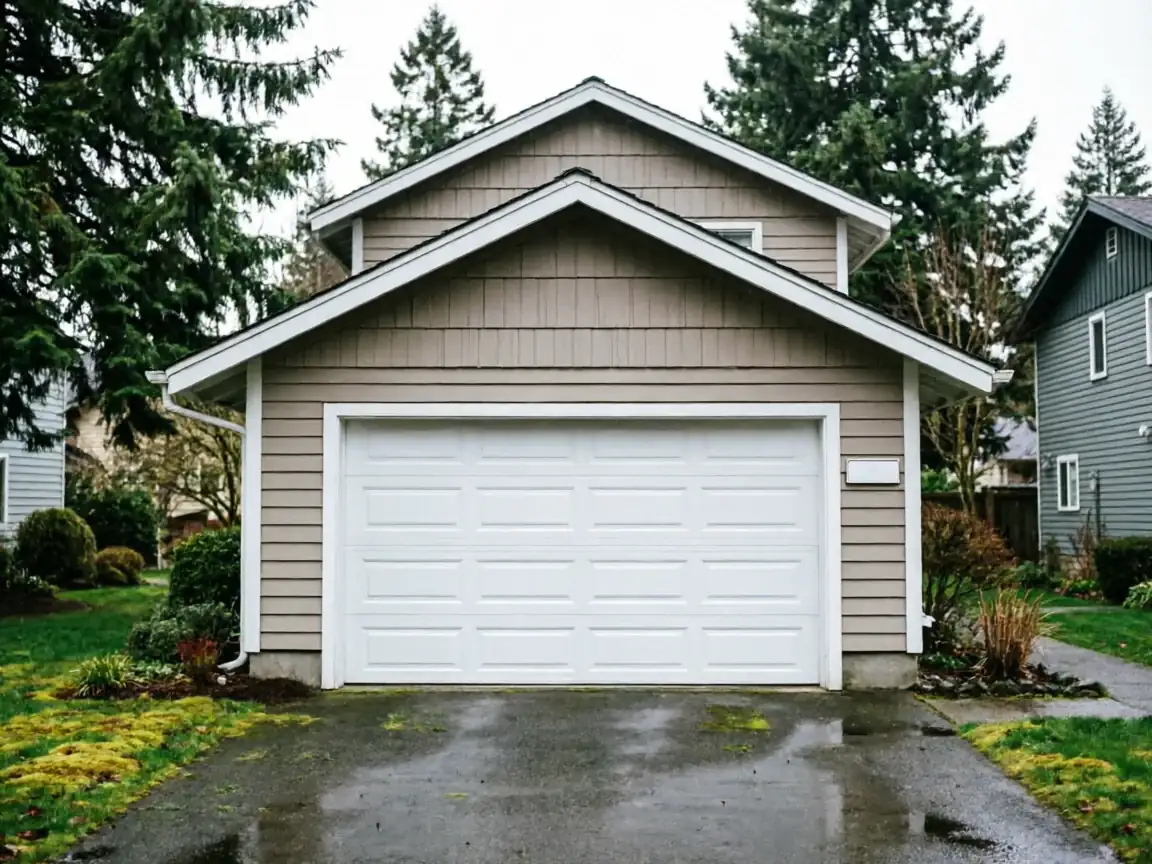
Silver Firs homes cluster around a 1997 build date, which puts the original hardware squarely into its end-of-life window for steel rollers right now - not earlier, not a decade from now. That's different from the service area's broader 1968-2000 range, where some neighborhoods are already well past this point and others still have a stretch to go. Add the cold moderate winters common to this part of Washington, and steel rollers here see more thermal cycling stress than the same part would in a warmer climate, which shortens the bearing life a little further. It's not a defect in the house or the door - it's just what 28 years of steel-on-track wear looks like, arriving on a fairly predictable schedule across this part of the service area.