The DIY Question
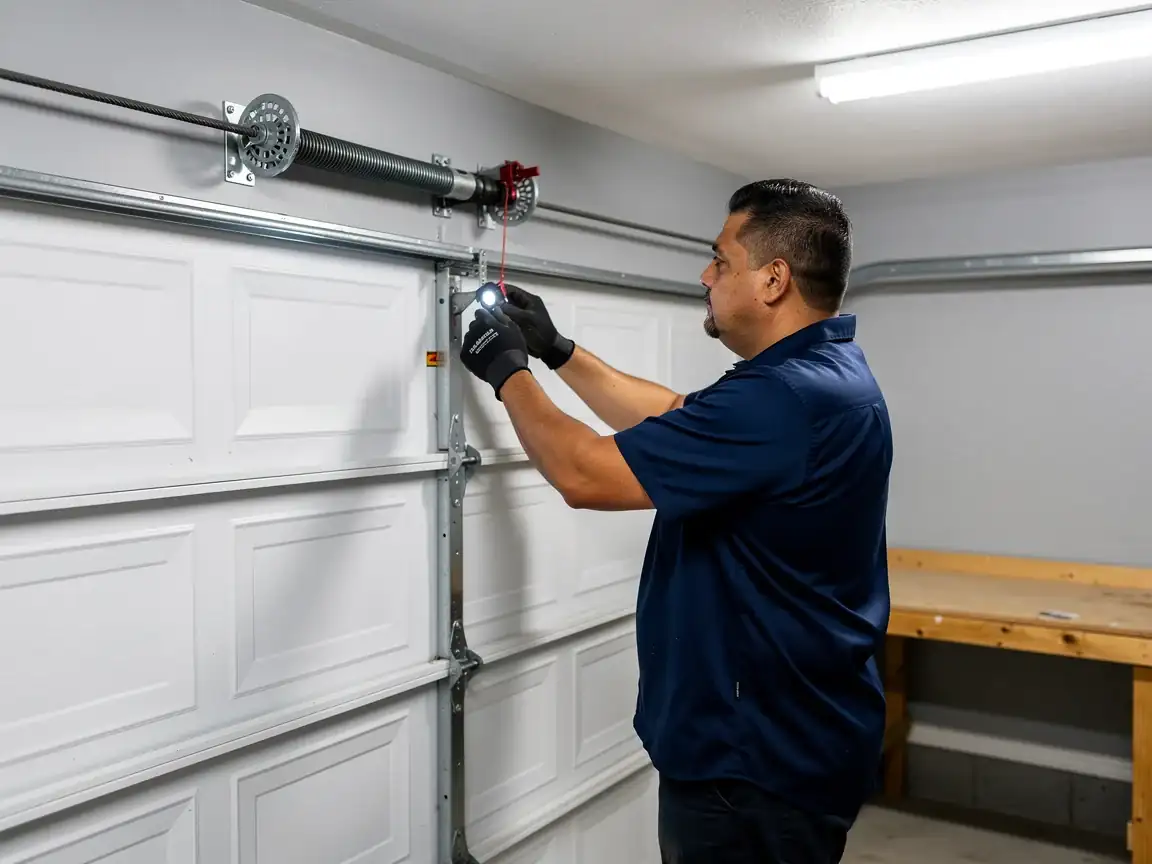
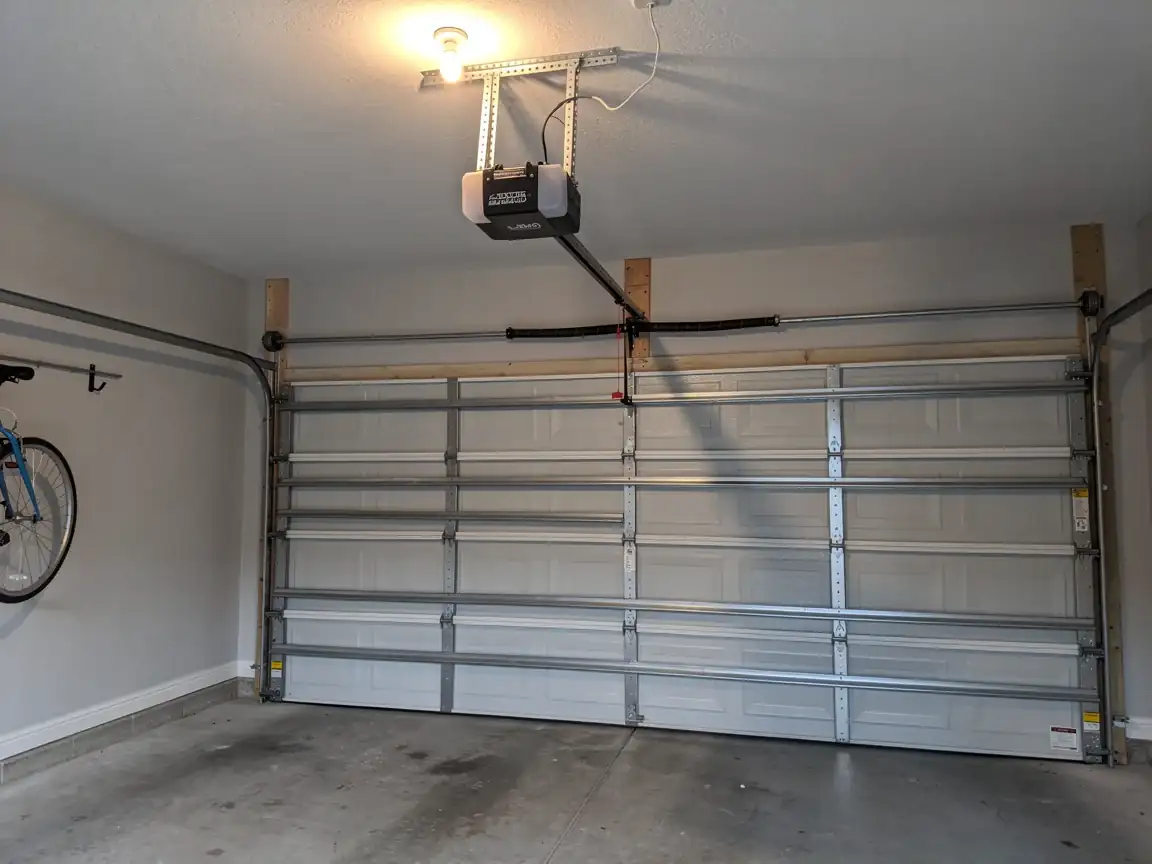
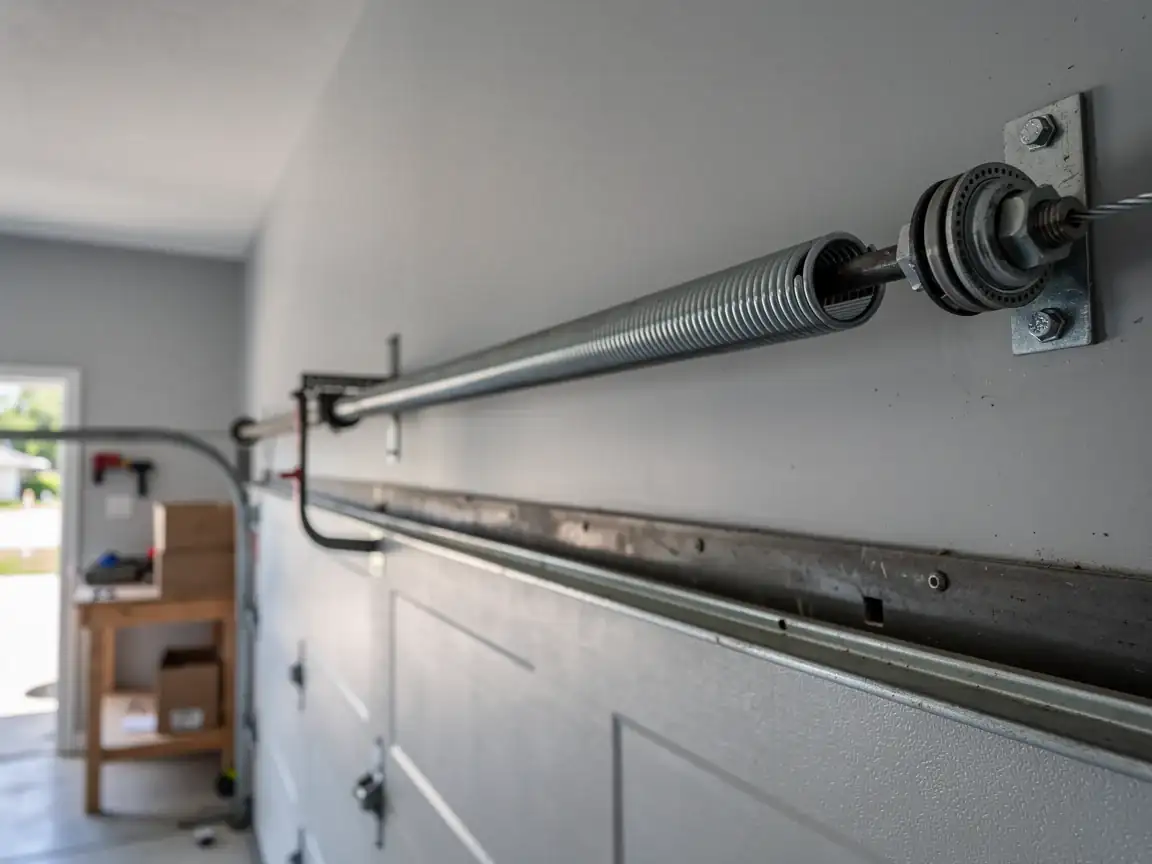
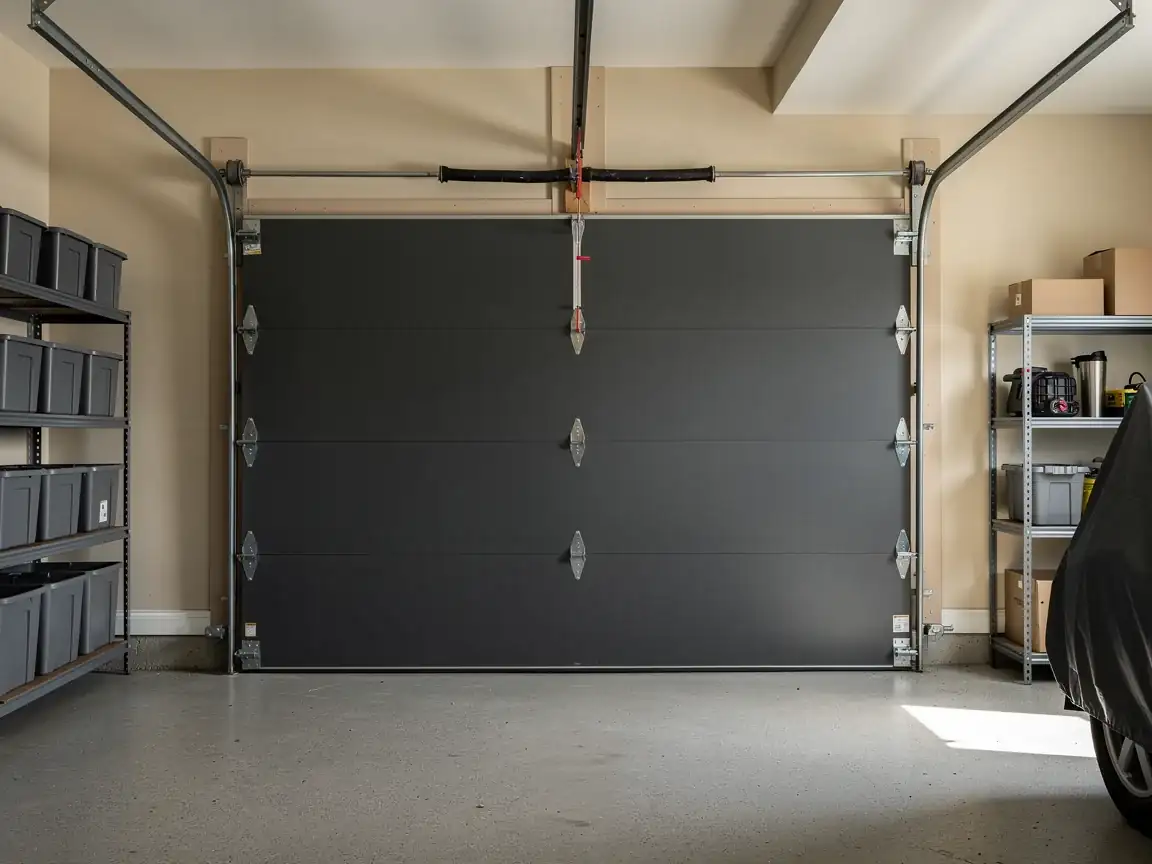
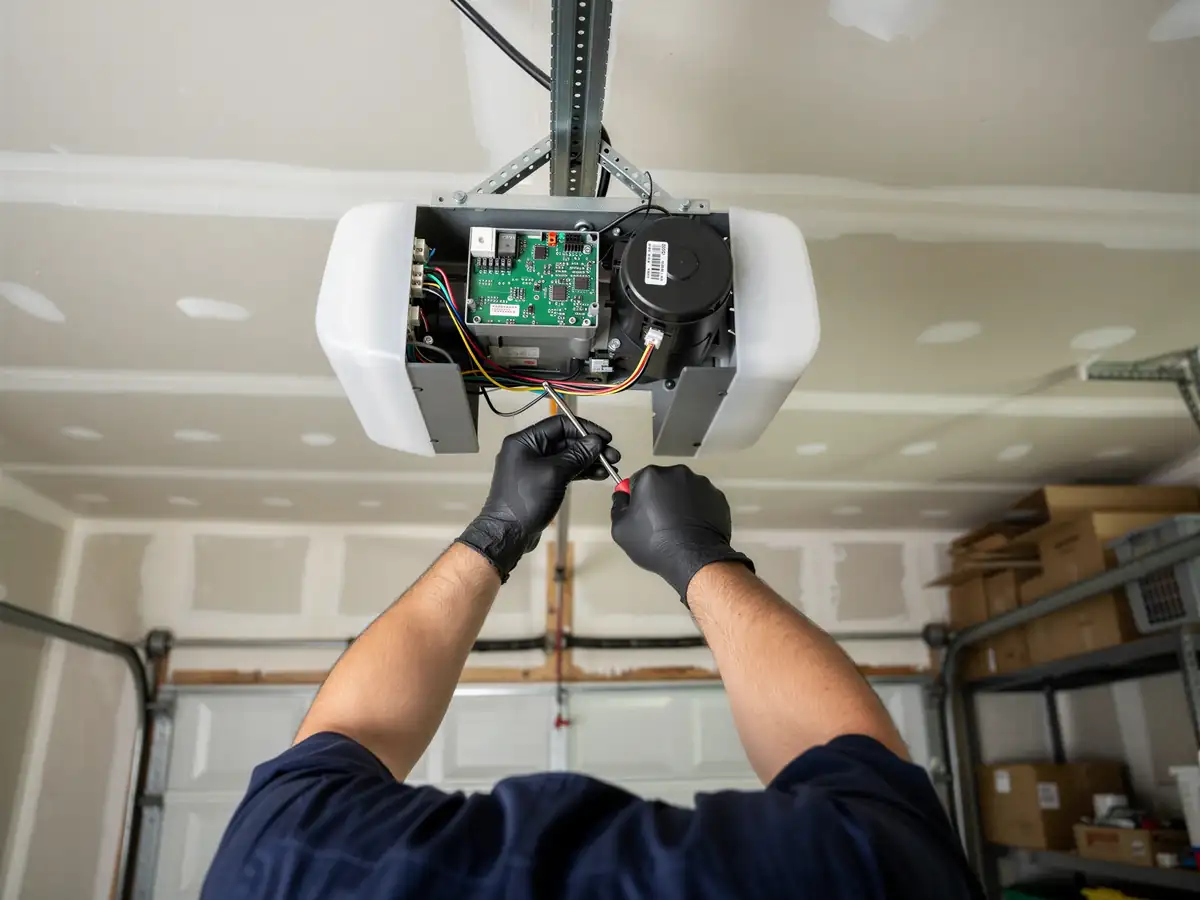
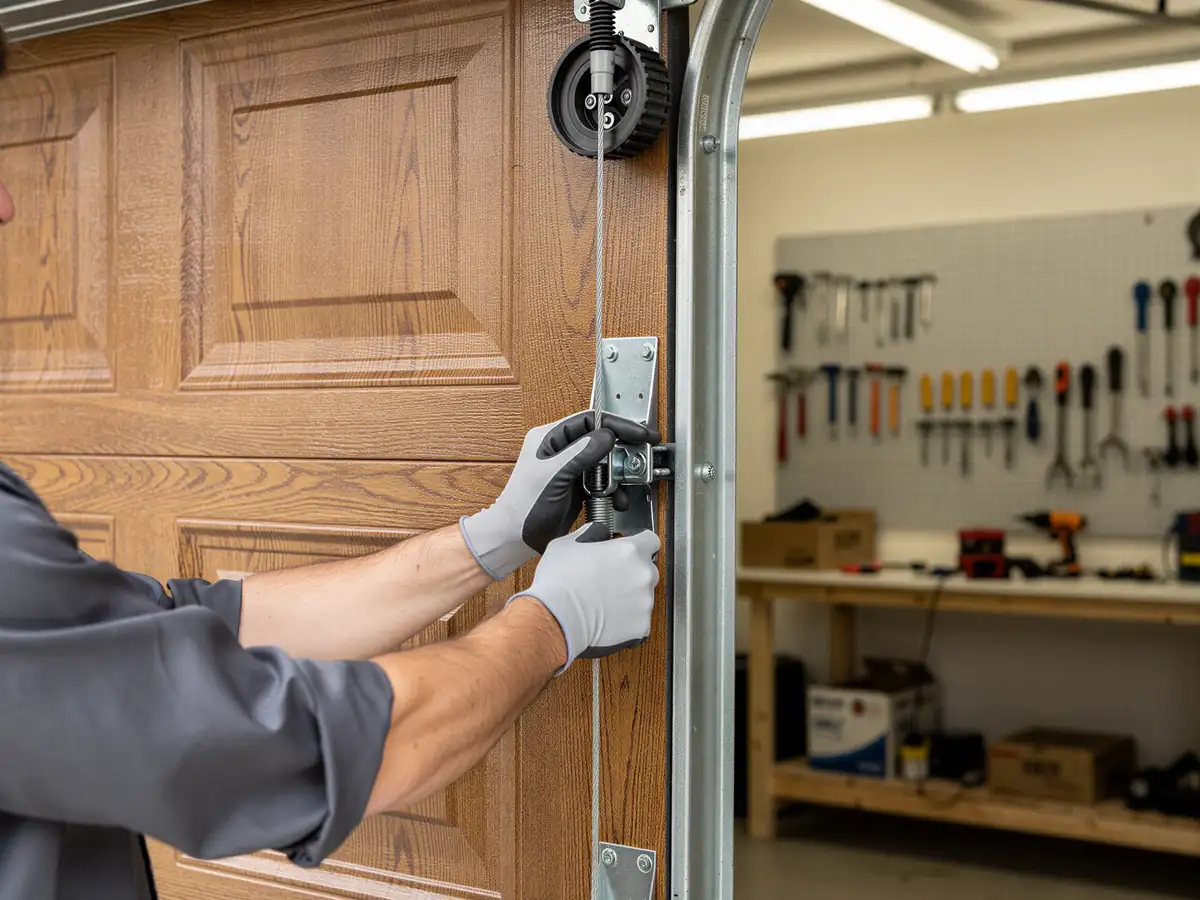
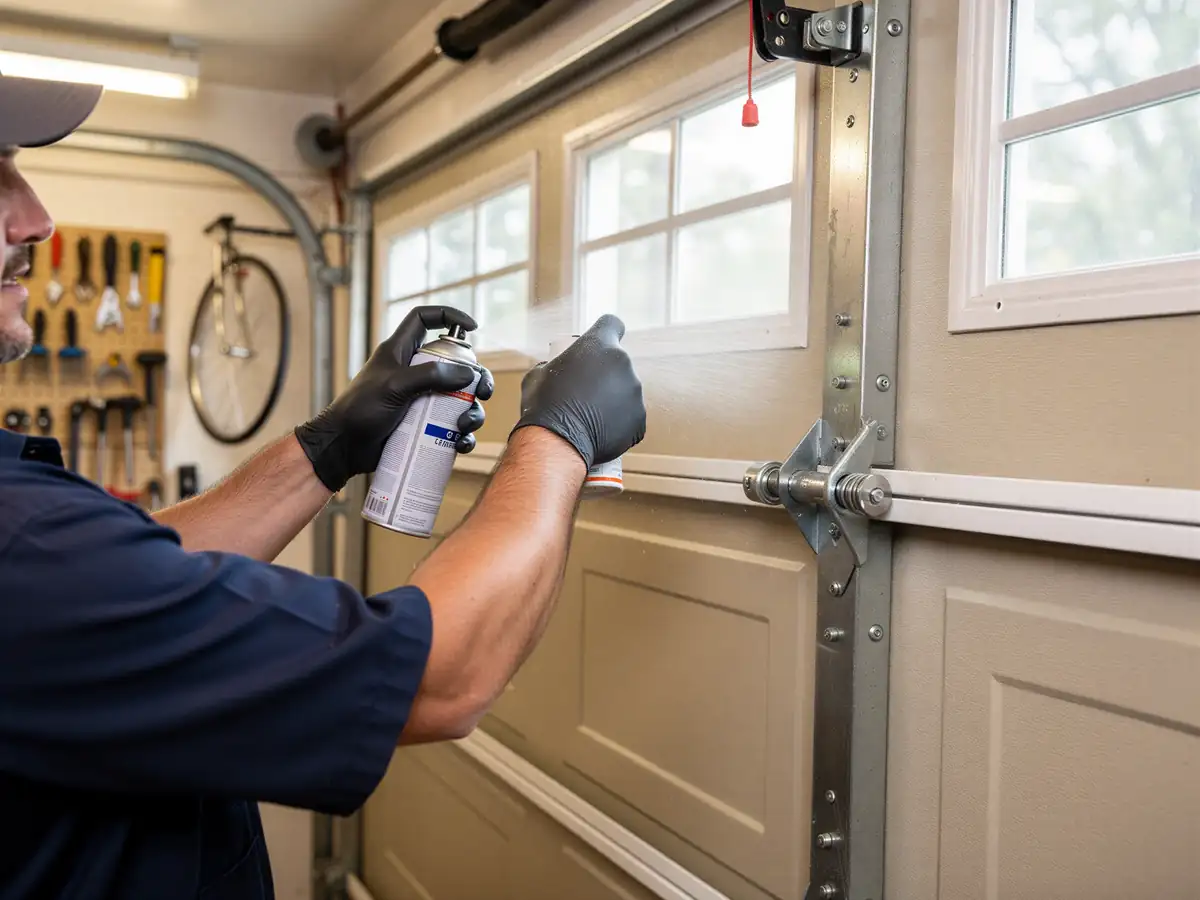
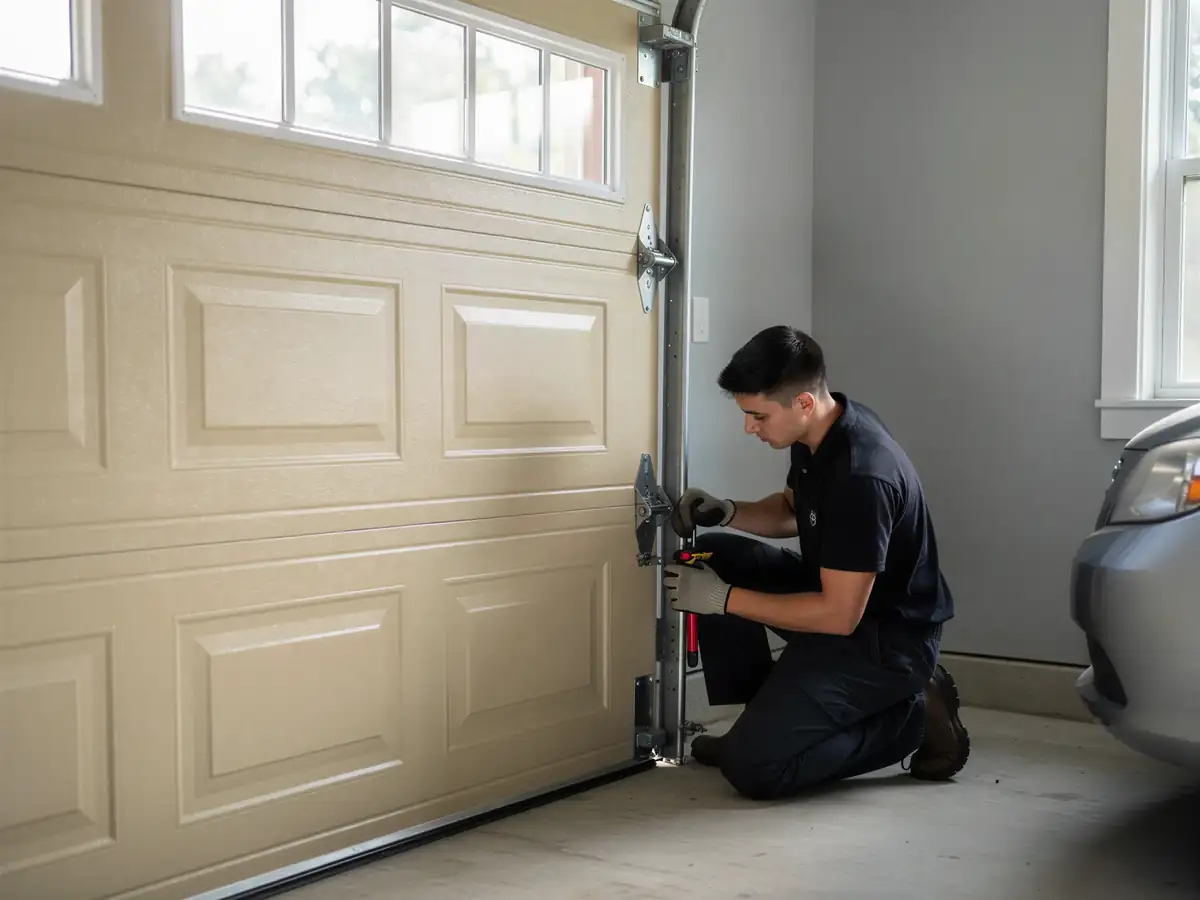
A torsion spring holds enough stored tension to break a bone or worse, and on a house built around 1997 that spring has likely never been swapped - it's been loading and unloading for most of three decades. That's not a job for a Saturday with a borrowed winding bar. Where DIY is fine: replacing worn weatherstripping, lubricating hinges and rollers, tightening a loose track bracket, swapping remote batteries. Where it isn't: springs, cables, anything on the drum side, or opener logic boards wired into the circuit. We'll tell you straight if something's a ten-minute fix you can do yourself - we'd rather you save the call than pay us to turn a wrench you could've turned.
Stocked Parts
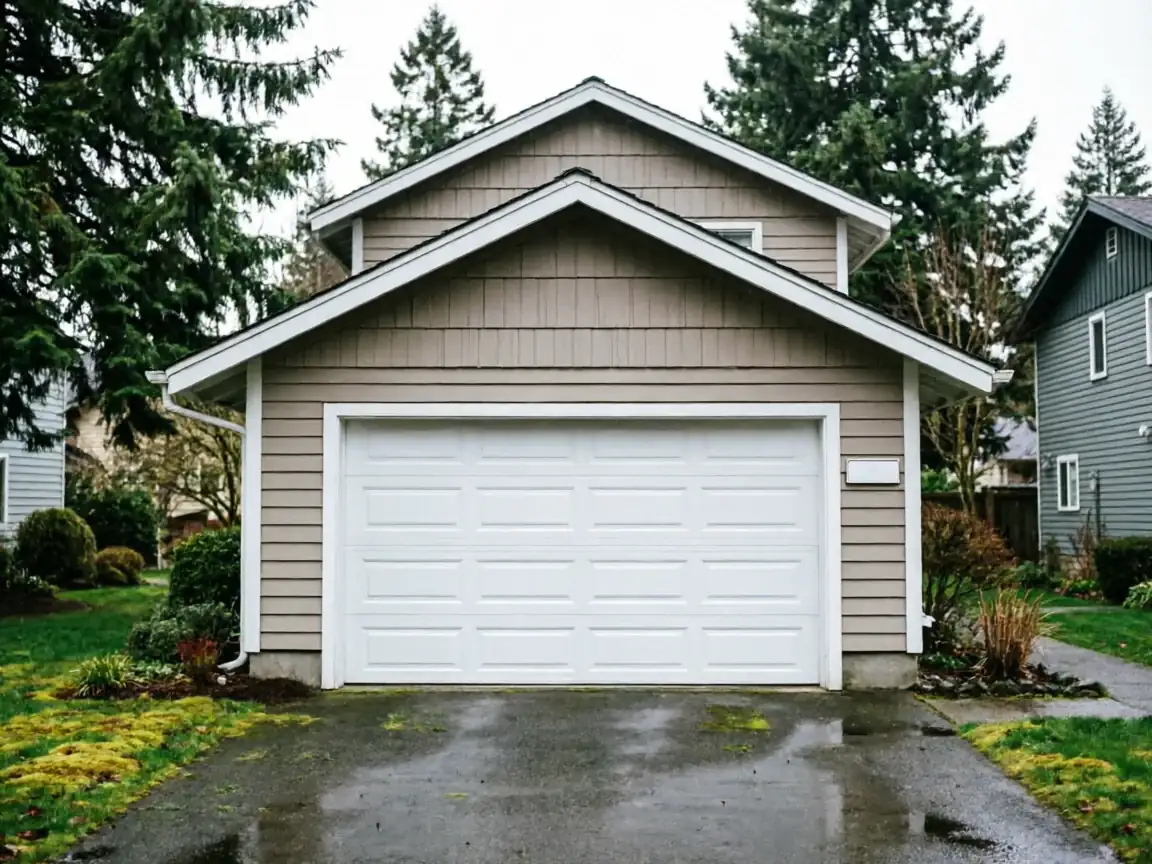
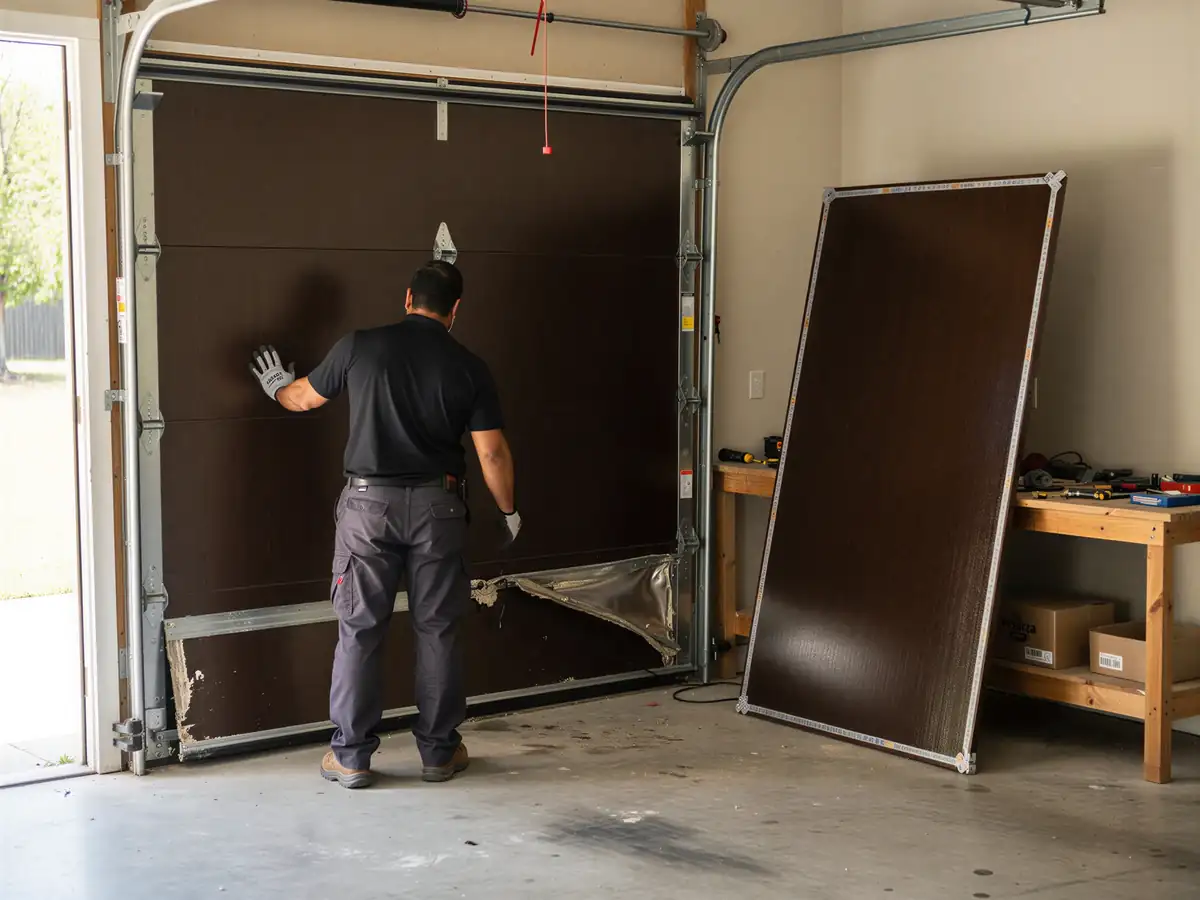
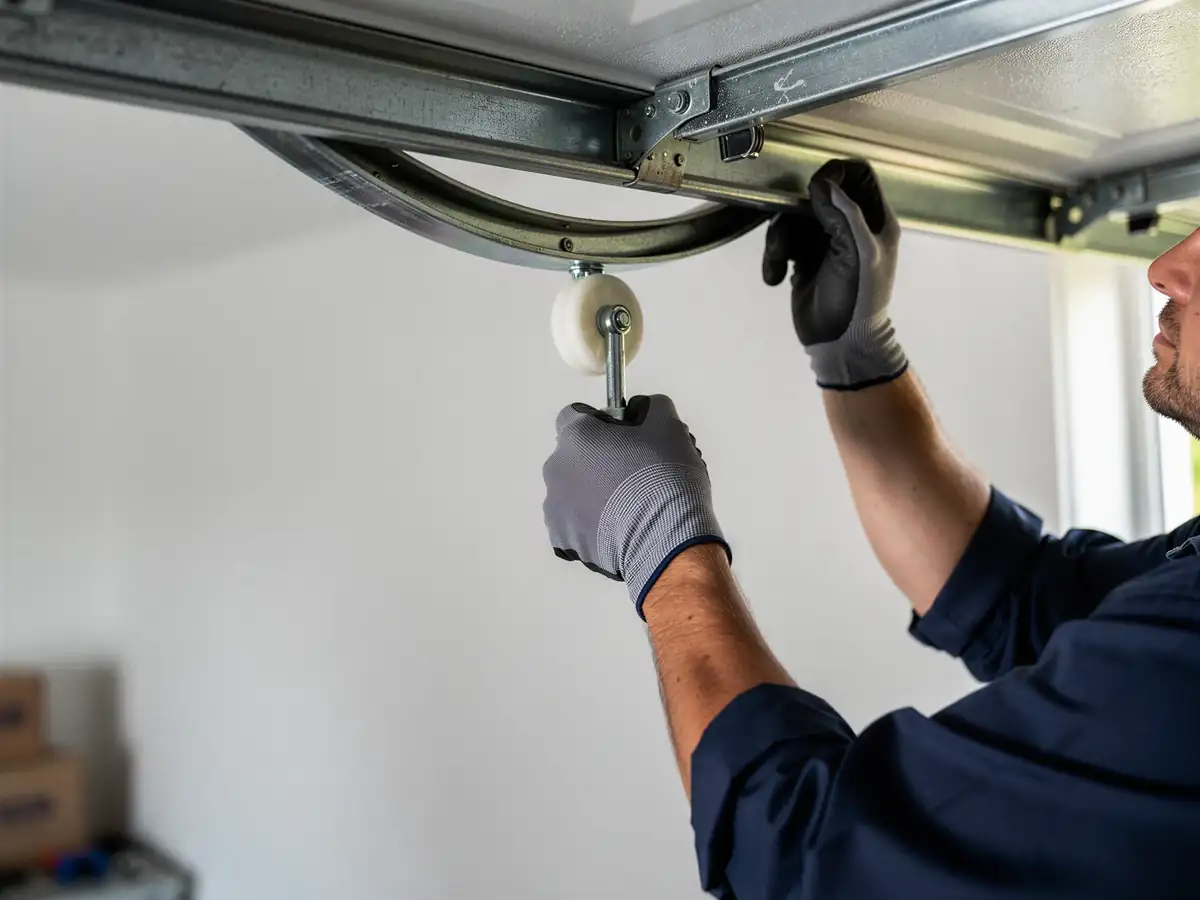
Because Silver Firs sits squarely in a build window - construction mostly dated to 1997 - the springs, rollers, and openers failing out here cluster around a narrower range of sizes than you'd see in an area with mixed decades of construction. We stock torsion springs sized for the double-door openings common to houses from that era, along with the steel rollers and extension cables that go with them. What we don't keep on the truck: parts for openers no longer made, or specialty panel inserts for doors that have already been discontinued by their manufacturer. Those we special-order, and that adds a few days - we'll tell you up front if your door falls into that category instead of promising a same-visit fix we can't deliver.
What the Repair Takes
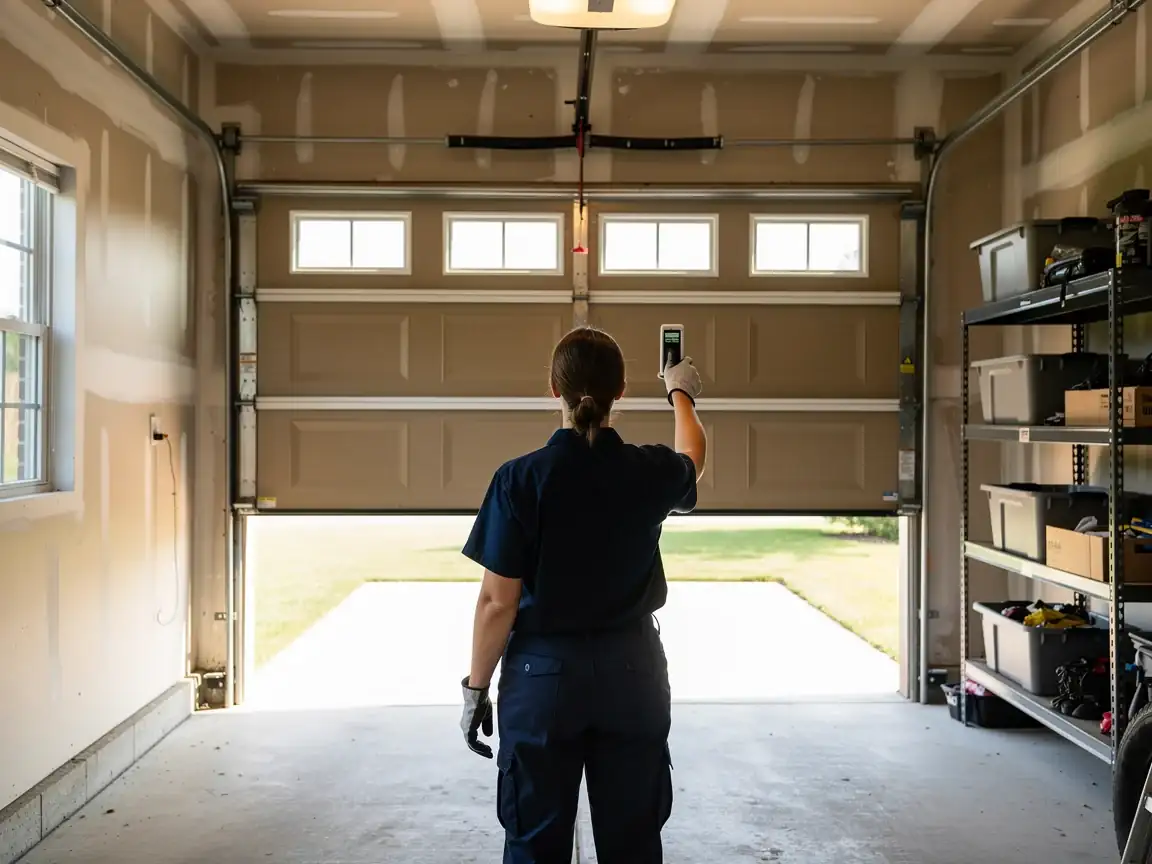
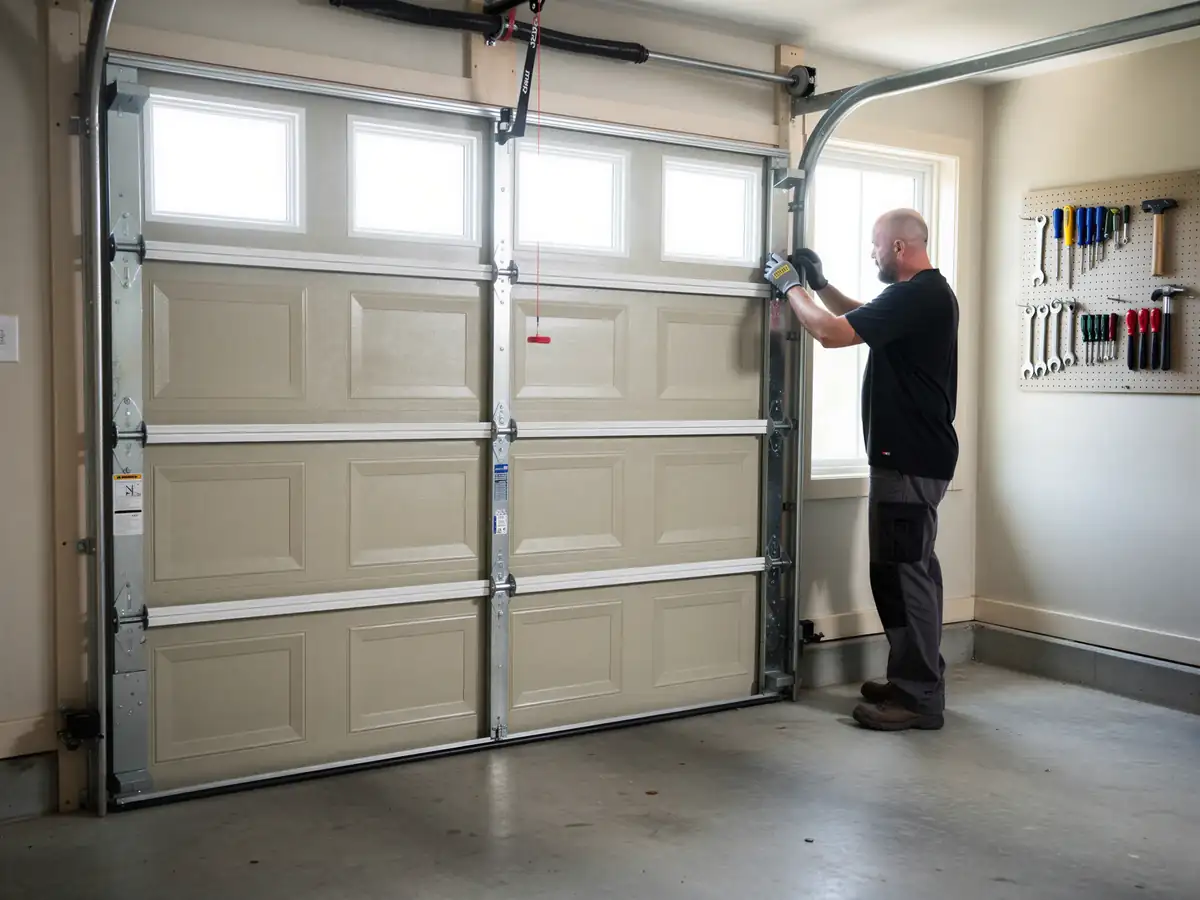
Most spring jobs on a Silver Firs door run under two hours once we're on site - one spring or a matched pair, balanced and tested with the opener disconnected so you can see the door hold position on its own. Roller and cable work is quicker. Opener replacement takes longer, mostly because we're programming remotes and safety sensors to match the new unit, not just bolting it to the ceiling. The honest limitation: if the door itself is warped or rusted through - more likely on an original panel that's gone 25-plus years without replacement - a spring fix buys you time but doesn't solve the underlying problem, and we'll say so rather than keep sending you a bill for patches.
Why It Happens Here
Silver Firs homes mostly date to around 1997, a decade or more newer than the broader service area's 1980s-90s norm, which means the original torsion springs and openers installed at construction are still in a lot of these garages right now. A torsion spring is rated for a number of open-close cycles, not a number of years, but cycle counts and calendar years track together for most households, and a spring installed in 1997 has had a long run. Add the region's cold, moderate winters - stiff steel, contracted grease, condensation inside opener housings - and you get the predictable failure pattern: springs that finally give out, rollers that have worn their bearings dry, and openers whose gears have quietly stripped under decades of the same cold-weather load.