The DIY Question
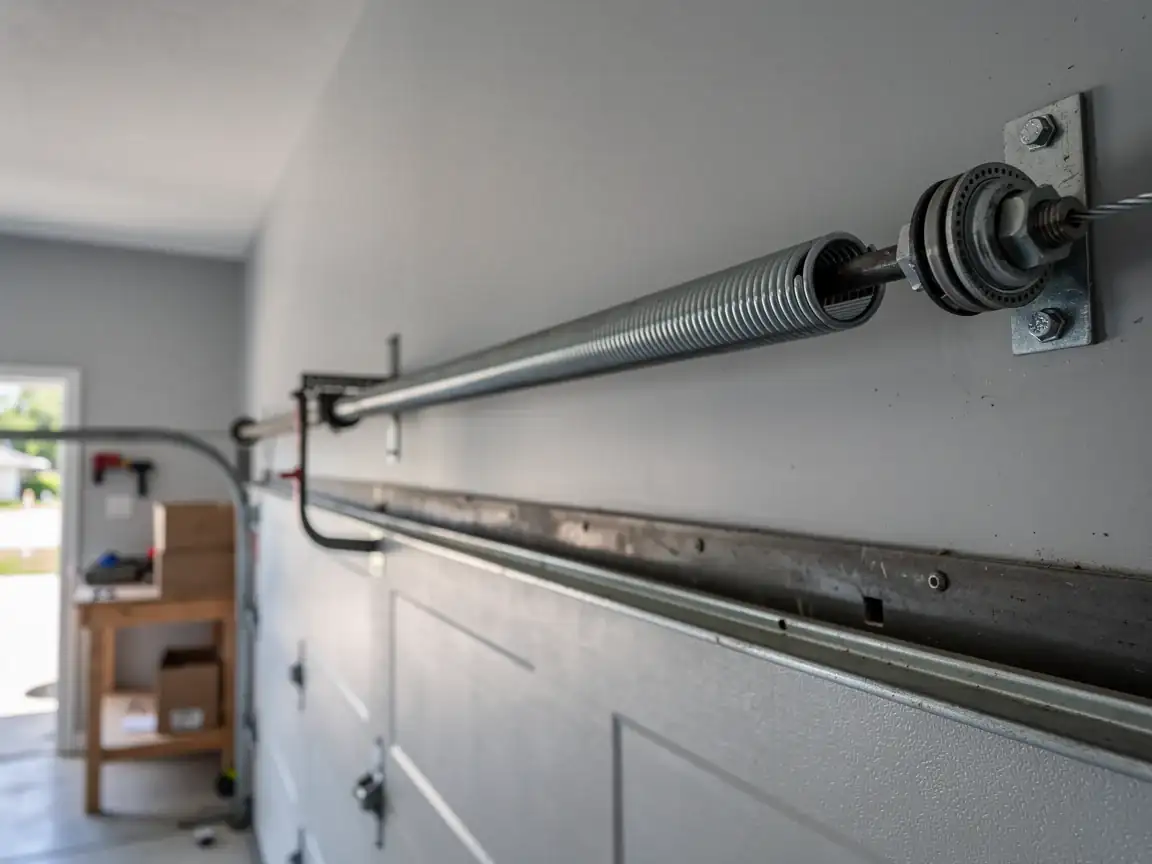
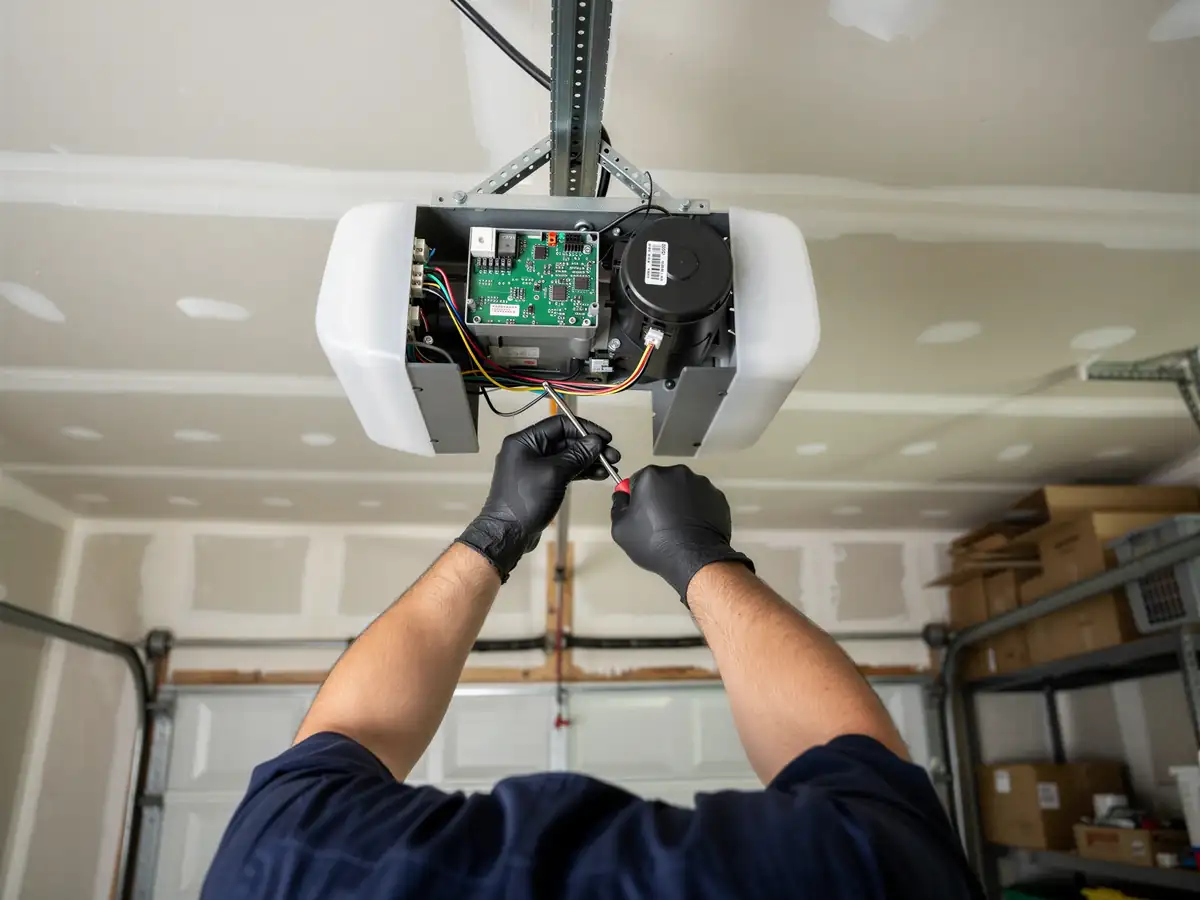
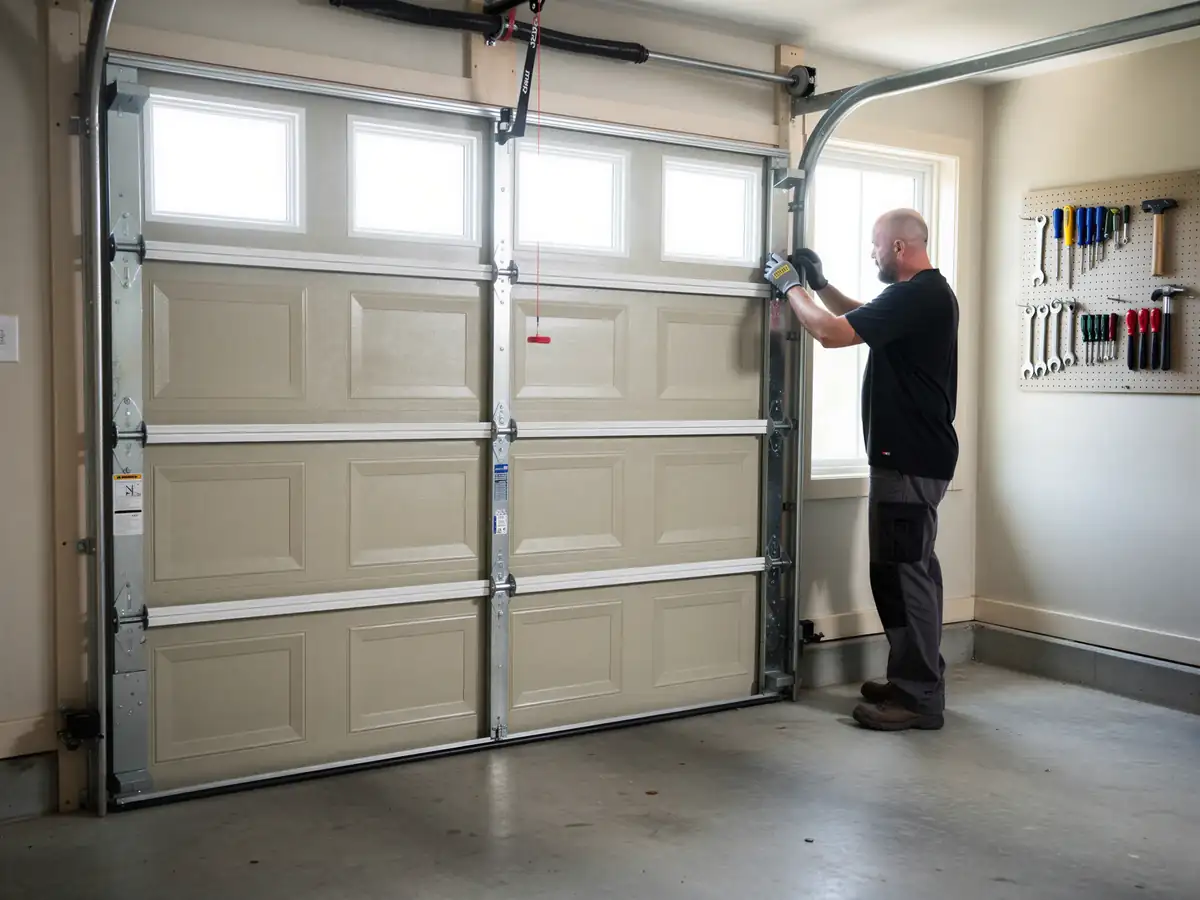
A new garage door is not a spring swap or a sensor realignment - it's a full panel, track, and hardware install, usually with a torsion system under real spring tension. We won't talk anyone through doing this themselves, and we're not going to pretend a video makes it safe. Where the DIY question actually comes up in Silver Firs is upgrades: homeowners here, with a median household income around $153,026, often ask about adding insulation, a quieter belt-drive opener, or smart controls on top of the base install. Those are reasonable things to spec into the order. What's not reasonable is trying to retrofit insulation or electronics onto an old door frame yourself and then calling us to finish it - mismatched hardware on a half-finished job costs more to sort out than starting clean.
Stocked Parts
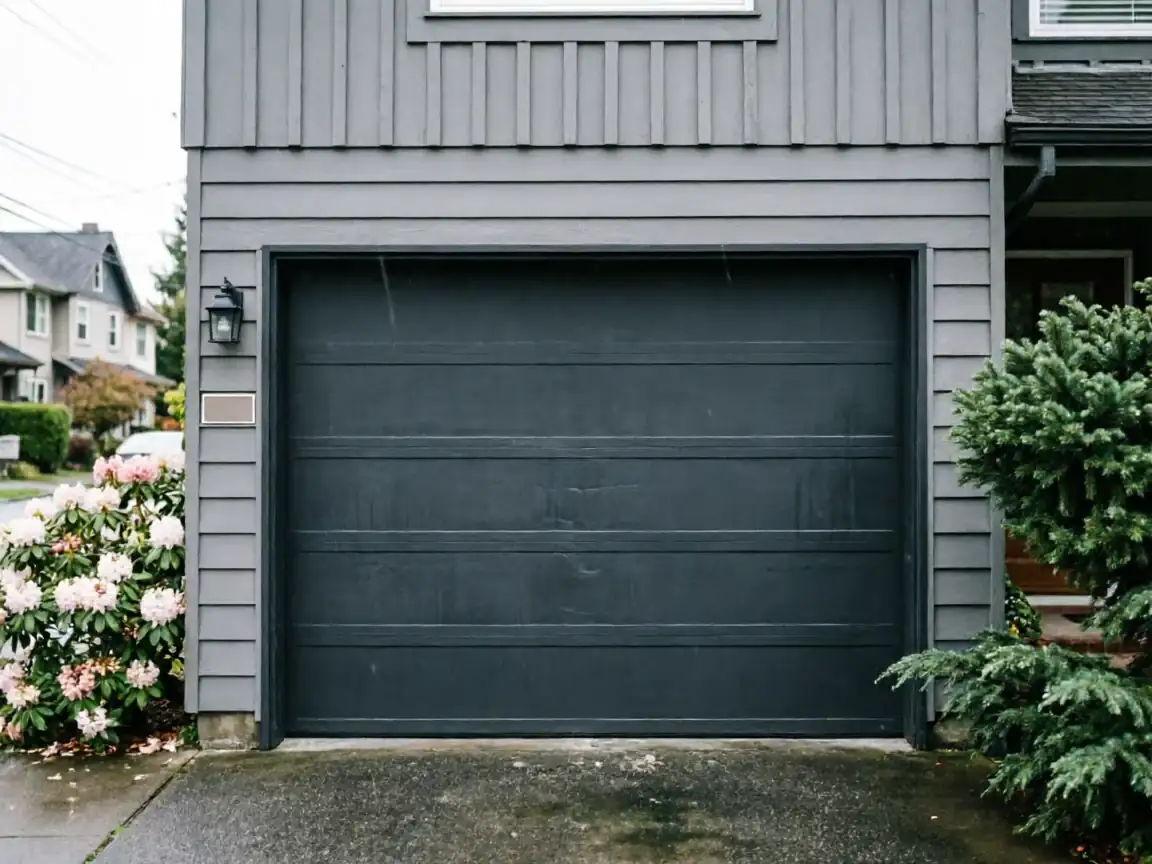
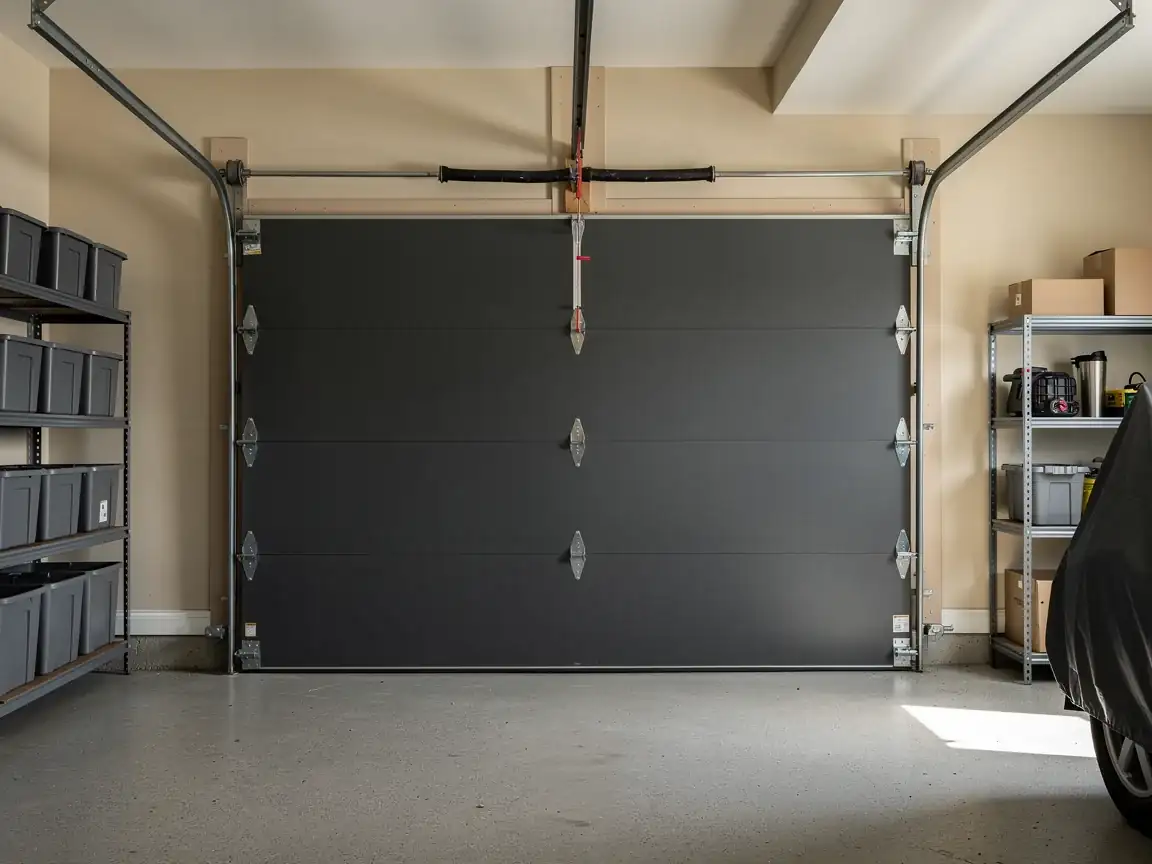
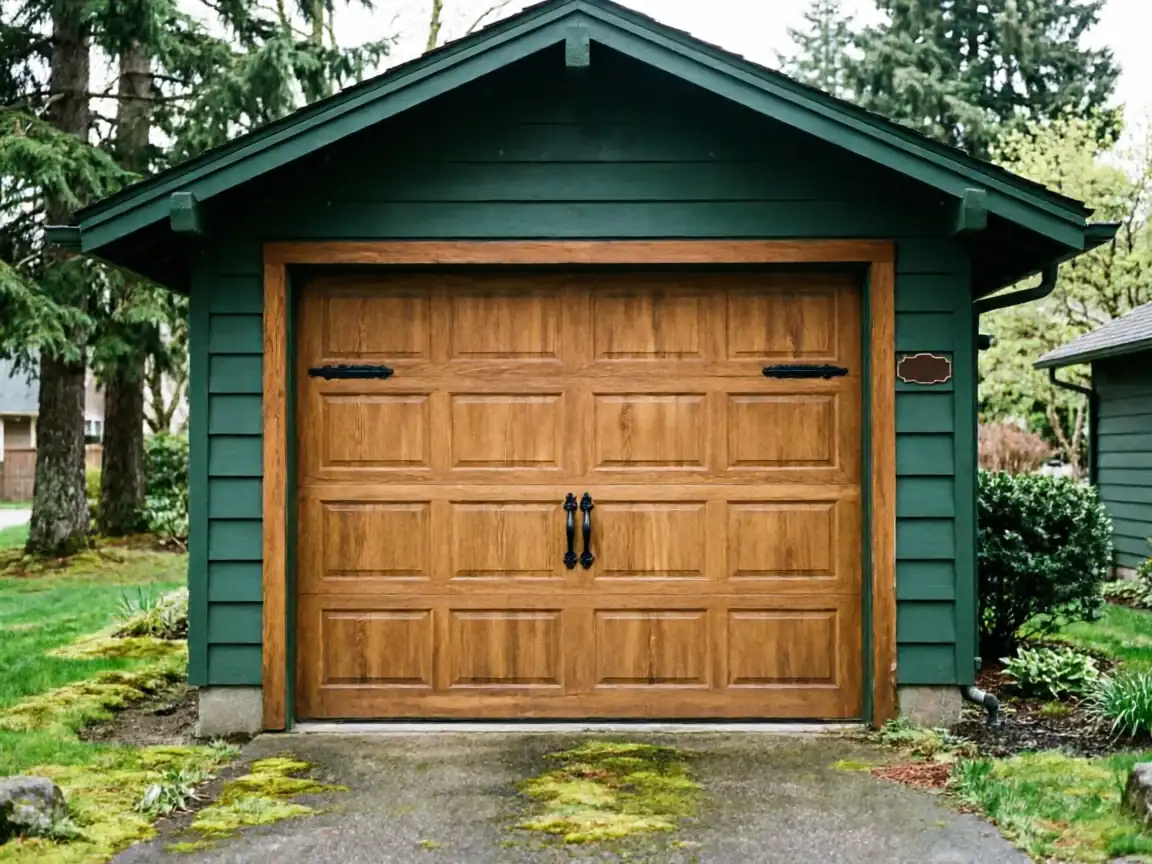
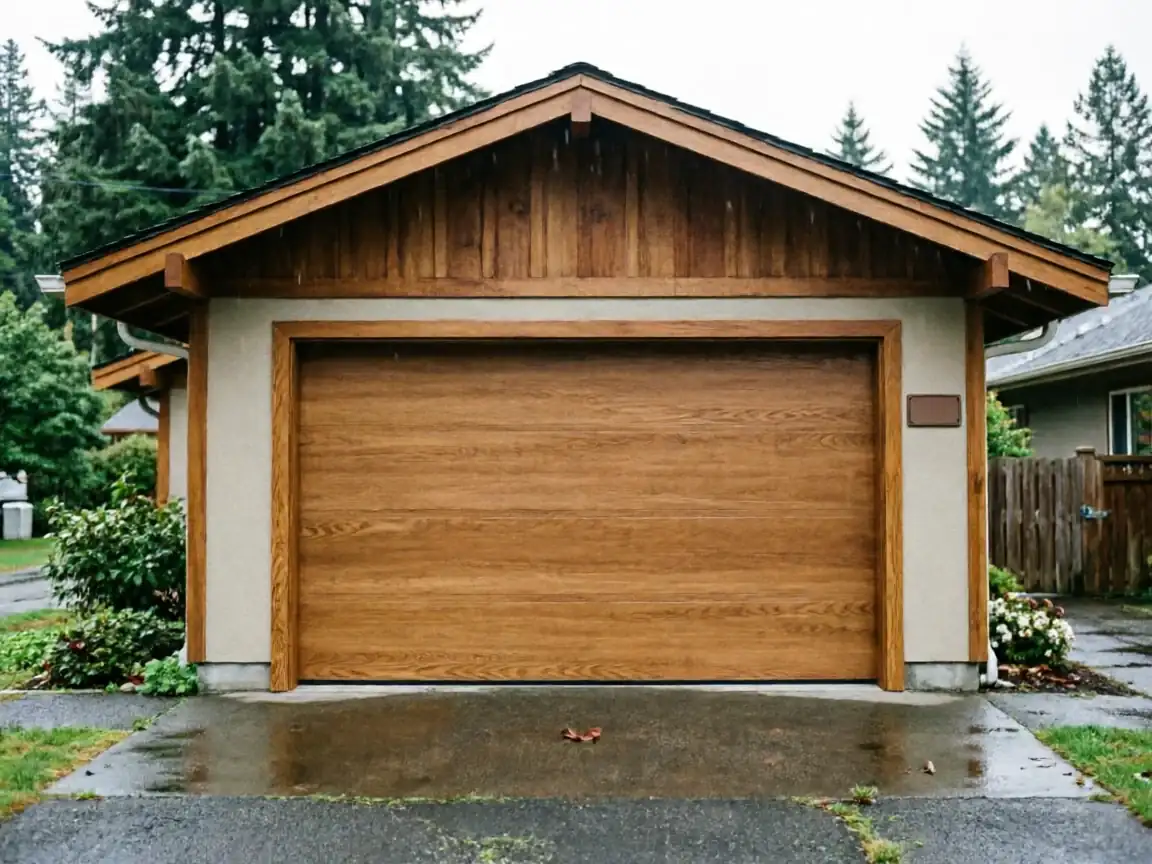
We carry the parts that match what's actually on the ground here: steel sectional doors and torsion hardware sized for openings common to homes built in the late 1980s through late 1990s, which covers most of Silver Firs. What we don't always have on the truck is a close color or panel-style match for an older custom order - those sometimes carry a lead time from the supplier, and we'll tell you that up front rather than promise same-day on a specialty door. For a standard steel install, panels, tracks, rollers, and a new opener are stocked and ready to go. The honest limit: if you want a wood-look composite or an unusual window-lite pattern, expect to wait on that piece specifically, even though the rest of the install can move fast.
What the Repair Takes
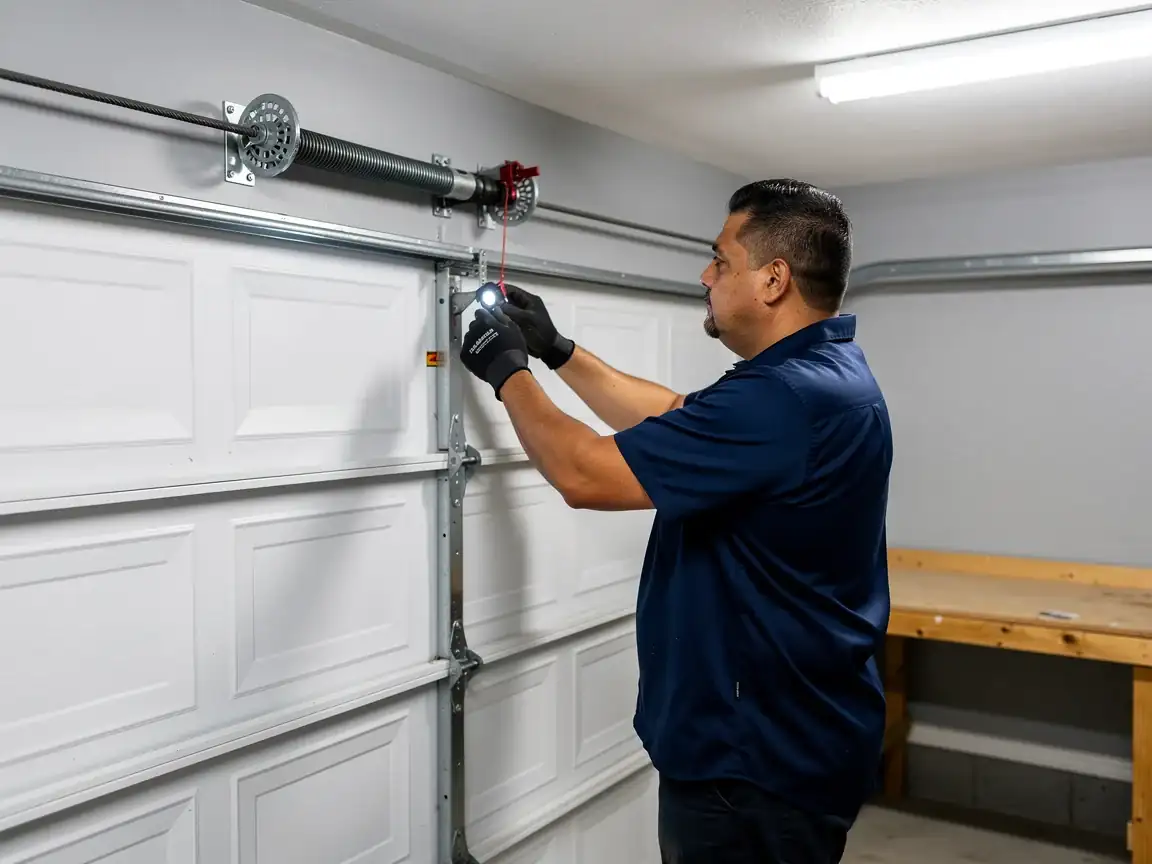
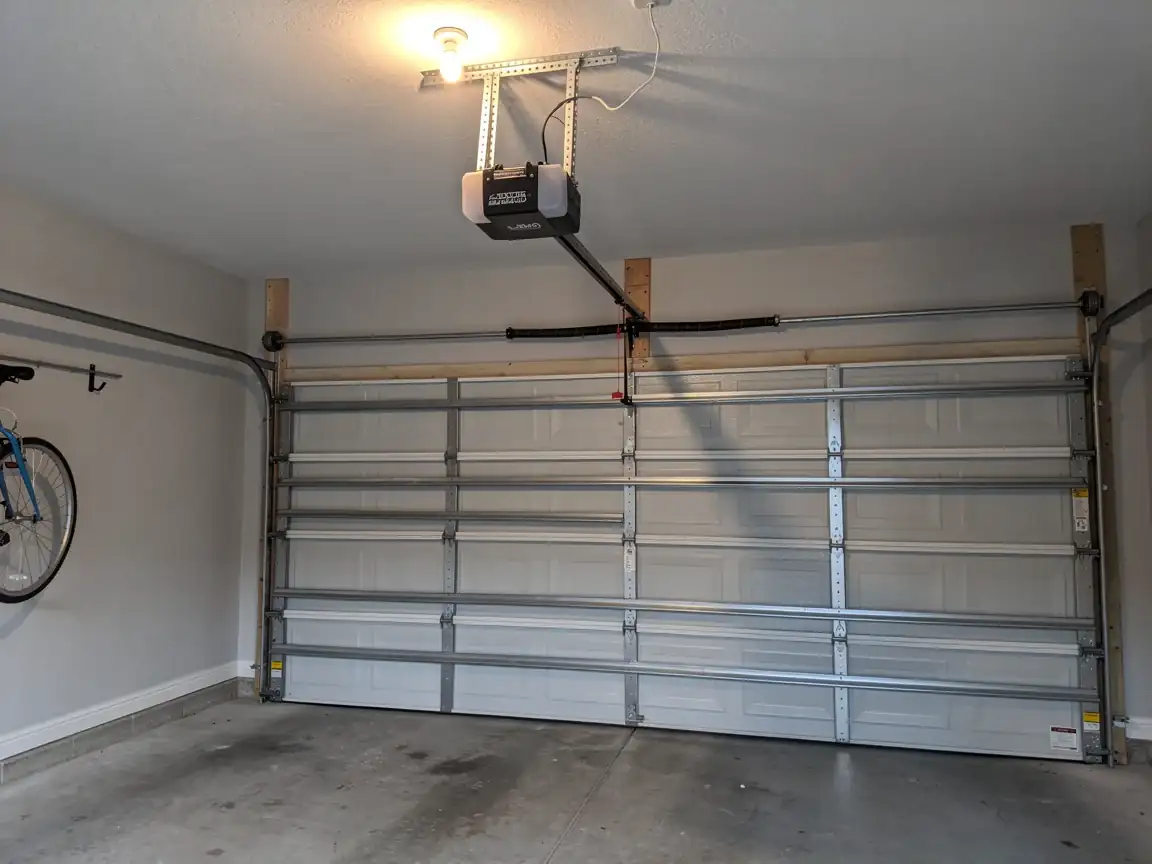
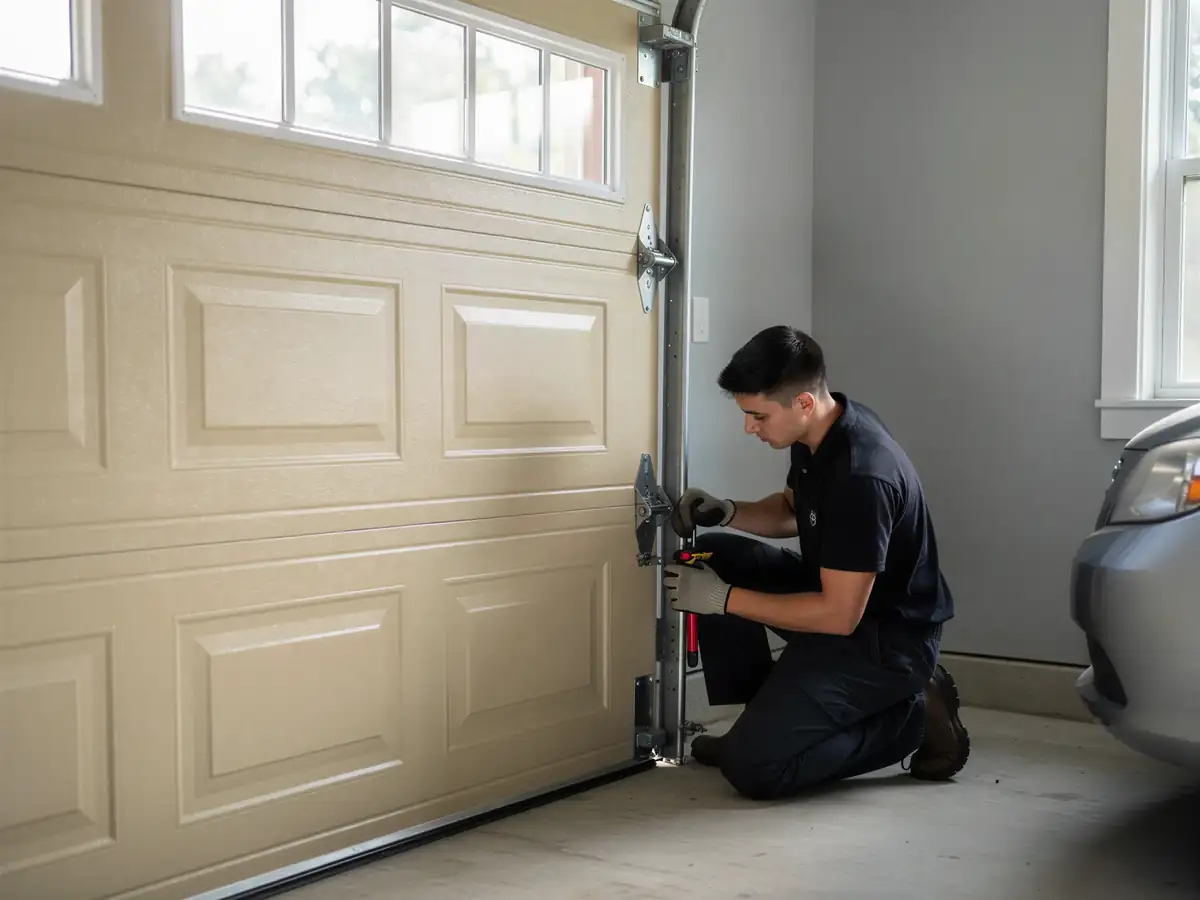
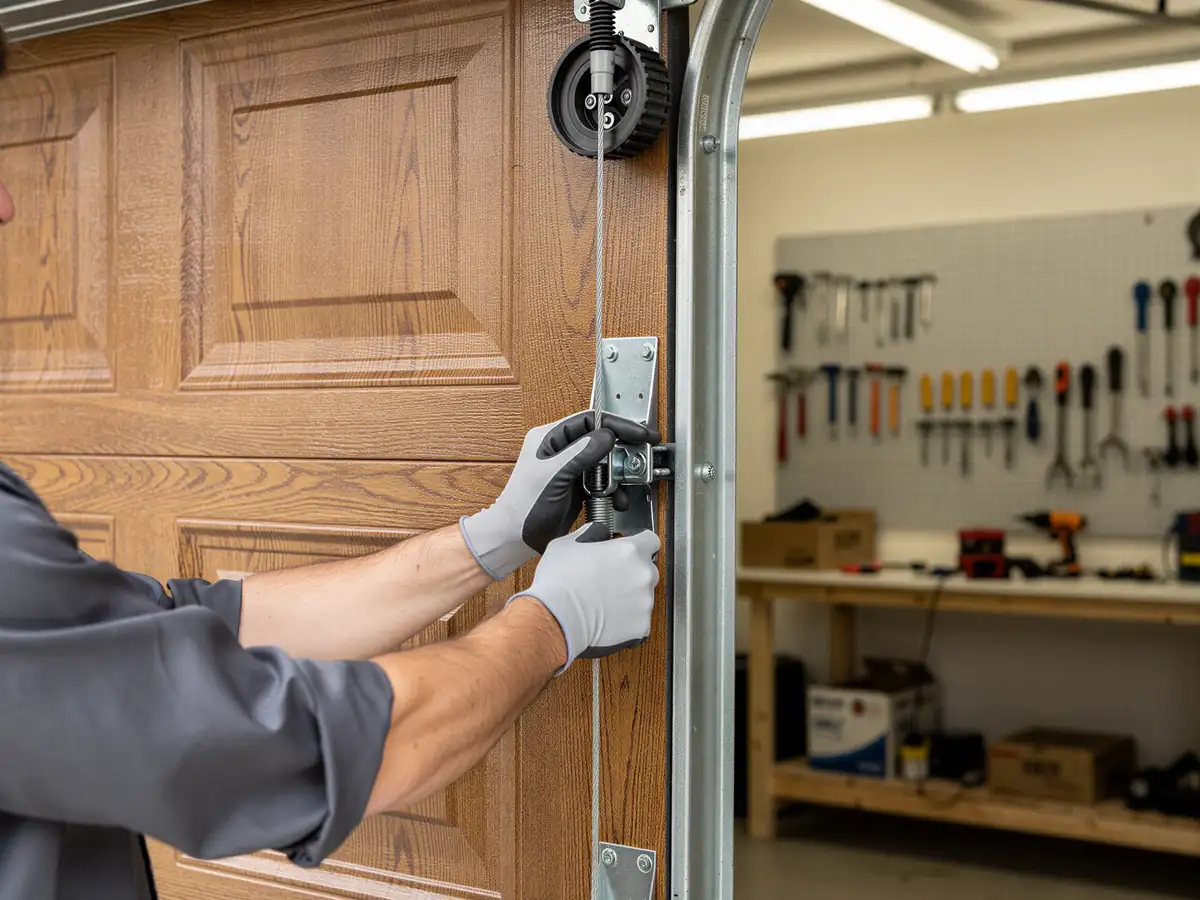
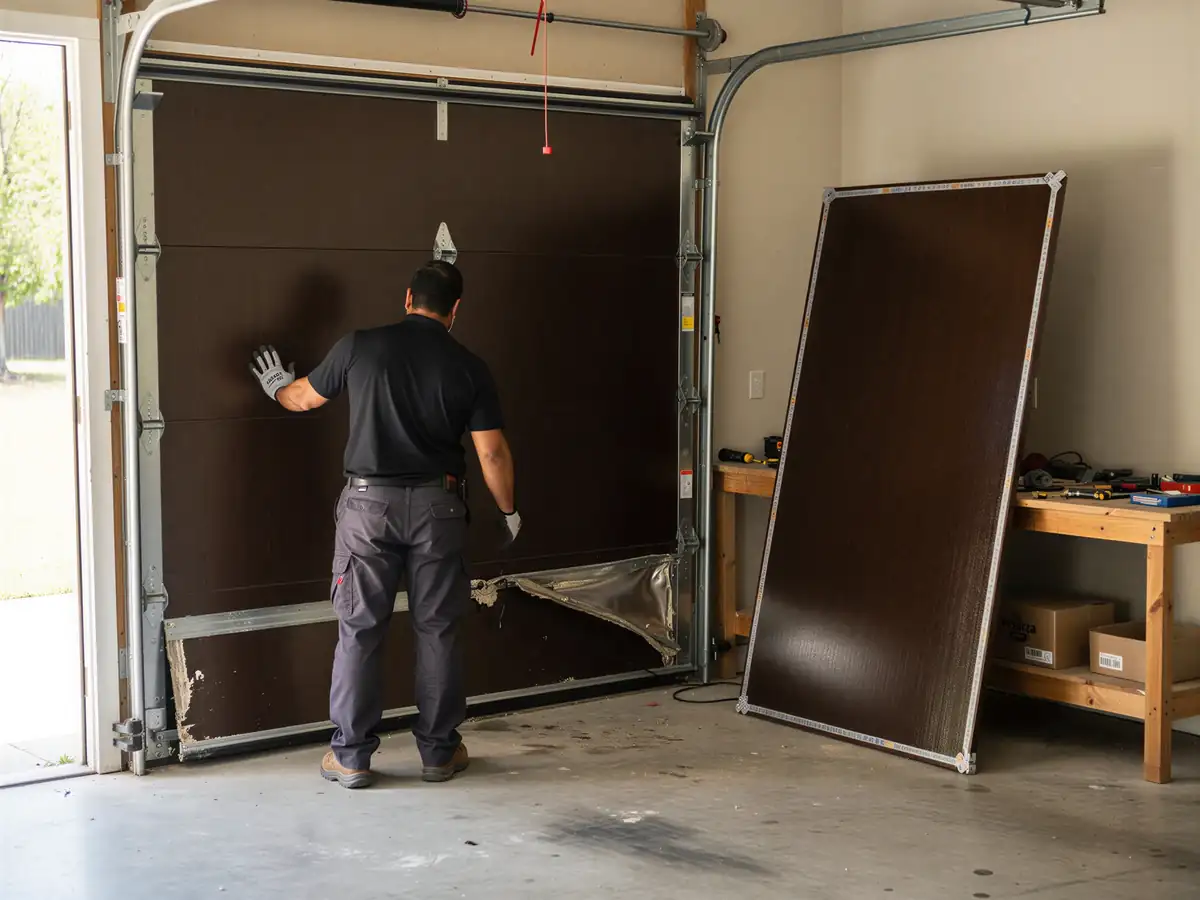
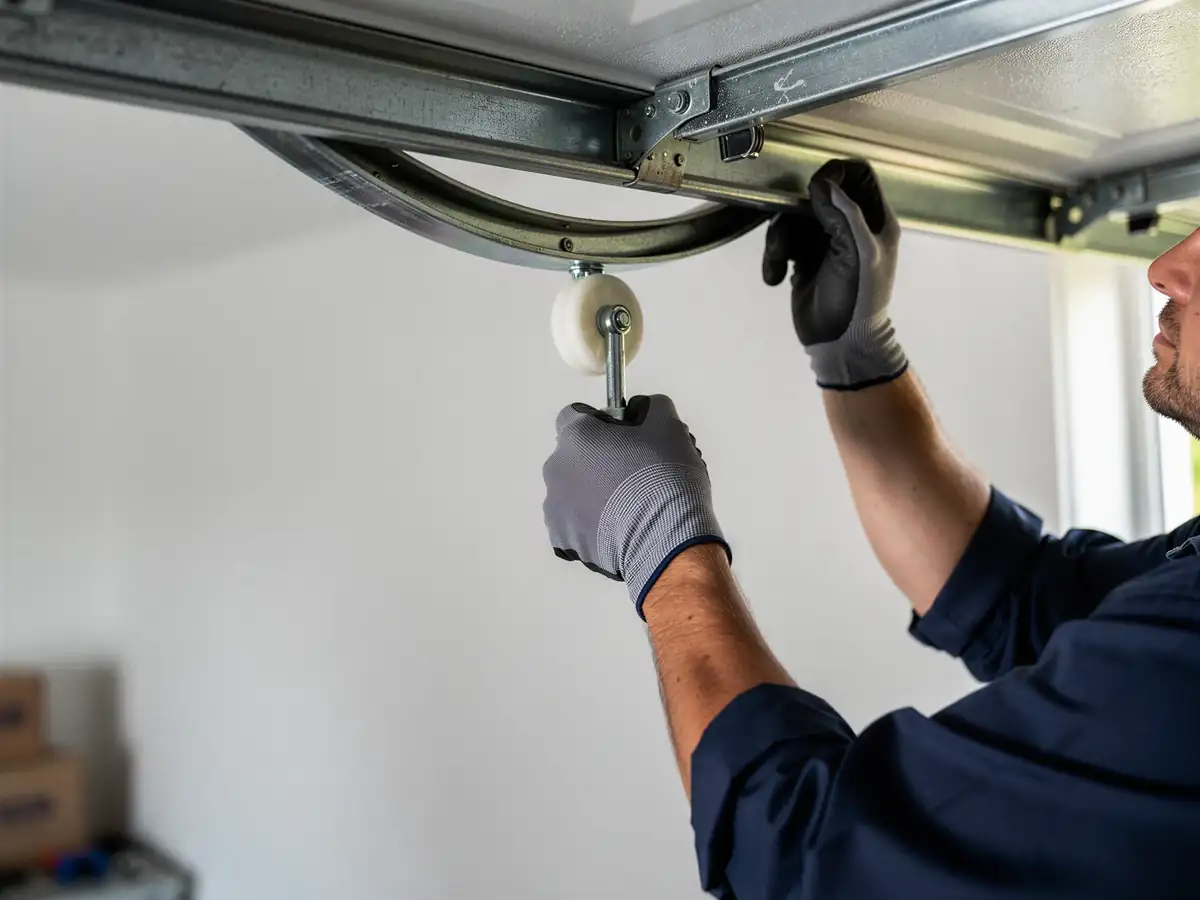
A full new-door install is a half-day to full-day job depending on whether we're also swapping the opener and track, not just the panels. We pull the old door and hardware, check the header and jambs for rot or settling - not unusual on a house pushing 30 years old - and set new track, springs sized to the door weight, and panels. If the opening itself is original from 1997, it's usually standard enough that no framing work is needed. Where jobs run long is when the old torsion hardware was undersized or mismatched to begin with, which we do see on houses from this build era where a prior repair used whatever spring was on the truck instead of the correct rating for the door.
Why It Happens Here
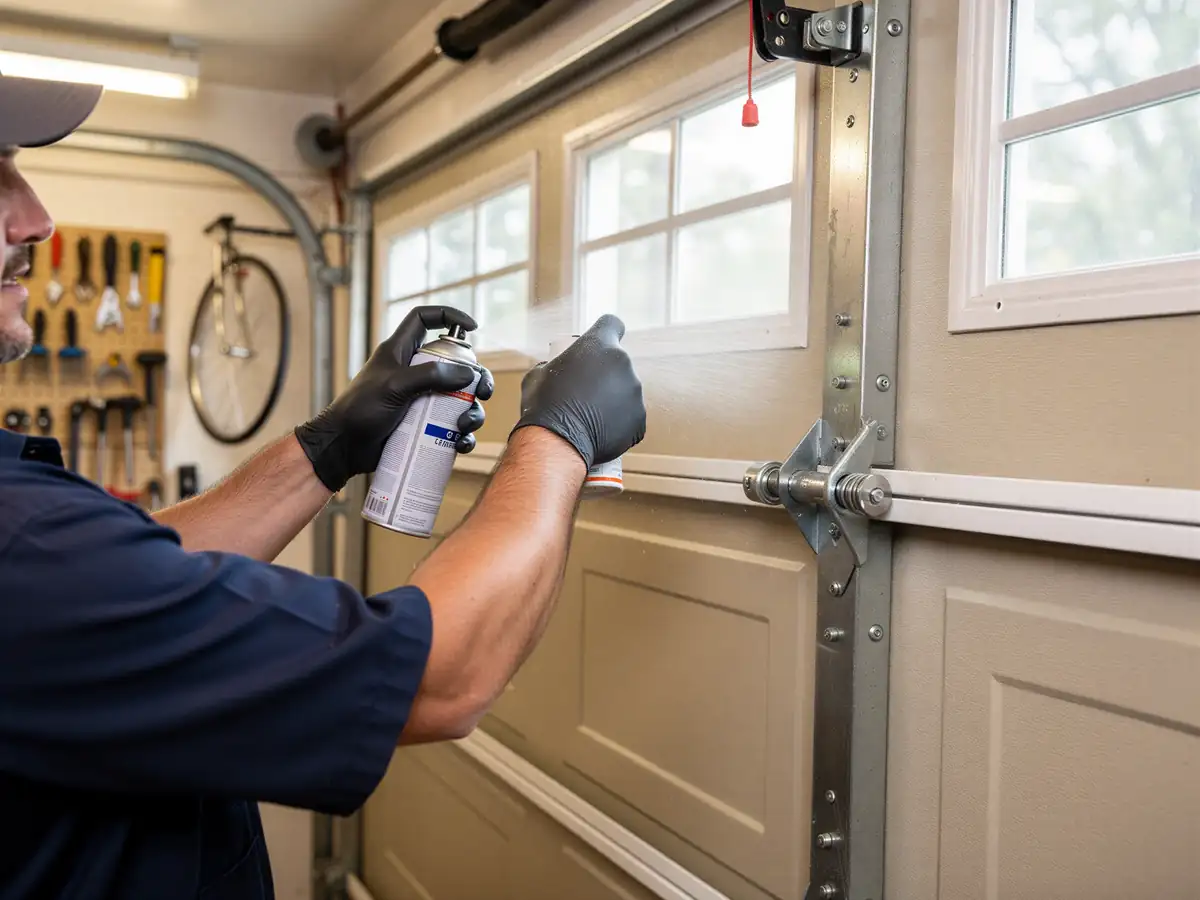
Silver Firs' housing stock clusters tightly around the late 1990s, which means a lot of these doors and their original hardware are aging out in the same window - not because of anything unusual about the area, but because the houses themselves went up close together. Across the broader Mill Creek service area there are 81,984 households and 53,676 owner-occupied houses; Silver Firs' roughly 7,538 households are a small, fairly uniform slice of that, mostly from one construction era. Add a cold, moderate climate that cycles through freeze-thaw and damp winters, and original steel doors without upgraded insulation show wear - rust at the seams, stiff rollers, opener motors working harder than they should. That's less a Silver Firs problem than a 1997-houses problem, and it's showing up on a predictable schedule.