Getting It Booked In
We run out of Mill Creek, three miles from Silver Firs
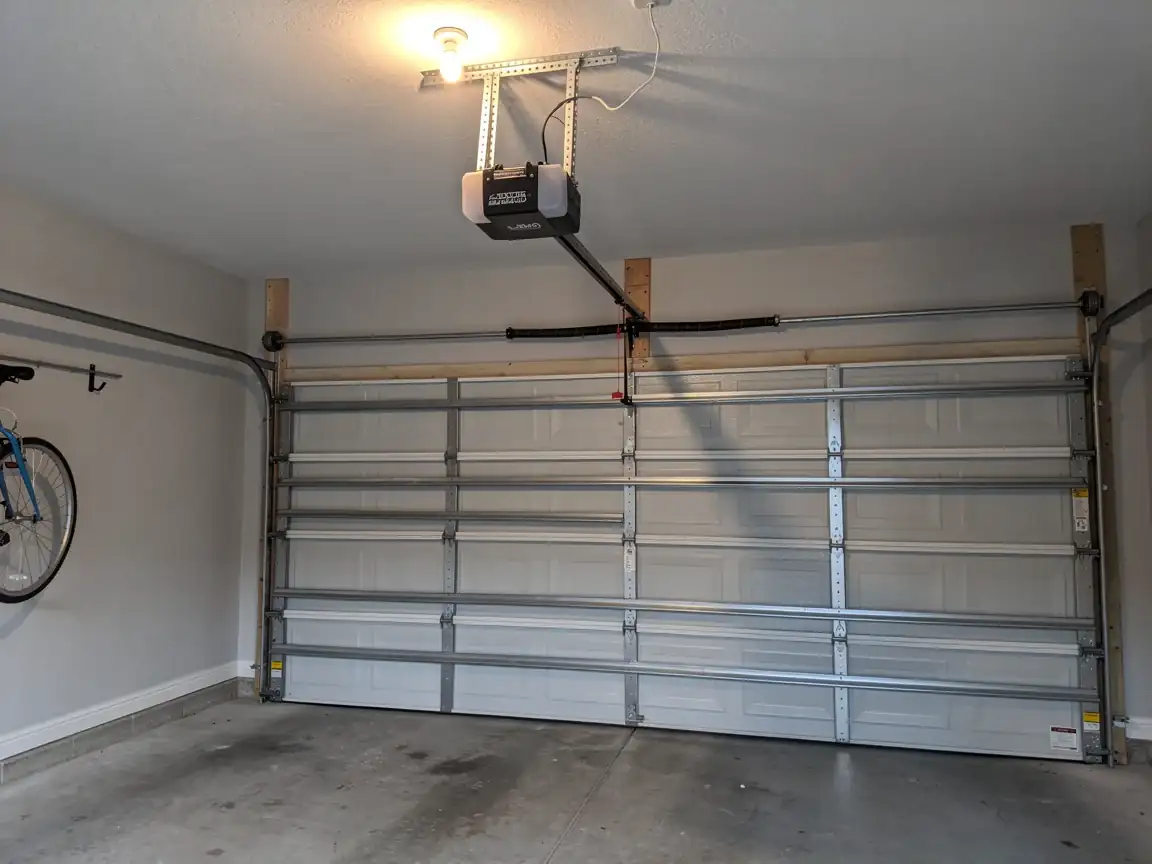
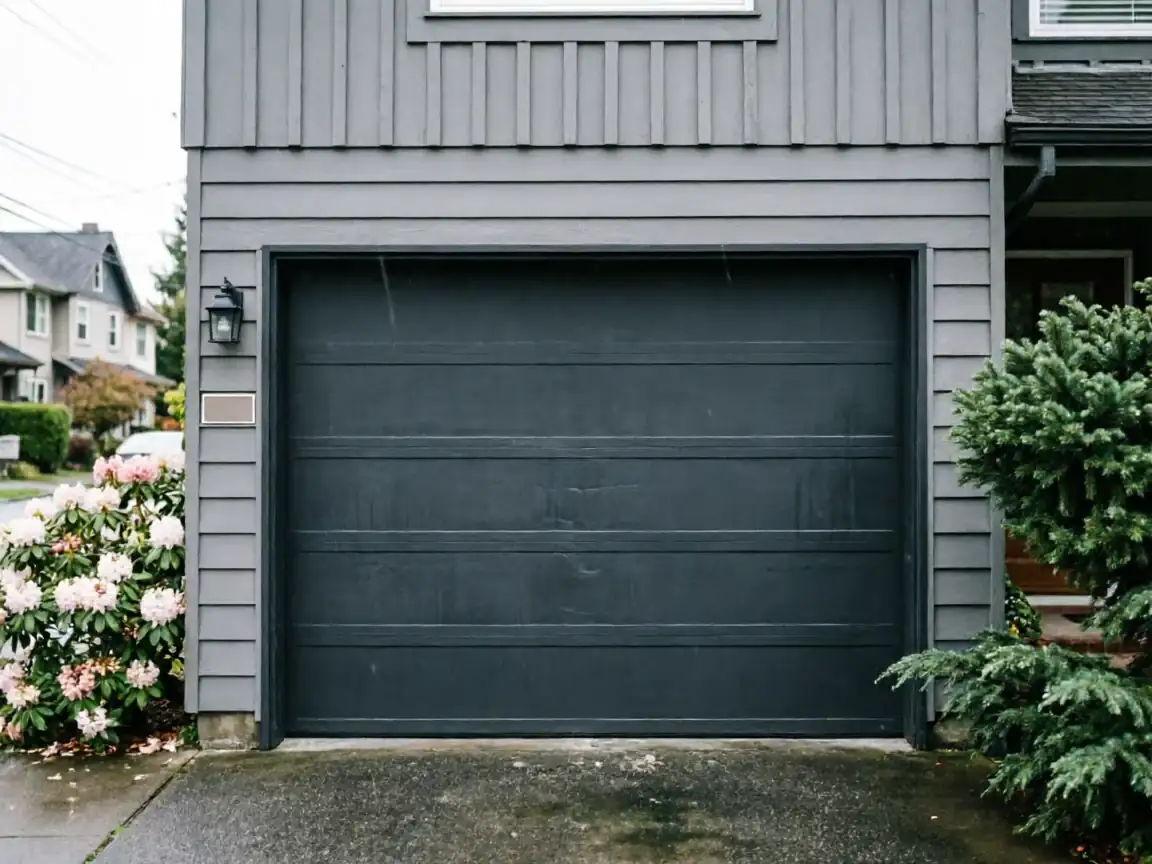
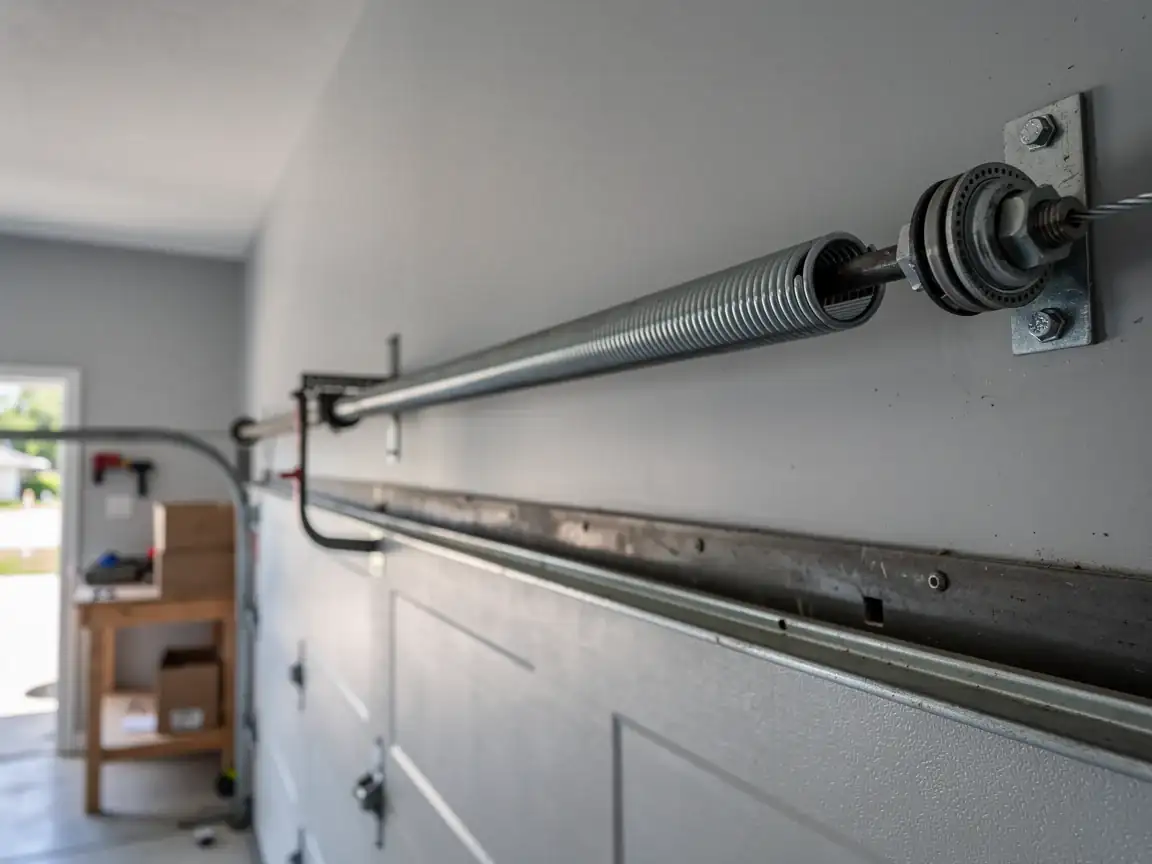
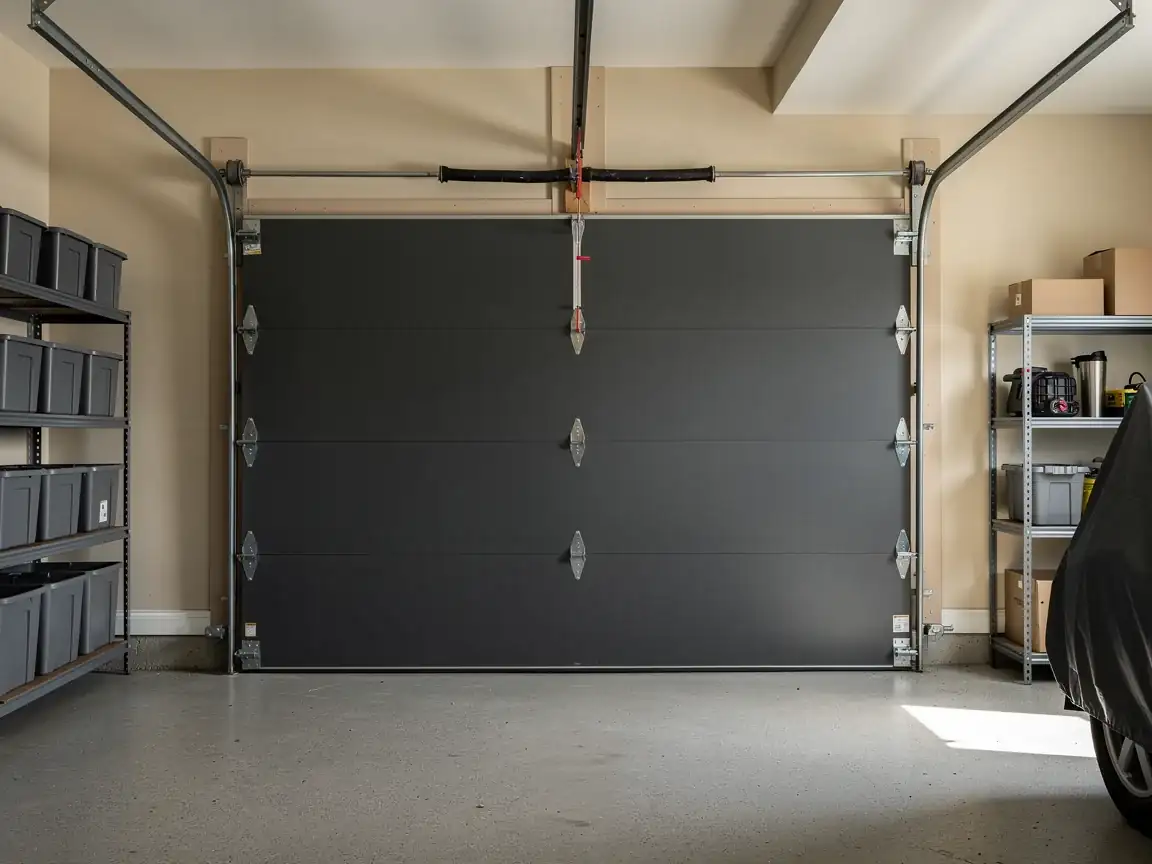
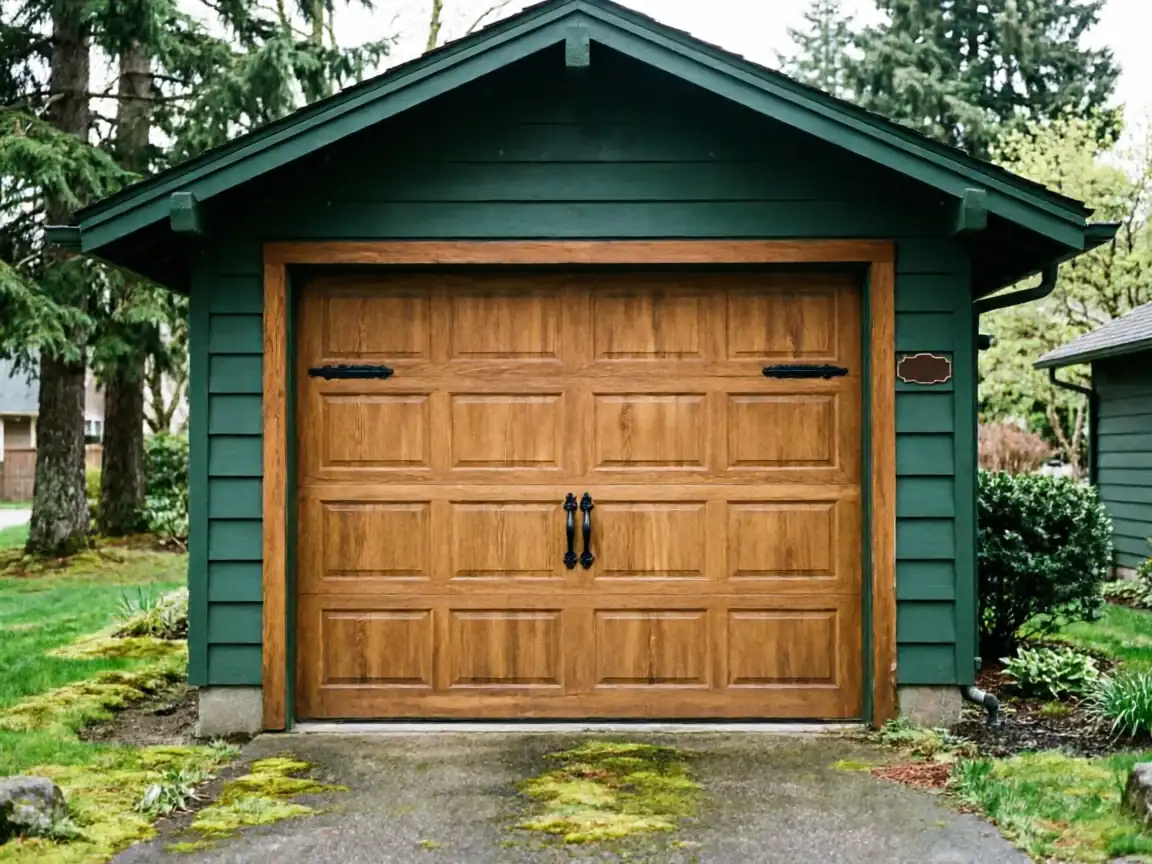
So getting a truck to you doesn't mean crossing town. When you call, tell us the door's width and whether it's a single or double - most houses out here were built around 1997, which usually means a 16x7 steel sectional on the double bay and an 8x7 on the single, both on torsion springs mounted above the opening rather than the older side-mount extension setup. That one detail changes which spring and which bracket we bring, so it saves a second trip. We book the call, confirm the door type over the phone, and load the truck before we leave the shop.
We don't keep a branch or a drop box in Silver Firs itself
Everything comes from Mill Creek on the day of the job. That's a short drive, not a same-building setup, so if you need an exact arrival window, ask when you call rather than assuming it's instant. Most of what goes wrong on a late-90s door is predictable enough that we can usually tell you over the phone whether it's a same-visit fix or a parts order.
The DIY Question
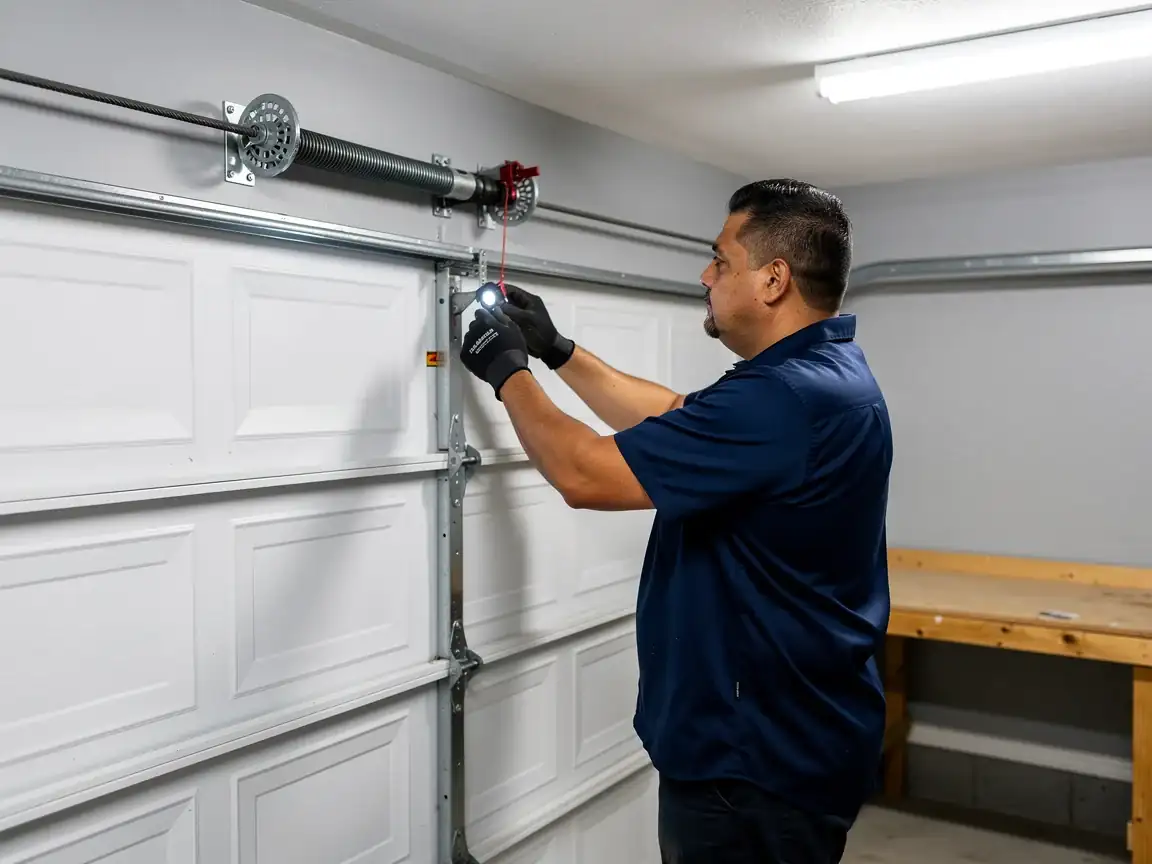
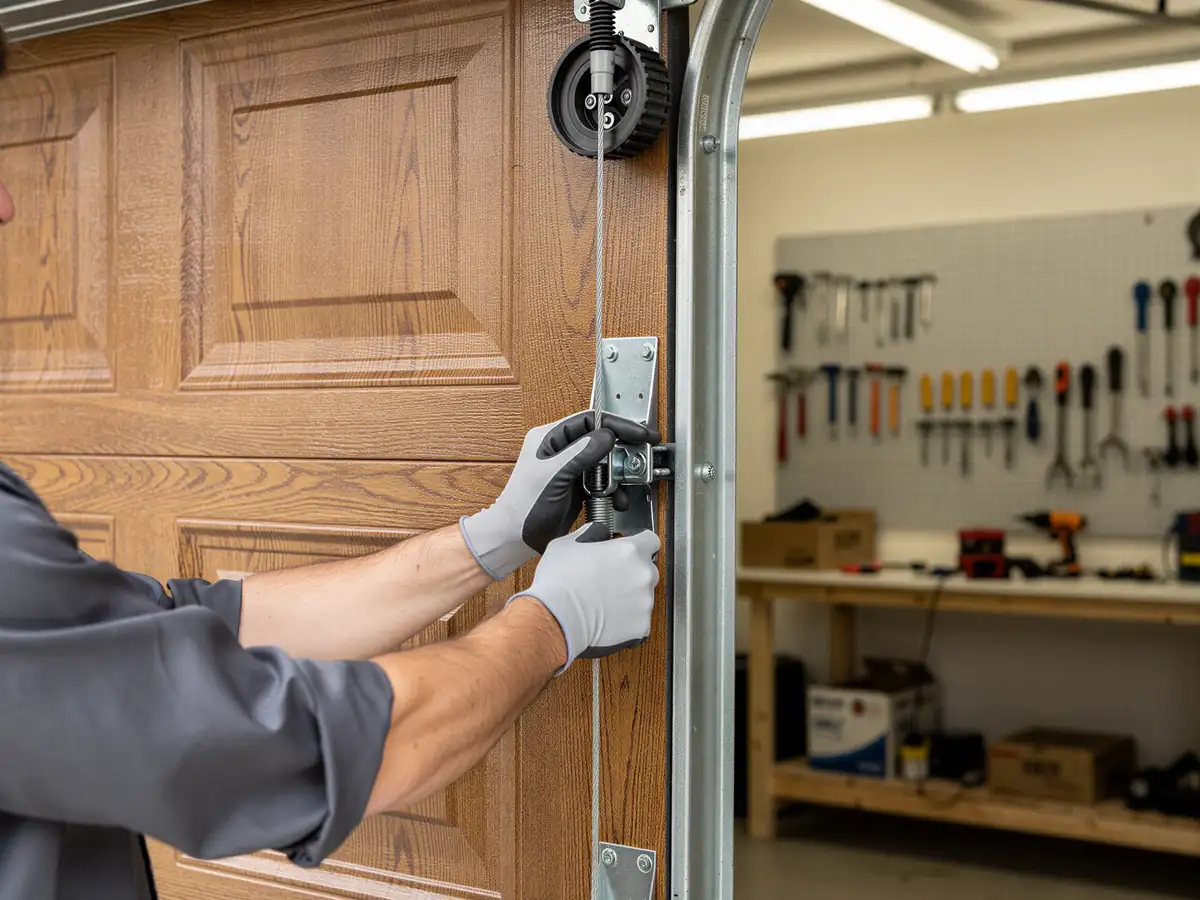
A steel sectional door built in the late 1990s is heavier than the older wood doors some of the surrounding areas still have, and the torsion spring holding it up is wound under real tension. Loosening the wrong set screw on that spring is how people lose fingers, so we'll say it plainly: don't touch the spring, the cable, or the bottom bracket yourself.
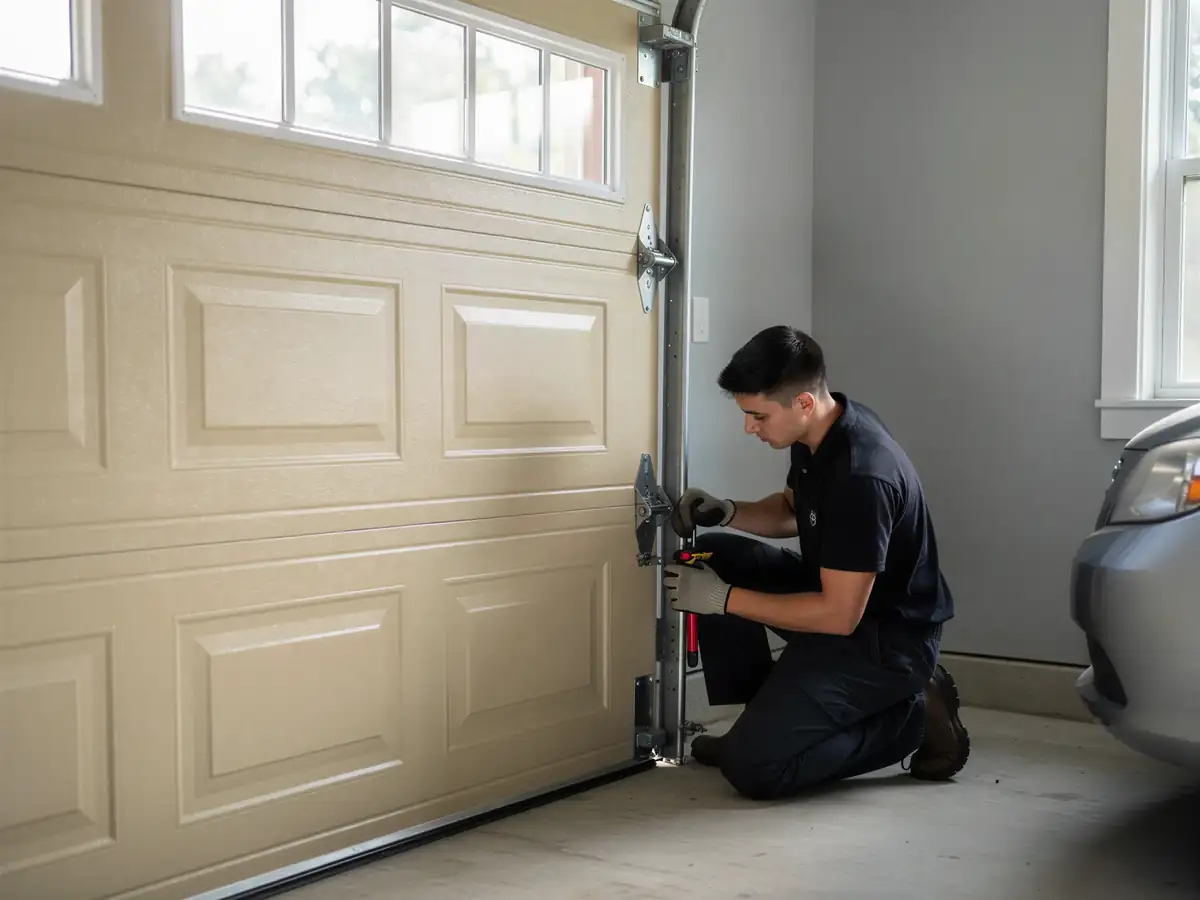
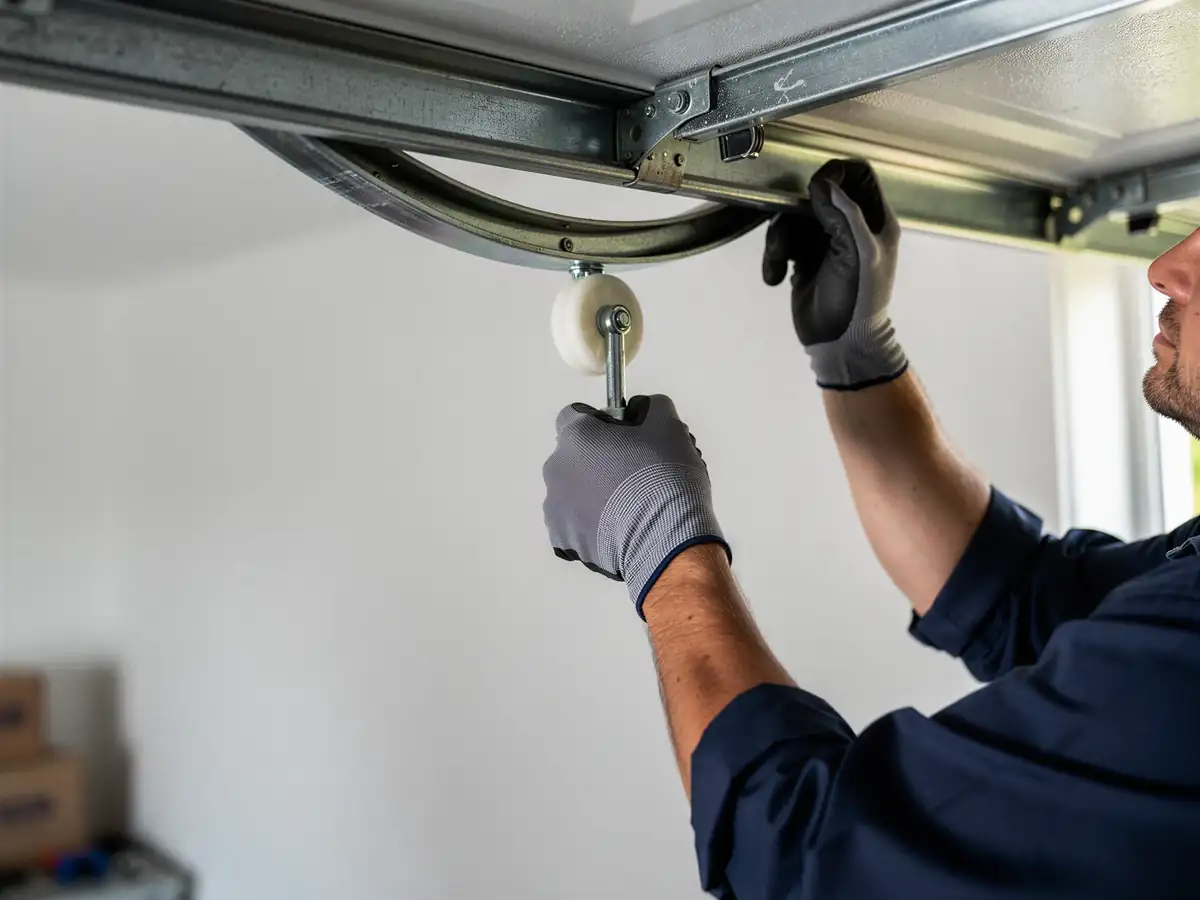
What you can handle: tightening loose hinge bolts, checking that the photo-eye sensors near the floor aren't knocked out of alignment, and clearing track debris. On a door this age, the plastic idler bearings at the top rollers are also a common failure point, and swapping a roller is reasonable DIY if the door is manually propped and the opener is unplugged first. Anything involving the spring, the cable drum, or the torsion tube goes to someone who does it for a living - not because it's complicated to explain, but because the margin for error is thin and the parts aren't cheap to replace twice.
Stocked Parts
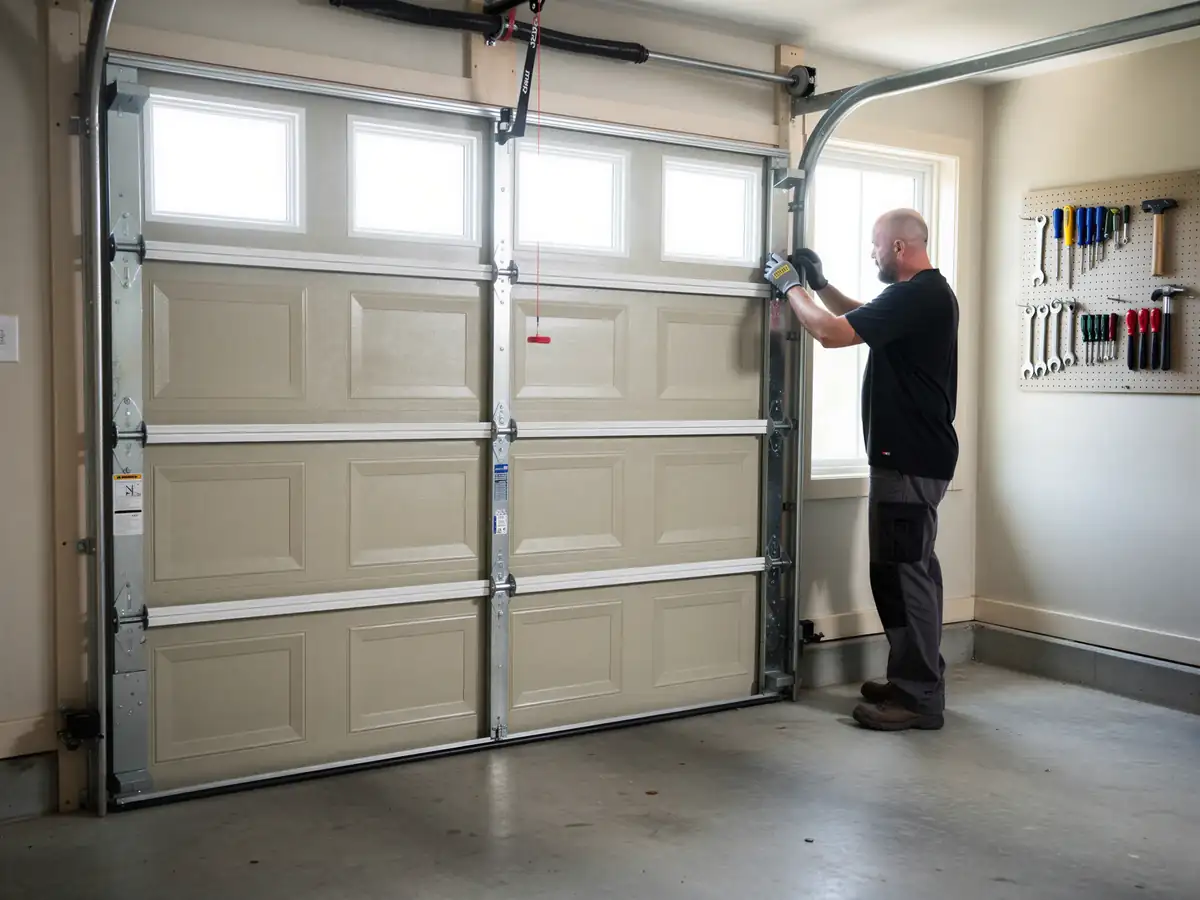
Because Silver Firs sits mostly in that 1997-and-later window, the doors we see here are steel sectional panels on torsion spring systems rather than the extension-spring or wood designs common on older stock elsewhere in the service area. We carry torsion springs in the common sizes for both 8x7 single and 16x7 double steel doors, standard-lift drums, and the nylon rollers these doors typically use instead of the older steel wheels.
Where we run into a wait is on anything custom - a non-standard panel width, a discontinued opener model, or an insulated door with a specific window-insert pattern. Those get ordered, and we tell you that up front rather than guessing at a timeline we can't back up. For the garden-variety torsion spring break or roller failure on a standard late-90s steel door, the part is usually already on the truck.
What You Are Seeing
If the door won't lift and you hear a loud bang from the garage before it quit, that's a torsion spring letting go
Common on doors in this age range once the spring hits the end of its cycle life. If the door lifts a few inches and reverses, check the photo-eye sensors first; they sit low on the track and get knocked crooked by a stored bike or a snow shovel leaning against them.
A door that shudders or sounds gritty partway up is usually a worn roller, not the opener
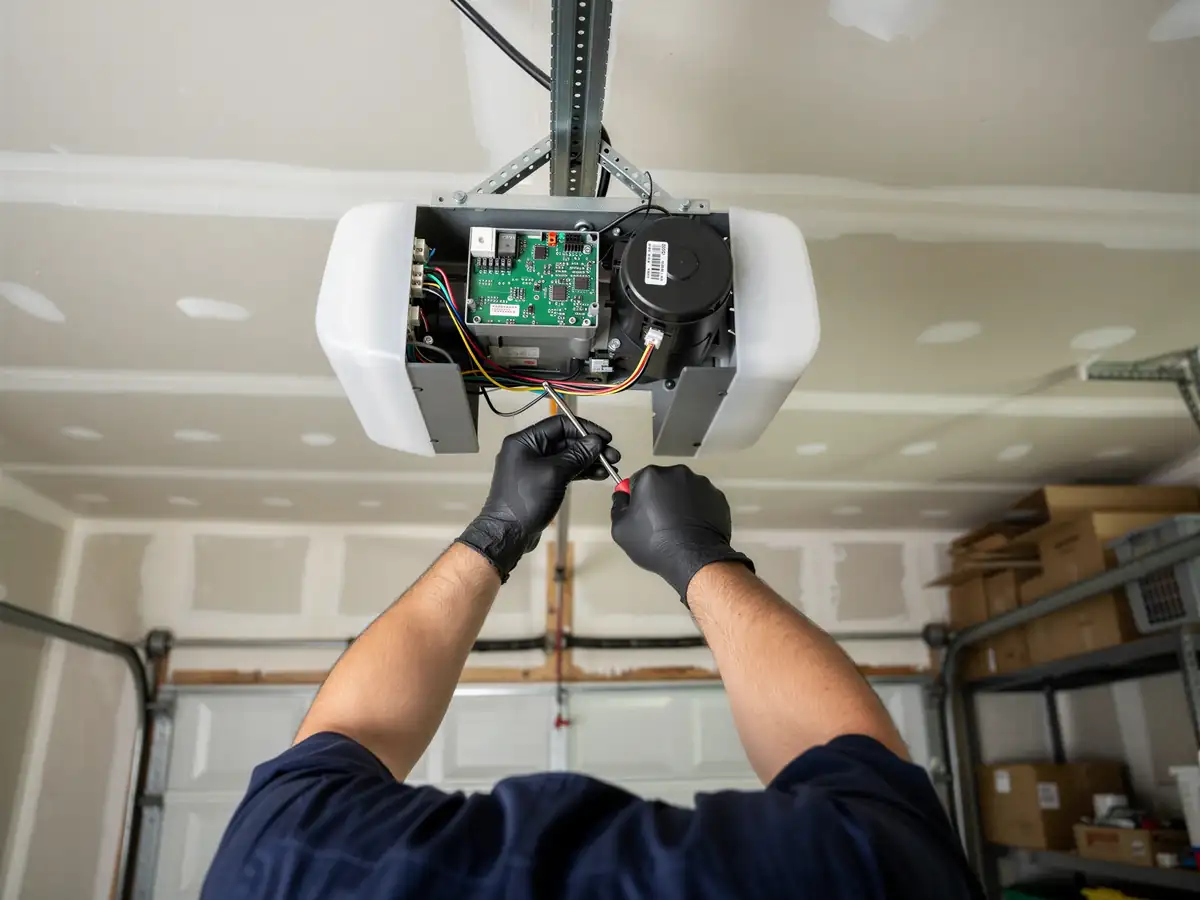
On a steel sectional this age, the rollers are plastic with a steel stem, and they wear out well before the door panels do. If the opener runs but the door doesn't move, the issue is almost always the drive gear inside the unit or a disconnected cable - both fixable without replacing the whole system.
What the Repair Takes
A straight torsion spring replacement on a single 8x7 or double 16x7 steel door is a same-visit job once we've confirmed the spring size on site - we measure wire diameter and coil length rather than go by guesswork, since two doors that look identical can take different springs. Roller swaps and sensor realignments are quicker still.
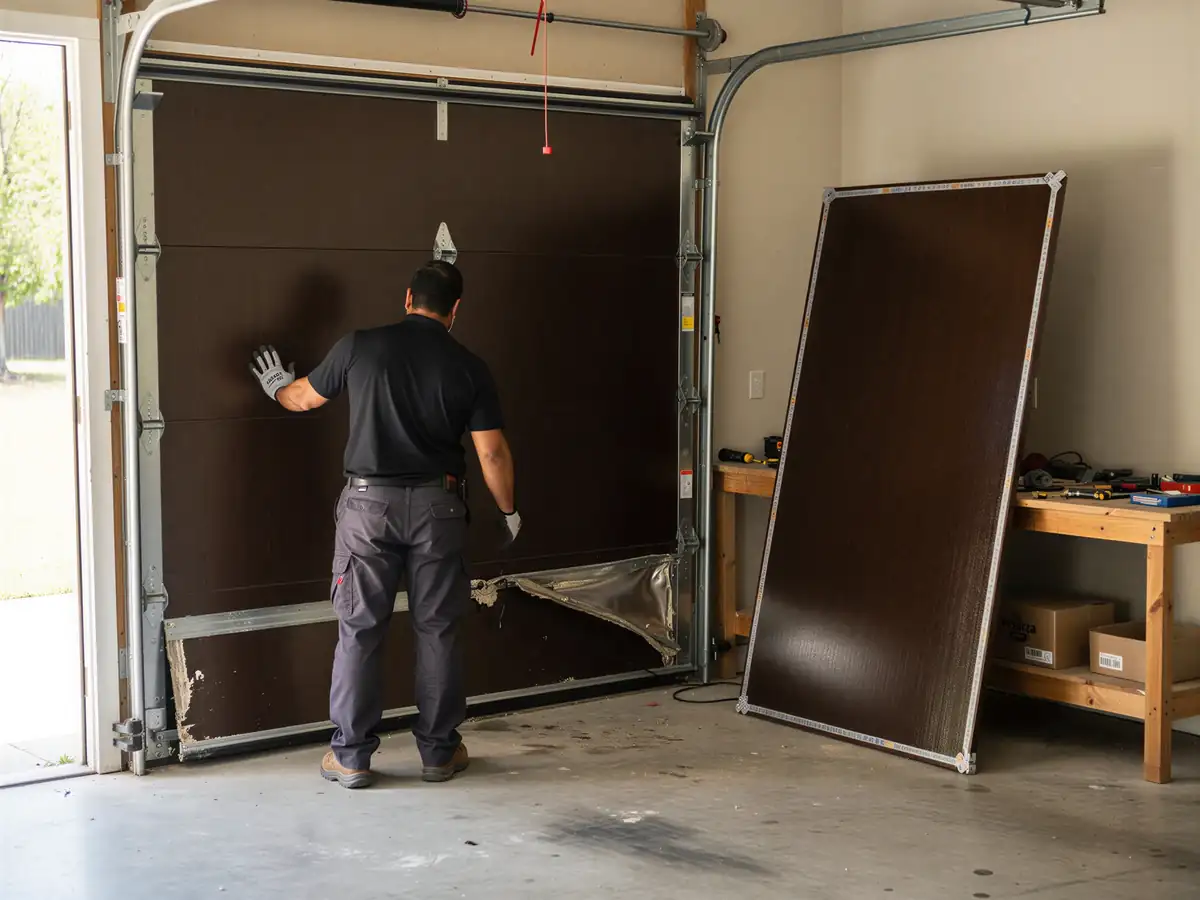
Where it takes longer: if the bottom bracket or the cable drum has also failed, or if the door itself is bowed from the spring failure (it happens when a door's left hanging on one side for a while), we may need to adjust the full balance before calling it done. We won't rush a balance adjustment - a door that isn't tracking evenly now will strip rollers again inside a year, and that's a return trip nobody wants.
Why It Happens Here
Most of Silver Firs went up around 1997, newer than the service area's overall median of 1989, so the hardware failing now is almost uniformly late-90s torsion spring and steel-roller gear rather than the older extension-spring systems you'll find in some of the surrounding pre-1980s pockets. A spring rated for a 15- to 20-year cycle life built into a door from that era is due, or past due, right about now - that's less a coincidence than the batch of houses all aging out together.
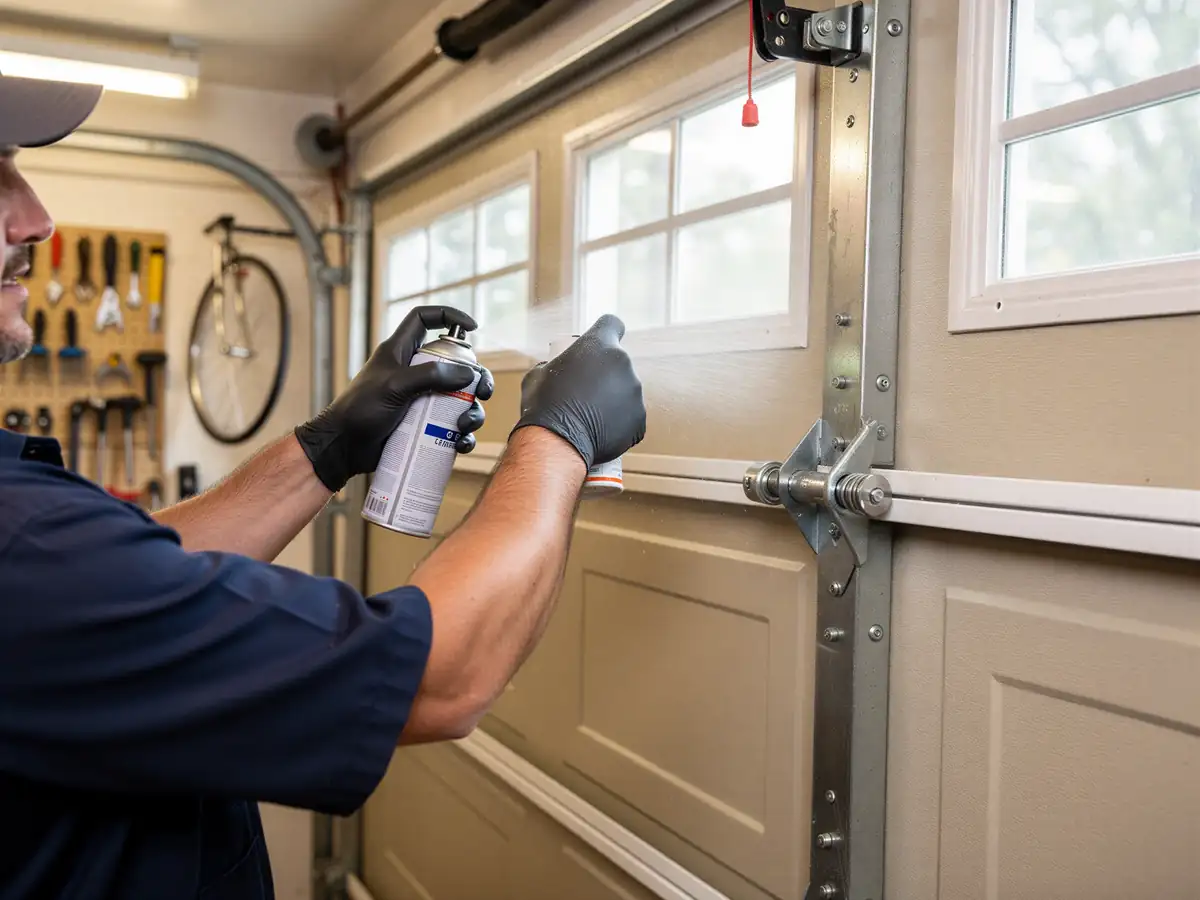
The cold, moderate winter climate here doesn't crack panels the way a harsher freeze-thaw region might, but it does stiffen the lubricant on torsion springs and rollers in the coldest months, which is when we see a jump in spring failures and rough-running doors. None of that is unique to one street - it's a function of when this part of the service area was built and what sits on those doors today.