The DIY Question
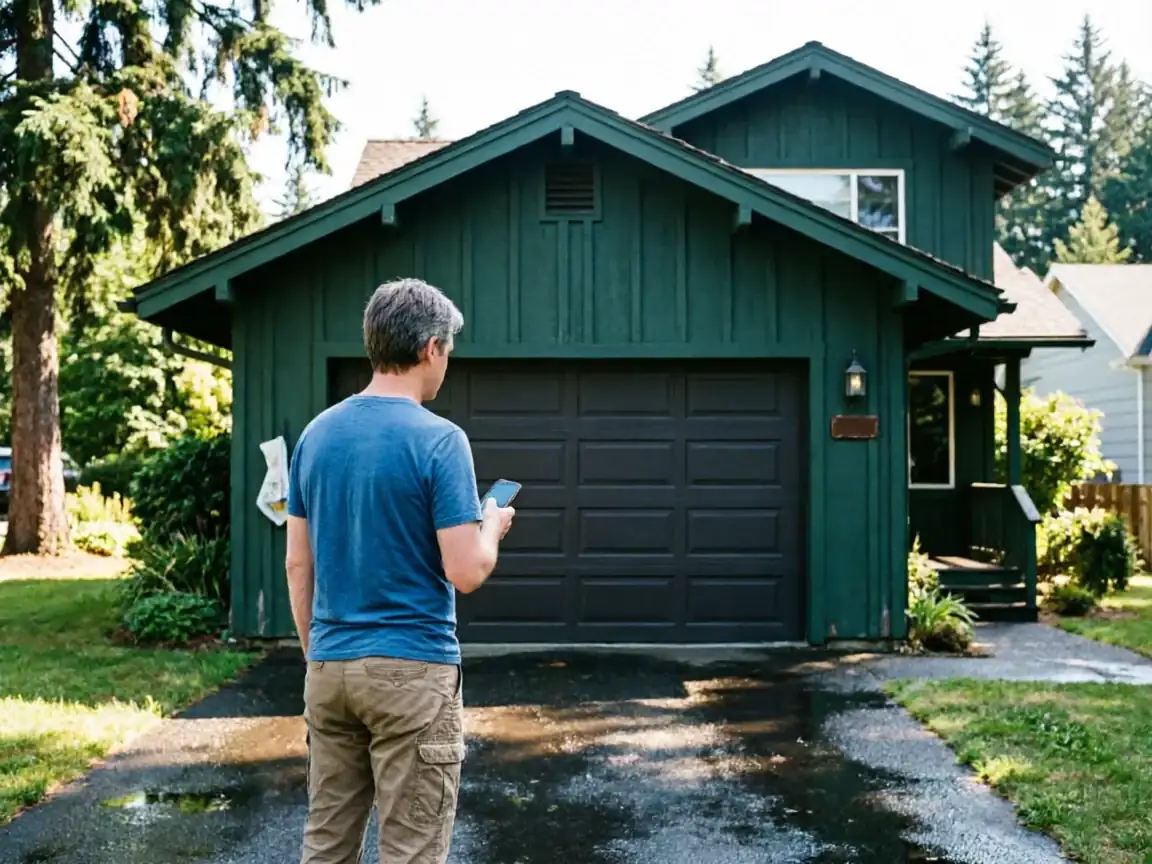
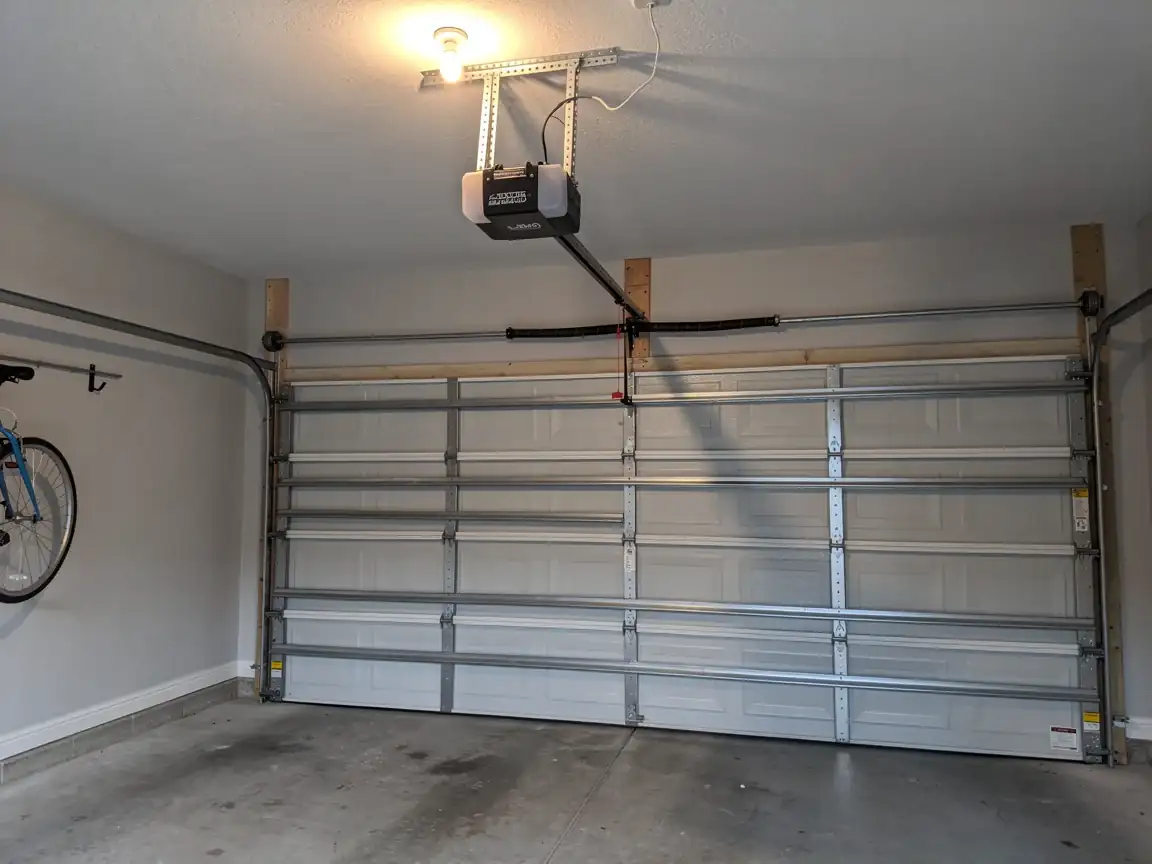
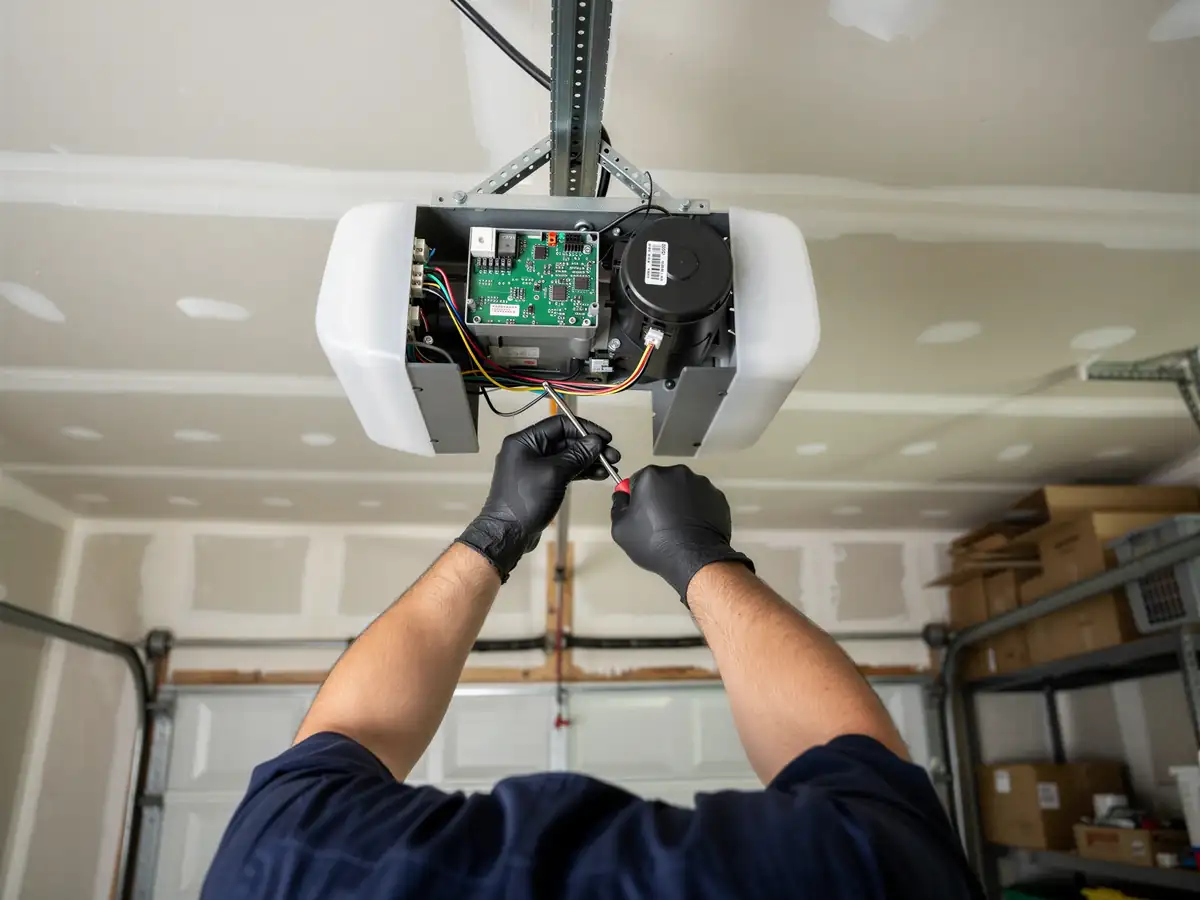
A lot of opener problems are safe to poke at yourself - remote battery, sensor alignment, a wall button that's lost its mind. If the lights on the unit blink in a pattern and the door won't budge, that code usually points to something specific, and checking the manual or the manufacturer's site first can save you a call. Where we draw the line is anything involving the drive gear, the circuit board, or a logic board that's throwing faults intermittently. Those aren't a parts-store fix, and guessing wrong on a board swap means buying a part that doesn't solve the actual problem. If your opener is original to a house built in the late 1990s, which covers a good share of Silver Firs, the gear and board are both past the point where troubleshooting by trial and error makes sense.
Stocked Parts
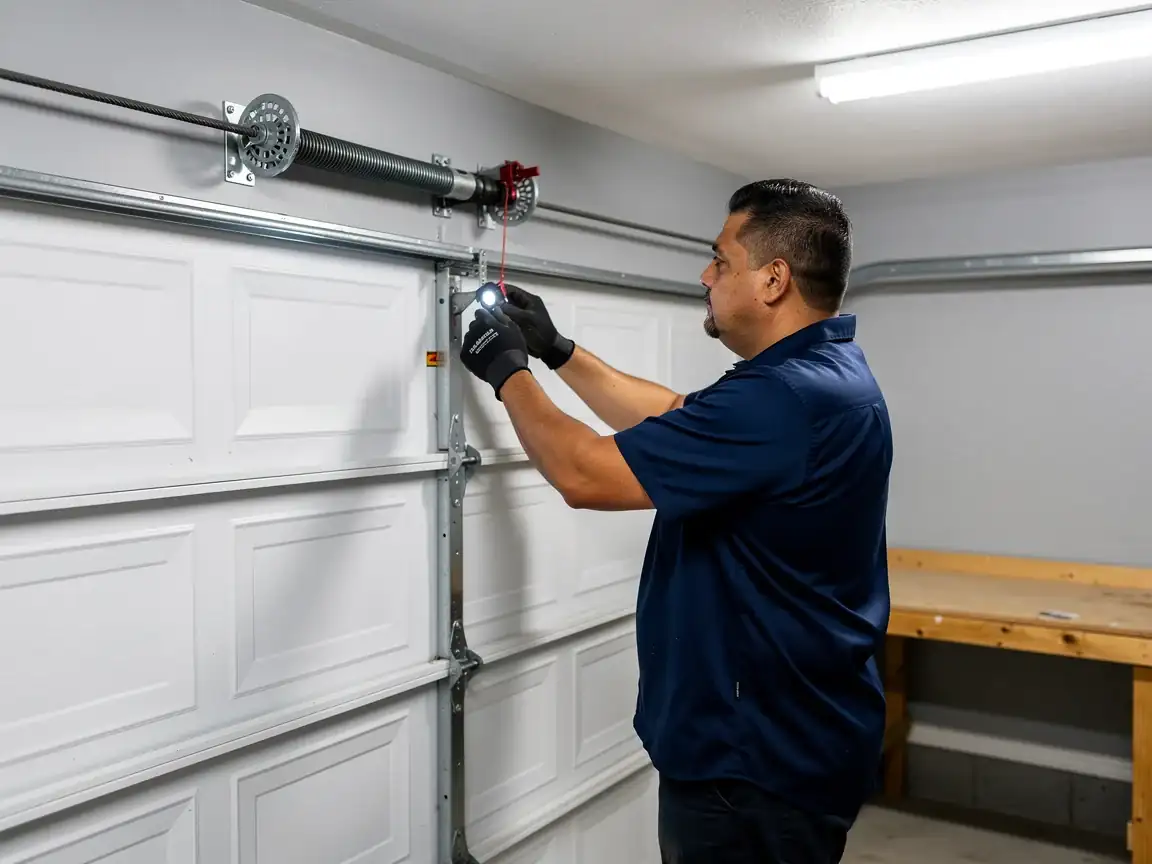
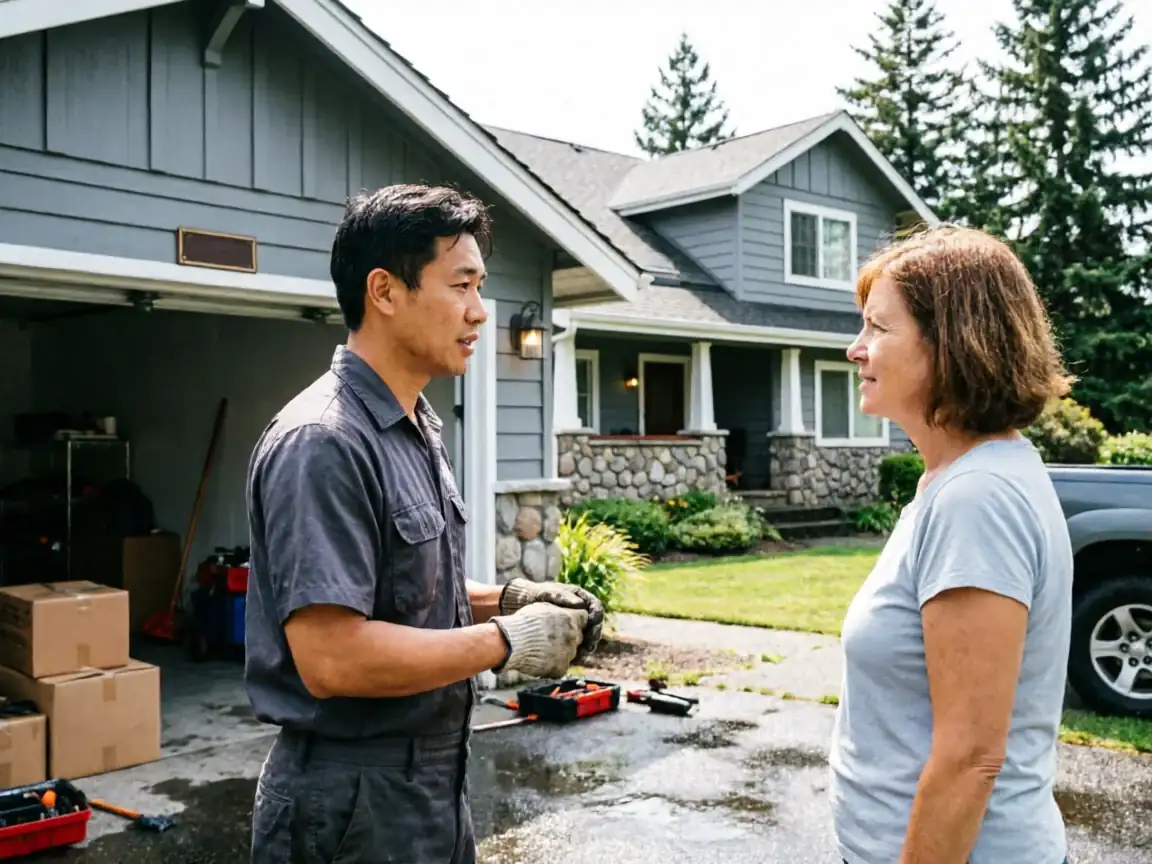
Houses in Silver Firs generally date to around 1997, which puts most original openers squarely into chain-drive and early screw-drive territory - the generation right before belt drives and battery backup became standard. We carry drive gears, sprockets, and logic boards sized for that era, along with the sensors and trolley carriages that wear out at roughly the same age as the unit itself. What we don't keep on the truck is anything proprietary to a smart-home integration added after the fact; those sometimes need a part ordered in, and we'll tell you that on the spot rather than promising a same-visit fix we can't deliver.
What the Repair Takes
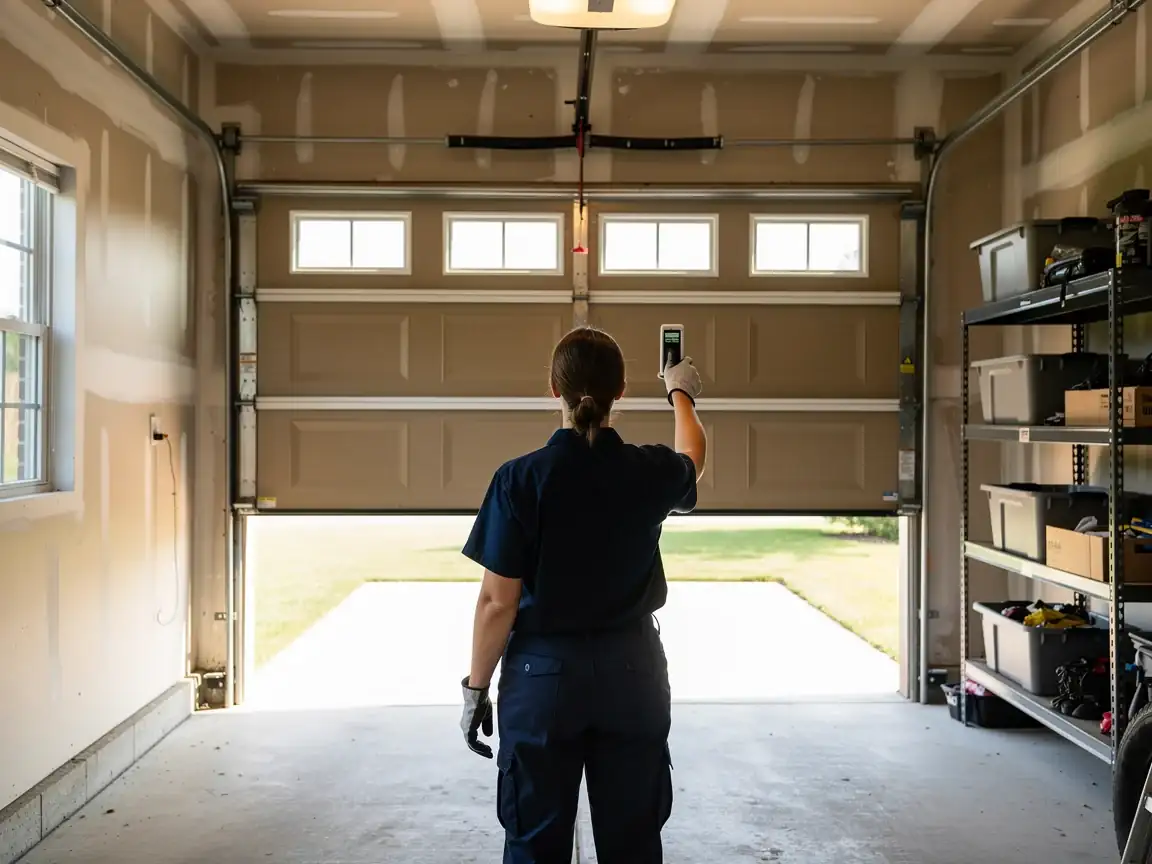
Most opener repairs run under an hour once we're on site - gear replacement, sensor realignment, logic board swap if the board's the culprit. The exception is anything needing a part we don't carry, which pushes the job to a second visit while it ships in; that's an honest limitation and we'd rather say it now than pretend otherwise. We test the full cycle before we leave, including the auto-reverse safety function, which matters more than people think - a door that doesn't reverse on contact is a liability regardless of how smoothly the rest of the system runs.
Why It Happens Here
The 1997 median build year in Silver Firs puts a lot of original openers right at or past their expected service life - most residential units are built for somewhere around 10 to 15 years of regular cycling, and a house pushing close to three decades old is well past that on its first opener. Cold, damp winters typical of this area add to it: condensation inside a logic board enclosure or a chain that's never been lubricated through a wet season wears parts faster than a dry climate would. None of that means every opener in Silver Firs is on its last leg, but it does mean age-related failure shows up here on a fairly predictable schedule, not as a surprise.