Getting It Booked In
Silver Firs is a small area as these things go
7,538 households, not a sprawling grid of thousands of streets. That matters for maintenance scheduling because it means the crew isn't juggling a dozen different housing eras on one route. Most doors here were put in or replaced around the same window, so a tune-up visit tends to follow a pattern instead of guesswork.
- 7,538 households
We run out of Mill Creek, 3 miles west
So getting on the schedule doesn't mean waiting on a dedicated Silver Firs branch - there isn't one, and we won't pretend there is. It means a truck that already knows the area making the short drive over. Booking a maintenance visit here is the same call as booking one in Mill Creek; the difference shows up once we're standing in front of the door, not in how you reach us.
- 3 miles
The DIY Question
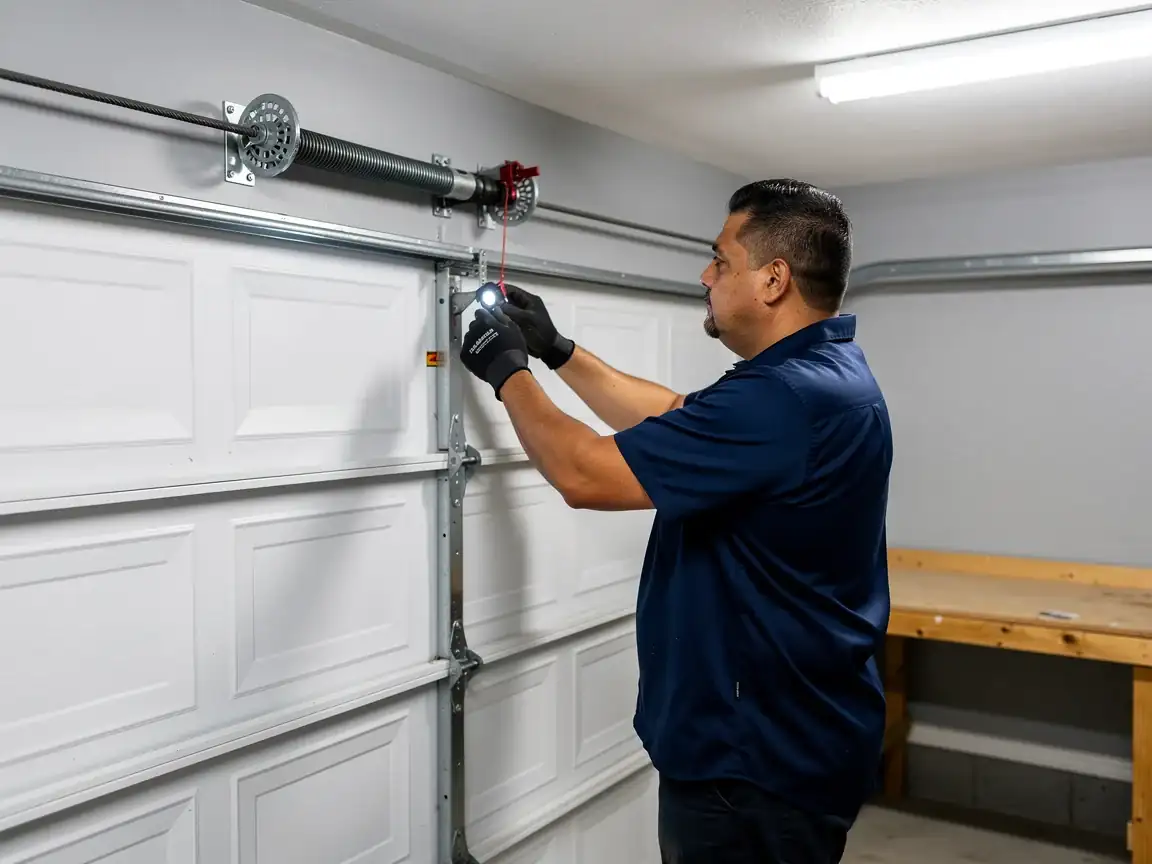
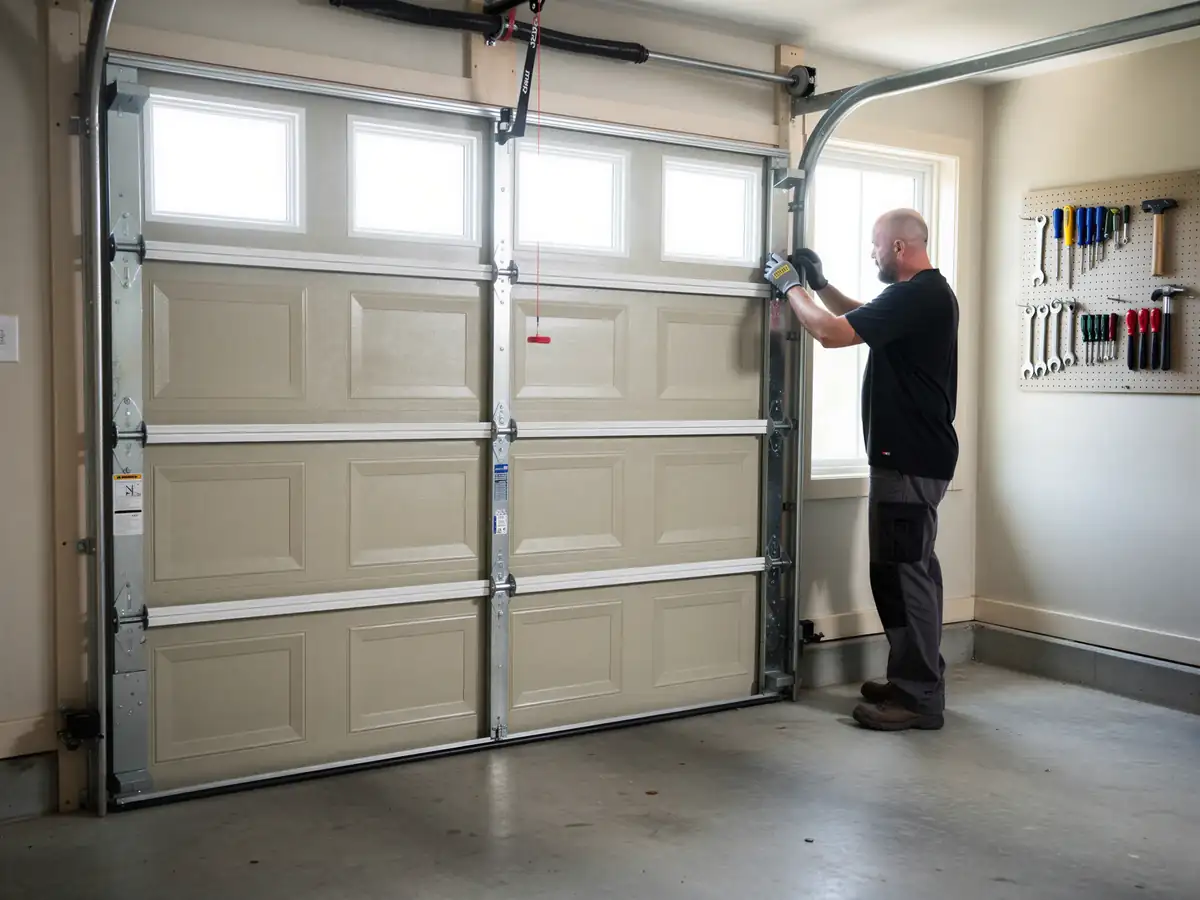
A homeowner here can handle the stuff that doesn't involve spring tension or electrical disconnects: wiping down tracks, checking the weatherstrip at the bottom panel, listening for a new grind or squeal and writing down when it started. That's useful information even if you don't fix anything yourself.
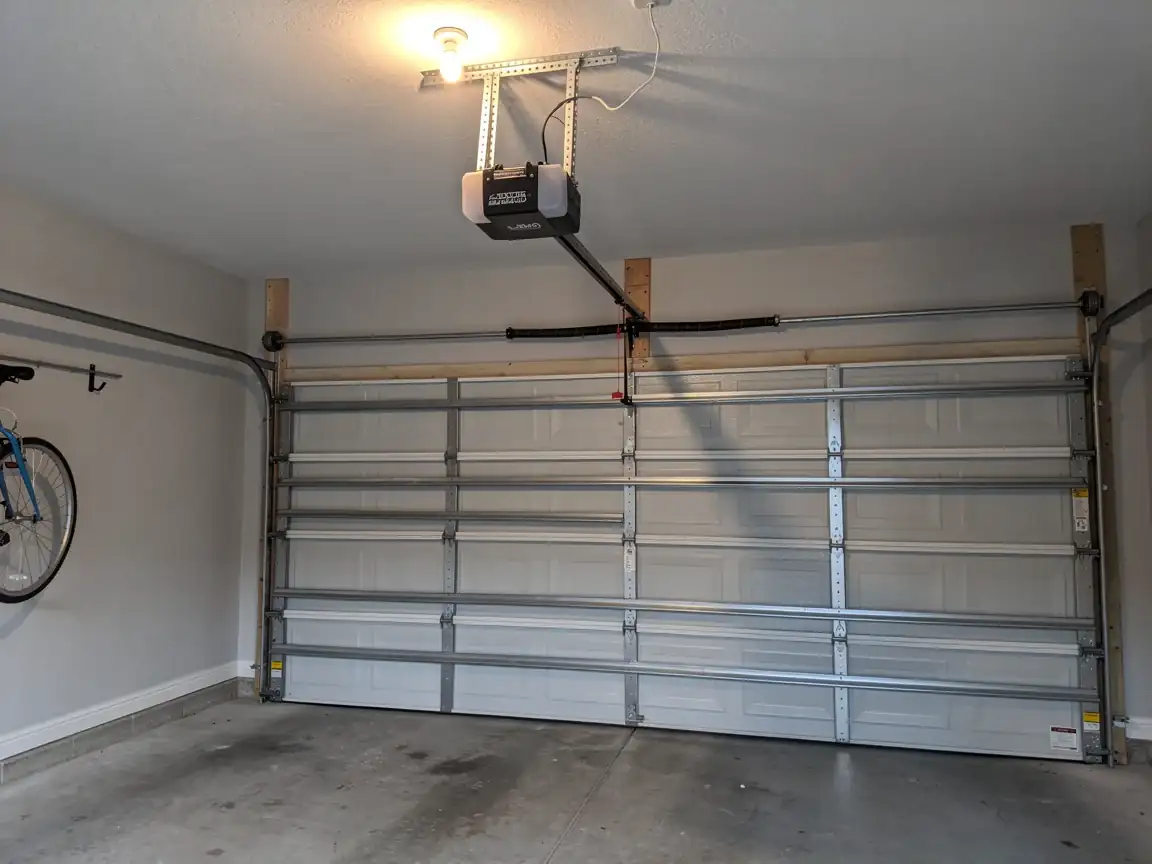
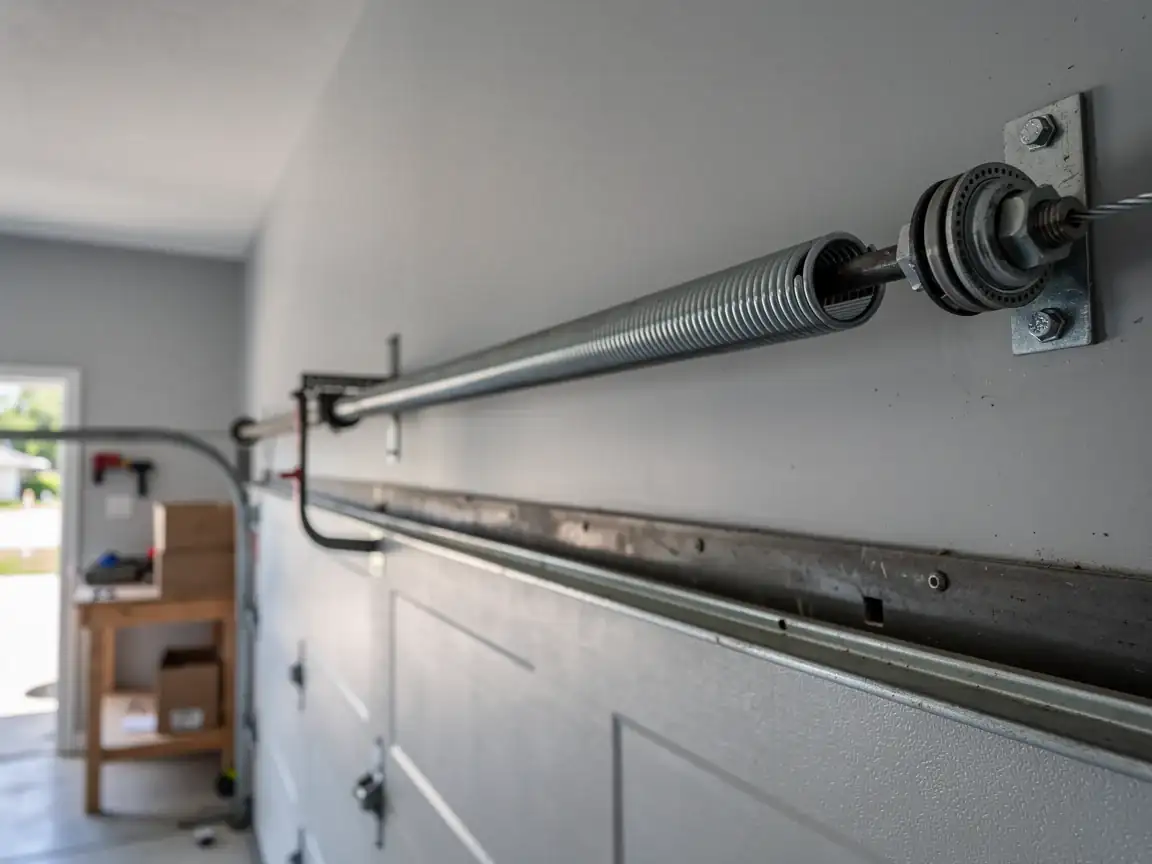
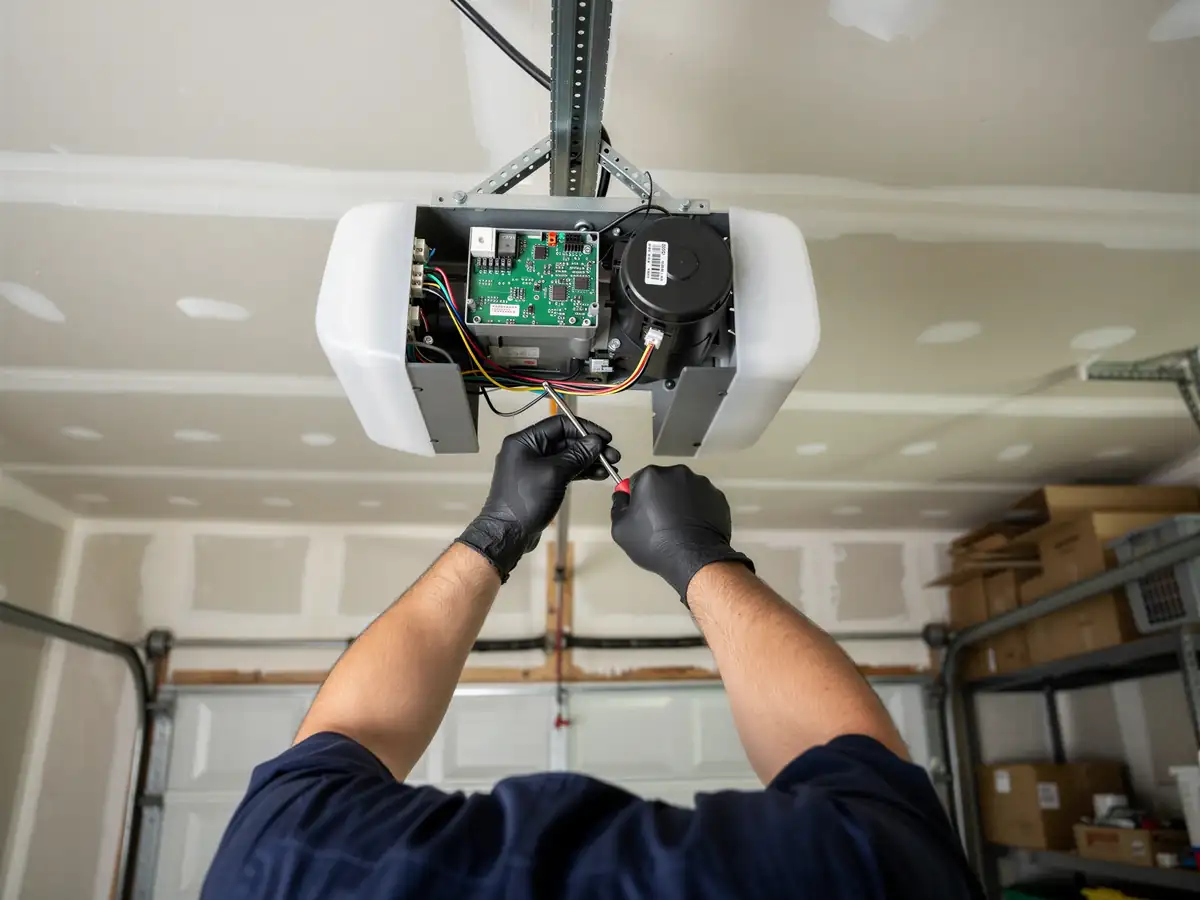
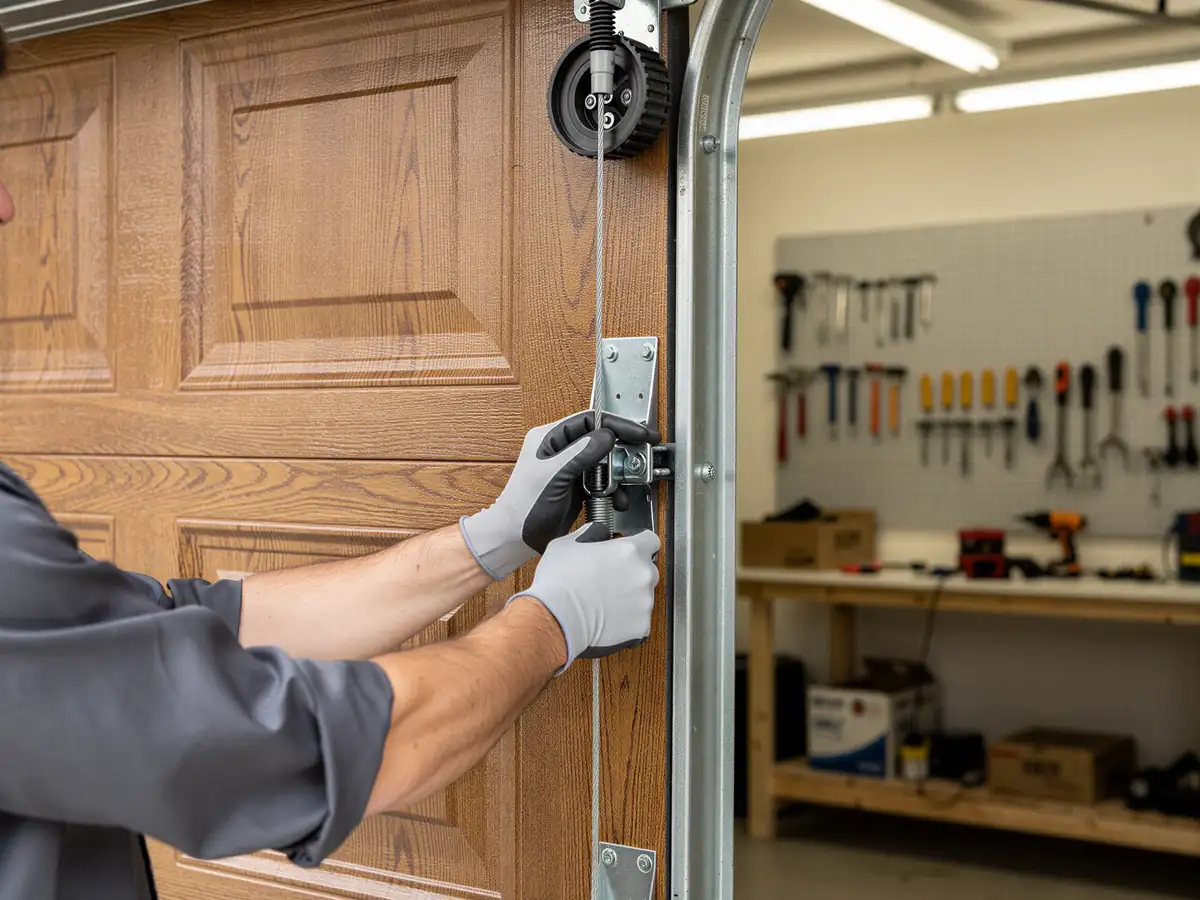
What you shouldn't touch is anything under load - torsion springs, the cables that carry them, or an opener's internal gearing. Given the median household income out here runs well above the regional figure, a lot of folks default to just calling someone rather than wrestling with it themselves, and for the spring and cable work, that's the right call regardless of income. The honest limit: if a part looks original to a mid-90s install and it's seized rather than just noisy, we're not going to recommend forcing it free on a maintenance visit. That's a repair call, not a tune-up.
Stocked Parts
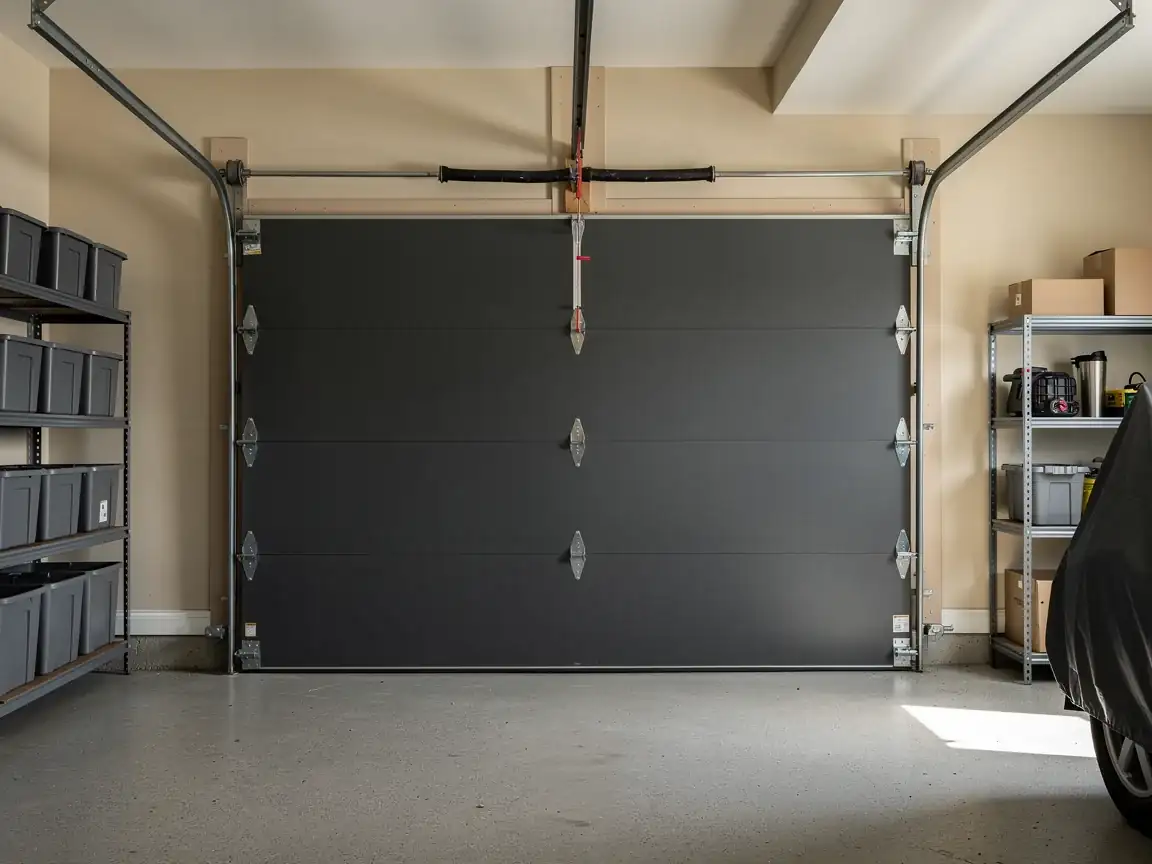
Housing in this part of the service area mostly dates from the late 1980s through 2000, with Silver Firs itself skewing newer - median build year 1997. That means the openers and door hardware we run into are mostly chain or belt-drive units from that era's build-out, not the older side-mounted torsion setups you find in older pockets closer to Mill Creek's core.
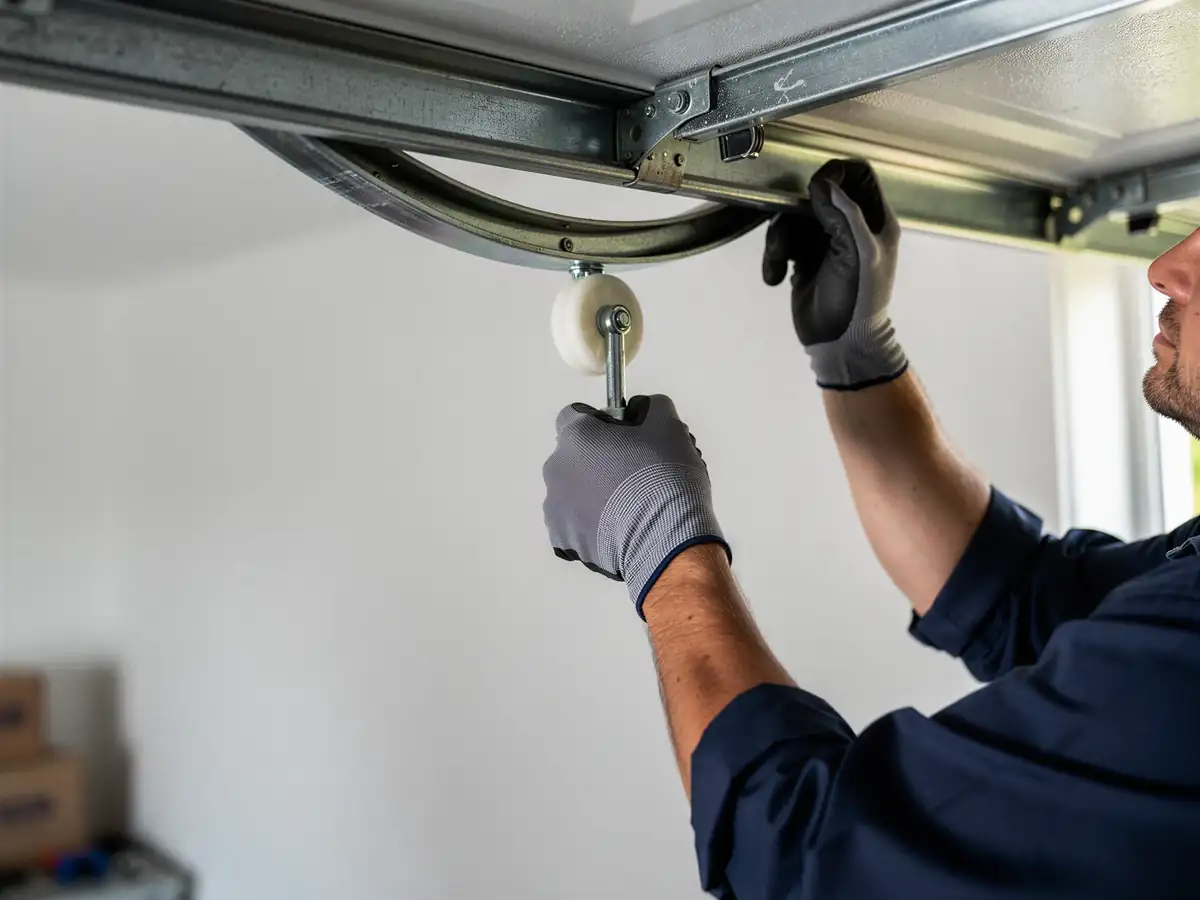
We stock rollers, cables, and standard torsion springs sized for that generation of door. What we don't carry on the truck is anything made for a pre-1980 door - those parts are rare enough now that sourcing them takes a special order and a wait, which is worth knowing before you assume a repair happens the same day as the visit.
What You Are Seeing
On a 1990s-built door in this climate band
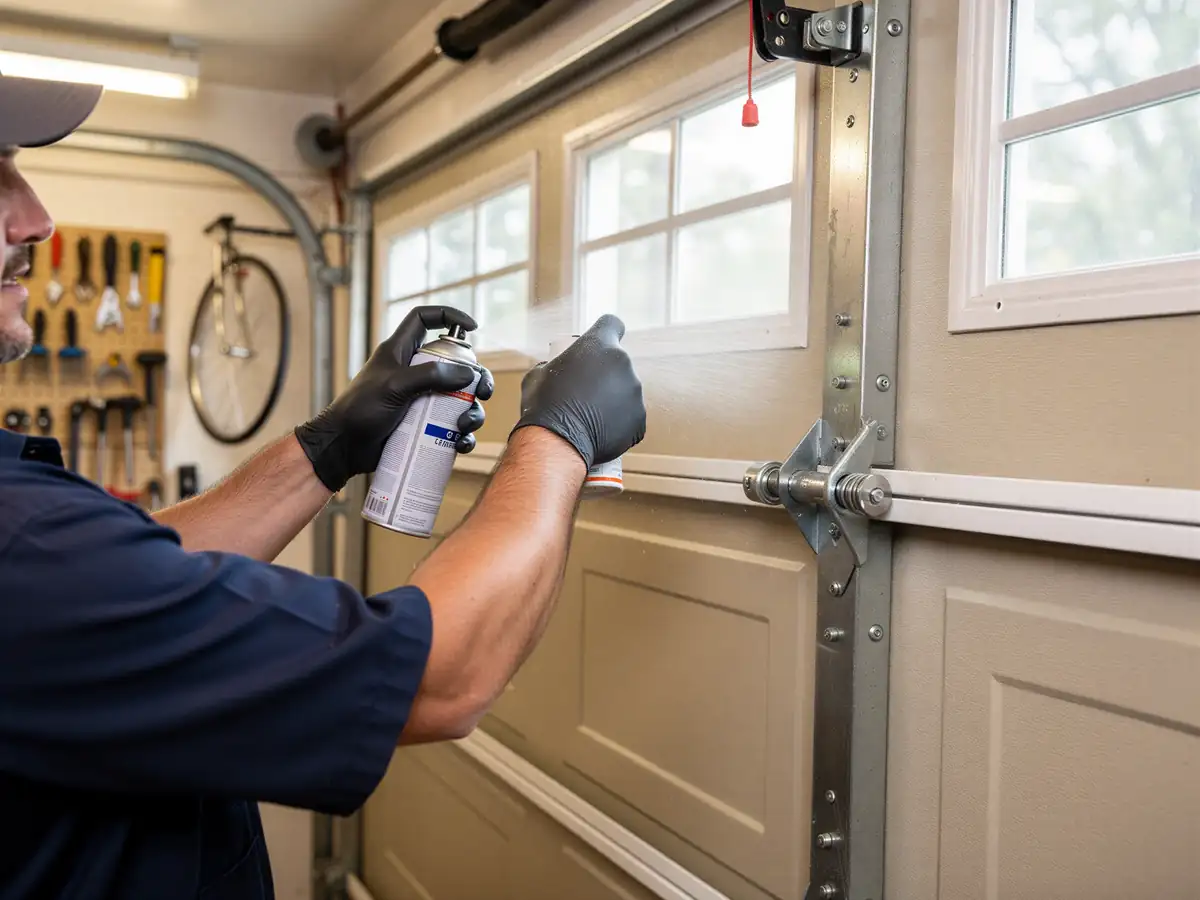
Cold, but not harsh enough to demand the same insulation specs you'd see further north - the most common maintenance finding is dried-out lubrication on rollers and hinges, not structural failure. The door still runs, but it's working harder than it should, and that shows up as a slow close or a shudder partway up the track.
The second most common thing: weatherstripping that's gone brittle
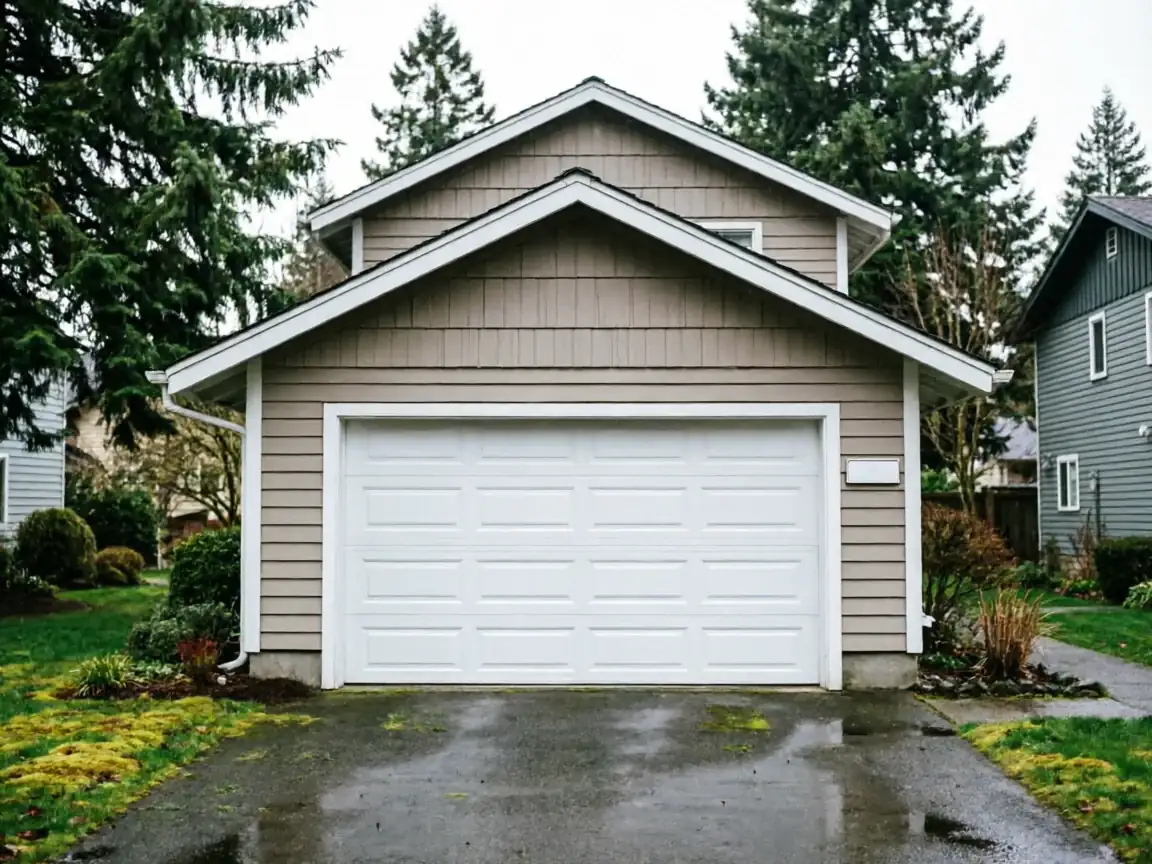
A door built in the late '90s is now pushing 30 years old, and the rubber seal at the bottom panel is usually the first thing to fail, well before the springs or the opener motor. If you're noticing daylight under the door on a cold morning, that's what's happening - not a sign the door itself needs replacing.
- 30 years
What the Repair Takes
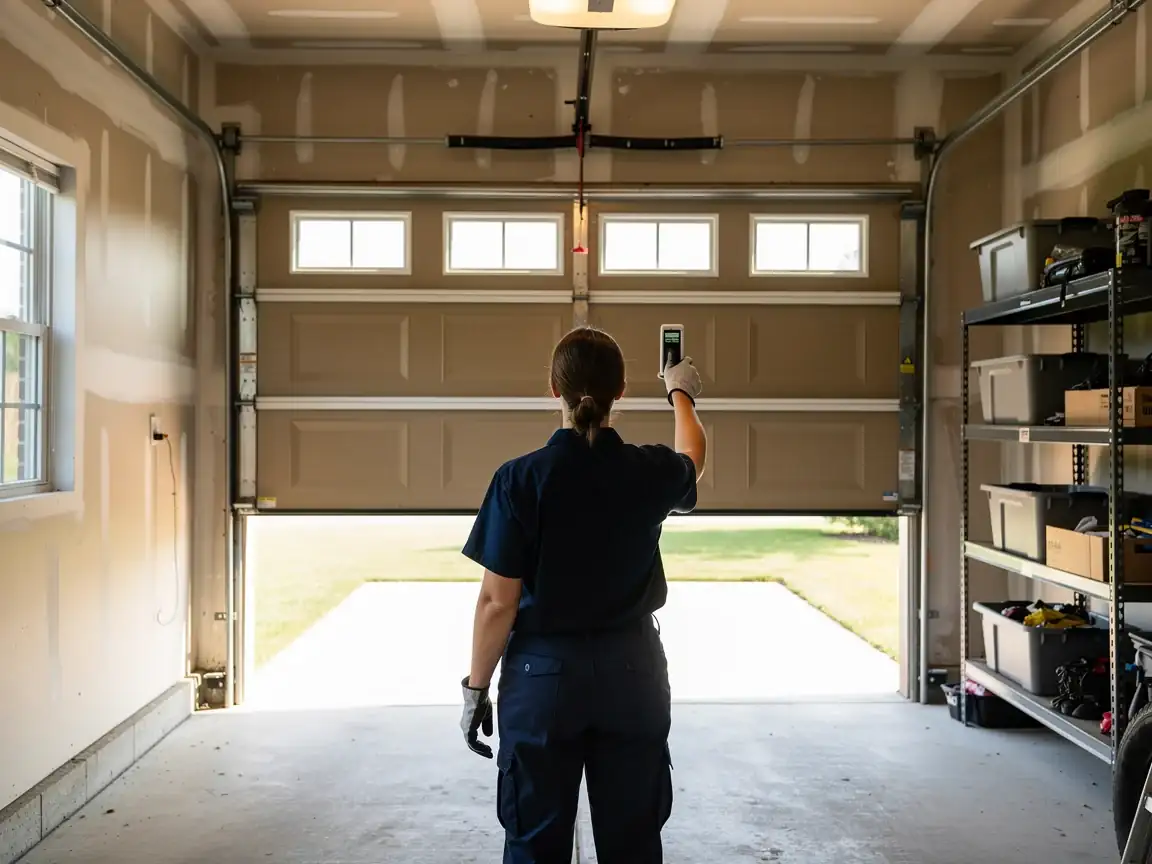
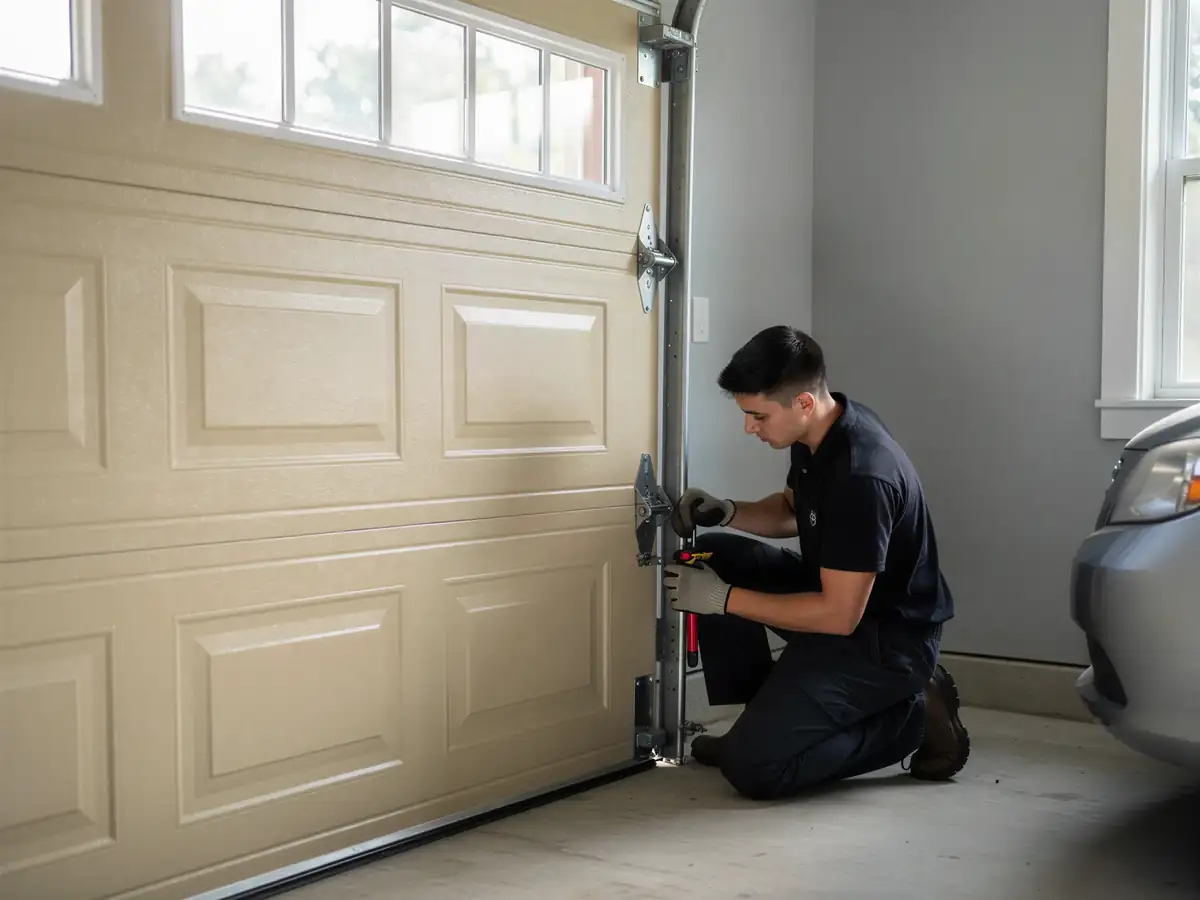
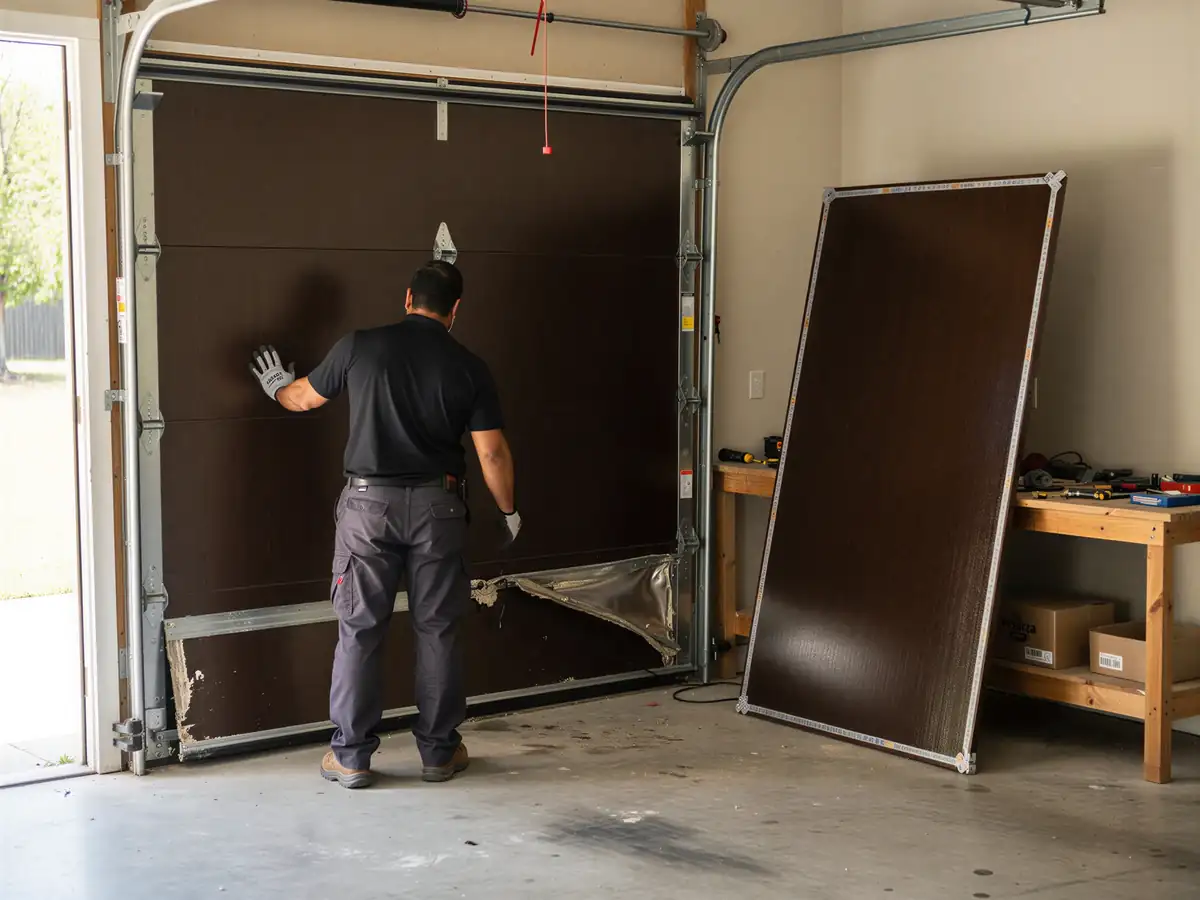
A standard maintenance visit on a door from this era runs through lubrication, track alignment, hardware tightening, and a balance check on the spring. If the balance is off on a door this age, it's usually a sign the spring has lost some of its tension over the decades, not that something broke suddenly.
What it doesn't take: a full teardown. Doors built after 1990 almost never need the opener replaced during a maintenance visit - the gearing in that generation of unit tends to outlast the springs. If we find something that does need parts beyond lube and adjustment, we'll say so before doing the work, not after.
Why It Happens Here
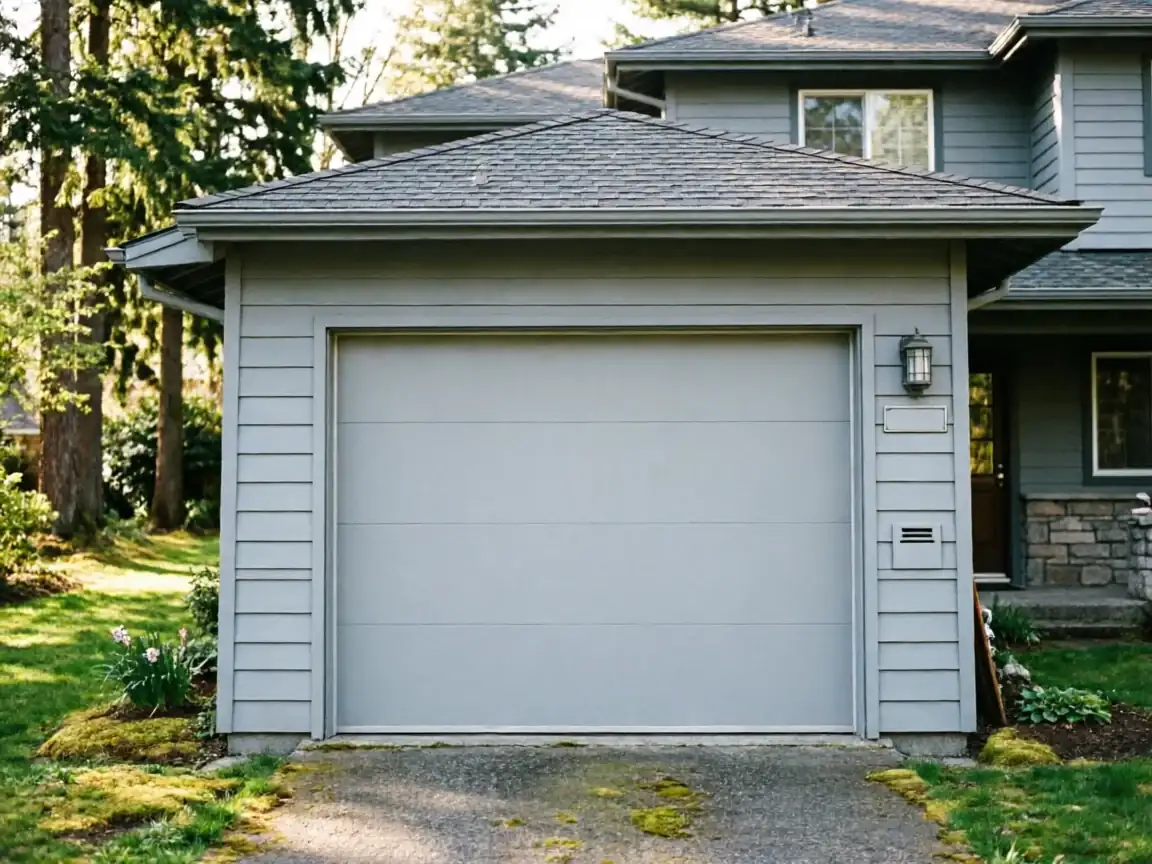
The pattern in Silver Firs comes down to timing. A neighborhood built mostly around 1997 means most garage doors are now entering the age where springs lose rated tension and seals dry out, but they're not yet old enough to need the hardware swaps that show up in 1970s-era housing closer to the center of the service area. That puts this area in a specific maintenance window - annual tune-ups catch problems early here, because the failure mode right now is wear, not obsolescence.
It's a different situation than the older pockets within a few miles, where parts scarcity is the bigger issue. Here, it's mostly about staying ahead of gradual wear before it becomes a weekend breakdown.