Why It Happens Here
Most houses in Monroe went up around 1996
Which puts the neighborhood nine years newer than the 1989 median across the rest of the service area. That gap matters more than it sounds. A door and opener installed in a 1996 build is now closing in on thirty years of cycles, and the steel torsion springs, nylon rollers, and factory lube that came with it were never meant to last that long without attention.
The specific fault we see out this way is spring fatigue that hasn't announced itself yet
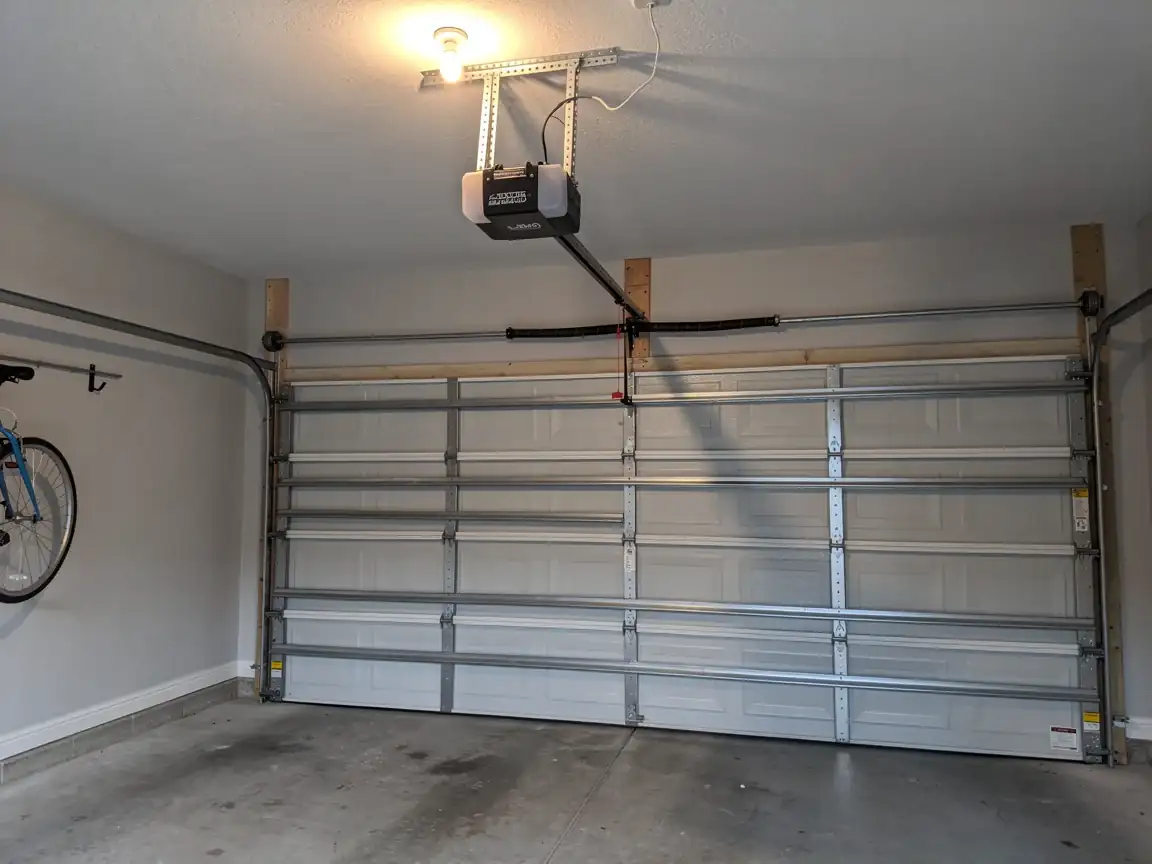
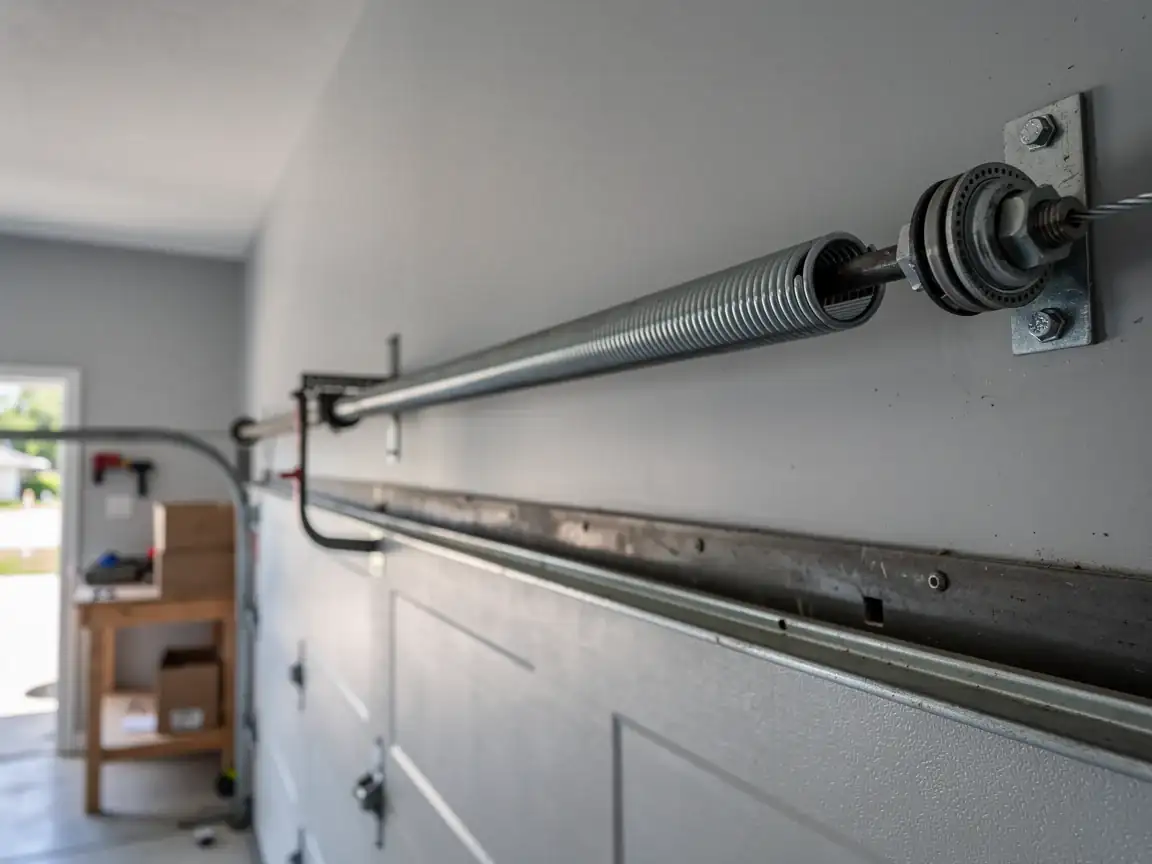
A spring rated for a set number of cycles doesn't fail cleanly at the end of its life - it loses tension gradually, so the door starts riding heavier on the opener months before anything snaps. Owners notice the opener straining or the door sagging slightly at the bottom corners and assume it's the opener's fault. Usually it isn't.
Monroe also sits in the same cold-moderate climate band as the rest of the territory
So winter stiffens grease and hardens weatherstripping the same way it does everywhere nearby. Combine that with hardware that's a decade past its original service window, and a maintenance visit this age bracket needs is heavier on spring and roller inspection than a newer-build street would require.
Where This Job Goes Sideways
The usual trip-up on a 1996-era door is treating a lubrication visit as the whole job when the springs underneath are already past safe tension. Oiling a track that's quiet but leaving a fatigued spring in place just delays a cable snap or a door that drops hard when someone's standing under it.
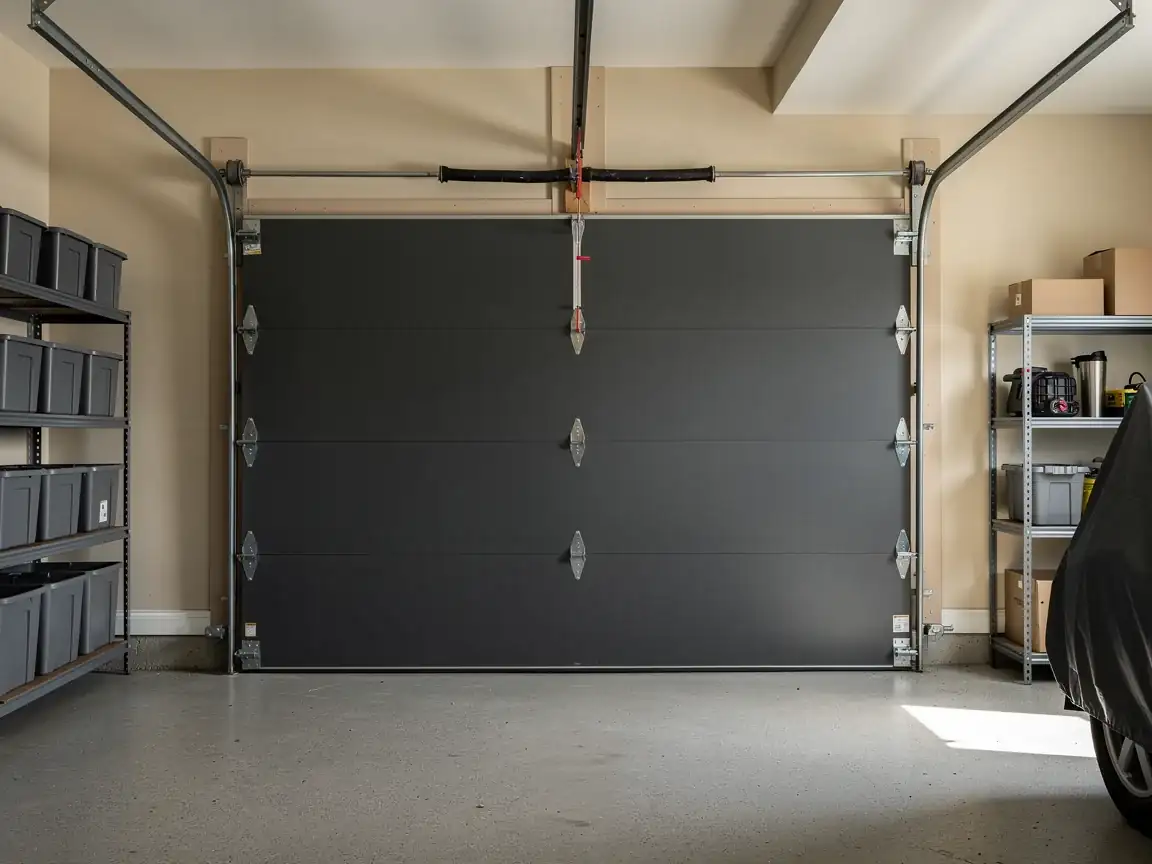
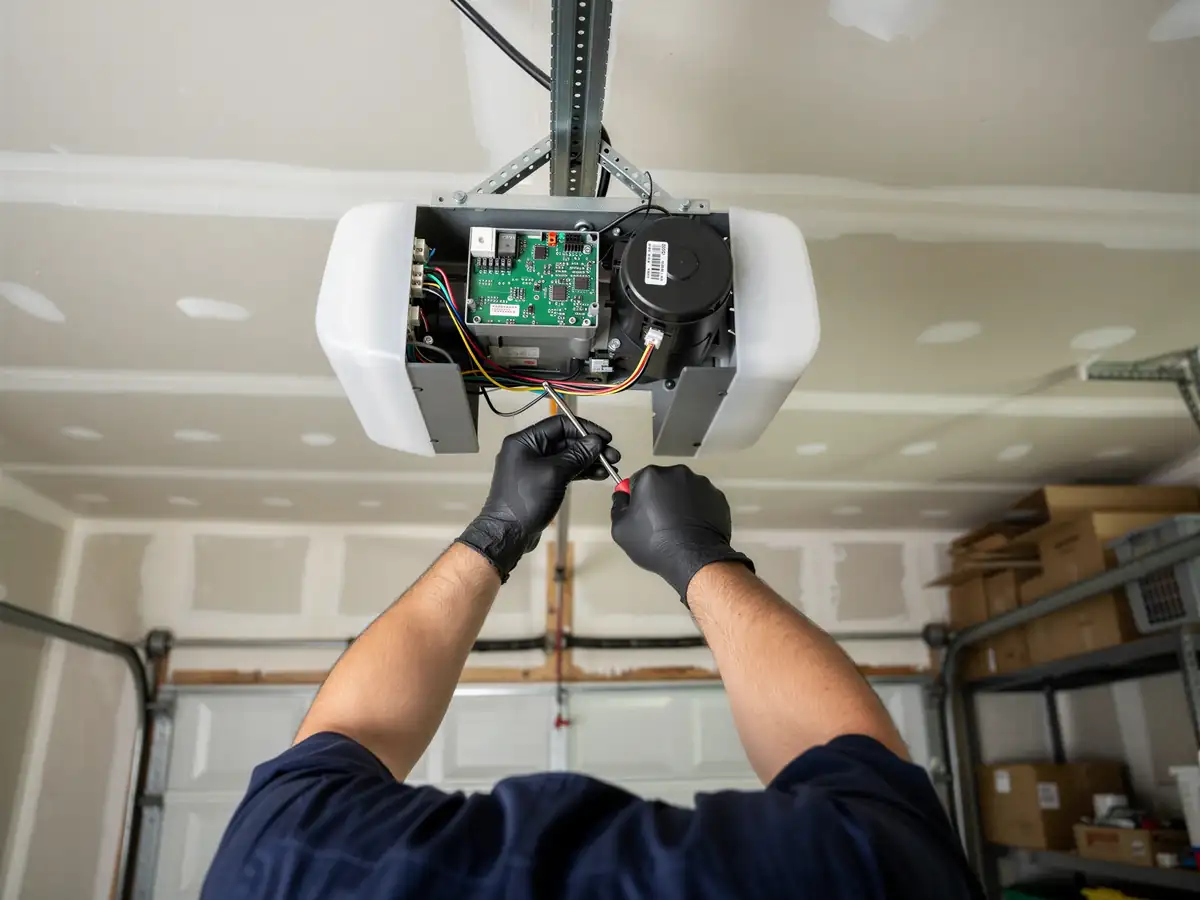
The other place this goes wrong is assuming all the hardware on the door is the same age. Openers get swapped out over the years more often than springs or track do, so it's common to find a newer chain-drive opener bolted to original 1996 hinges and rollers that have never been touched. A proper maintenance pass checks each component against its own wear, not against how new the opener looks.
We won't pretend every door in this bracket needs the same fix. Some have had springs replaced already and just need the rollers and cables looked at. Others have the full original set still working, which is honestly more concerning than one that's already failed and been fixed - it means the fatigue is invisible until it isn't.
The DIY Question
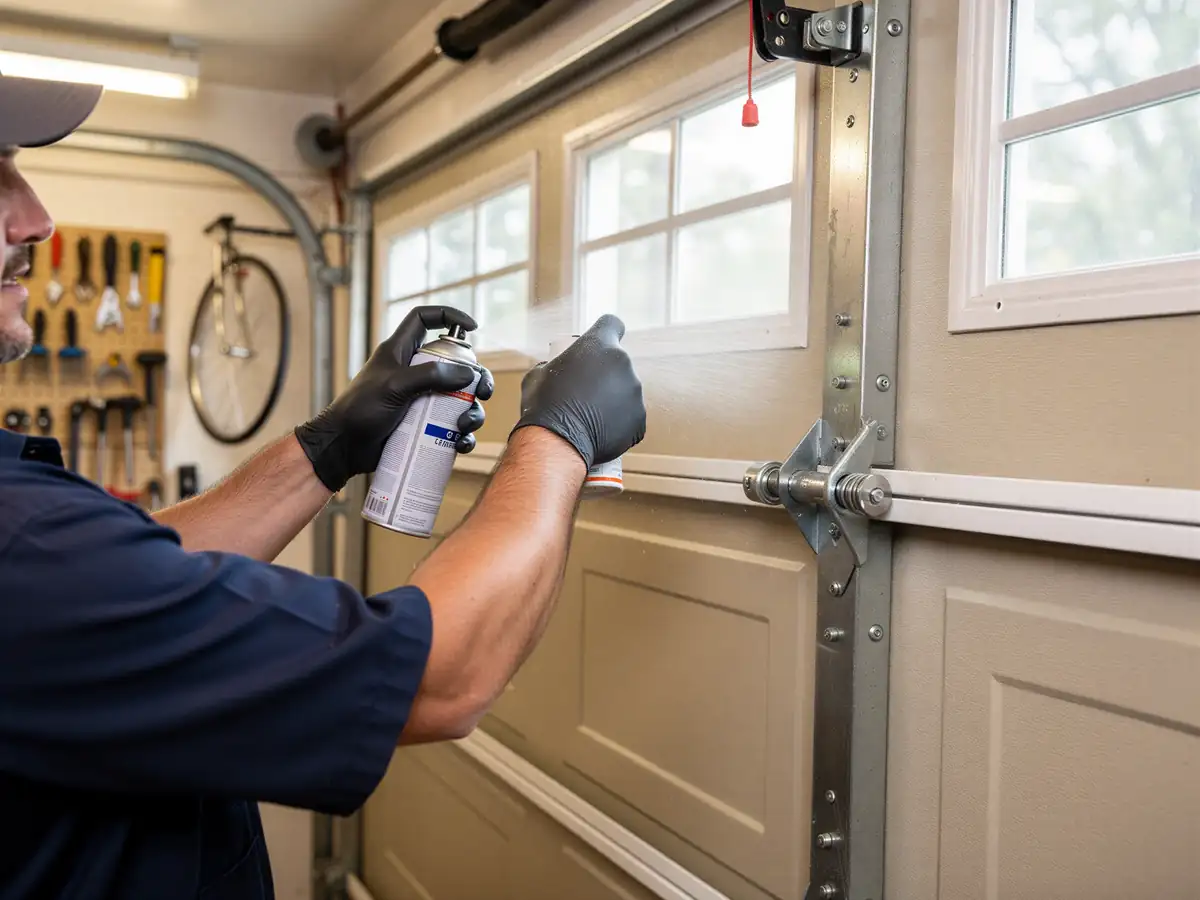
Lubricating hinges and wiping down track is fine to do yourself, and it's worth doing between visits. Checking spring tension is not something to handle solo. A torsion spring under load that's past its rated cycles can release violently if the winding cone slips, and there's no safe way to eyeball how much life is left in one from the garage floor.
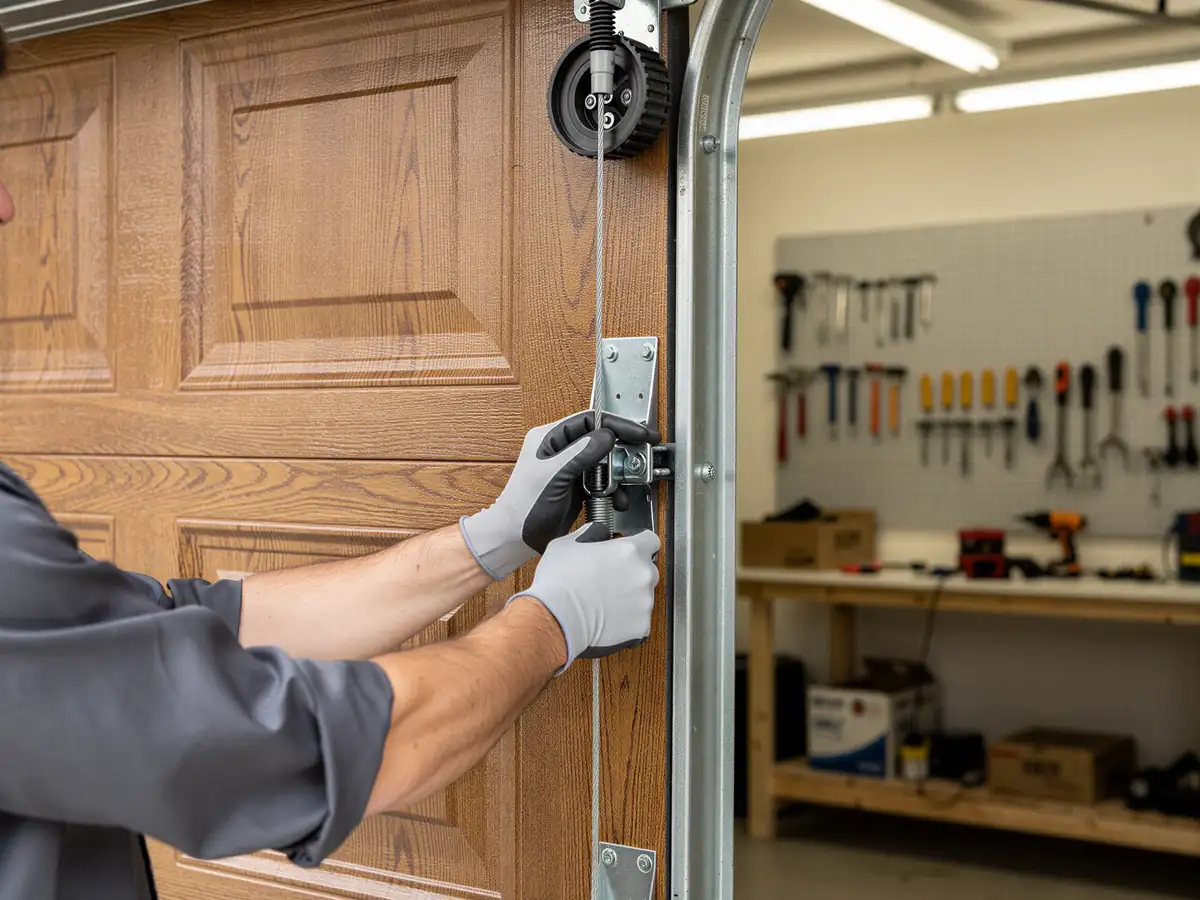
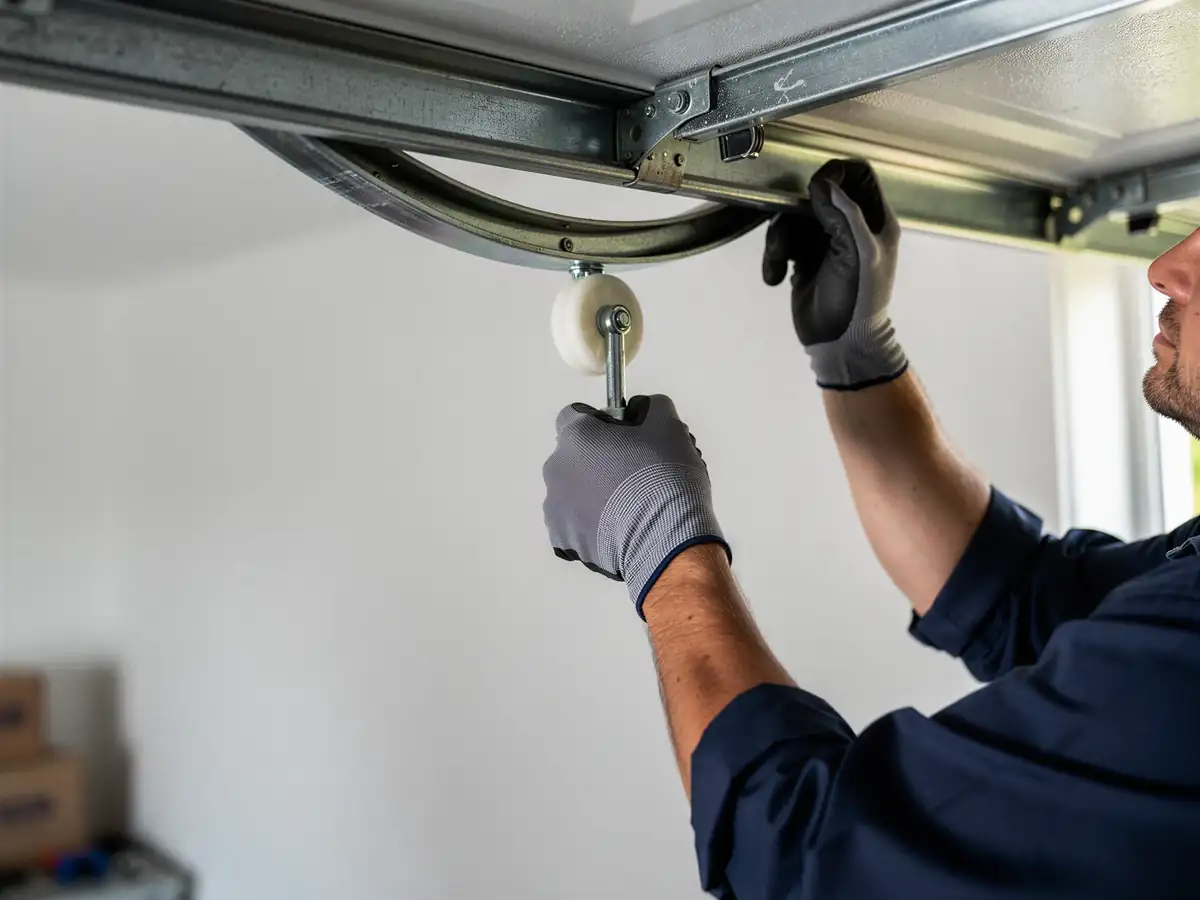
Roller and cable inspection sits in a gray zone. You can look for frayed strands on a cable or a roller that's visibly cracked, and if you see either, that's a call-it-in situation, not a weekend project. What you can't easily judge is cable wear that's internal to the strand, or a roller bearing that's dry but hasn't started making noise yet.
If your door is original to a 1996 build and nobody's serviced the springs since, that's the one thing on this list we'd put off a DIY lubrication job to deal with first.
What the Repair Takes
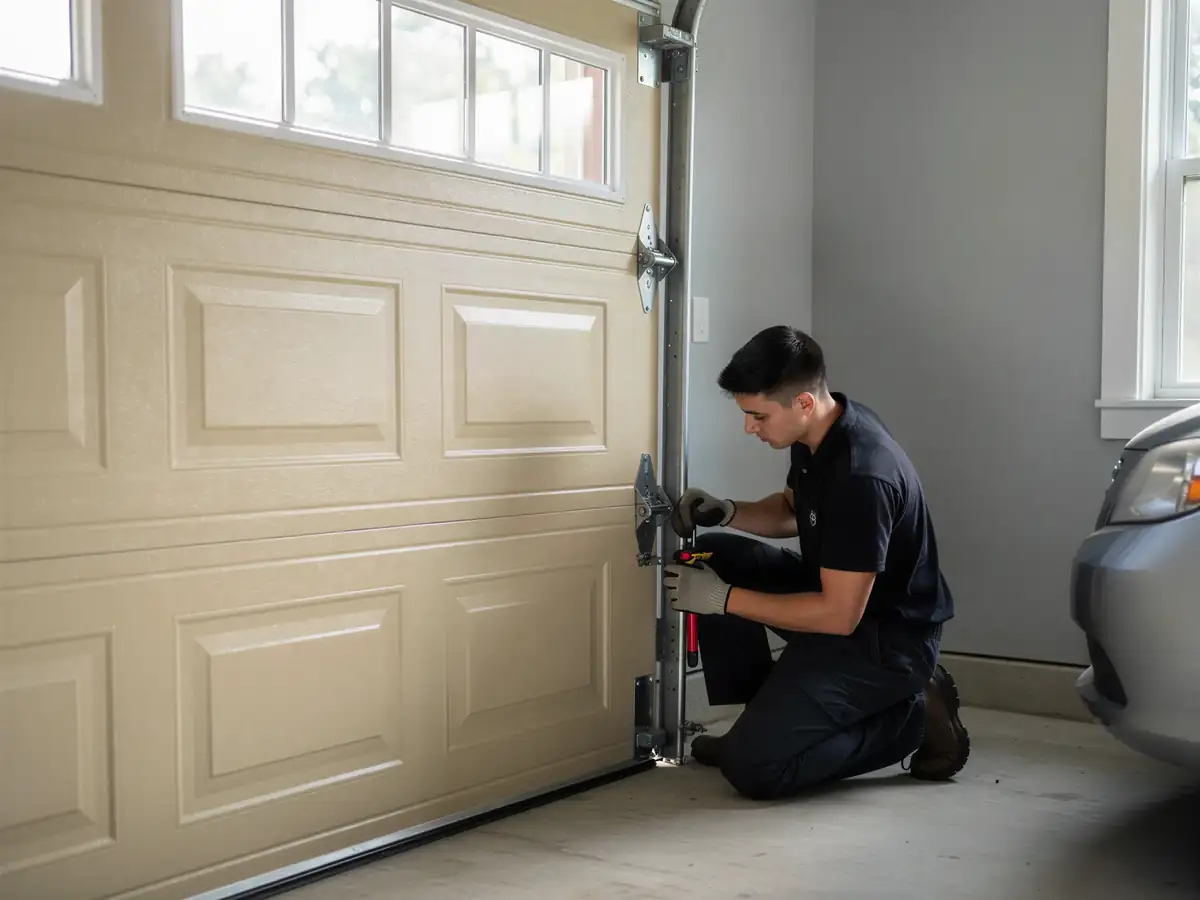
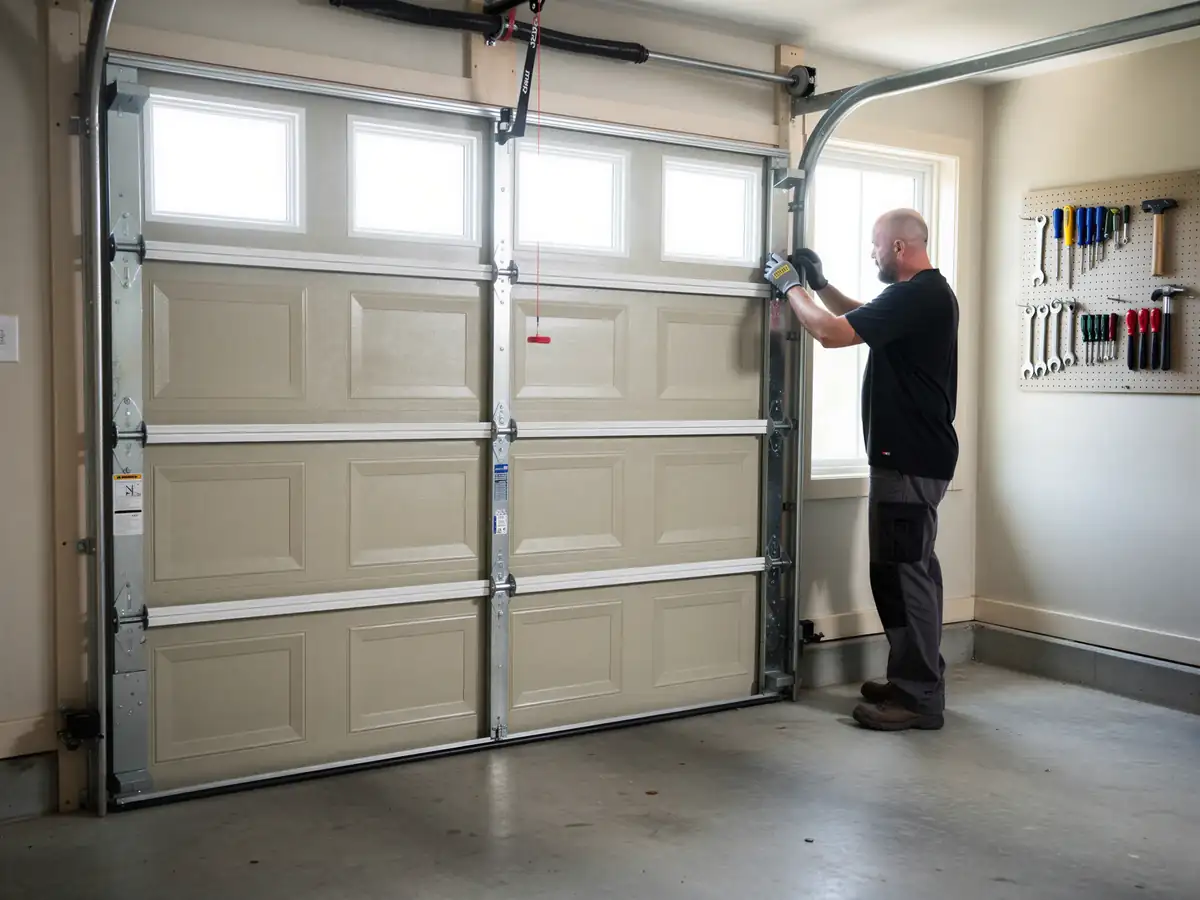
A maintenance visit on a door this age usually runs longer than on a newer build because there's more to actually inspect
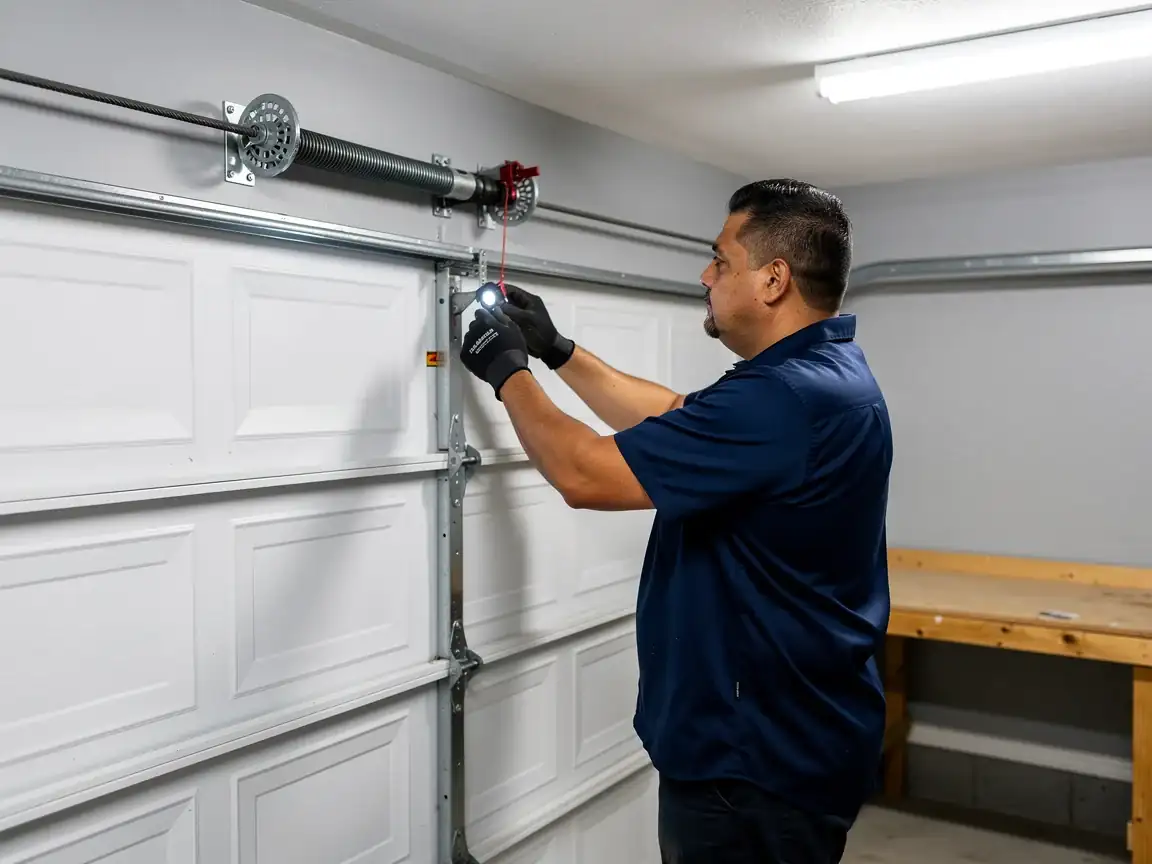
Spring tension, cable condition at both ends, roller bearings, hinge wear, and track alignment all get checked rather than skimmed. If a spring is found to be near end of life, replacing it on the spot is almost always the right call rather than scheduling a second trip, since the labor to access it is most of the cost either way.
One limitation worth stating plainly
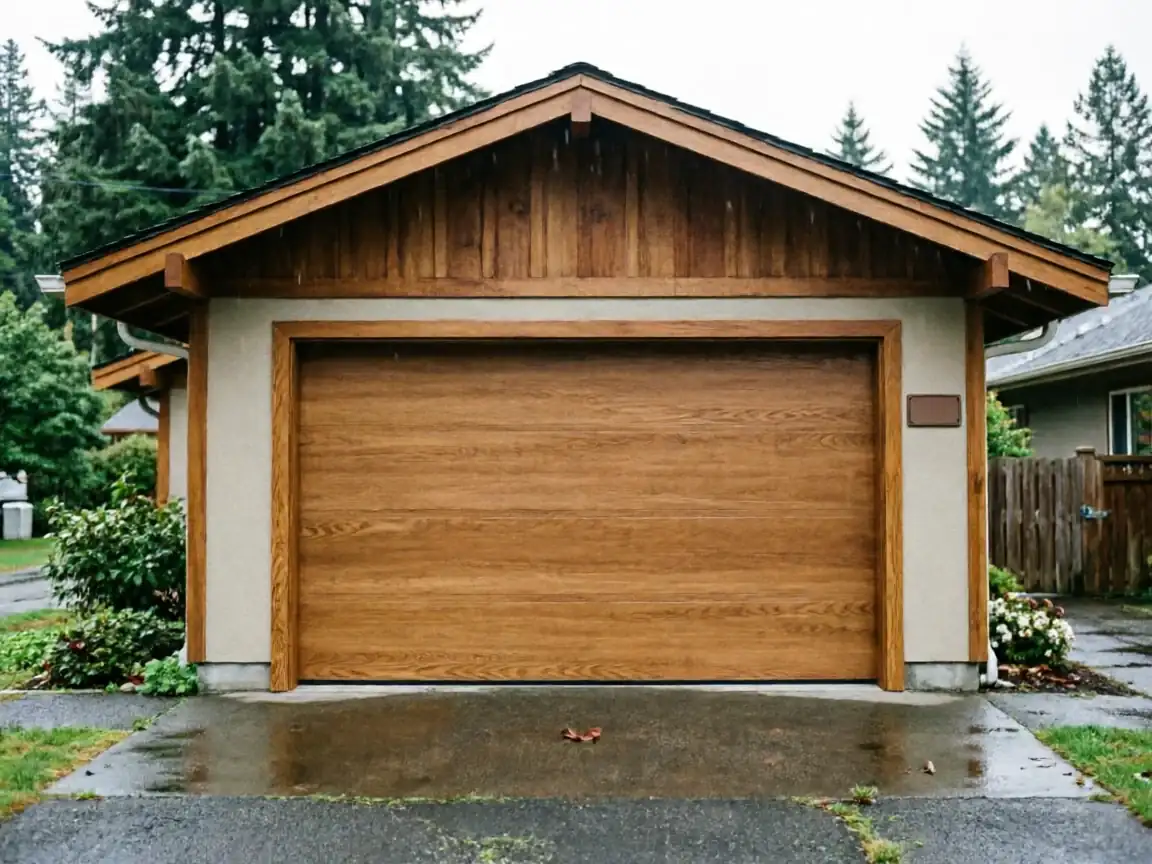
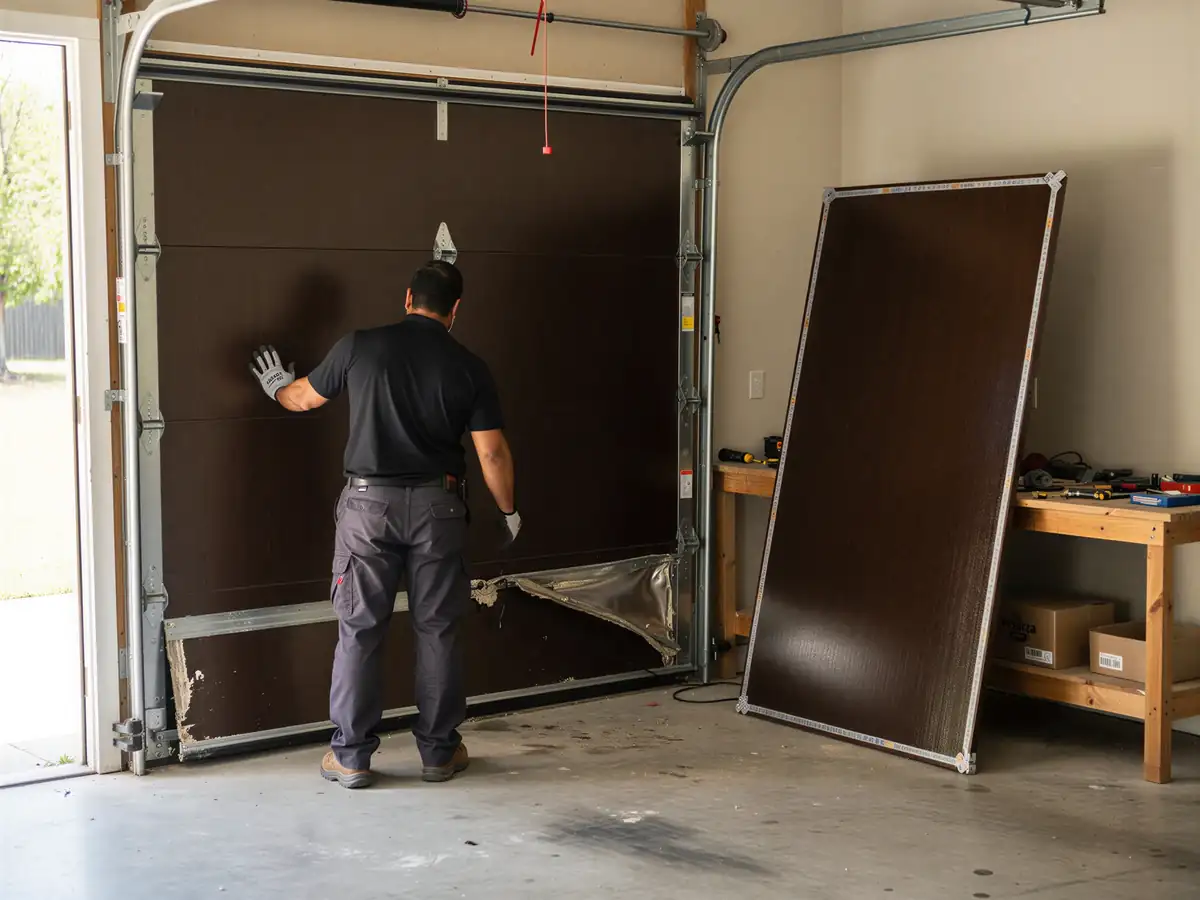
If the door itself is a steel panel door from that same era with rust starting at the bottom panel, no amount of spring or roller work fixes that. At some point the panel is the problem, not the hardware, and we'll tell you when that line's been crossed rather than keep billing maintenance against a door that needs replacing.
Getting It Booked In
We run this job out to Monroe from Mill Creek, about 10 miles each way, so we schedule maintenance visits in that corridor rather than treating Monroe as a one-off trip. Given the 1996-era hardware common on this side, we'd rather look at spring tension and cable wear in the same visit than send someone out twice.
See what we cover in Monroe, or check the Mill Creek maintenance page for what a standard visit includes before booking.