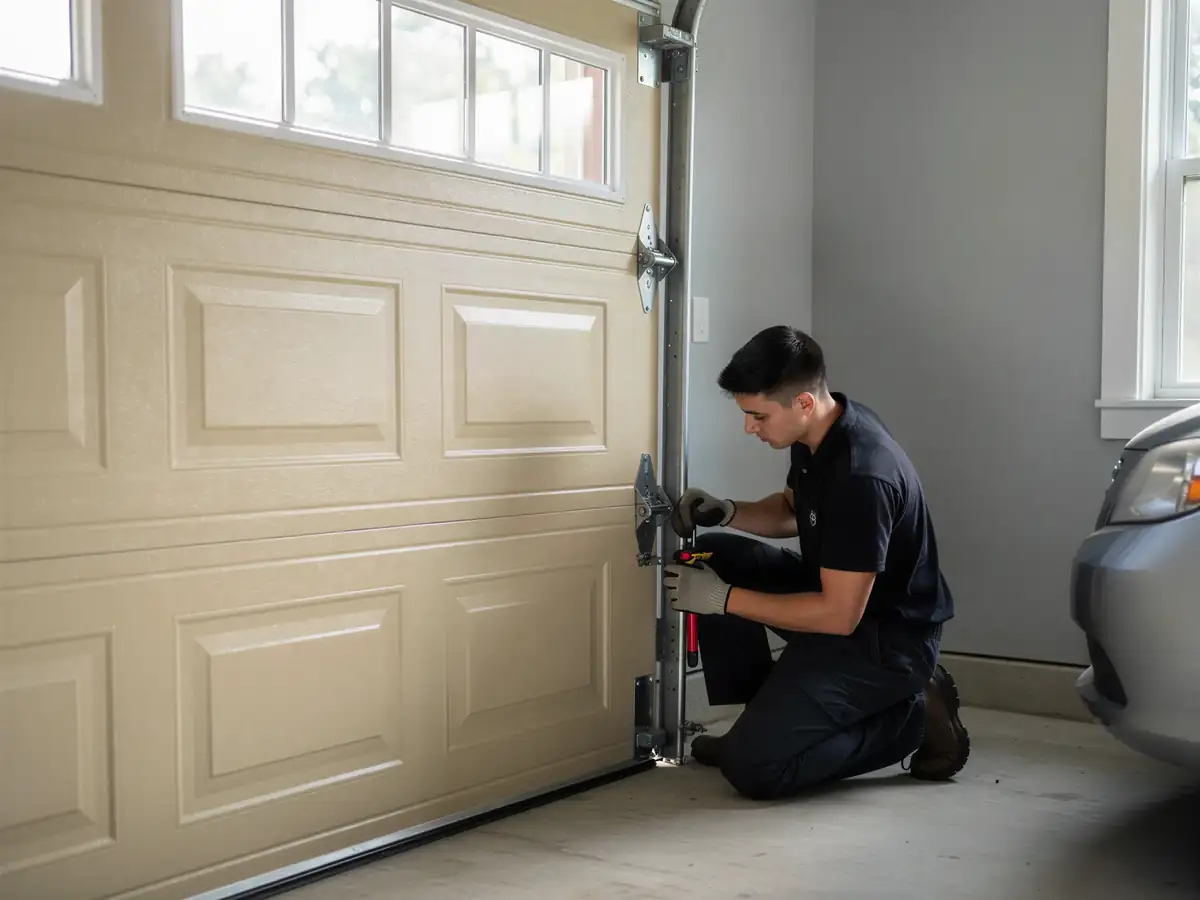
Why It Happens Here
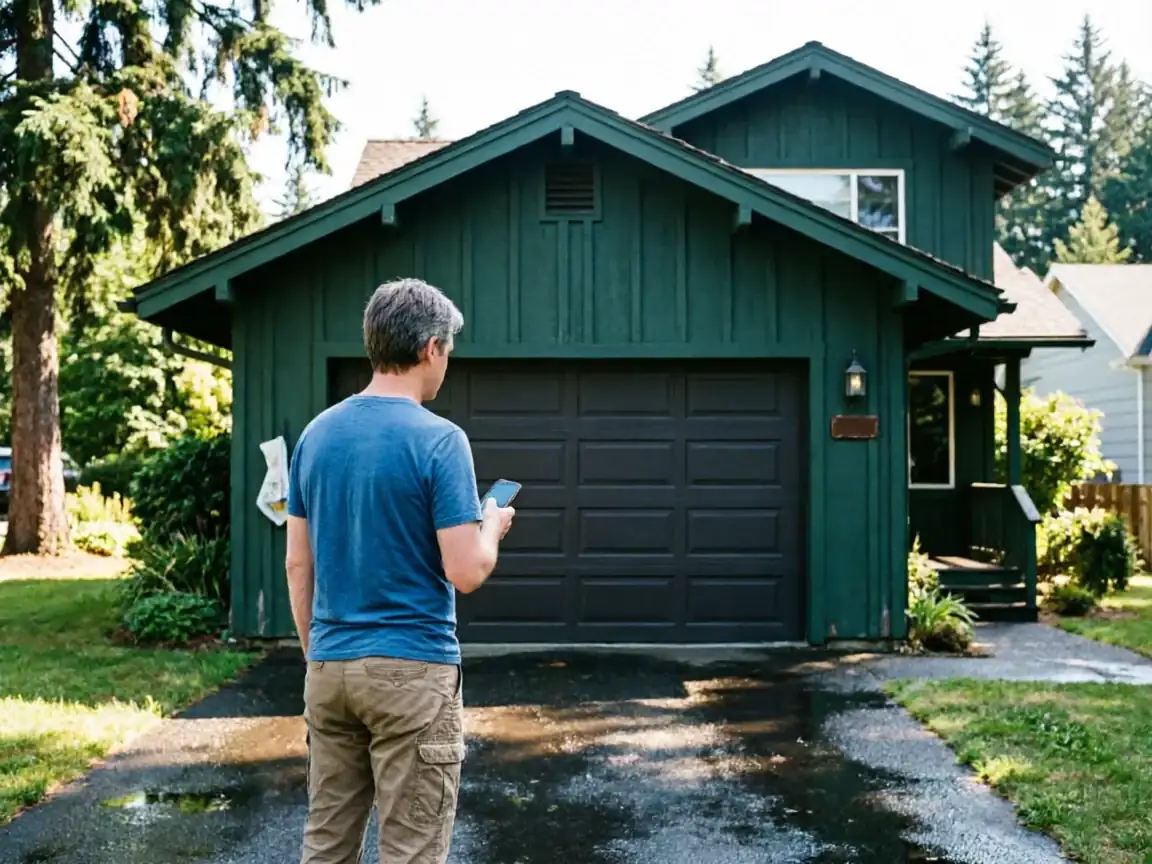
Monroe is a 10-mile drive from our shop in Mill Creek
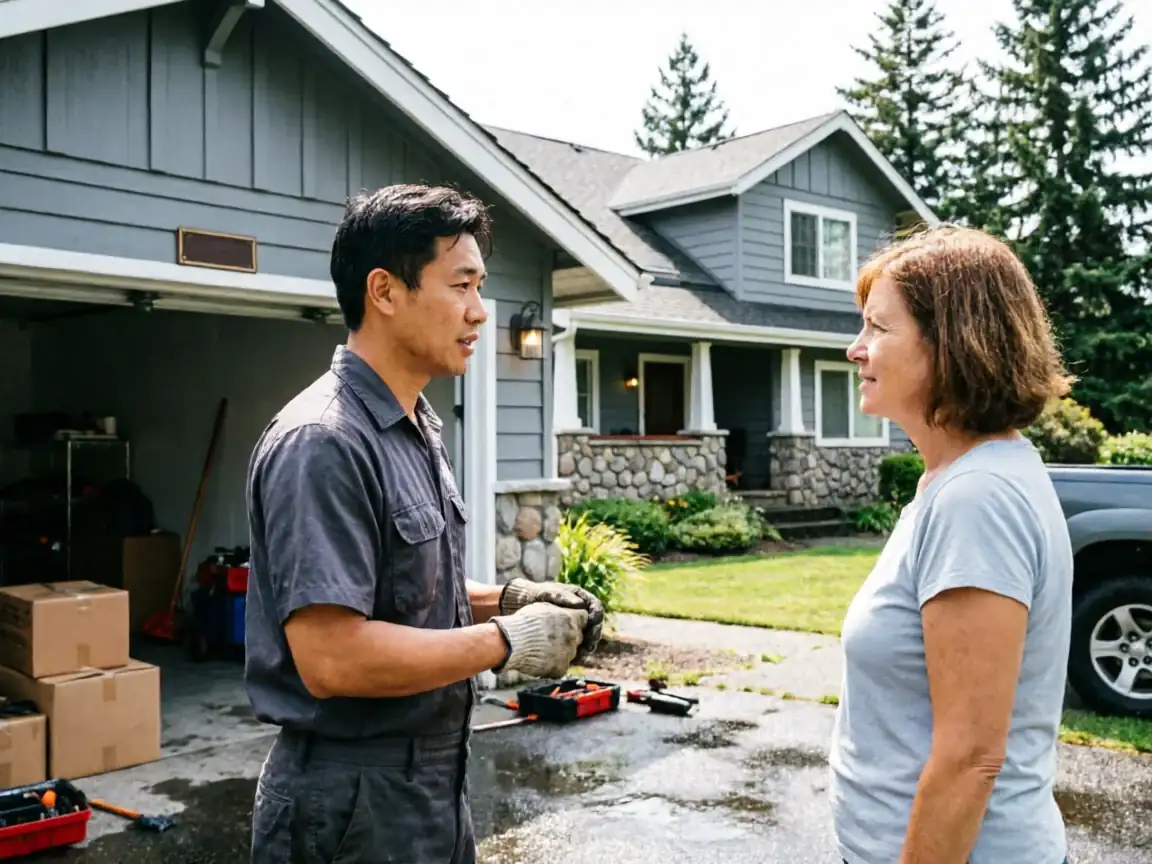
Which matters more than it sounds like it should. It's far enough that we plan the trip around what's actually broken, not just what you think is broken on the phone, so when you call we ask more questions up front than a closer job might need.
The housing stock here runs newer than a lot of what we see closer to home
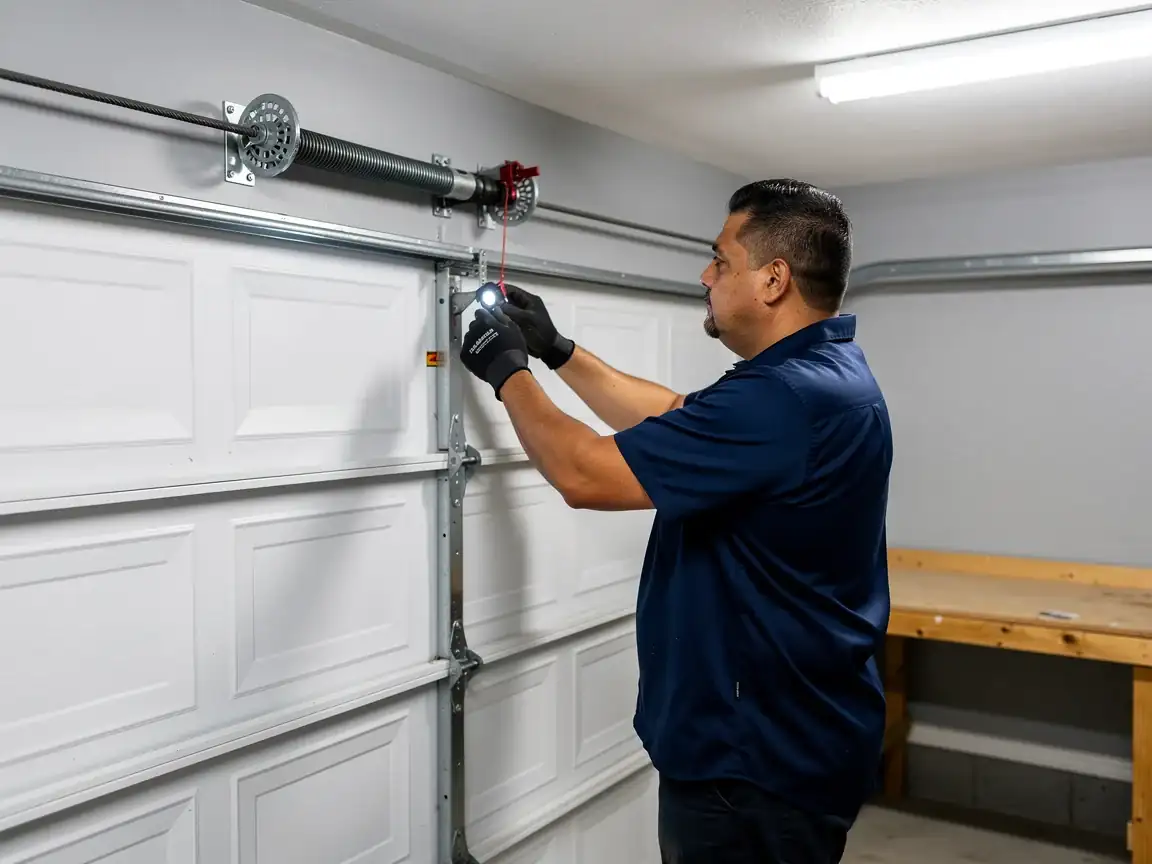
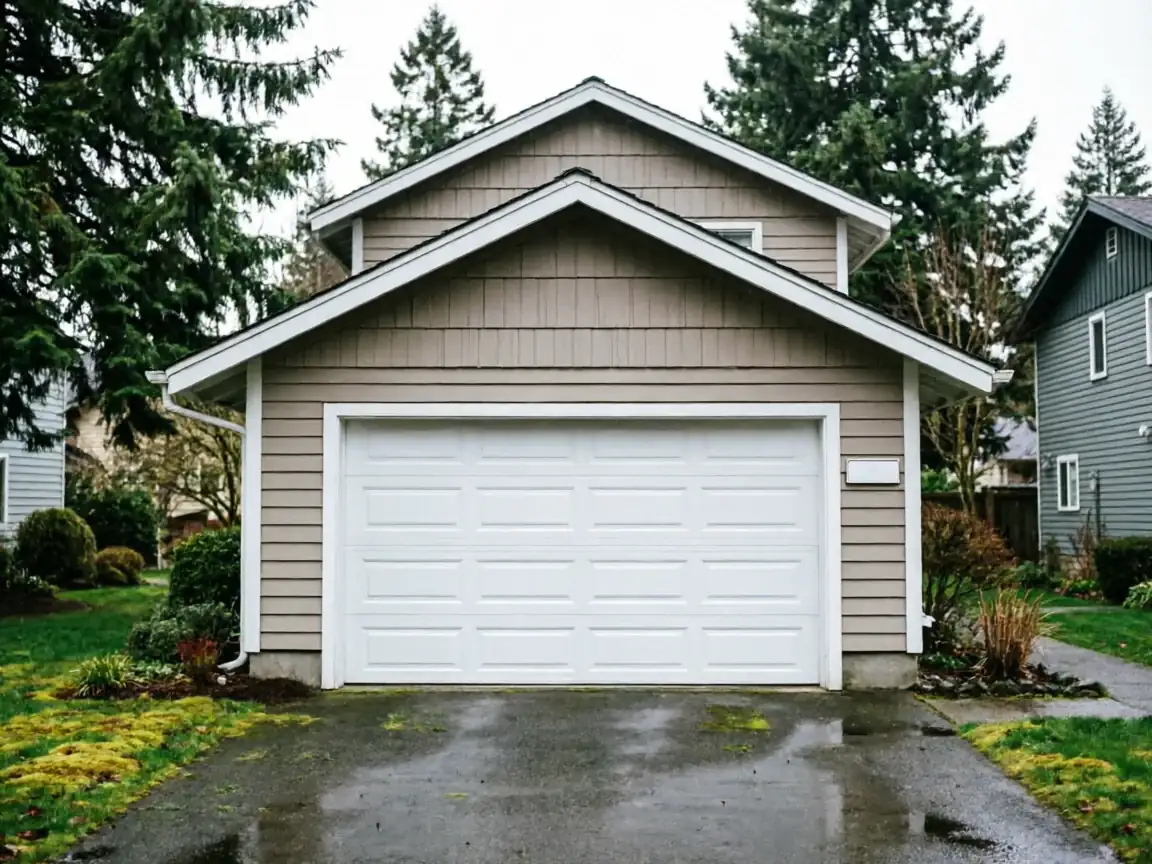
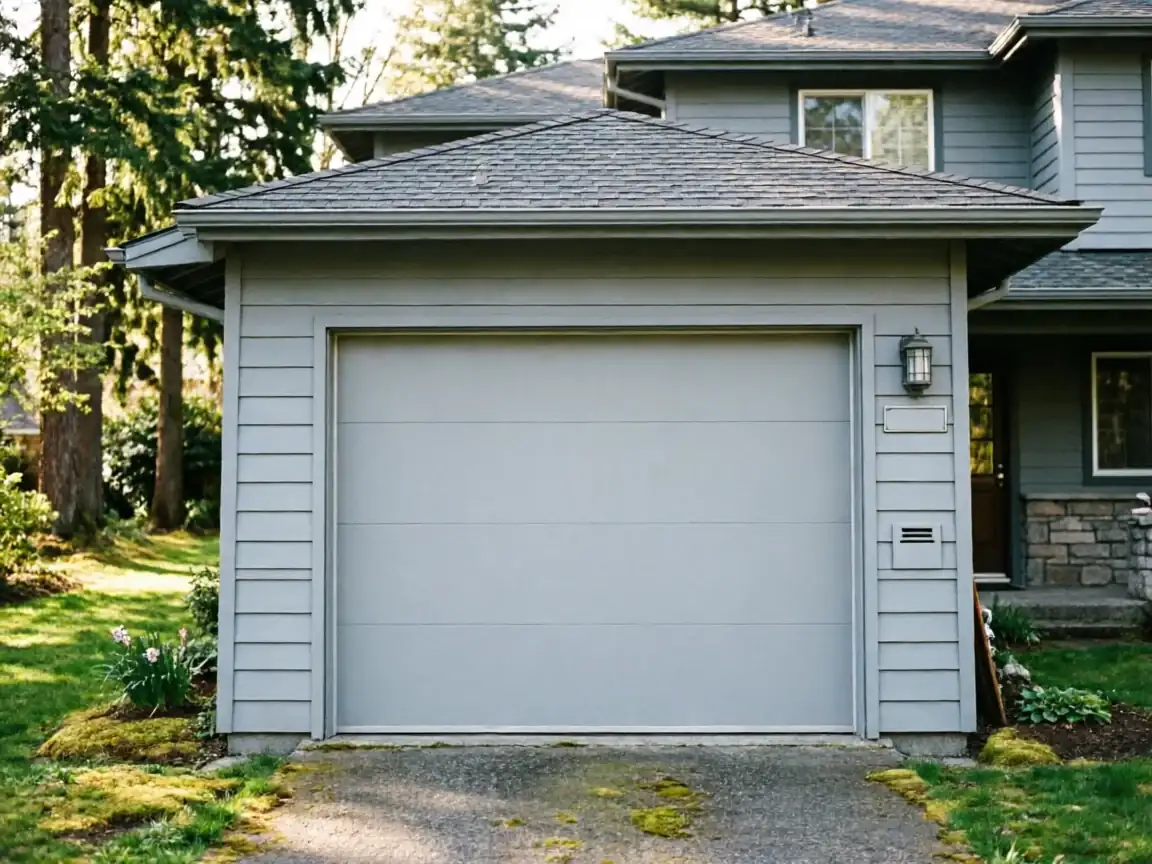
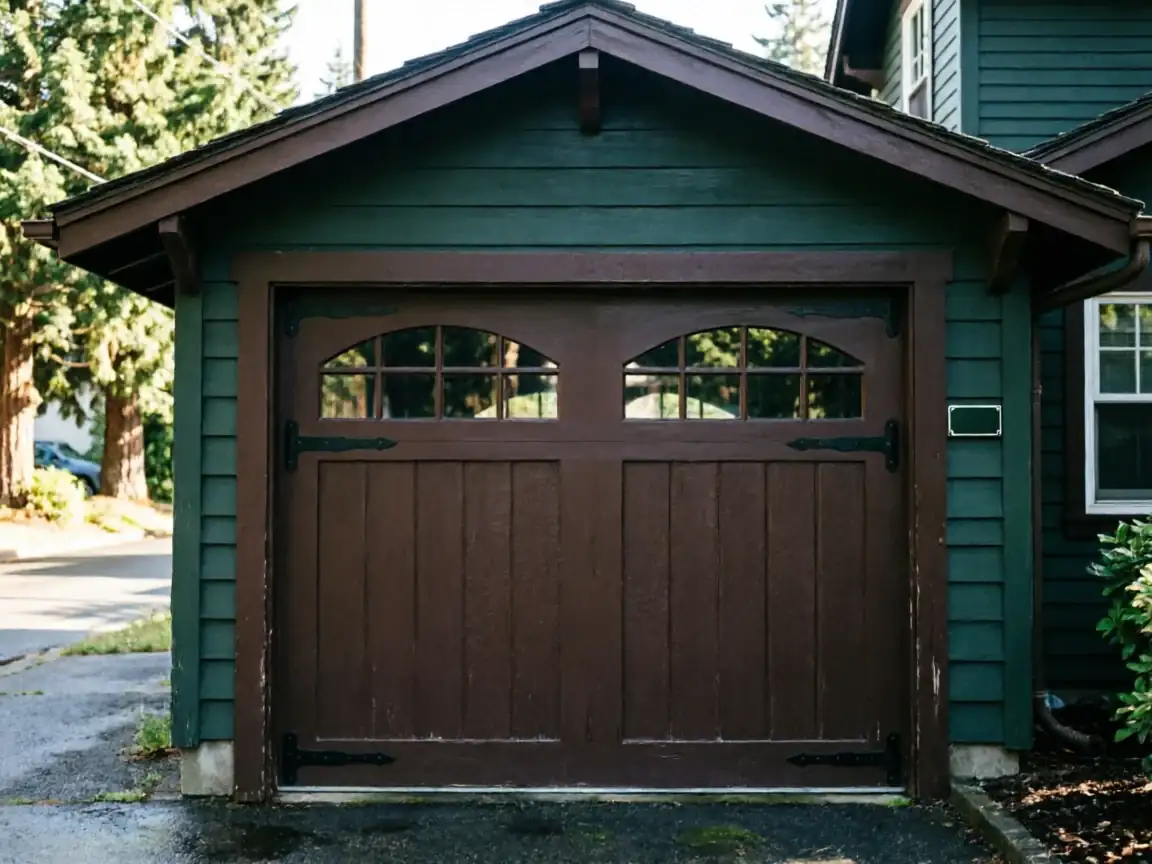
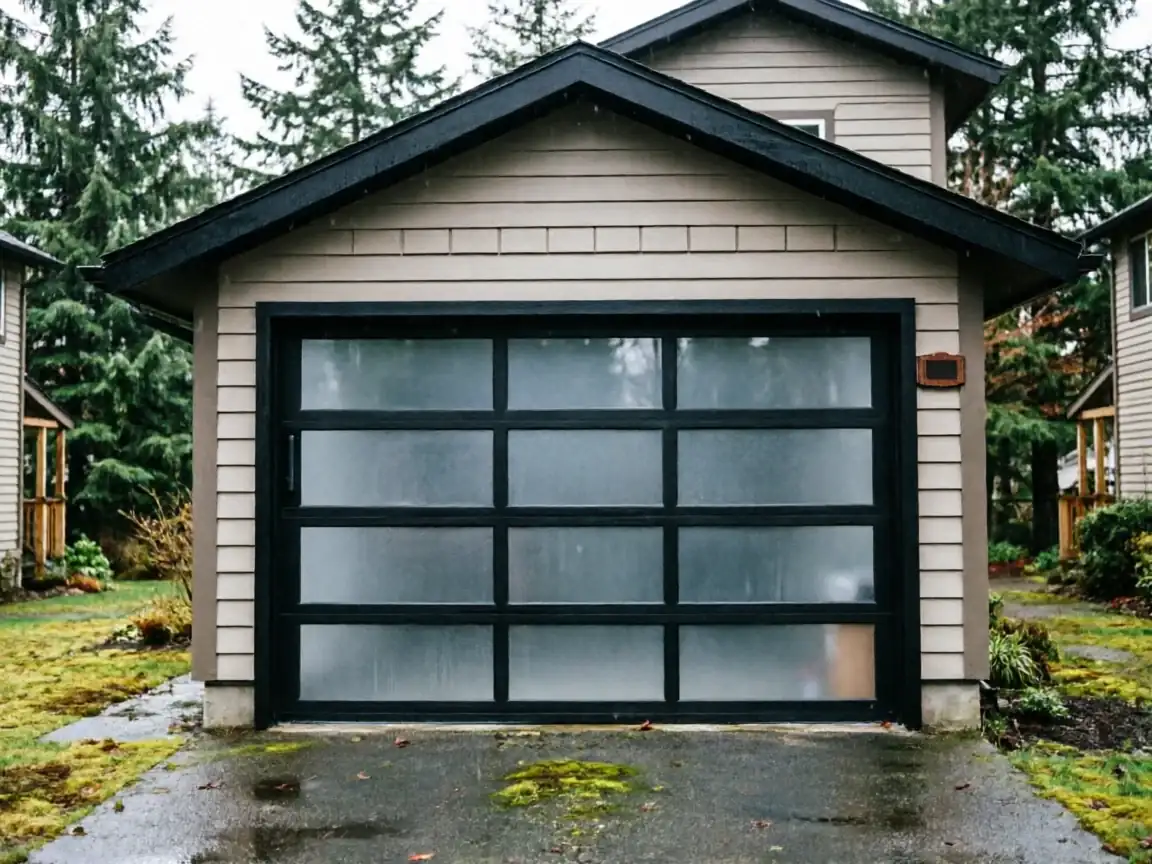
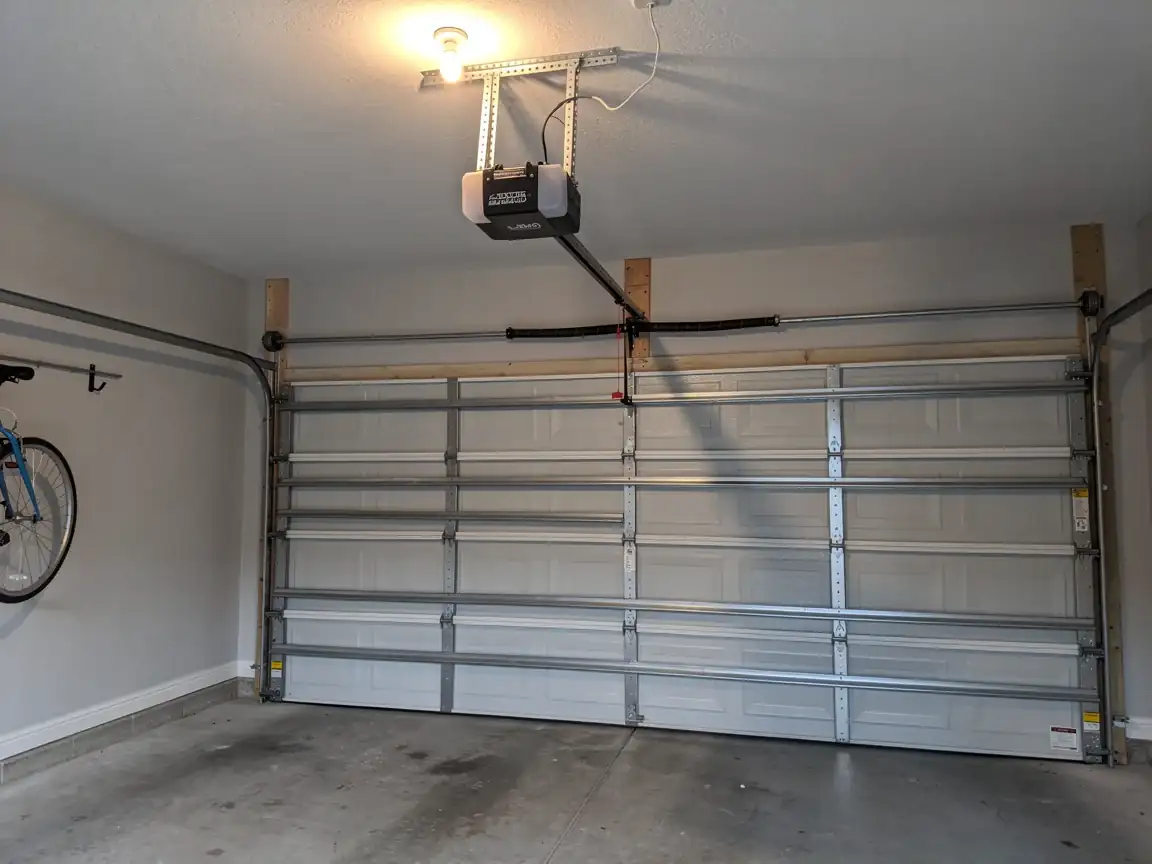
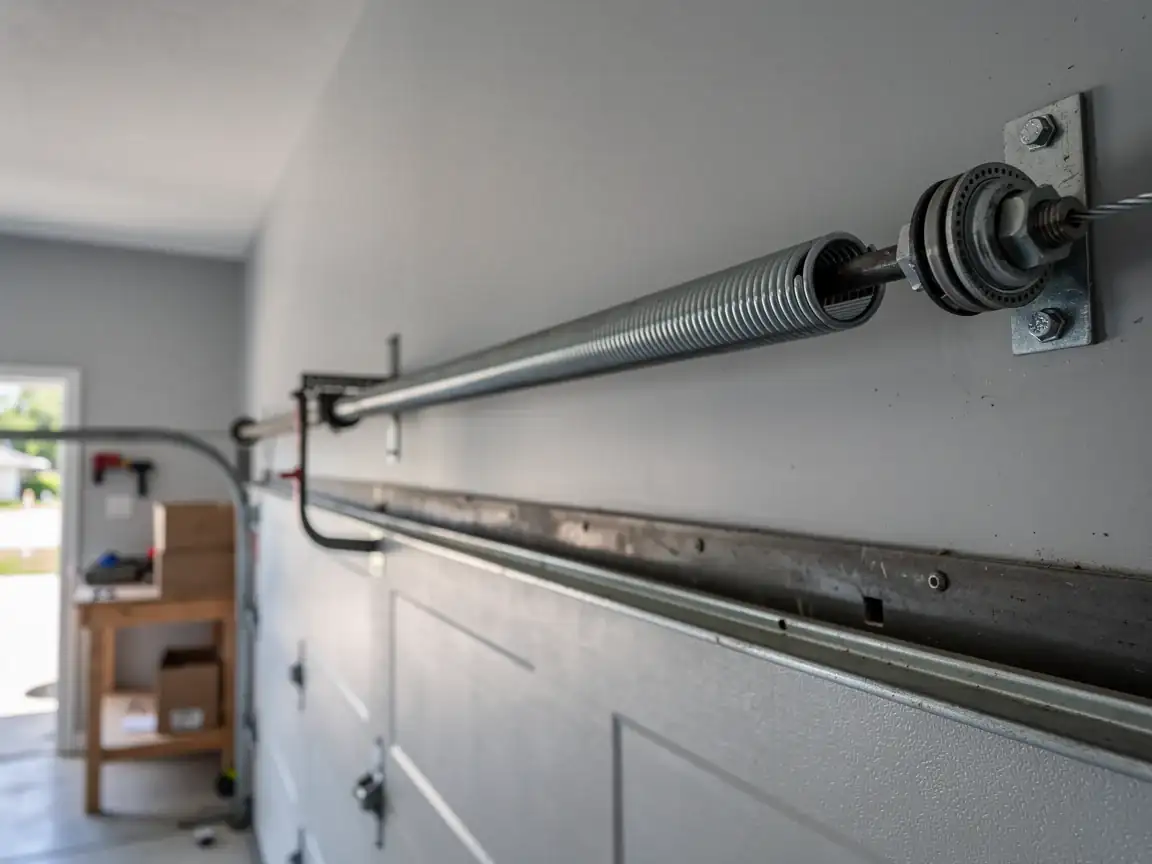
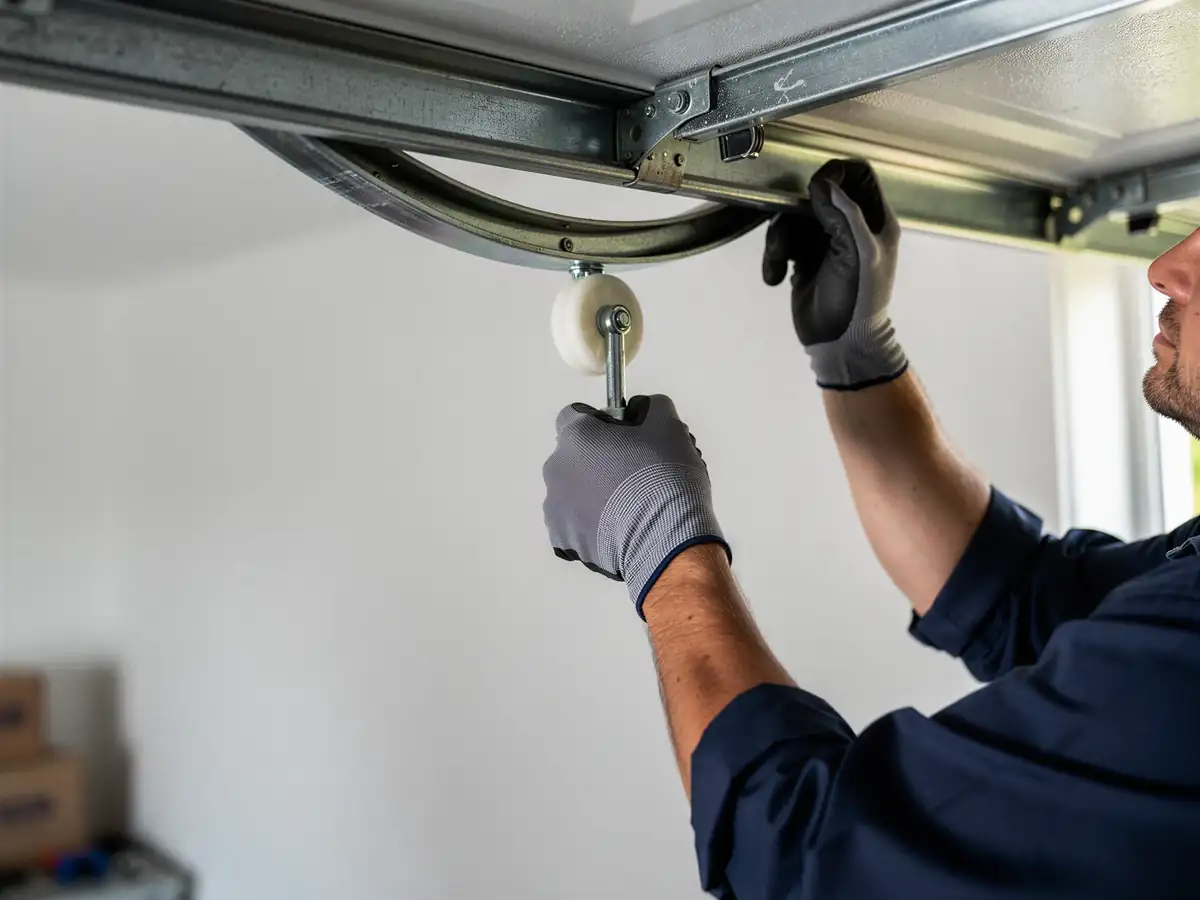
Monroe's median build year sits around 1996, almost a decade past the broader service area's 1989 median, which runs from houses built as early as 1968. That later construction means fewer of the original steel doors on worn-out extension springs and more doors on torsion systems that were factory-installed correctly the first time. What fails on a 1996 door is usually wear, not a bad original install: rollers going dry, cables fraying at the drum, the opener's drive gear stripping after a decade and a half of daily use.
The cold, moderate climate this whole region sits in still does its part
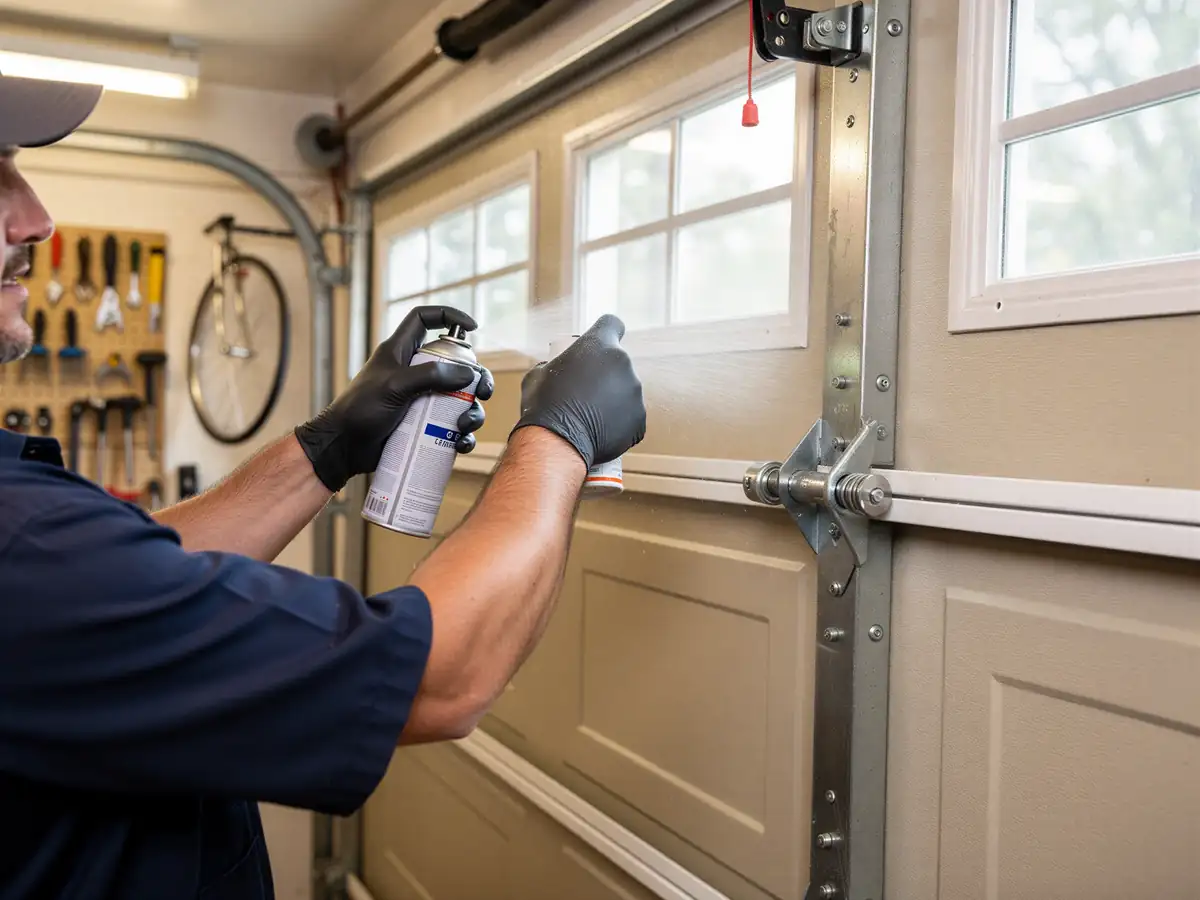
Metal contracts in winter, grease stiffens, and a spring that was already near the end of its cycle count picks a cold morning to let go. That part isn't unique to Monroe, but it's real, and it's why winter calls skew toward springs and openers that were already marginal.
Where This Job Goes Sideways
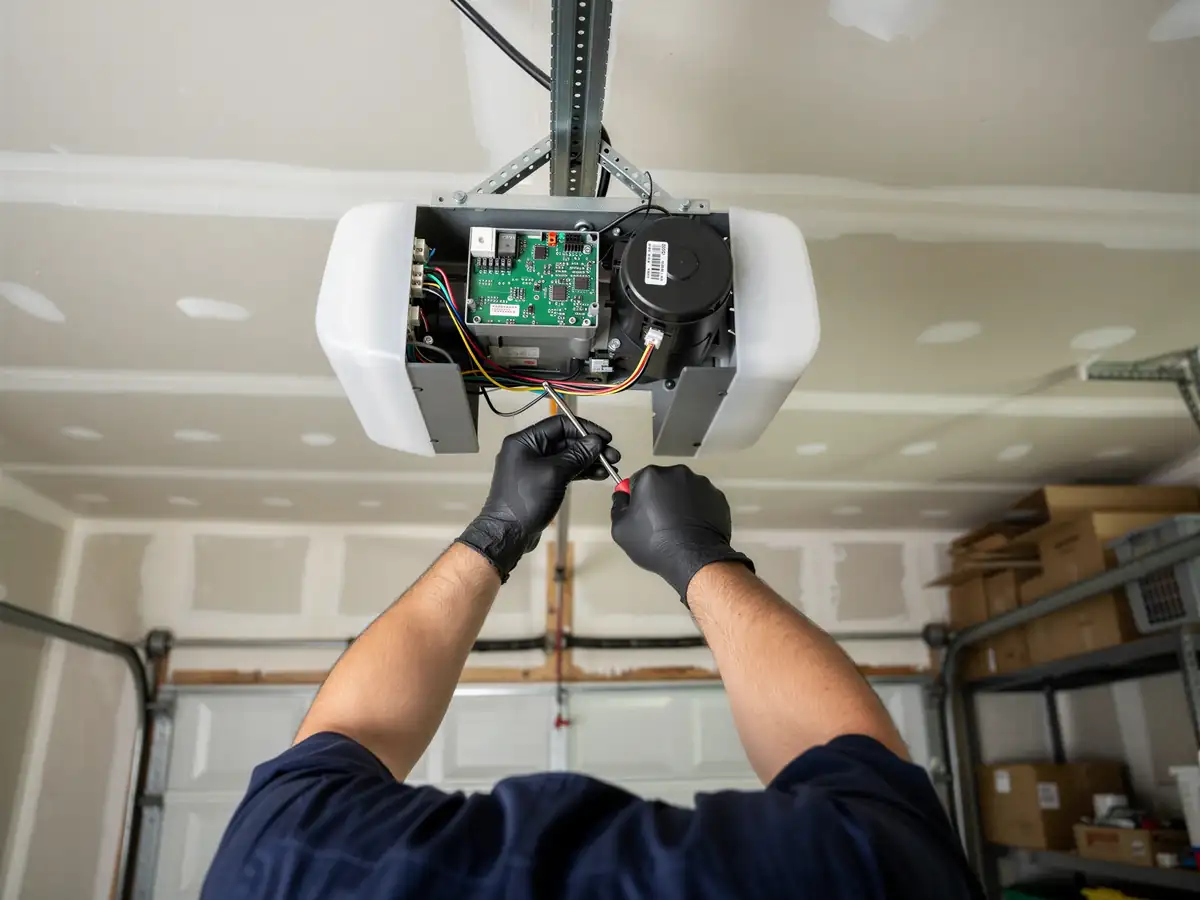
The most common misdiagnosis we see on newer doors like the ones common in Monroe is blaming the opener when the real problem is a spring that's lost tension. The opener strains, the gear wears faster, and the homeowner replaces the opener only to have the door still sag a year later. On a system installed around the mid-90s, the spring and the opener are both getting old at close to the same rate, so it's worth checking both before you spend money on one.
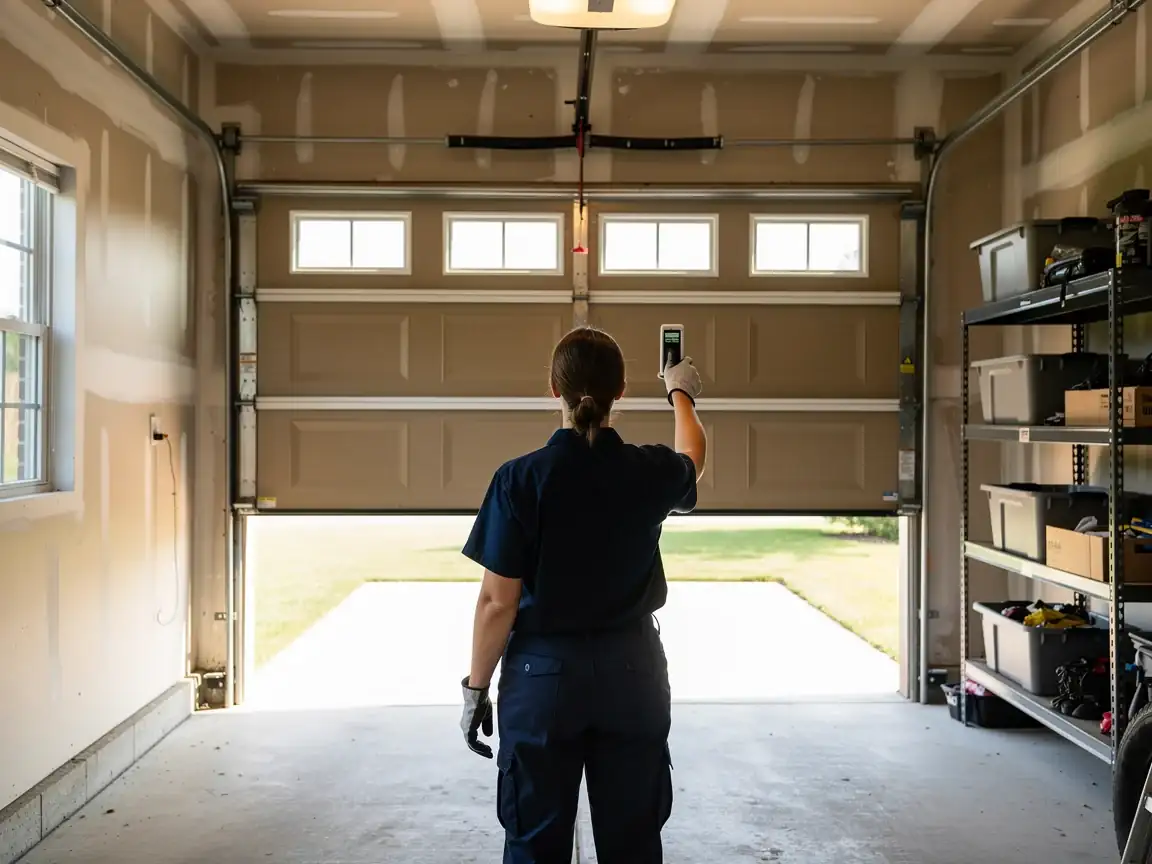
Another one: a door that reverses or won't close all the way often isn't broken at all - it's a sensor that's dirty, knocked out of alignment, or sitting in direct morning sun. We'd rather tell you that over the phone and save the trip than roll a truck for a $0 fix, but we can't always tell from a description, especially on a call coming in from 10 miles away where we're not going to see it ourselves first.
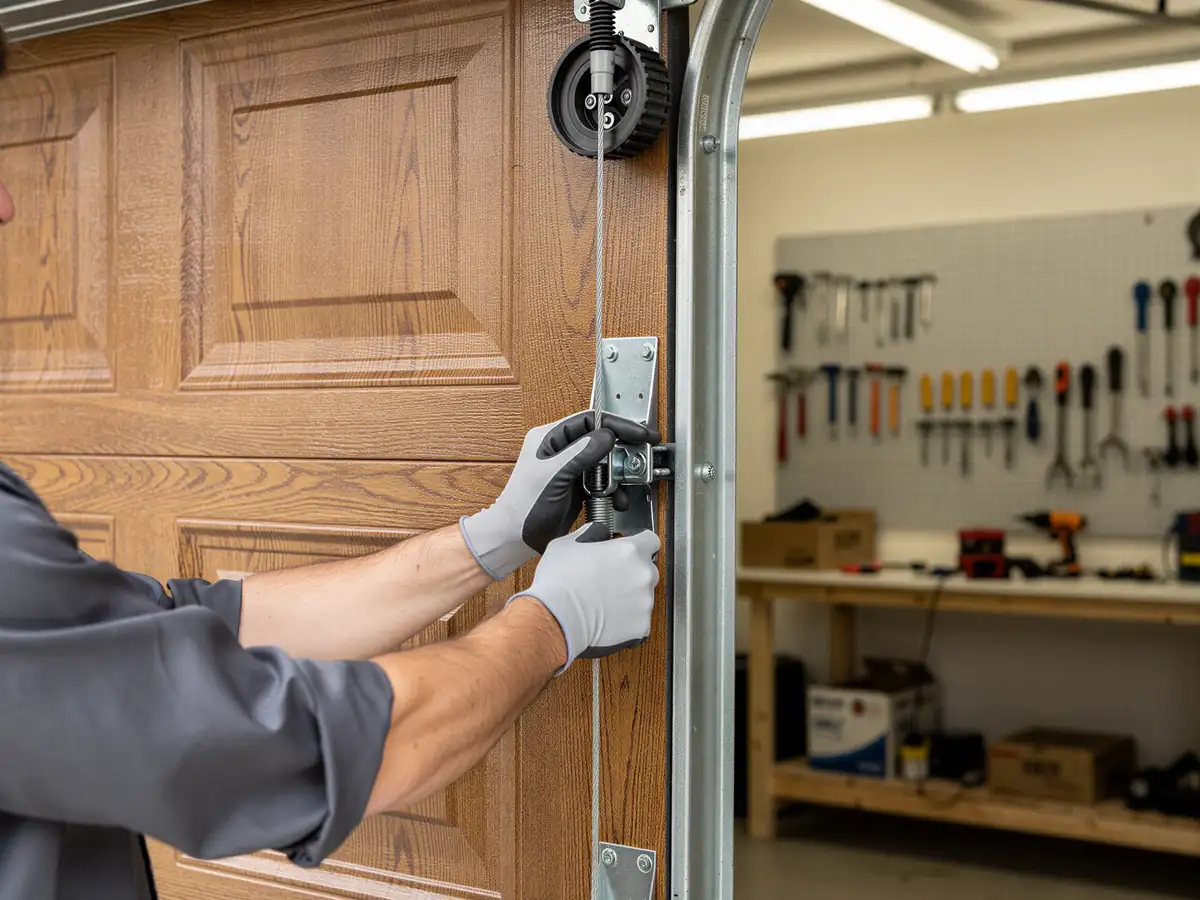
Cable fraying at the bottom bracket is easy to miss until it snaps, usually on a cold morning when tension is highest. If you see rust-colored dust under your tracks, that's the first sign, not the last.
The DIY Question
A torsion spring under tension can put you in the hospital, and that's true no matter how new or old your door is. We don't recommend attempting spring replacement yourself, full stop - the tools and the bar technique matter more than confidence does.
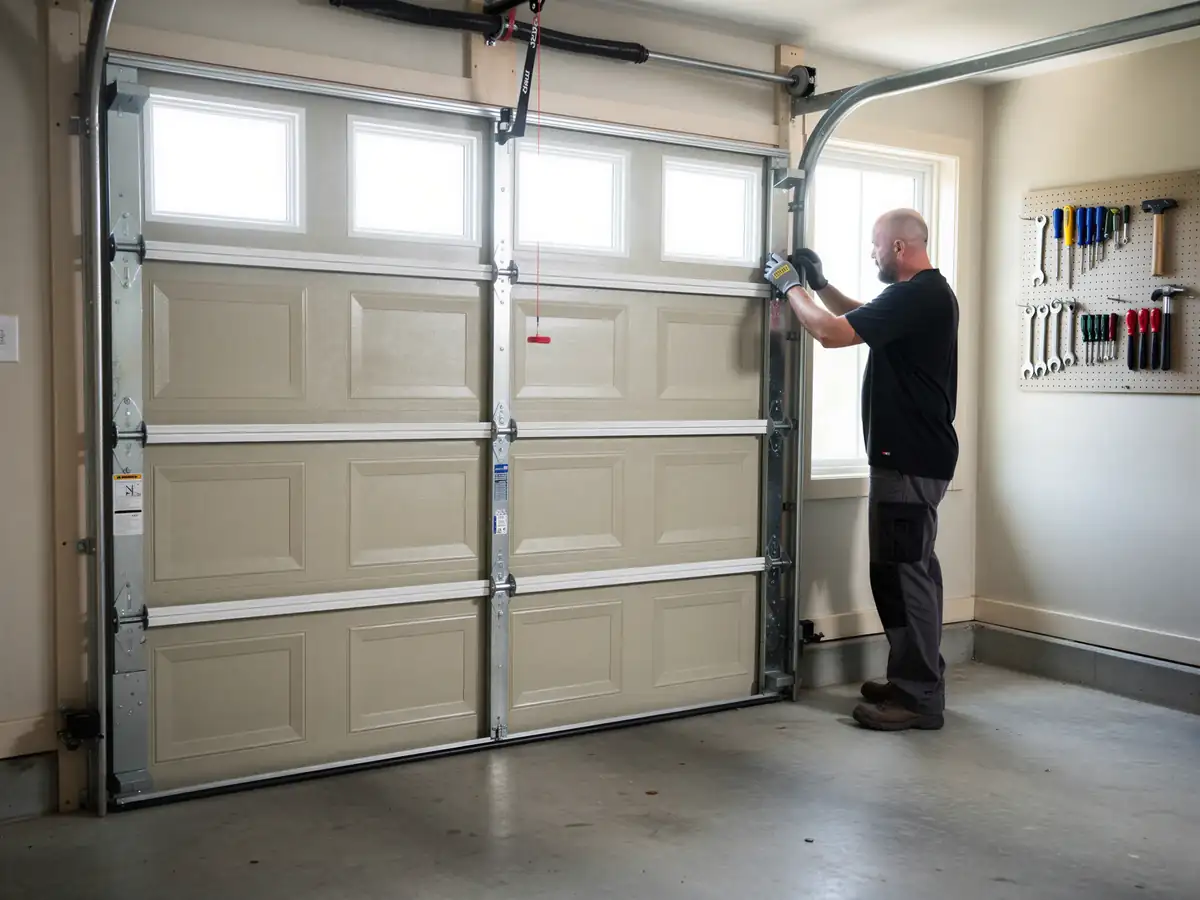
What you can reasonably check yourself: the track for visible dents or gaps, the weatherstripping at the bottom for wear, and whether the door's balance is off by disconnecting the opener and lifting it by hand halfway. If it doesn't hold that position on its own, the spring is tired and it's a call, not a project.
Opener sensor cleaning and realignment is also fair game for most homeowners - wipe the lenses, make sure both sensors sit at the same height, and check that nothing's blocking the beam. That alone fixes a surprising number of