Why It Happens Here
Start with the door itself
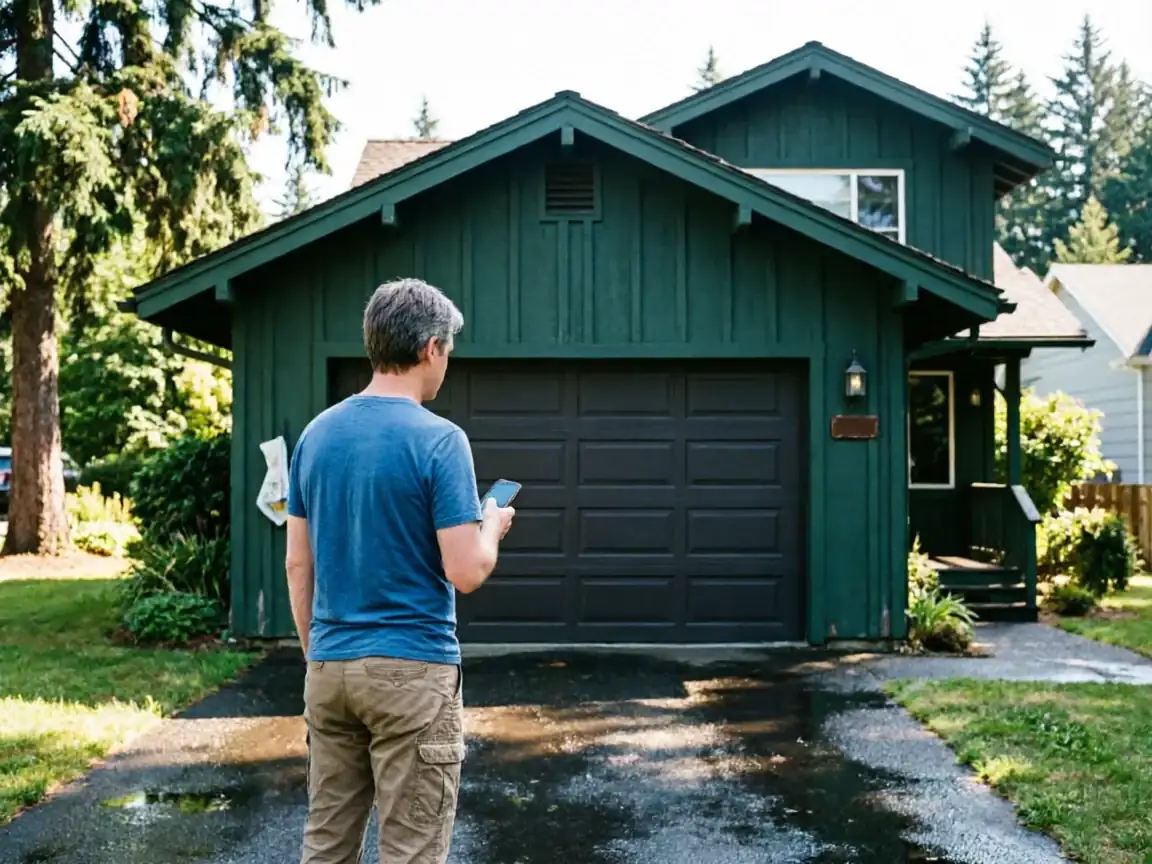
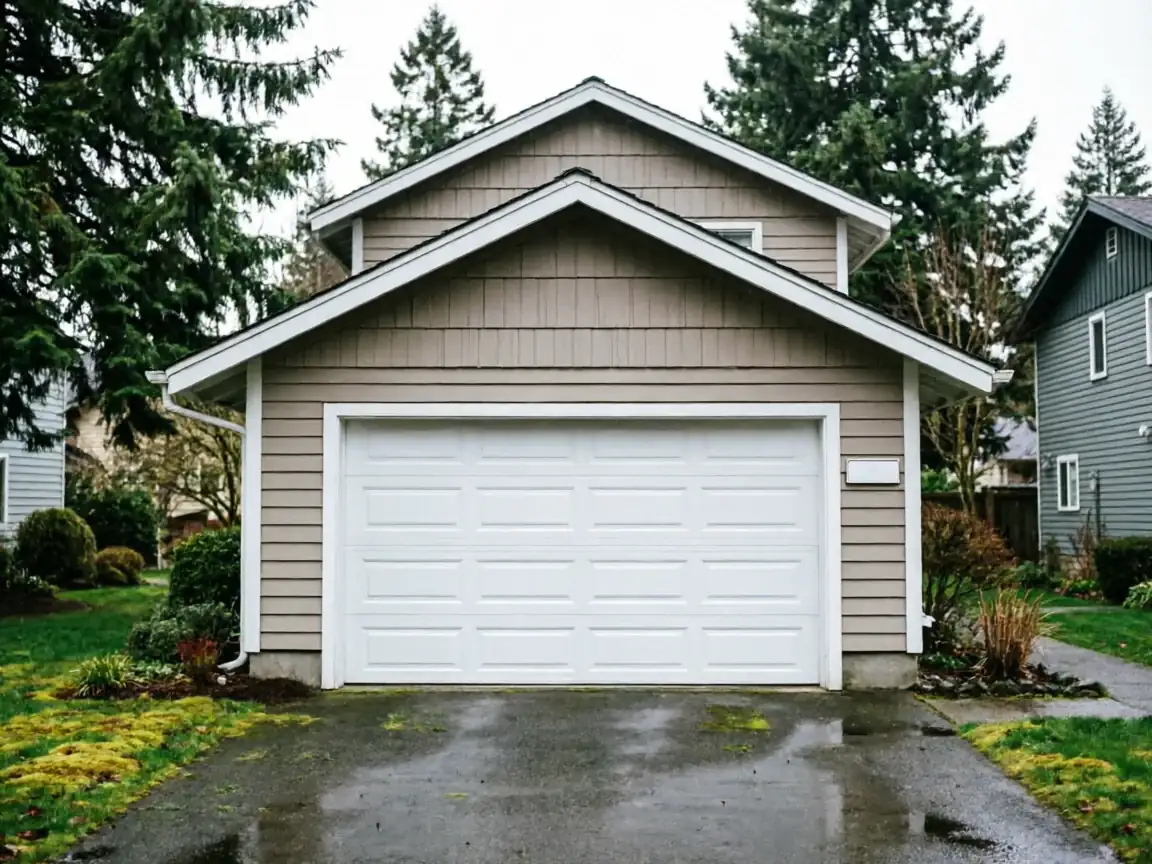
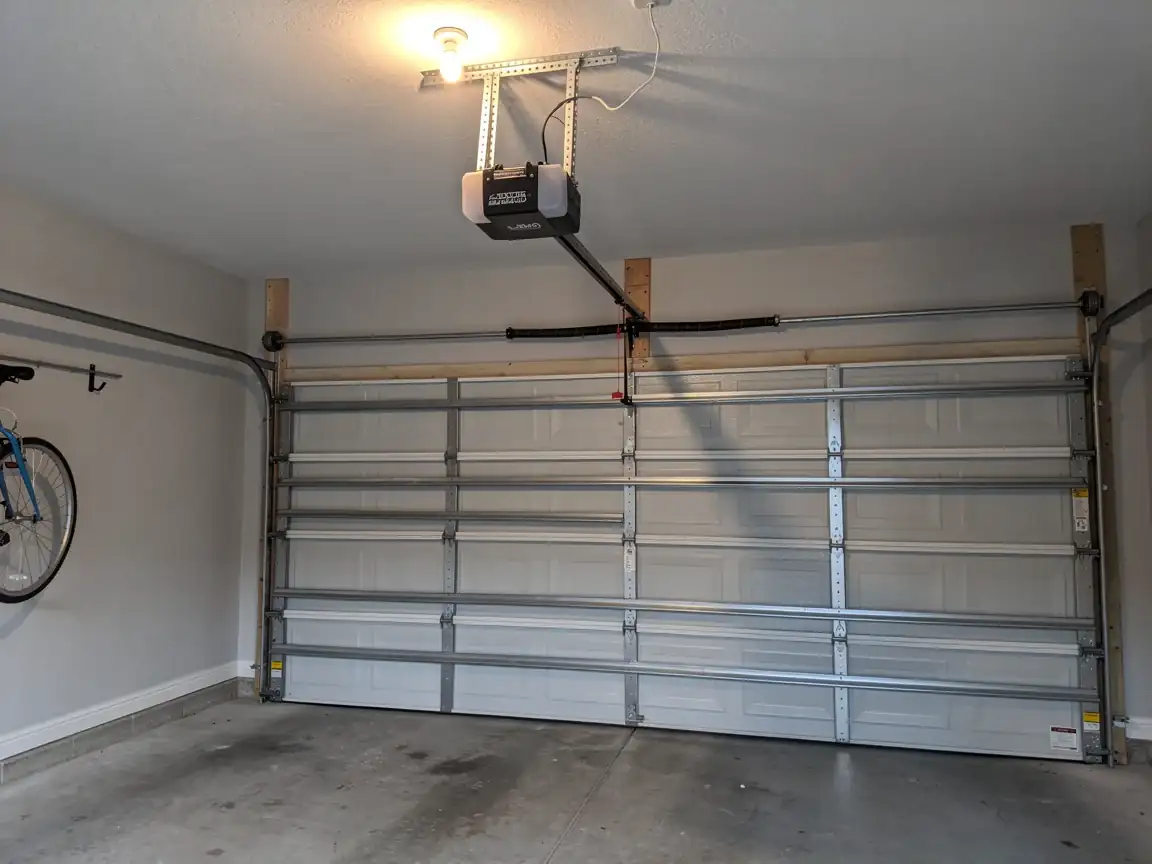
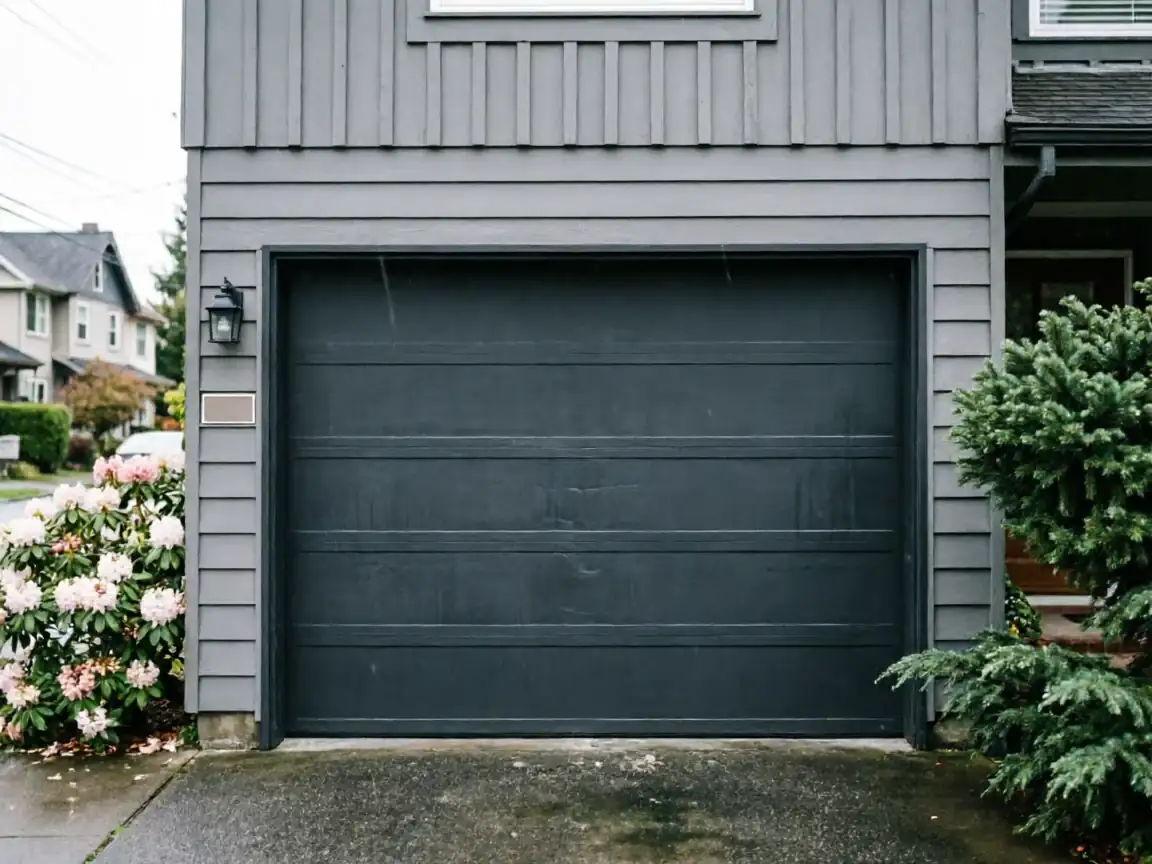
Monroe's housing stock has a median build year of 1996, newer than most of the towns we cover out of Mill Creek. That era of construction favored steel sectional doors, usually double-wide at 16 feet, with a skin-and-foam build where a thin steel panel is bonded to polystyrene insulation rather than the sprayed polyurethane you see in doors from the 2000s on. The foam doesn't flex the way the steel does, so a dent or a cracked seam at the bottom panel isn't just cosmetic - it starts separating the bond between skin and core.
- 16 feet
The cold-moderate climate out here adds another wrinkle
Condensation collects at the bottom section where the door meets the slab, and over twenty-plus years that moisture works into any gap in the panel seam. We see rust starting from the inside out on these doors, not the outside, which is why a panel that looks fine from the driveway can already be compromised where it meets the track.
None of this is unique to one house
With a building stock this concentrated in a single decade, the same failure shows up across a lot of driveways in Monroe at roughly the same age.
Where This Job Goes Sideways
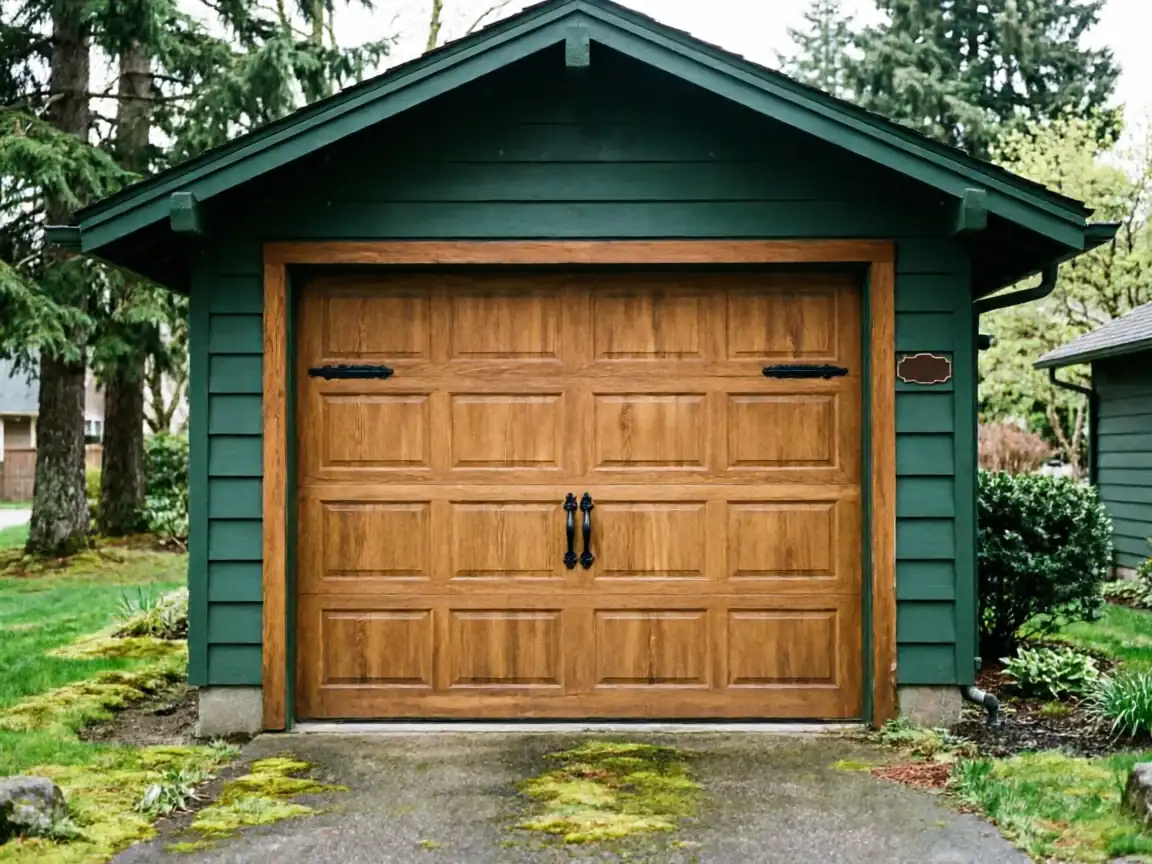
The trouble isn't pulling the damaged panel - it's finding a match. Panel profiles change every few model years, and a door built in 1996 may carry a rib pattern or panel height that the manufacturer stopped making a decade ago. We've had jobs where the rest of the door is in good shape but the one section we need just isn't in production anymore.
When that happens, you've got two options: a close-enough panel that won't match the embossing or color exactly, or replacing the full door. Neither is wrong, but a homeowner expecting a quick single-panel swap can be surprised by that choice partway through the estimate.
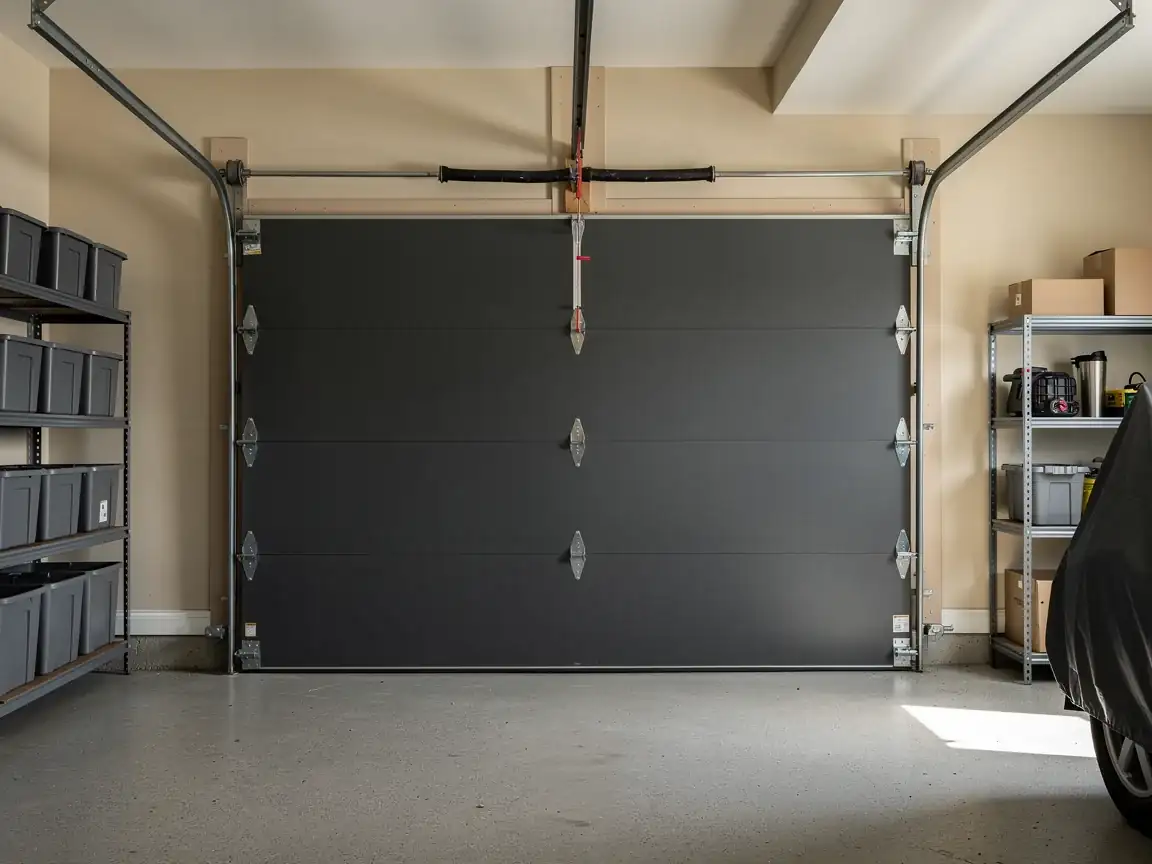
The other place this goes sideways is hardware. Hinges and roller brackets on a 1996-era door are often a slightly different gauge than current stock. Reusing the old hardware on a new panel sometimes works fine; sometimes it doesn't sit flush and you end up replacing hinges you didn't plan on.
The DIY Question
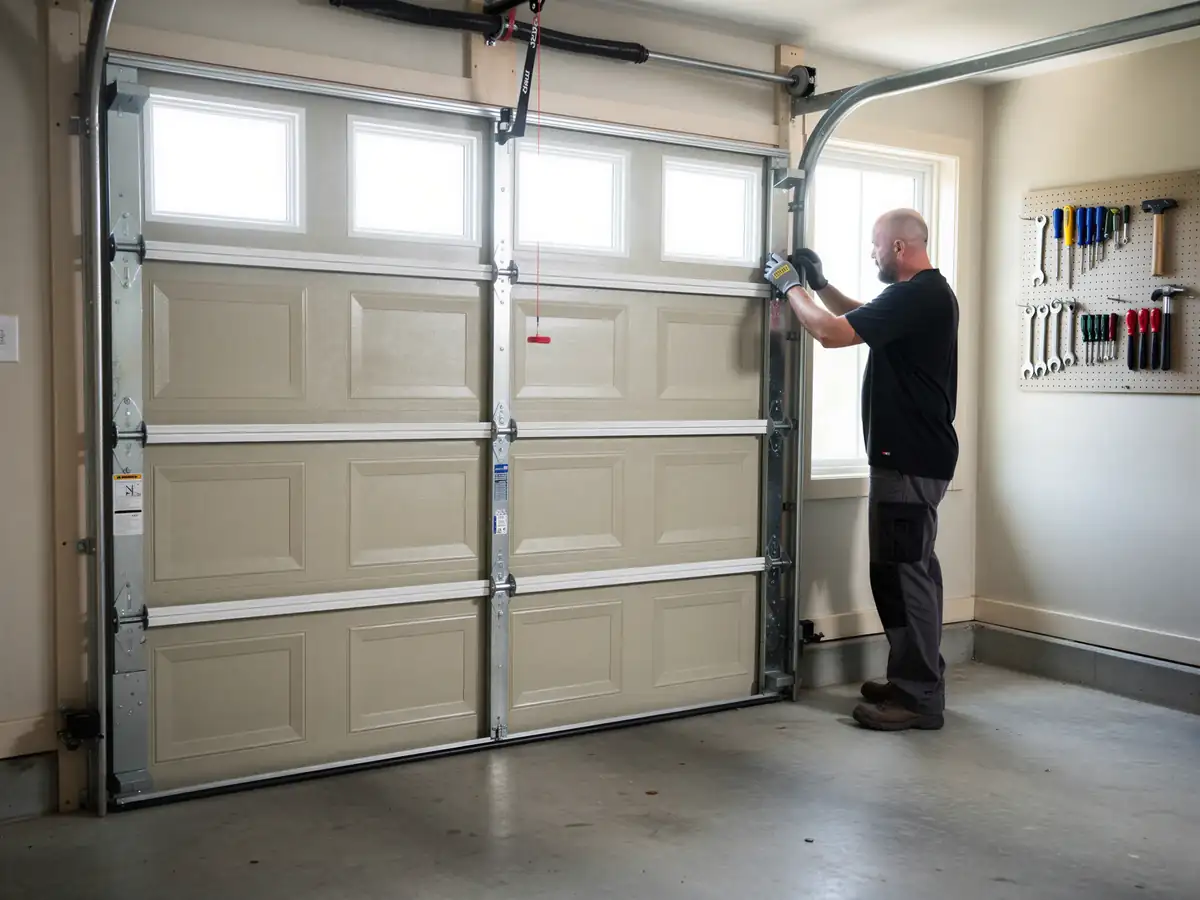
A lot of homeowners look at a dented bottom panel and figure it's a weekend job - unbolt it, bolt in a new one. On an insulated steel door with a bonded foam core, that's harder than it looks. The panel isn't just sheet metal; cutting or flexing it wrong during removal can crack the bond and take the section next to it with it.
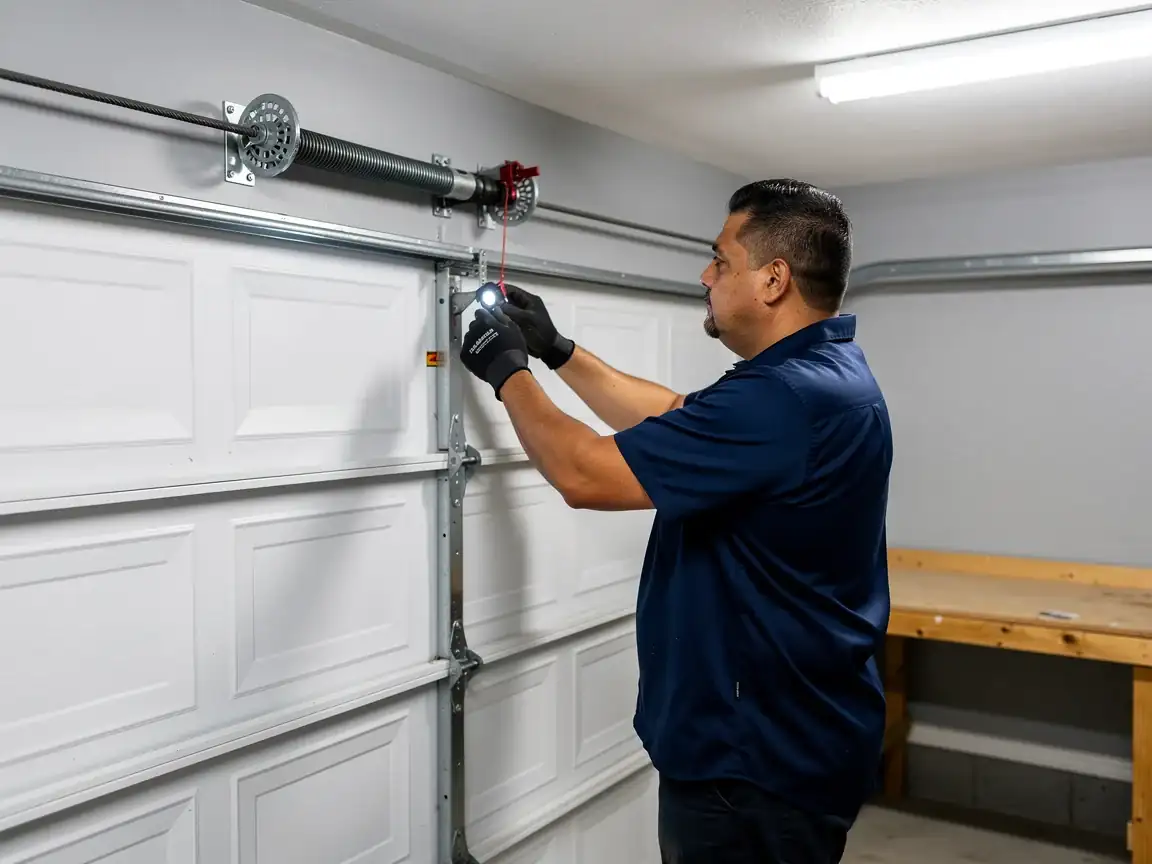
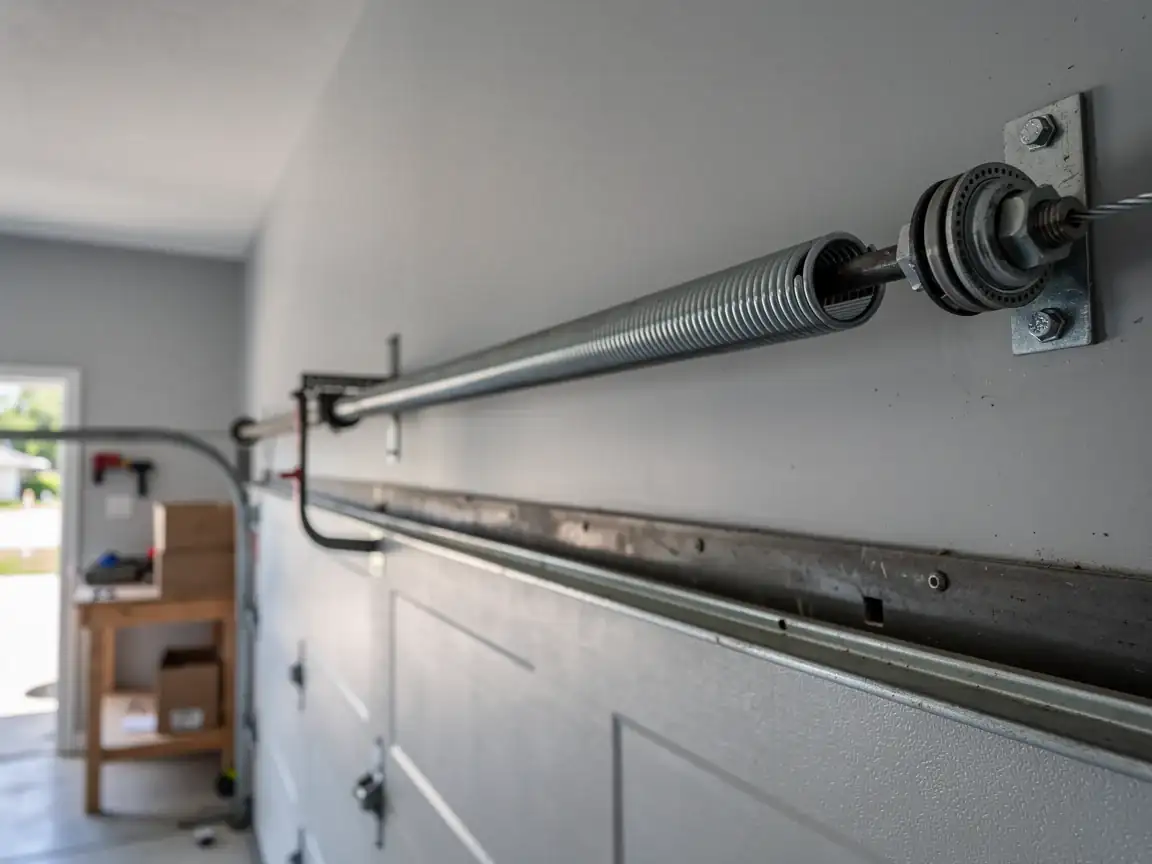
We'll be straight about this one: if you're comfortable working around torsion springs and you've done it before, a single panel on a non-insulated door is within reach. But on the insulated steel doors common to Monroe's 1996-era builds, we don't recommend it. The foam core doesn't forgive a bad angle on the pry bar, and springs under tension are not where you want to learn on the job.
If you want to confirm whether your panel is a DIY candidate or not, that's a quick thing to check in person before you touch a wrench.
What the Repair Takes
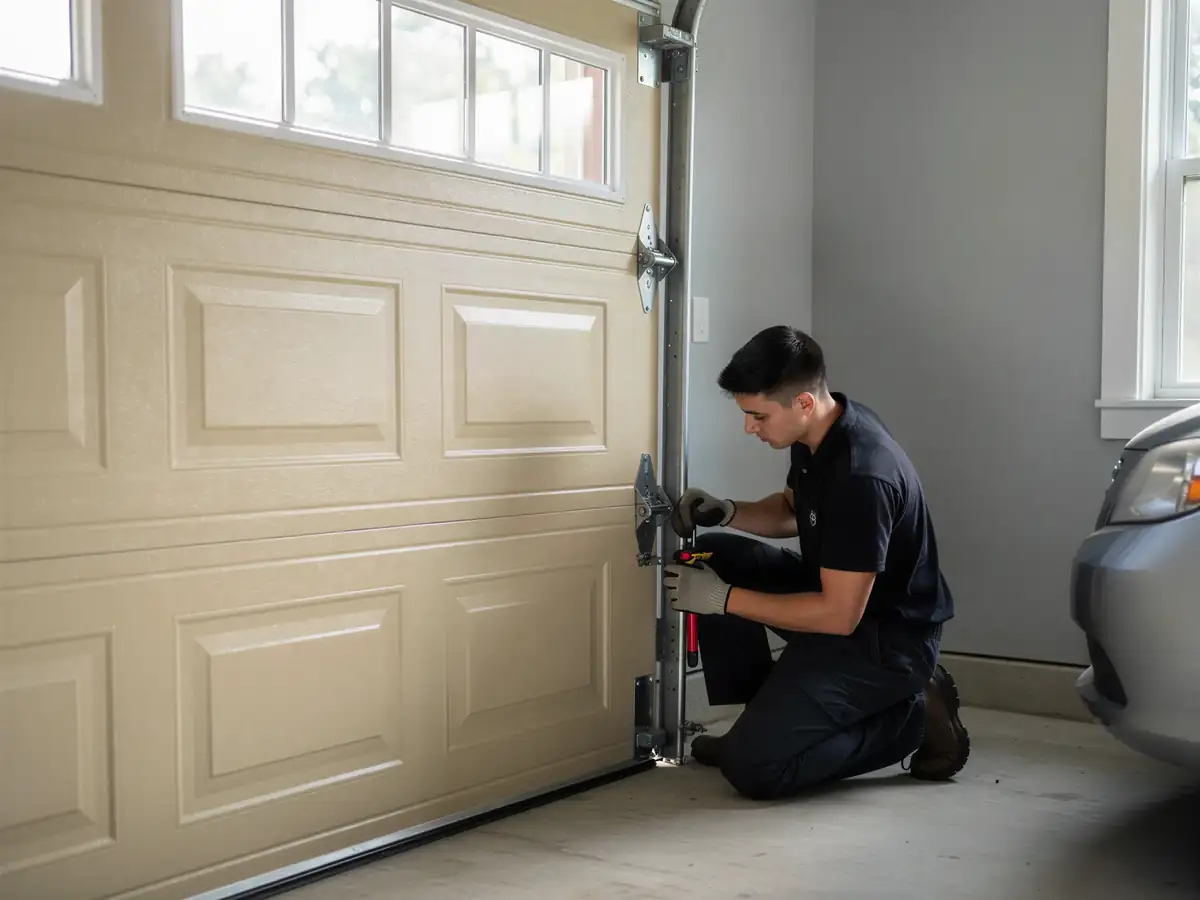
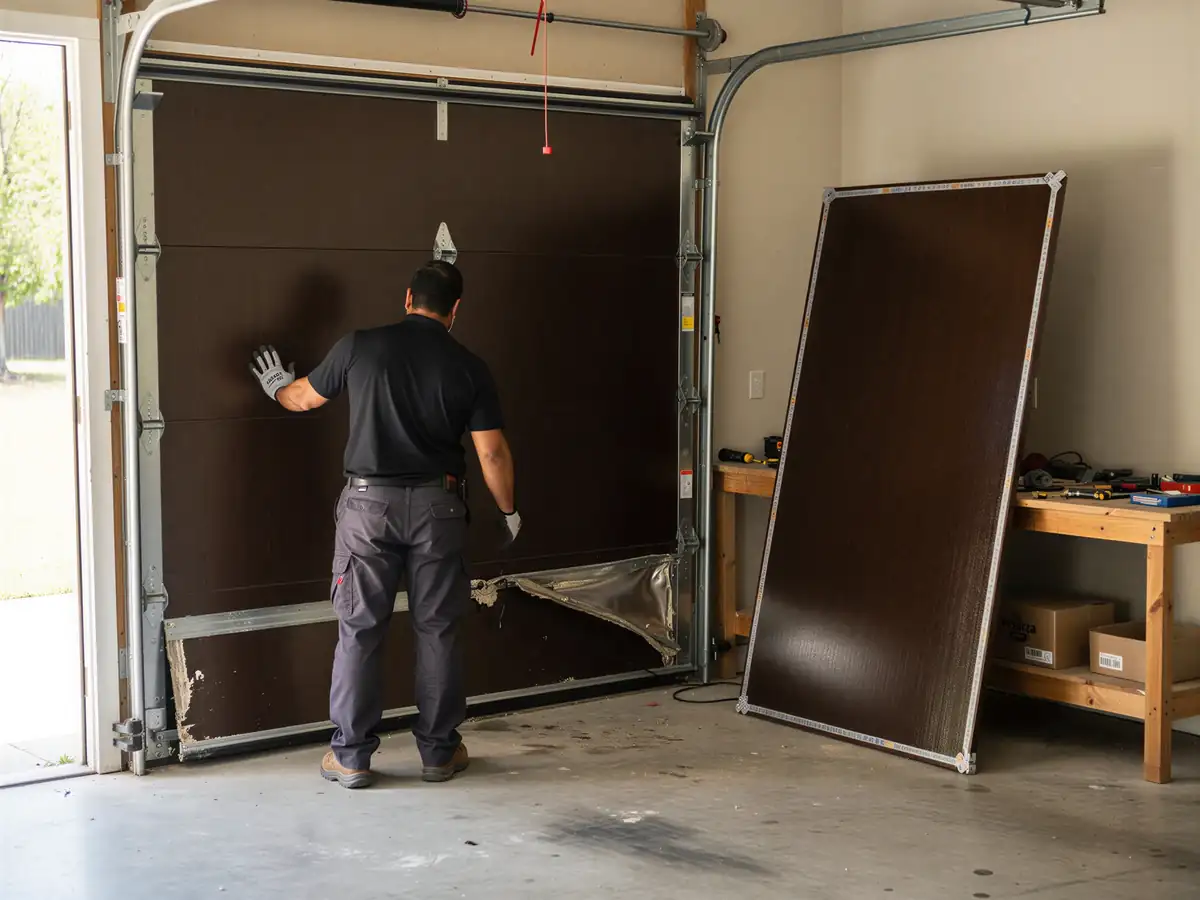
Once we're on site, the job is removing the damaged section
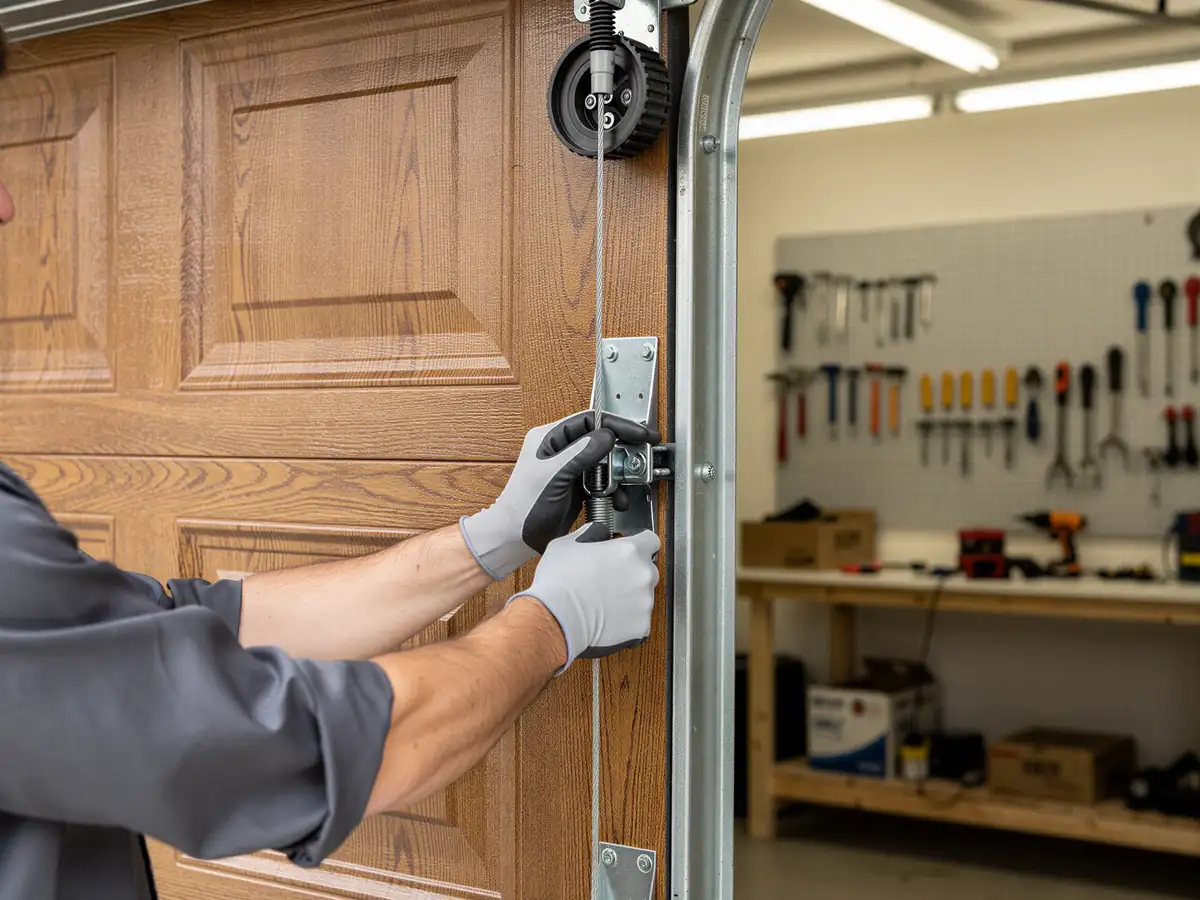
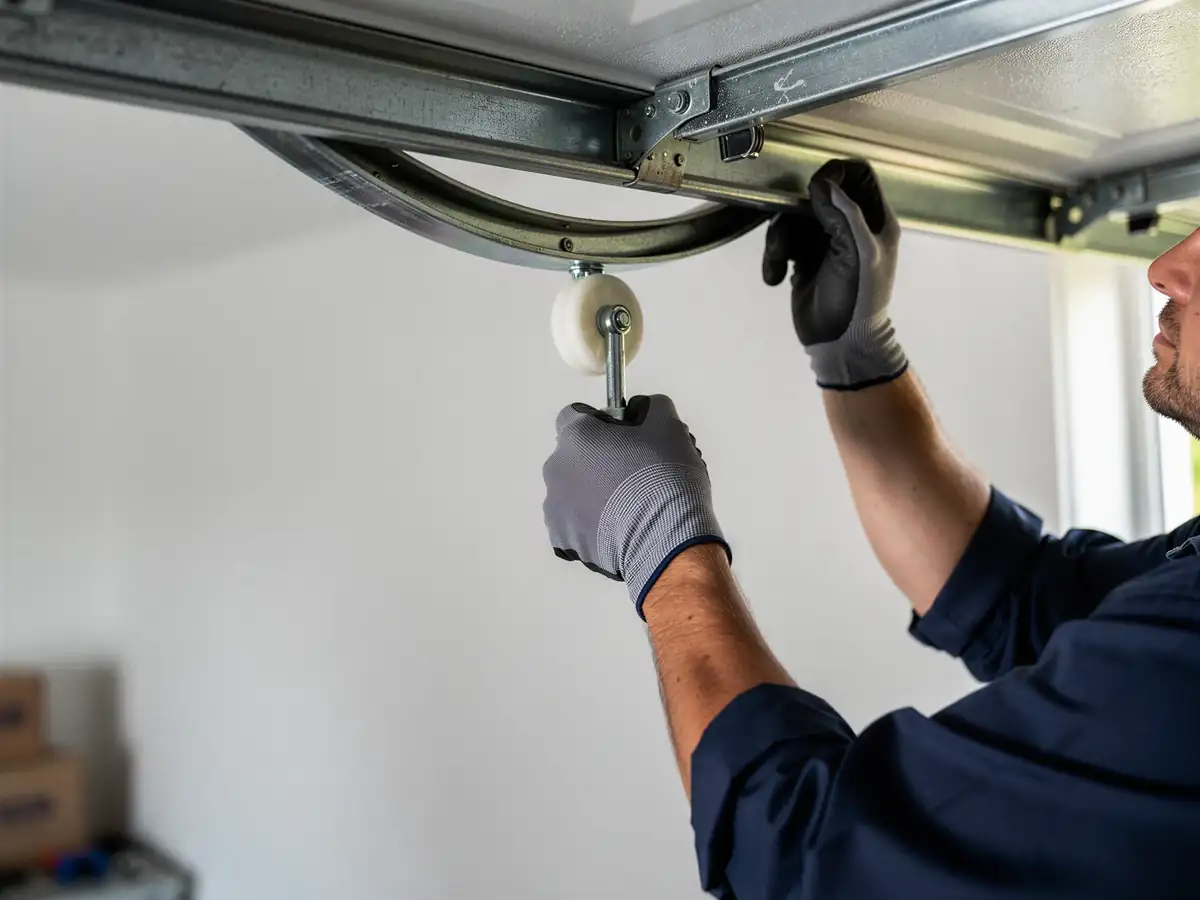
Disconnecting it from the hinges and rollers above and below, and setting the replacement in without disturbing the torsion spring tension on the rest of the door. Hardware gets reused where it still fits; replaced where it doesn't.
The honest limitation here is lead time, not labor
If your panel profile is current, we can usually get it fast. If it's a discontinued 1990s profile - which is common given Monroe's building era - ordering a matching panel can take longer than the repair itself, sometimes over a week. In those cases we'll walk you through whether waiting for an exact match makes sense or whether a full door replacement is the better value once you add up the cost of chasing an obsolete part.
We don't guess at this over the phone
Seeing the panel profile and checking what's still in production is part of the estimate.
Getting It Booked In
We run this job out of Mill Creek, about 10 miles from Monroe. That distance doesn't change what the repair needs, but it does mean we schedule Monroe visits as part of our regular route through the area rather than as a separate same-day dispatch.
If your door is a full replacement rather than a panel swap - which comes up more often with discontinued profiles - that's covered on our main panel replacement page. For more on how we cover Monroe specifically, see the Monroe coverage page.