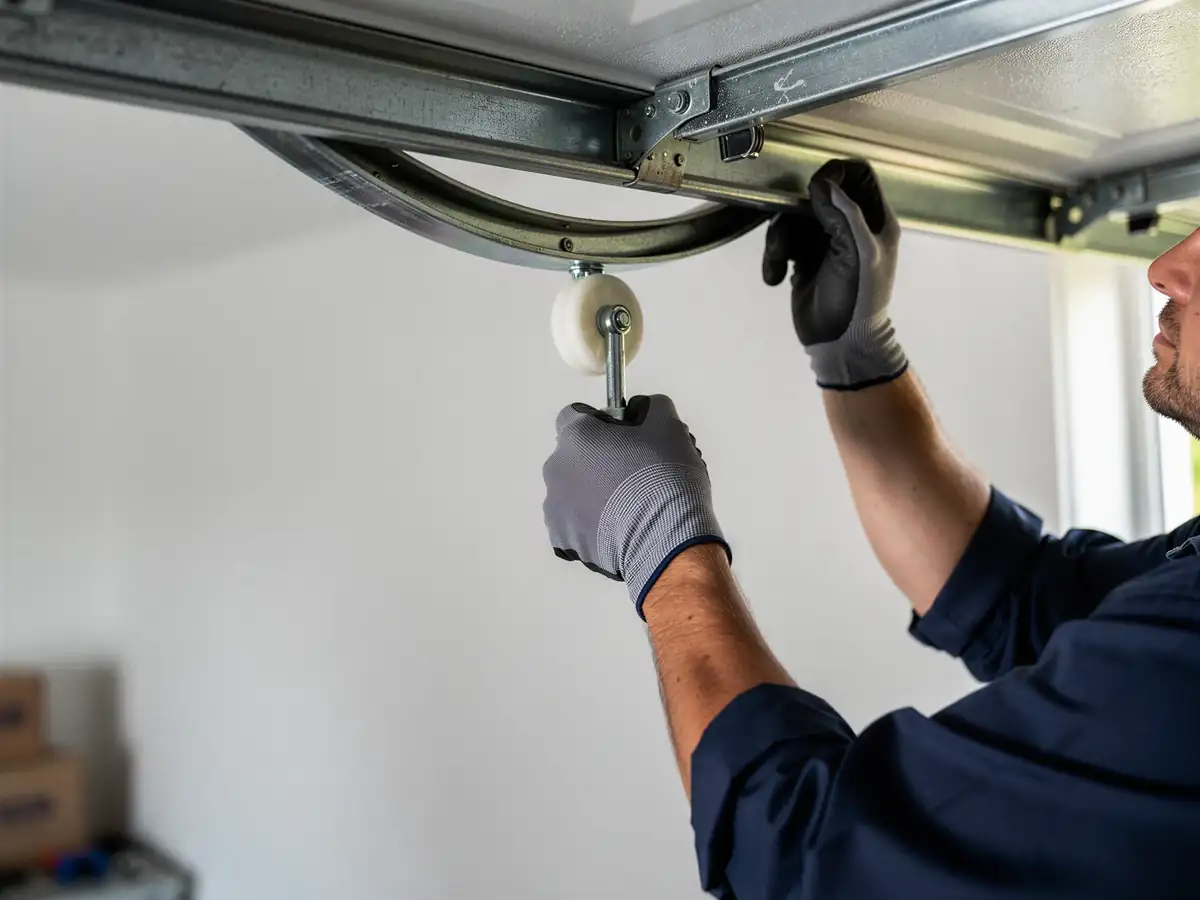
Why It Happens Here
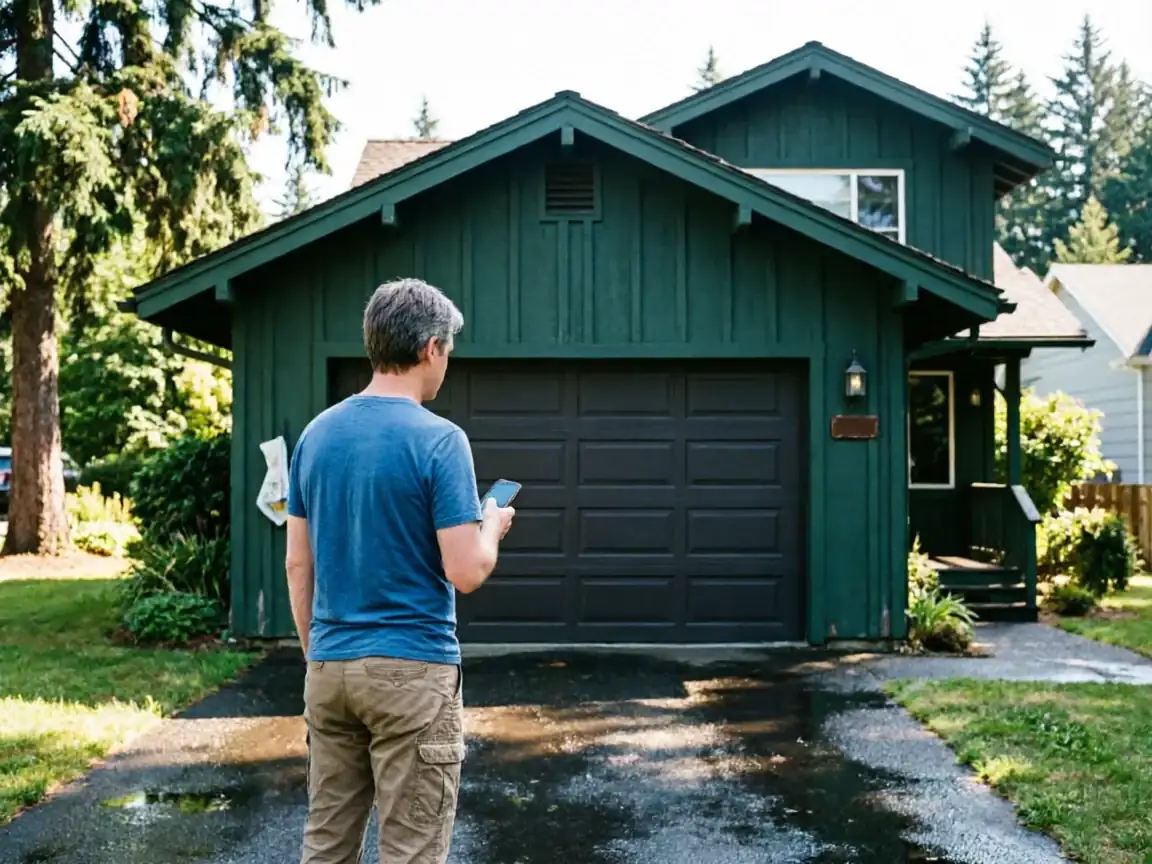
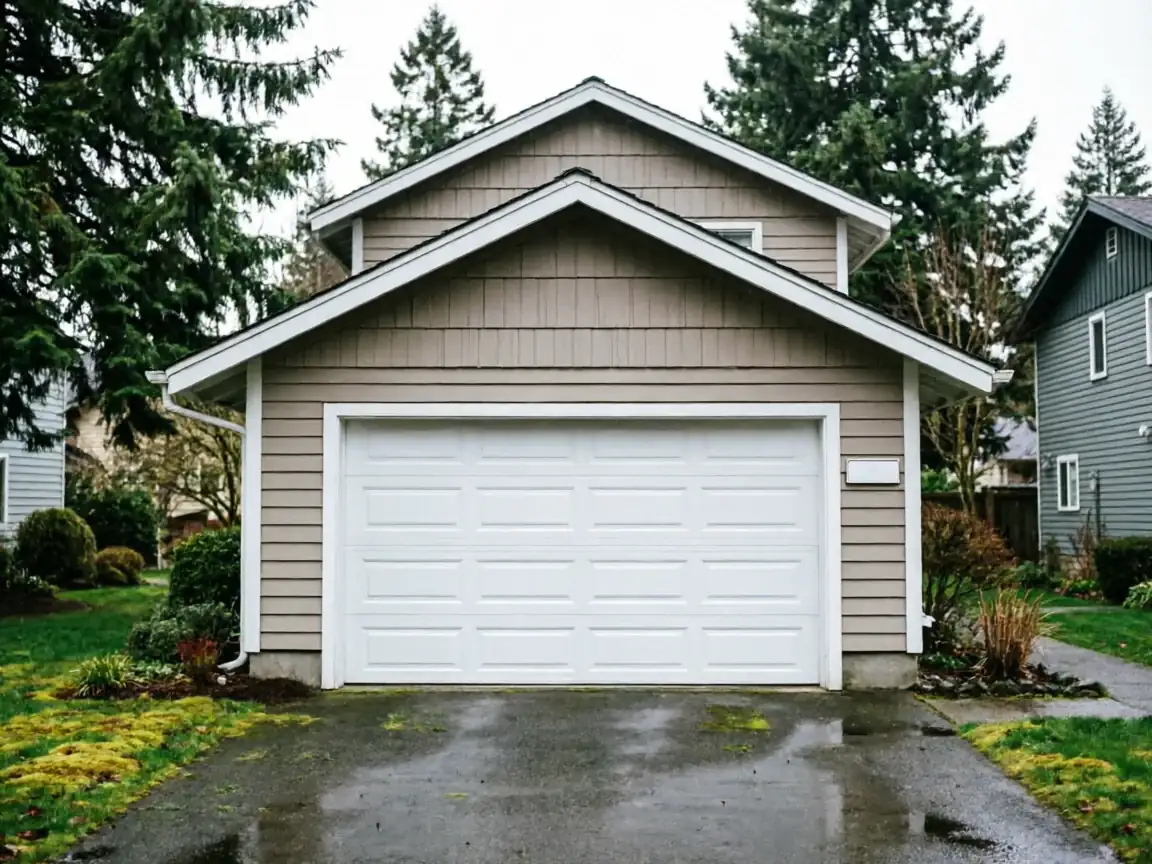
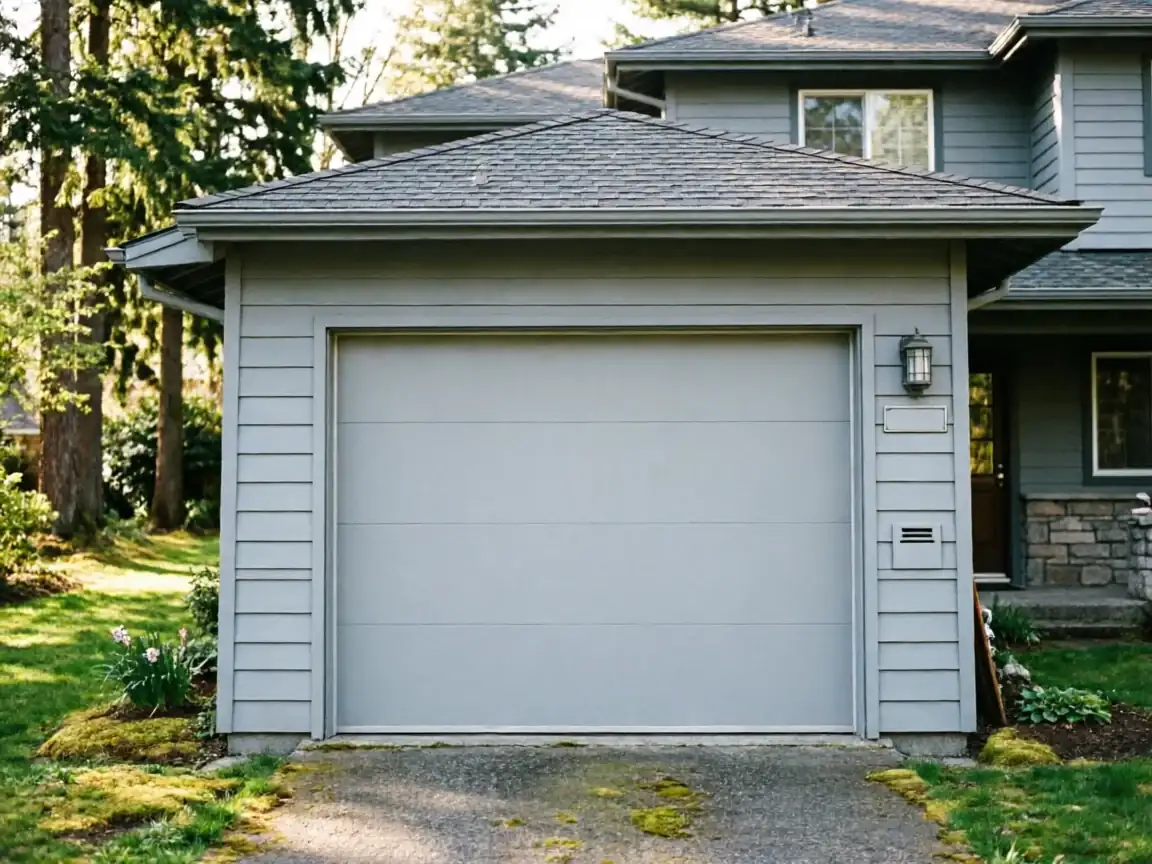
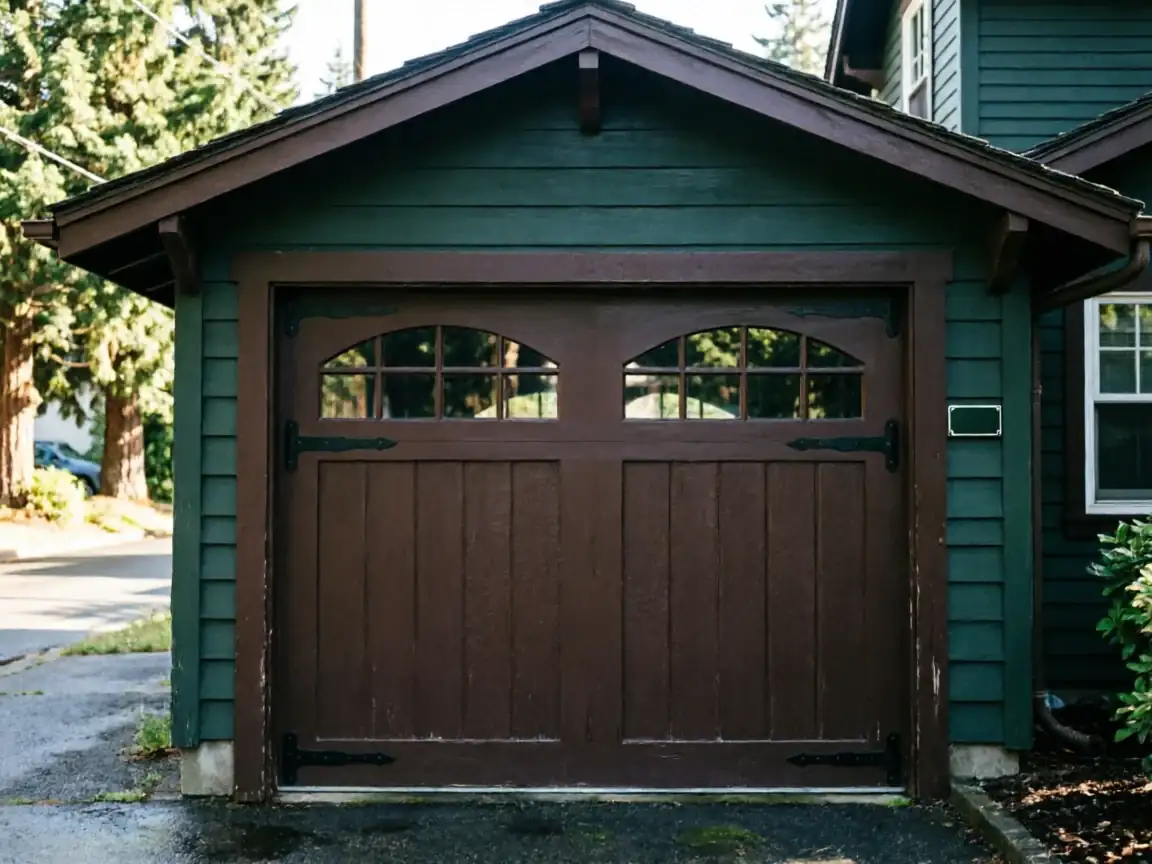
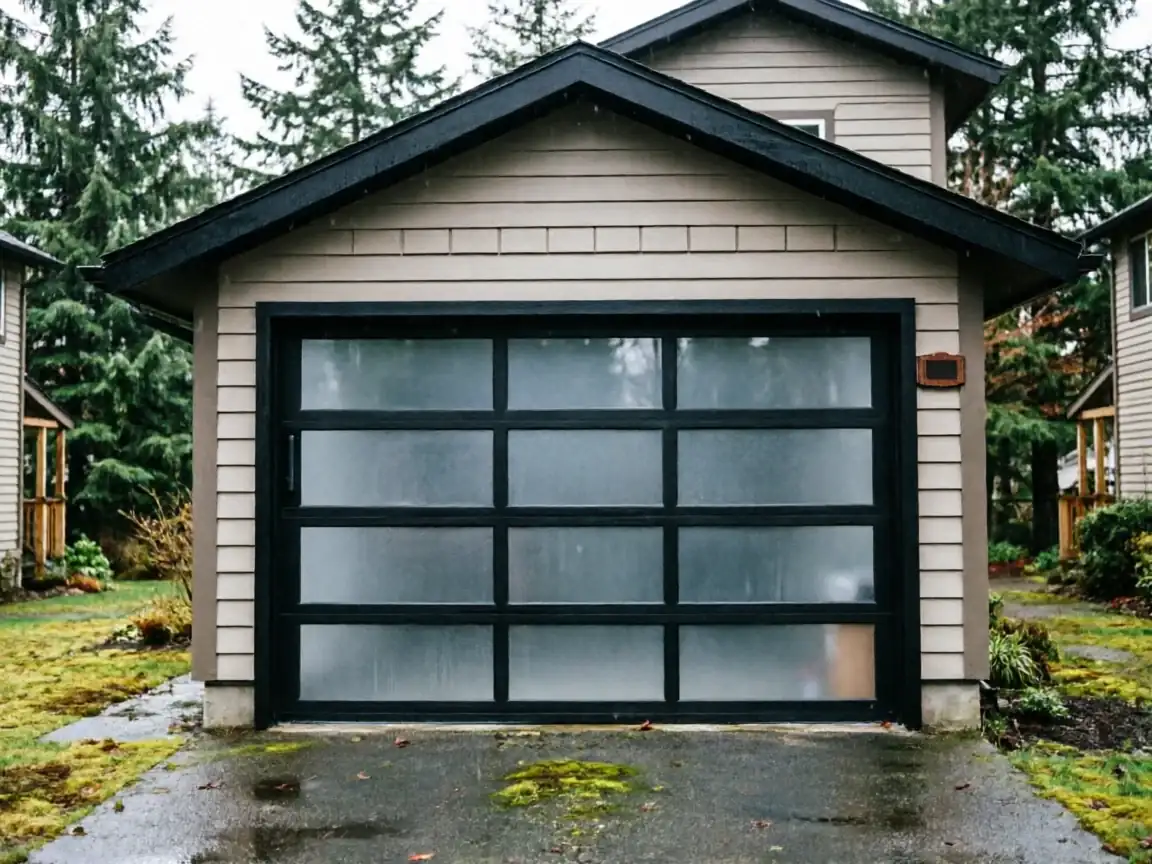
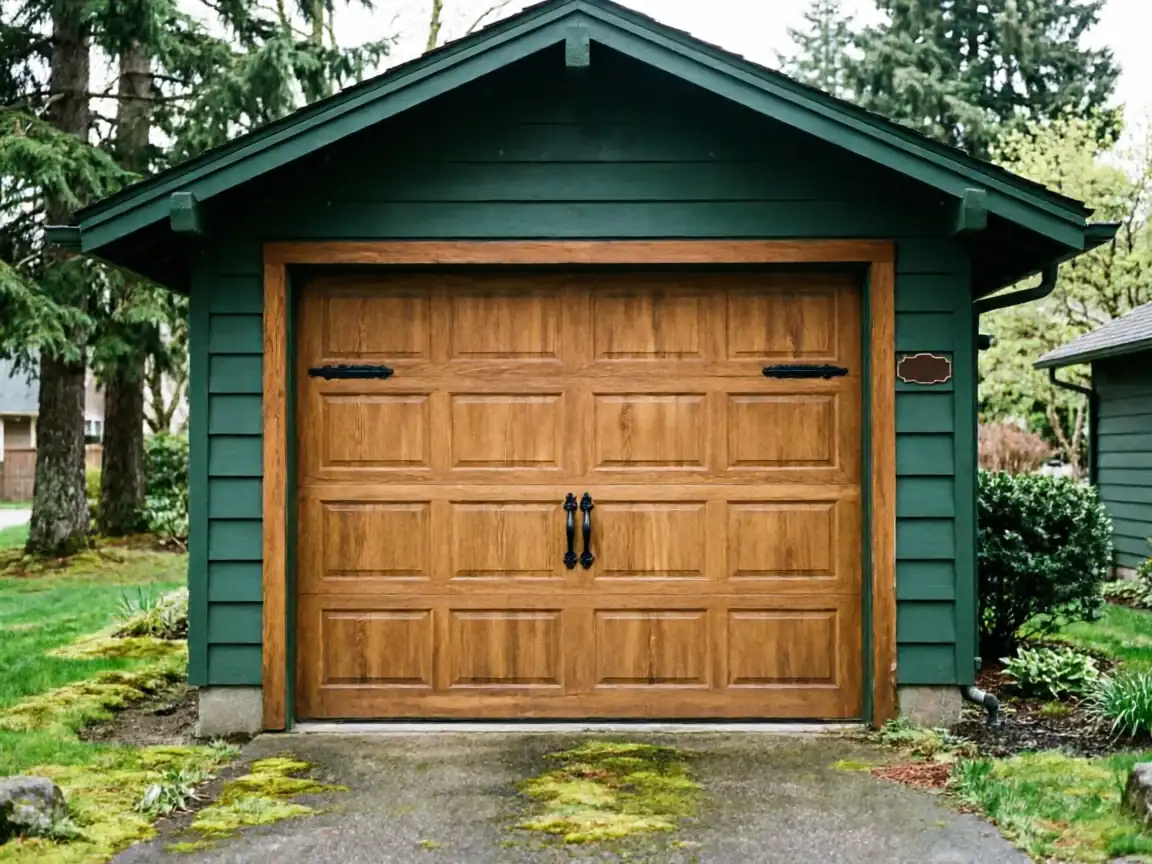
Most houses in Monroe went up around 1996
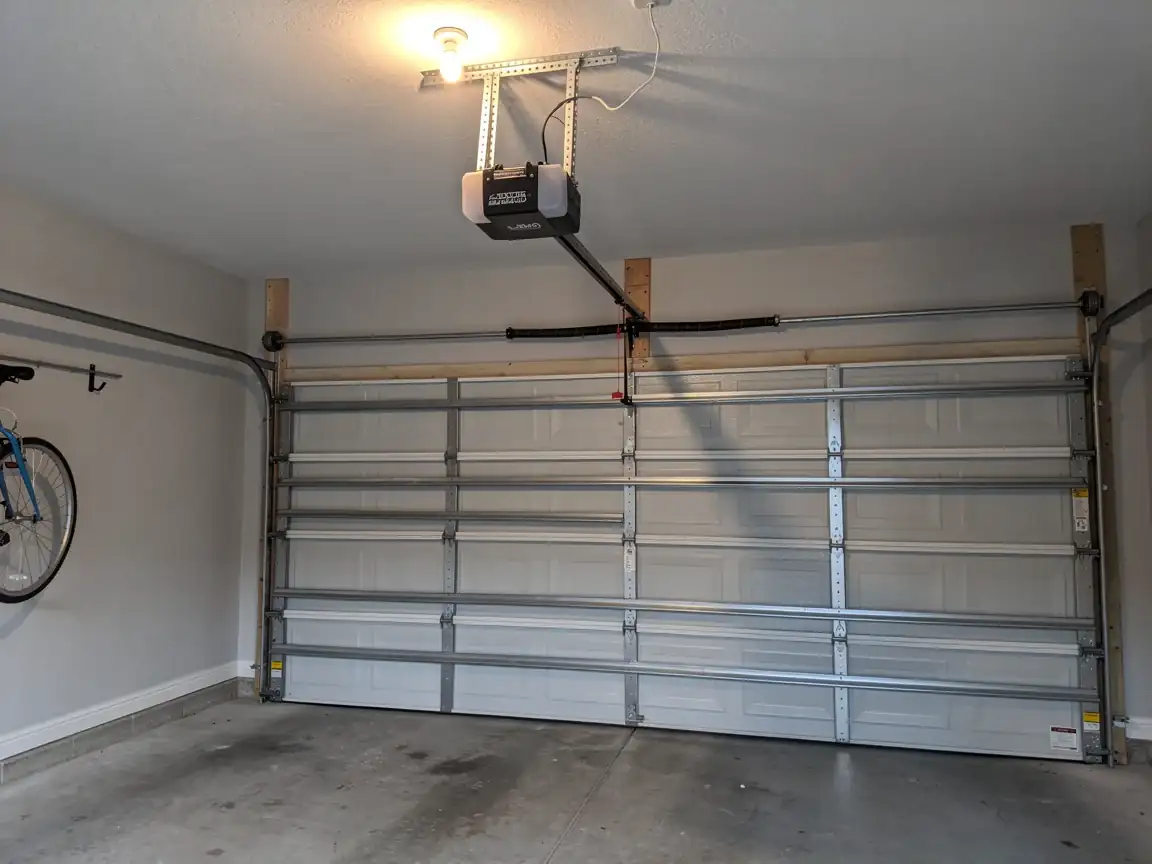
Which puts them square in the era when builders hung sectional doors with plain galvanized steel rollers on steel track - not the nylon rollers that became common later. Steel rollers are stamped, not sealed, and after close to thirty years of daily travel the bearing surface wears oval instead of round. You hear it before you see it: a grinding or popping sound as the door lifts, usually worse on the roller nearest the opener bracket because that one carries the most load.
The climate here doesn't help
Cold, moderate winters mean the grease in those old steel bearings thickens up in January and February, and a roller that's already worn fights through stiff grease twice a day. That combination - original hardware plus cold-weather grease drag - is why roller wear shows up earlier in a town built in the mid-90s than it would in newer construction with sealed nylon rollers from the start.
We're not guessing at Monroe's housing stock in the abstract
It's a specific build era, and it points to a specific kind of roller failure, not a random one.
Where This Job Goes Sideways
A roller job turns into a track job fast. When a steel roller wears oval, it doesn't ride the track center anymore - it rides the edge, and that edge contact chews a groove into the track rail. Swap the roller without checking the rail and the new roller wears the same way inside a year, sometimes faster, because now it's running on a track that's no longer straight.
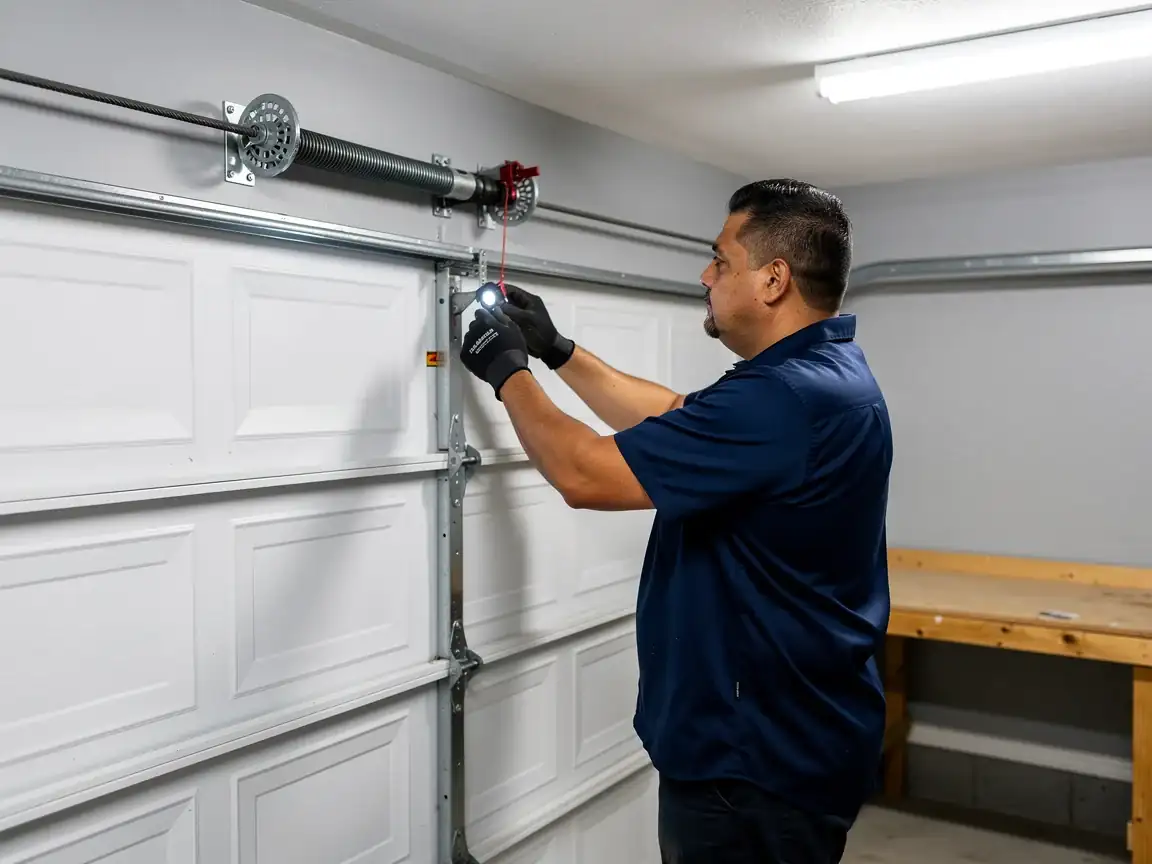
The other place this goes wrong is the bottom bracket on a worn panel. If the door has been grinding through a bad roller for a while, the bottom bracket can loosen or crack at the weld. You don't want to find that out mid-job. We check track straightness and bracket condition before we commit to a roller-only repair - if the track's gouged, that's a track section, not just rollers, and we'll tell you that up front rather than send you out with new rollers on bad rail.
The DIY Question
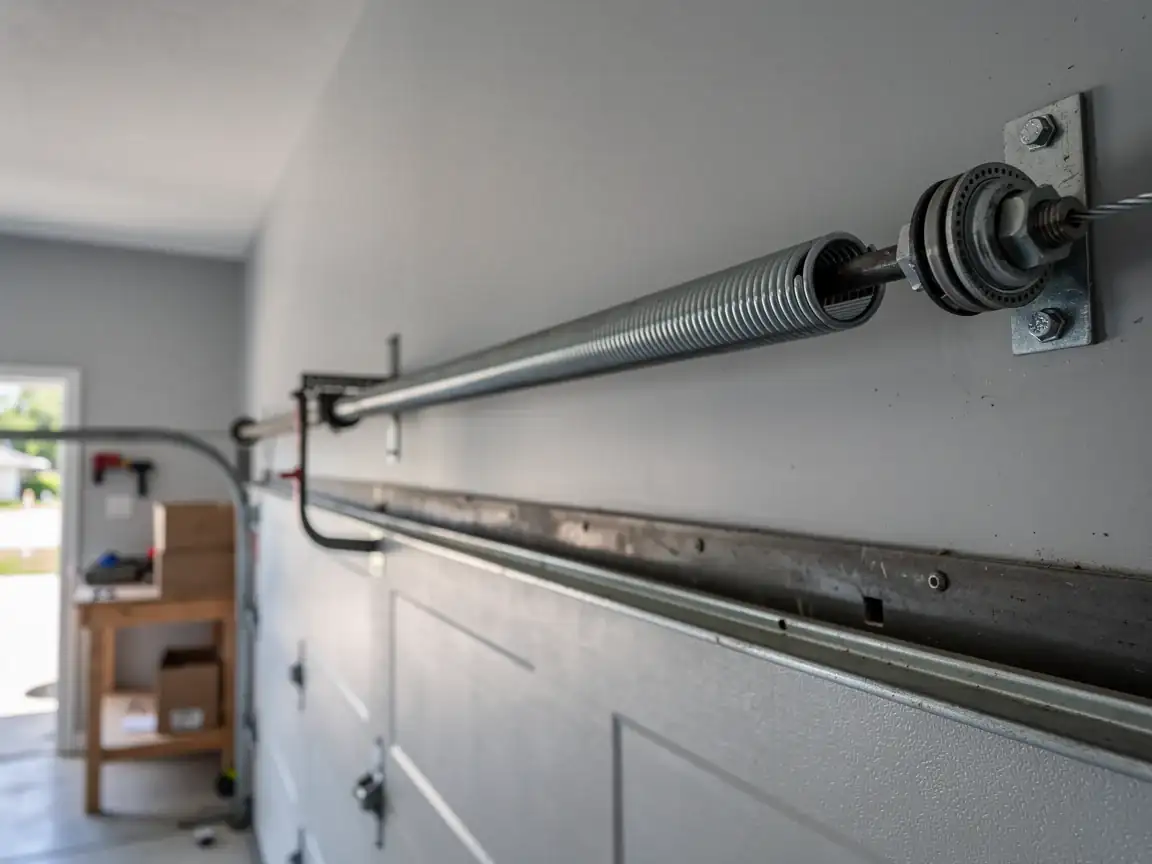
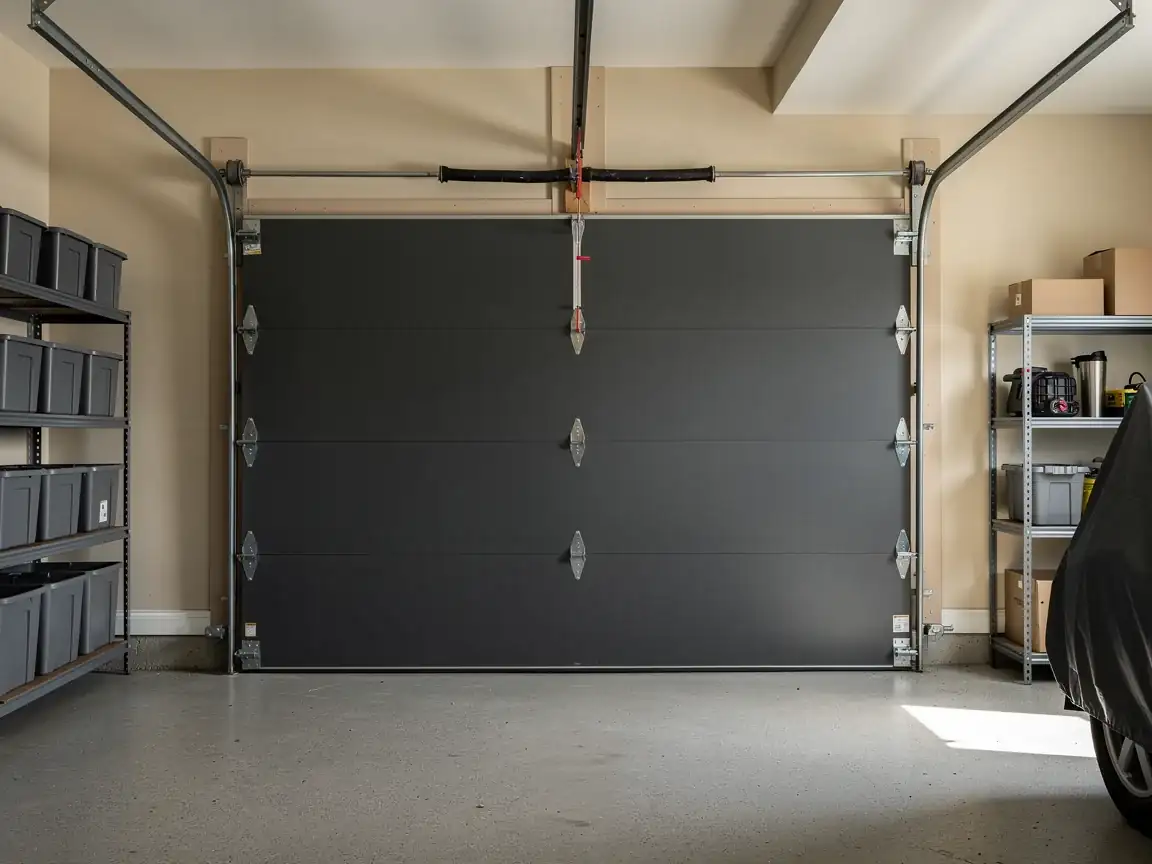
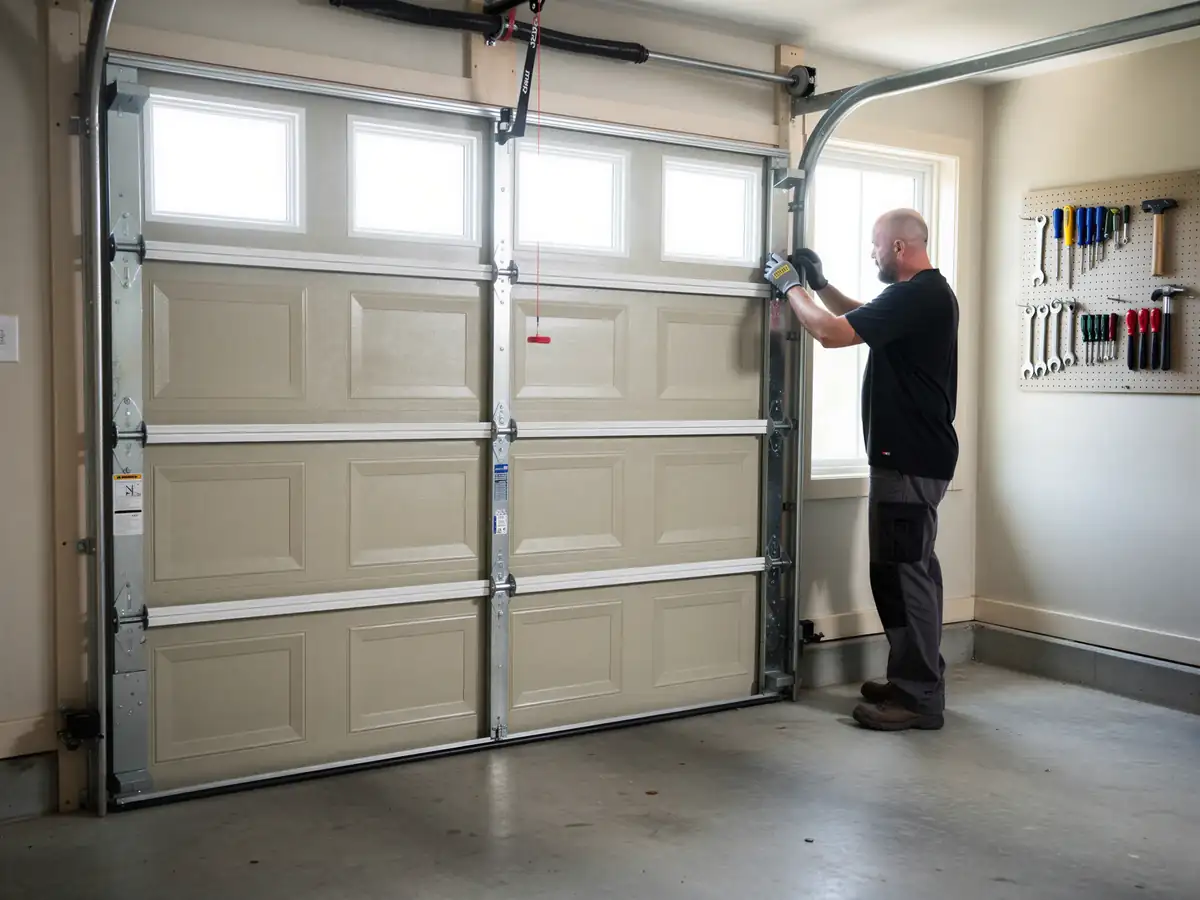
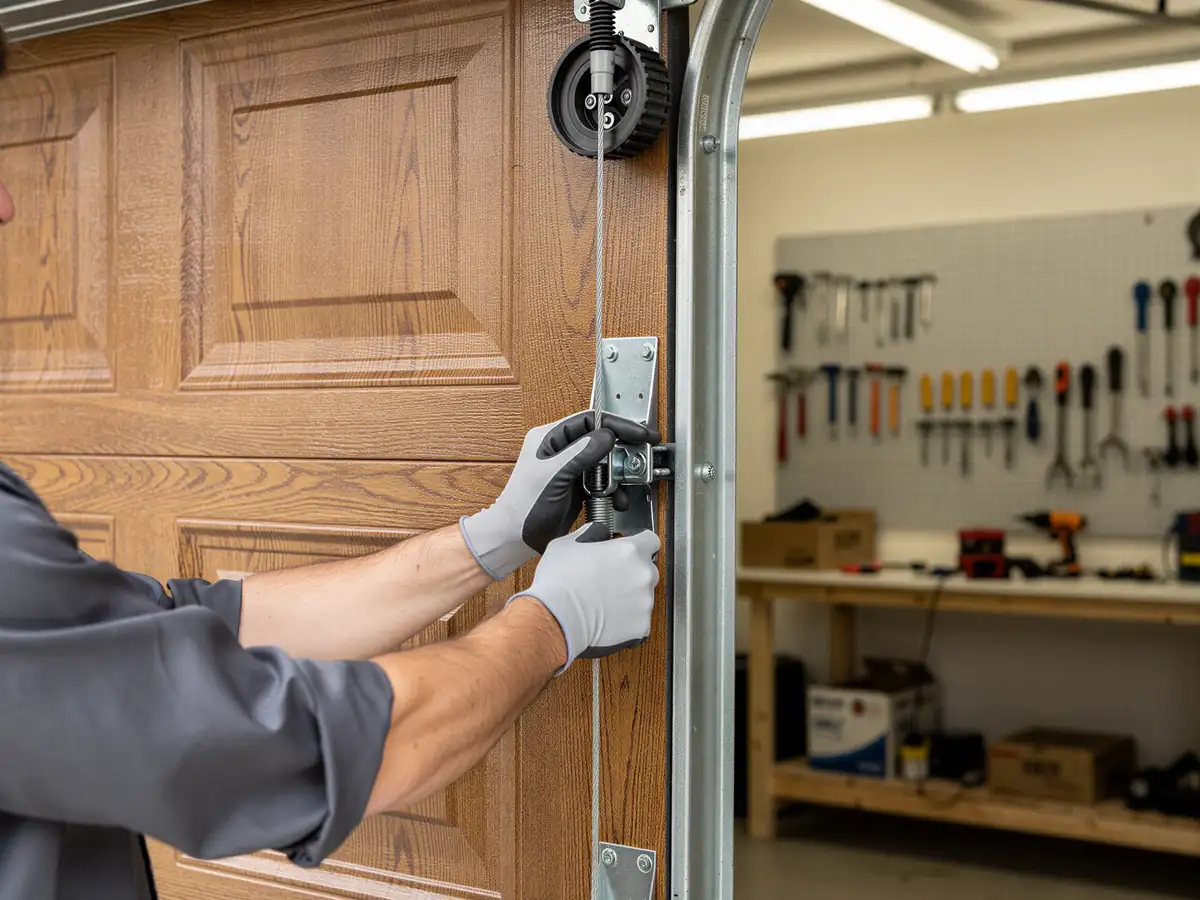
Rollers are one of the more DIY-friendly garage door parts, and a lot of homeowners can do the bottom two on each side without much trouble - pull the roller stem out of the hinge and track, slide the new one in, done. Where it gets dangerous is the top rollers near the torsion spring assembly, and on a door that's still under spring tension, which is any door that isn't fully open and blocked.
Our honest limit here: we don't talk anyone through torsion spring work over the phone, and we won't walk you through disconnecting cables to reach the top rollers. That spring holds enough stored force to break bones if it lets go wrong, and it's the single job on a garage door we tell people to leave alone. If it's just the bottom rollers on an otherwise healthy door, that's a reasonable weekend job. Anything above the midpoint of the track, call it in.
What the Repair Takes
A straightforward roller replacement is a full-set swap, not a one-off
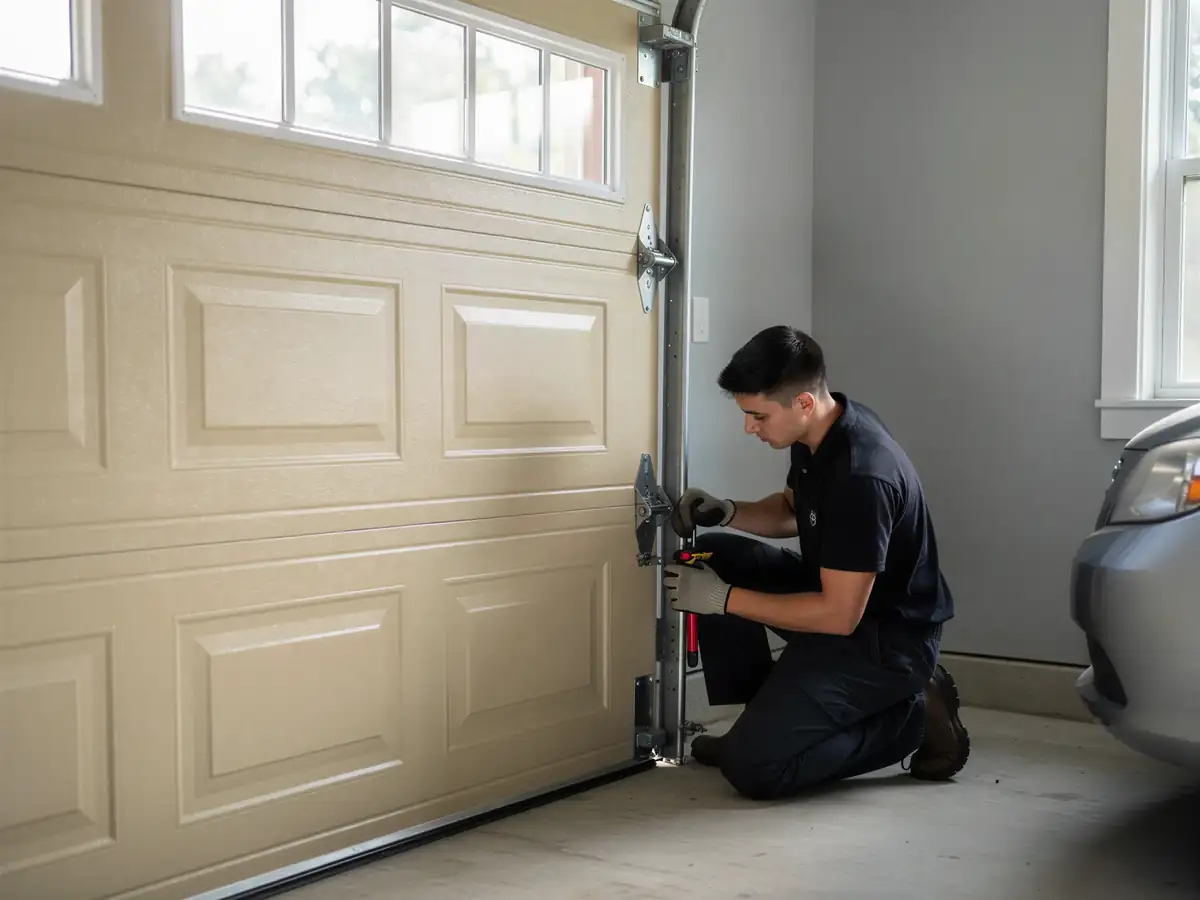
If one roller's worn oval, the rest on that door have logged the same thirty years of use even if they haven't failed yet. We replace the full set, check both tracks for gouging while the door's apart, and reset the bottom brackets if they've loosened from the vibration.
If the track's gouged from a roller that's been riding the edge, that adds a track section to the job
Which changes the time and the material, not just the labor. We'll flag that before cutting anything loose - no surprise add-on after we've already got the door open.
Getting It Booked In
We cover Monroe out of Mill Creek, about 10 miles up the road, so we schedule the drive into the job rather than treat it as a separate stop. If you're not sure whether what you're hearing is rollers, track, or something in the opener, describe the sound when it happens - grinding on the way up, a clunk at one spot every cycle, or a scrape that's constant - and we can usually narrow it down before the truck leaves.