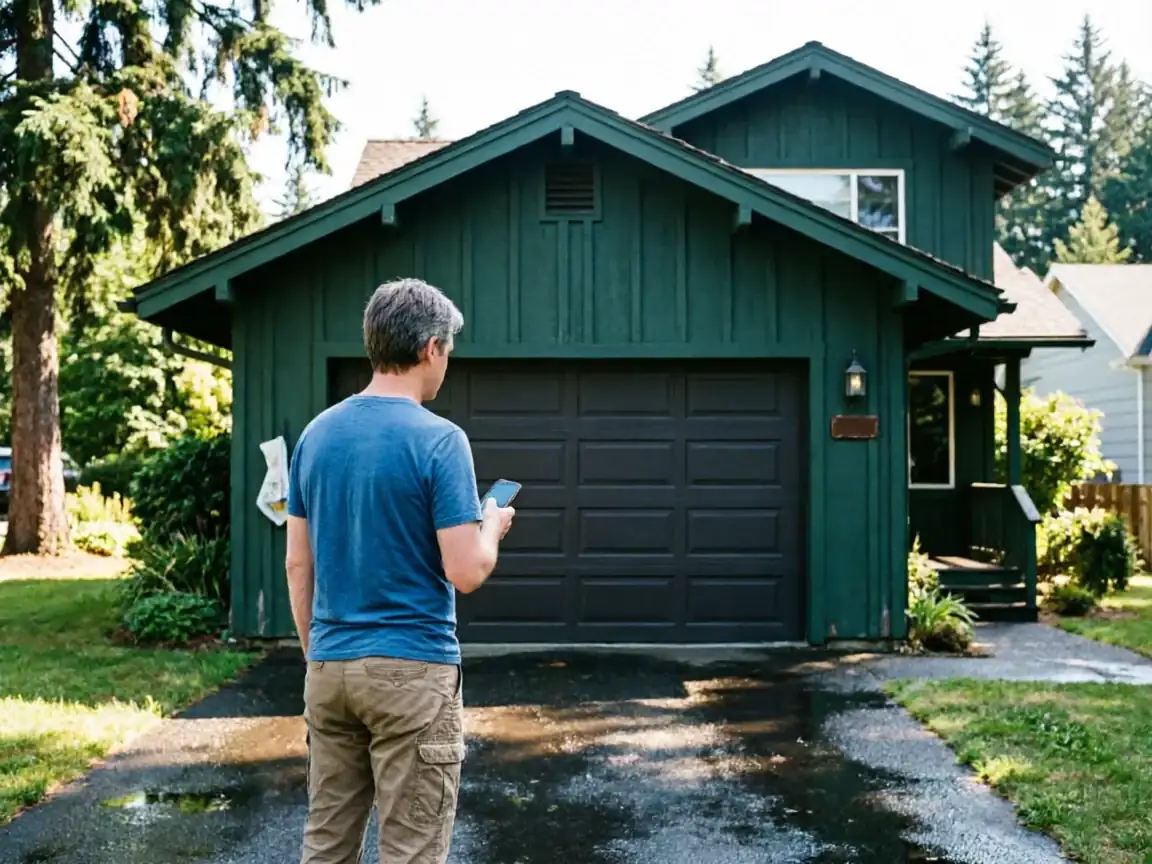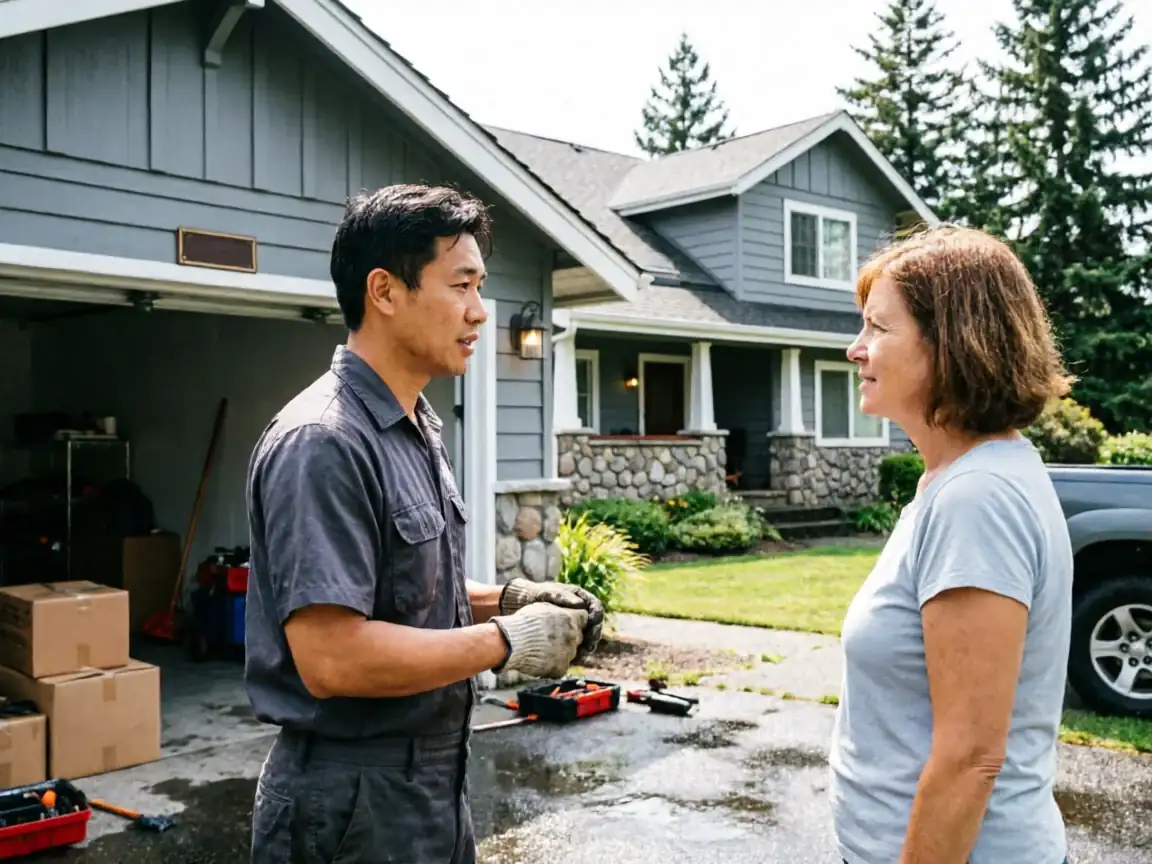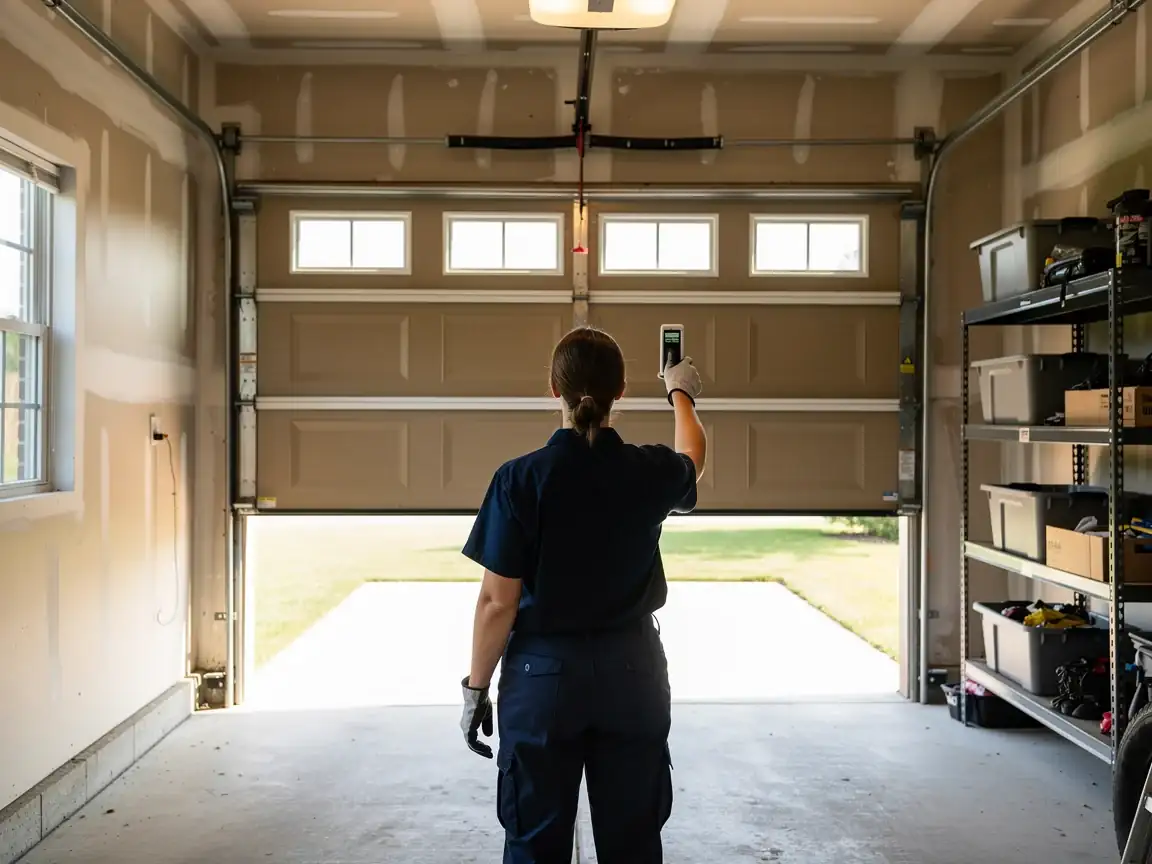
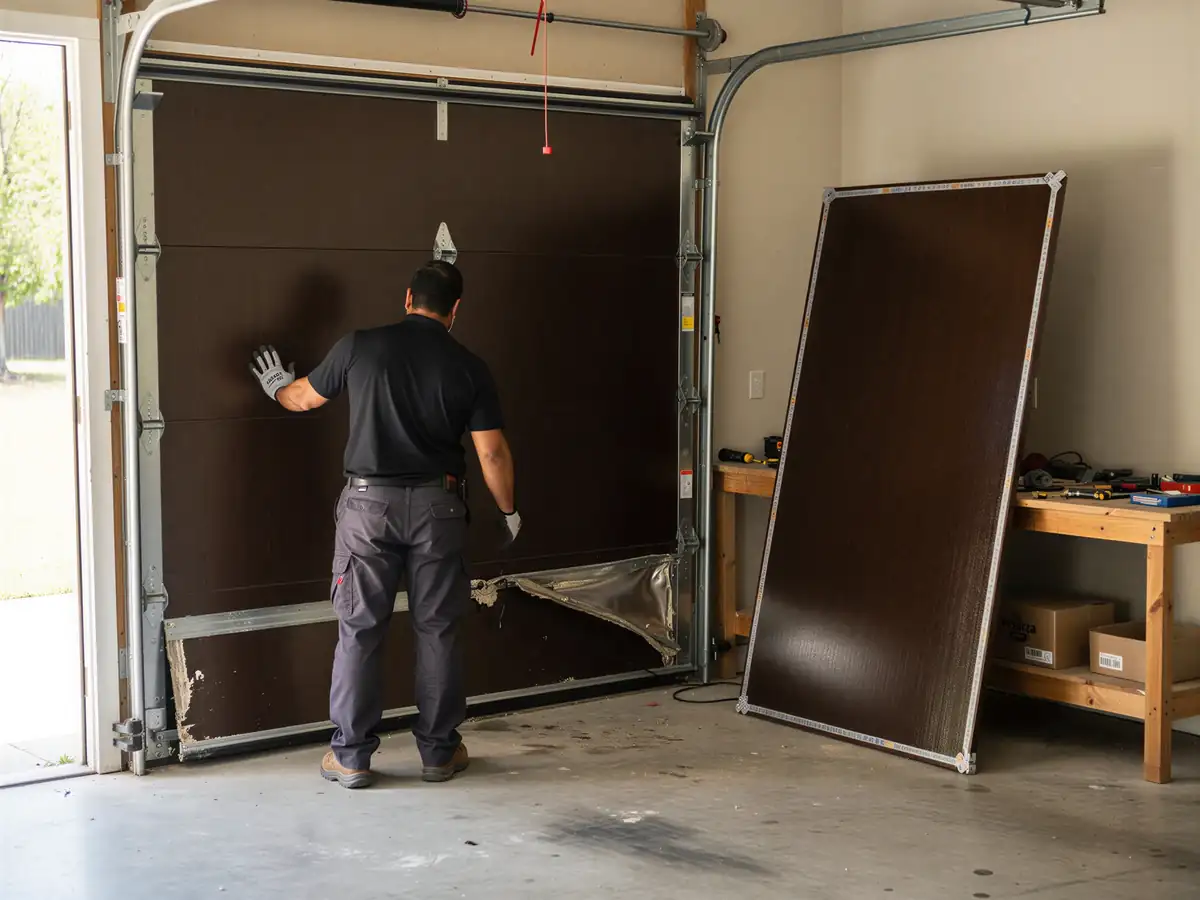
Where This Job Goes Sideways
Most of the calls we get for panel replacement in Lake Forest Park start the same way
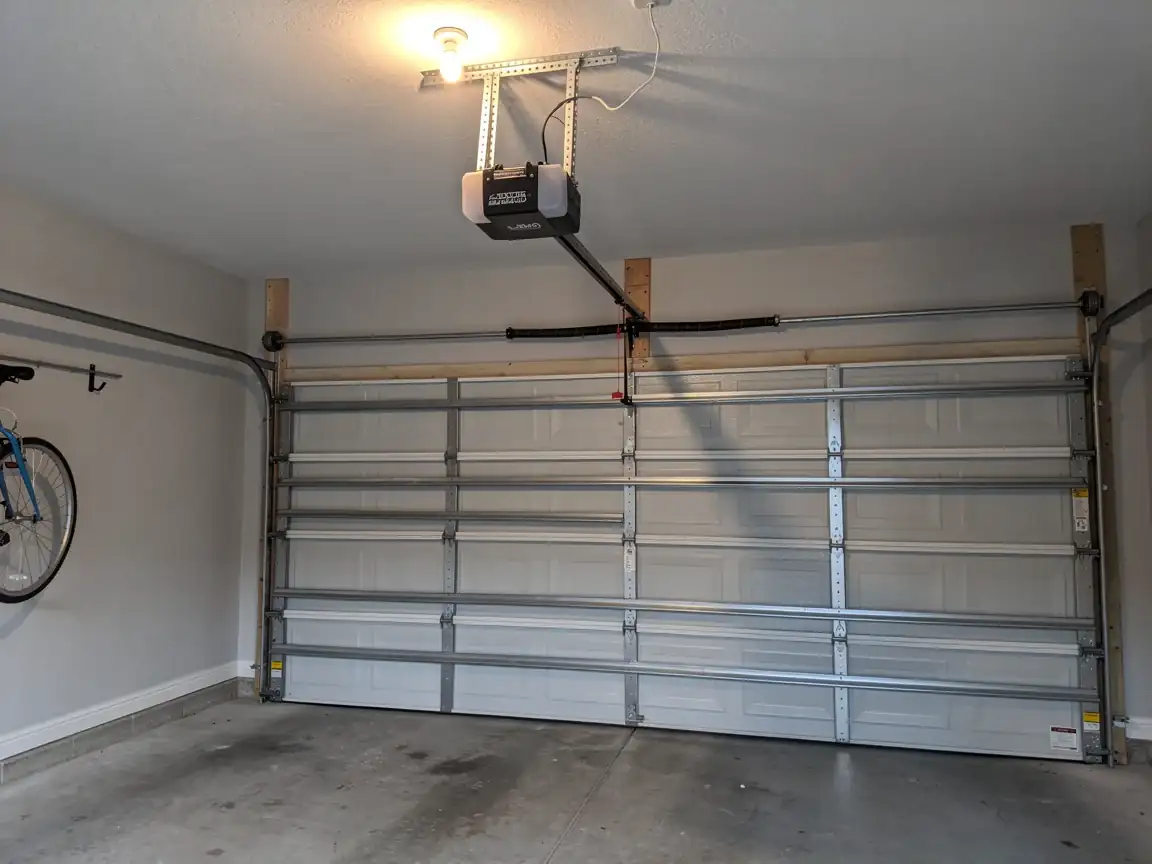
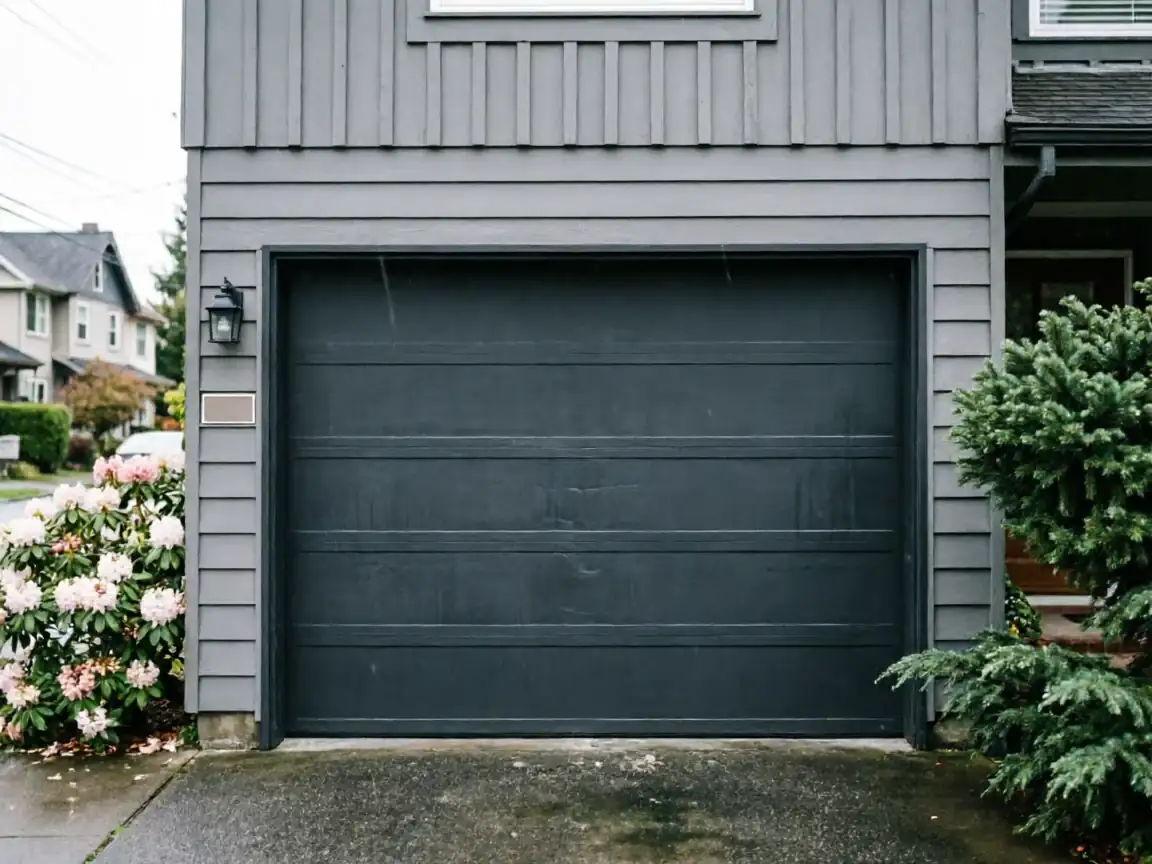
One panel got hit, dented, or rusted through, and the owner wants just that section swapped. Simple in theory. Then we go looking for a match and find out the door is a single-layer steel model from a production run nobody's made in decades.
Lake Forest Park's housing stock centers on 1968
Right at the front edge of the broader 1968-2000 build window across this service area. A door installed when the house went up, or replaced once in the 80s or 90s, is old enough that its panel profile and groove spacing often don't line up with anything currently stocked. You can bolt on a panel that's close. It will never sit flush, and the seams will show every time the sun hits it at an angle.
We tell people this up front because it changes the decision
Sometimes the honest answer is a full door instead of a patch, not because we want the bigger job, but because a mismatched single panel on an otherwise solid door looks worse than the dent did.
Stocked Parts
We run from Mill Creek, about 8 miles off, and we stock panel sections and hardware sized for the door generations that actually show up in this part of the county, not for one specific brand's current catalog. That covers a lot of the doors built in the 70s through 90s window common here.
What we don't carry on the truck is a panel cut for a discontinued proprietary profile. If your door is one of those, we'll confirm the exact match is unavailable before we quote anything, rather than order a part and find out later it doesn't seat right. That's the honest limitation: some older doors just don't have a replacement panel anymore, full stop, and the fix is a new section-matched door, not a part number we can chase down.
The DIY Question
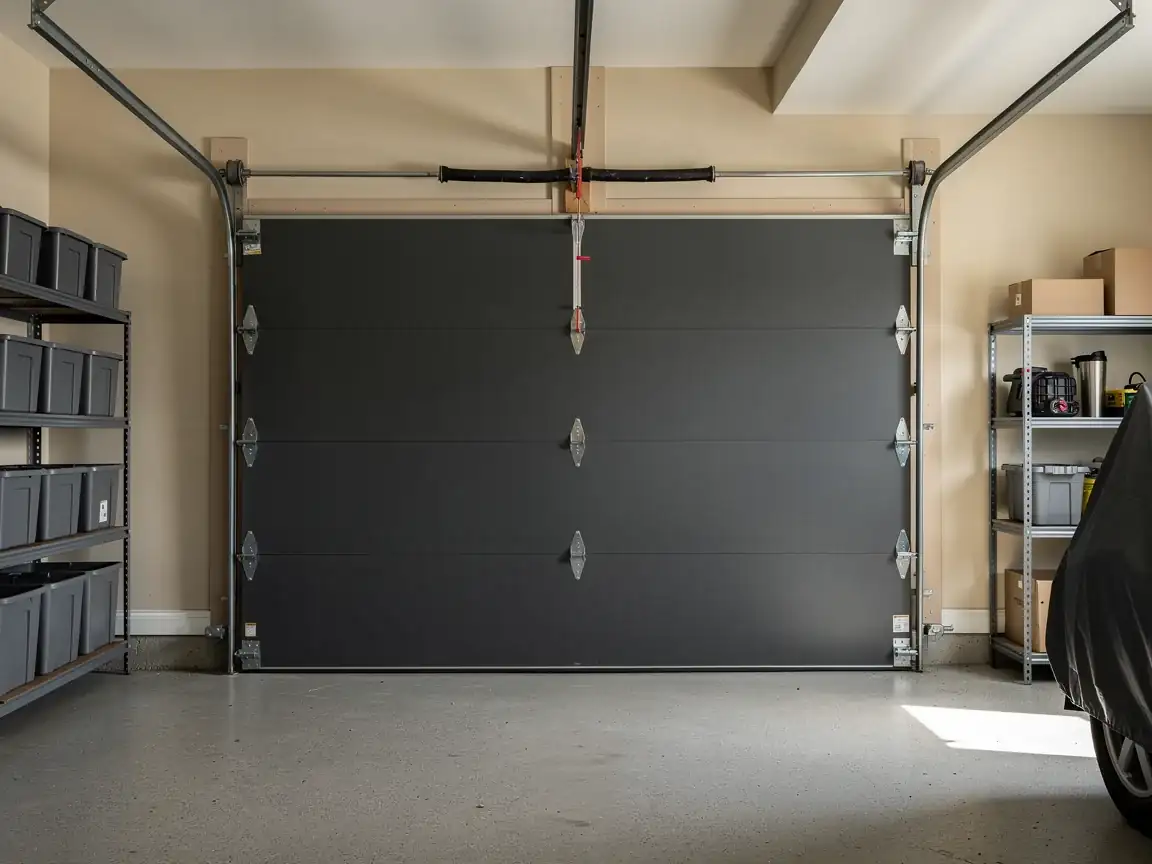
Swapping a single garage door panel looks like a weekend job on video. On a door built when Lake Forest Park's housing was going up, it usually isn't, for one reason: the panel has to be the exact groove spacing and thickness of the rest of the door, or the whole assembly binds on the track. Order the wrong gauge steel and the door will run, but it'll bow slightly under tension and wear the rollers unevenly within a year.
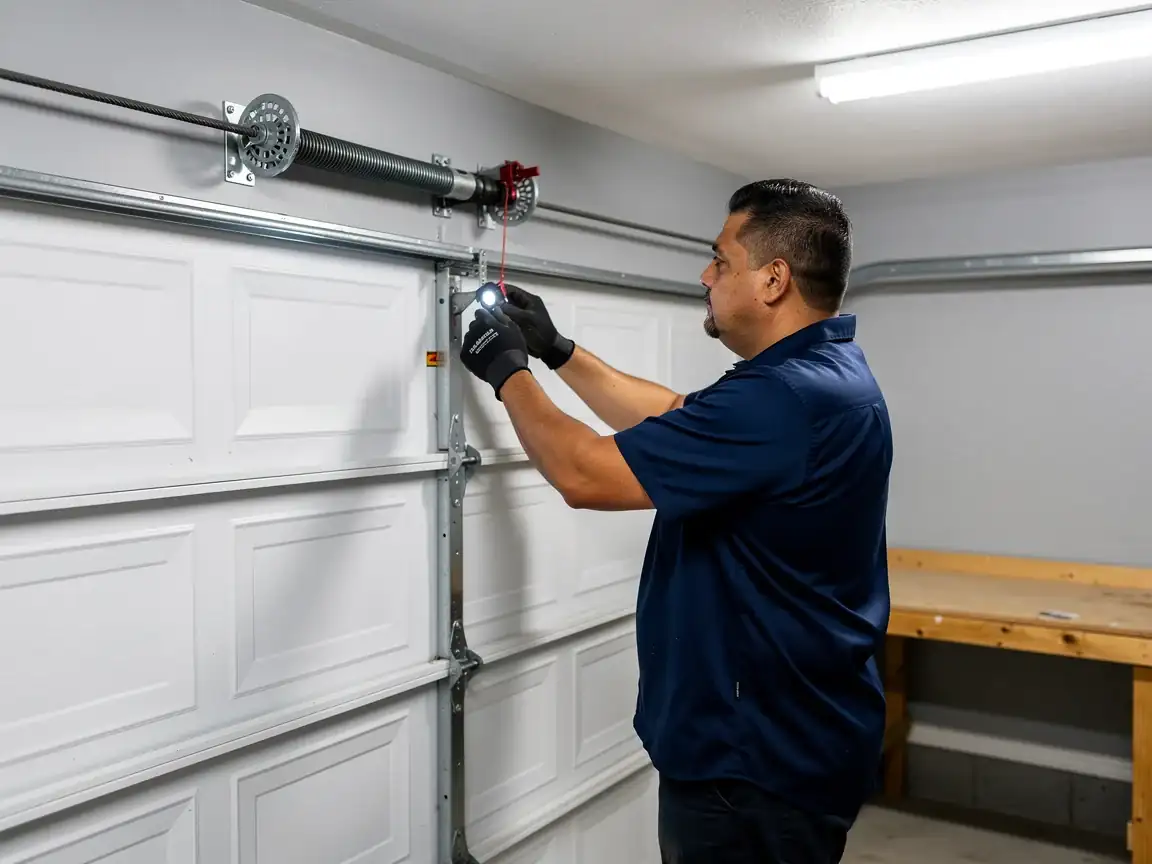
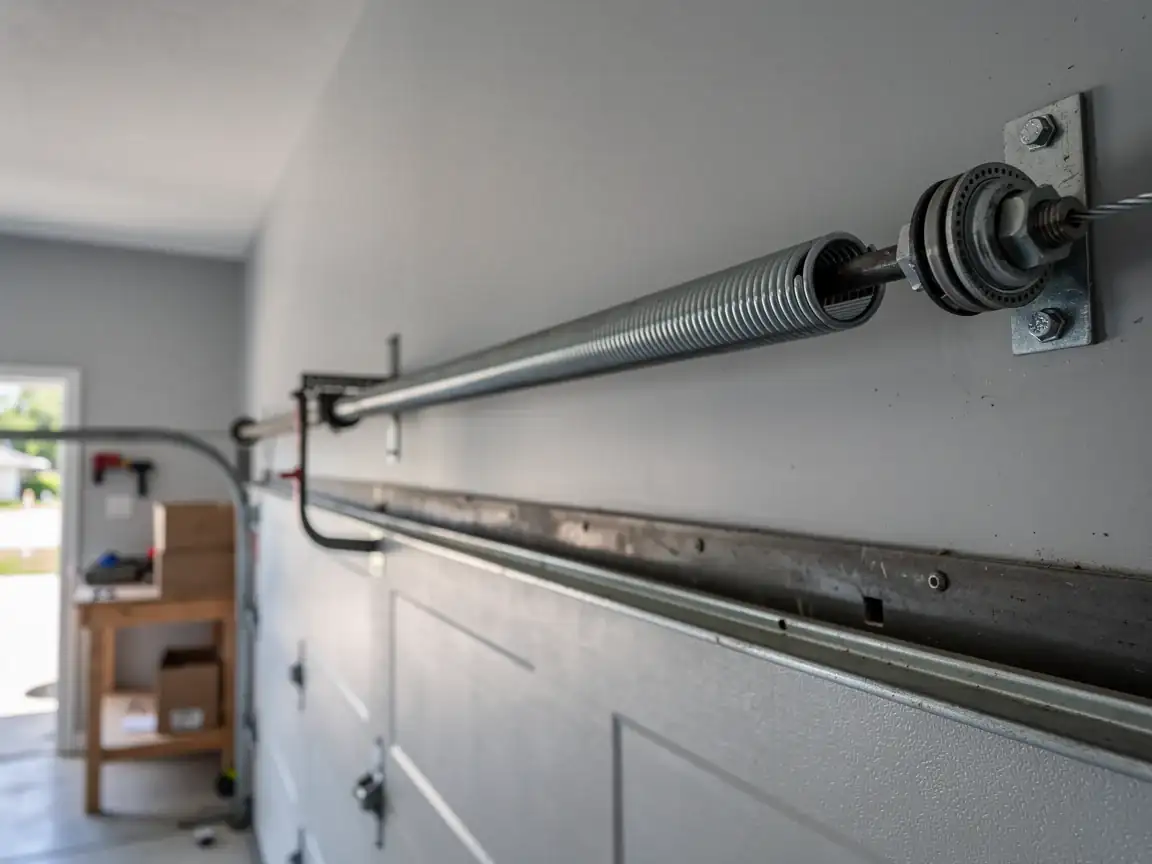
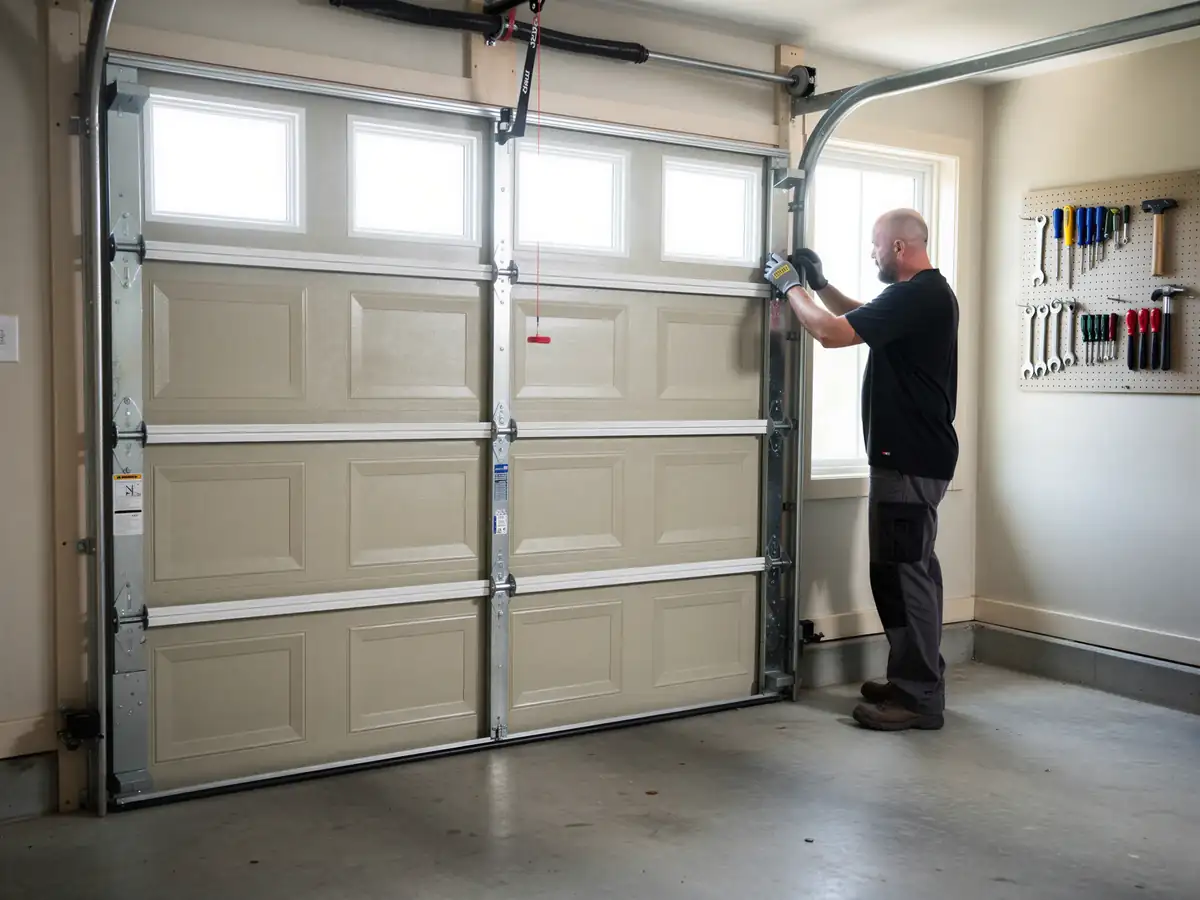
There's also the torsion spring sitting above the door, under load the entire time you're working. If the panel swap means pulling the door off track to true it up, that's not a part of the job to learn on your own garage.
Where DIY makes sense here: cosmetic touch-up on a panel that's just scuffed, not bent or cracked, or replacing weatherstripping along the bottom panel. Beyond that, especially on anything structural, call it in.
Why It Happens Here
The climate here sits in the cold-moderate band
Which doesn't mean brutal winters, but it does mean steady damp and freeze-thaw cycling on steel that's been in place since the Johnson or Nixon administration. On a 1968-built door, that's over fifty years of expansion and contraction at the seams between panels, plus whatever surface rust crept in at the bottom section where water sits longest.
Lake Forest Park's households skew toward higher income for this service area
And we see that reflected in the calls: owners want the repair done right the first time rather than a visible patch, even if it costs more to source a proper match or move to full replacement. That preference, paired with housing old enough to have genuinely obsolete parts, is why panel jobs out here take longer to quote than they do in newer-built areas nearby.