Where This Job Goes Sideways
Lake Forest Park's median household income sits at $158,868, well above what it costs to keep a door running right
And that changes the math on repair versus replace. At that income level, most owners we talk to would rather spend $150-200 on a tune-up than gamble on a door that's already fighting them. But the decision isn't just about what you can afford - it's about what the door is actually worth fixing.
- $158,868 median household income
Houses in this part of the service area were built around 1968
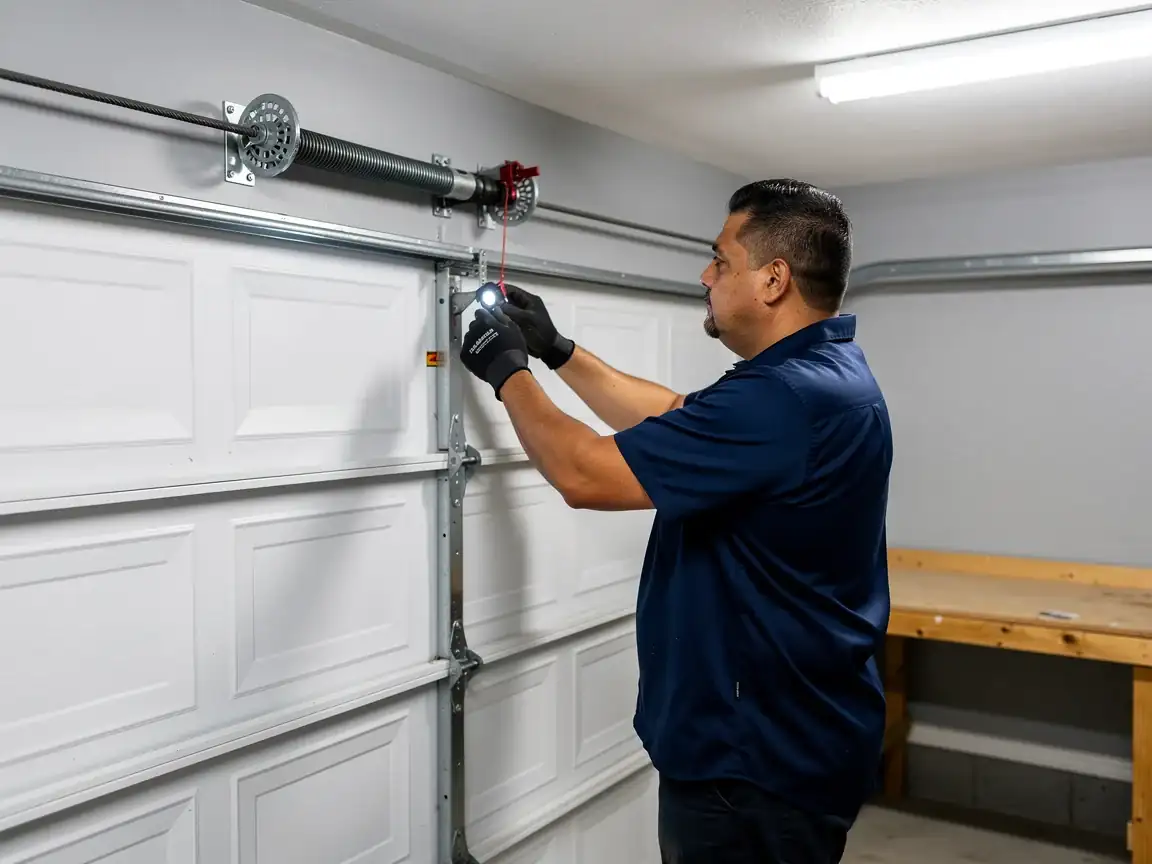
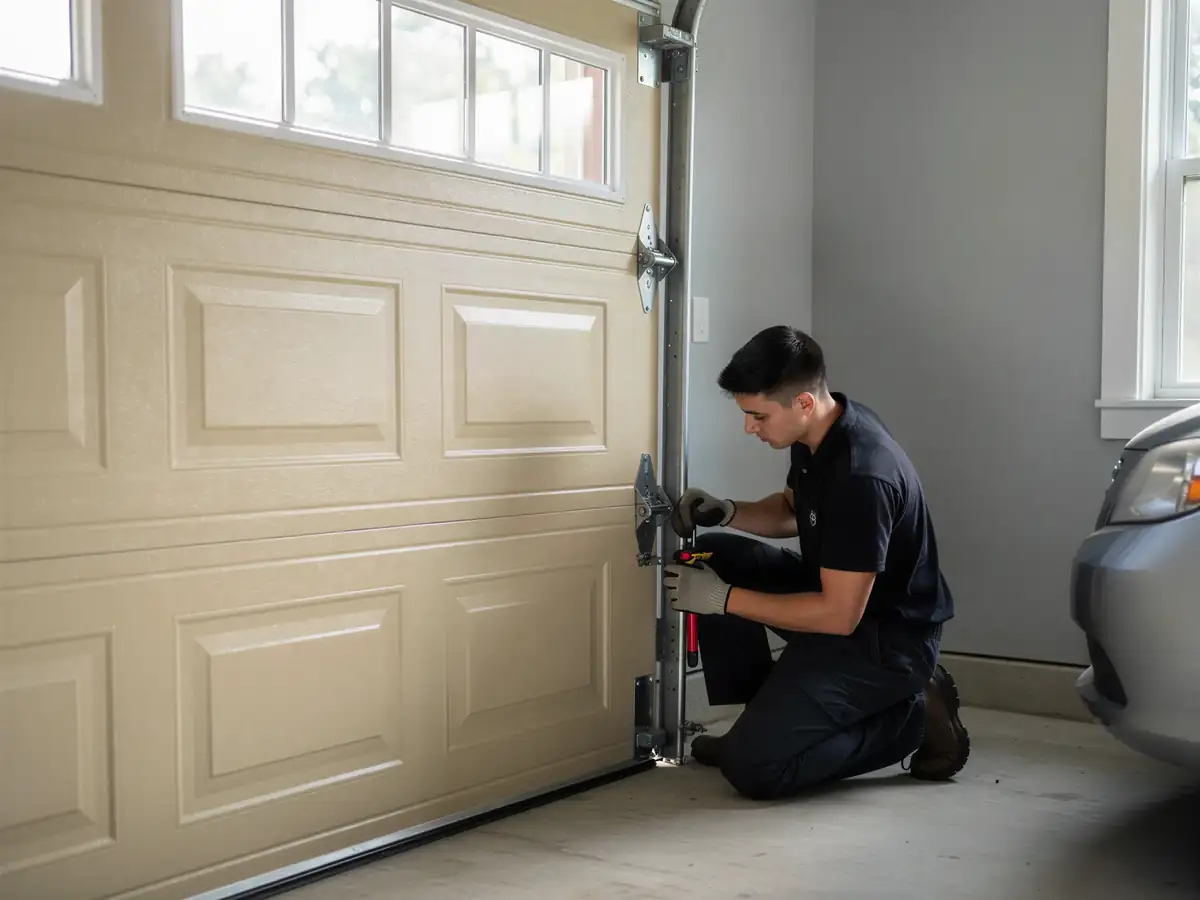
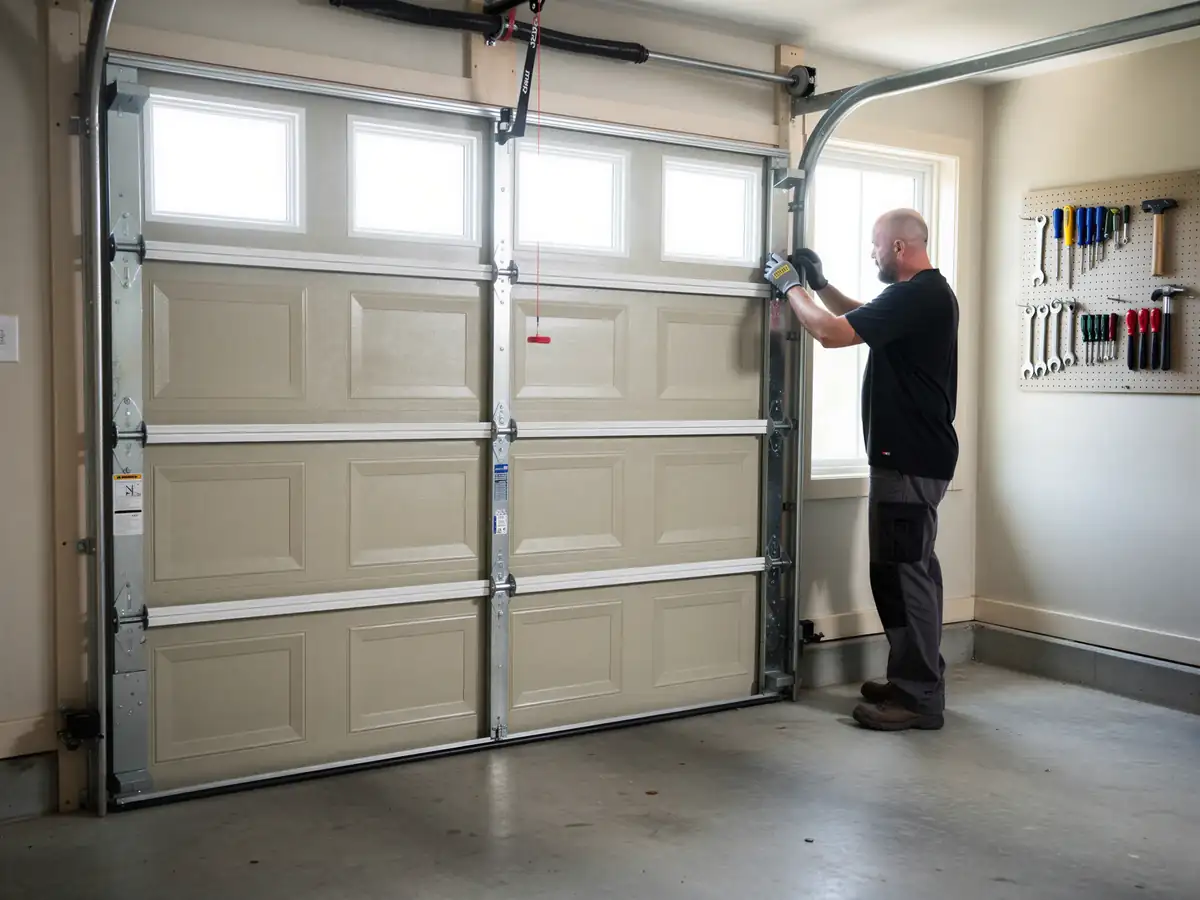
Which puts the garage door and its hardware squarely in an era before today's safety cable standards and galvanized torsion springs became standard. A door that age, even if it's been replaced once since, often still has the original track brackets or jamb hardware. That's where maintenance stops being routine and starts being a judgment call: tighten and lube the moving parts, or tell you honestly that the opener or spring assembly is at the end of its useful life and a tune-up would just be throwing good money after bad.
We make that call on site, not over the phone
Because a 1968-era door can look fine from the driveway and still have a cracked bottom bracket you won't see until the spring lets go.
Stocked Parts
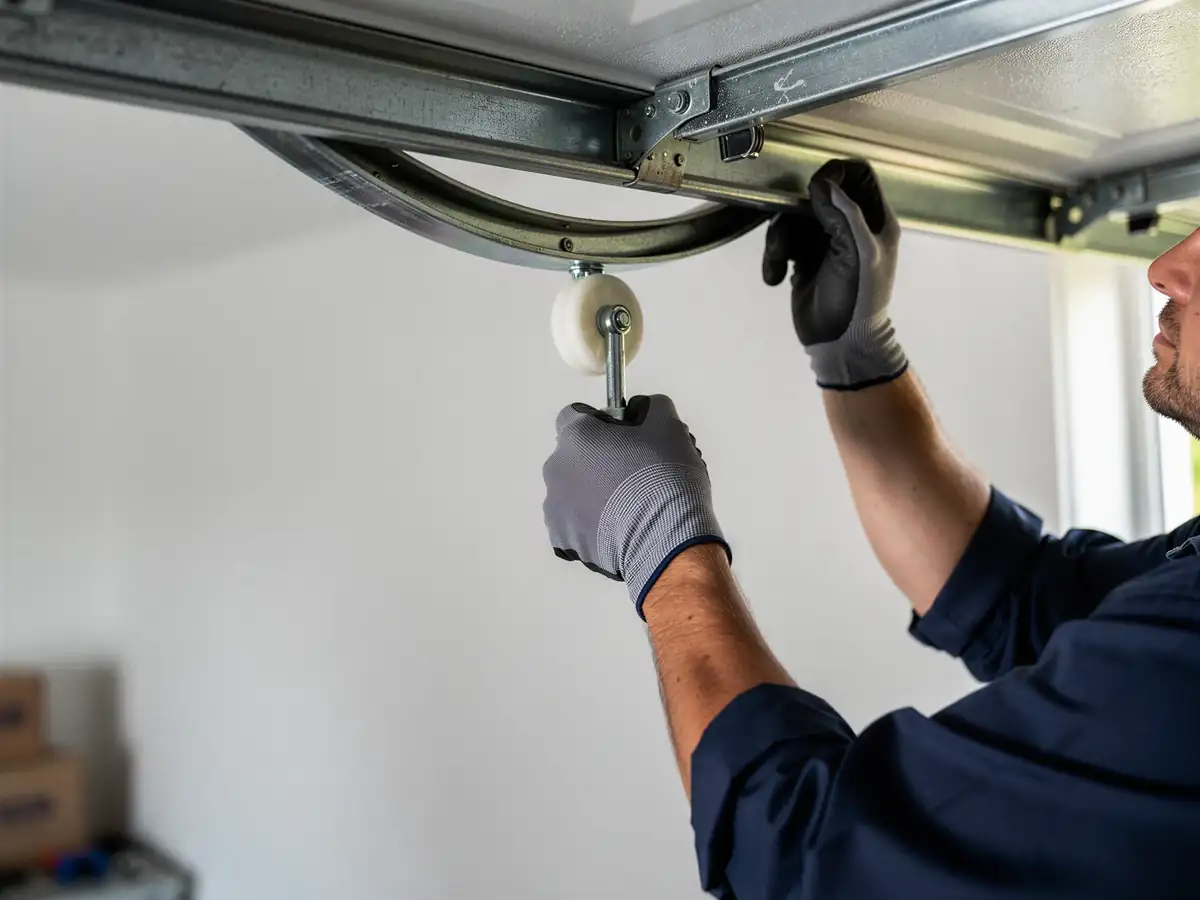
We carry the rollers, cables, and standard-size torsion springs that cover most doors from the 1968-2000 building wave across this service area - that's the window most of these houses fall into, and it's why we stock toward it instead of guessing. What we don't carry on the truck are obsolete spring sizes or discontinued track hardware specific to a handful of original 1960s installs. If your door still has its first-generation hardware, we'll tell you that up front rather than making you wait at the curb while we figure it out.
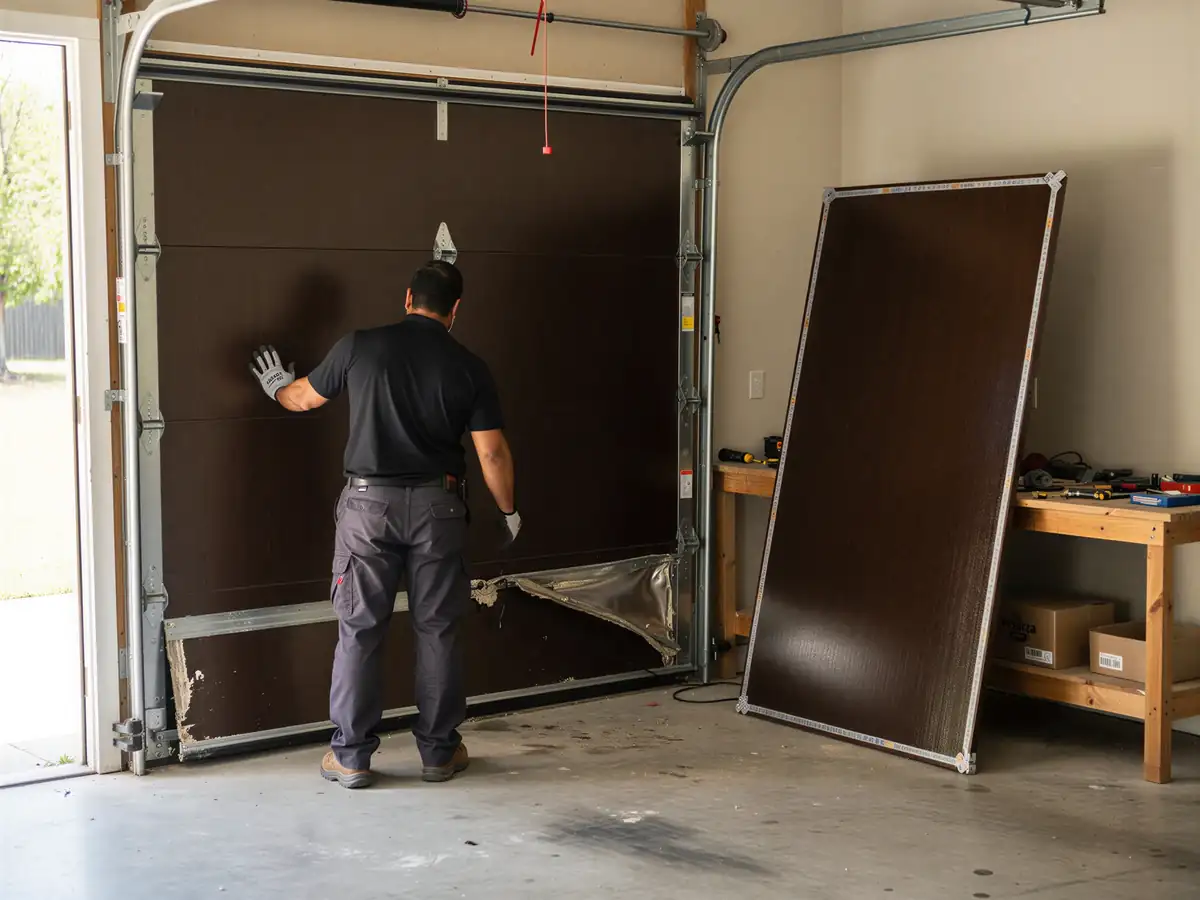
That's the honest limitation: a tune-up on a door with parts nobody makes anymore sometimes turns into a quote for a new door instead, because sourcing one obsolete bracket can take longer and cost more than the repair itself. We'd rather say that on the first visit than string out three appointments.
The DIY Question
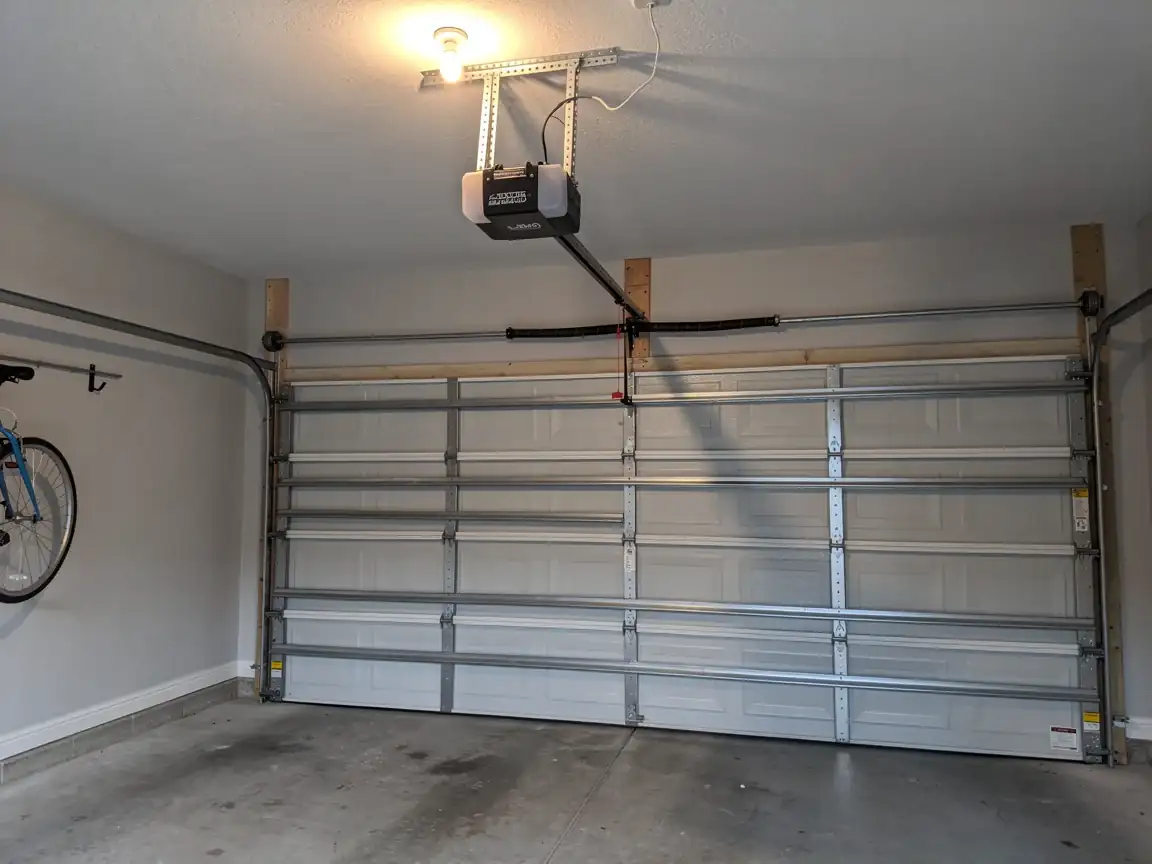
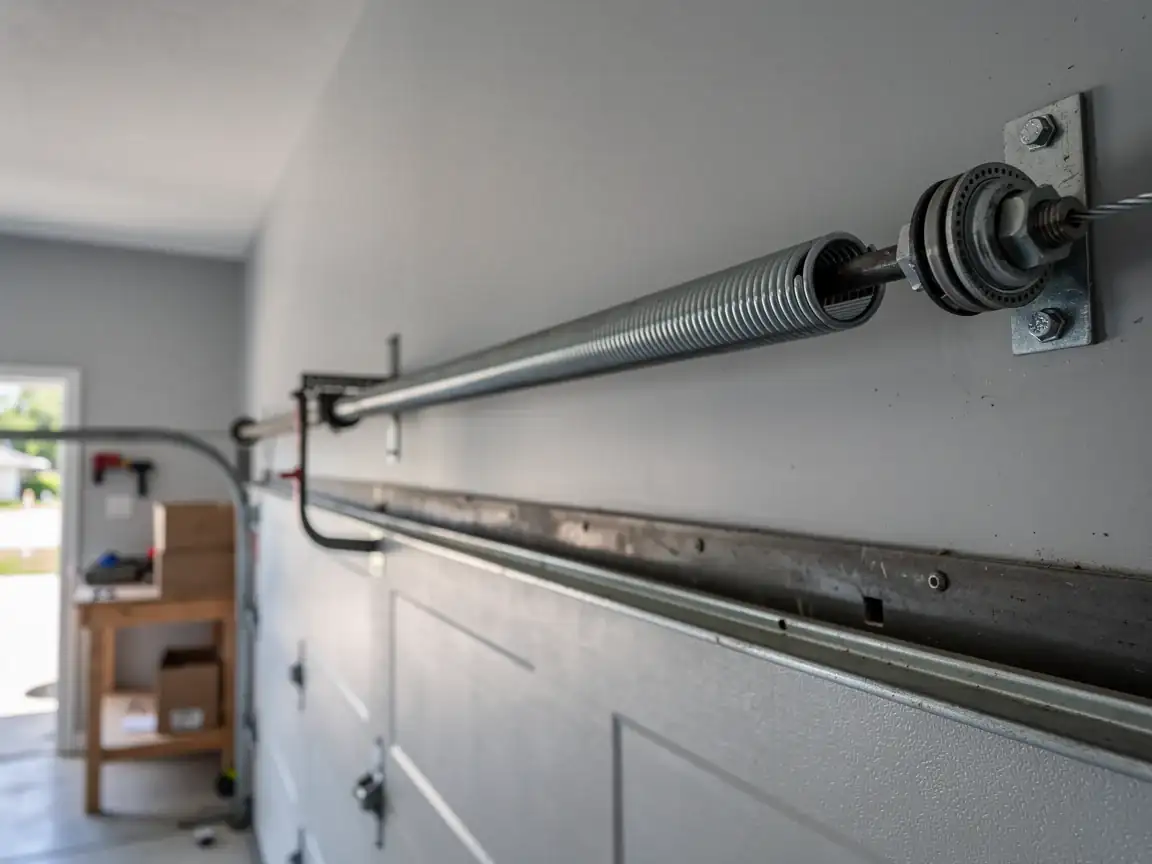
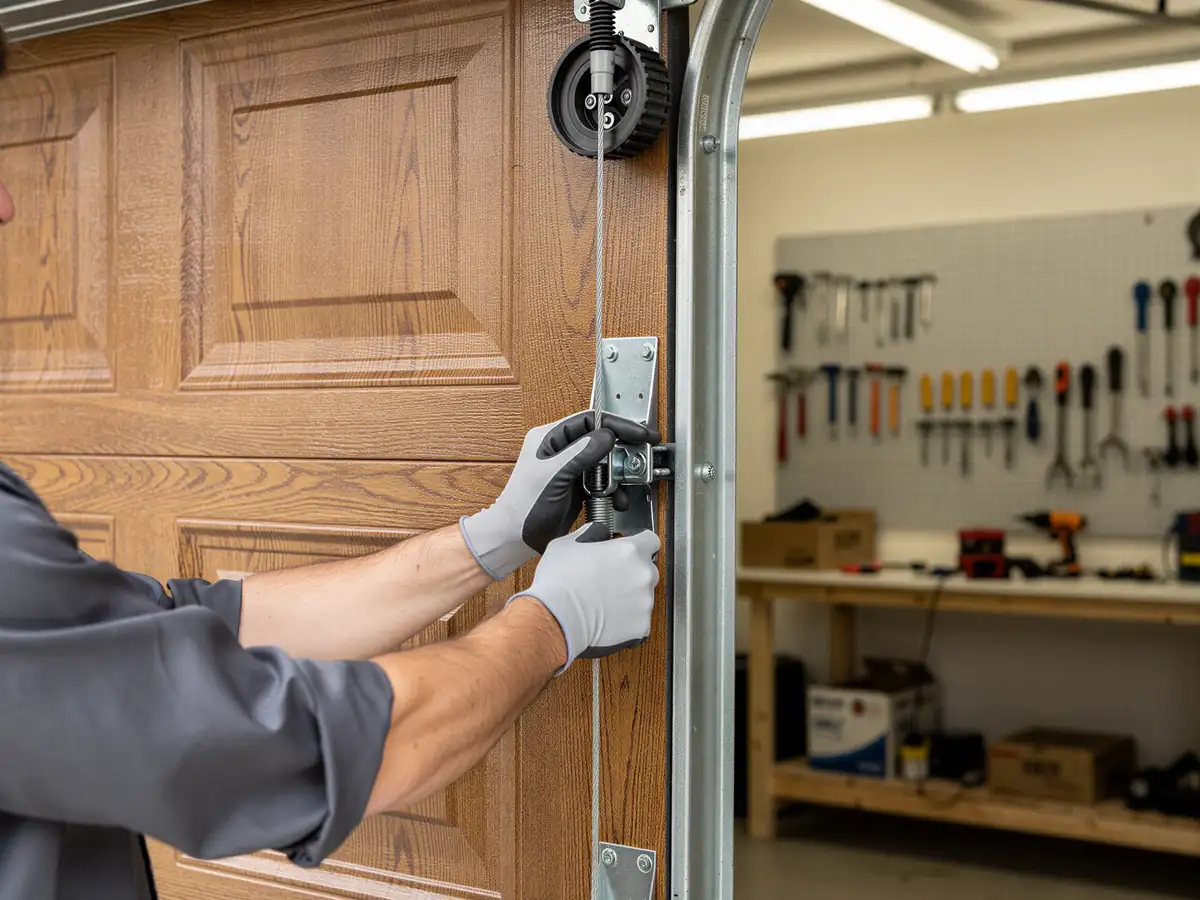
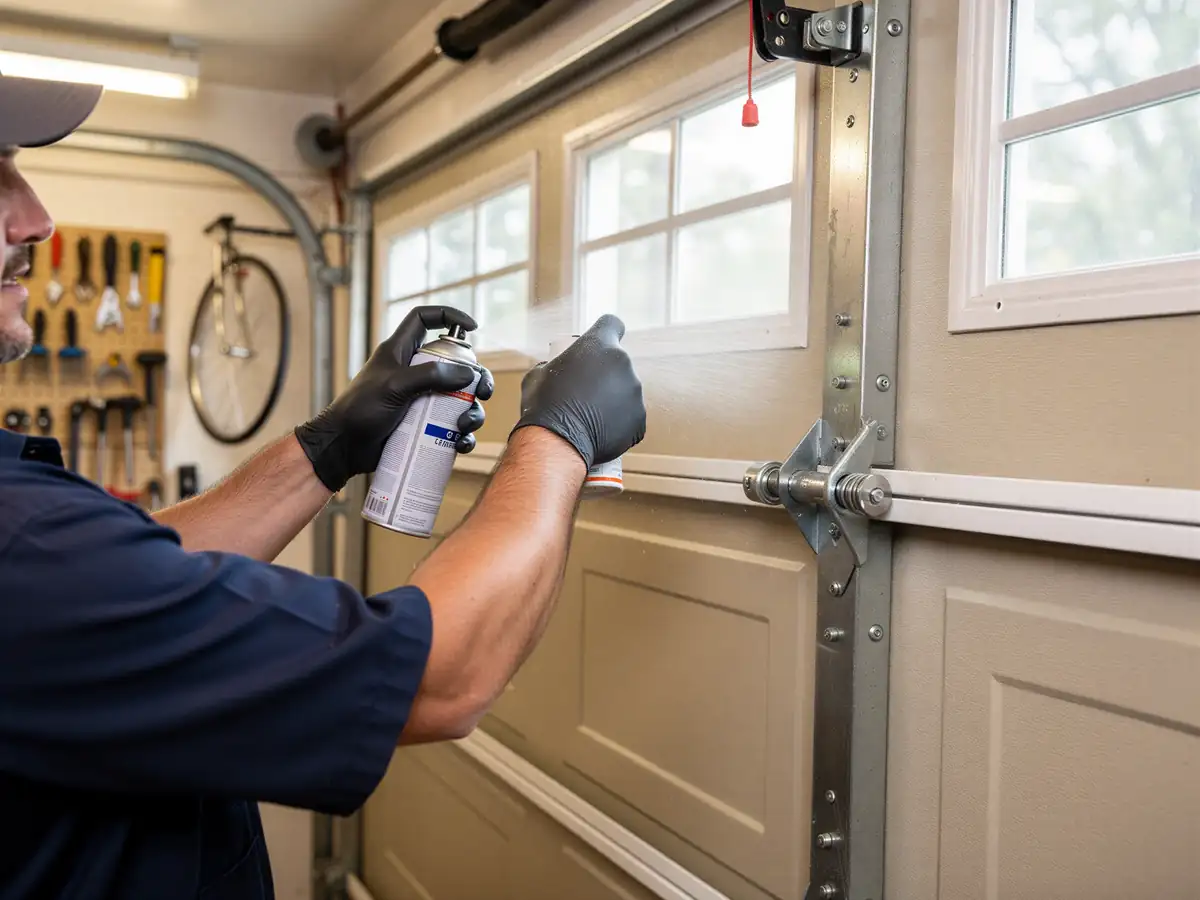
Lubricating hinges and rollers twice a year is reasonable DIY work, and tightening visible hardware bolts is fine too - nothing about a 1968 door changes that. What we don't recommend doing yourself is touching the torsion spring or anything under tension. On an older door, the spring may not be sized or wound the way a newer one is, and guessing wrong with a door built before current safety-cable norms is a different risk than doing it on a 2005 install.
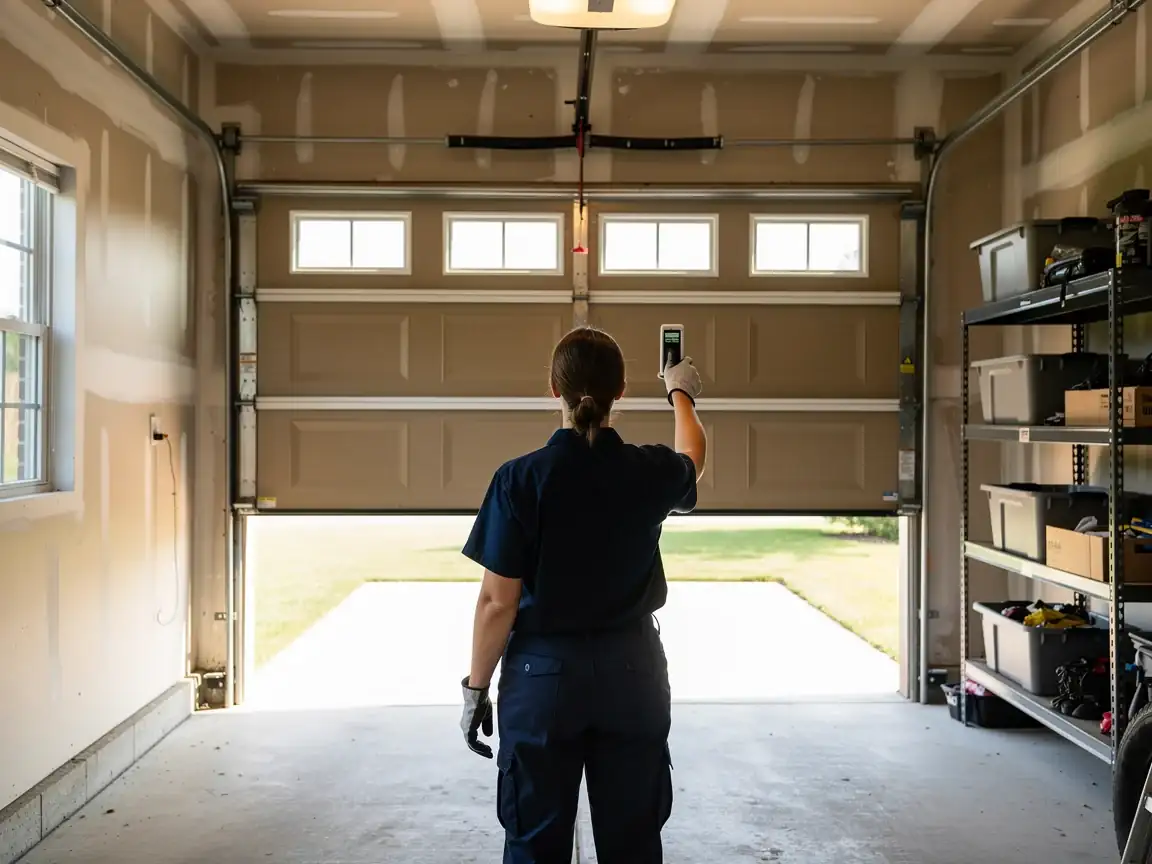
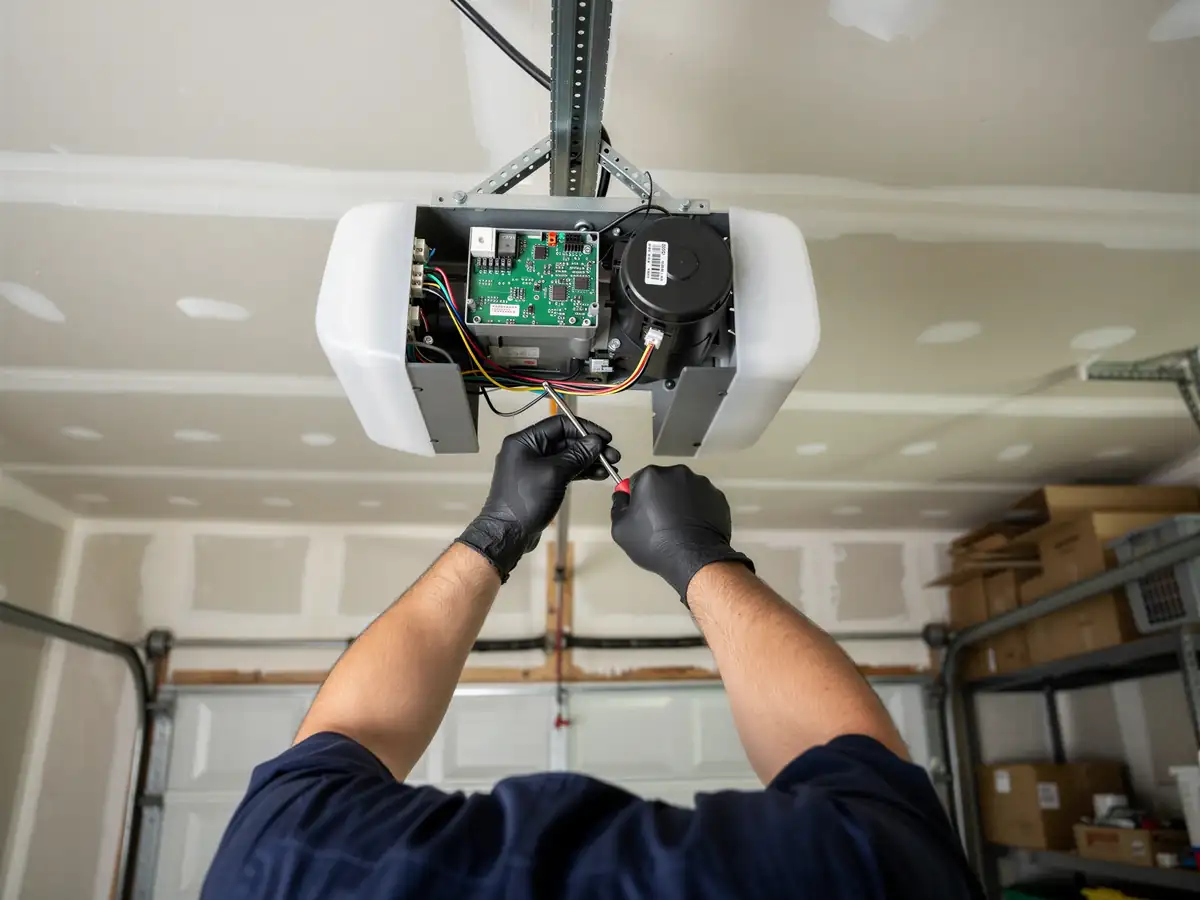
If your opener is struggling - reversing early, grinding, or running slow - that's also a call-a-pro situation rather than a tutorial-video one, especially with original wiring or mounting that's 50-plus years old.
Why It Happens Here
Climate here falls in the cold-moderate band
Which means seasonal temperature swings stress the metal fatigue points on a spring or hinge more than straight cold or straight heat alone would. Combined with a 1968 build date for a lot of these houses, you get doors where the hardware has been through five or six decades of that cycling, not two or three.
We cover this from our Mill Creek location, about 8 miles out
So we're not a walk-in shop here - we schedule the trip, and we try to batch it against the rest of the run rather than make a special one-door crossing.
- 8 miles