Stocked Parts
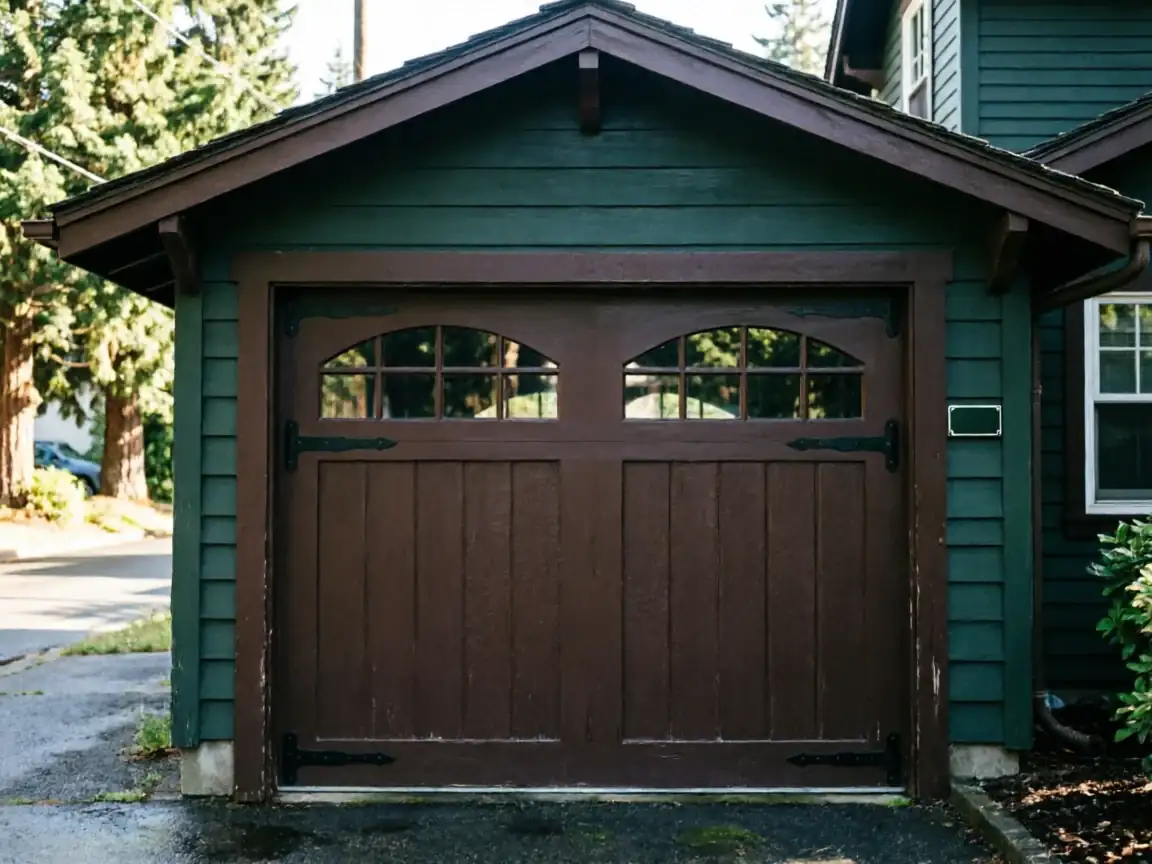
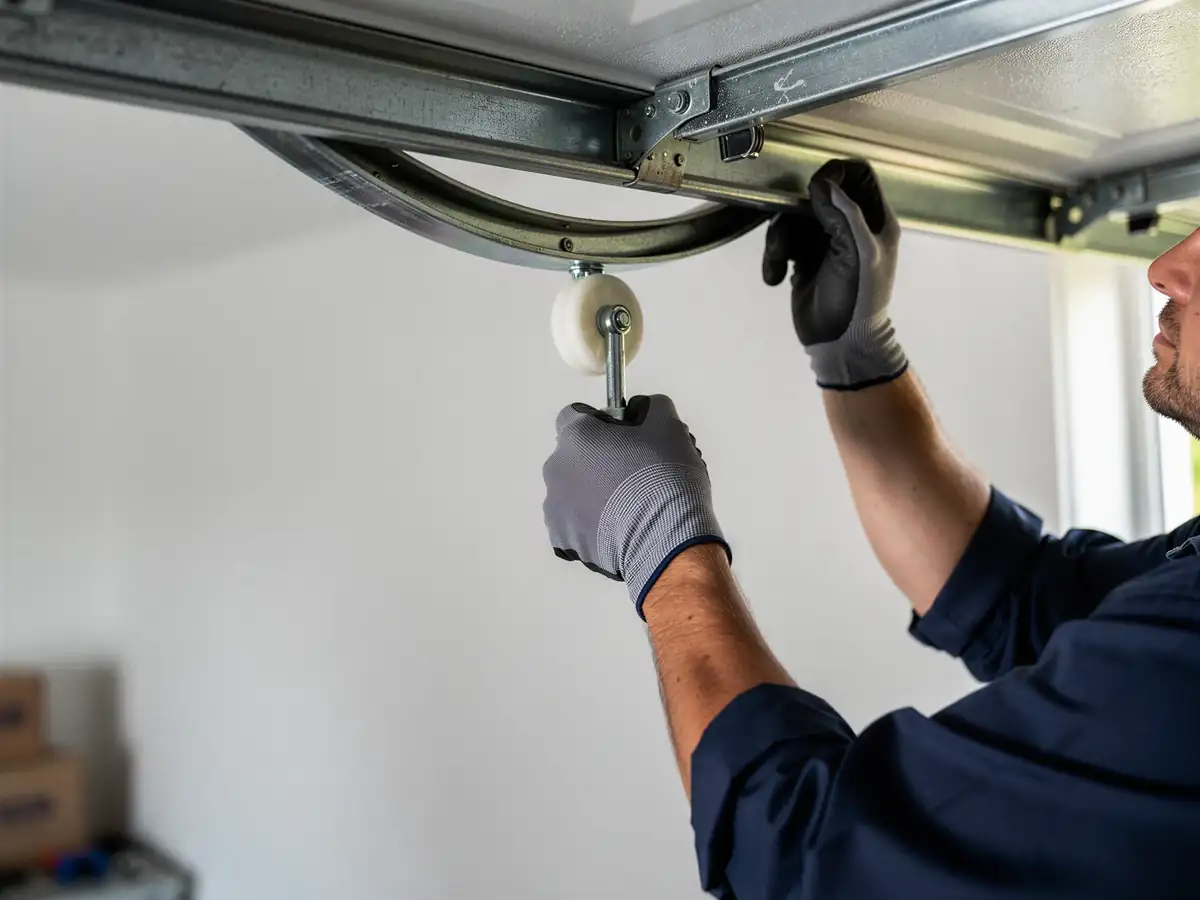
For a door of this age, the fix is almost always a full roller set swap, not a one-off replacement - if one steel roller has worn a stem, the rest are close behind it. We stock sealed-bearing nylon rollers in the stem lengths and shaft diameters that fit 1960s and 70s track hardware, which is a narrower stem than what shows up on newer builds elsewhere in the service area. Nylon over steel isn't just about noise, though that's the part most owners notice first. In a cold-moderate climate like this one, steel rollers on steel stems are more prone to grease stiffening and surface pitting through the wet months, which shows up as morning stiffness that works itself out by midday. Sealed nylon bearings don't need re-lubing and don't pit. One limitation worth saying plainly: if the track itself is bent or the cross-section has rusted through at the mounting brackets, new rollers won't fix the real problem - that's a track replacement job, and we'll tell you so rather than sell you rollers that'll just wear unevenly against bad rail inside a year.
The DIY Question
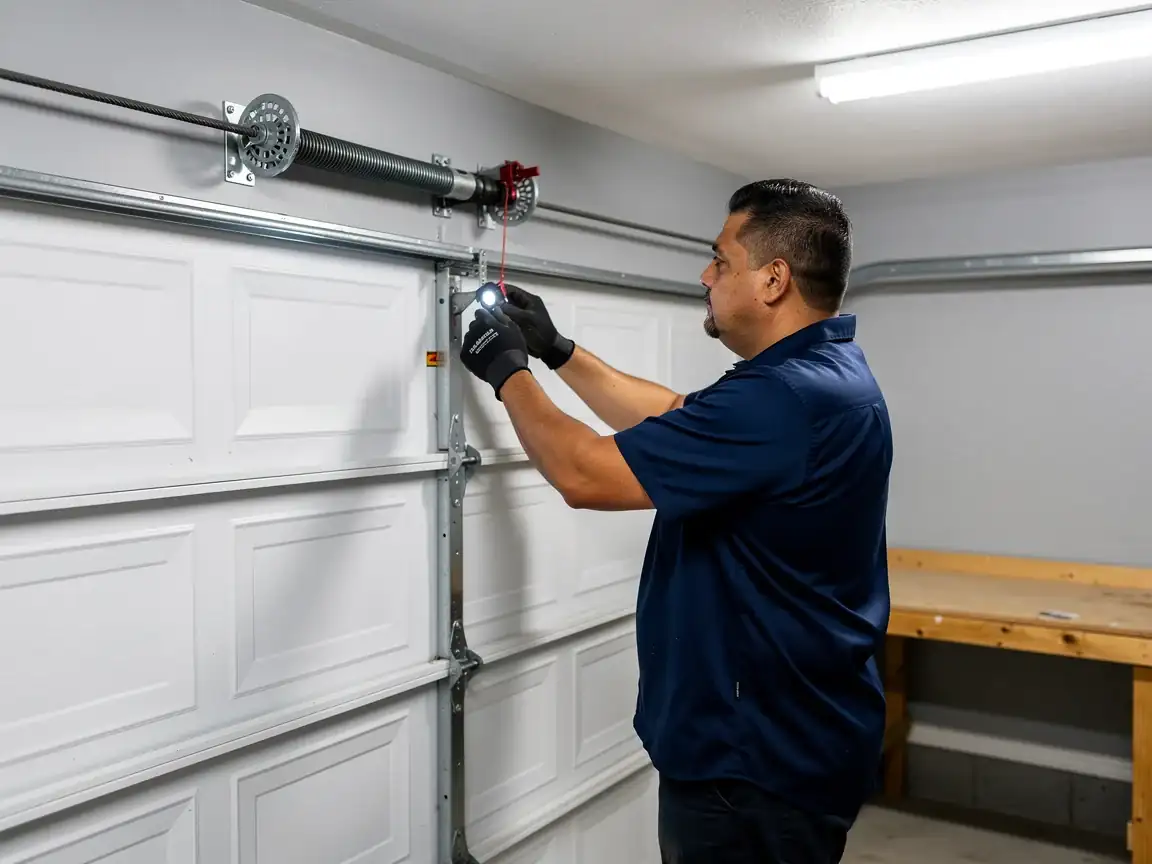
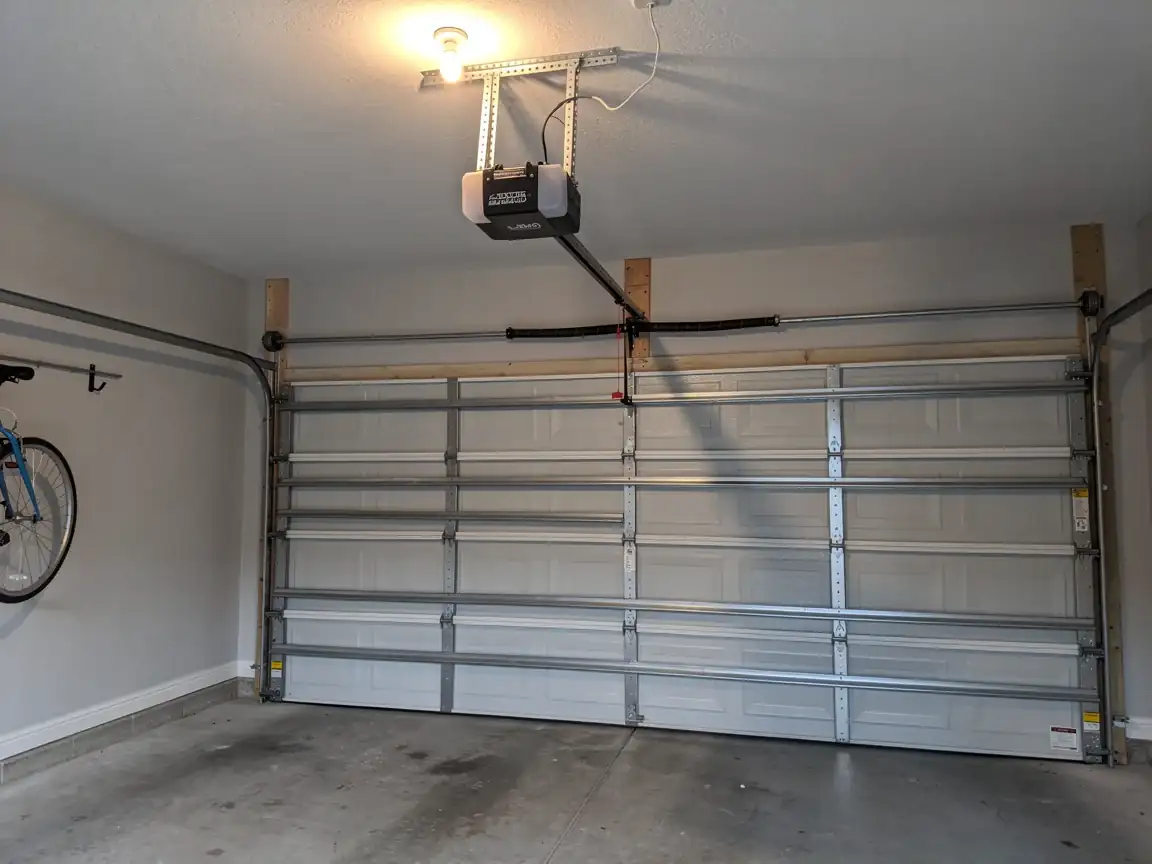
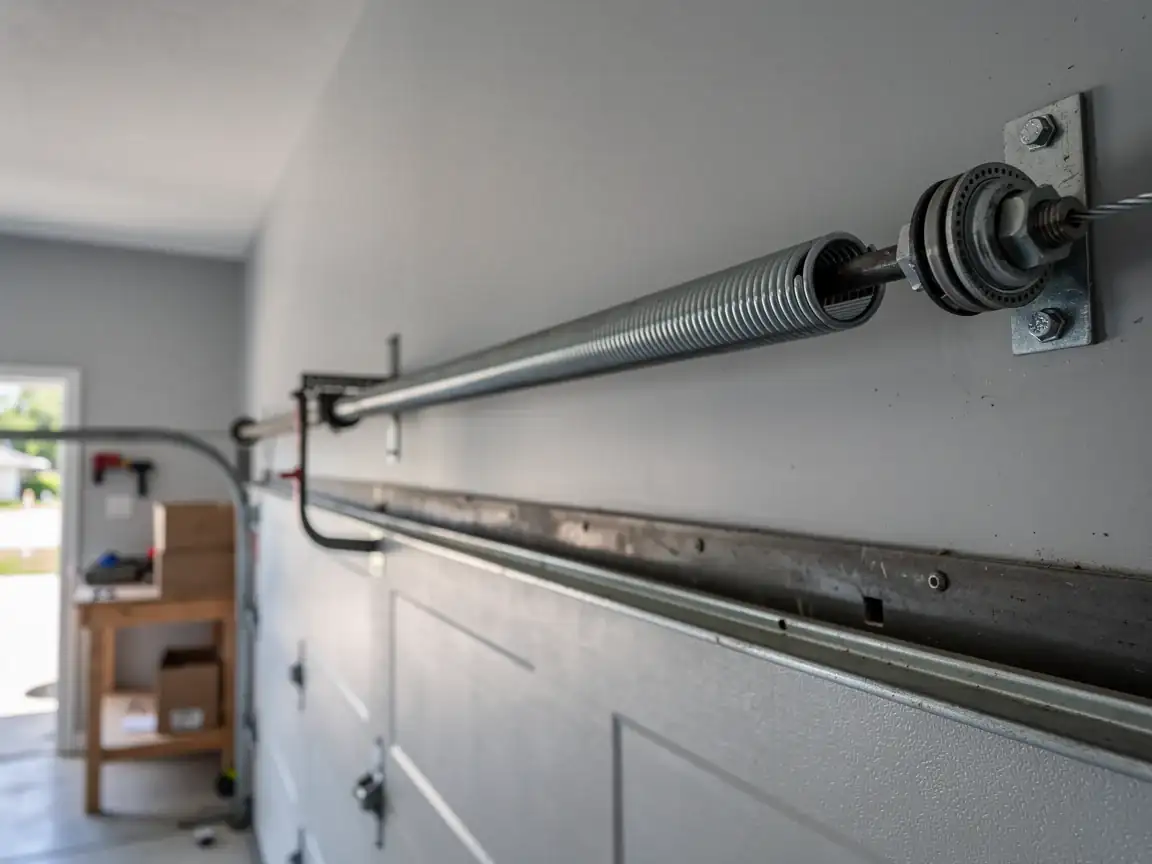
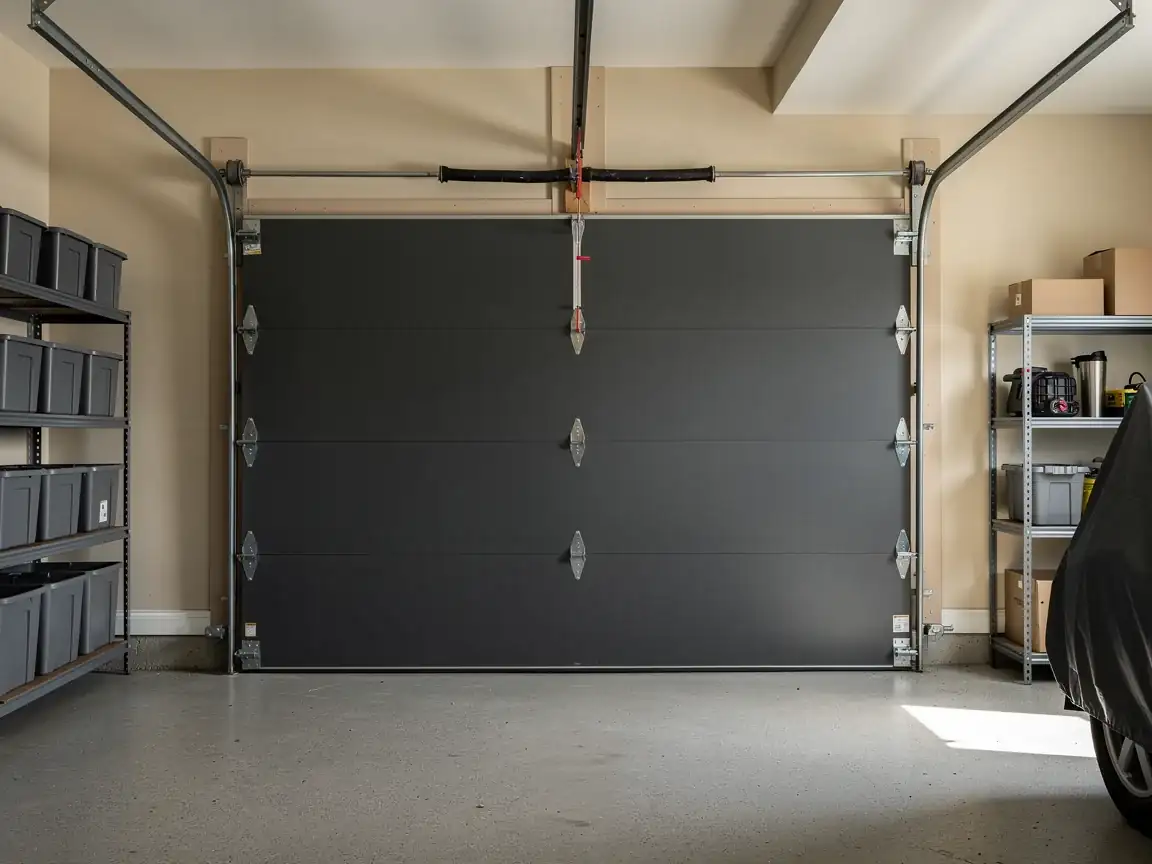
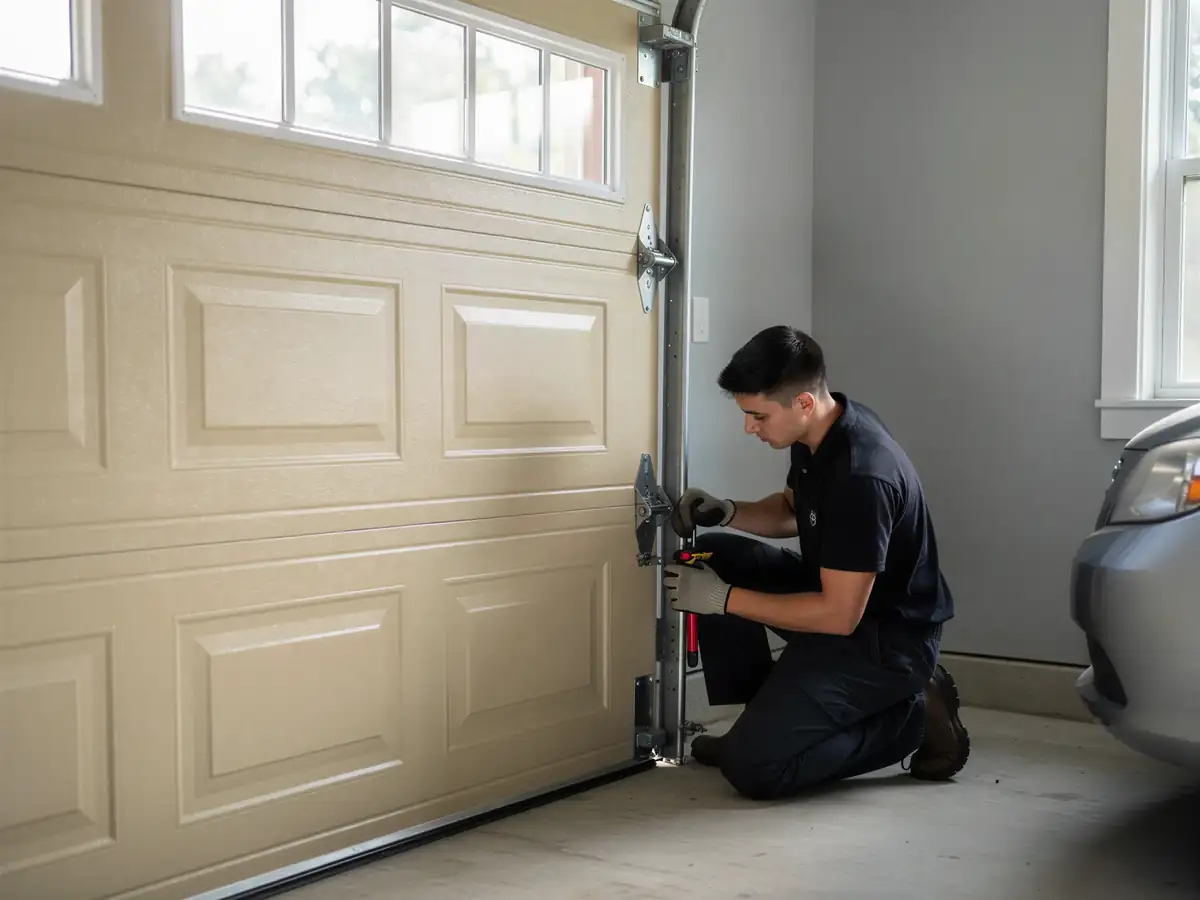
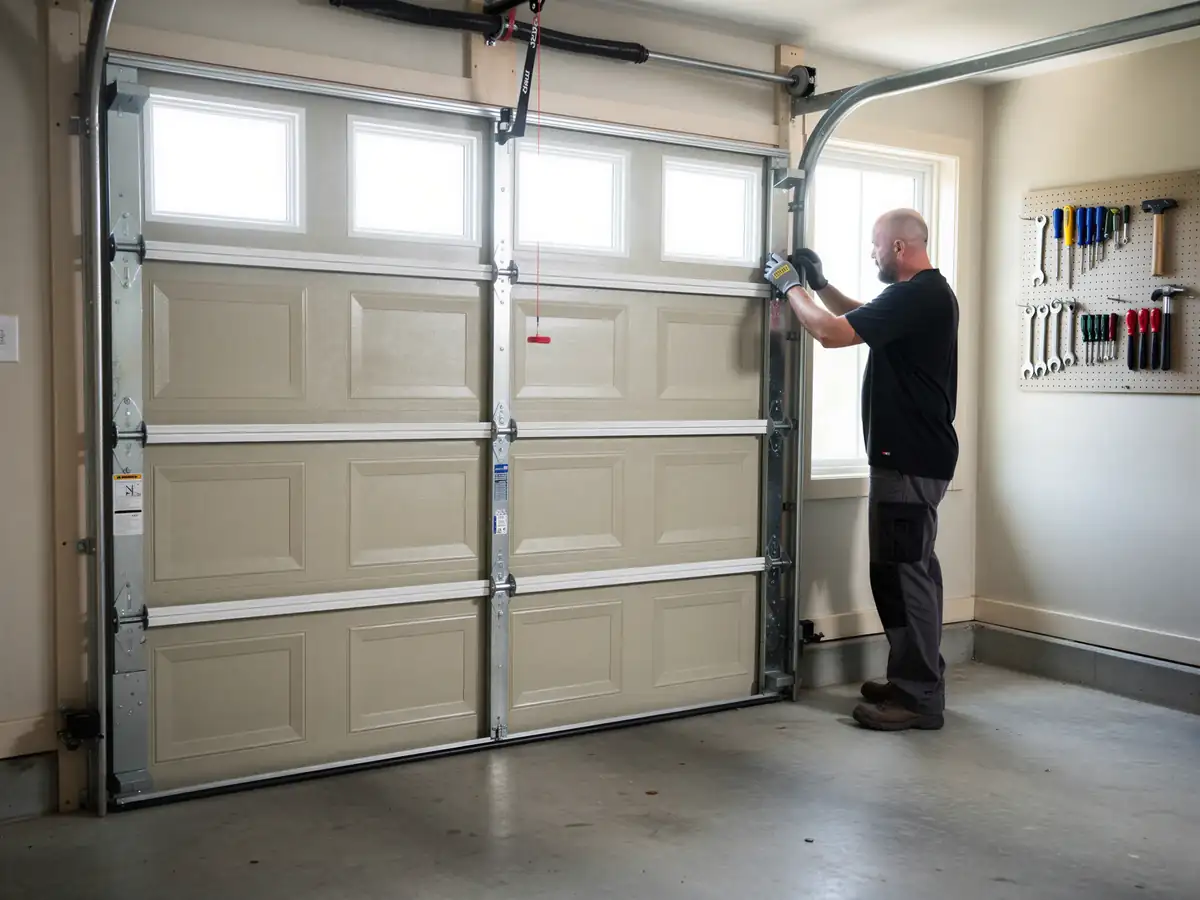
You can check for roller wear yourself without taking anything apart: open the door partway and look at the rollers where they sit in the track. Flat spots, visible rust on the stem, or a roller that looks egg-shaped instead of round all mean it's time. You can also tell a lot by sound - a worn roller makes a distinct knock, not a smooth rumble. What we don't recommend doing yourself is the actual swap on the bottom two rollers nearest the cables, or anything on a door that's still under spring tension. Those bottom brackets are load-bearing and under cable tension even with the door down, and a mistake there can take a finger. Middle and top rollers on a door that's propped open and secured are a more reasonable DIY job for someone comfortable with hand tools, but if you're not sure the door is safely secured, it isn't worth the risk to save a parts markup. This isn't a complicated repair for us - it's a short one - but it's not nothing, either.