Where This Job Goes Sideways
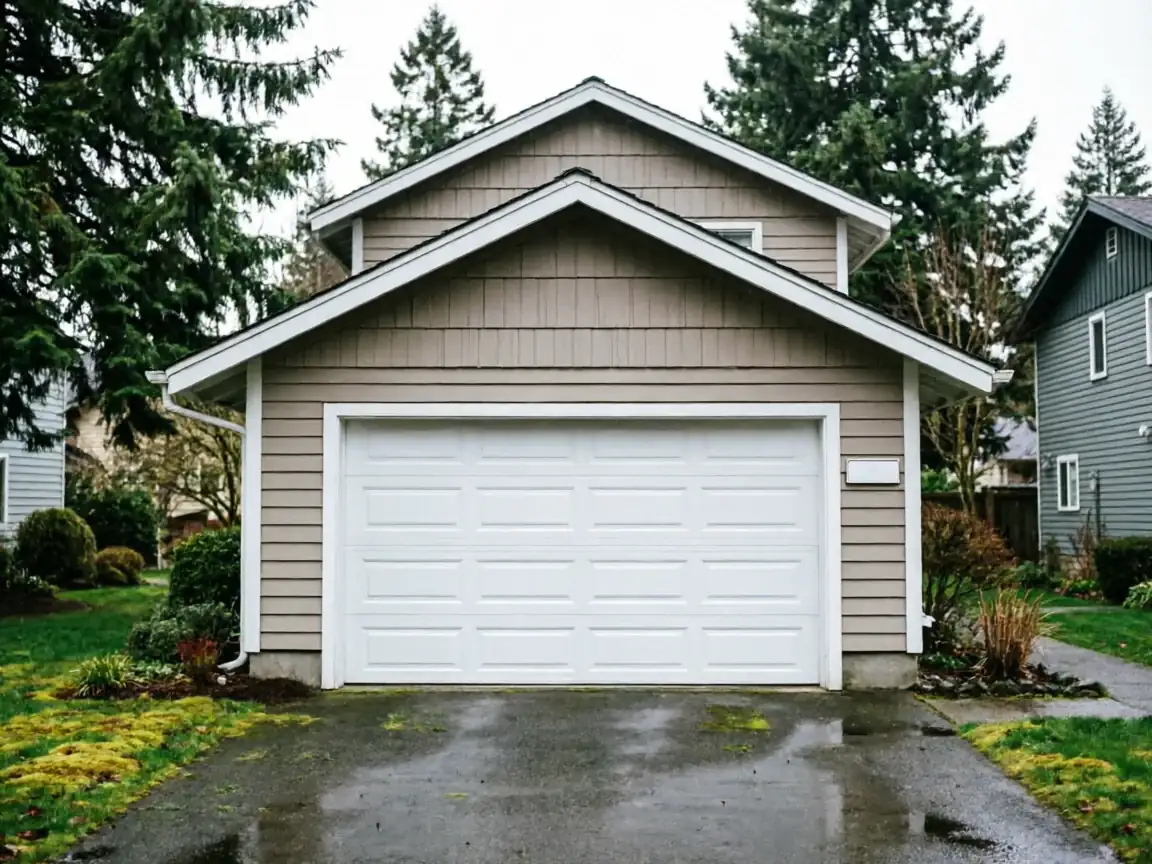
The typical garage in Lake Forest Park was built around 1968
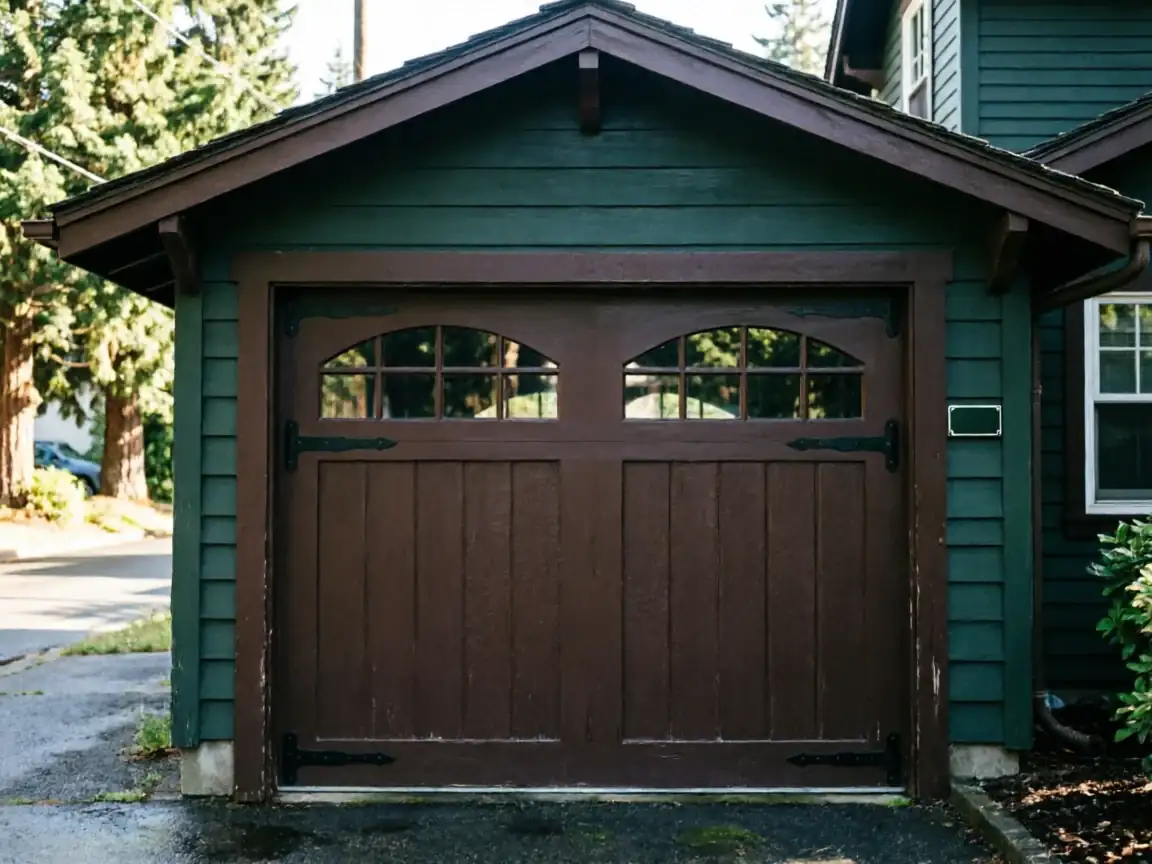
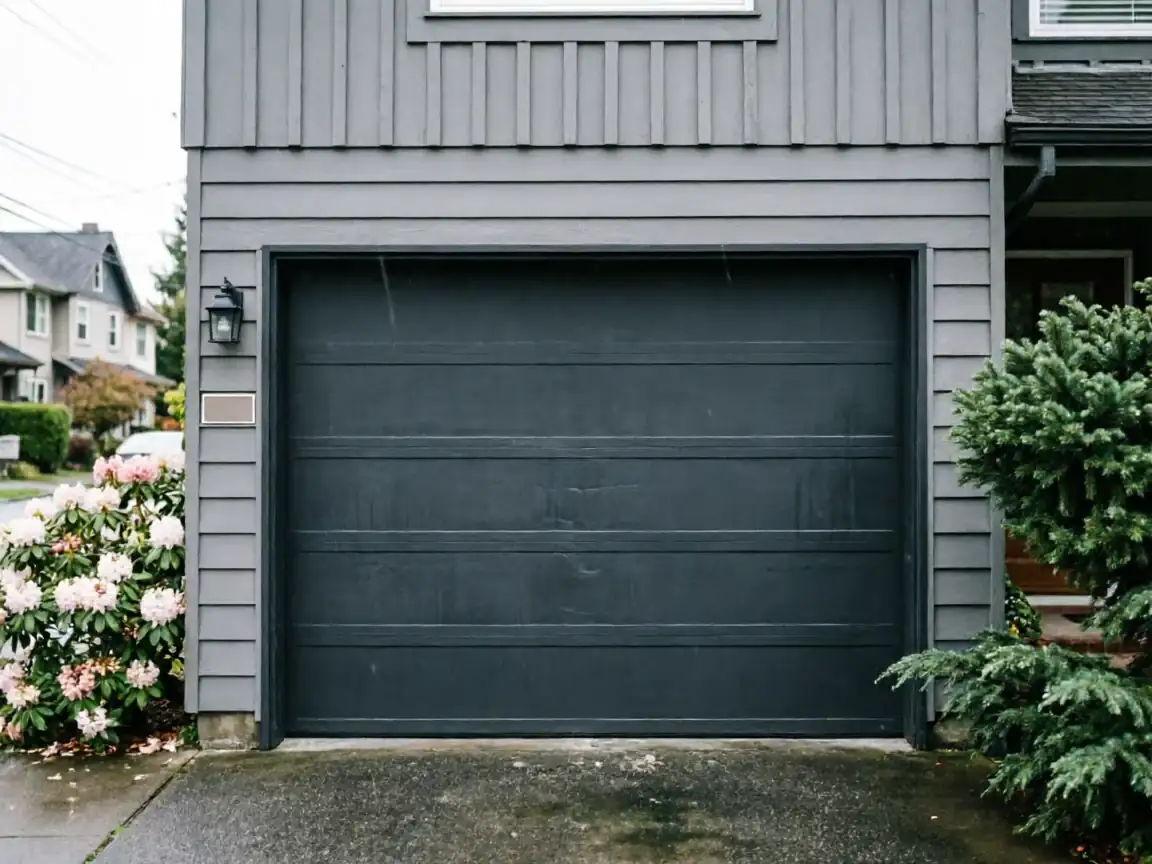
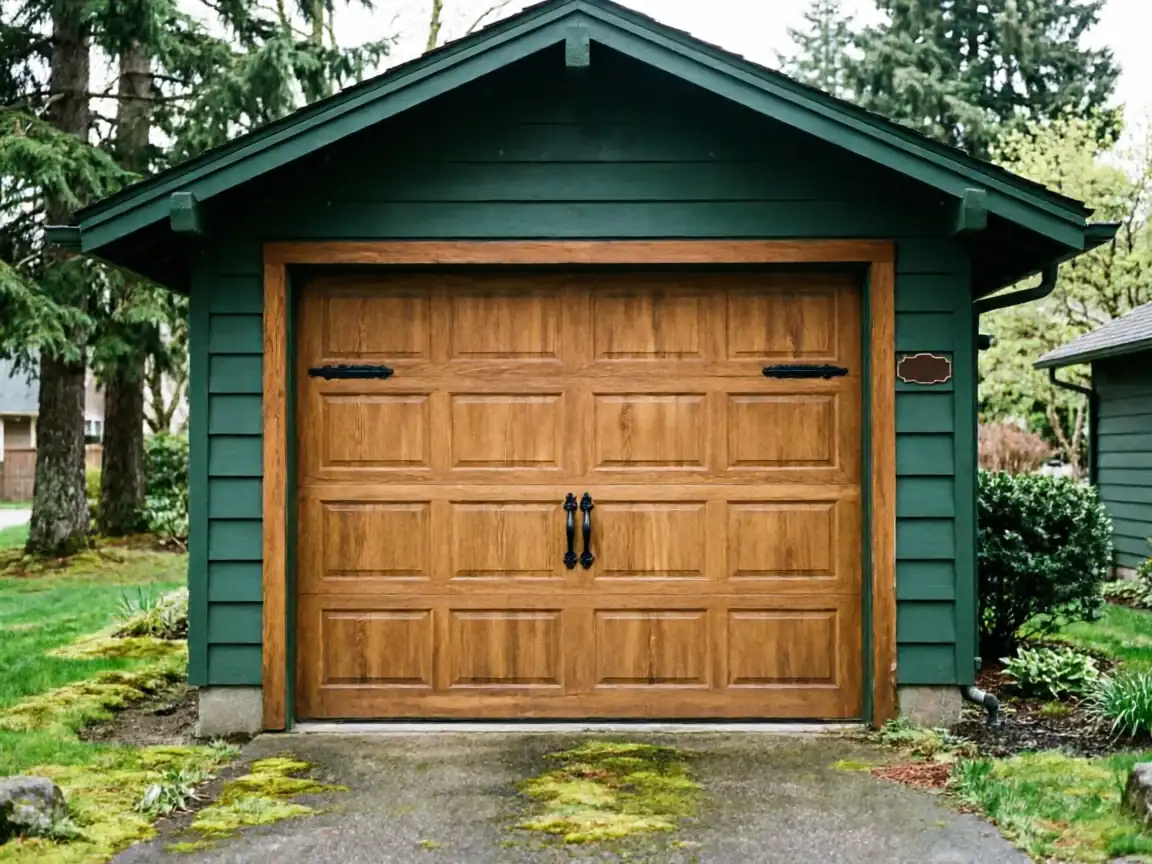
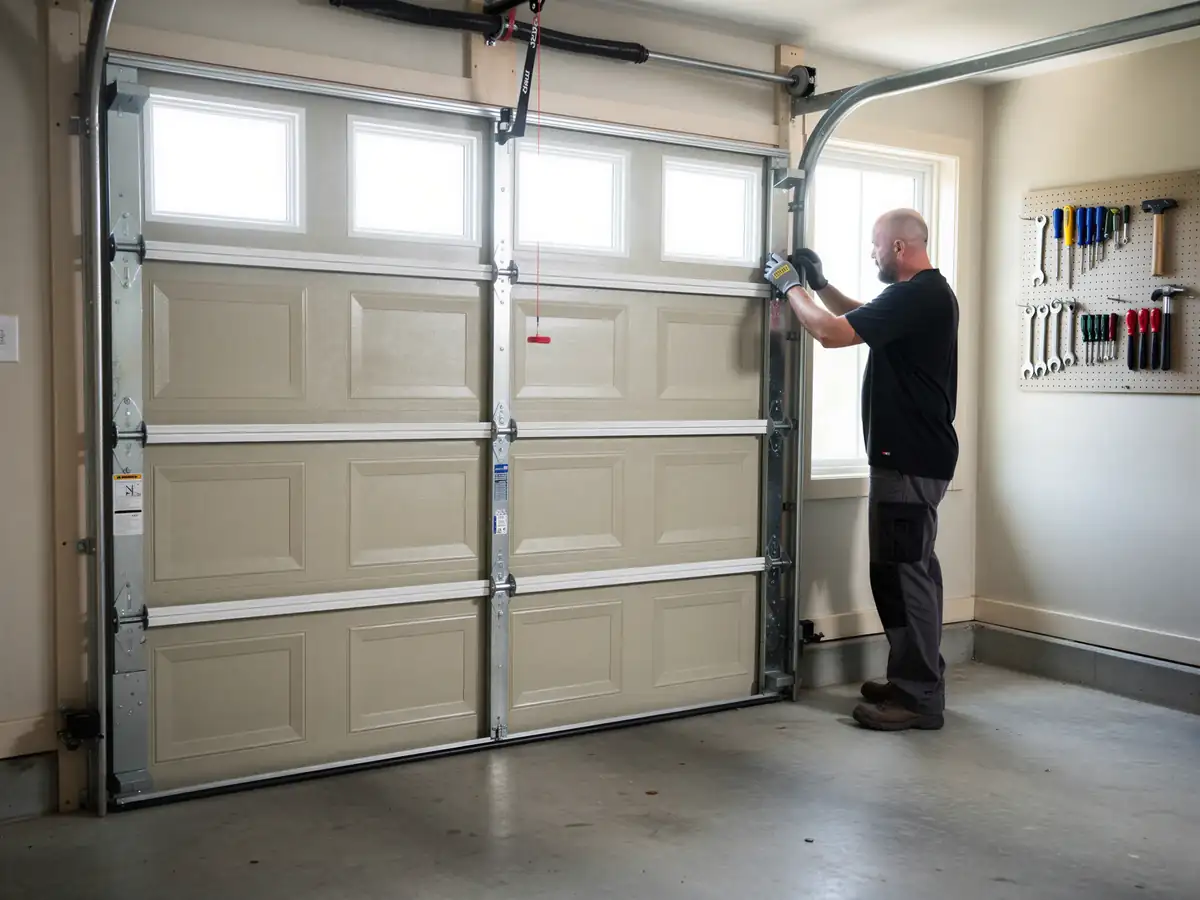
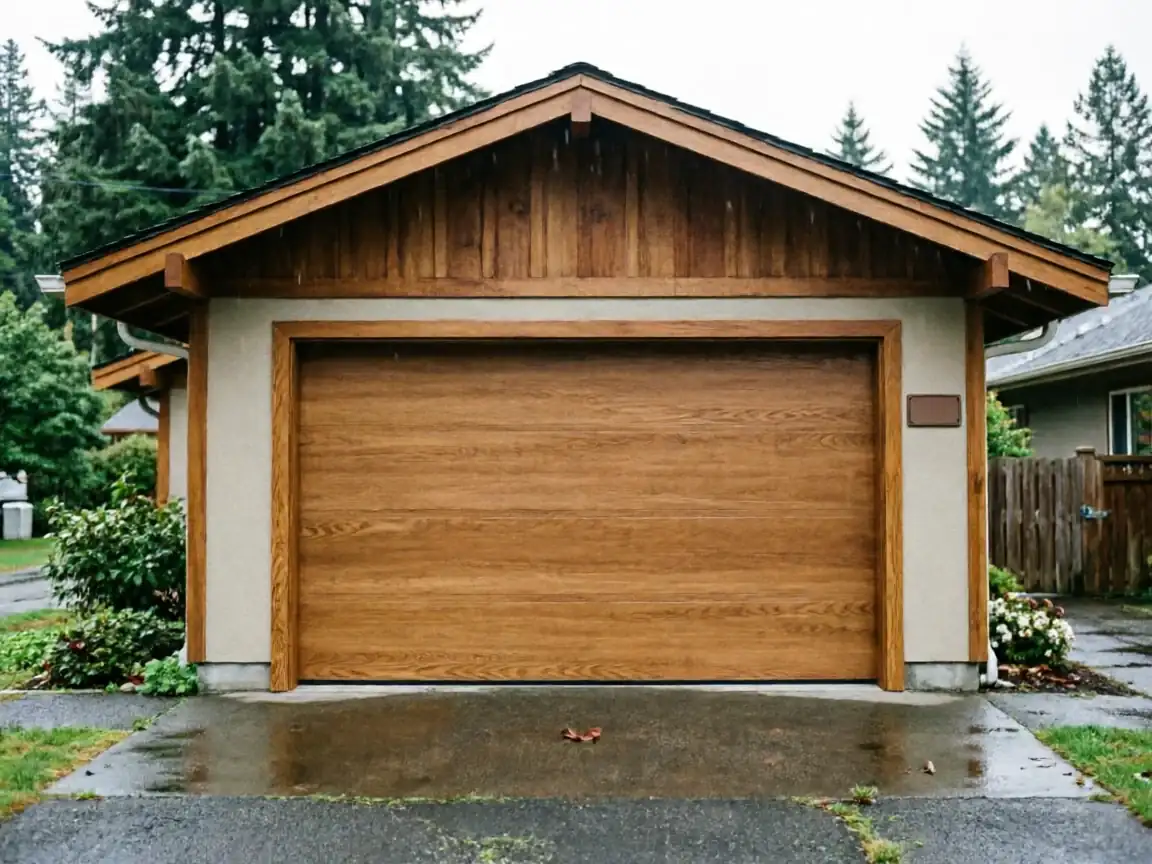
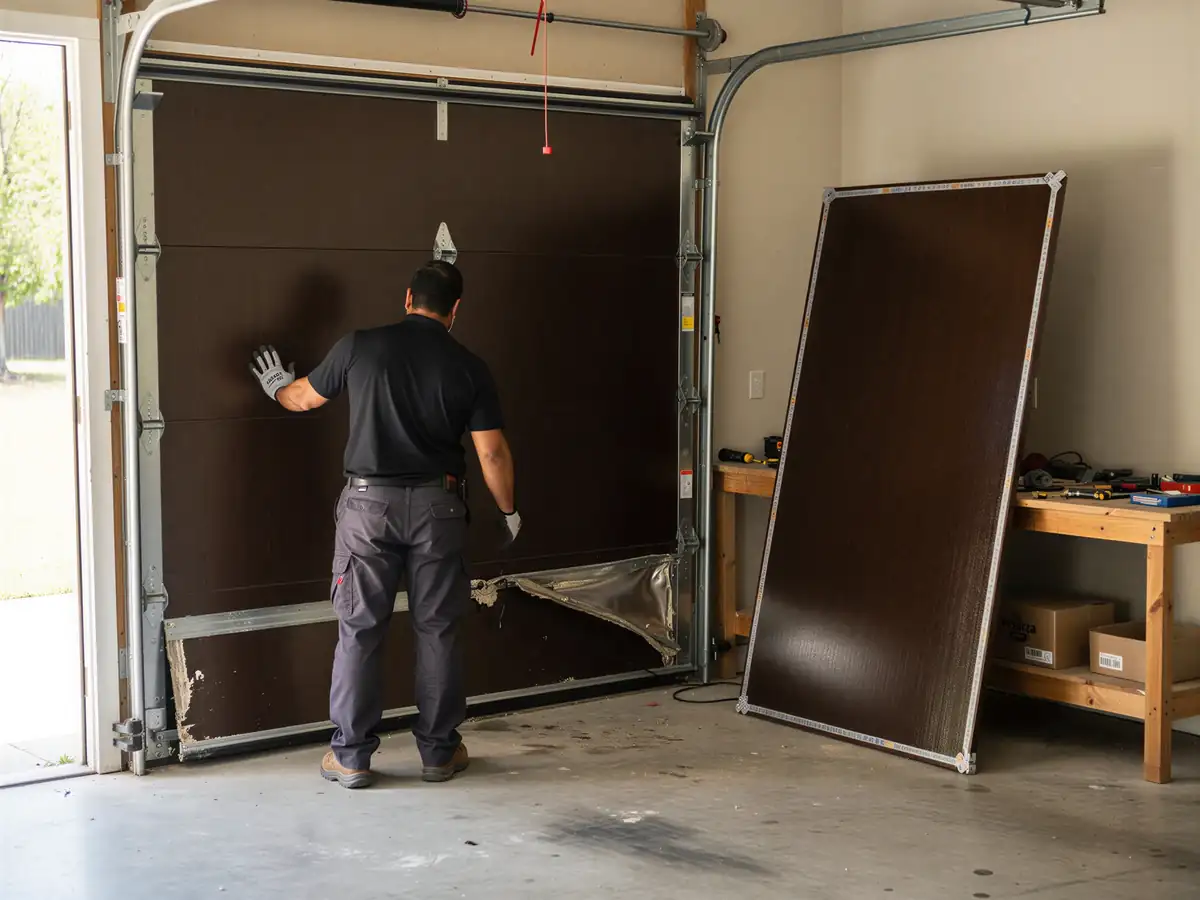
Which puts it ahead of most of the rest of our service area, where the median build year runs closer to 1989. That gap matters because of what it means for the door itself. A lot of these garages still carry their original wood door - solid panel or hollow-core, heavy, single layer, no foam core behind the skin. Steel sectional doors with insulation didn't become the standard build-out choice until later, so if nobody's swapped the door since the house went up, you're looking at real lumber, not a steel shell.
That weight changes where the job goes sideways
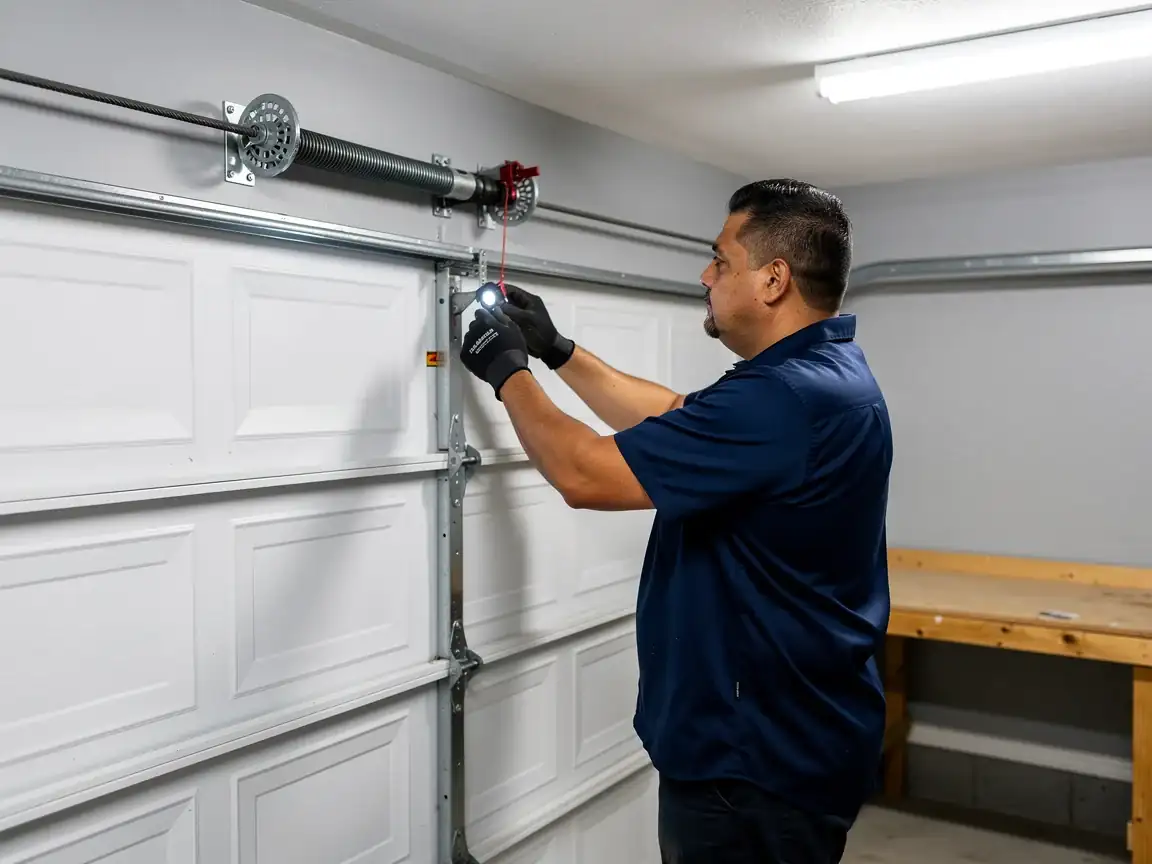
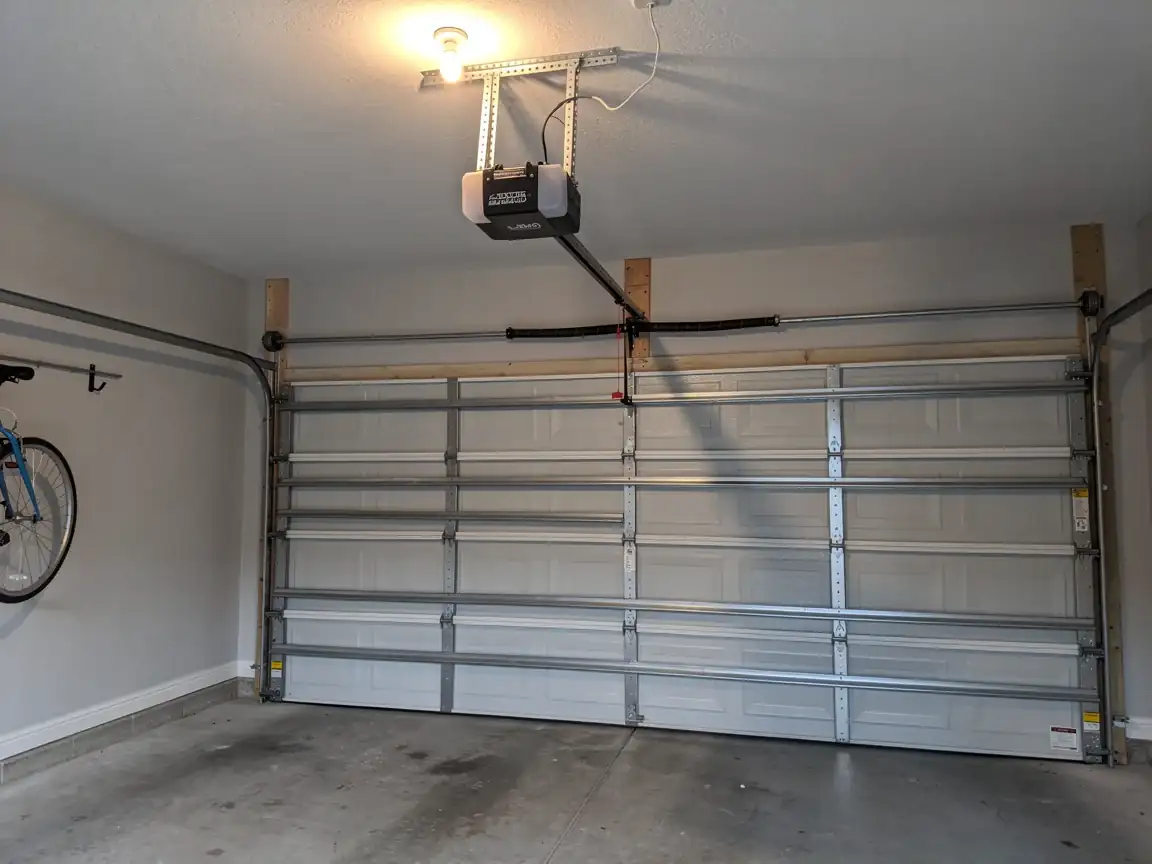
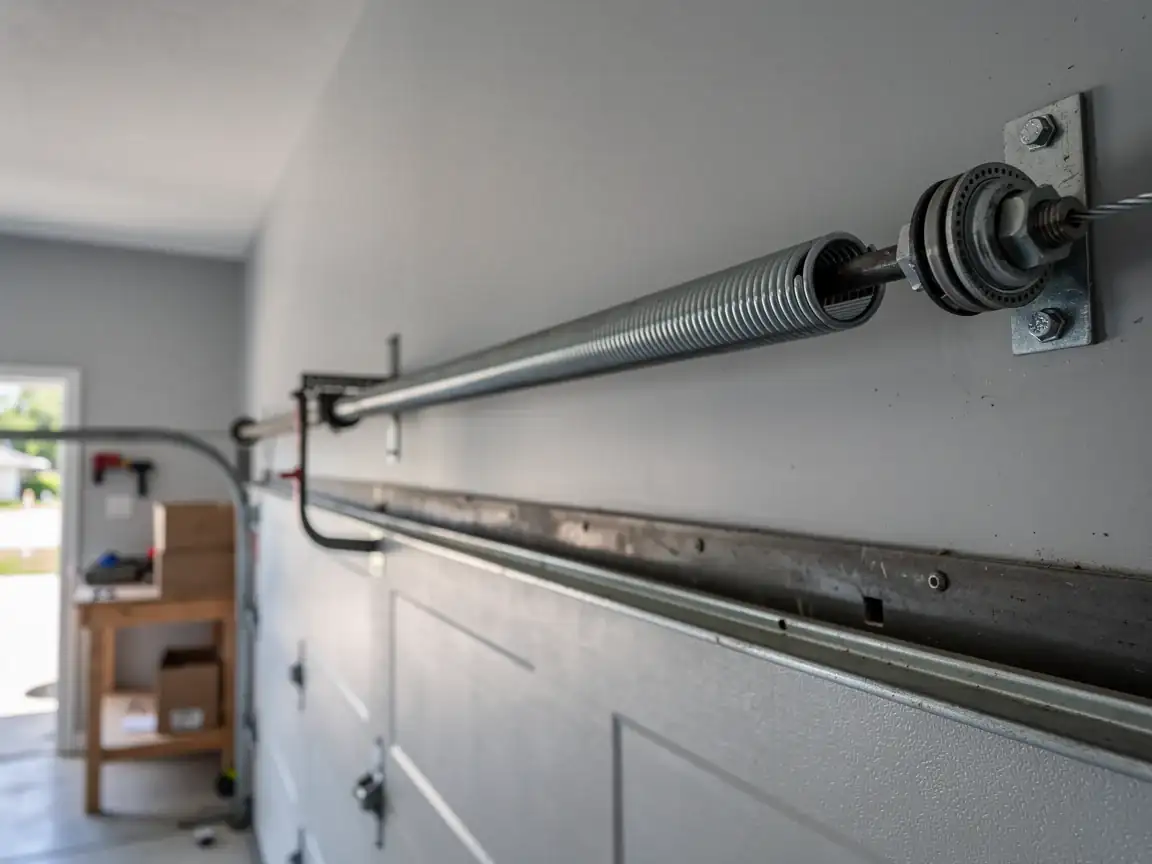
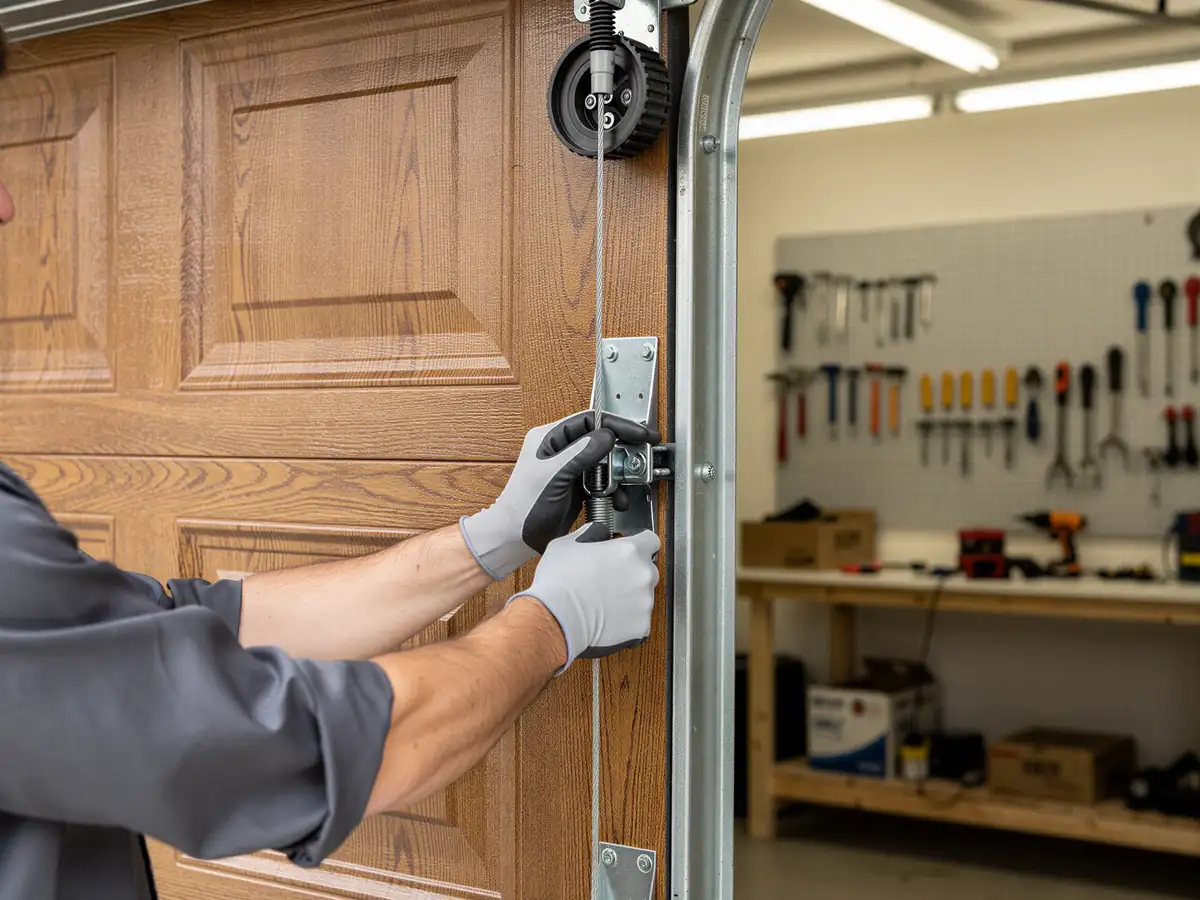
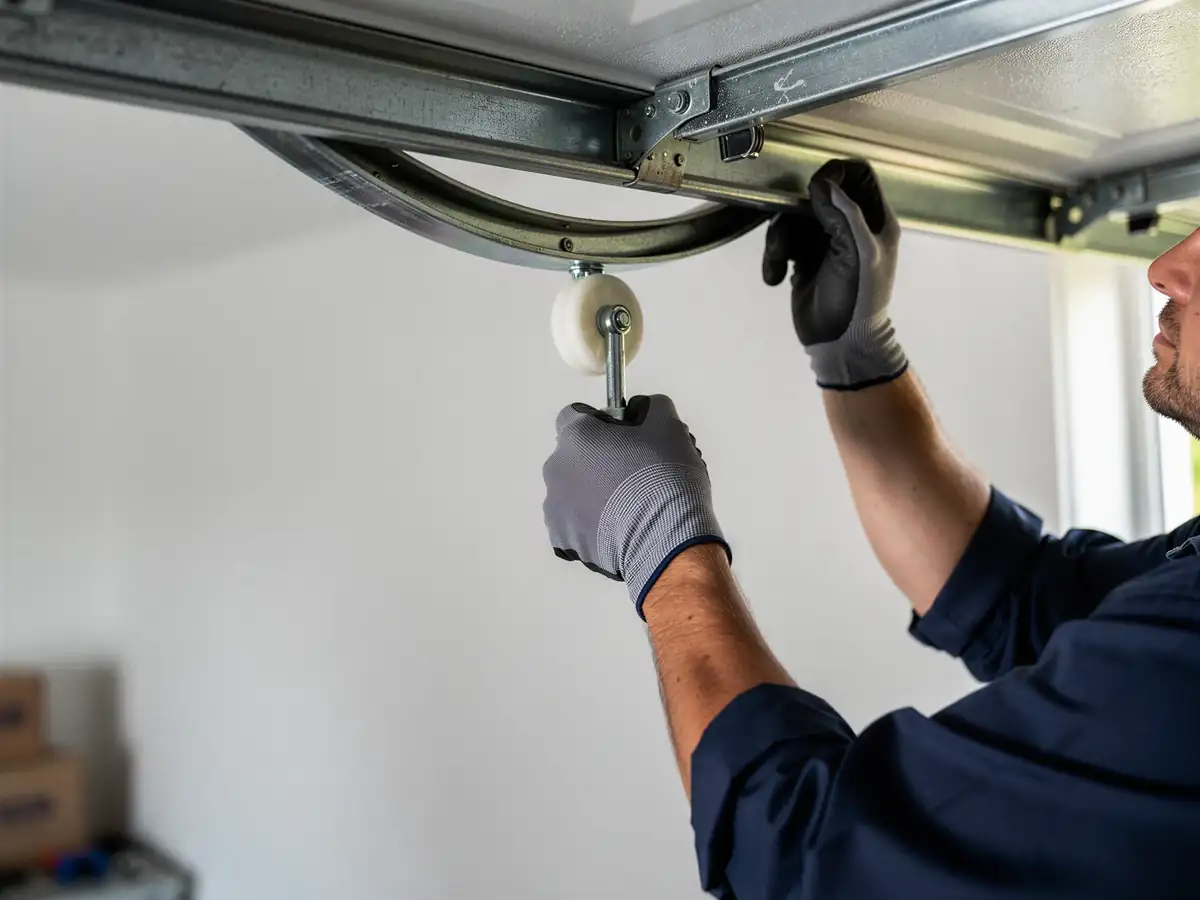
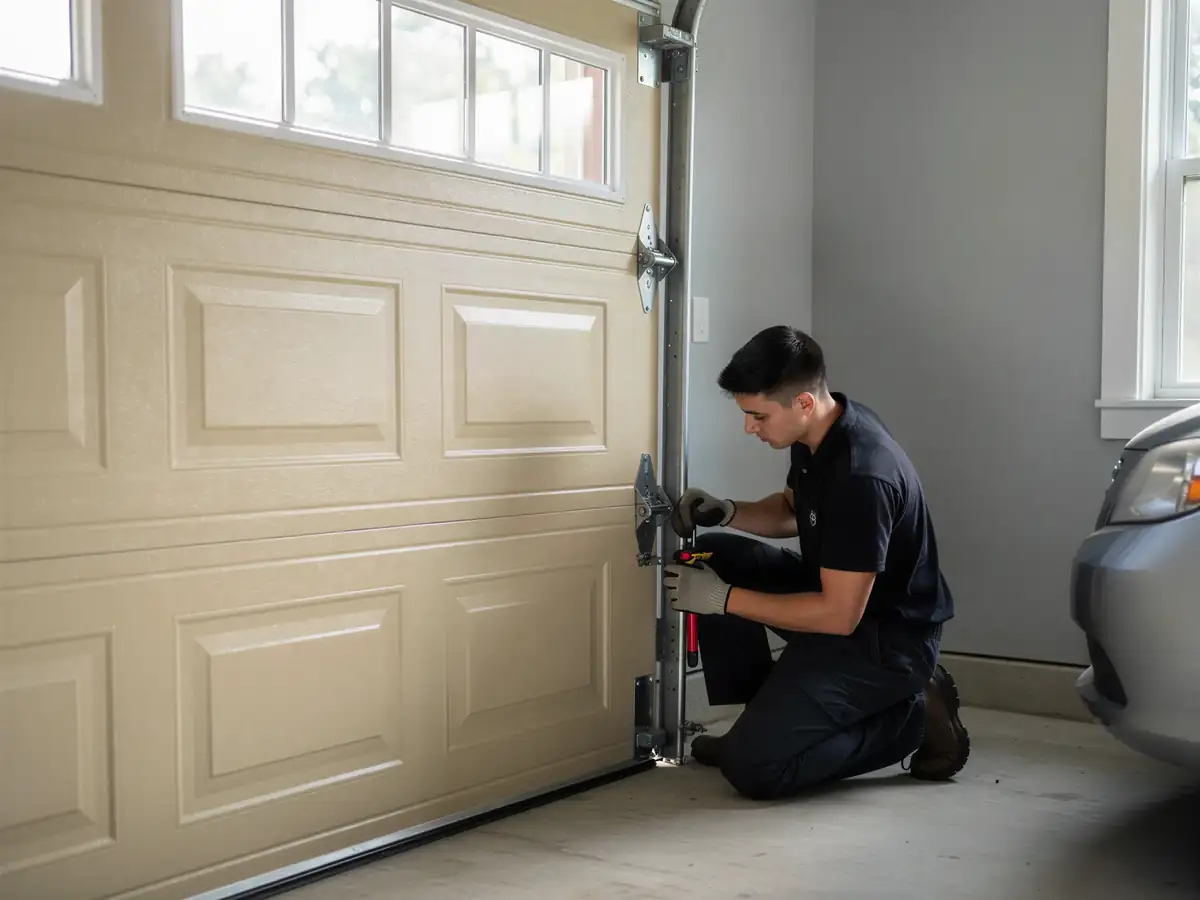
A wood door this age is usually still running on extension springs mounted along the horizontal track rather than a torsion bar over the opening, because that was the common setup when these houses went up. Extension spring cables fray and the pulleys wear oval instead of round, and nobody notices until a cable lets go and one corner of the door drops. On a steel door that's a bent track. On a 1968 wood door at this weight, it's usually a cracked stile or a torn hinge mount, because the wood has had fifty-plus years to dry out and the screws don't bite the way they used to.
Stocked Parts
We carry extension springs and the fittings that go with that older mounting style because enough of Lake Forest Park's housing still runs that hardware. Rollers, cables, and the pulley brackets that wear out around them are routine stock too. What we don't carry on the truck is a replacement wood panel cut to match a door from 1968 - that's a specialty order, and if your door needs a panel instead of a hardware fix, we'll tell you that up front rather than pretend we can match fifty-year-old lumber on the spot.
The cold-moderate climate here doesn't put the same strain on seals and weatherstrip that a harsher winter would, so we're not stocking against ice-related failures the way a shop further inland might. The wear pattern in this area is mechanical and age-related - springs, cables, hinges, the wood itself - more than it's weather-driven.
The DIY Question
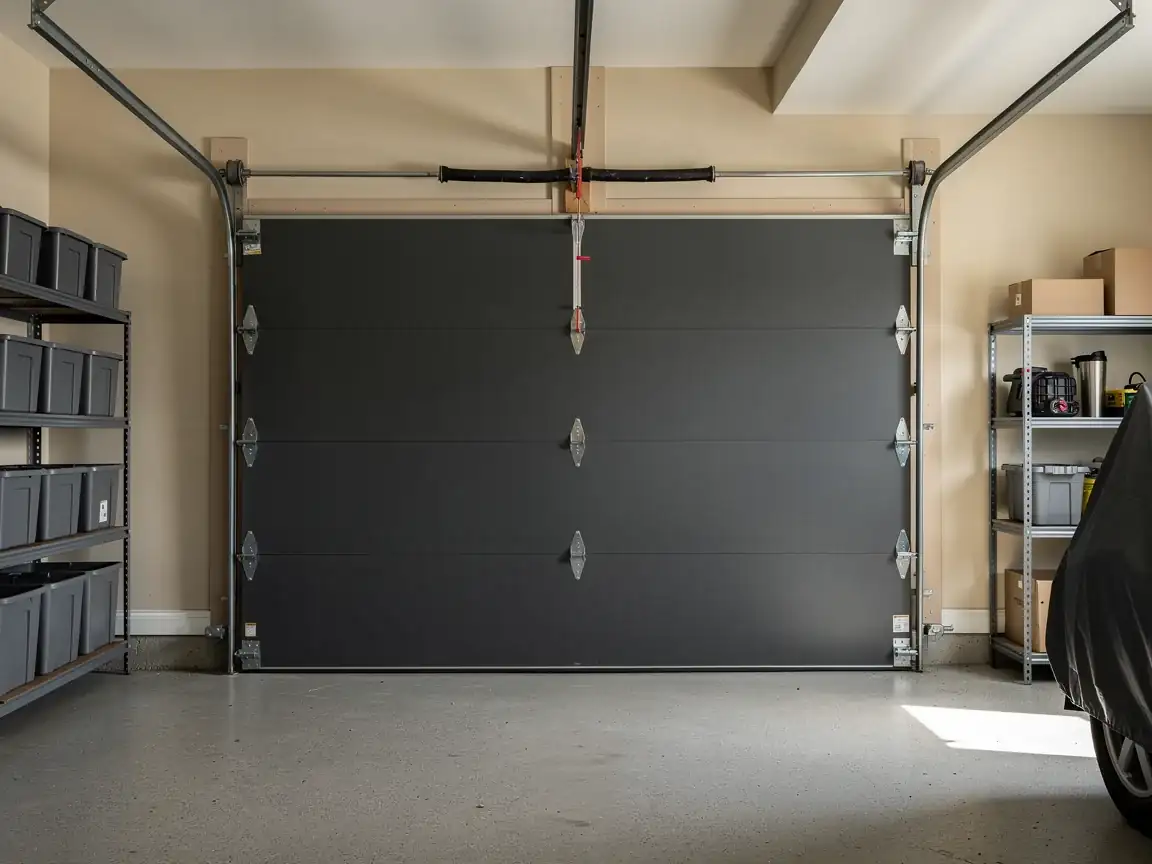
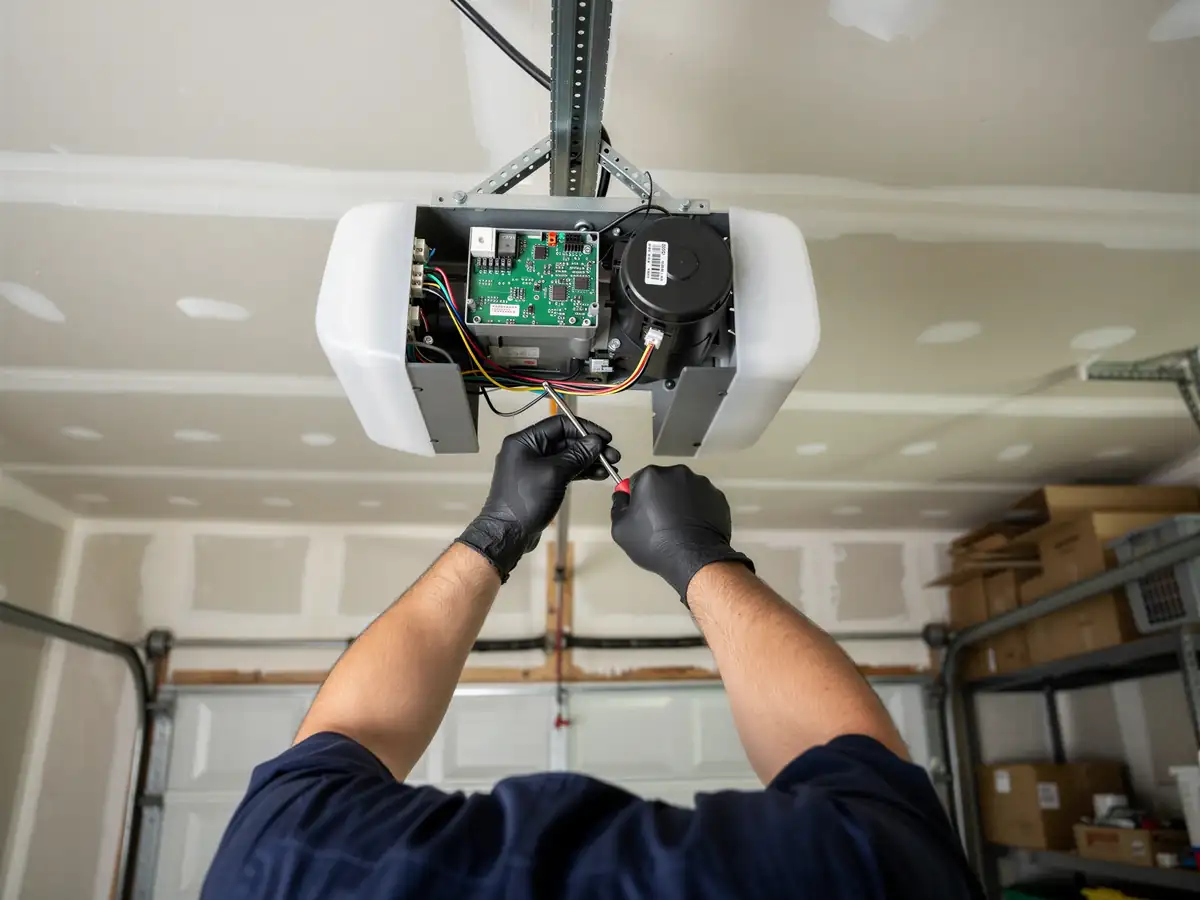
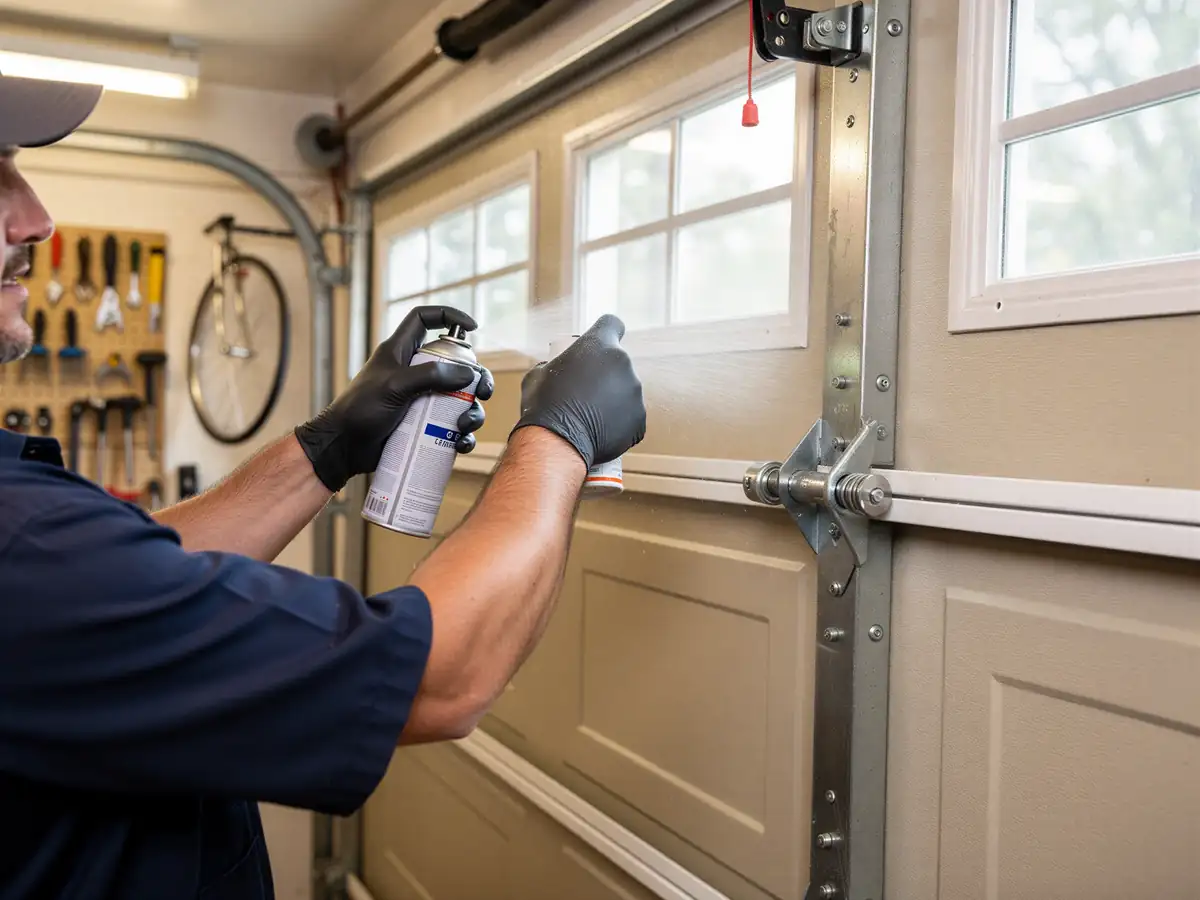
An extension spring under tension is the one thing on this type of door we'd ask you to leave alone. On a torsion bar system a seized spring is already dangerous; on the older cable-and-pulley extension setup common to a 1968 build, a failed component can whip the cable across the garage with enough force to do real damage. Replacing rollers or tightening a loose hinge plate is reasonable to tackle yourself if you're comfortable with hand tools.
Honest limitation: if the door is original wood and the stile has split at a hinge mount, that's past the point where a repair is worth doing. Patching cracked wood that's been drying out since 1968 usually fails again within a season, and at that point replacing the door costs less over time than a string of repair calls on the same crack.
Why It Happens Here
Lake Forest Park's 5,290 households sit in a pocket where the median income, around $158,868, runs well above the roughly $127,043 median across our wider coverage area
Which tells you something about the housing itself: these are established, higher-value properties that have been maintained, not torn down and rebuilt. That's part of why so many original 1968 doors are still in place instead of having been swapped for a big-box steel replacement decades ago. The owners kept the house in good shape and the door just kept working until it didn't.
- 5,290 households
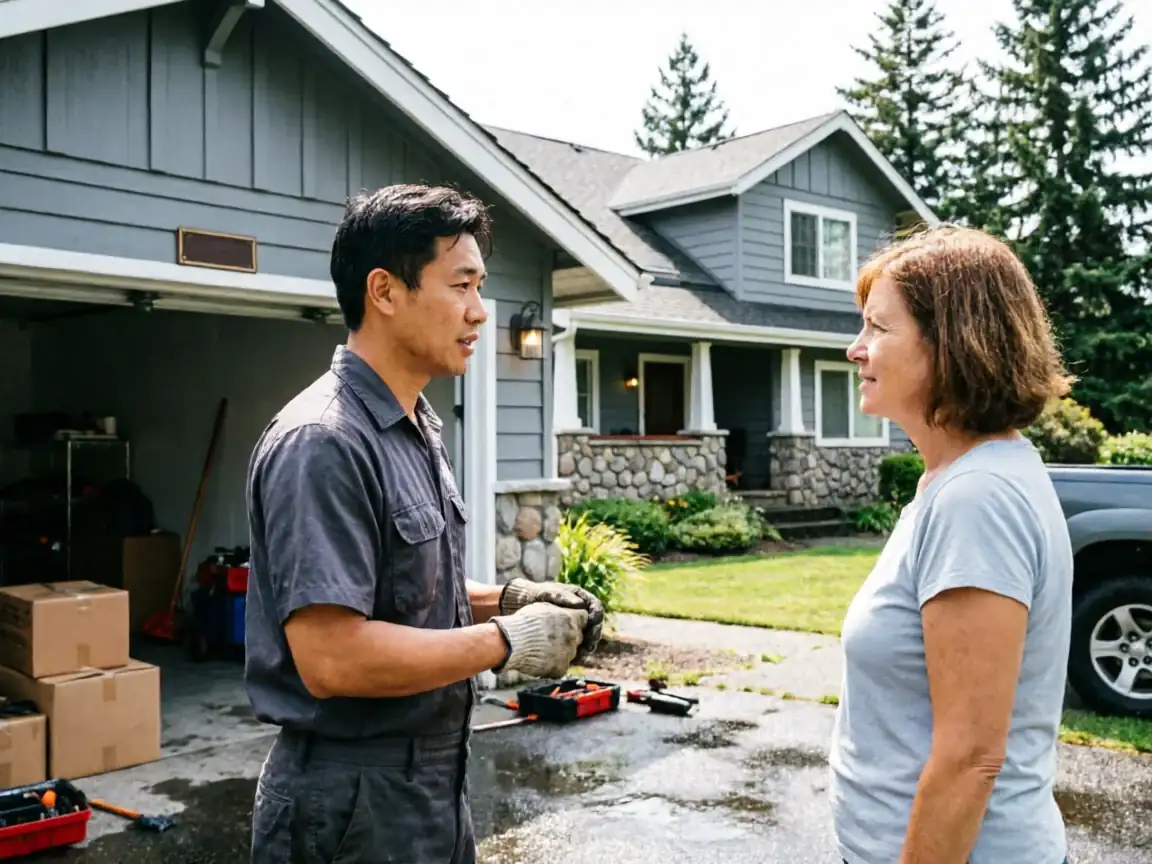
We cover Lake Forest Park from our base in Mill Creek, about 8 miles out, and that distance is short enough that it doesn't change how we price or schedule a job
It just means the truck's coming from Mill Creek, not from a depot in town.
- 8 miles