Where This Job Goes Sideways
Cottage Lake is a smaller pocket than a lot of the areas we cover out of Mill Creek
Around 7,876 households, which is a fraction of the roughly 81,984 households spread across the whole service territory. That matters for cable work because a smaller, less-dense area like this tends to have more original garage doors still in service rather than doors that got swapped out during a remodel wave. Fewer doors means fewer cables have been touched since they were installed, and a cable nobody has looked at in three decades is exactly the kind that lets go without warning.
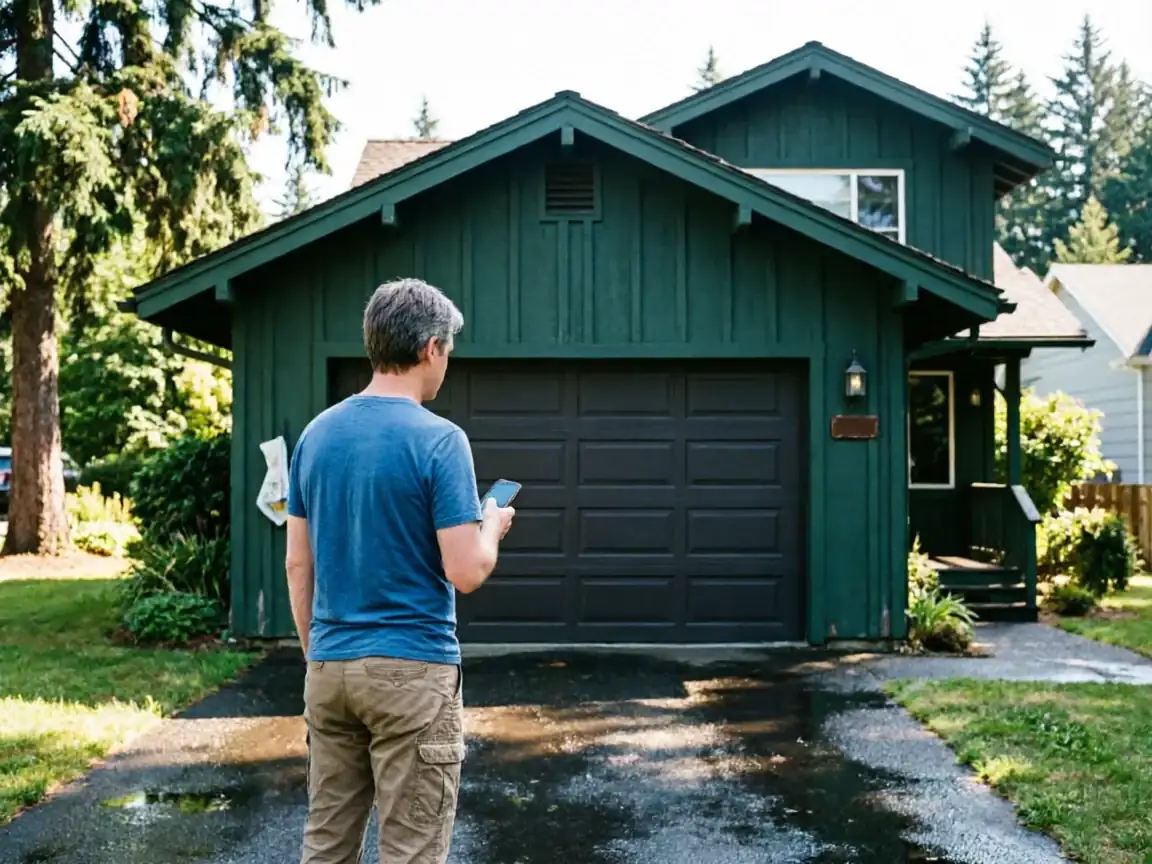
Where it goes sideways is when a homeowner hears a loud bang, sees the door hanging crooked on one side
And tries to force it up anyway. A snapped cable on one side leaves the other side still under spring tension, and forcing the door can bend the track or rack the panel. We've seen that compound a fifteen-minute cable job into a track-and-panel job. The fix at that point costs more and takes longer than the cable would have alone.
What You Are Seeing
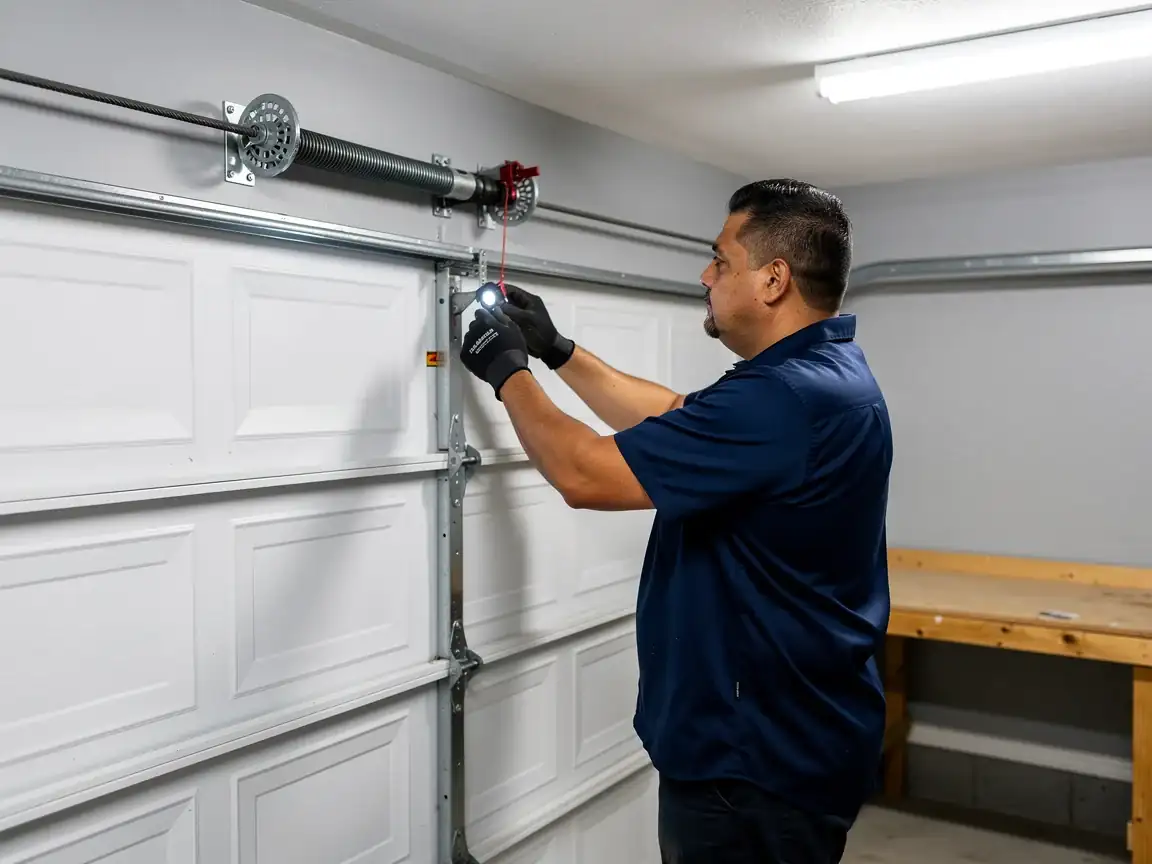
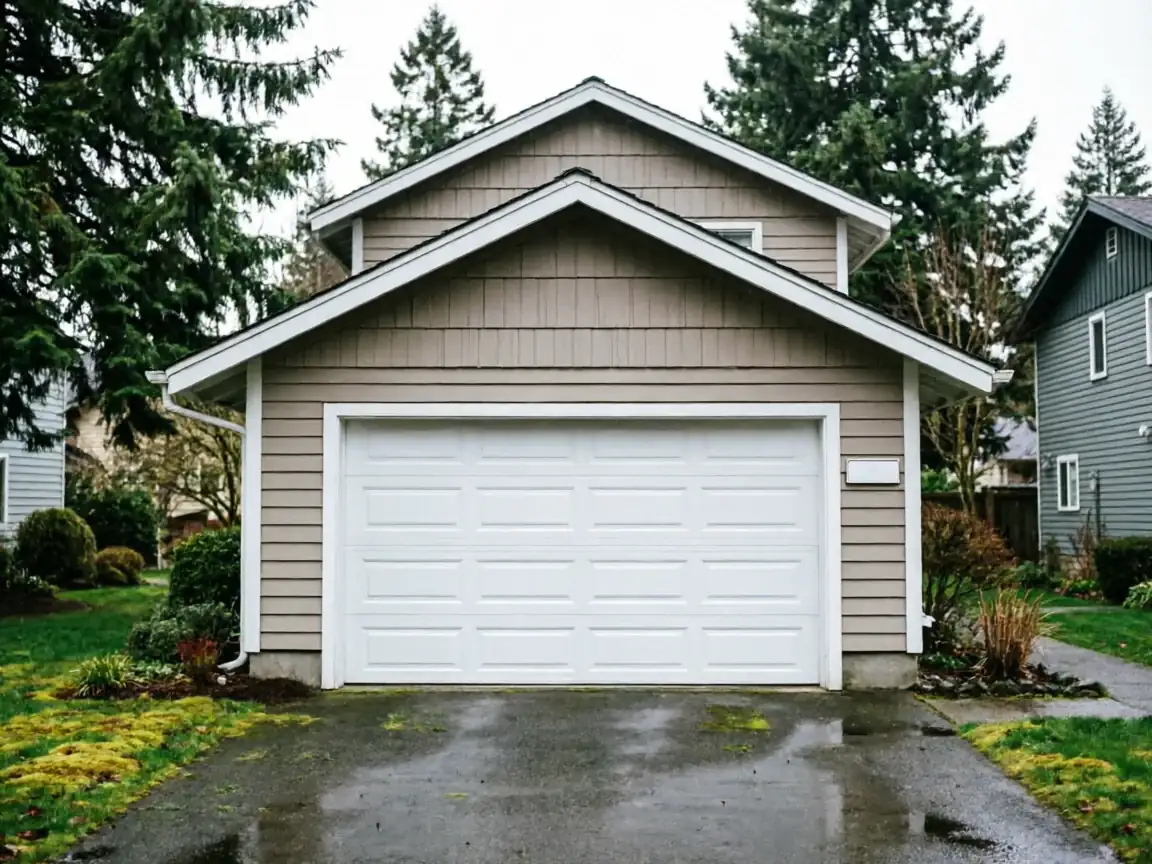
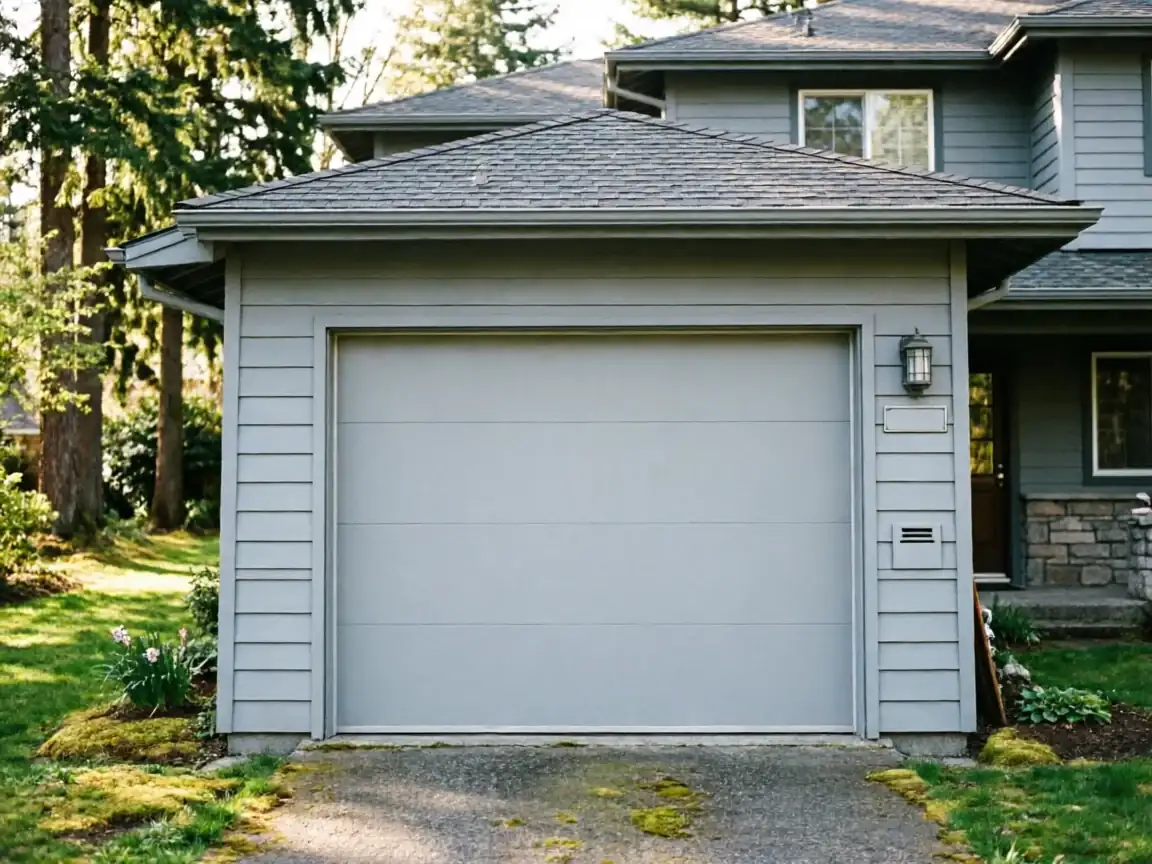
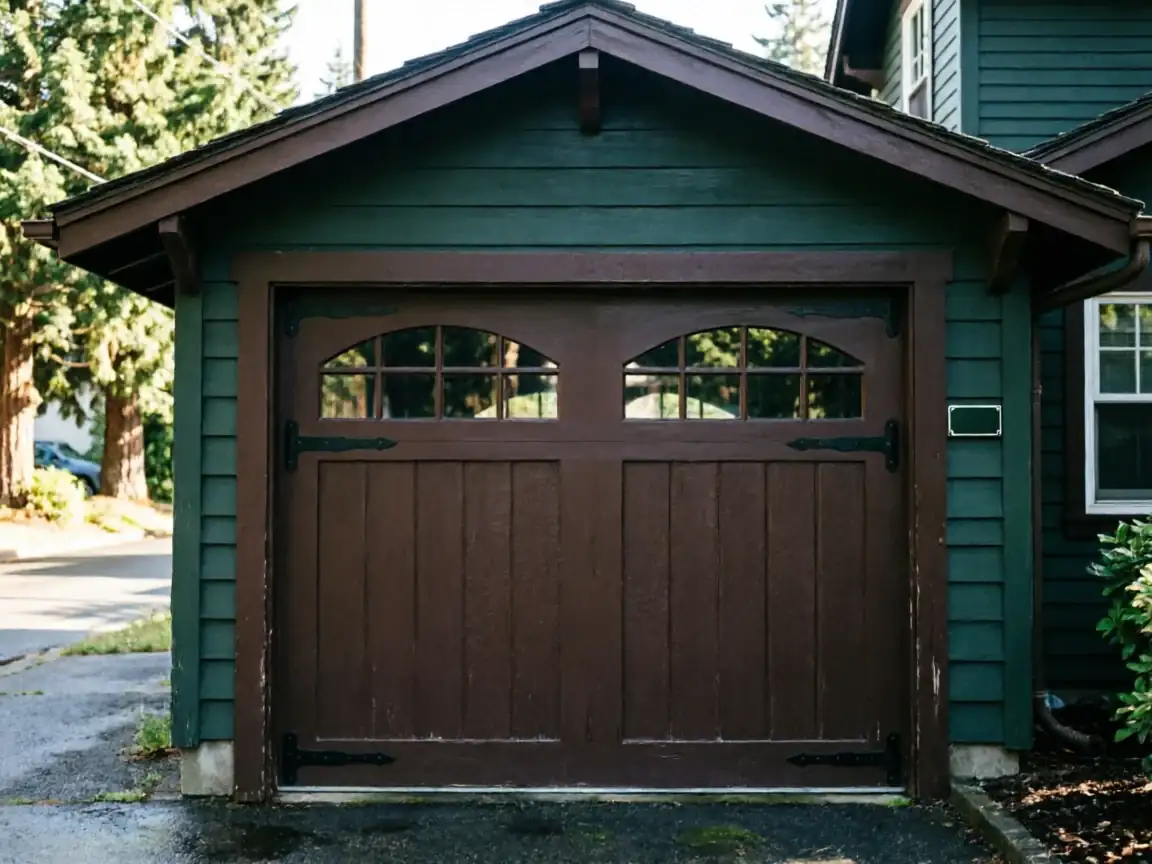
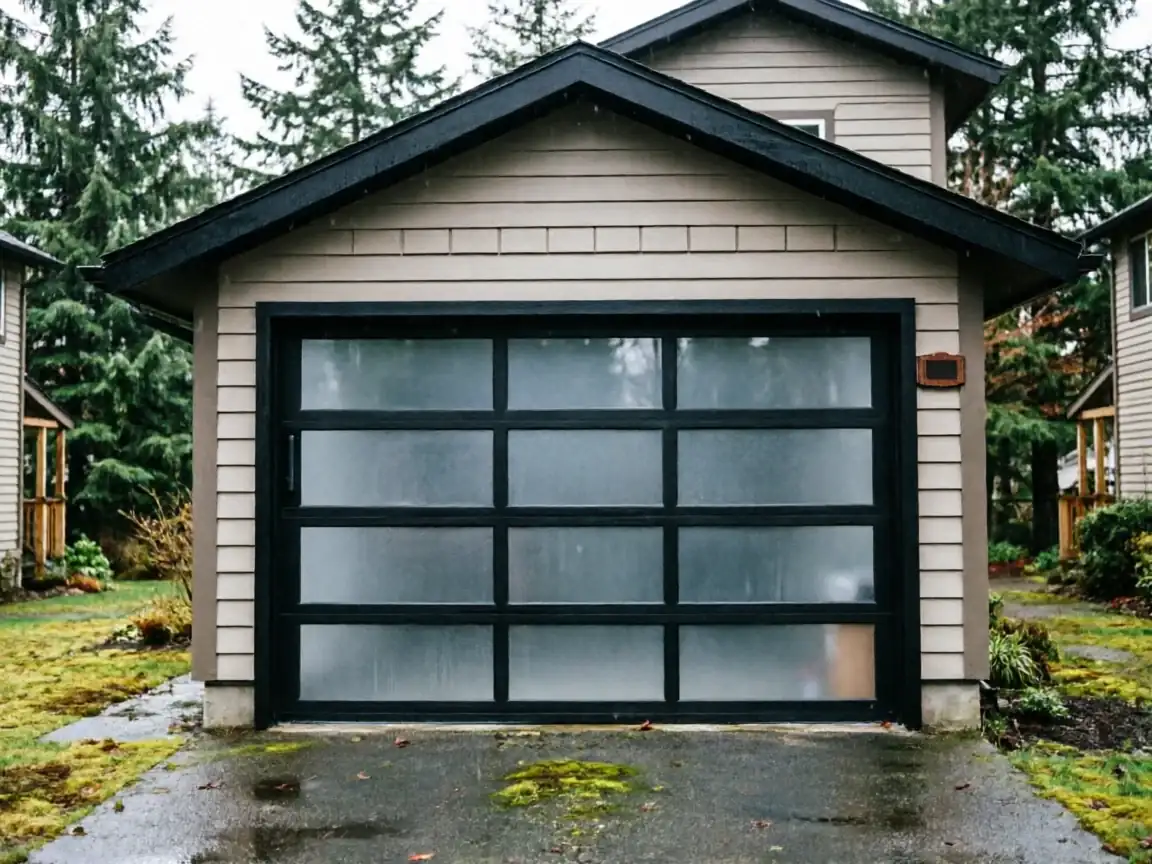
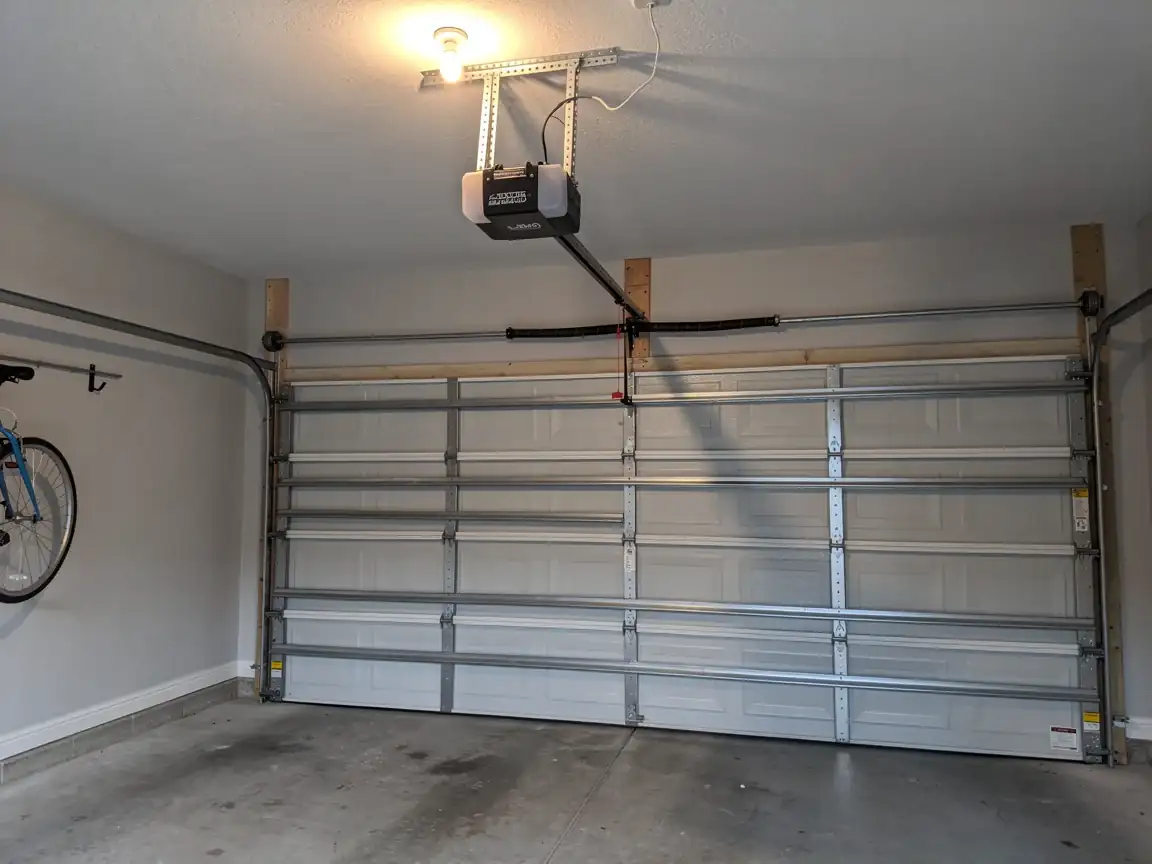
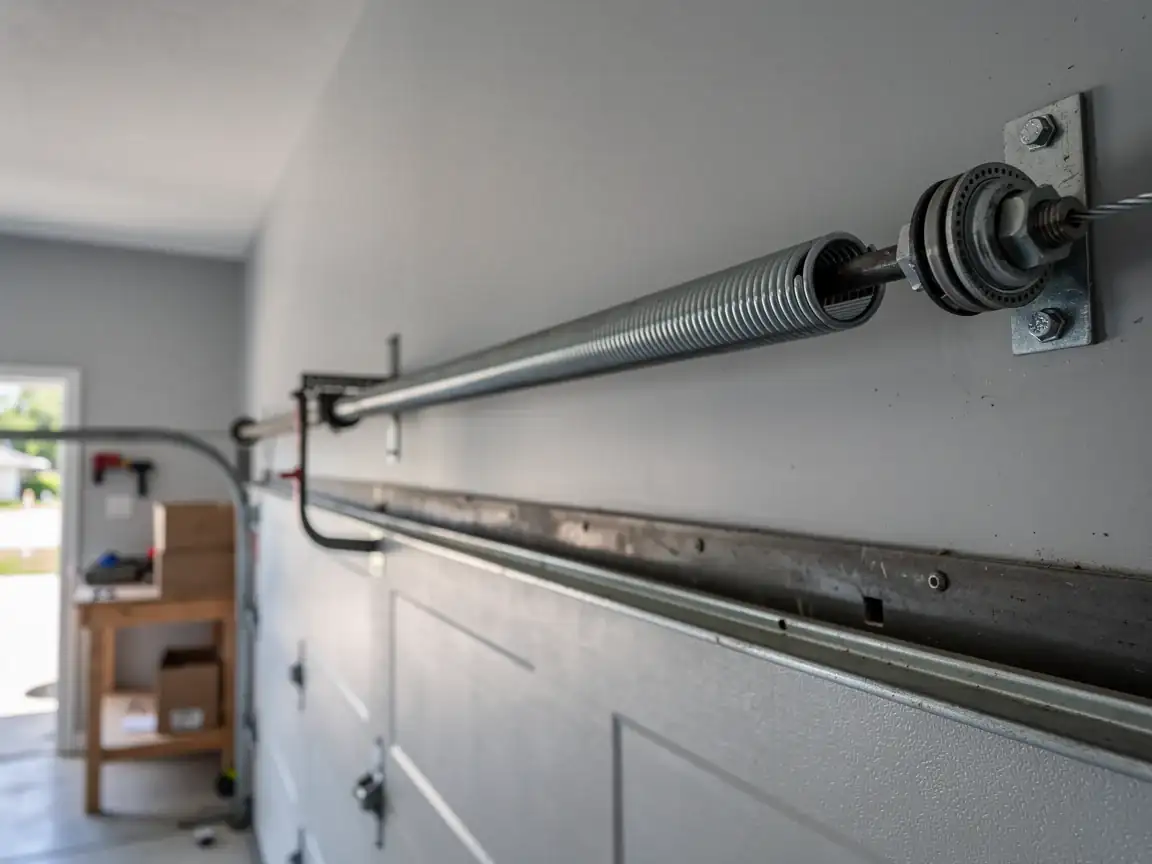
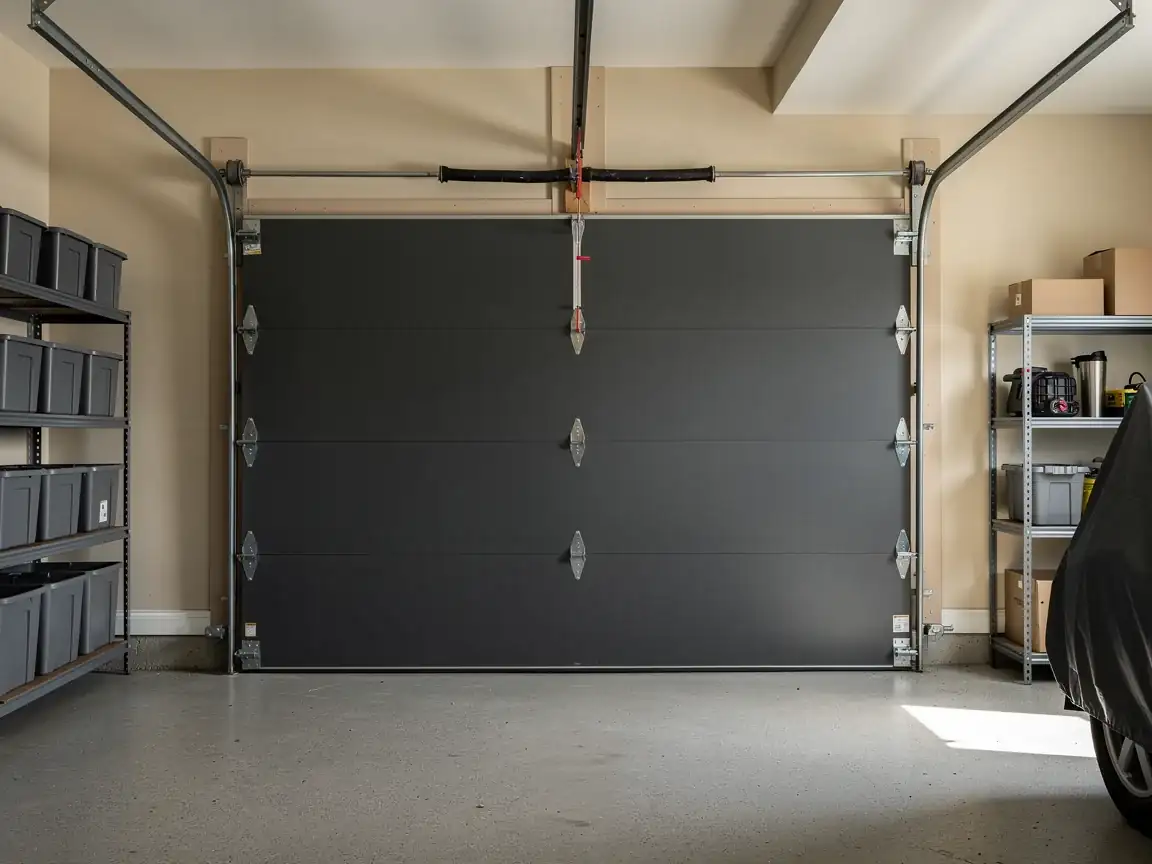
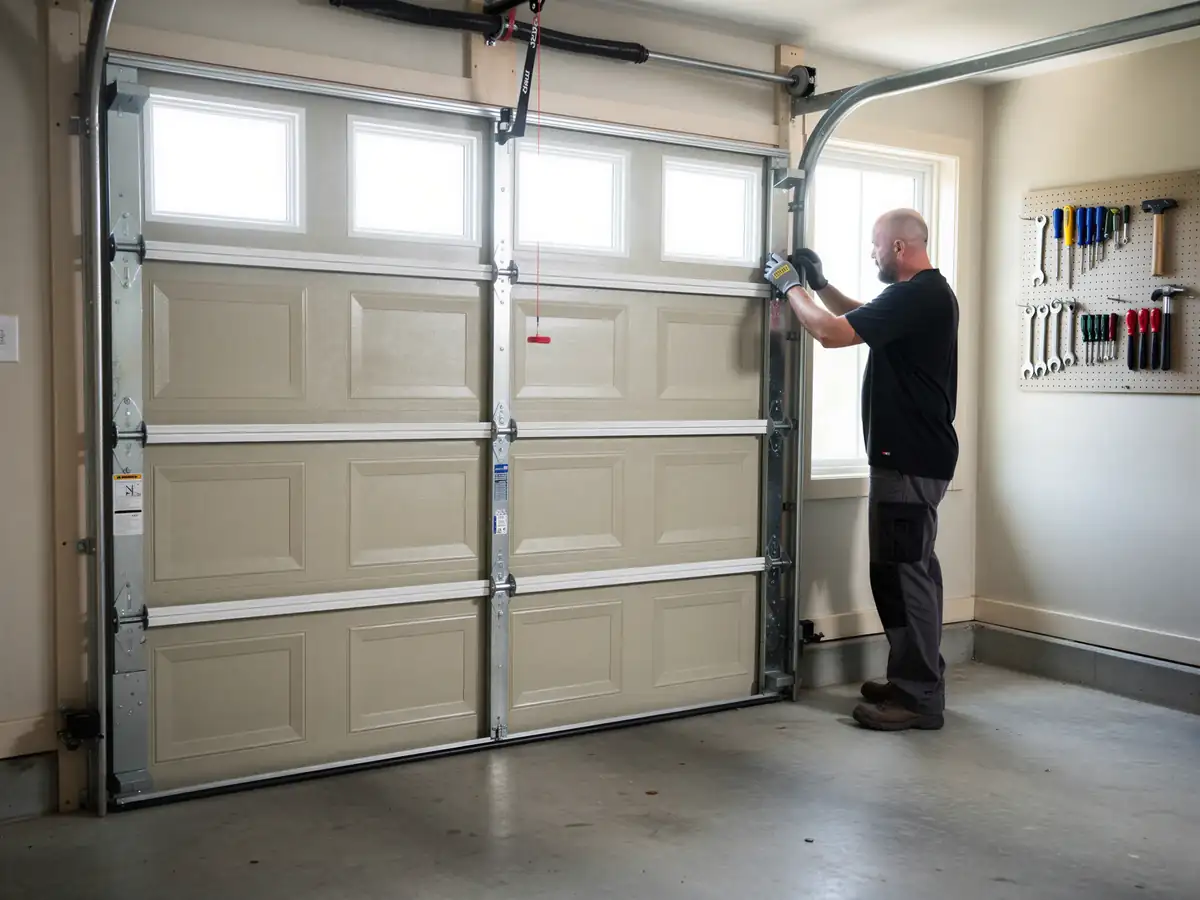
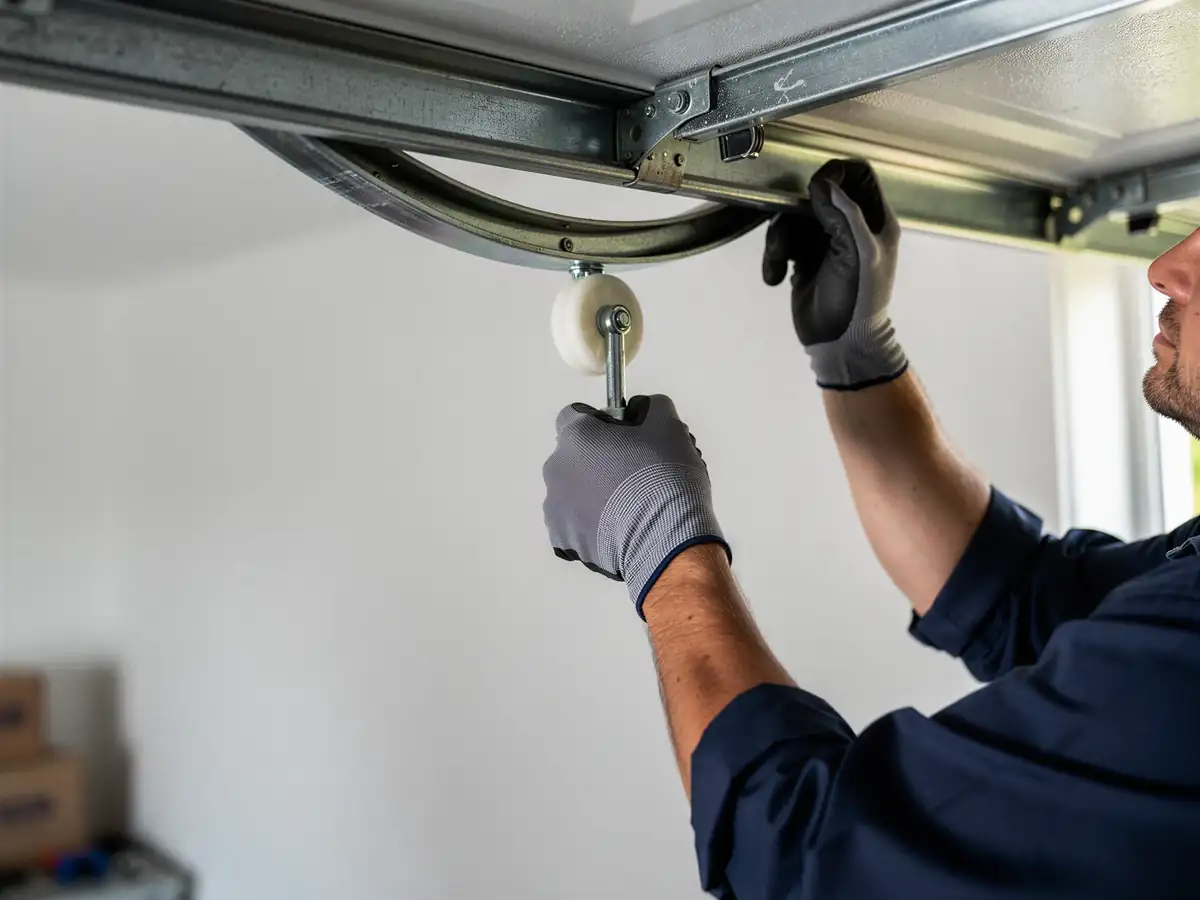
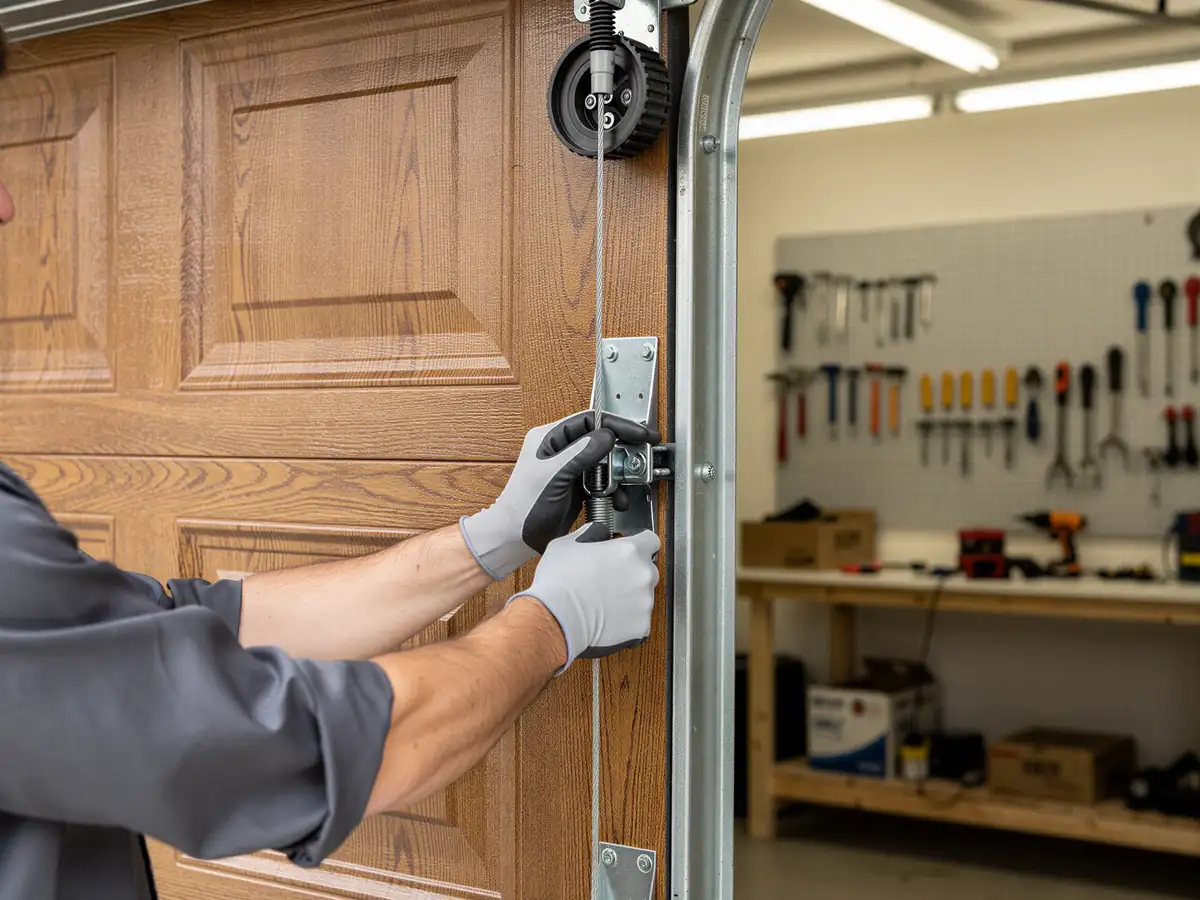
Most houses in this part of the map were built right around 1984, which puts them in the same general window as the broader area's 1968 to 2000 housing stock, but on the earlier side of it. A cable on a door from that era is usually a standard galvanized aircraft cable on a drum system - nothing exotic, but nothing that gets swapped out on its own schedule either. You're typically seeing one of three things: a cable that's frayed and visibly unwinding where it wraps the drum, a cable that's slipped off the drum groove and is bunching up, or a cable that's already snapped clean and the door sits crooked, lower on one side.
The climate here is on the cold side of moderate, and cold makes old galvanized strands more brittle before they fail, not after - so a cable that frays in late fall is doing exactly what thirty-plus-year-old cable does in this kind of weather. If your door just stopped moving mid-cycle and one side looks like it's drooping, that's cable, not opener.
What It Costs
We don't have a flat number to quote here without seeing the door - cable repair pricing depends on whether it's one side or both, whether the drums or rollers need replacing alongside it, and whether the spring is still good. What we can tell you is that a straightforward two-cable replacement on a standard double door is a different job, and a different cost, than one where the drum has also been damaged by the cable jumping its track. We'll give you the number after a look, not before, because guessing on the phone and then changing the price at the door is how trust gets lost.
What the Repair Takes
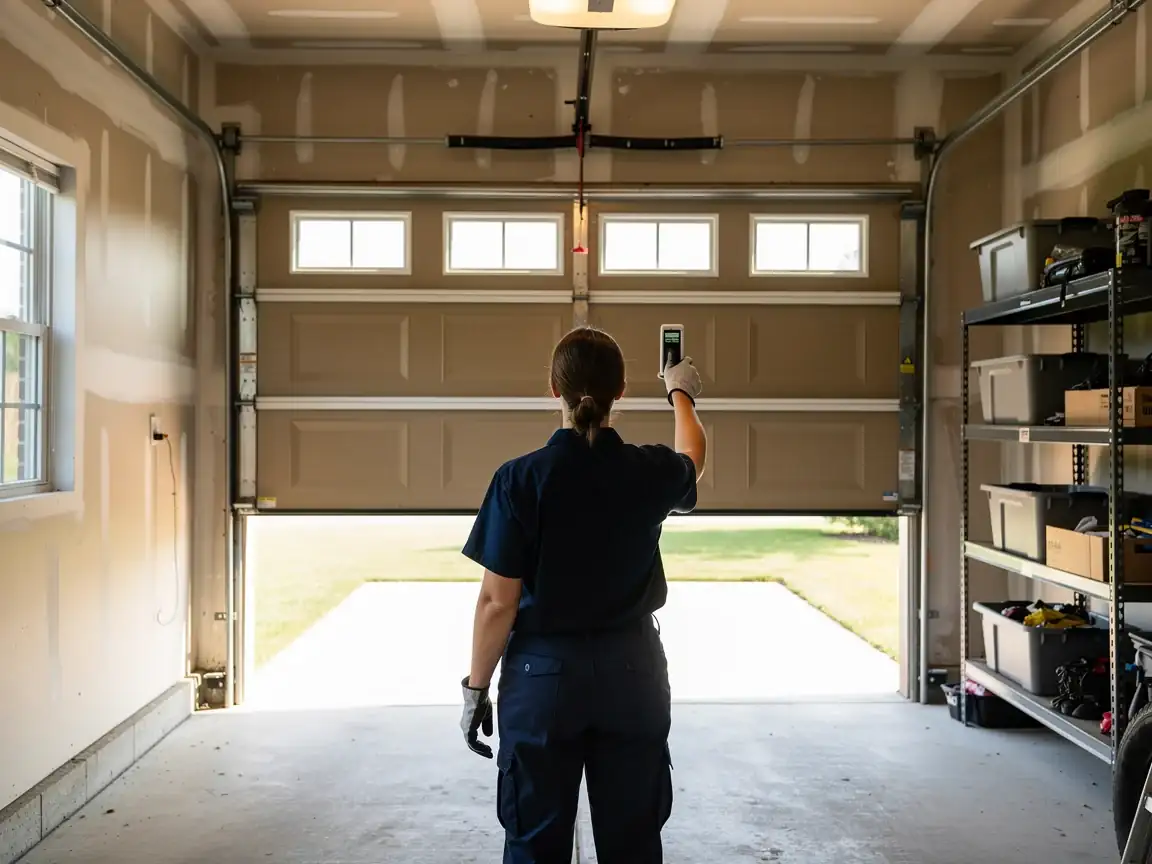
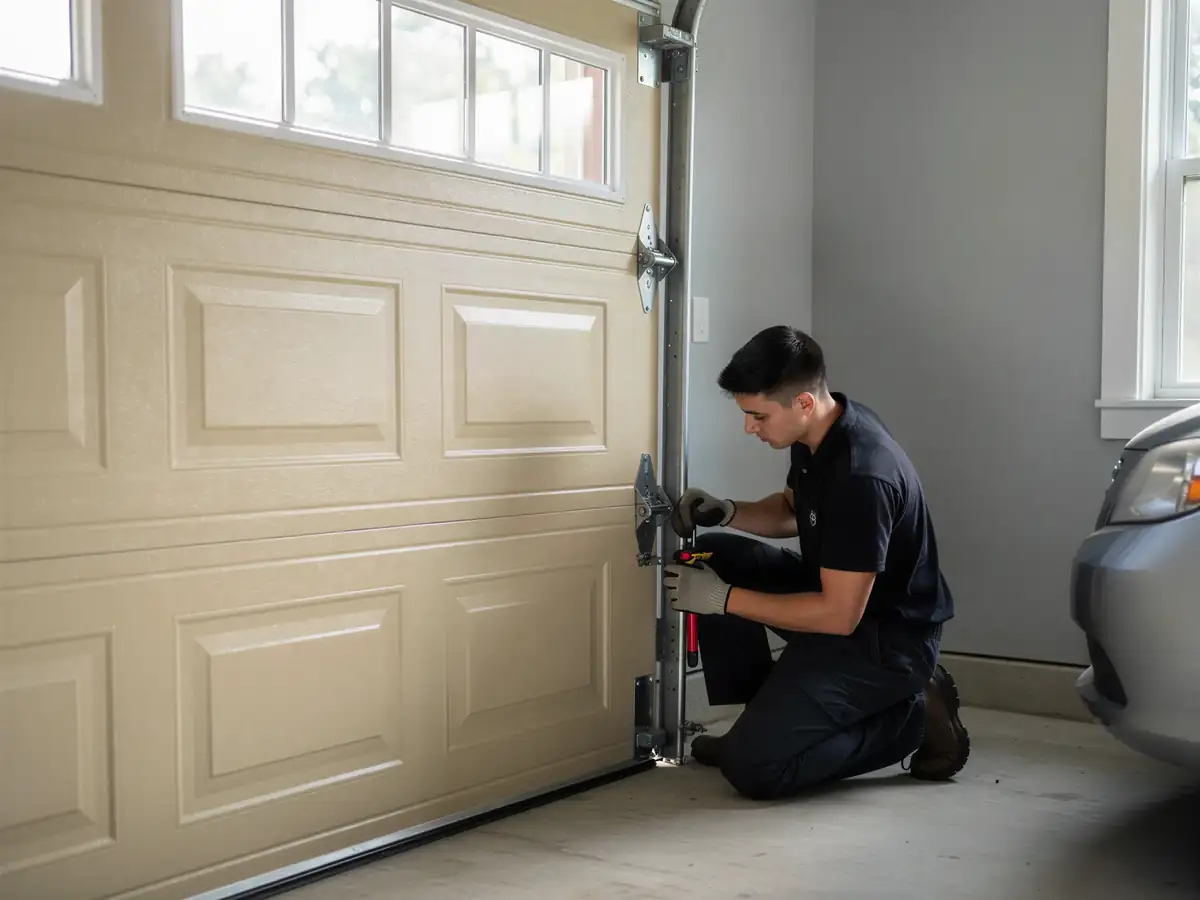
A cable replacement on one side of a standard door, done with the right tools and the spring properly controlled, is usually a job we finish in one visit. Both cables at once, or a cable plus a damaged drum, takes longer but still typically wraps same visit. The time-consuming part isn't the cable itself - it's releasing and resetting spring tension safely, which is also the part that goes wrong fast if it's attempted without the right winding bars and clamps. We don't recommend homeowners do this step themselves, cable or no cable; it's the single most common way DIY garage door repairs turn into trips to urgent care.
Getting It Booked In
Since this household count out here is smaller than a lot of what we cover, we're not rolling trucks through Cottage Lake constantly - we come out from Mill Creek, about 10 miles, when a call comes in. That's a straightforward drive, not a detour, so there's no added fee or delay built into being out this way. Tell us what the door's doing - crooked, stuck, a bang you heard - and we'll get a truck scheduled with the right cable stock loaded for a standard 1980s-era door already on board. See our Cottage Lake coverage or the full Mill Creek cable repair page for more on how we handle this repair.