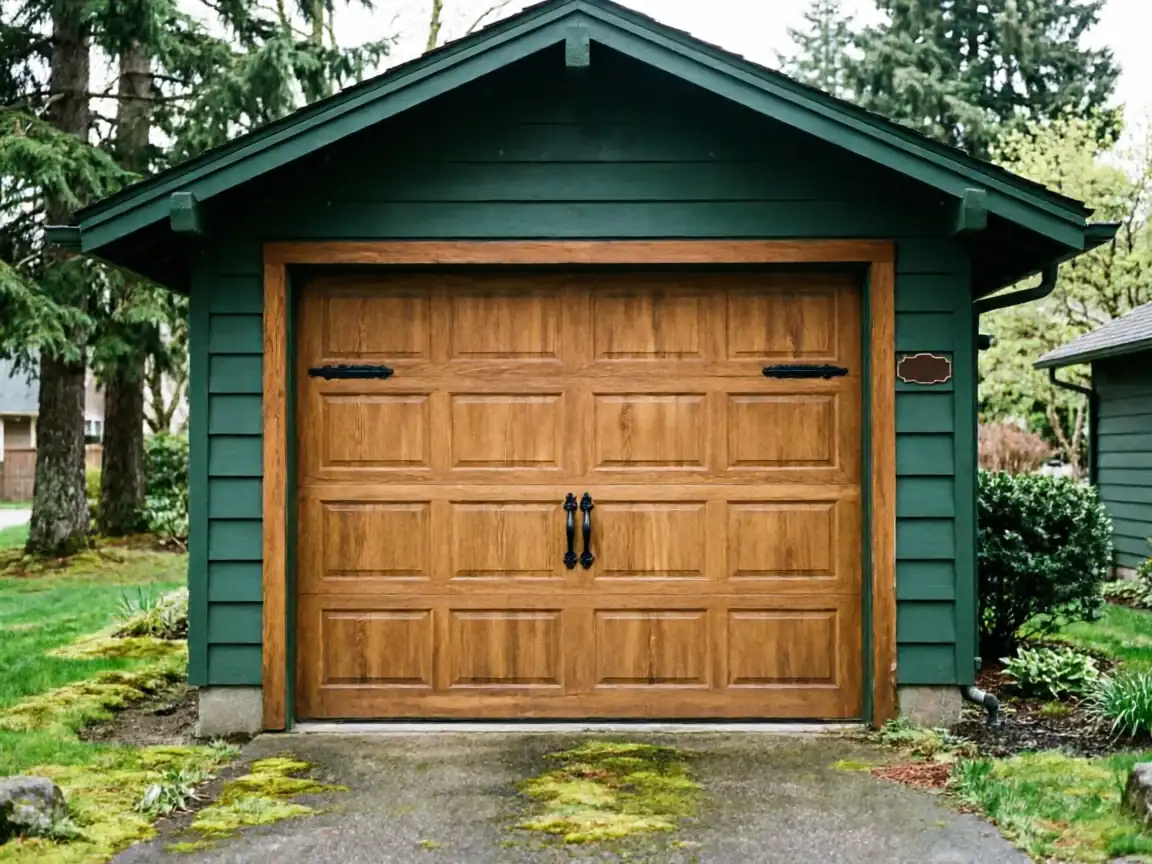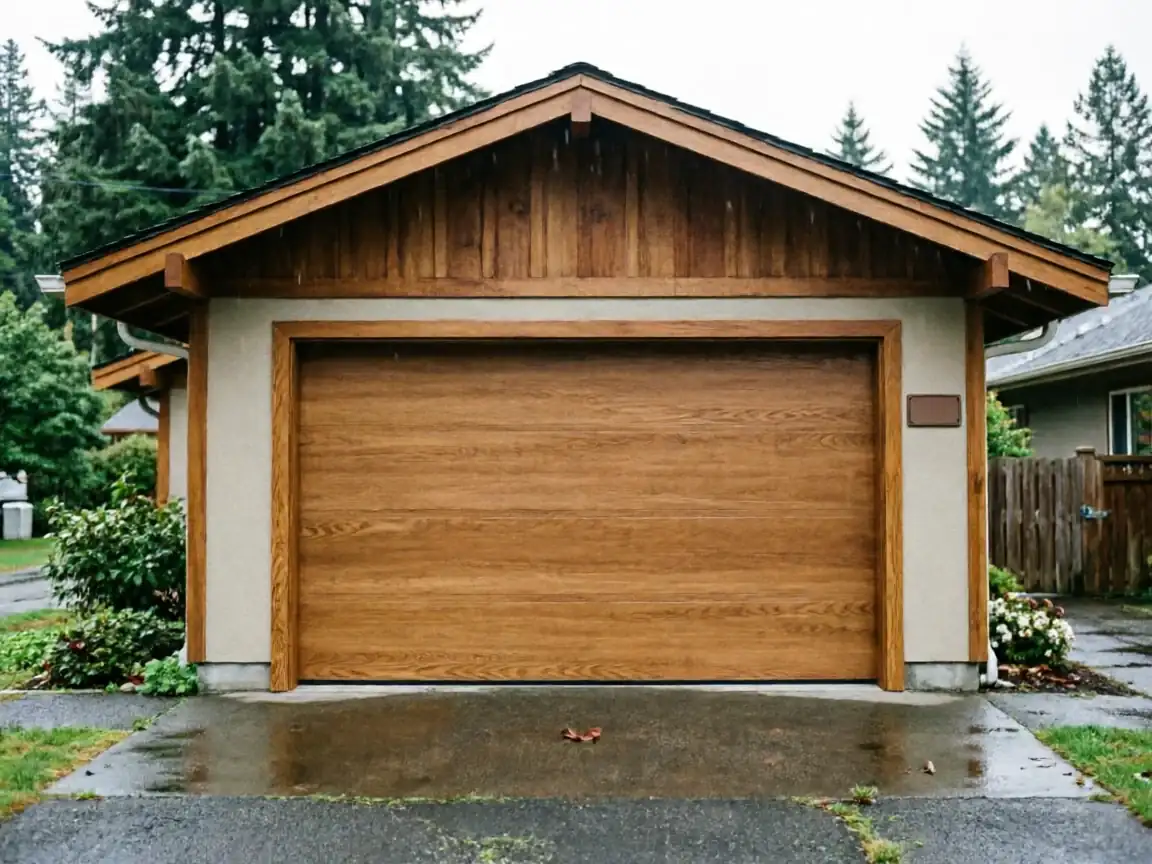
Where This Job Goes Sideways
Cottage Lake sits about ten miles out from our Mill Creek shop
Which changes how we plan the day more than it changes the truck. We build in the drive time on both ends, because a return trip for a forgotten header bracket or a mismeasured track radius costs us the whole afternoon, not just a few minutes. That matters more here than on closer jobs, since there's no quick swing back for a part we didn't load.
The bigger issue is what's behind the opening once we get there
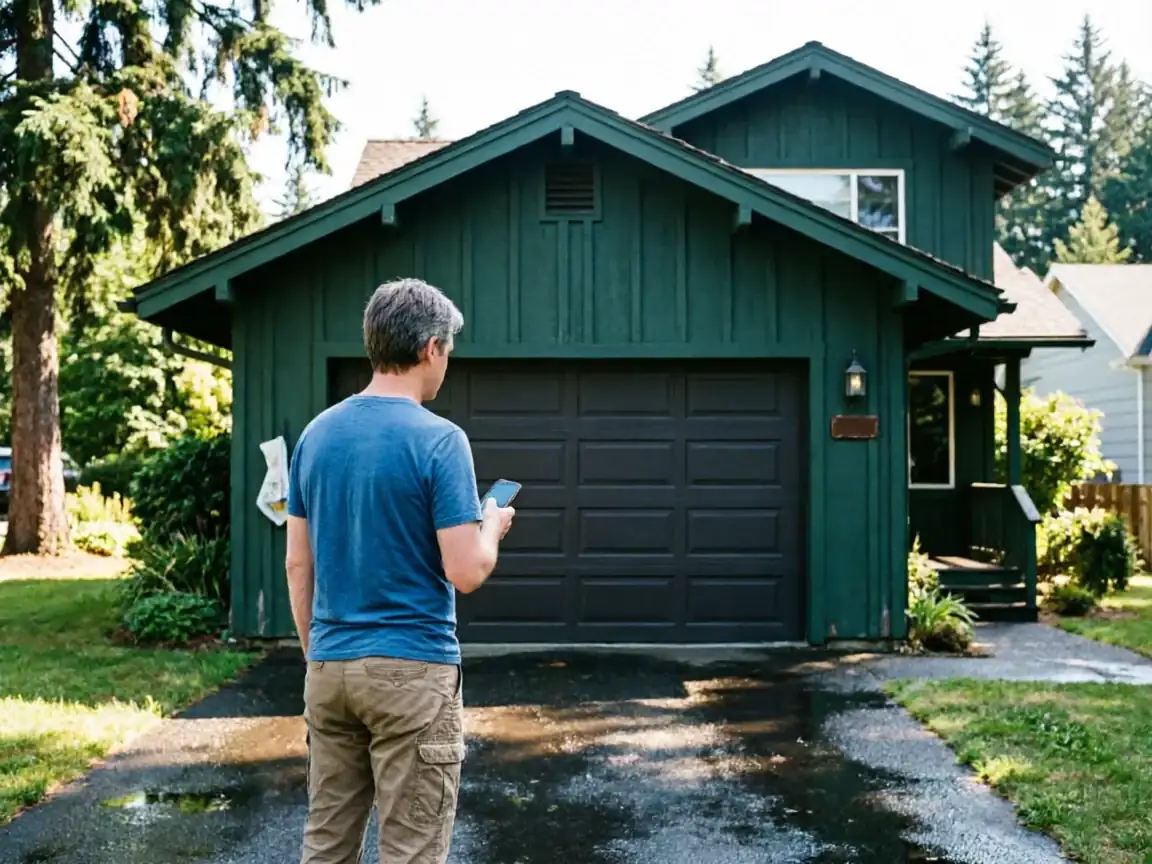
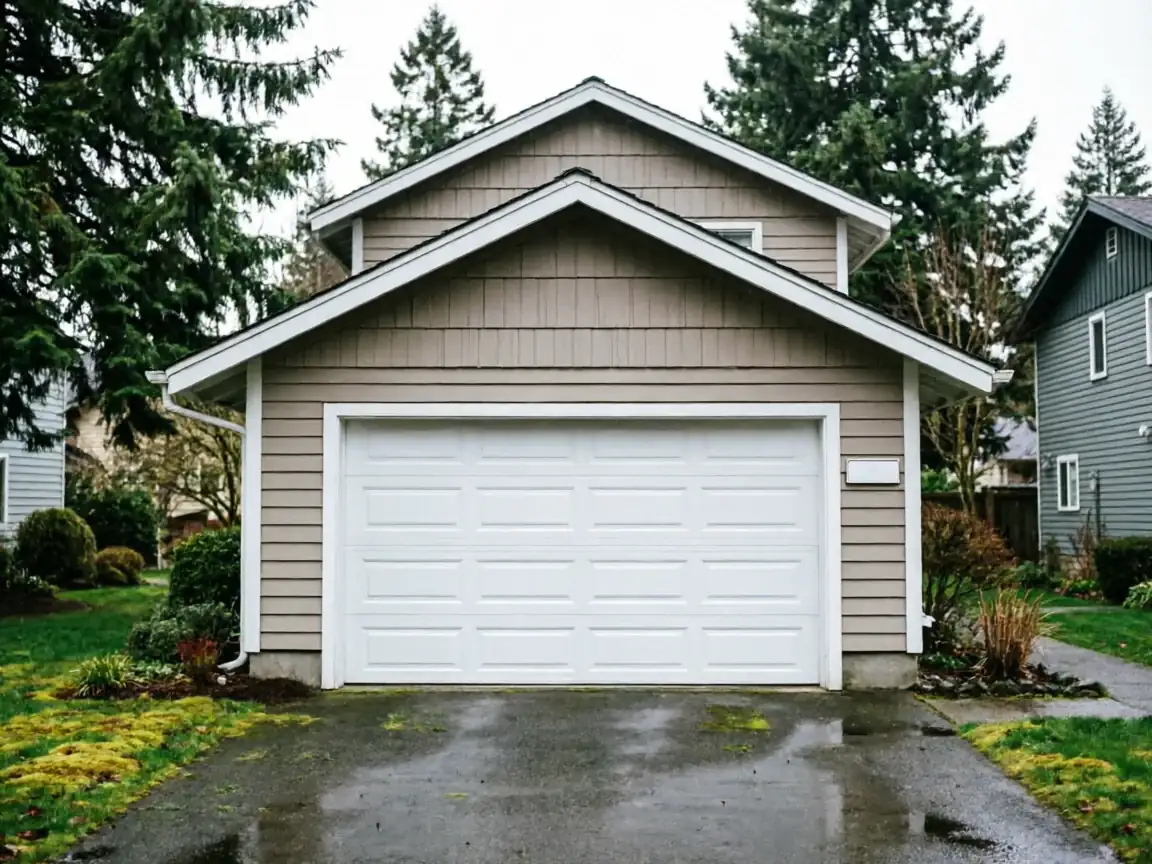
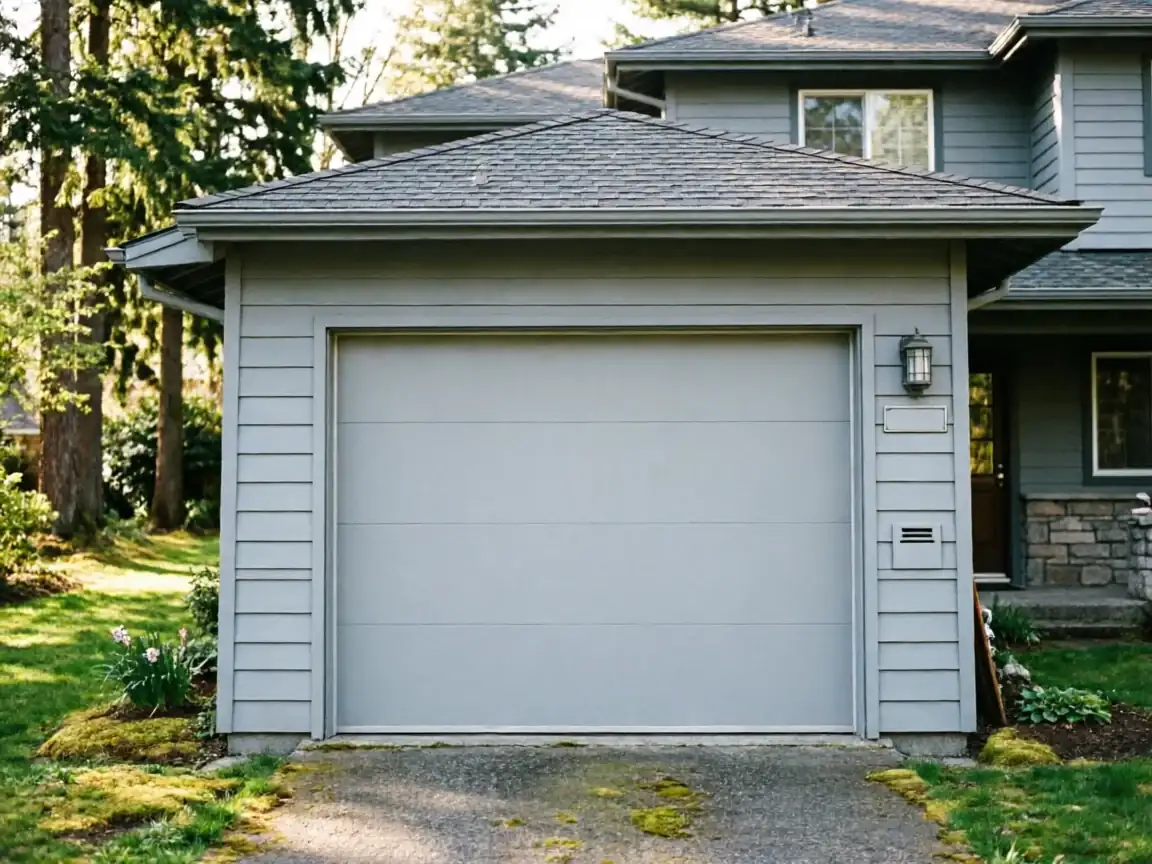
Homes in this area were mostly built around 1984, which puts a lot of garages on older framing with rough openings that were never squared to today's door sizes. A new door that looks like a drop-in replacement on the box often isn't, once you're standing in front of a jamb that's settled a half inch over forty years. We find that out on-site, not before, which is why we walk the opening before we quote the install rather than pricing off a phone description.
What You Are Seeing
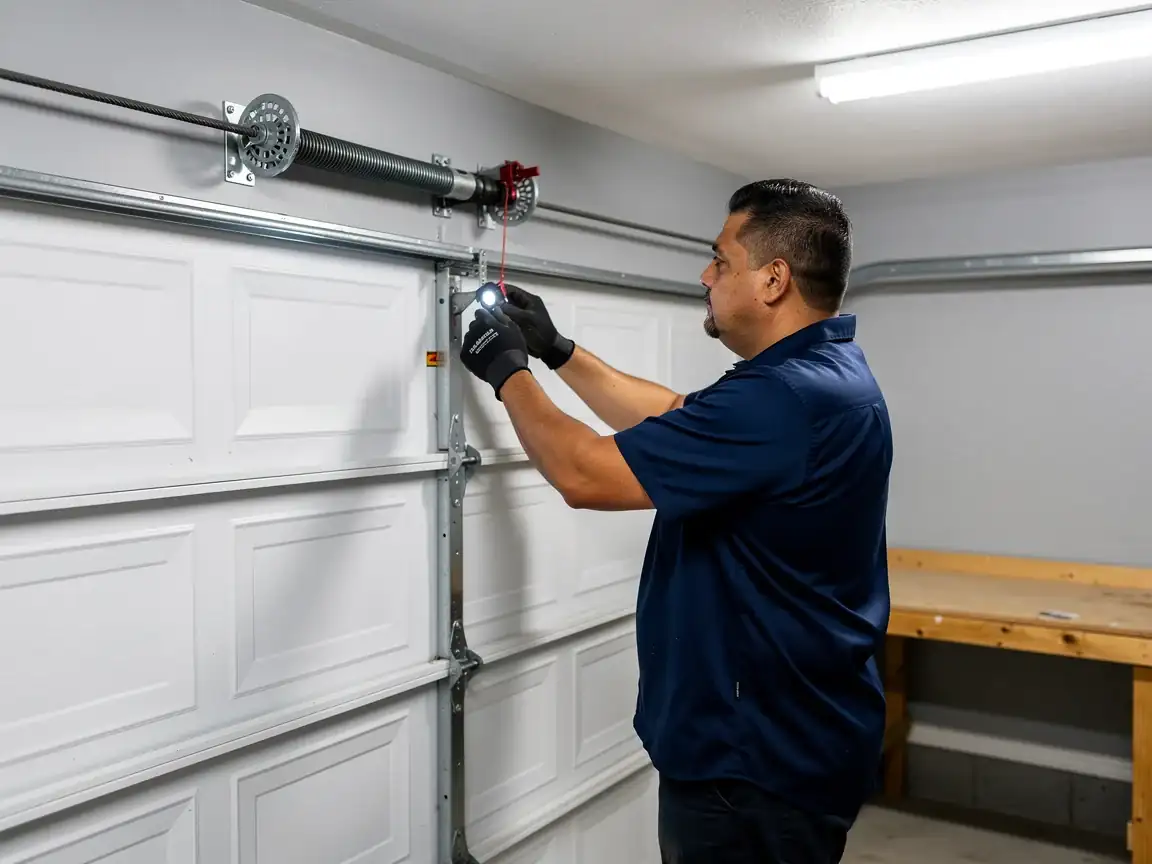
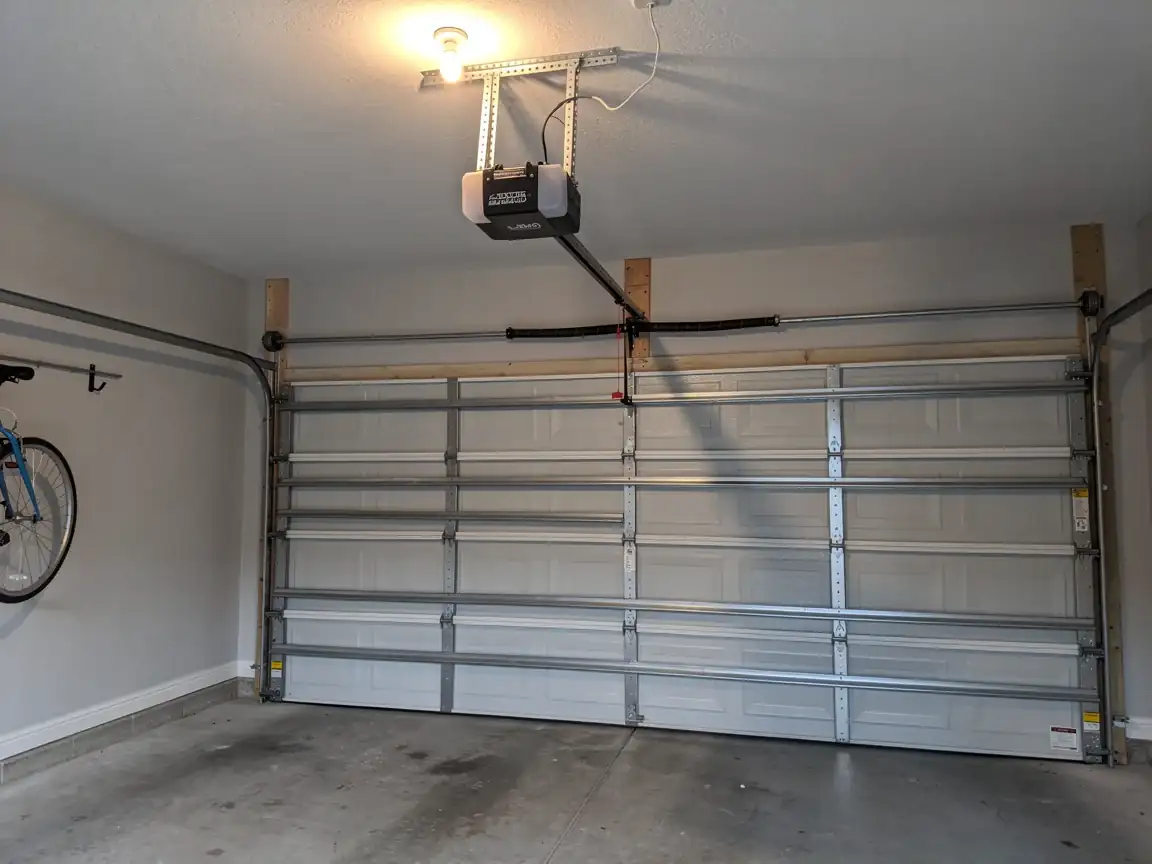
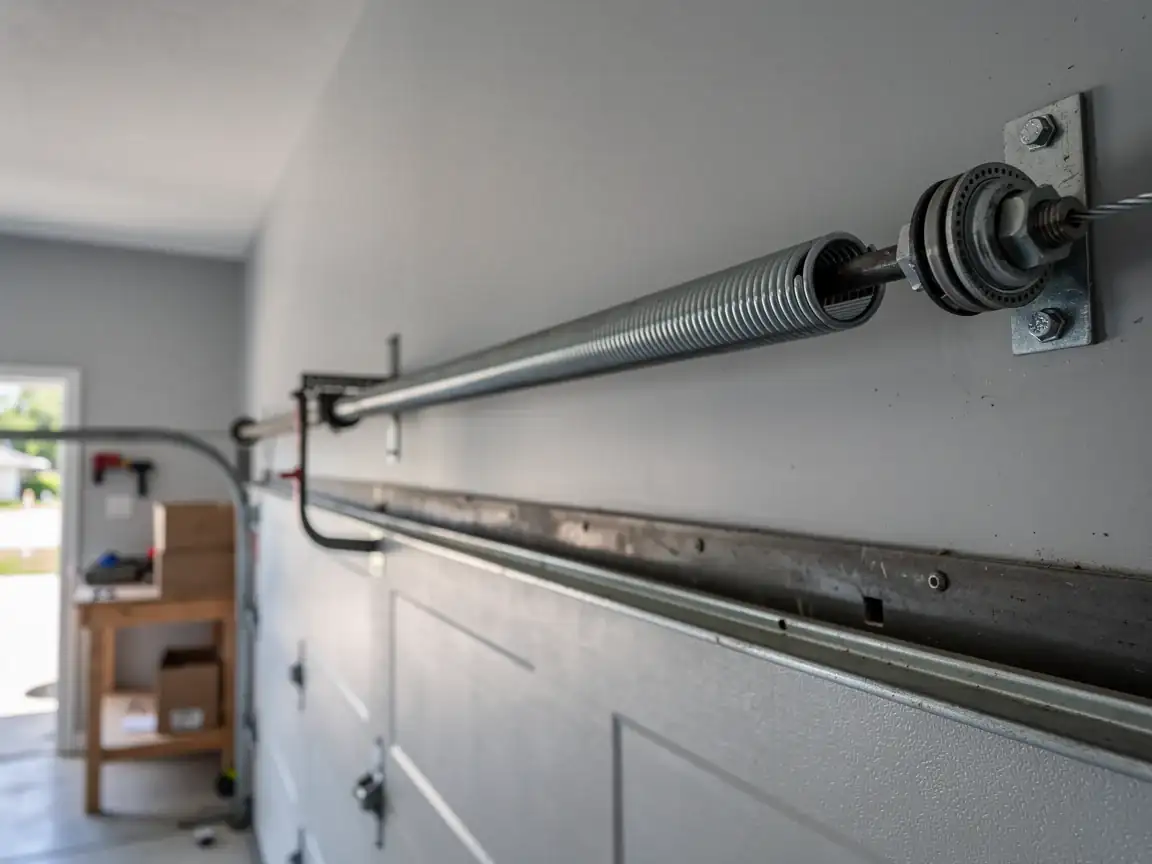
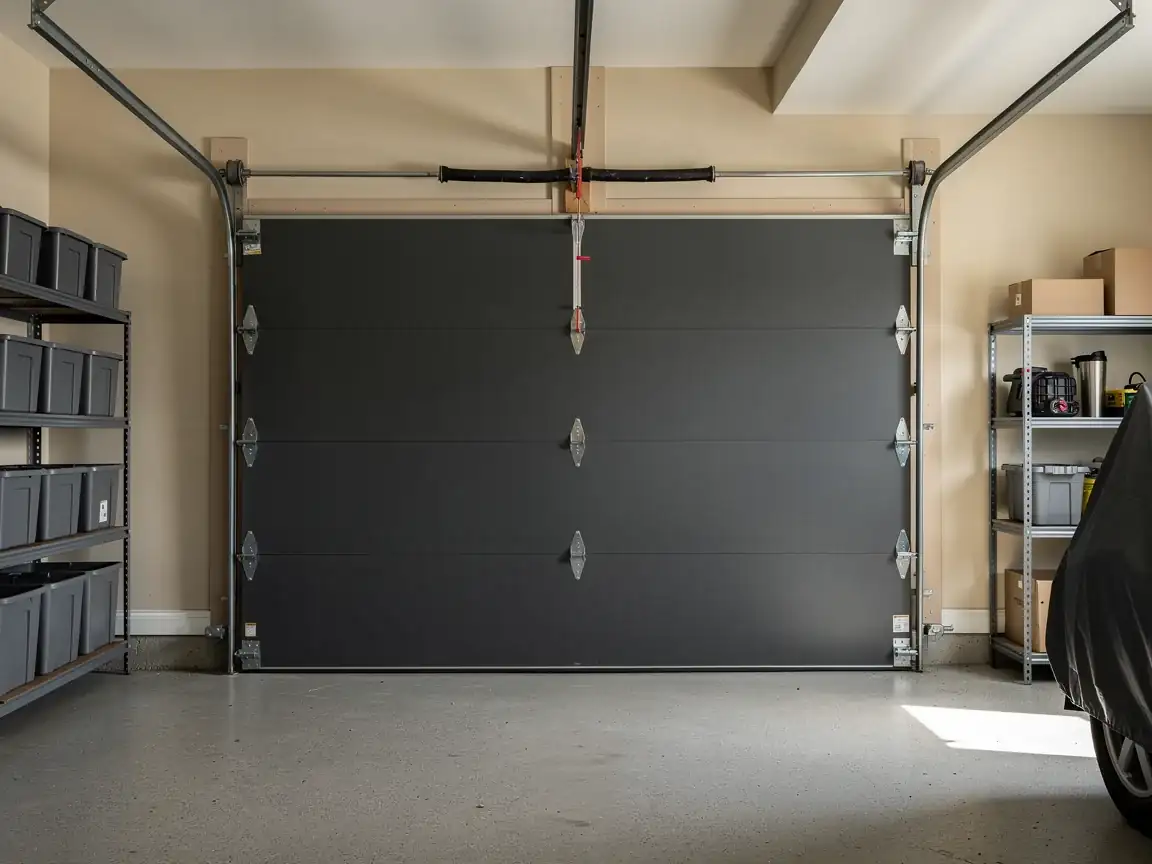
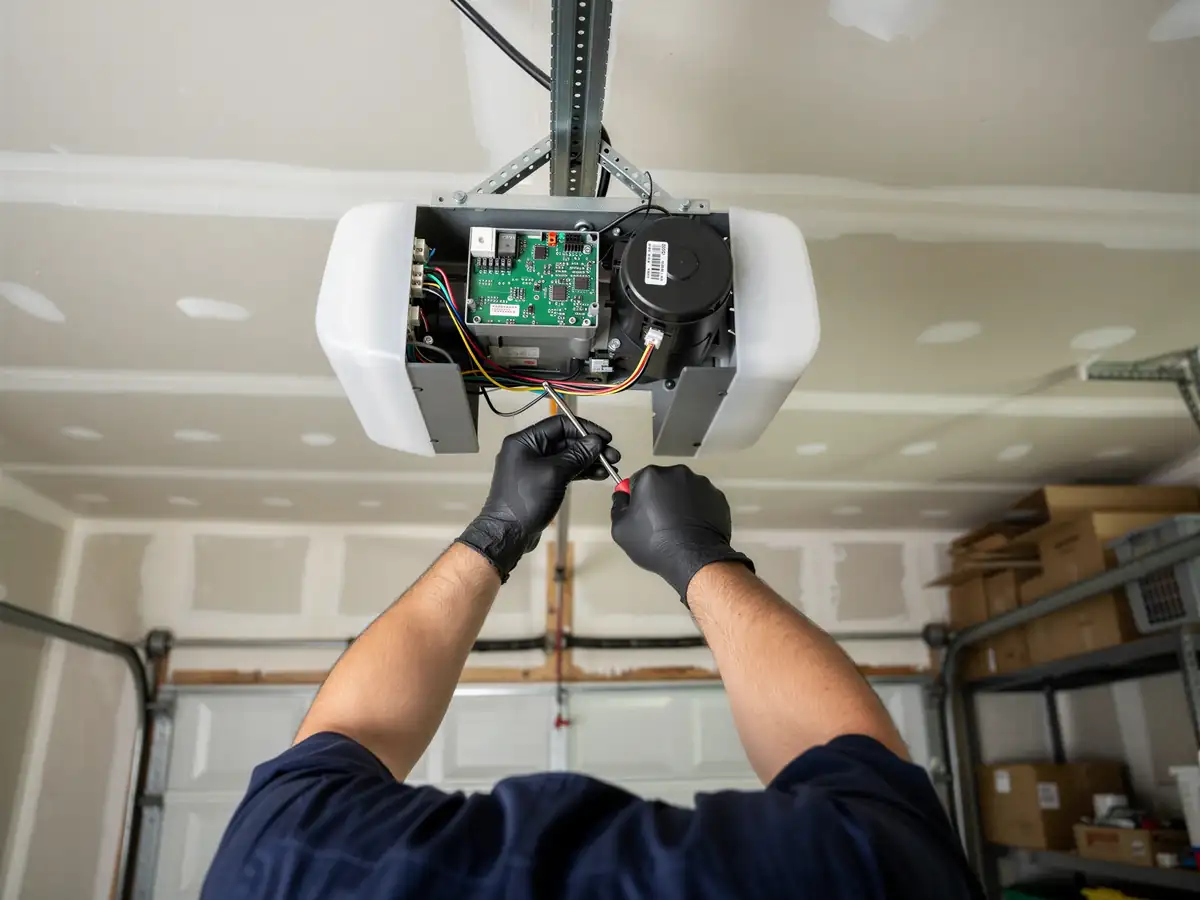
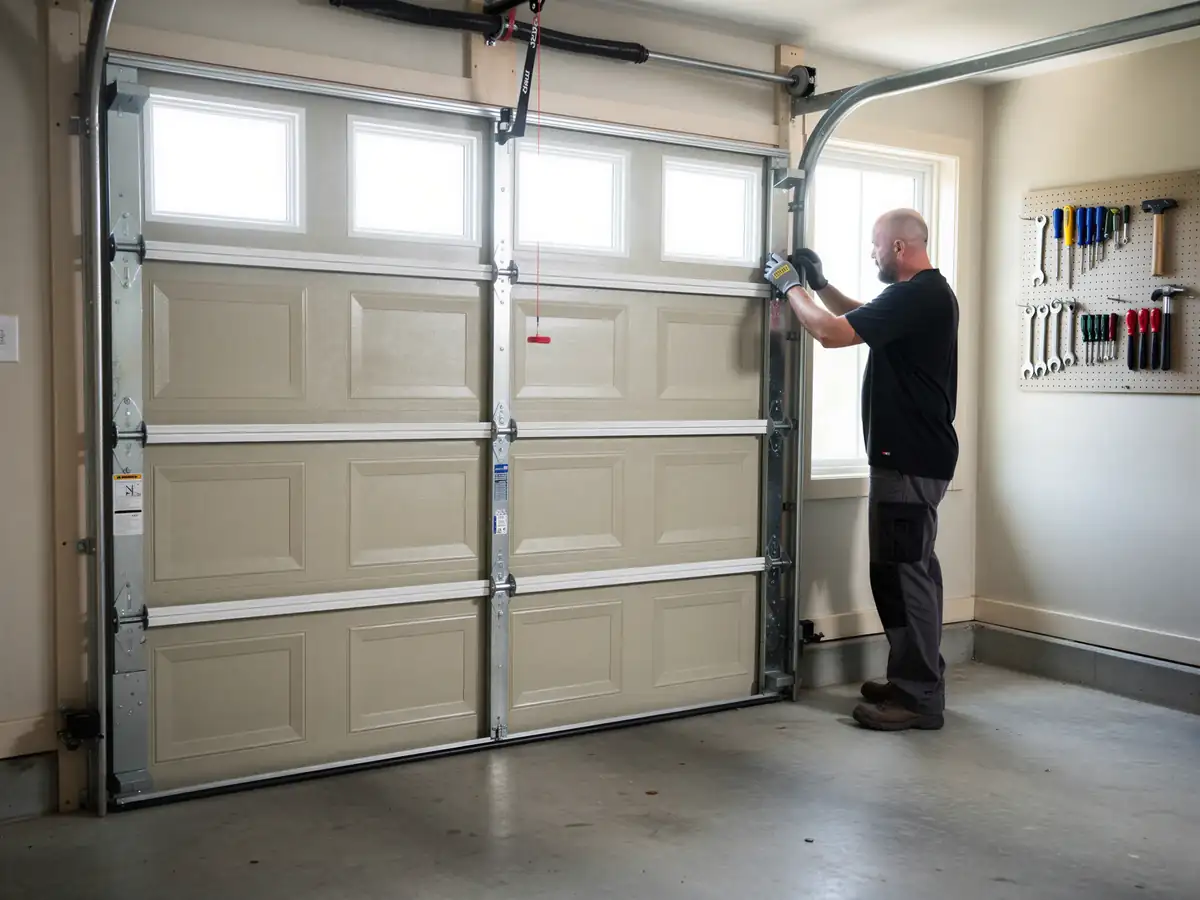
If your door is original to a house built in the early-to-mid 1980s, you're likely looking at a single steel panel on a torsion system sized for a lighter door than what's sold now. Insulated doors weigh more, and that extra weight can be more than the existing spring and opener were built to lift. Swapping the door skin without touching the spring rating is a common shortcut that shows up as a door that's hard to lift by hand or an opener that strains and burns out early.
The cold-weather side matters too. This area sits in a cold, moderate climate band, and framing from this era rarely had the door opening insulated or sealed the way newer code expects. You'll often see daylight gaps at the header or along the sides that a straight panel swap won't fix, because the problem is the frame, not the door.
We check both of these before we talk numbers: is the opening square, and does the spring and opener setup match the new door's actual weight.
What It Costs
We don't have a flat number to post here, because what it runs depends on what we find behind the old door once it's off the track - and on a home from this era, that's a real variable, not a formality. A clean swap onto sound framing costs less than a job where we're also replacing a bent track, re-squaring a jamb, or upgrading the spring to handle a heavier insulated door.
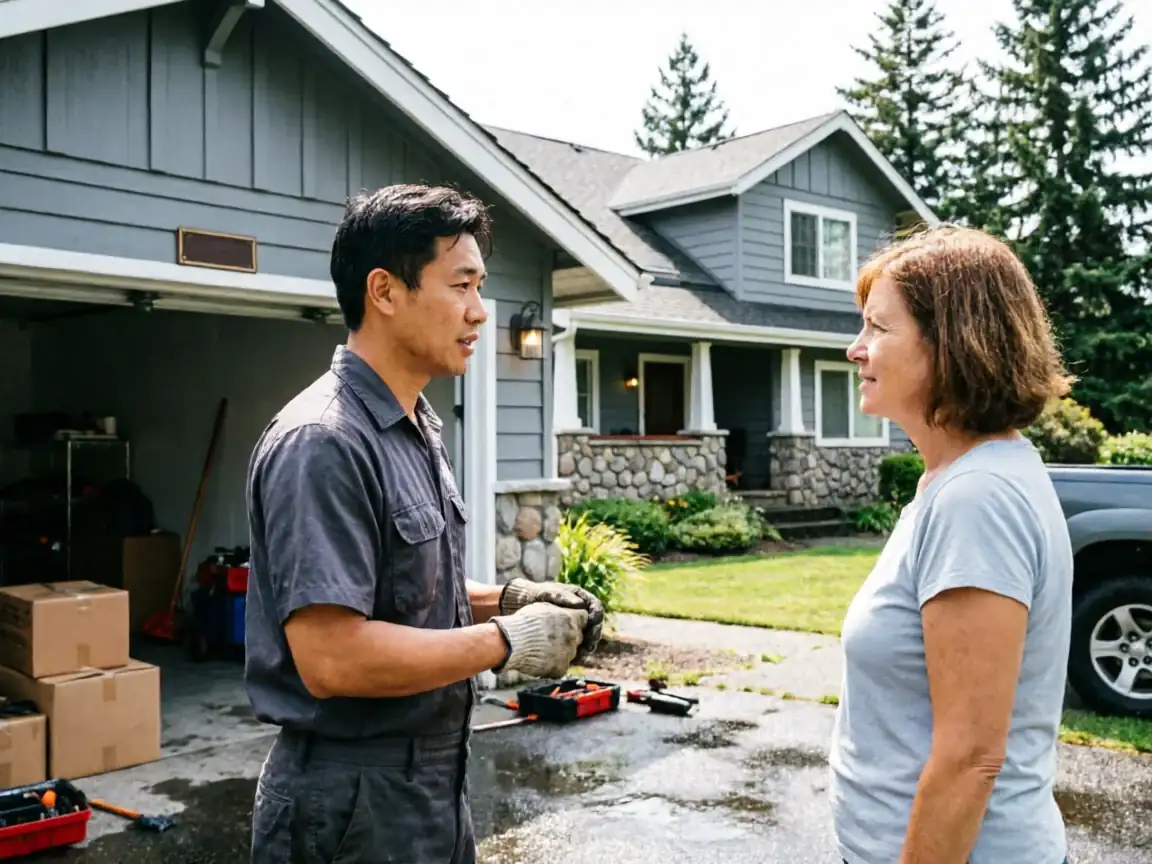
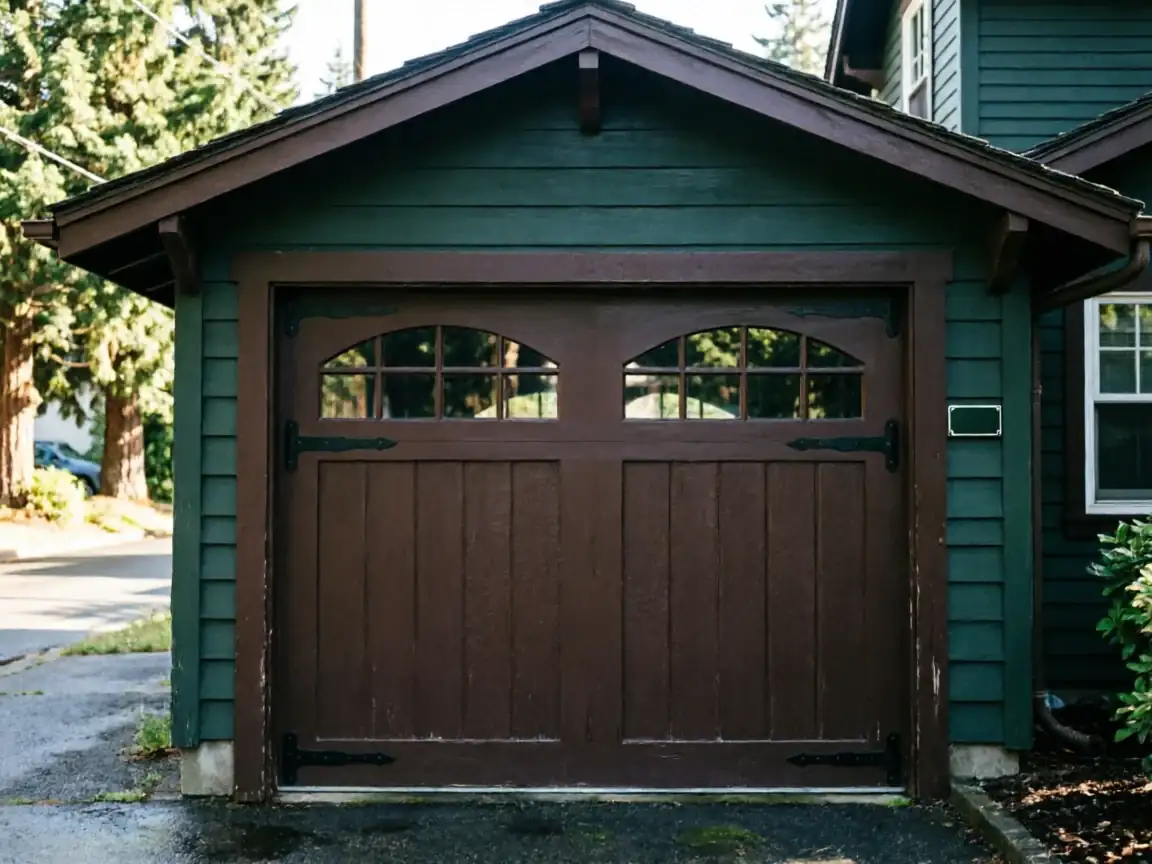
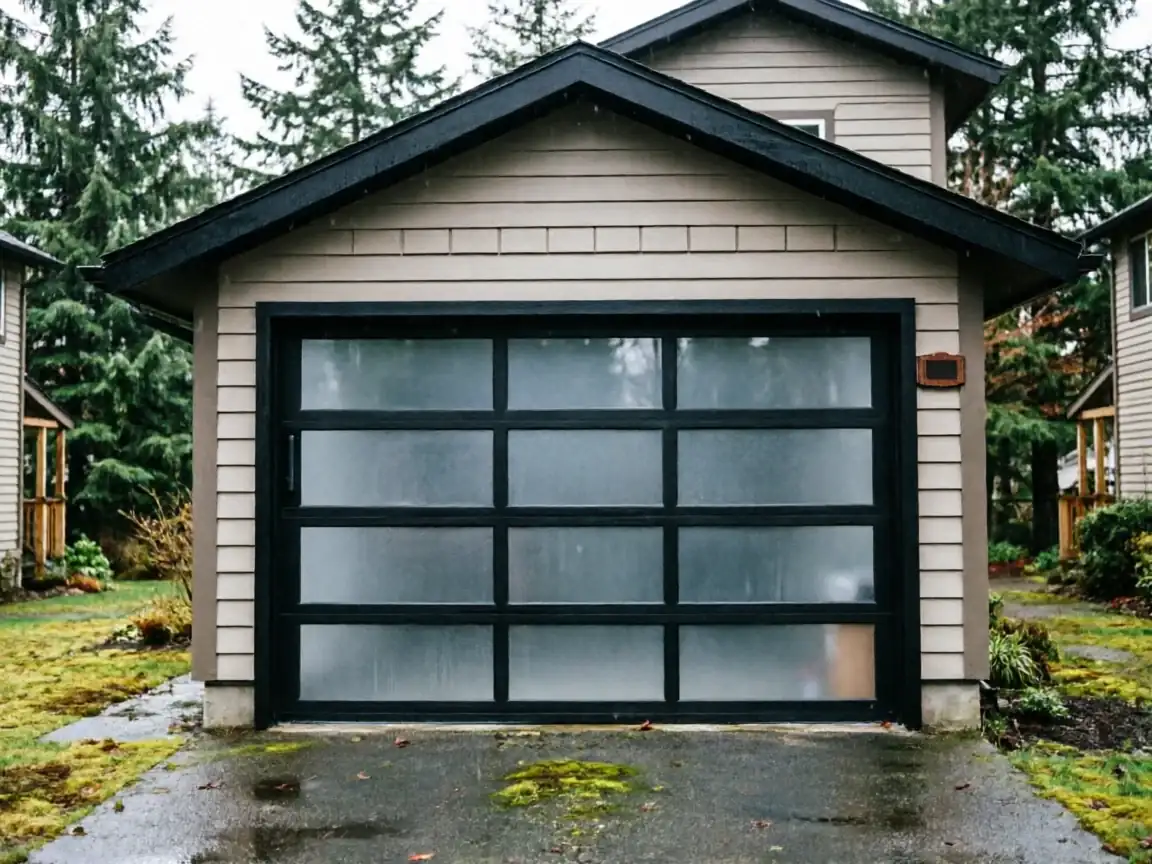
Household income in this part of the service area runs well above the regional median, and we see that reflected in the doors people choose - more insulated and custom-panel orders than bare steel. That doesn't change our price per job, but it does mean more of our Cottage Lake quotes include the upgraded spring and opener work up front rather than as an add-on later. Ask for the opening to be checked before you lock in a number from a phone quote; that's the step that actually sets the price.
What the Repair Takes
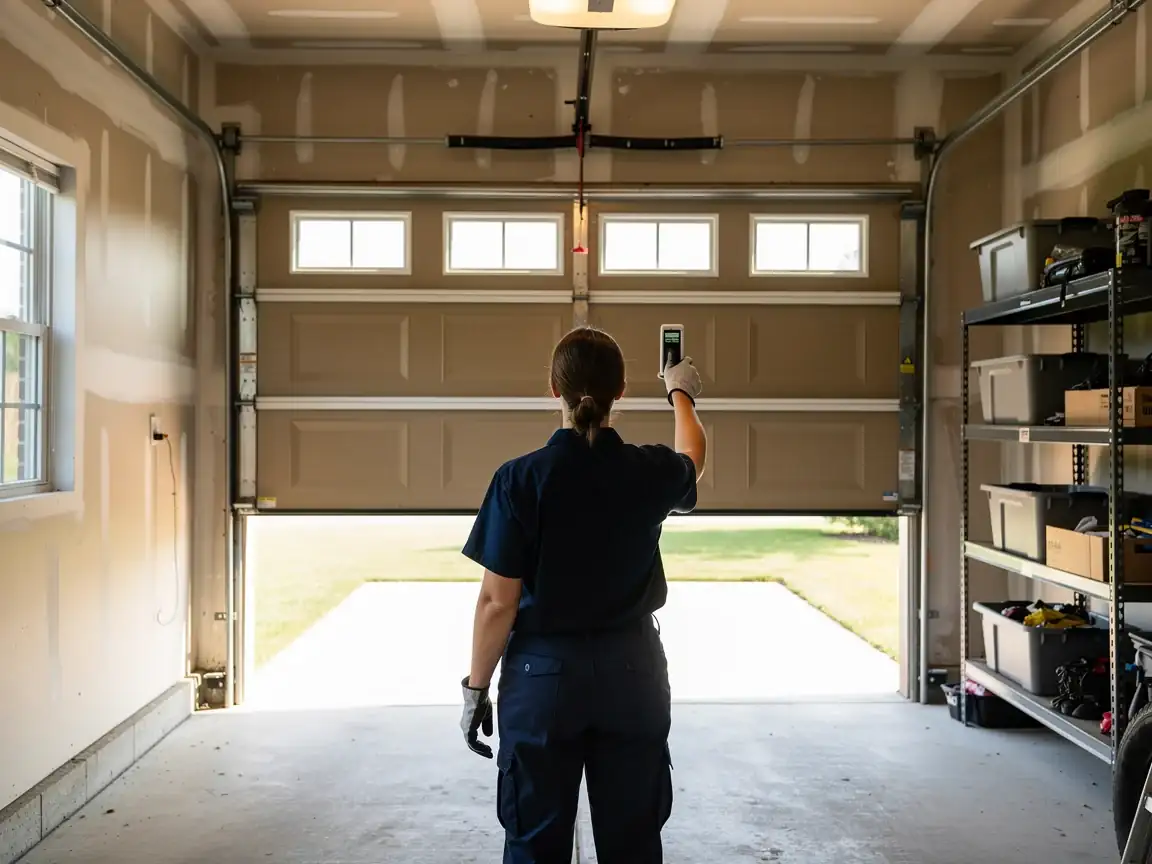
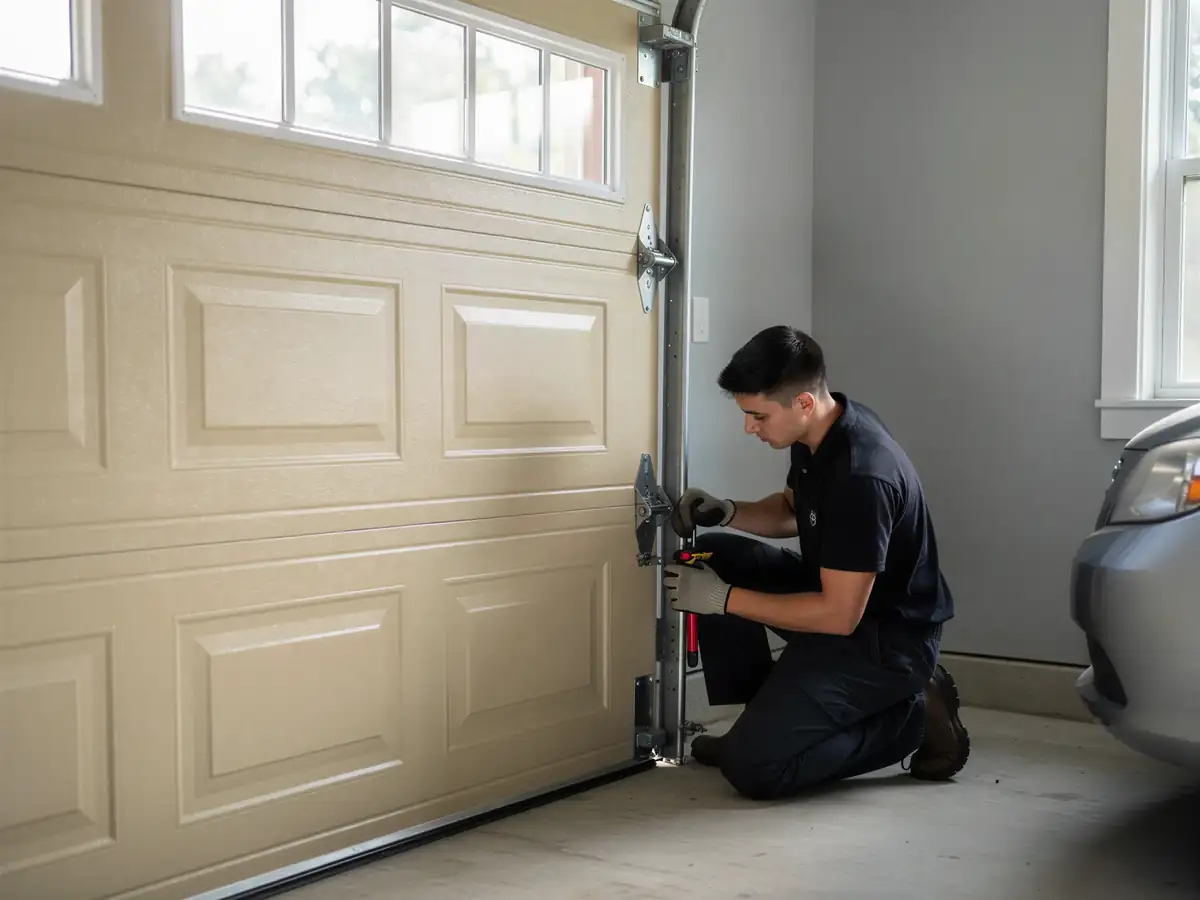
A straight install - same-size opening, sound framing, matching spring rating - is a one-day job. Add a header repair, a jamb that needs squaring, or a spring and opener upgrade to handle a heavier insulated door, and it runs longer, because that work has to happen before the new door goes up, not around it.
Homes built around 1984 are old enough that we plan for at least one of those extras rather than assume we won't need it. We'd rather tell you that going in than have the job stretch past what you budgeted for the day. The one thing we won't do is hang a new door on framing that isn't square just to finish on schedule - that's a callback waiting to happen, and it's cheaper for you if we fix it once.
Getting It Booked In
Since we're coming from Mill Creek, we schedule Cottage Lake installs as full jobs rather than quick stops between closer calls, which means picking a day works better than asking for a same-morning slot. Tell us the door's age and rough opening size when you call, and we'll bring the spring and track stock most likely to match a house from this era, instead of showing up and finding out on-site that we need a second trip.