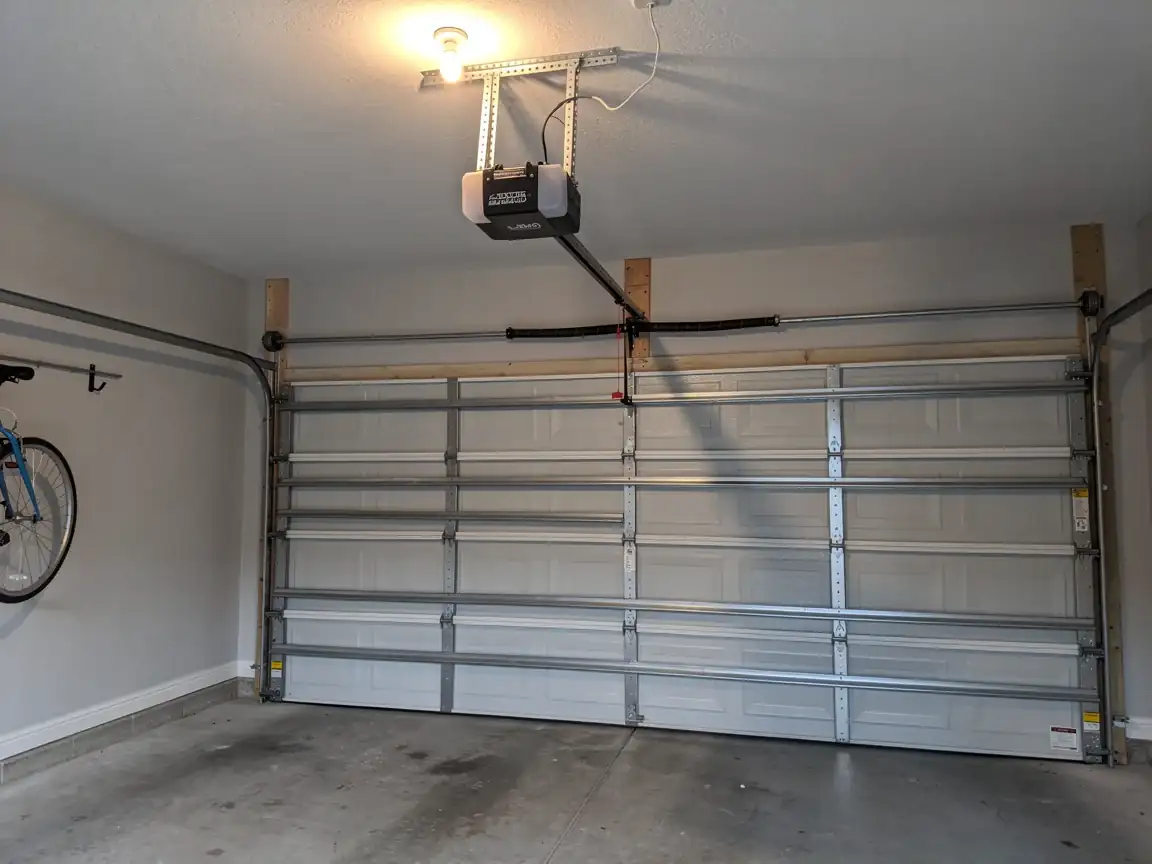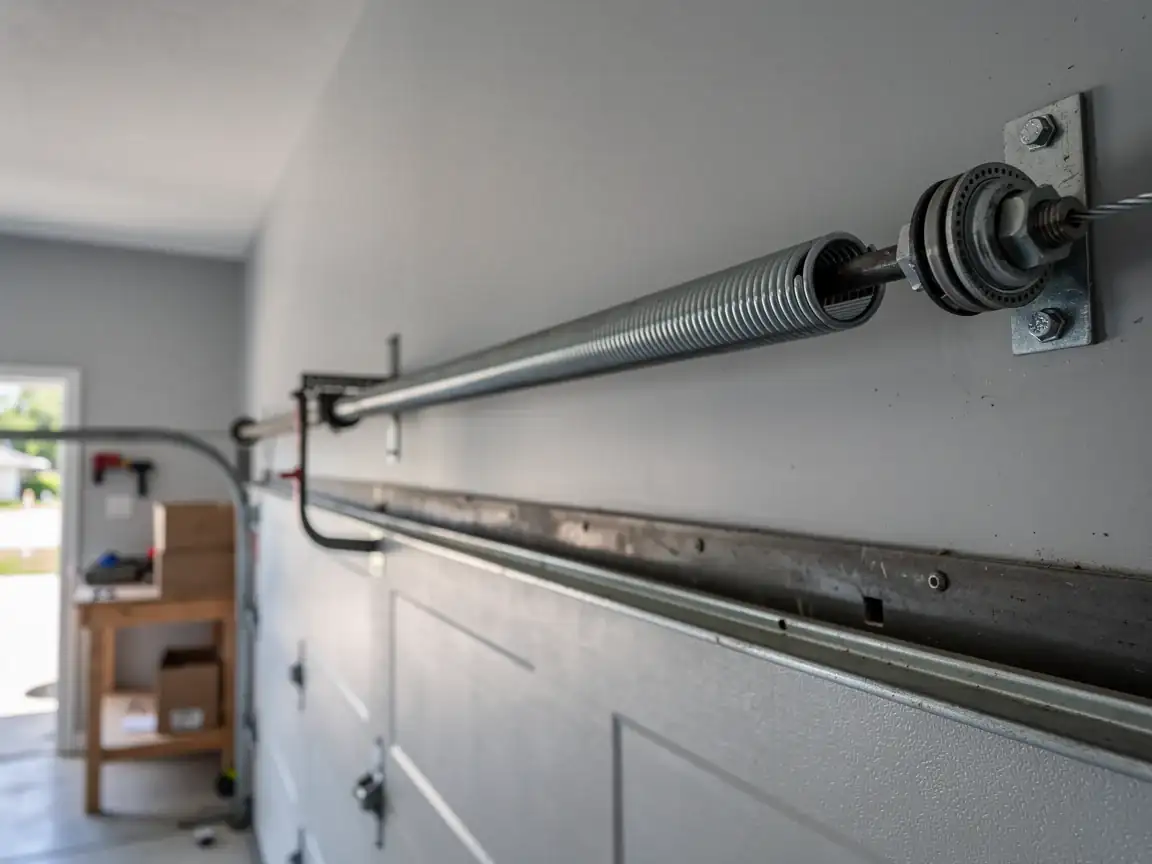
Where This Job Goes Sideways
Cottage Lake sits about 10 miles out from our Mill Creek shop
And the housing here runs a bit older than the service area's overall median. Across the 31 communities we cover, the typical house dates to 1989. Cottage Lake's median build year is 1984, which puts a good share of its garage doors on openers installed or replaced in the mid-to-late 80s and early 90s, before the chain-drive units got the circuit board upgrades that came standard by the late 90s.
- 10 miles
- 31 communities
That five-year gap sounds small until you're the one standing in front of a logic board with a part number nobody made after 1996
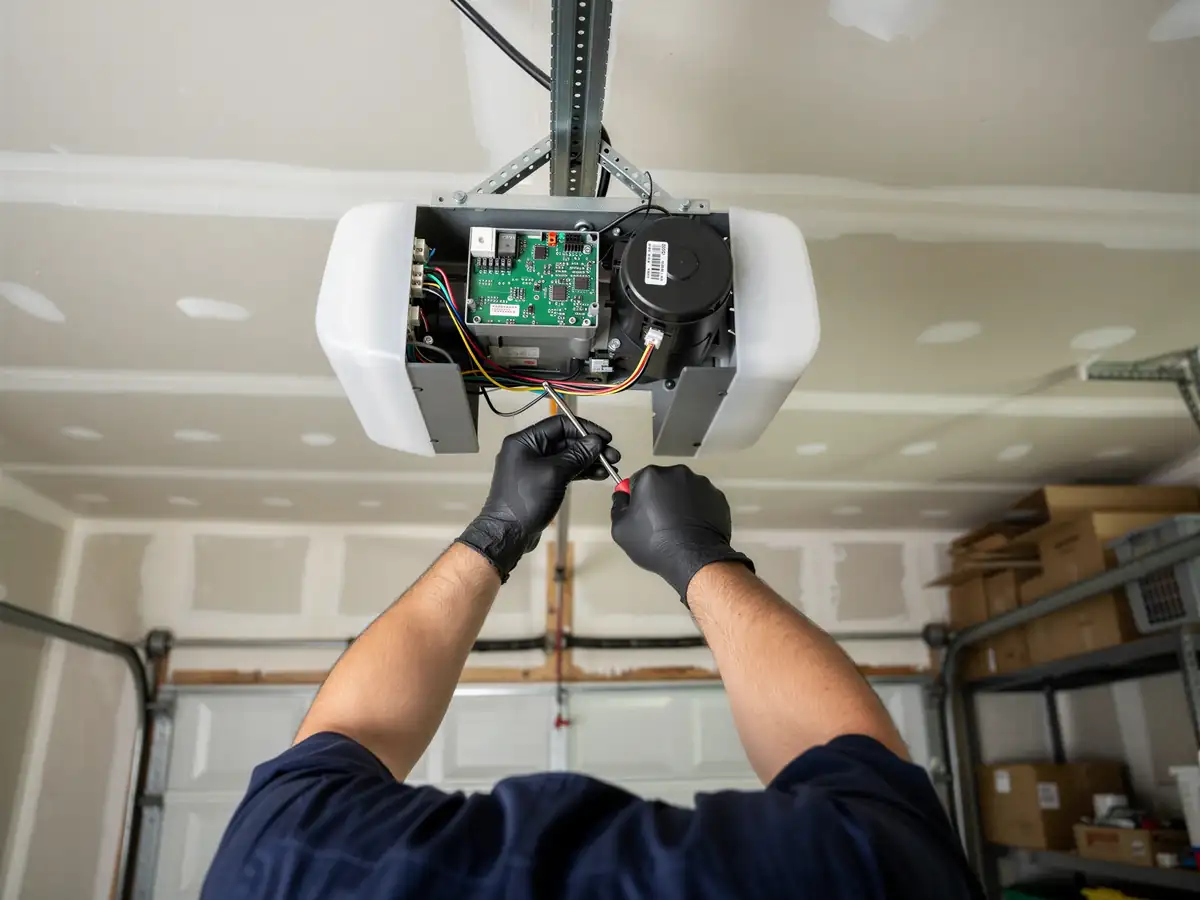
The failure pattern we see out here skews toward relay and capacitor issues on older chain drives, not the belt-drive, Wi-Fi-module problems that dominate newer subdivisions closer in. We're not guessing at this - it's what the housing age tells us to expect before we even open the panel.
One honest limitation
If your opener is original to a 1984 build and the board is fried, we often can't source an exact replacement part. At that point we're talking full opener swap, not board repair, and we'll tell you that on the first visit rather than stringing out a repair that won't hold.
What You Are Seeing
Chain slap, a motor that hums but doesn't lift, or a wall button that does nothing while the remote still works - these point to different things, and the diagnosis changes depending on whether your unit is original to the house or a later replacement. A unit original to a 1984-era build is more likely dealing with a worn drive gear or a dying capacitor than a logic board failure, simply because the mechanical parts take the abuse first.
If the light blinks a set number of times before the door reverses, that's a diagnostic code, and on older units without a display, we read it off the blink pattern rather than a screen. Newer swapped-in openers (plenty of homes here have replaced the original unit at some point) give us more to work with - an app, a light panel, sometimes a logged error. Either way, we check the obvious stuff first: sensor alignment, chain tension, capacitor health, before we talk about a new unit.
What It Costs
We don't have a fixed price list for Cottage Lake calls specifically, and we're not going to make one up. What we can tell you is that the job scope here tends to split into two buckets: a straightforward repair (capacitor, sensor, chain adjustment, remote reprogramming) or a full opener replacement when the board or motor on an older unit has failed outright. Given the median household income in this area runs well above the service-area average, we see more owners opt for replacement over patching an old unit when the numbers are close - that's a call we leave to you, not one we push.
We'll give you the actual number after we've looked at the unit in person, because quoting a repair sight-unseen on hardware this varied in age does nobody any favors.
Stocked Parts
Our truck carries the parts that fail most often across the climate and housing mix we work in
Capacitors, drive gears, sensor pairs, standard remotes, and logic boards for the chain and belt-drive models still in wide production. What we don't carry on the truck is an exact-match board for a 1984-vintage opener that hasn't been manufactured in decades. If that's what's behind your panel, we'll likely need to order a universal replacement board or recommend swapping the full unit, and we'll say so on site rather than make a second trip look like progress.
Cold, damp winters in this part of Washington are hard on capacitors and relay contacts specifically
Which is part of why we stock those in volume rather than betting on getting lucky with a board repair.
What the Repair Takes
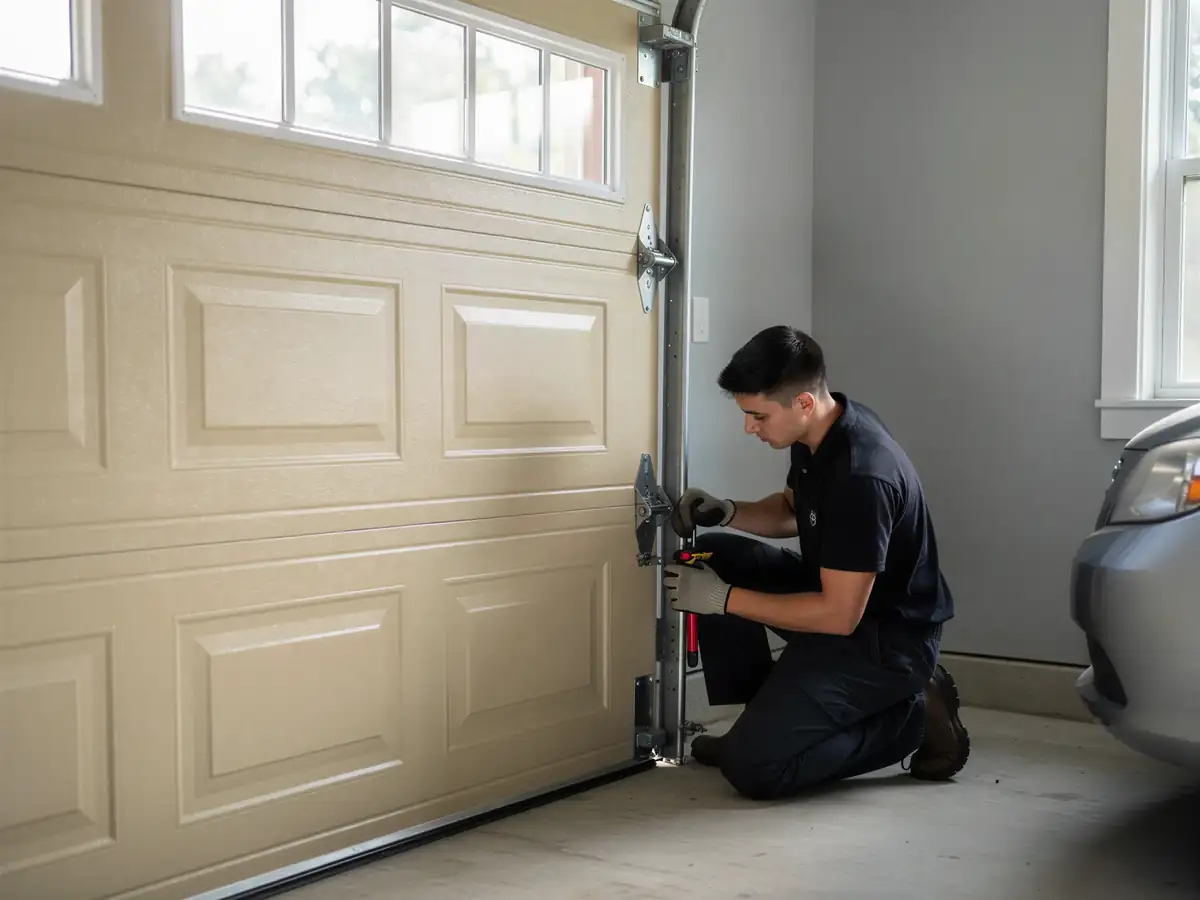
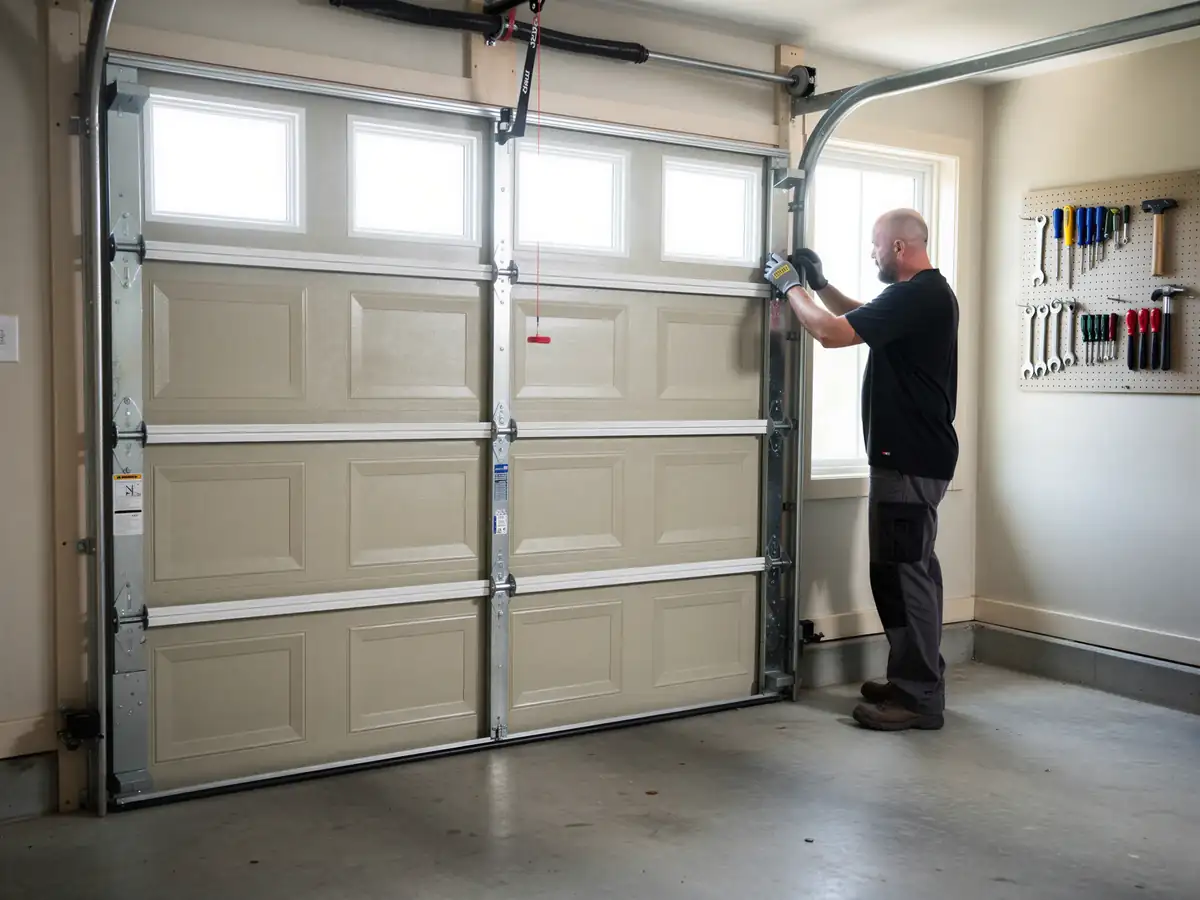
Most opener repairs - capacitor swap, sensor realignment, remote reprogramming, chain tension adjustment - are a single visit, done in under an hour once we've confirmed the diagnosis. A full opener replacement takes longer, mostly because we're also checking that the mounting bracket and header clearance still match current hardware, which isn't always true on an older build. We travel from Mill Creek for every Cottage Lake call, so there's no local branch stock to draw from beyond what's already on the truck - if a part has to be ordered, that adds a day or two, not a same-visit fix.
Getting It Booked In
Tell us the age of the house if you know it, or just describe what the opener is doing (chain slapping, motor humming, light blinking) and we can narrow down likely causes before we're on site. Given how much of Cottage Lake's stock dates to the early-to-mid 80s, we come prepared for an older chain-drive unit unless you tell us otherwise. See our Cottage Lake coverage page for what else we handle out this way, and our Mill Creek opener repair page covers the service itself in more general terms.