Where This Job Goes Sideways
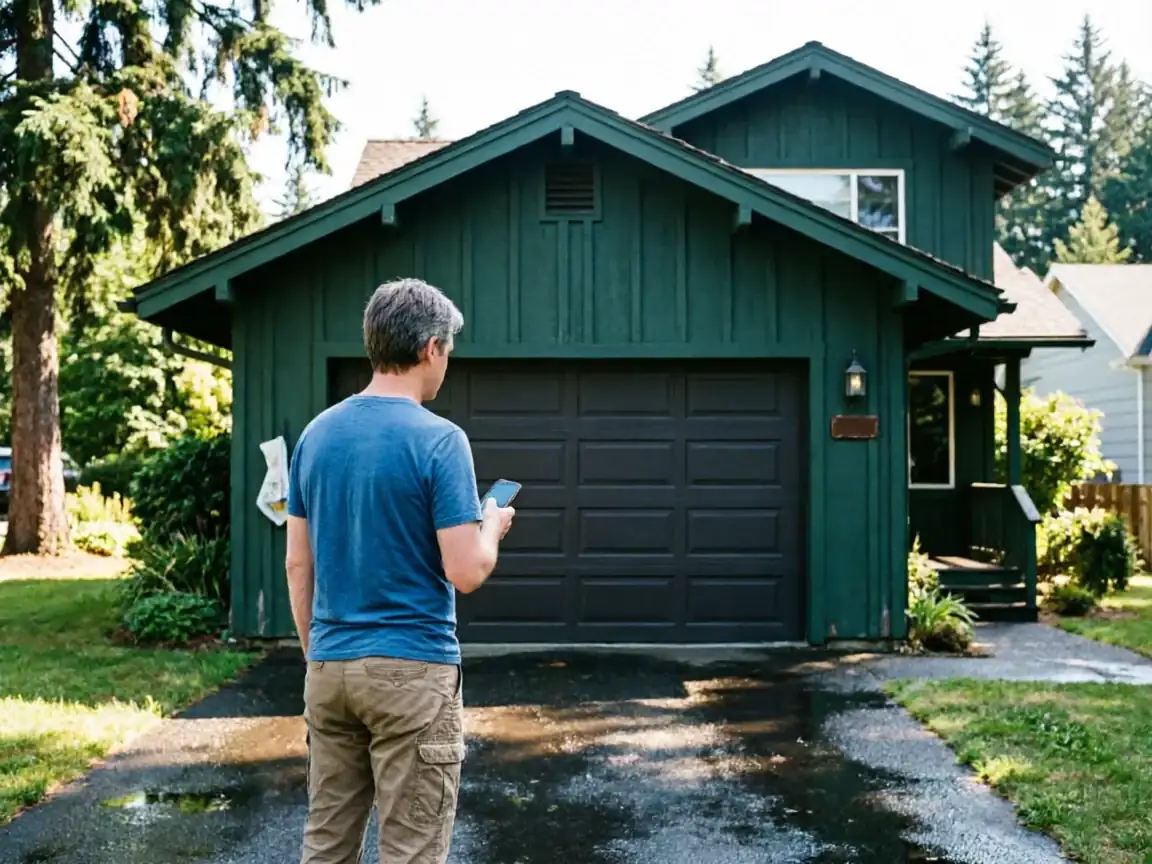
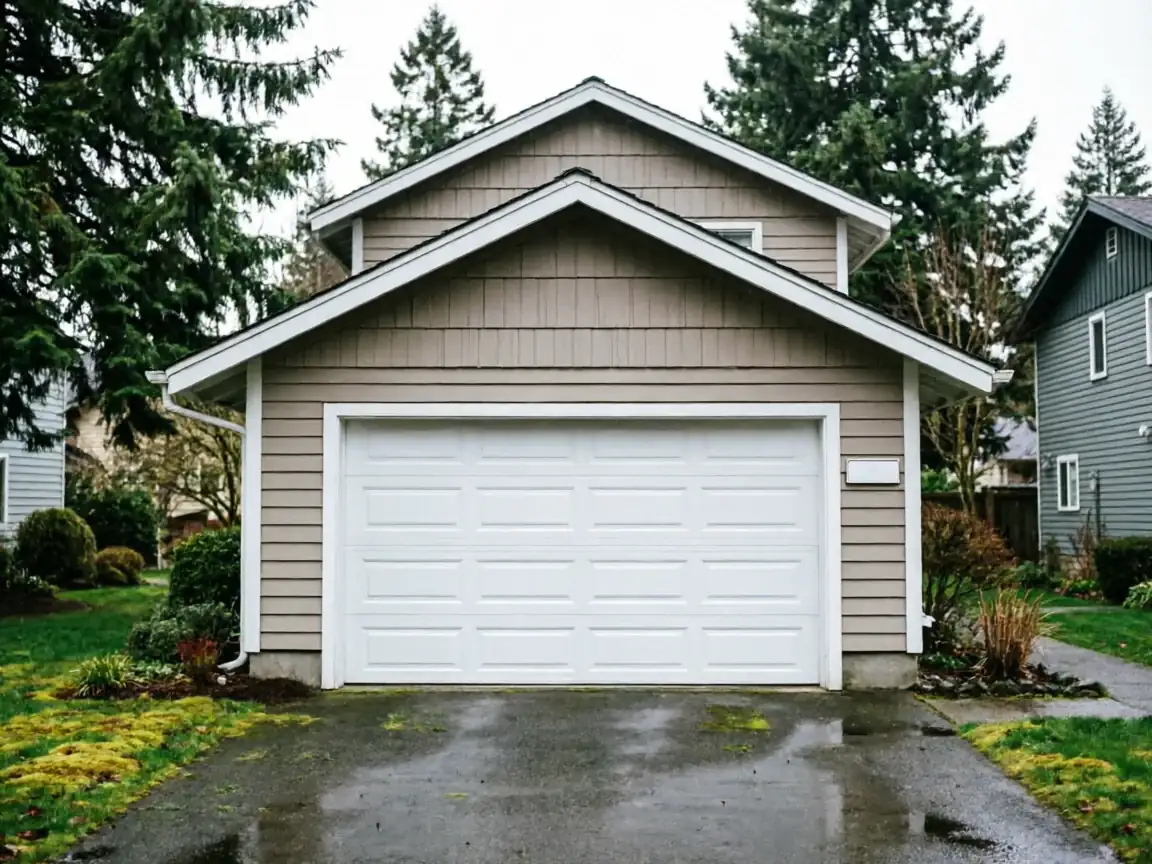
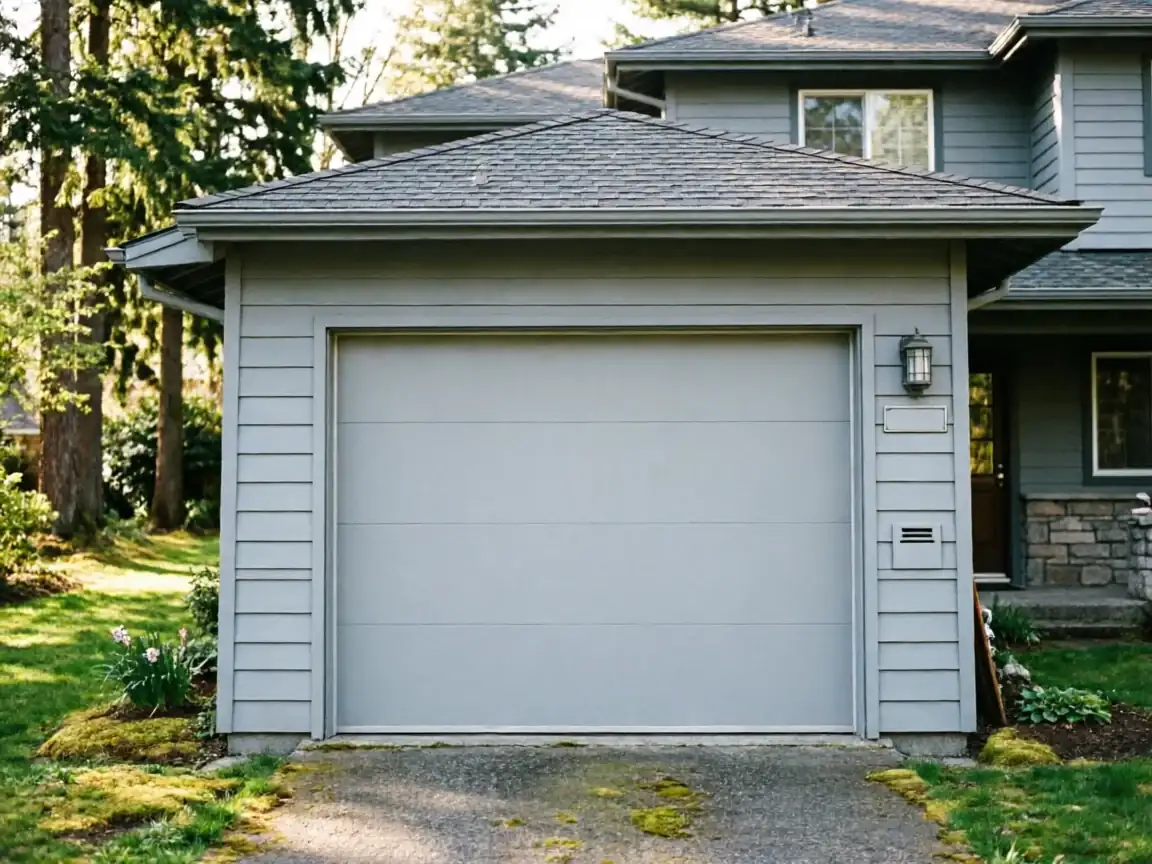
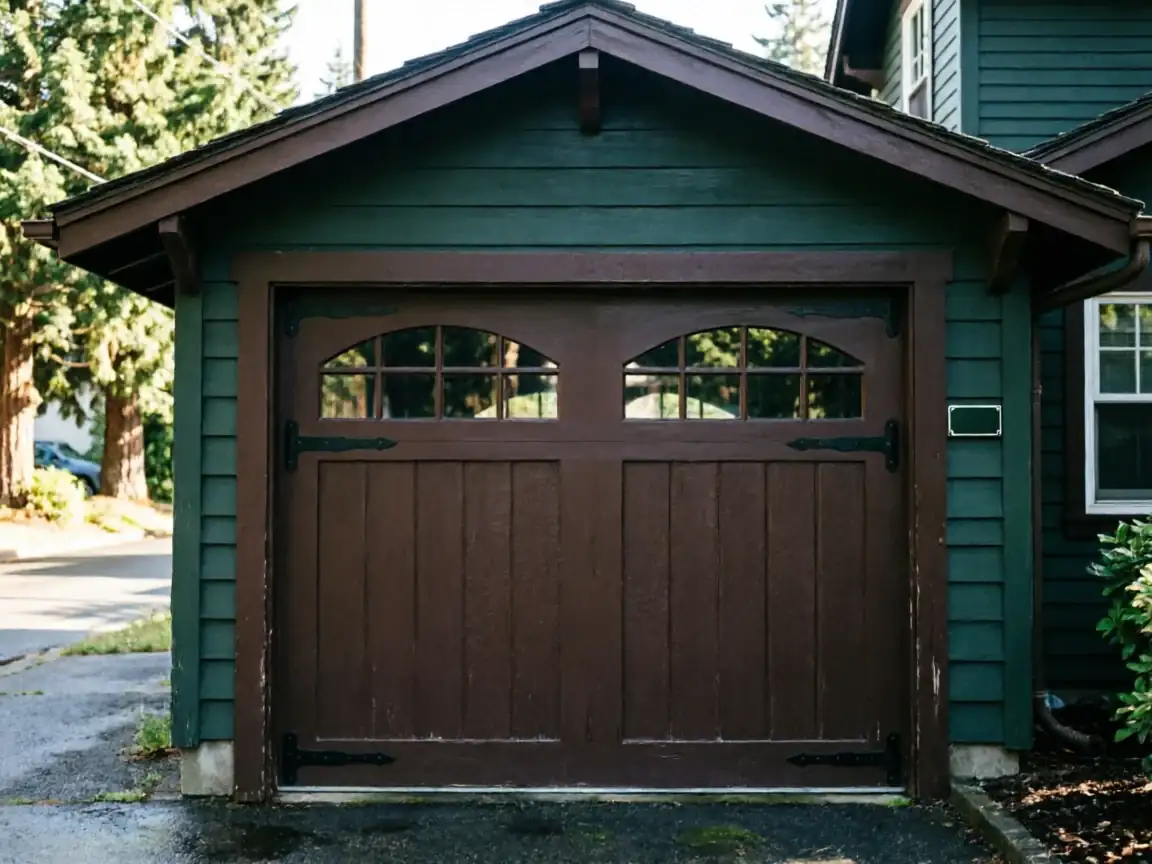
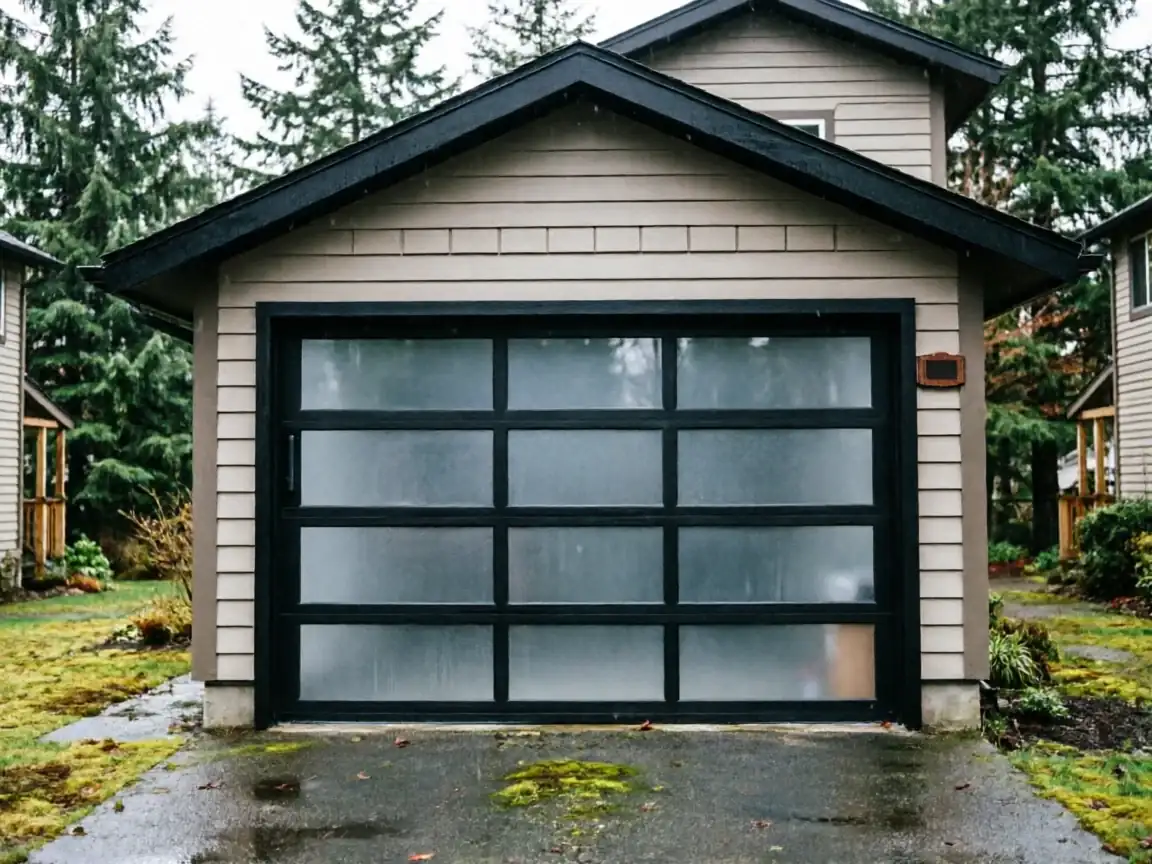
Most of the garage doors we get called out to in Cottage Lake are steel sectional doors hung somewhere around 1984
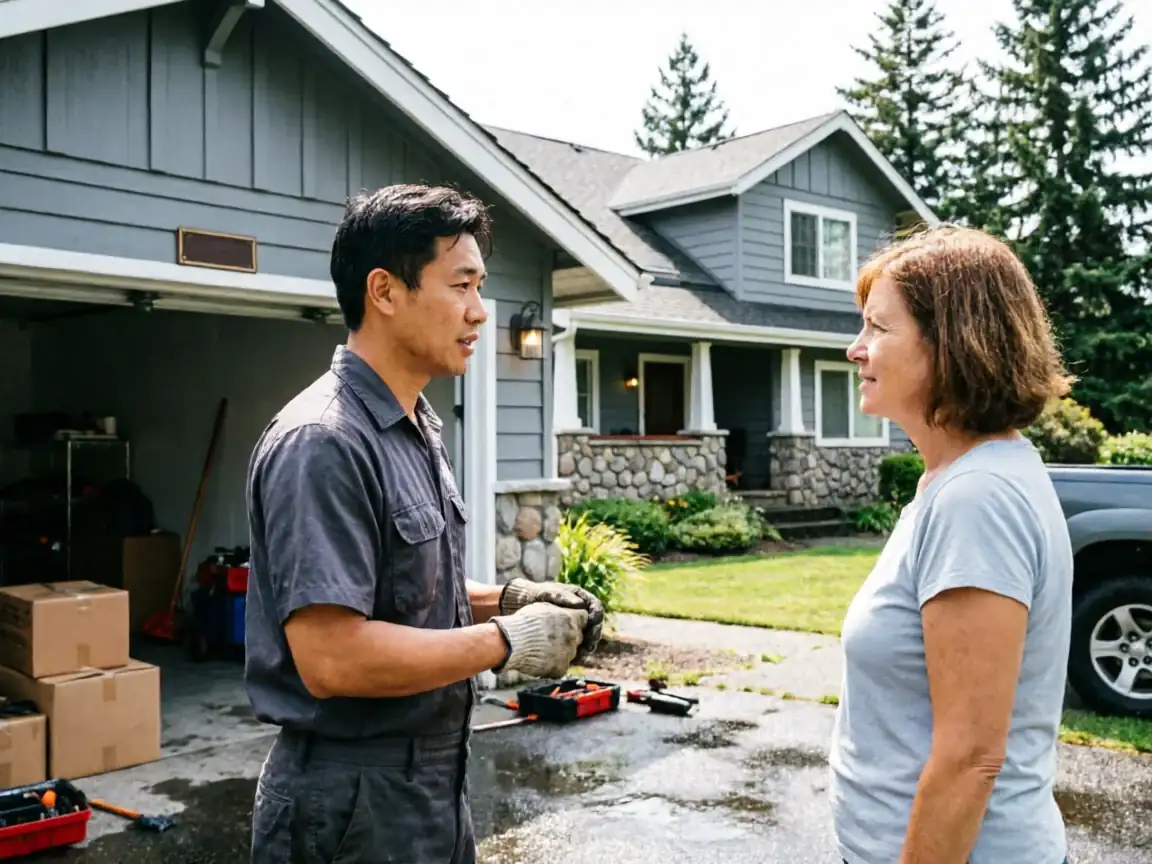
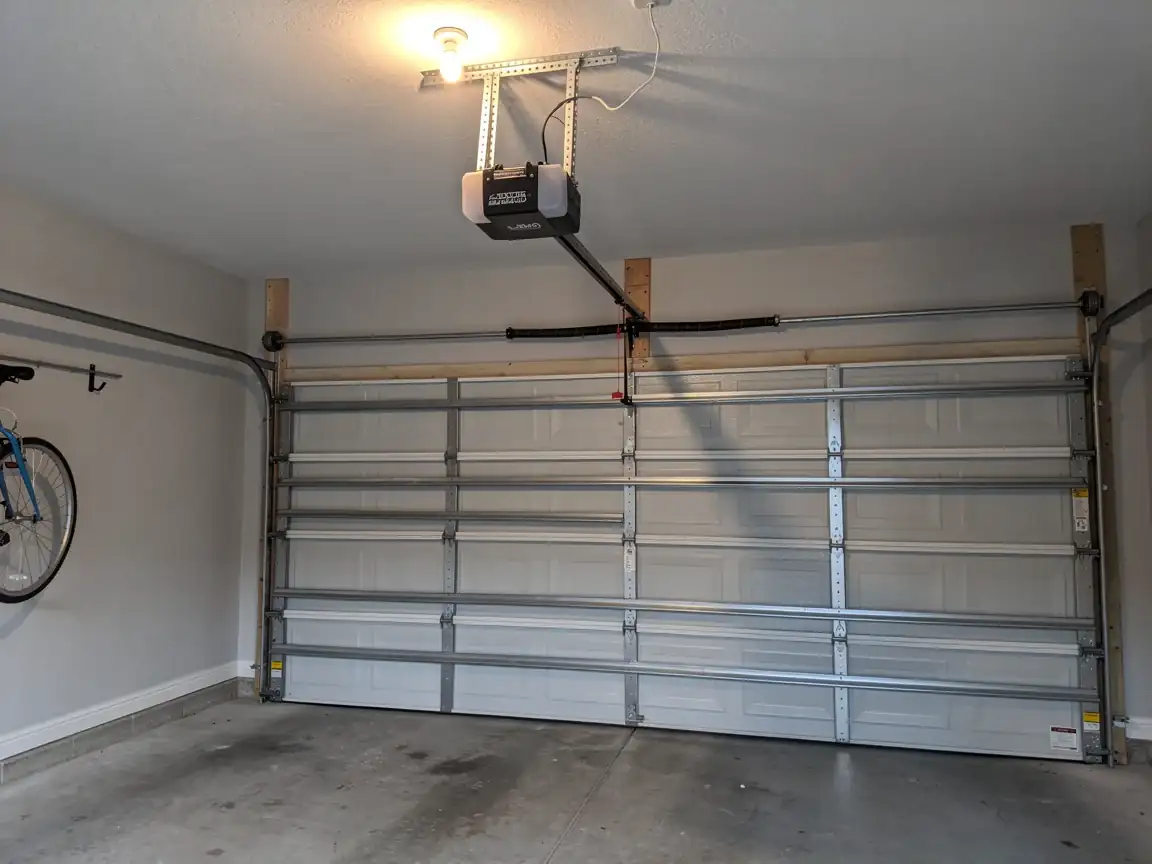
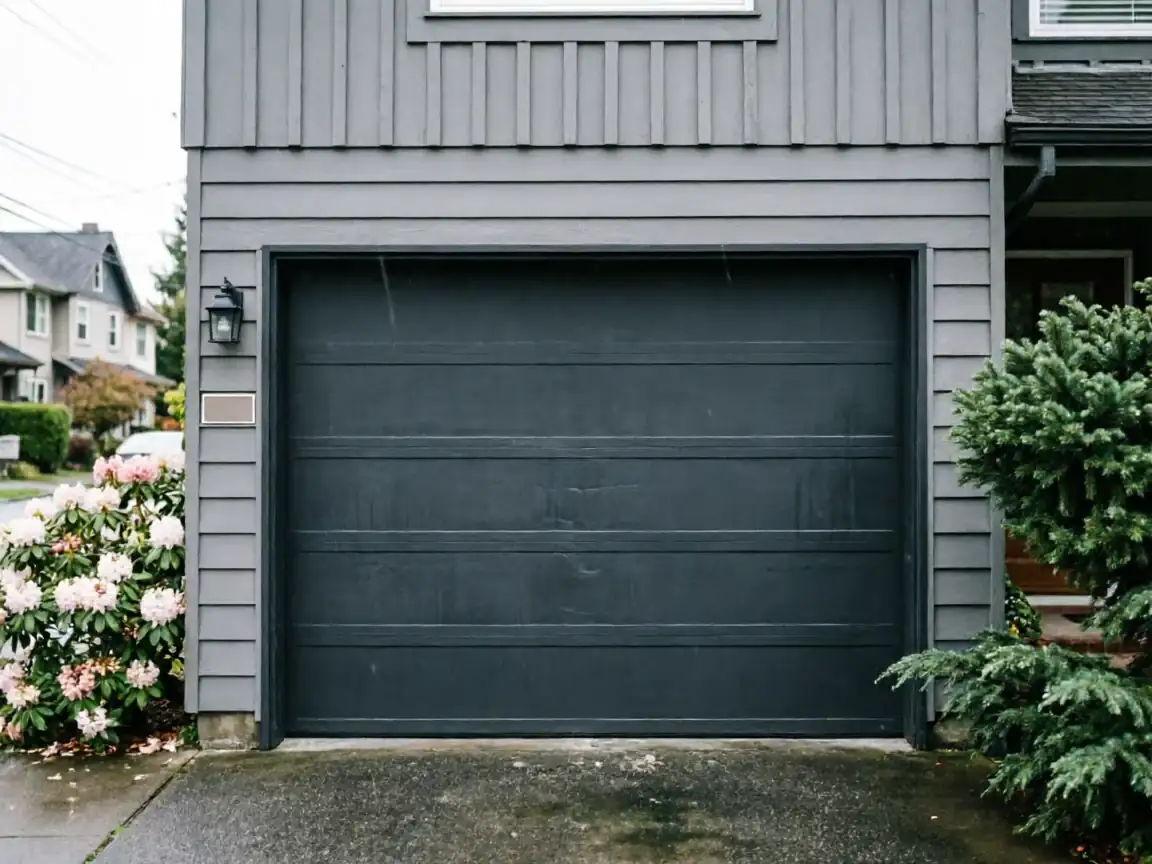
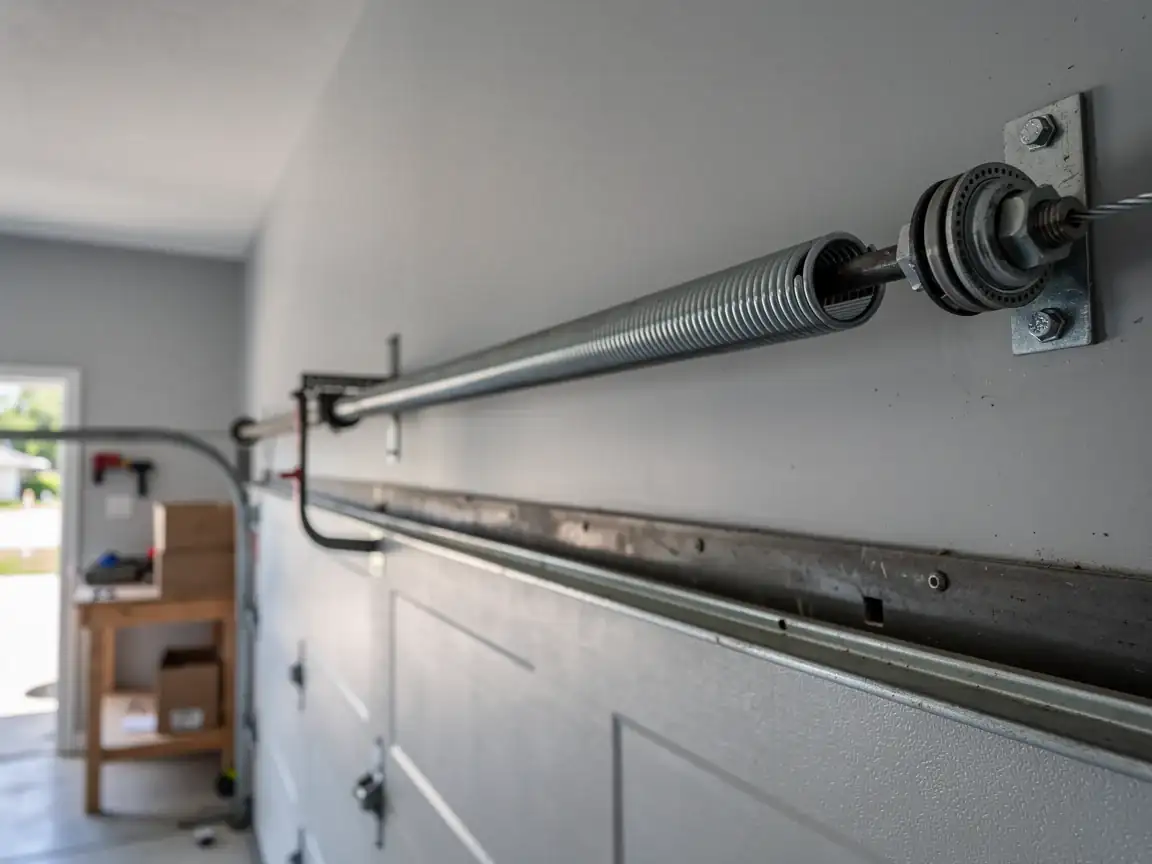
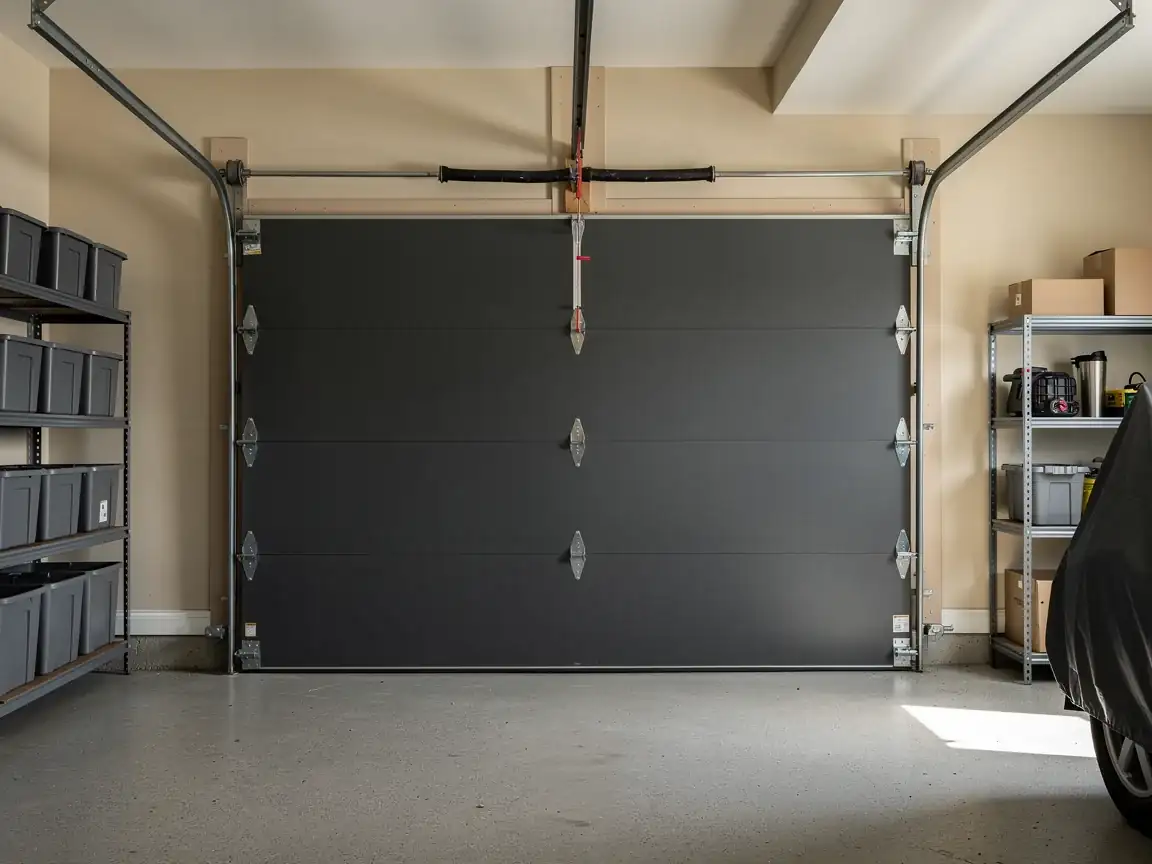
Give or take a few years either side. That's the median build year for houses out here, and it shows in the hardware: galvanized torsion springs rated for the door weight of that era, steel rollers instead of nylon, and openers that have usually been swapped out once already by the time we see them. These are 16x7 or 9x7 double and single doors, mostly flat-panel steel, not the insulated composite doors you'd see in newer construction. The sideways part isn't the door itself - it's that a 40-year-old torsion spring doesn't fail gently. It breaks on a cold morning when the steel is stiff, usually right when someone's late for work and the door won't budge. We're coming from Mill Creek, about 10 miles out, so a same-day fix depends on what's already on the truck when the call comes in.
- 10 miles
The other thing that catches people out
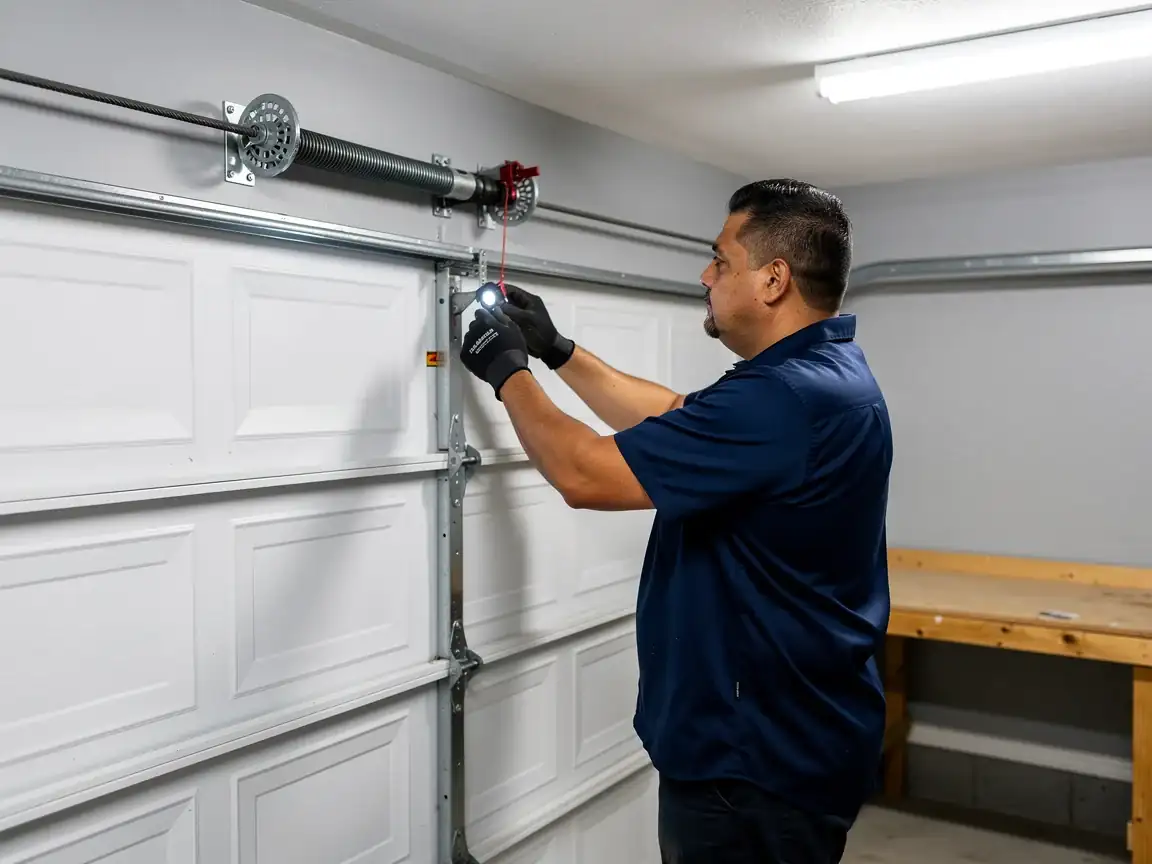
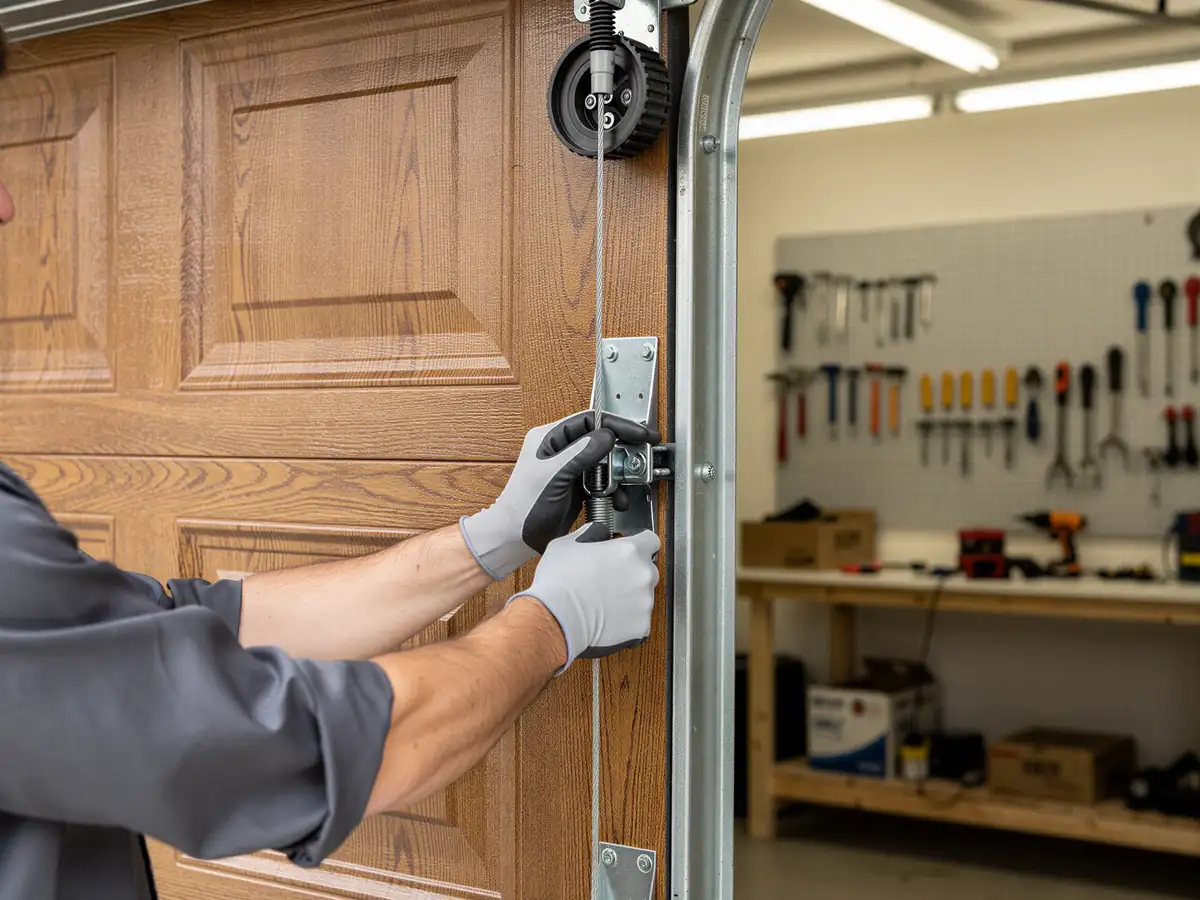
A door that's been "working fine" for years can still be on its original springs. Torsion springs are rated by cycle count, not years, and a door opened twice a day for four decades has put a lot of cycles on hardware nobody's looked at since it was installed.
What You Are Seeing
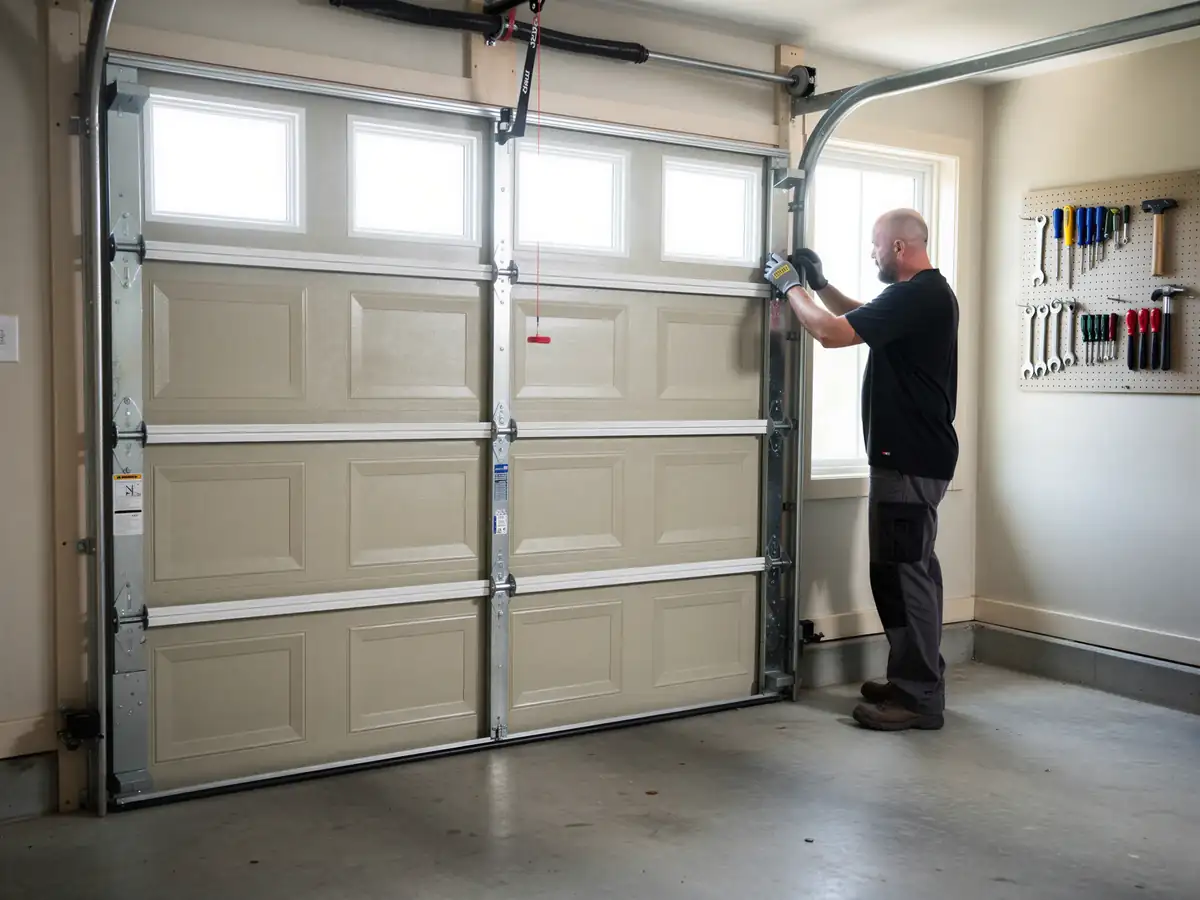
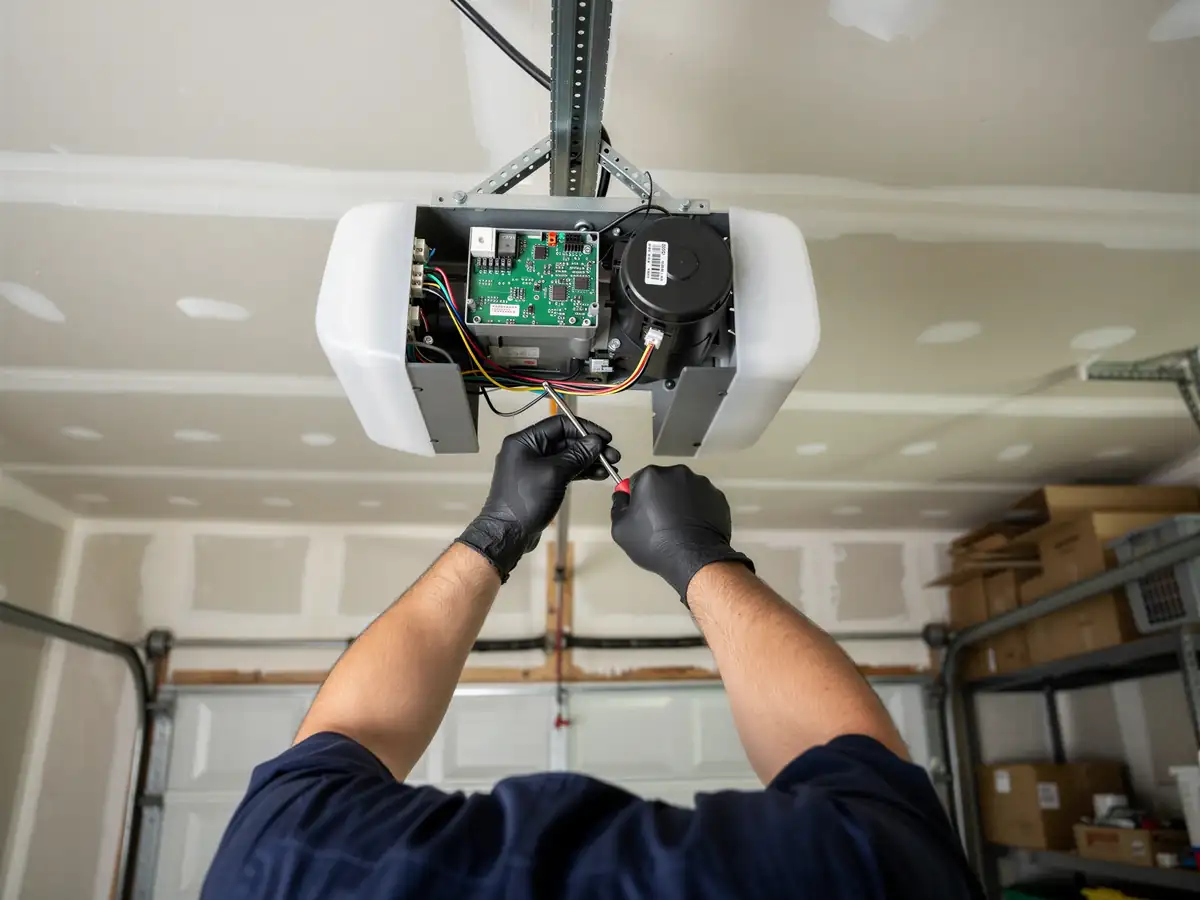
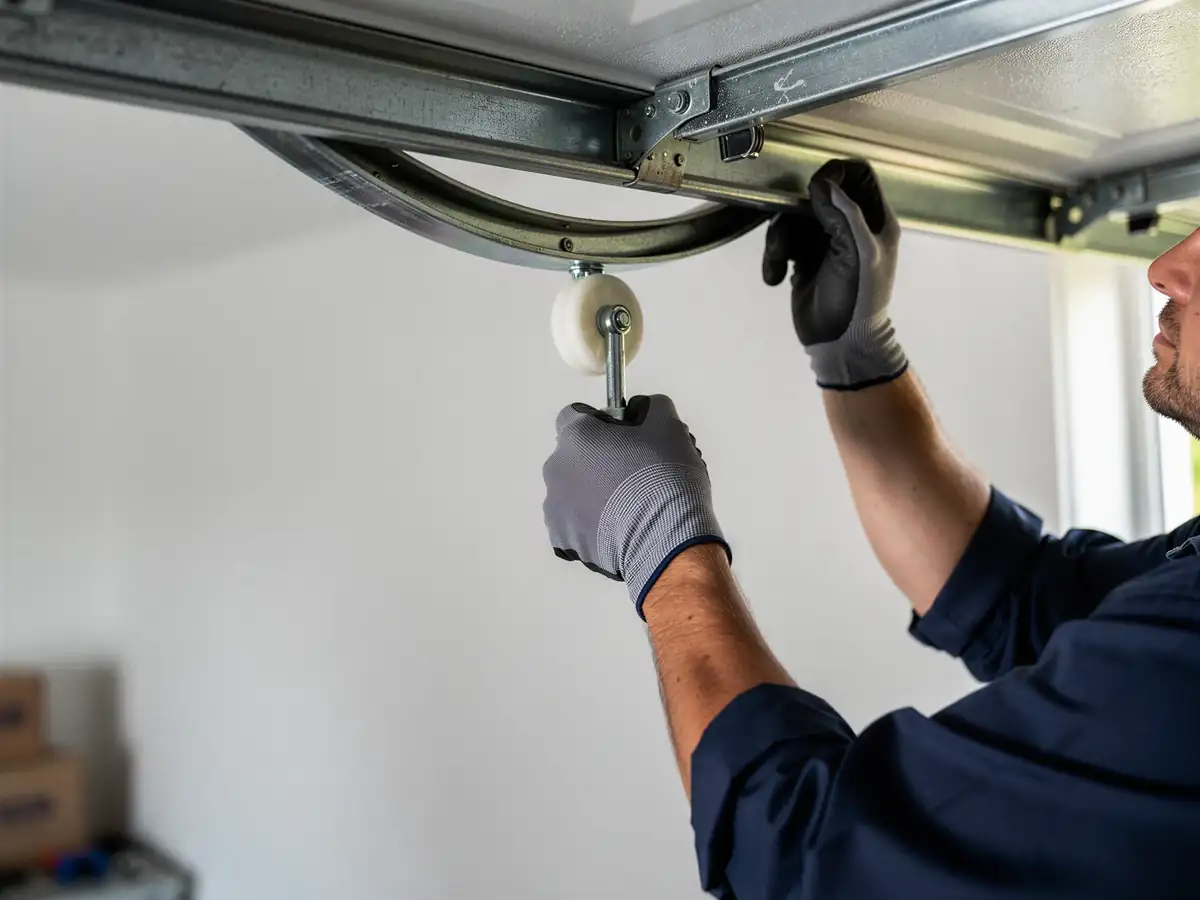
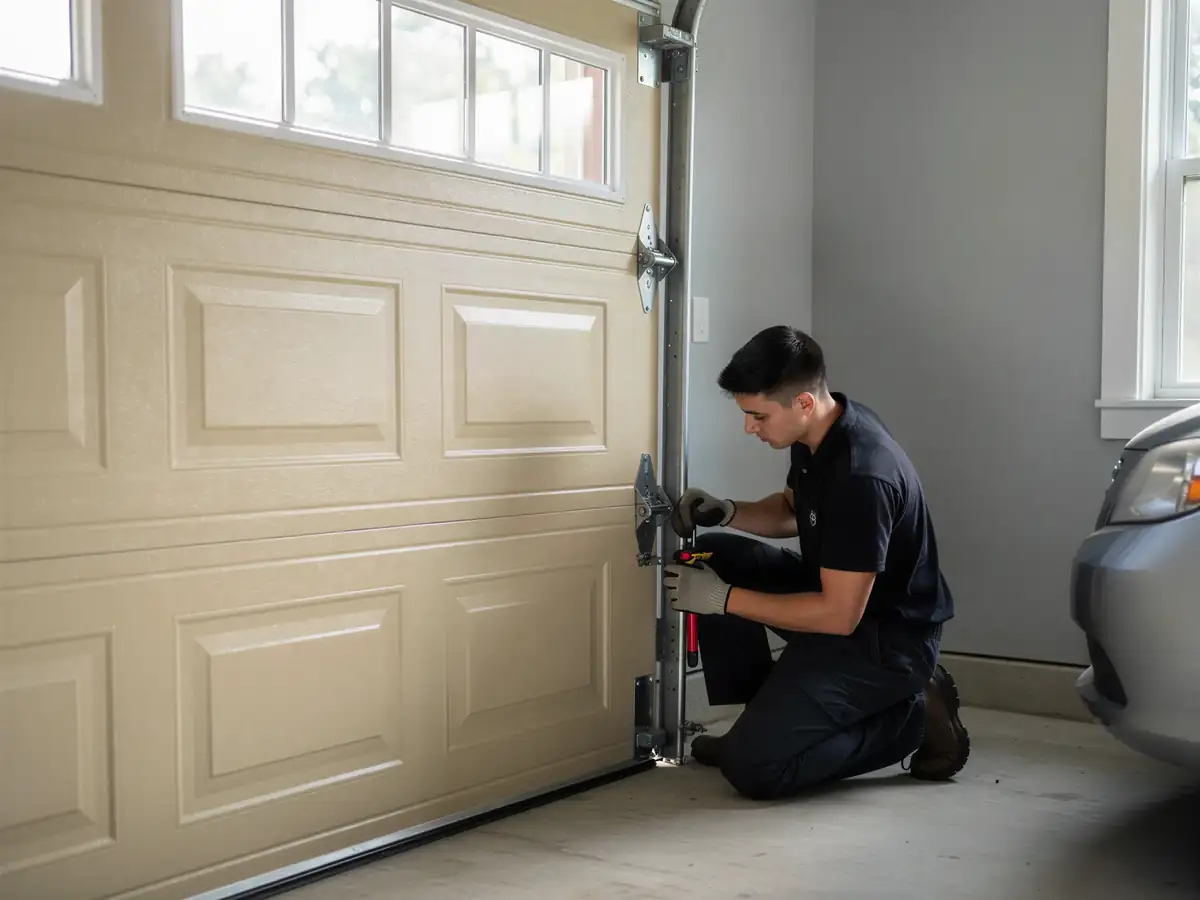
If your door is from that mid-80s wave, the failure usually looks like one of three things. First, a spring that's visibly gapped or has snapped clean - you'll hear it before you see it, a loud bang from the garage. Second, a door that reverses itself halfway up, which on steel doors this age is often a dragging roller or a track that's gone slightly out of plumb from decades of settling. Third, an opener that runs but the door doesn't move, which points to a stripped gear or a worn drive mechanism rather than the door itself.
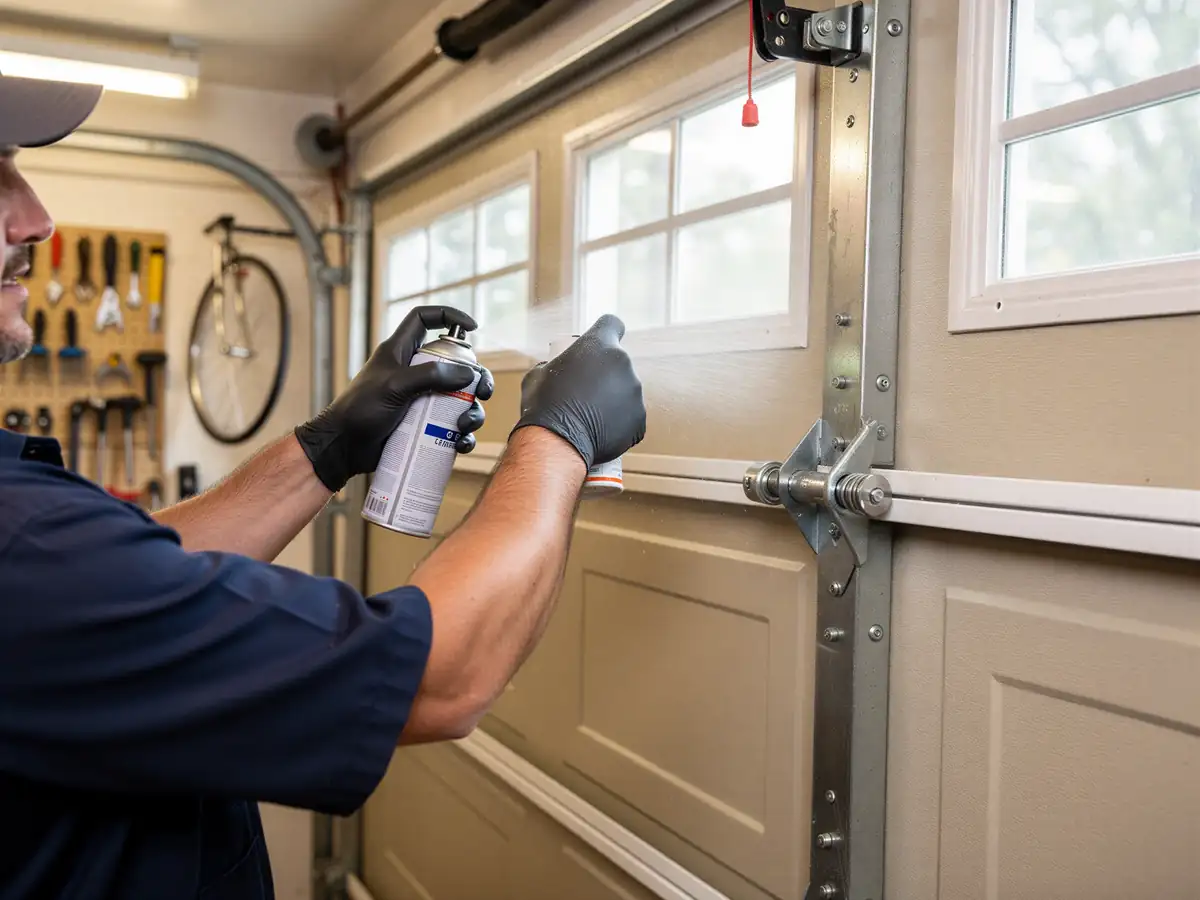
The moderate-cold climate here matters more than people think. Steel contracts in winter, and old grease on tracks and bearings thickens up, which adds load right when the spring is already fatigued. That combination is why late fall and winter are when these doors tend to let go. None of this is unique to one house - it's the physical reality of a steel door and torsion hardware that's been doing its job since the Reagan administration.
What It Costs
We don't have a flat number to quote here without seeing the door, and we're not going to make one up. What we can tell you is that the cost on a typical Cottage Lake job depends heavily on whether it's a spring swap, a roller and track service, or an opener repair - those are three very different jobs with three different parts lists. A single broken torsion spring on a steel door this age is usually the most straightforward of the three because the hardware is simple and the parts are common. An opener gear or circuit board replacement runs higher because the part itself costs more.
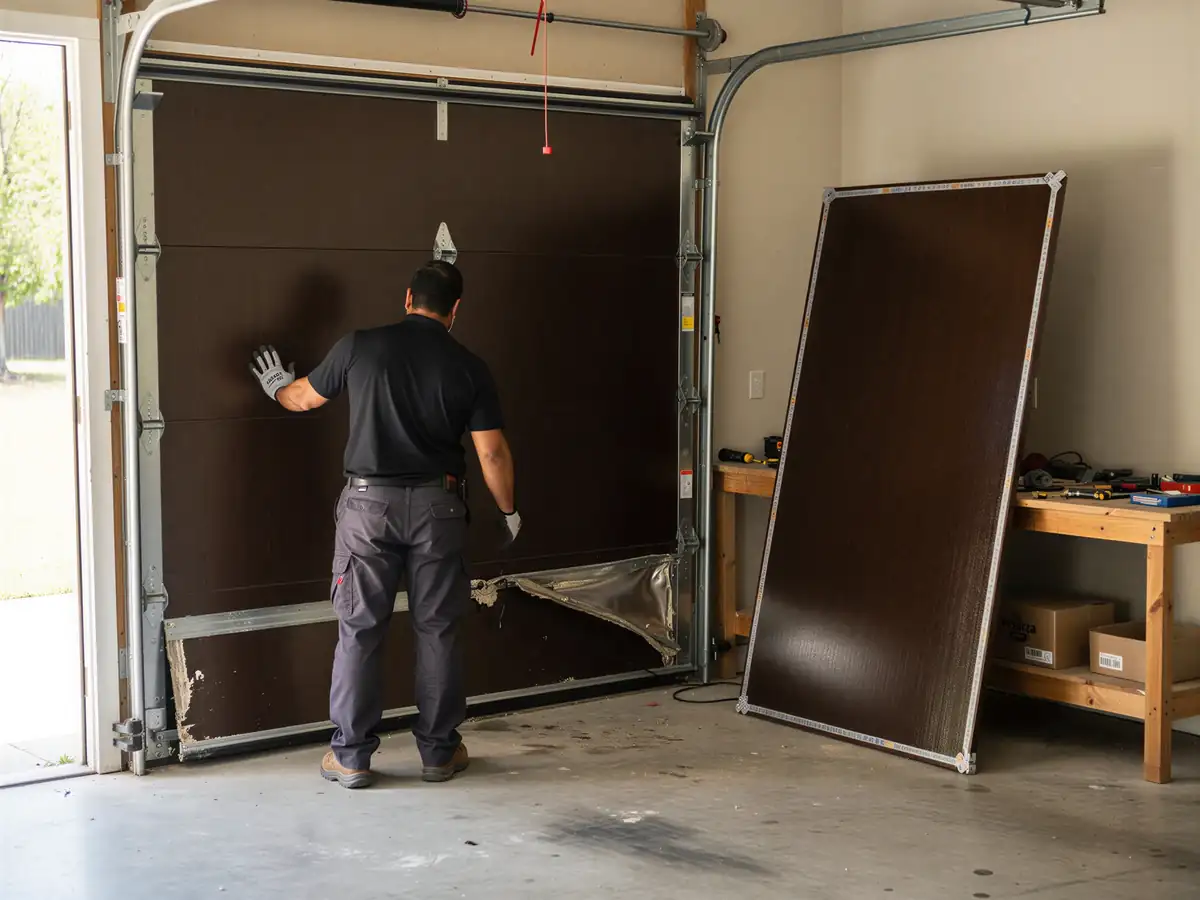
One honest limitation: if the door is original from 1984 and the opener has failed along with structural wear on the panels, we'll tell you straight when replacement makes more financial sense than another repair. Patching an old door forever isn't a service, it's a way of taking your money twice.
Stocked Parts
Because so much of Cottage Lake's housing sits in that 1980s-to-90s build window
We carry the torsion springs and steel roller sizes that fit that stock on the truck as a matter of course - not special-ordered, just standard inventory for this kind of call. Galvanized springs sized for single and double steel doors, 2-inch and 2.5-inch rollers, and the steel track hardware that doesn't change much across that era are things we expect to need before we even see the house.
What we don't carry standing
Proprietary opener boards for less common brands, and some insulated panel sections if a door was upgraded partway through its life and doesn't match standard stock sizes anymore. If your door is one of those, there's a lead time on the part, and we'll tell you that up front rather than promise a same-visit fix we can't deliver.
What the Repair Takes
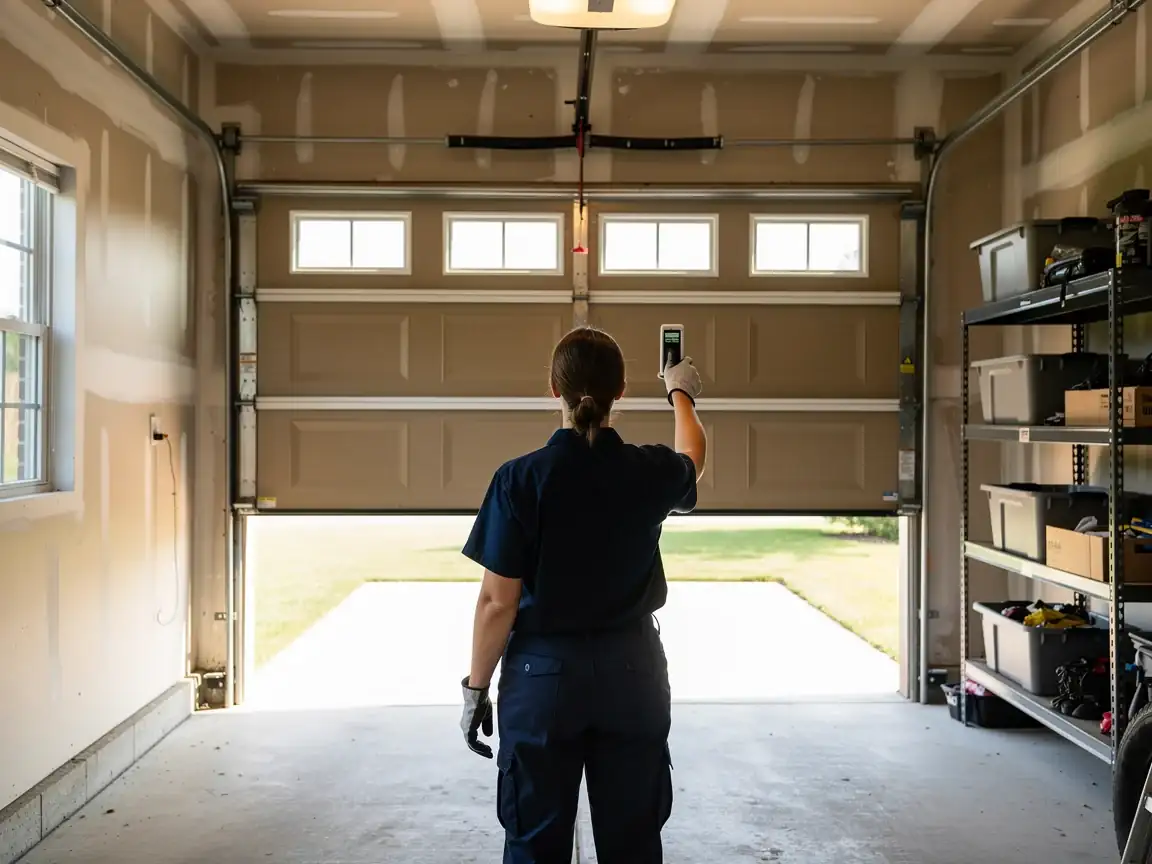
A straight spring replacement on a steel door from this era is usually a single visit - the hardware is standard and we're not fighting a nonstandard track or an odd door weight. Roller and track work takes about the same window, longer if the track has to be reset for plumb rather than just lubricated and adjusted. Opener repairs vary more: if it's a gear or a logic board we stock, it's the same visit; if it's a part we don't carry standing, the truck goes back out once the part's in.
We're driving from Mill Creek for every Cottage Lake call, so travel time is part of the scheduling math, not an extra charge, but it does mean we plan the day's route around where calls land rather than keeping a standby crew sitting ten miles out.
Getting It Booked In
If your door is sticking, reversing, or made that bang this morning, tell us the door size and roughly how old the house is when you call - for Cottage Lake that's almost always going to land near 1984, and knowing that up front means we load the right spring size before we leave Mill Creek instead of guessing. We cover the Cottage Lake area as part of our regular route, not as a special trip, so there's no separate dispatch fee tied to the distance.
You can see the areas we run out of Mill Creek on our coverage page, and if what you're dealing with is bigger than a repair - full replacement, a second opener, a new door entirely - that's covered on our main Mill Creek page.