How Long It Takes
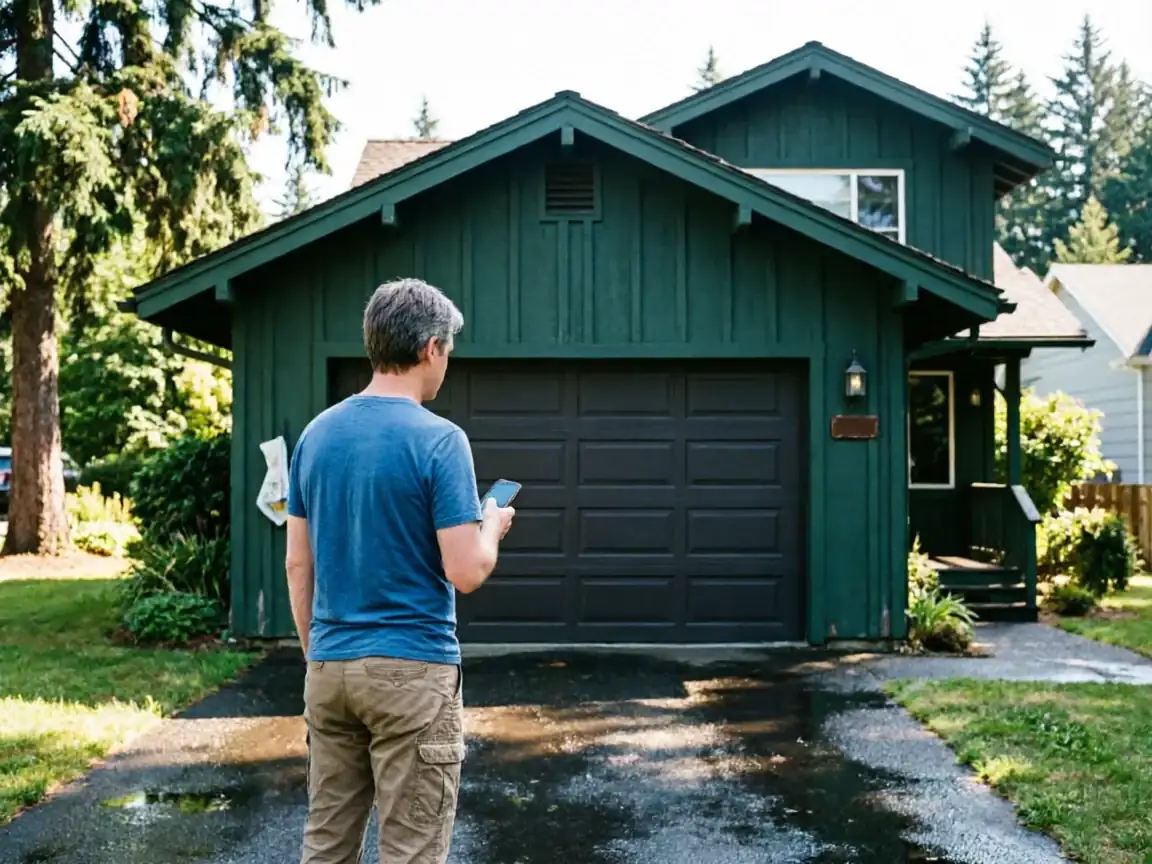
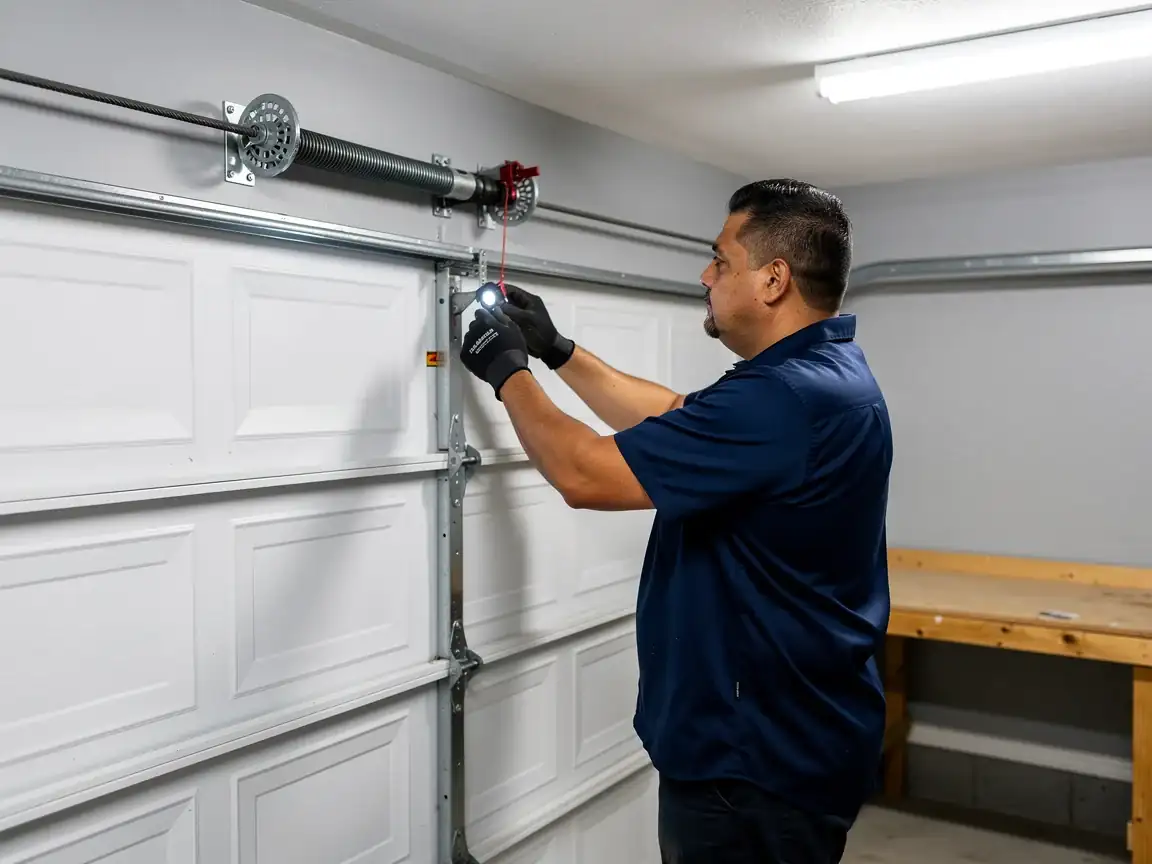
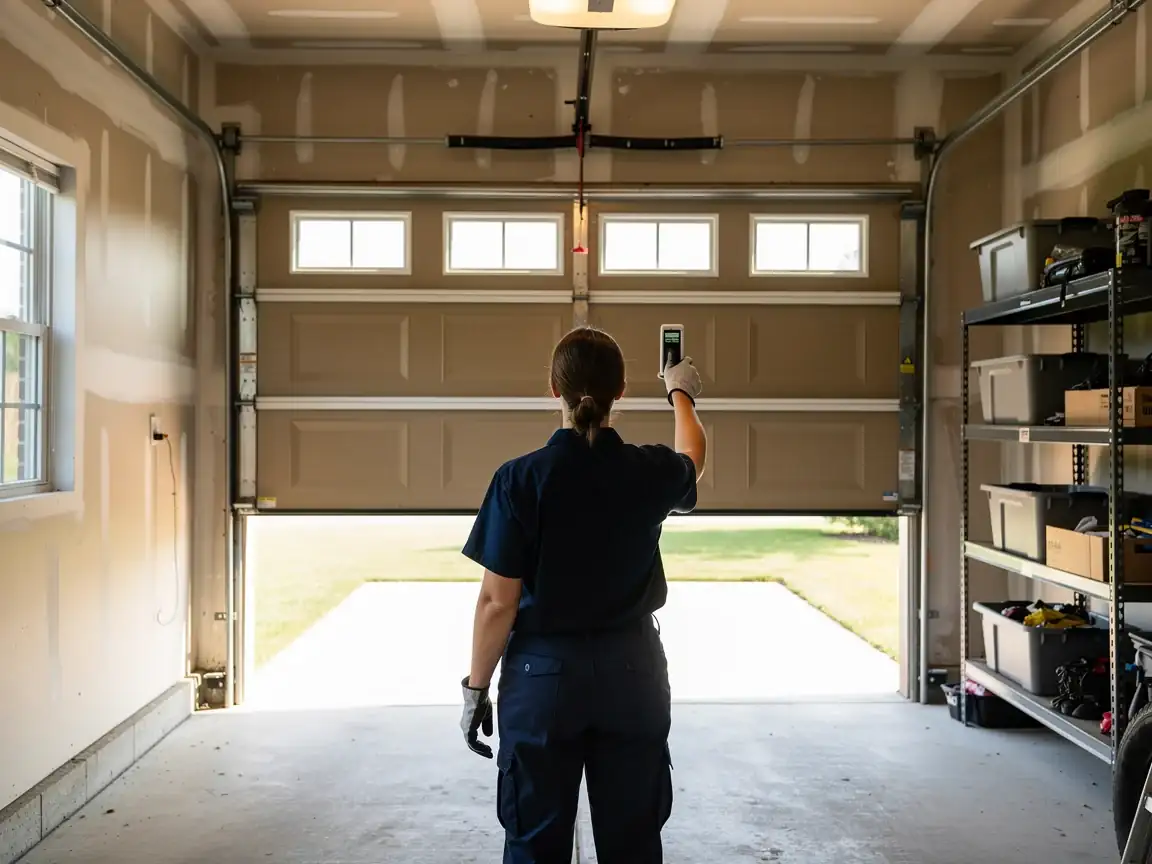
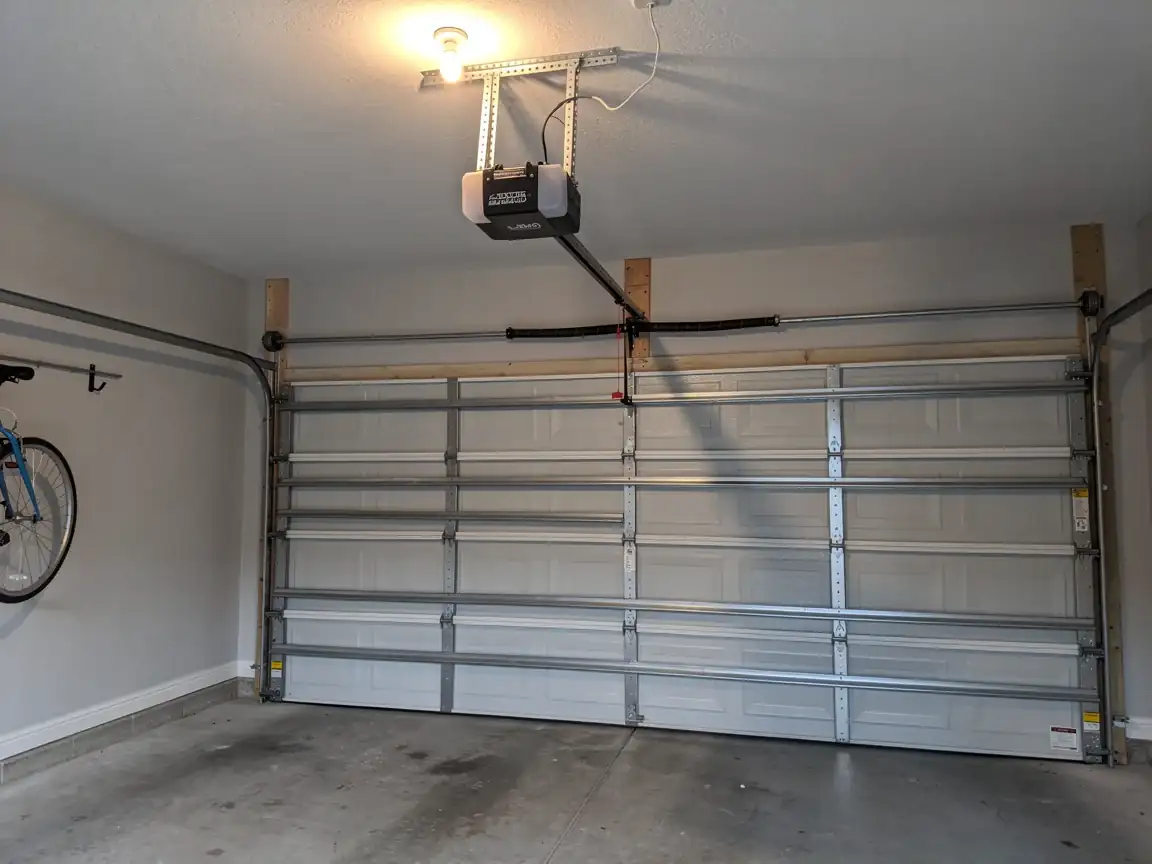
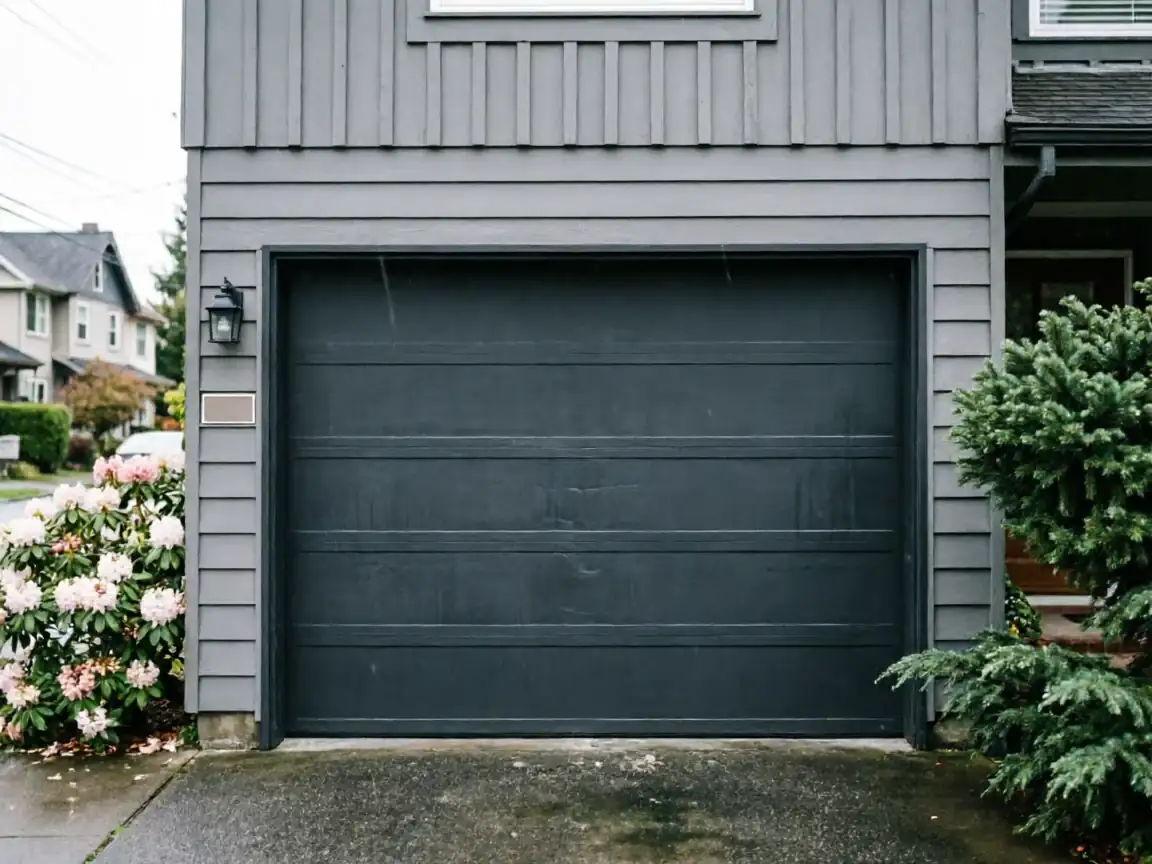
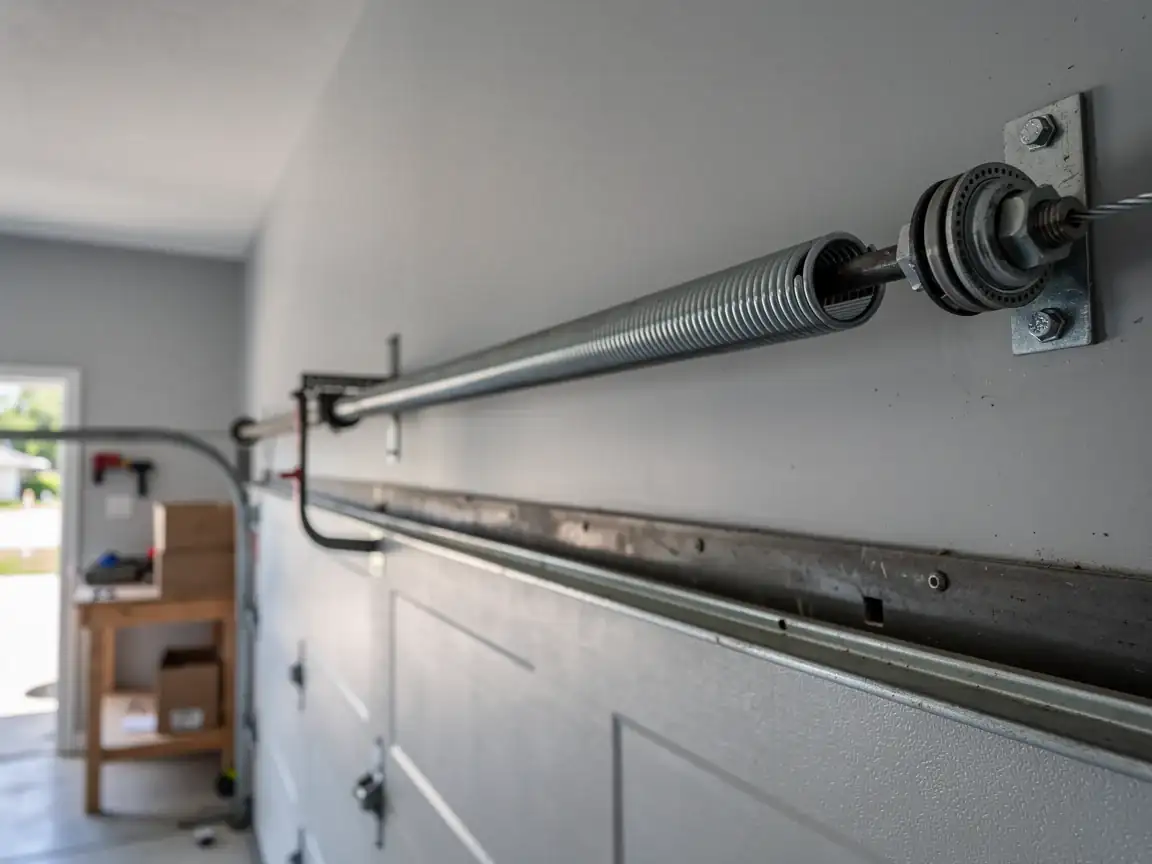
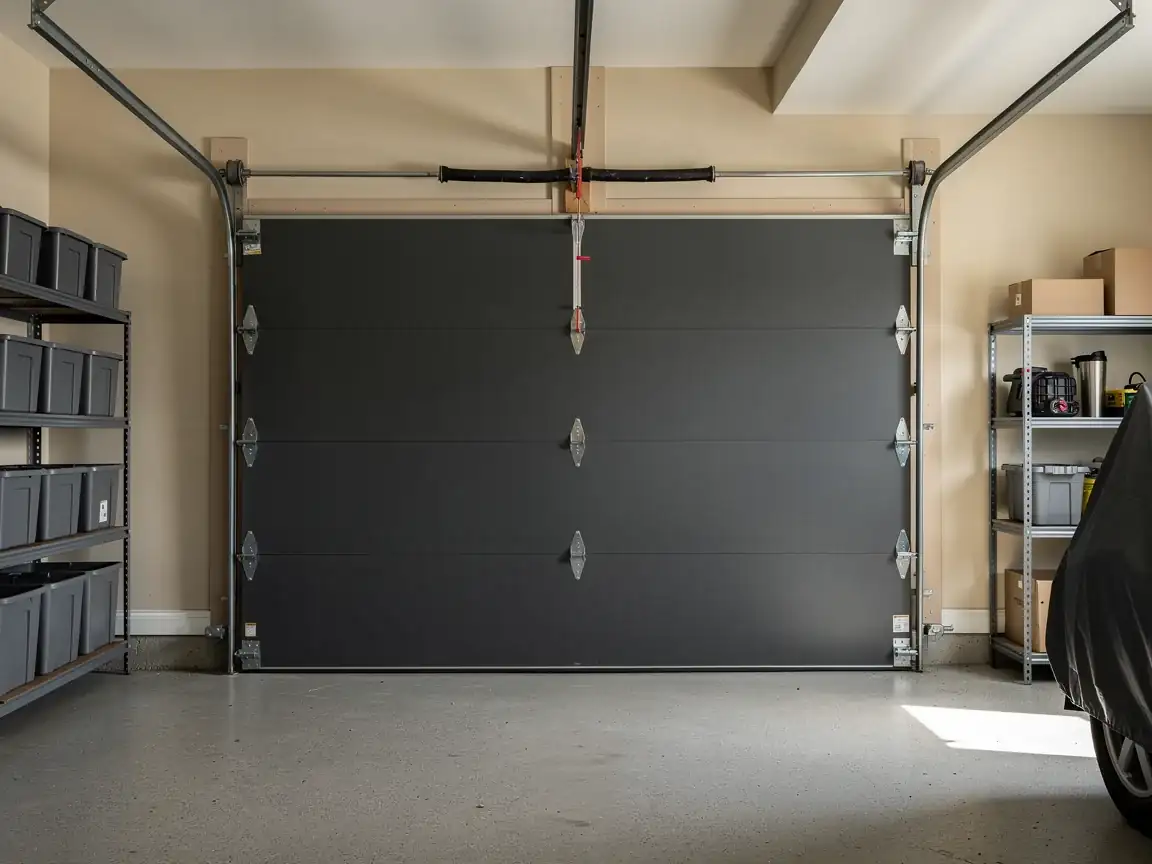
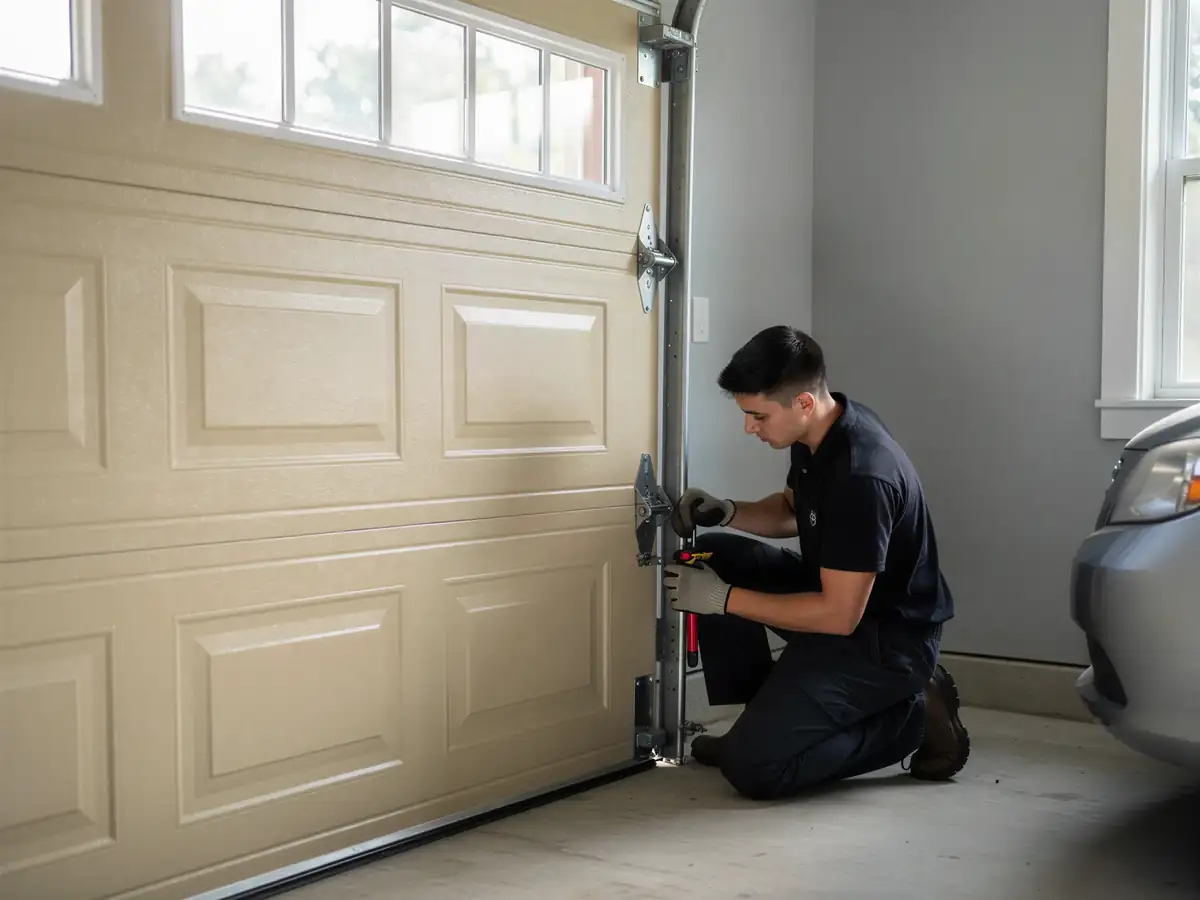
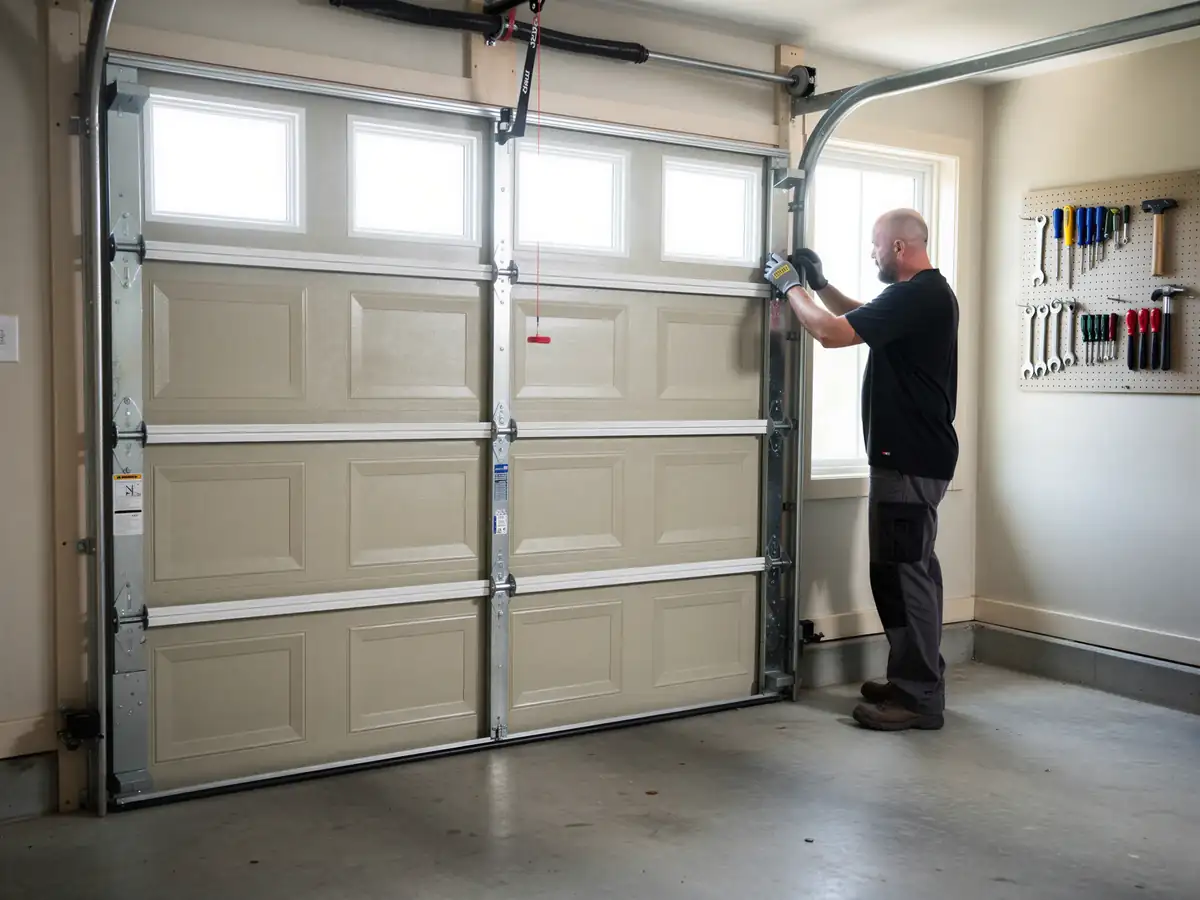
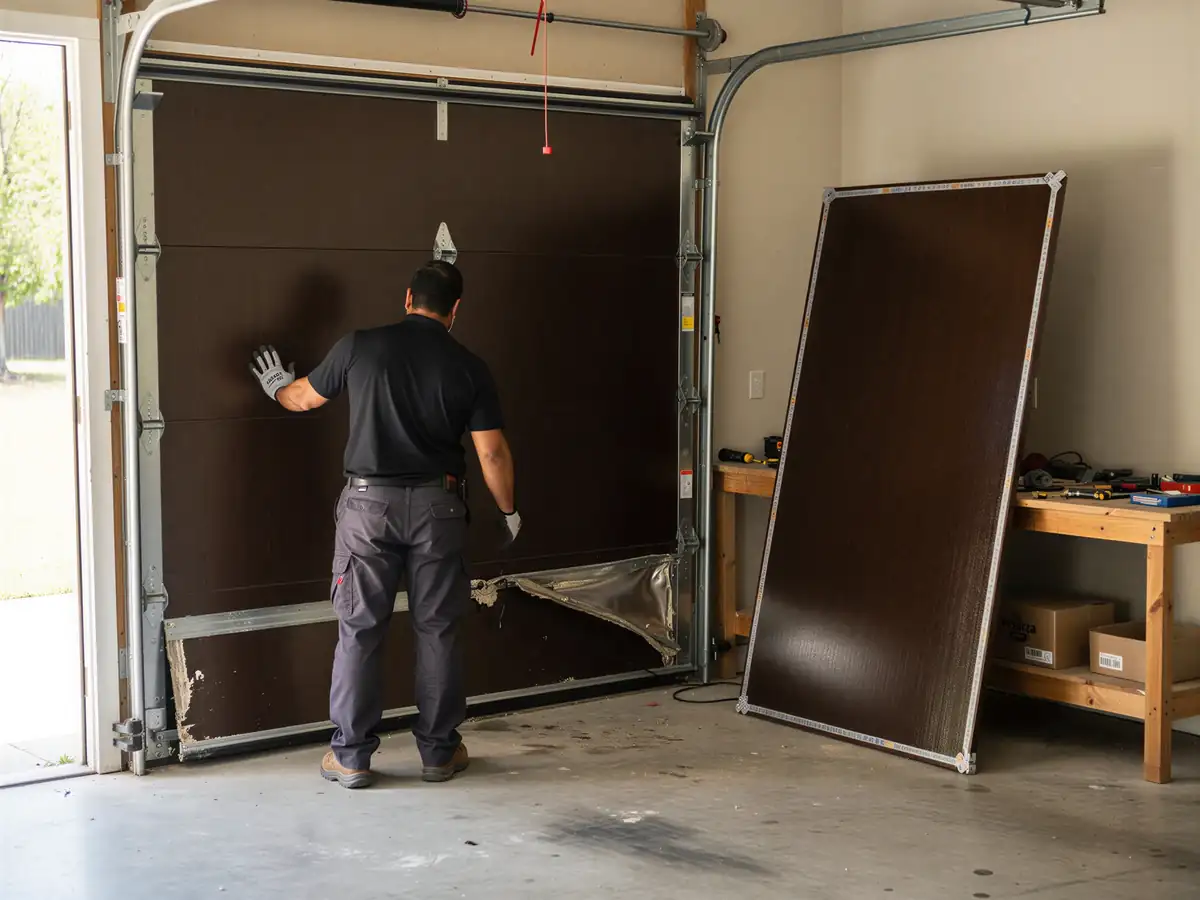
We run this job out of Mill Creek, about 6 miles from Maltby, so there's no local branch adding or cutting time - just the drive plus the work itself. A single-panel swap on a door where the part is in stock is a same-visit job once we're on site: unbolt the damaged section, slide in the replacement, re-hang and balance. Where it slows down is parts. A door built around 1983, which is roughly Maltby's median build year, may carry a panel width or ribbing pattern the original maker no longer produces. When that happens, we're ordering from a supplier that still stocks older profiles, and that can push the job out by days rather than hours. We'll tell you on the first visit whether your panel is a shelf item or a special order - we don't guess and we don't promise a turnaround we can't back up.
Why It Happens Here
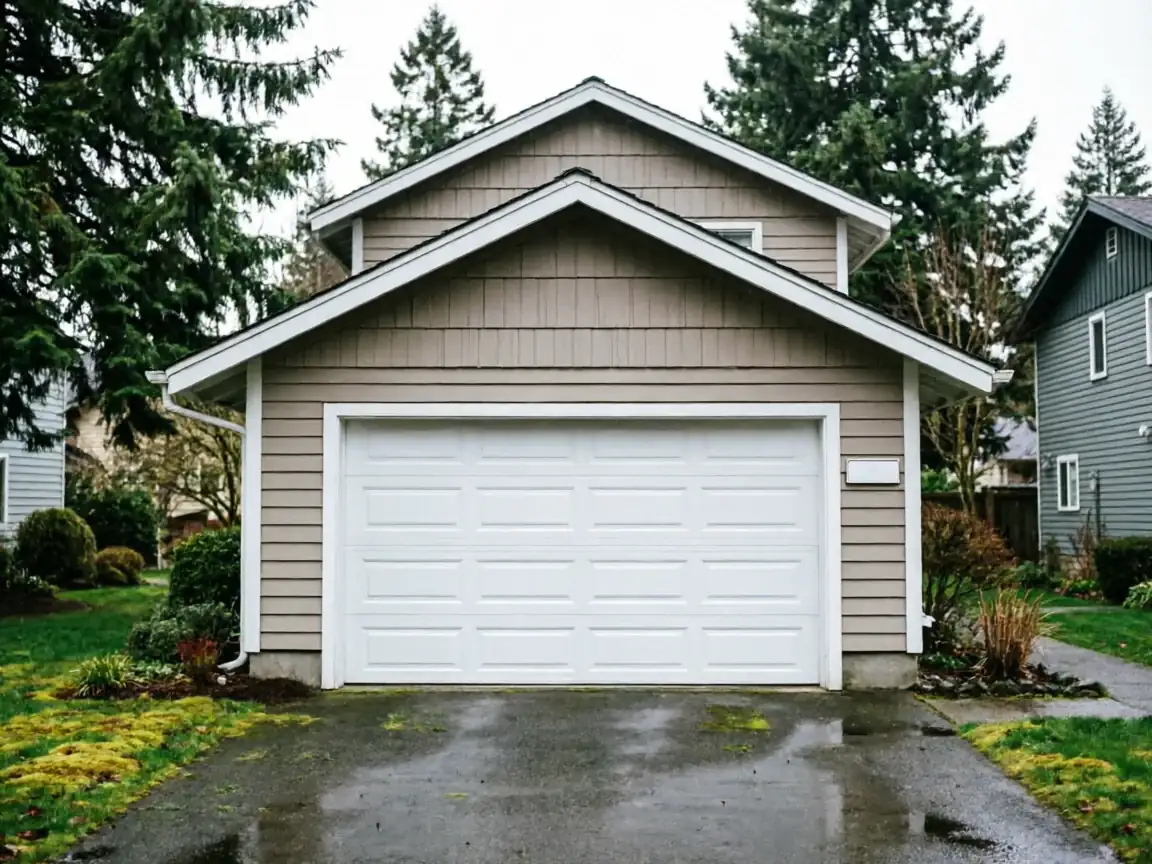
Maltby's housing stock centers on 1983, inside the broader 1968-2000 band that covers most of this service area. Doors from that era are almost always steel, often without the foam-core insulation that became standard later, and the panel seams and screw patterns were never standardized across manufacturers the way current lines are. That's the root of most panel failures we see on these houses: a backed-into panel or a wind-sprung section that can't just be ordered off a current catalog page. Add the regional climate - a cold, moderate band rather than a mild coastal one - and steel panels without insulation flex more with freeze-thaw cycles, which loosens the seams between sections over the decades and makes dents easier to put through. None of that is unique to any one street in Maltby; it's a function of when the neighborhood went up and what went into the doors at the time.