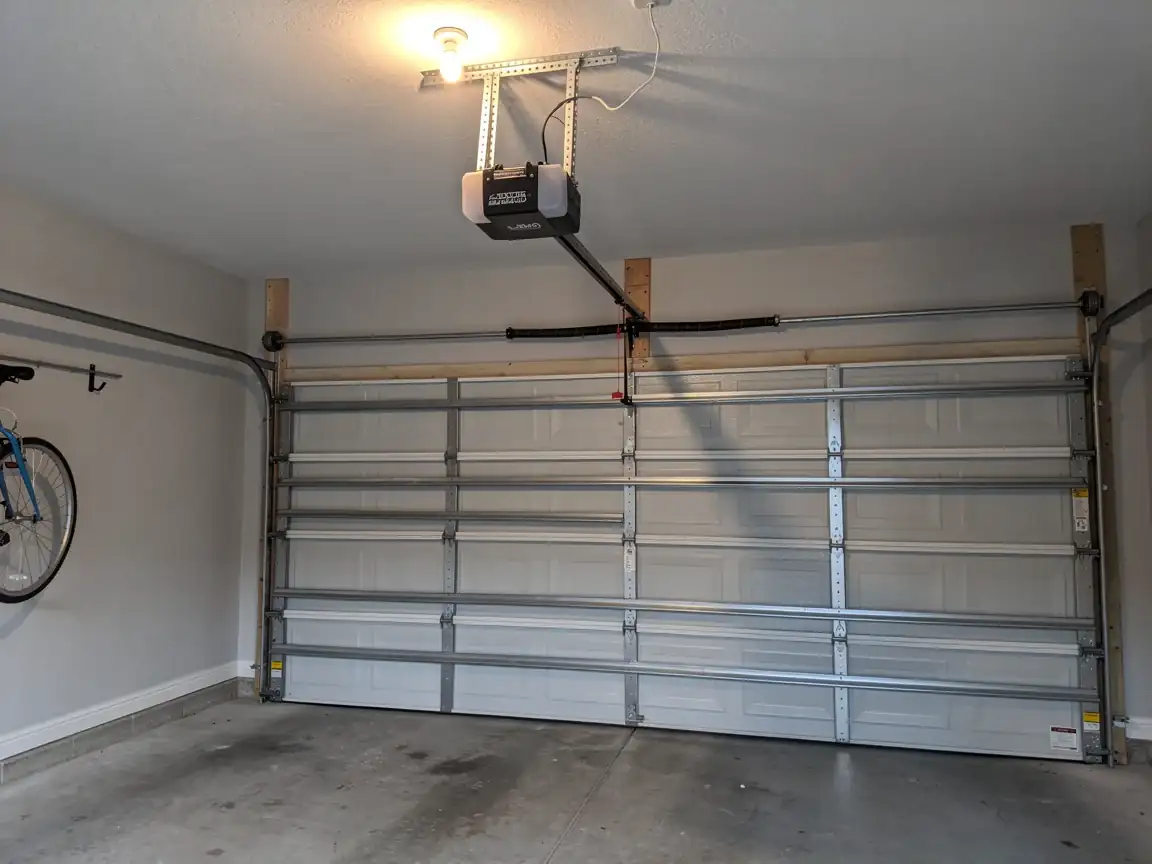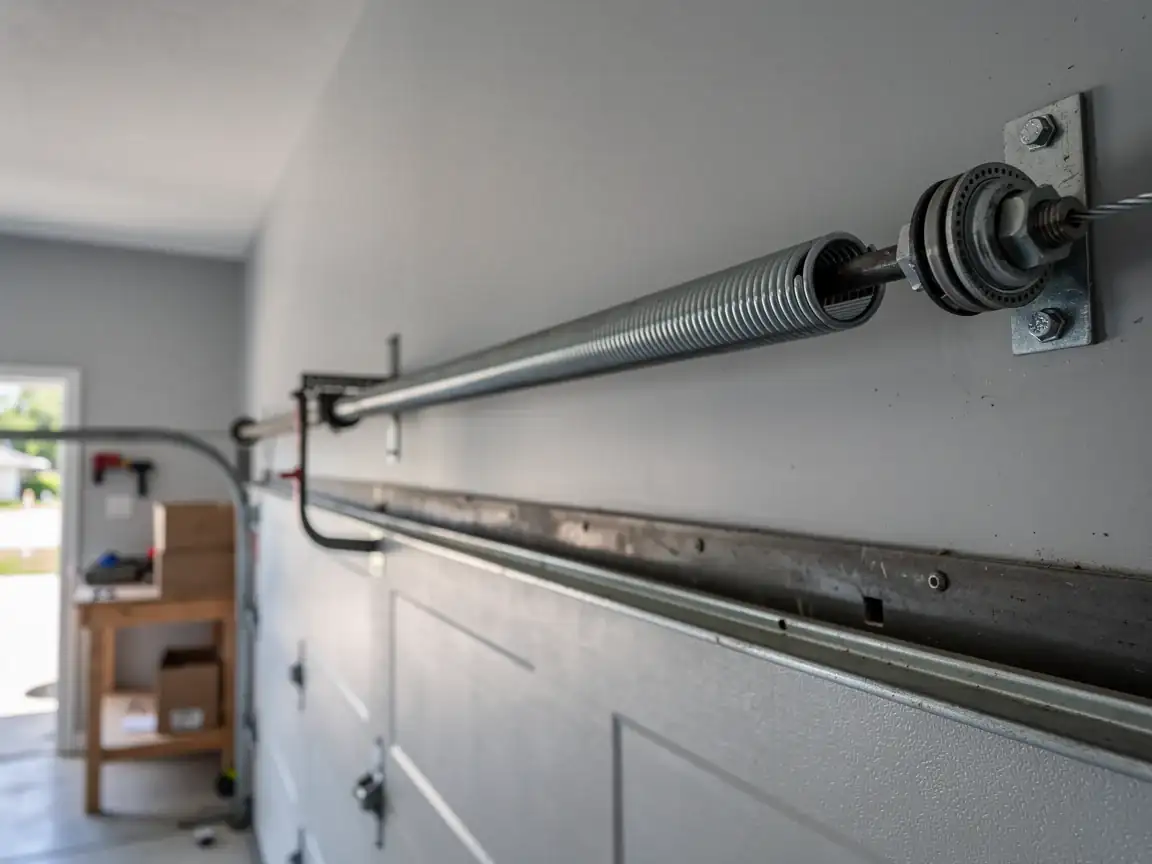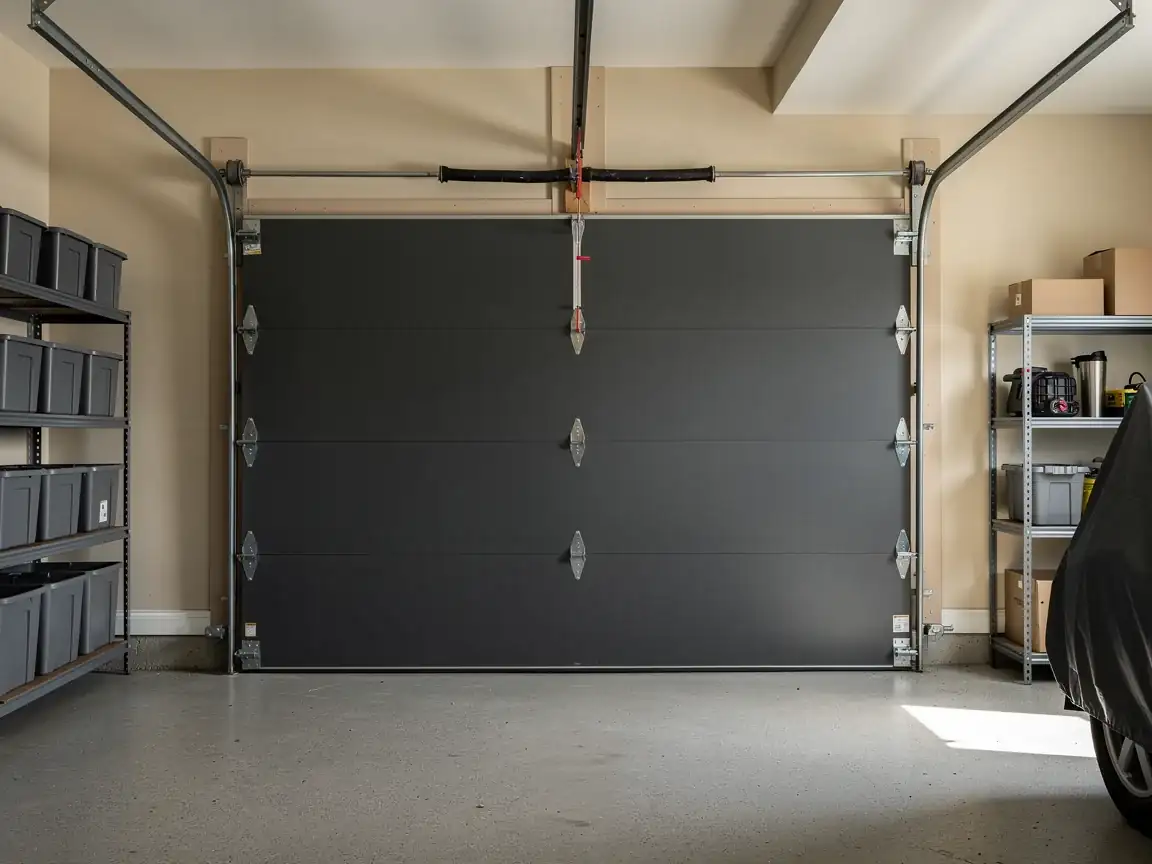
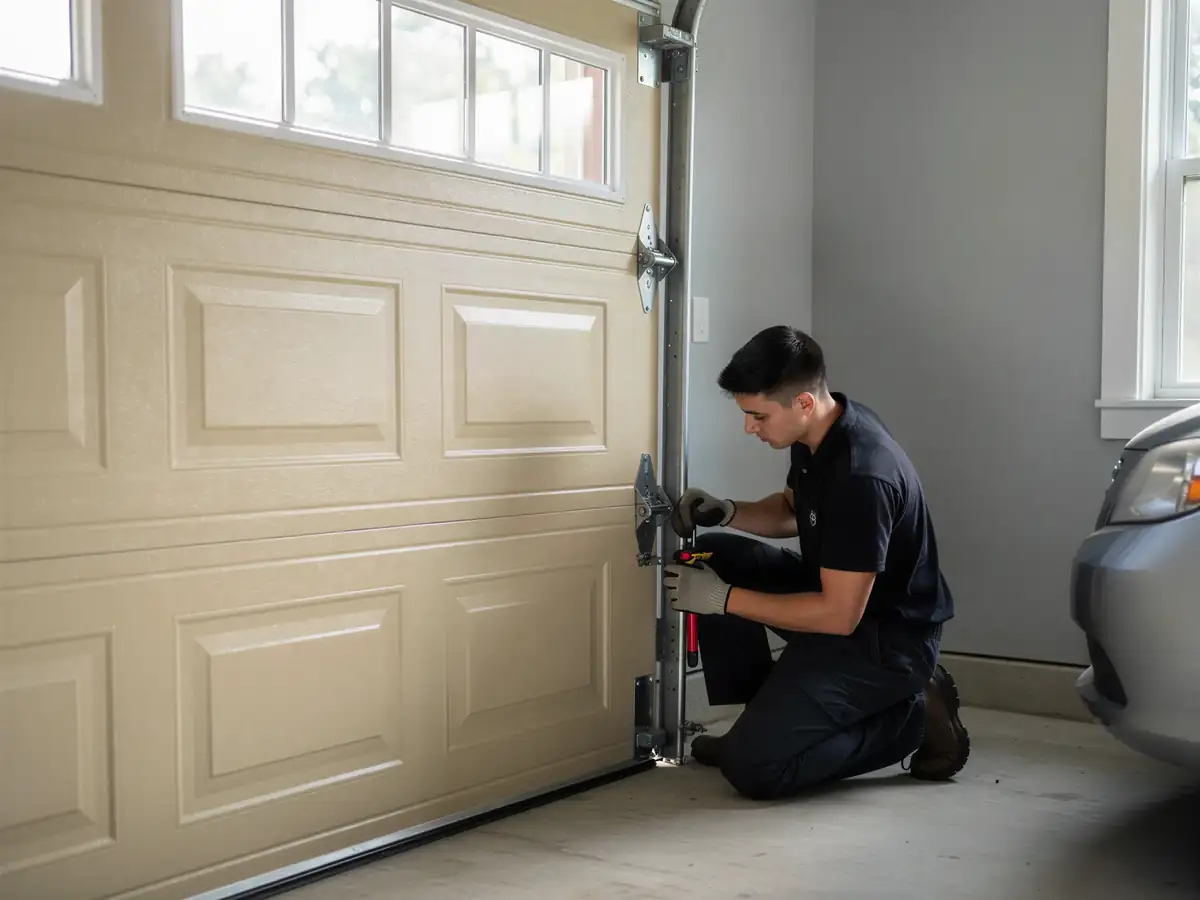
What It Costs
We don't quote a flat number for Maltby jobs, and we're not going to invent one here
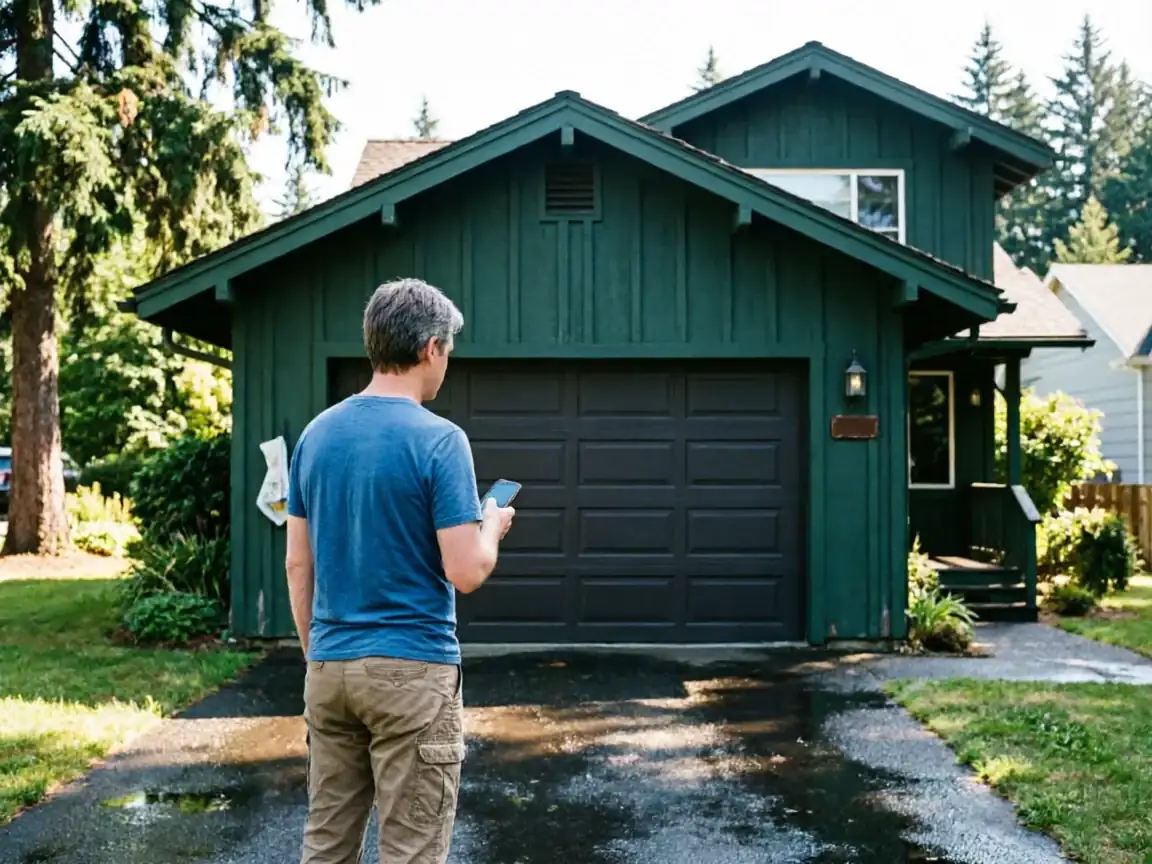
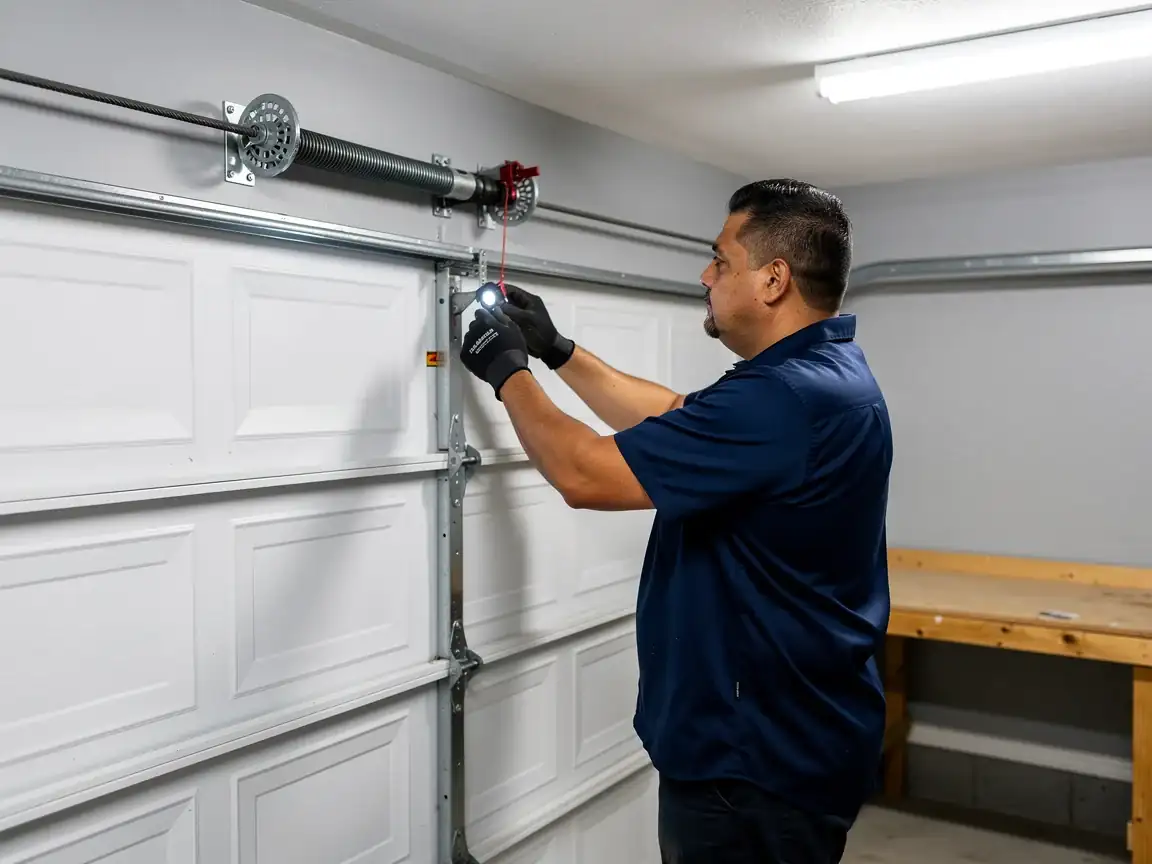
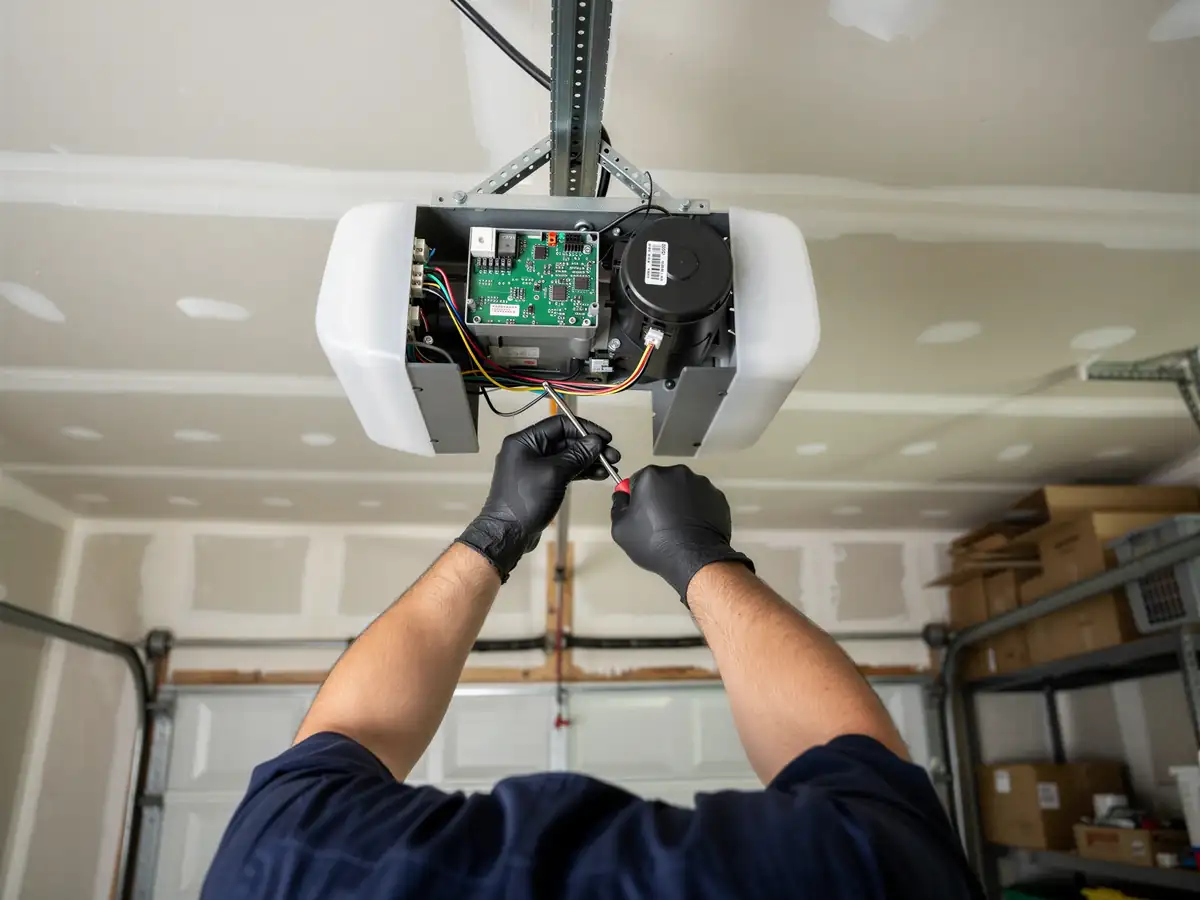
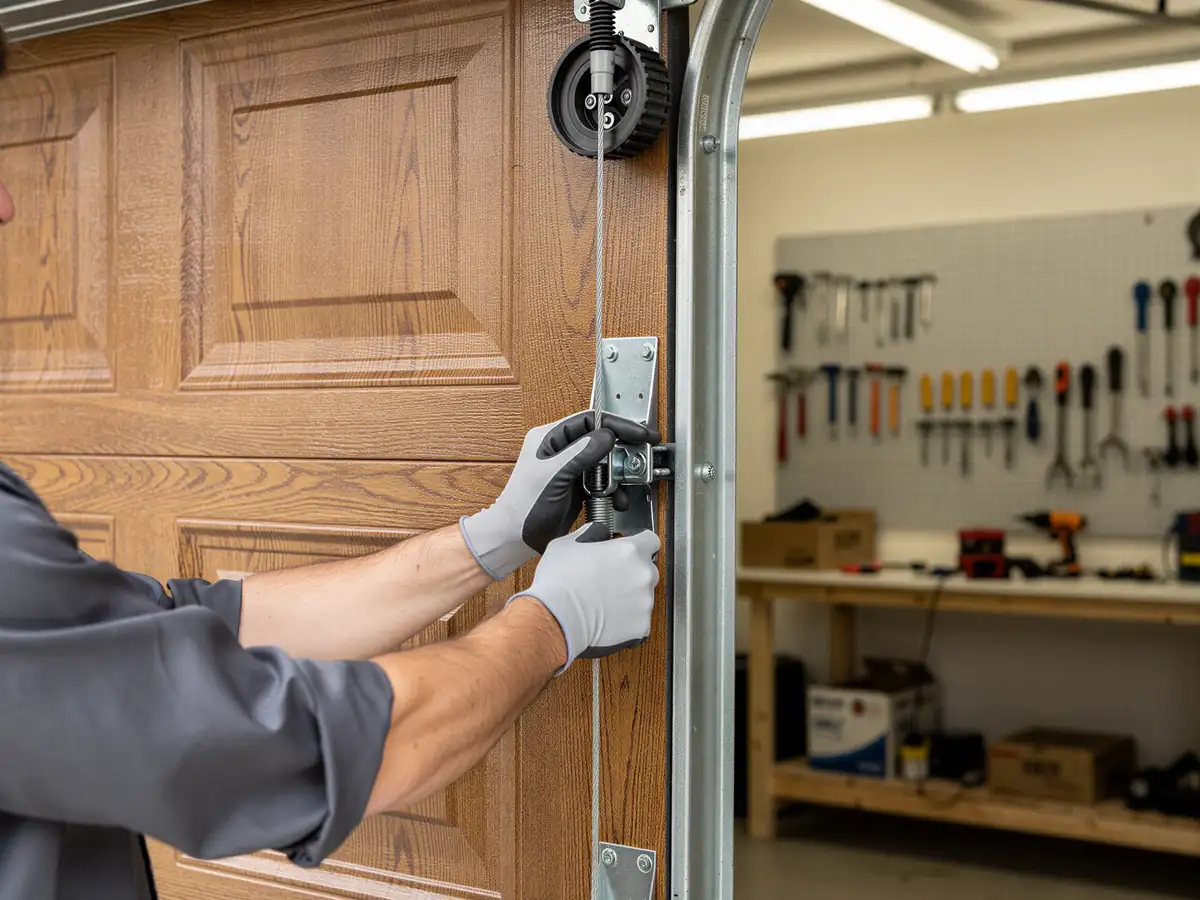
What a repair runs depends on whether you're dealing with a snapped torsion spring, a seized extension spring on an original 1983-era door, or an opener logic board that's finally given out after four decades. What we can tell you is the economics tend to run differently than in older, denser parts of the service area: with a median household income of $179,276 in Maltby, well above the broader service area's $127,043, most homeowners here choose to replace a tired opener outright rather than nurse along parts that are hard to source. That's a judgment call we'll walk you through on site, not a decision we make for you over the phone.
The one thing we won't do is quote a price sight-unseen for a spring job
Torsion and extension spring setups on doors this age vary enough in configuration that guessing a number before we've seen the hardware does nobody any favors.
How Long It Takes
We run this job out of Mill Creek, about 6 miles from Maltby, so we're not going to pretend there's a dedicated local crew sitting idle waiting for your call. Scheduling depends on where the truck already is that day and what the job in front of it looks like.
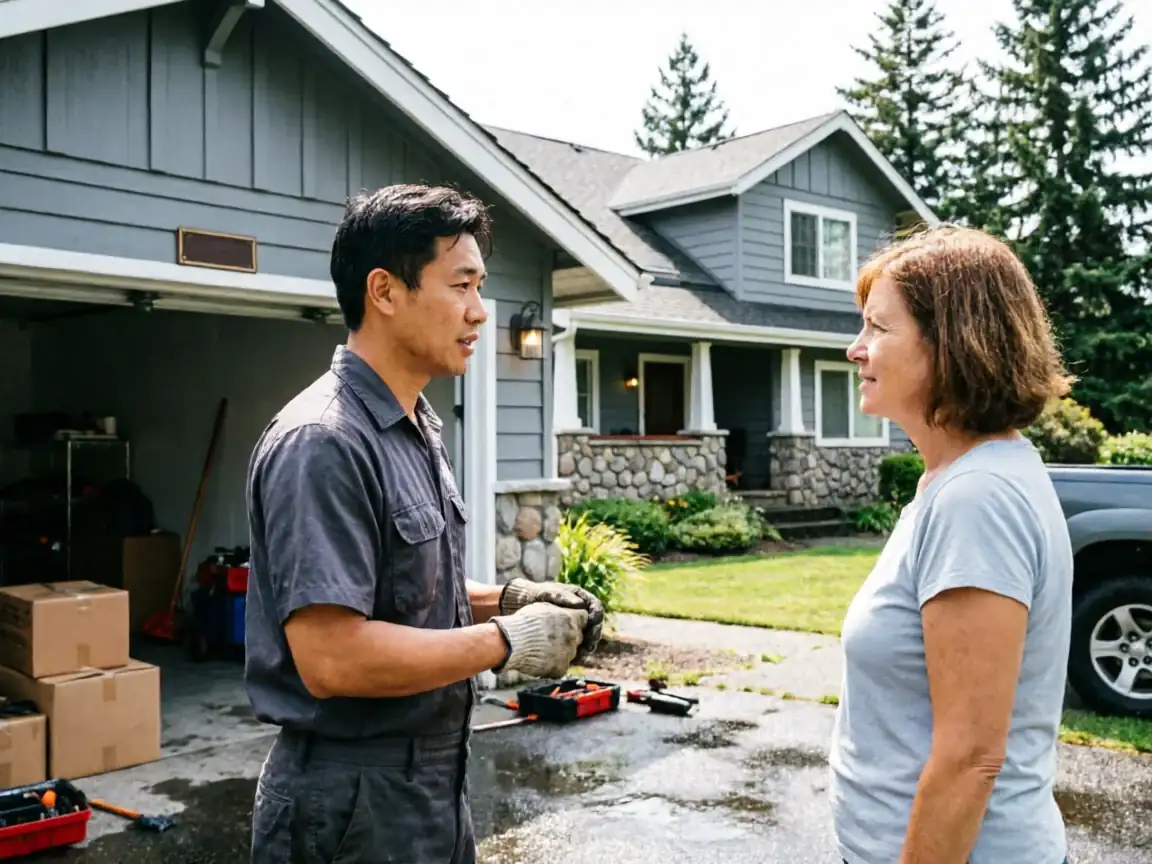
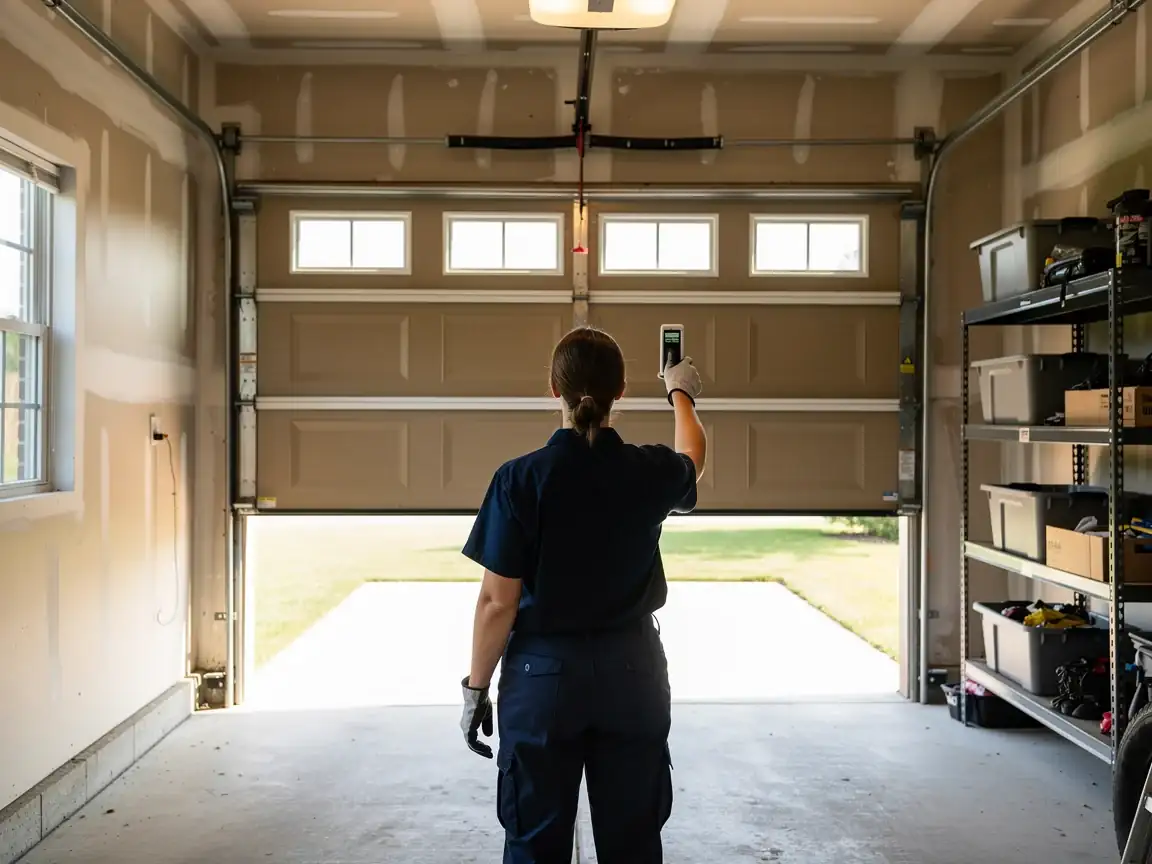
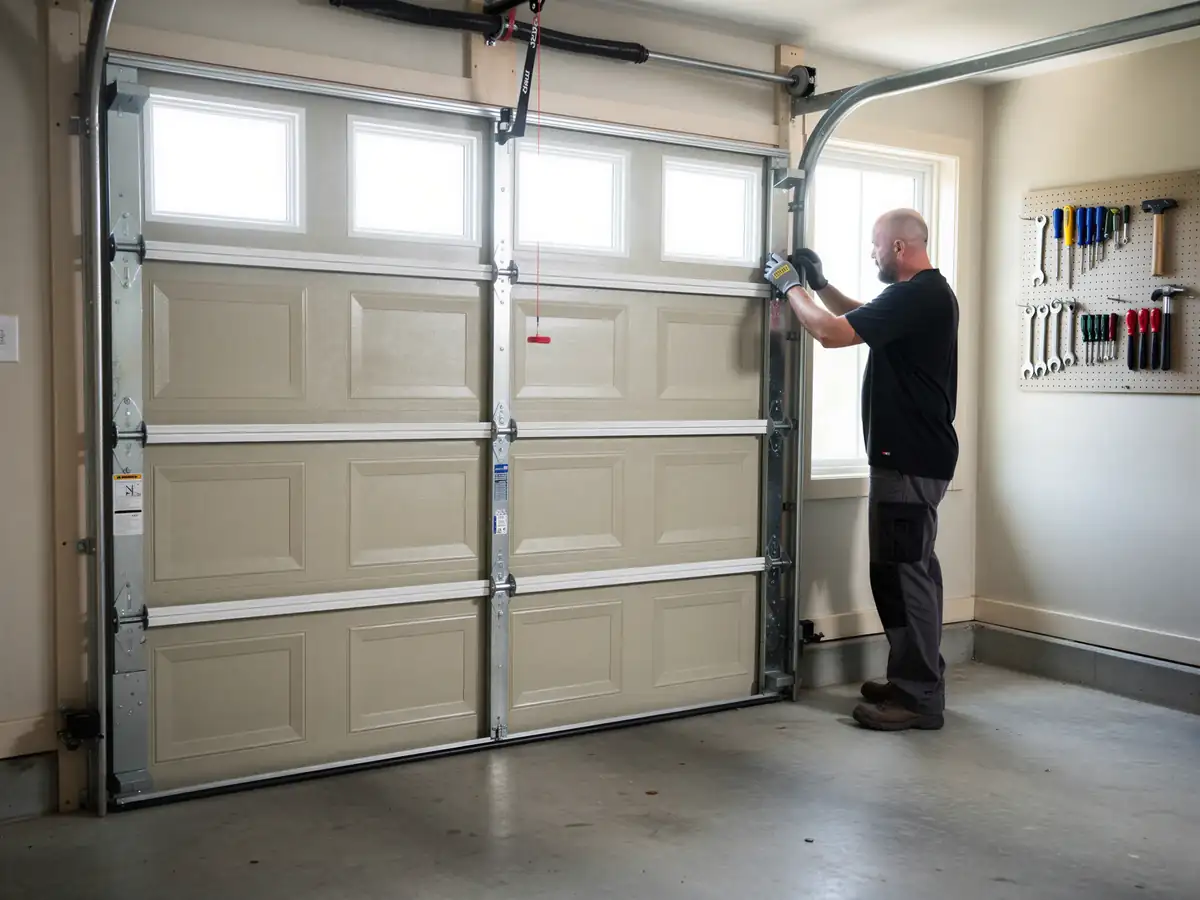
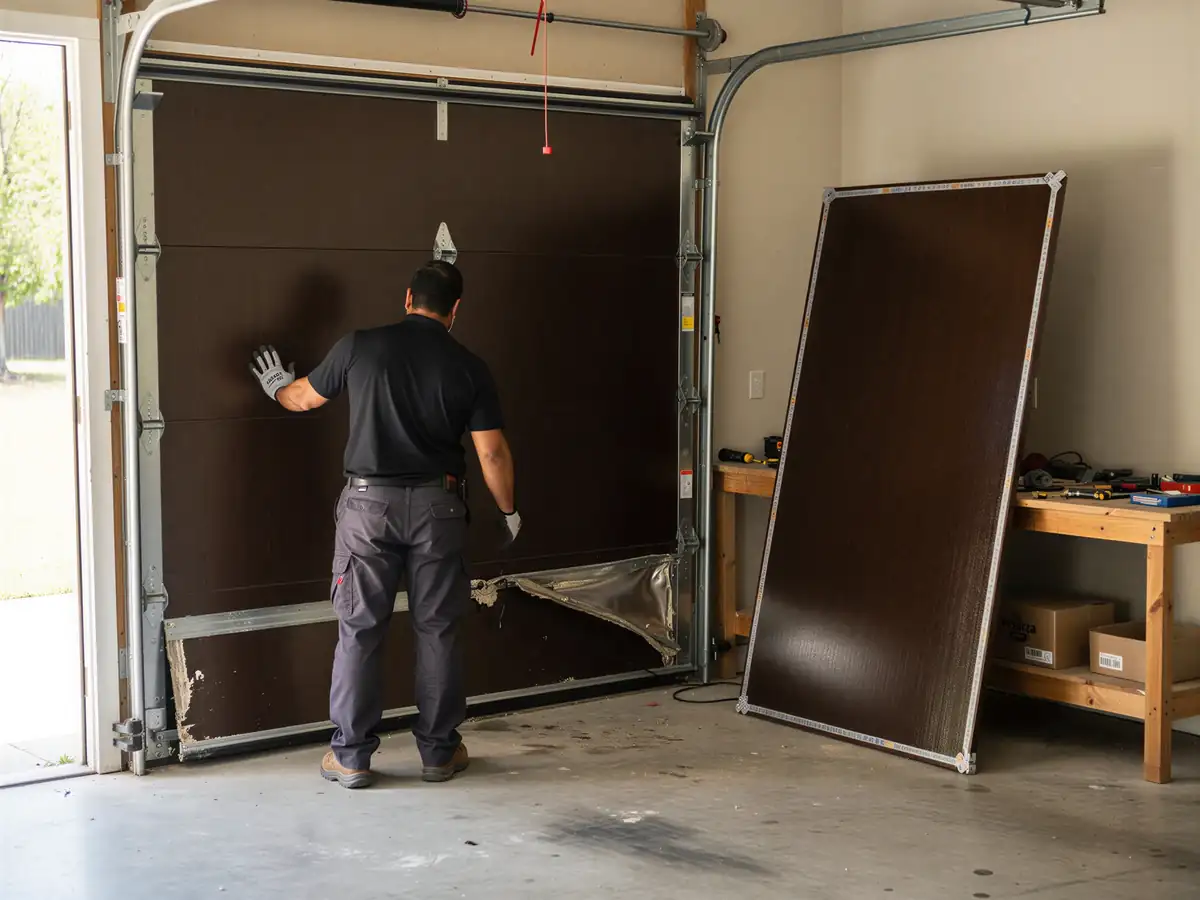
Once we're on site, most spring replacements and opener swaps on a standard single or double door wrap up in the same visit. A seized track or a door that's been limping on a bad roller for years sometimes takes longer simply because something else usually needs attention once the panel's off its hinges. We'll tell you straight if a job is going to run past the first estimate before we start tearing into it, not after.
Why It Happens Here
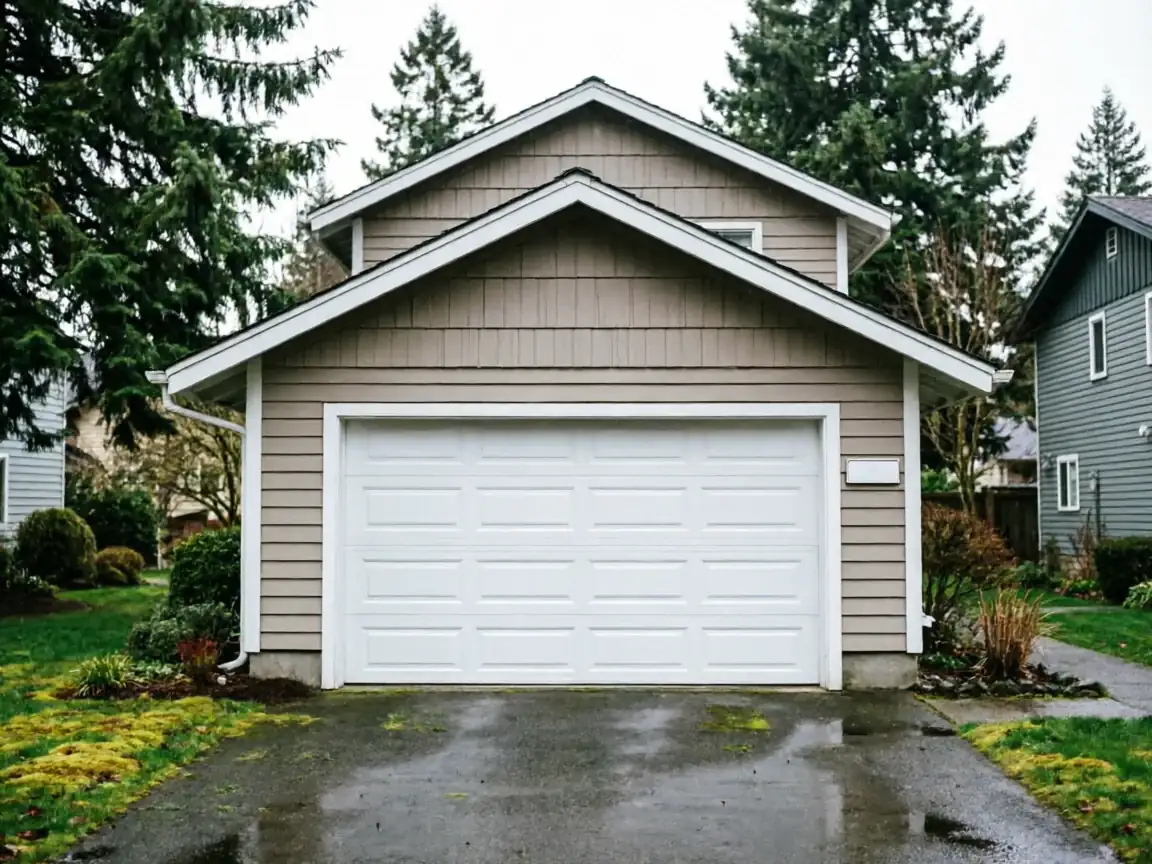
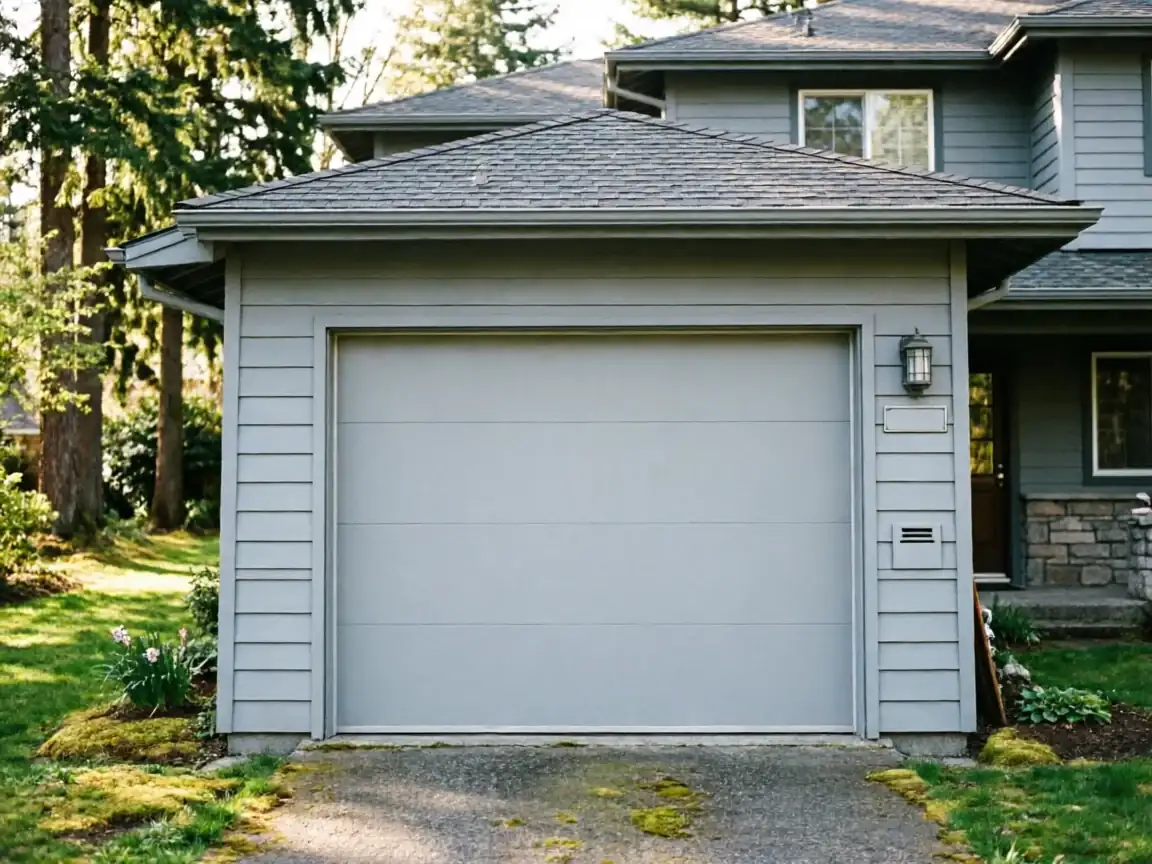
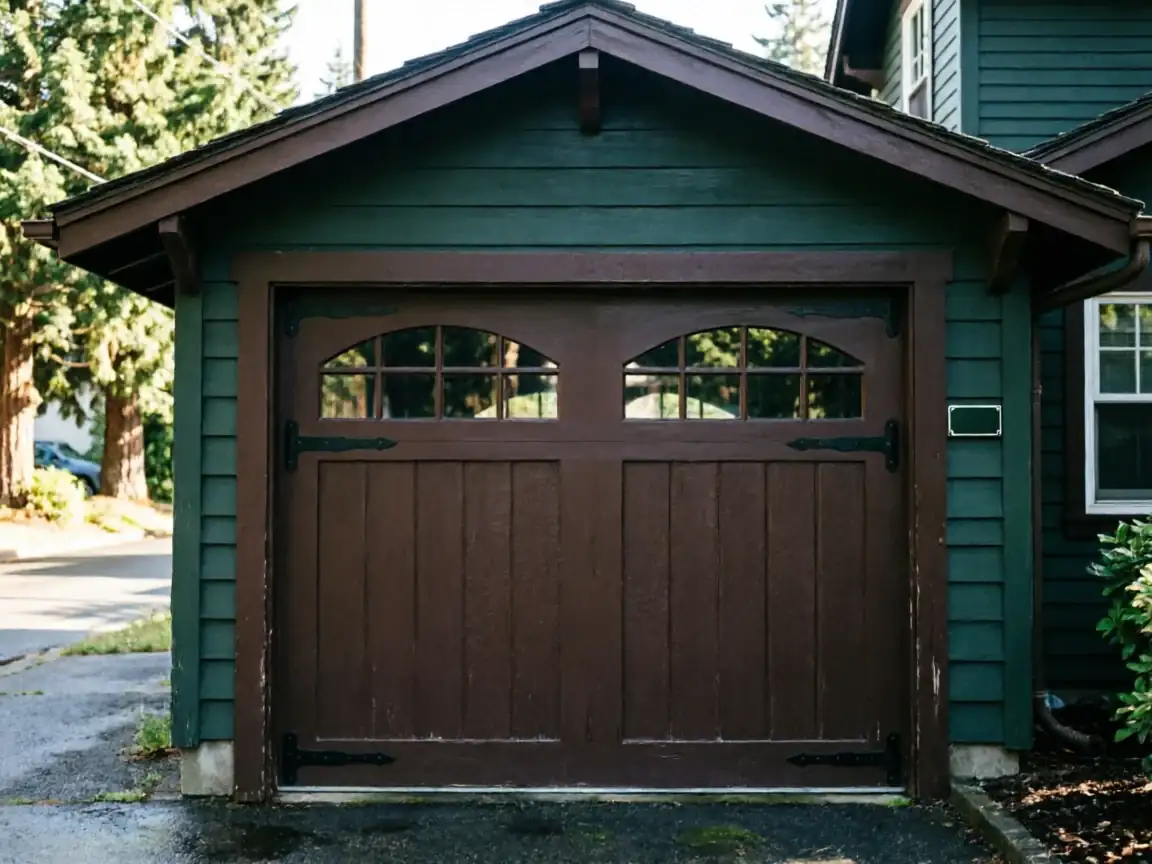
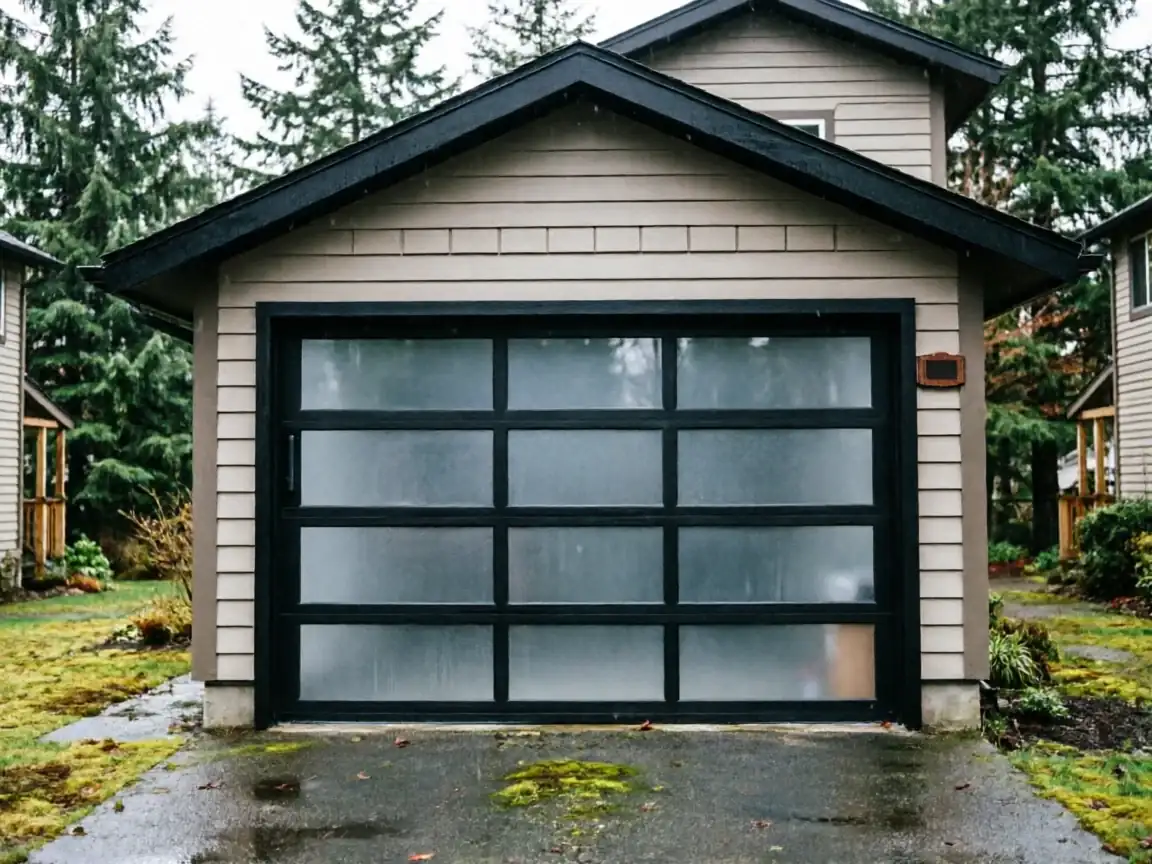
Maltby's housing stock centers on 1983, which puts a lot of doors and openers here right at the edge of the 1993 federal standard that mandated auto-reversing safety sensors. A good share of original installs in this pocket are still running extension springs instead of torsion, on hardware that predates the photo-eye sensors homeowners now expect as standard. That's not a defect, it's just the install date talking.
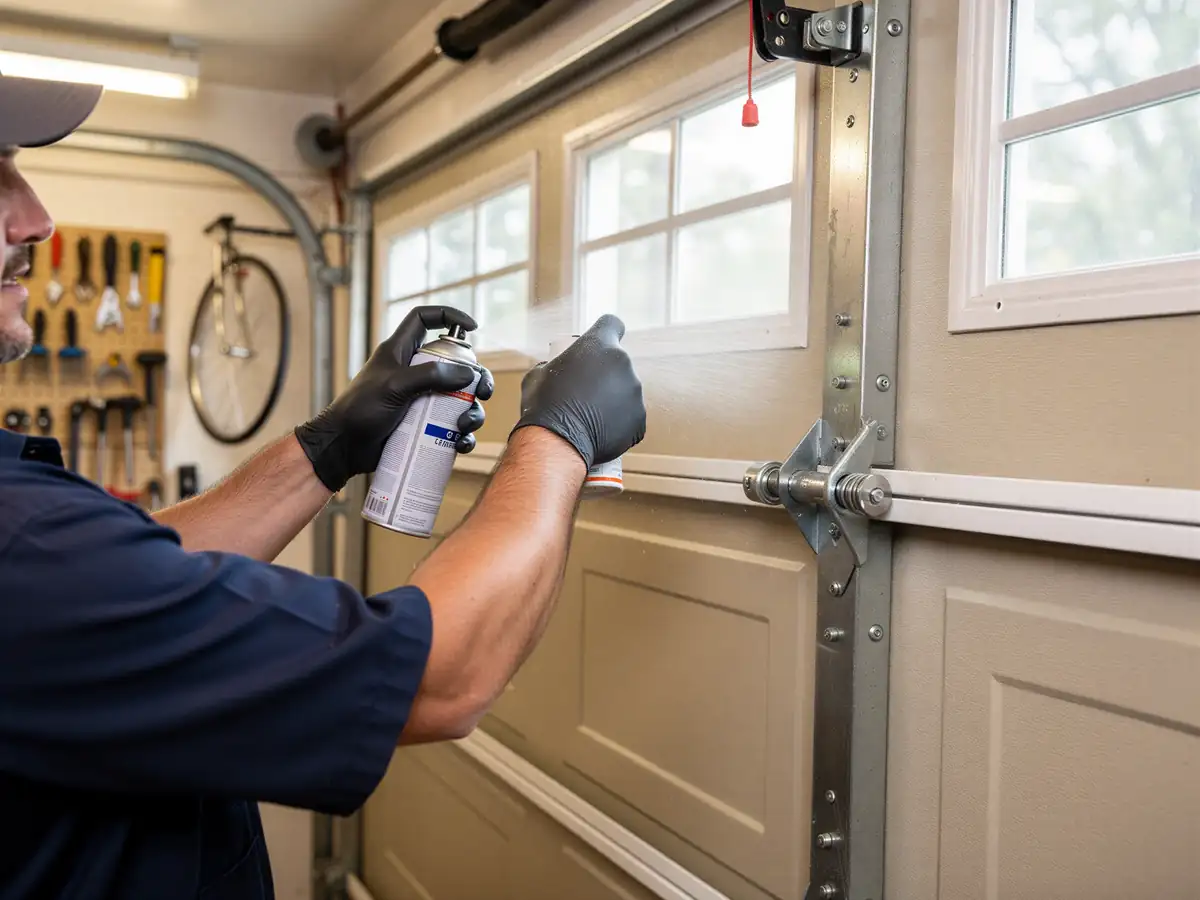
The broader service area runs from homes built in 1968 through 2000, with the bulk going up in the 1980s and 90s, so Maltby sits right in the thick of that build-out rather than at either edge. The climate band here is cold-moderate, which over 40 winters means steel tracks that have swelled and contracted enough times to loosen their mounting bolts, and rollers that have worn unevenly from seasonal moisture rather than one single failure point. With only 3,779 households in Maltby itself, against roughly 82,000 across the full service area, this is a smaller pocket of that same era, not a different one.
What You Are Seeing
On a door this age, the complaint we hear most is a door that reverses halfway up
Or won't close all the way and backs off a few inches short of the floor. That's usually a spring losing tension unevenly, not an opener problem, even though the opener gets blamed first.
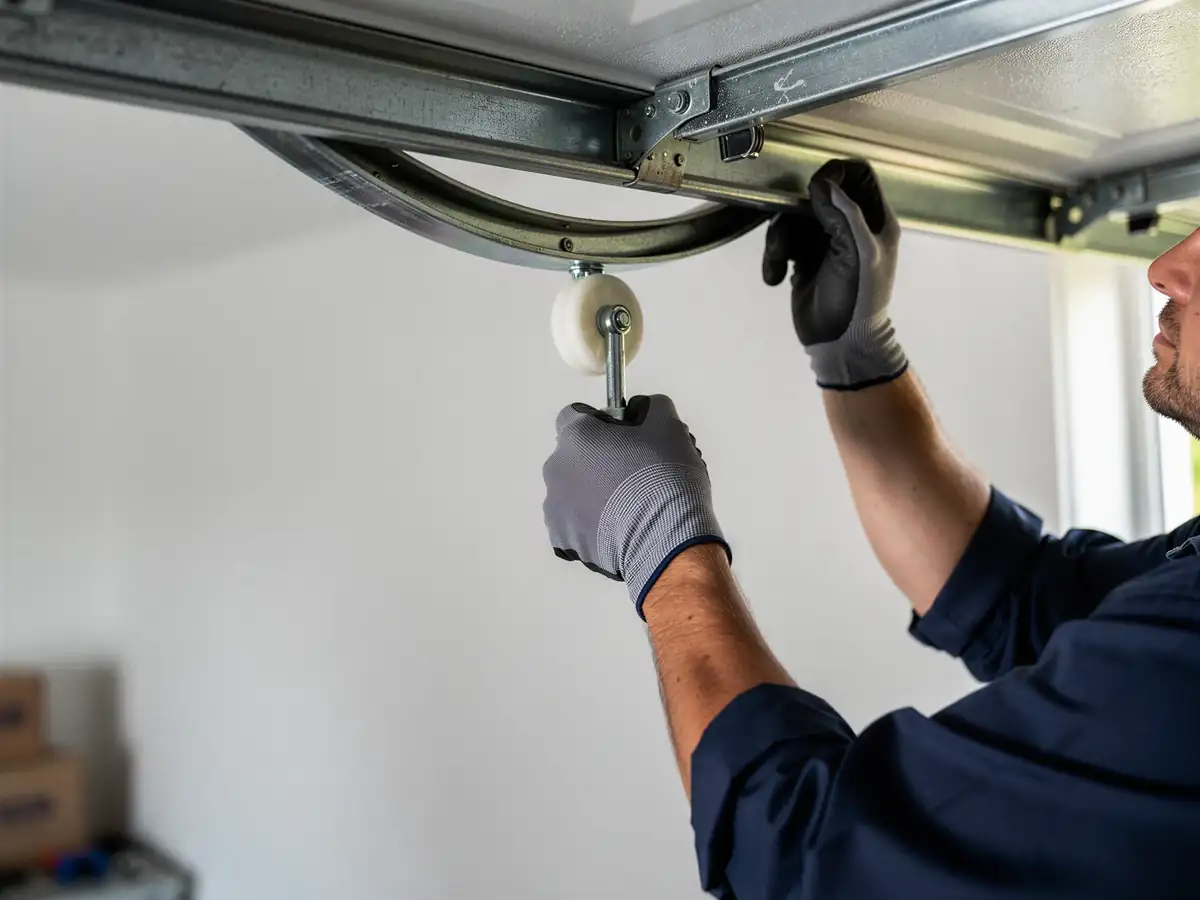
A grinding or popping sound when the door travels is almost always a roller that's worn its bearing out or a track that's shifted slightly off its original mounting line after years of seasonal movement
If the door feels heavy to lift by hand, or the opener strains and groans before it gets moving, that's a spring that's lost most of its coil tension, and on an extension-spring setup from the early 80s, that's a part we don't recommend DIY-ing given the age of the brackets holding it. A door that won't respond to the remote at all, with the wall switch doing nothing either, points to a logic board or capacitor failure on an opener old enough that replacement parts may no longer be stocked by the manufacturer.