Why It Happens Here
Most of the houses we get called to in Martha Lake went up around 1999
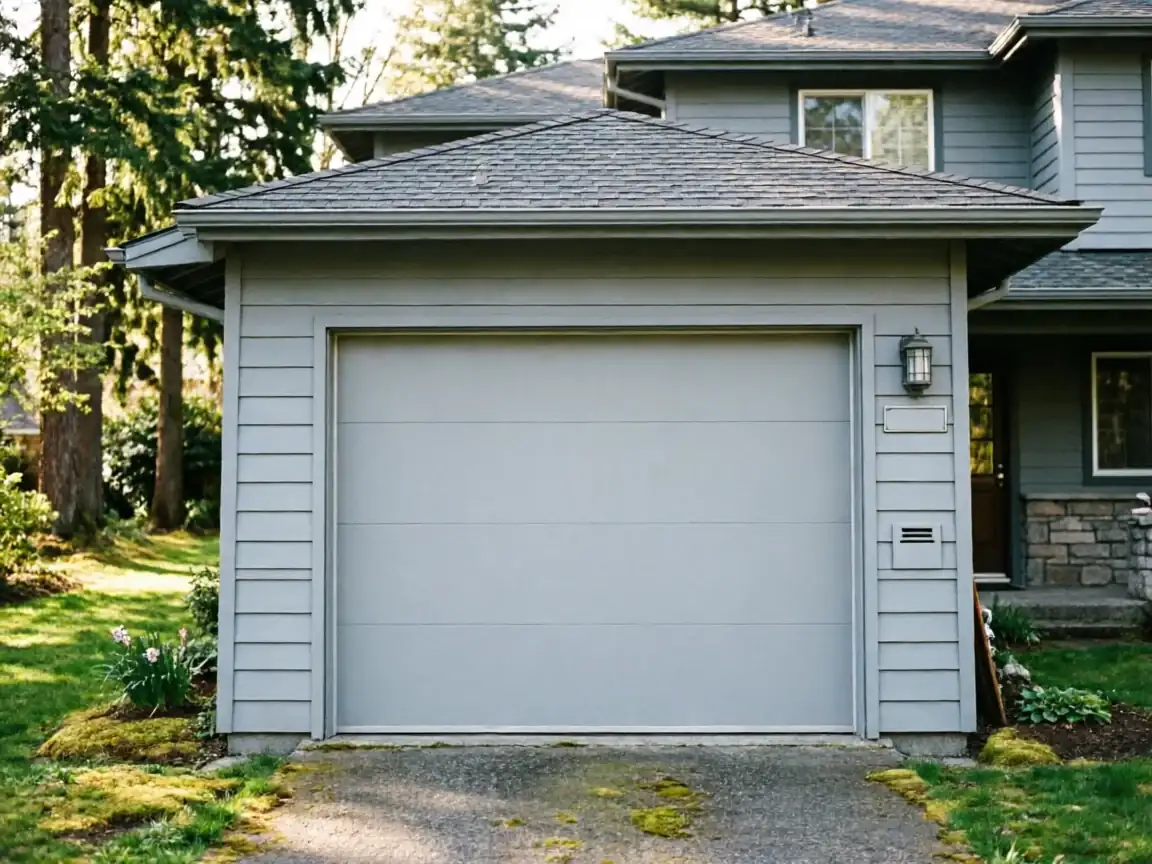
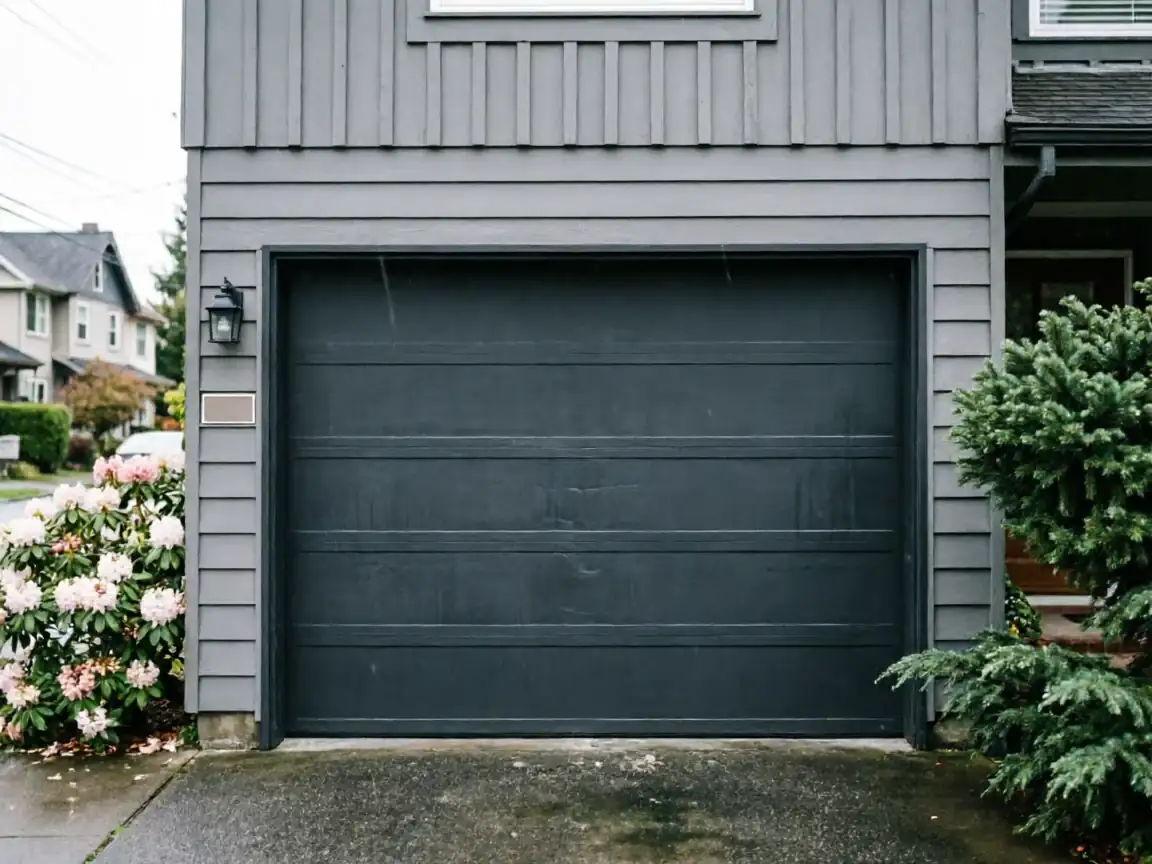
Newer than the 1968-2000 range across the wider service area, where the typical build year lands closer to 1989. That decade matters. Builders in the late 90s were already moving to thinner-gauge steel skins over foam cores to hit a price point, and those panels don't take a hit the way the heavier 70s and 80s doors do. A bumper tap from a trailer hitch or a stray basketball dents the skin without bending the frame underneath, so you end up with a crease that looks cosmetic but has already separated the foam bond behind it.
We also see corrosion starting at the bottom panel seams faster than you'd expect for a door this age
The region sits in a cold-moderate climate band, and houses built right at the edge of the 90s boom often got the cheapest trim kits available - thin aluminum capping that lets moisture track behind the skin at the seam. Once that starts, the panel below it is usually done, even if the rest of the door looks fine. It's a narrow-window problem: a few years earlier or later and the hardware specs were different.
How Long It Takes
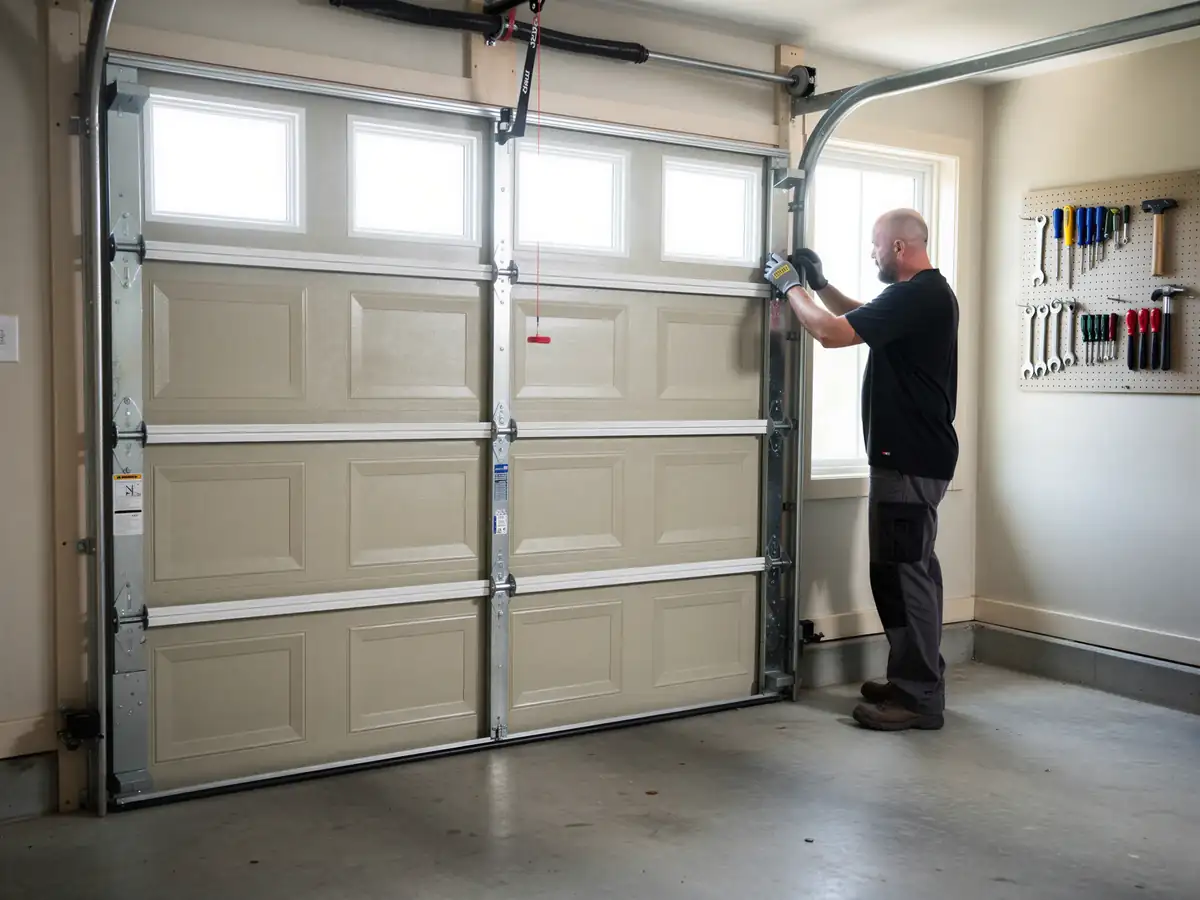
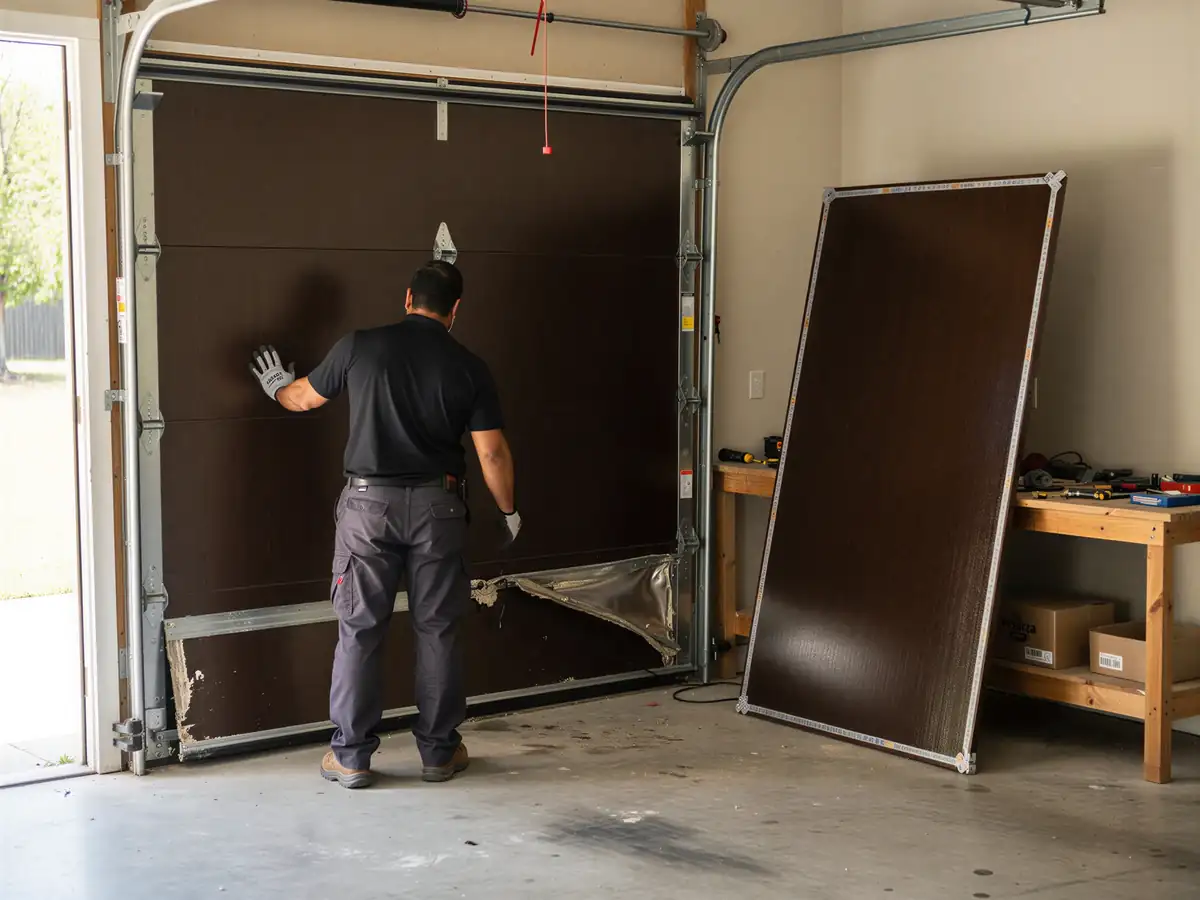
A single panel swap on a door this age is usually a half-day job once we've got the right panel on the truck - these late-90s sectional doors from builder packages used common panel heights, so stocking the match isn't usually the holdup. The holdup is color. If the door's faded over twenty-plus years of weather, a new panel next to old ones can look like a patch job even when the fit is perfect, and we'll tell you that up front rather than let you find out after.
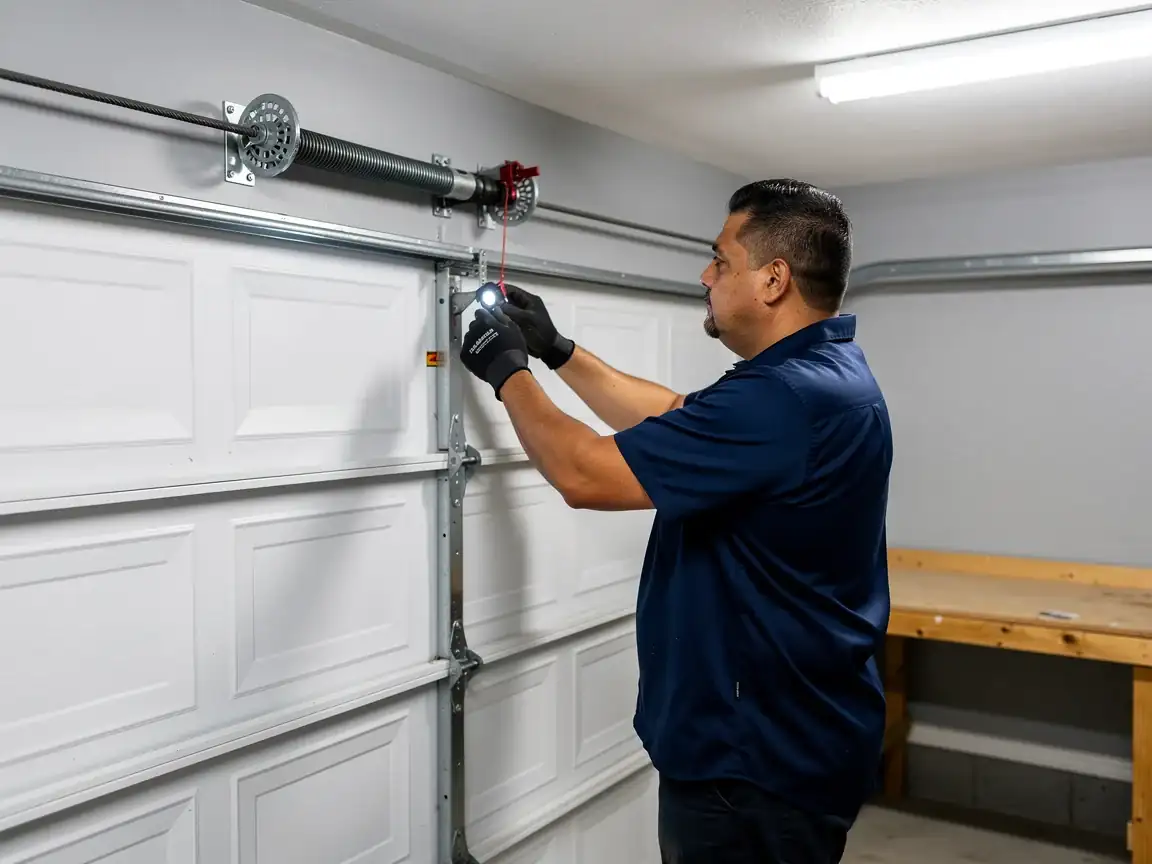
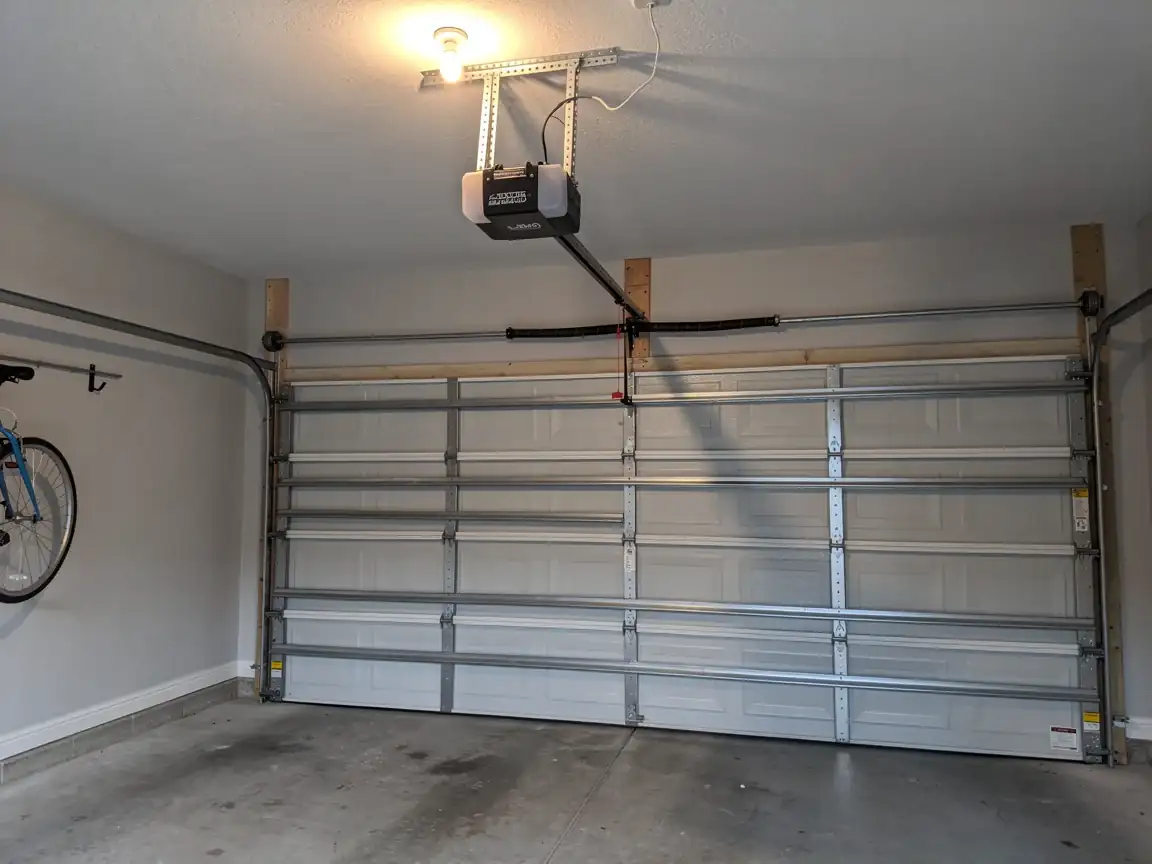
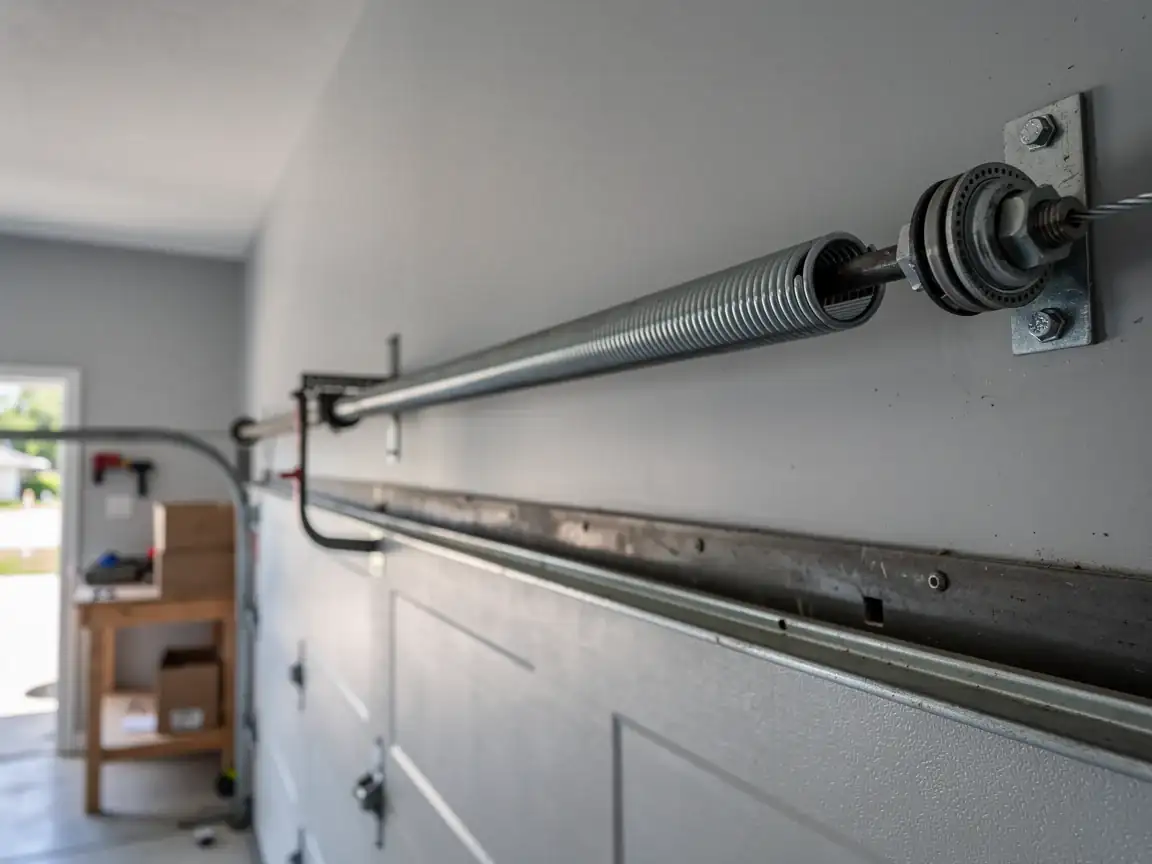
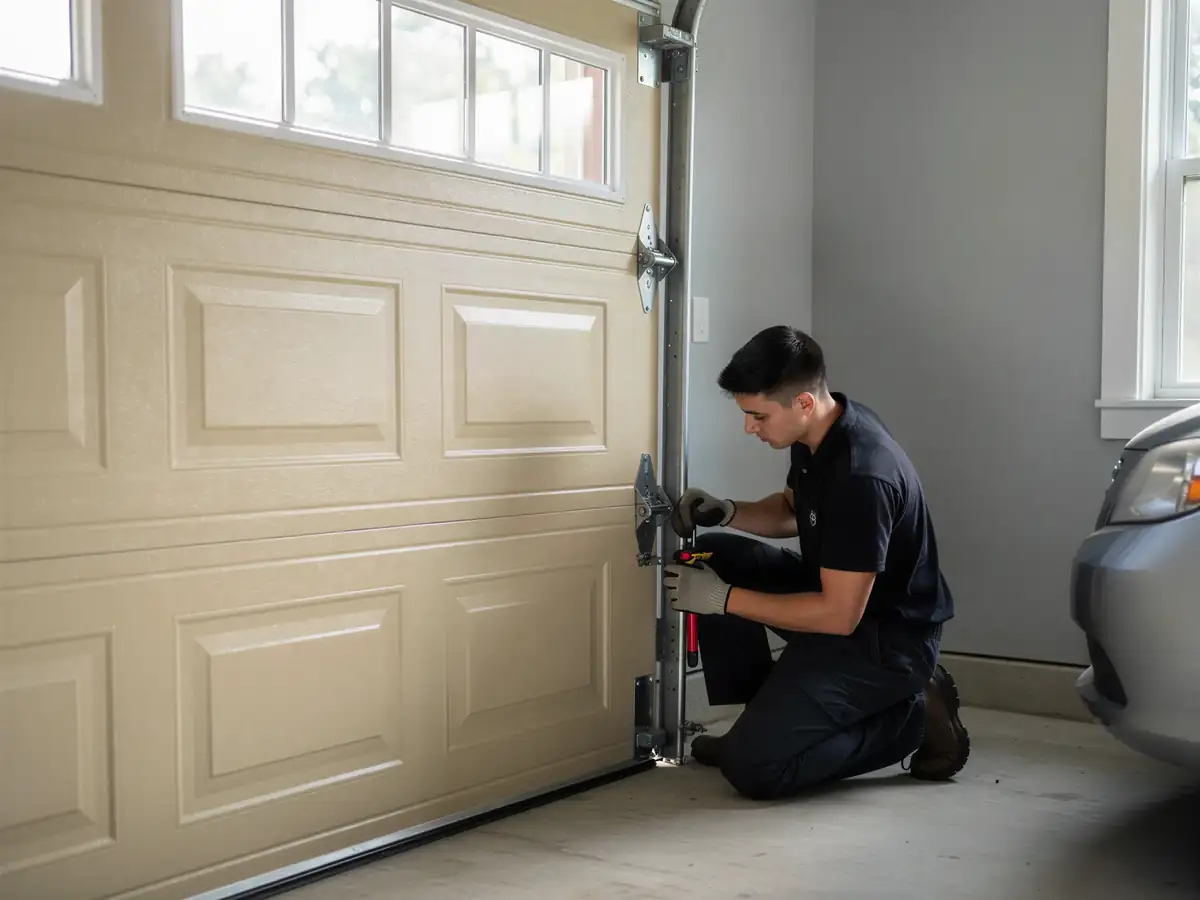
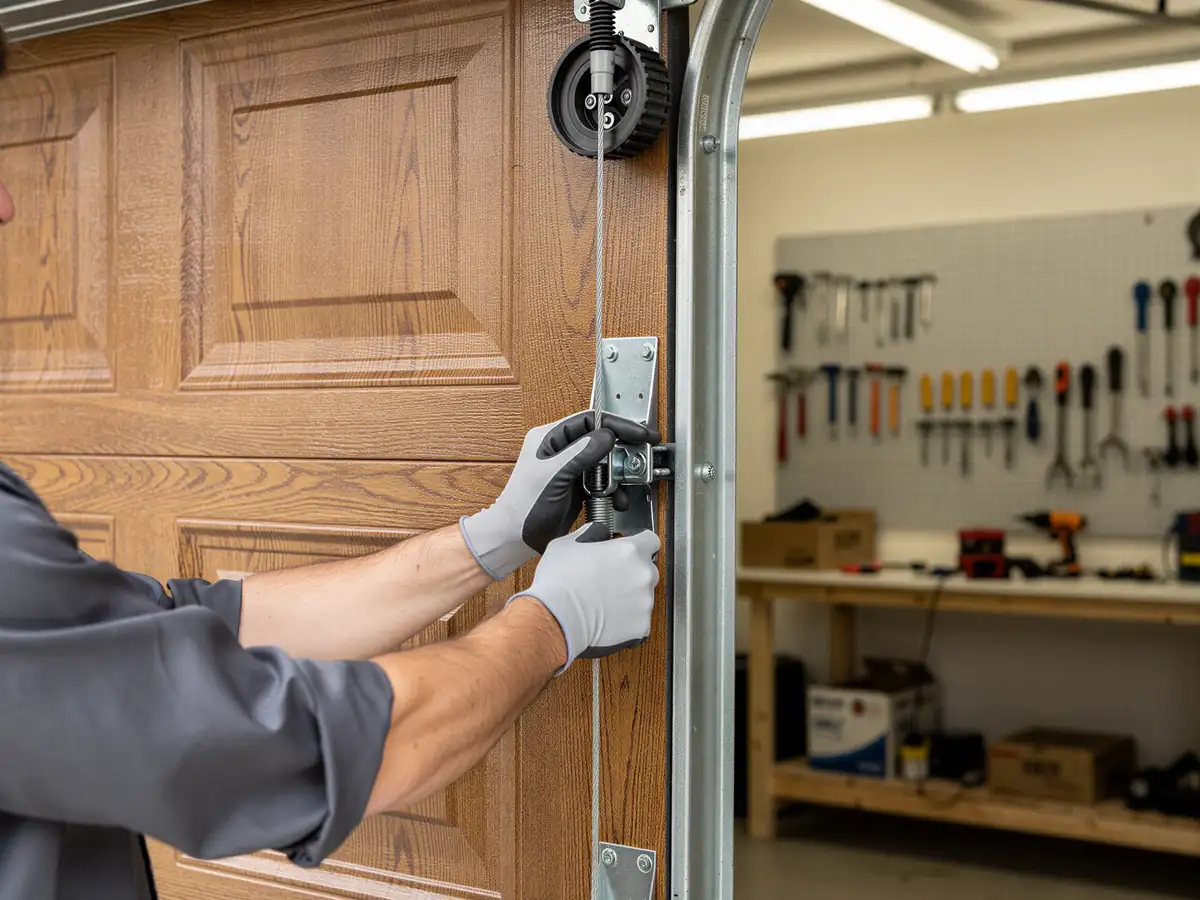
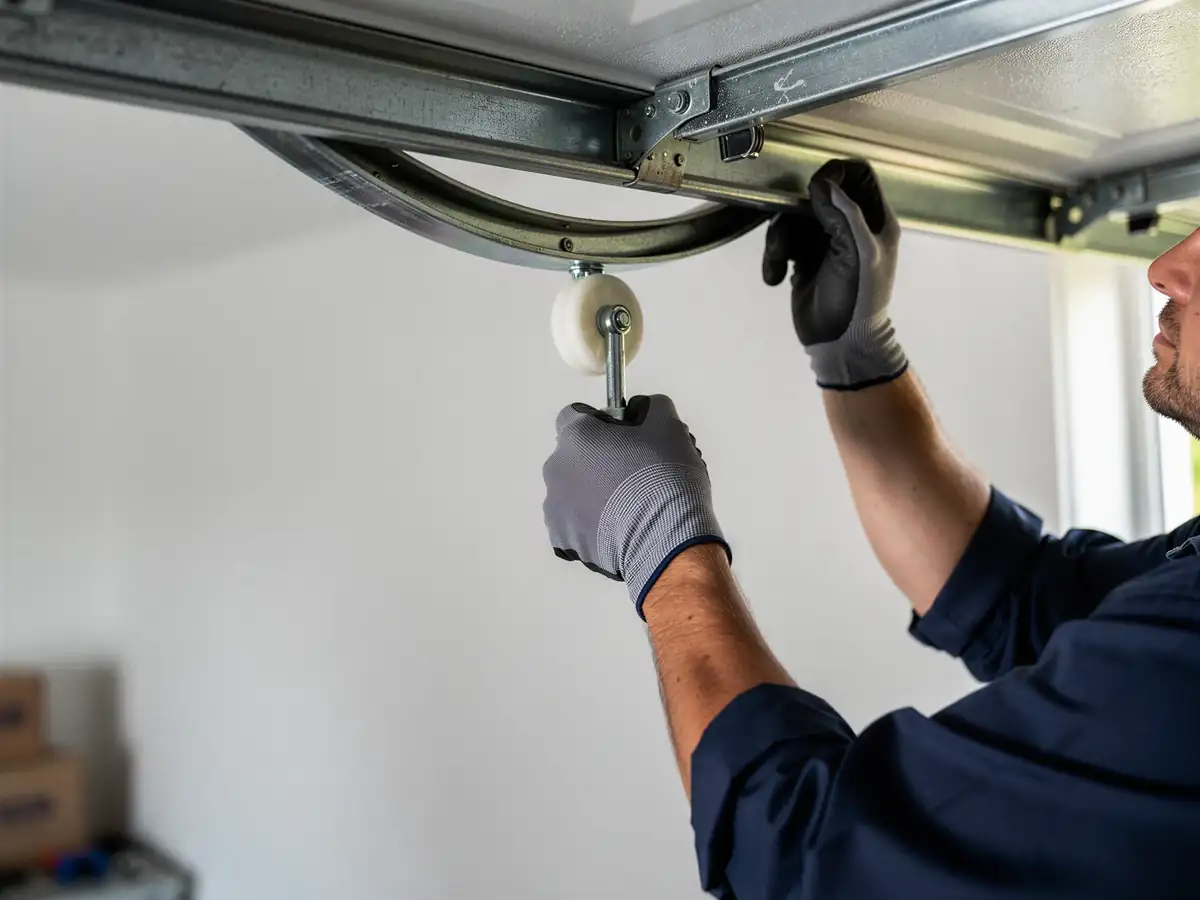
If the dent or corrosion has reached the hinge stile or the roller track bracket on that panel, the job runs longer, because we're not just swapping a skin - we're resetting hardware that's been riding slightly out of true for a while. We'd rather catch that before we close the job than have you back on the phone in a month.
Getting It Booked In
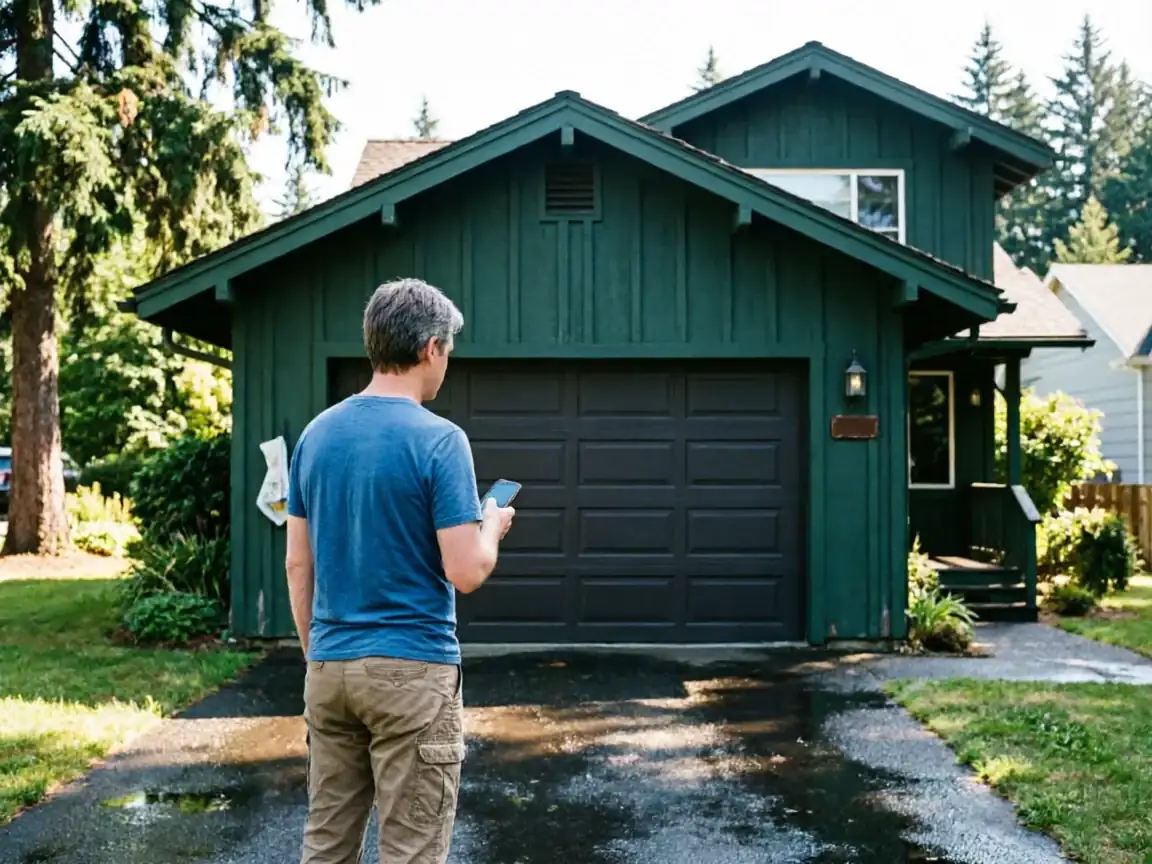
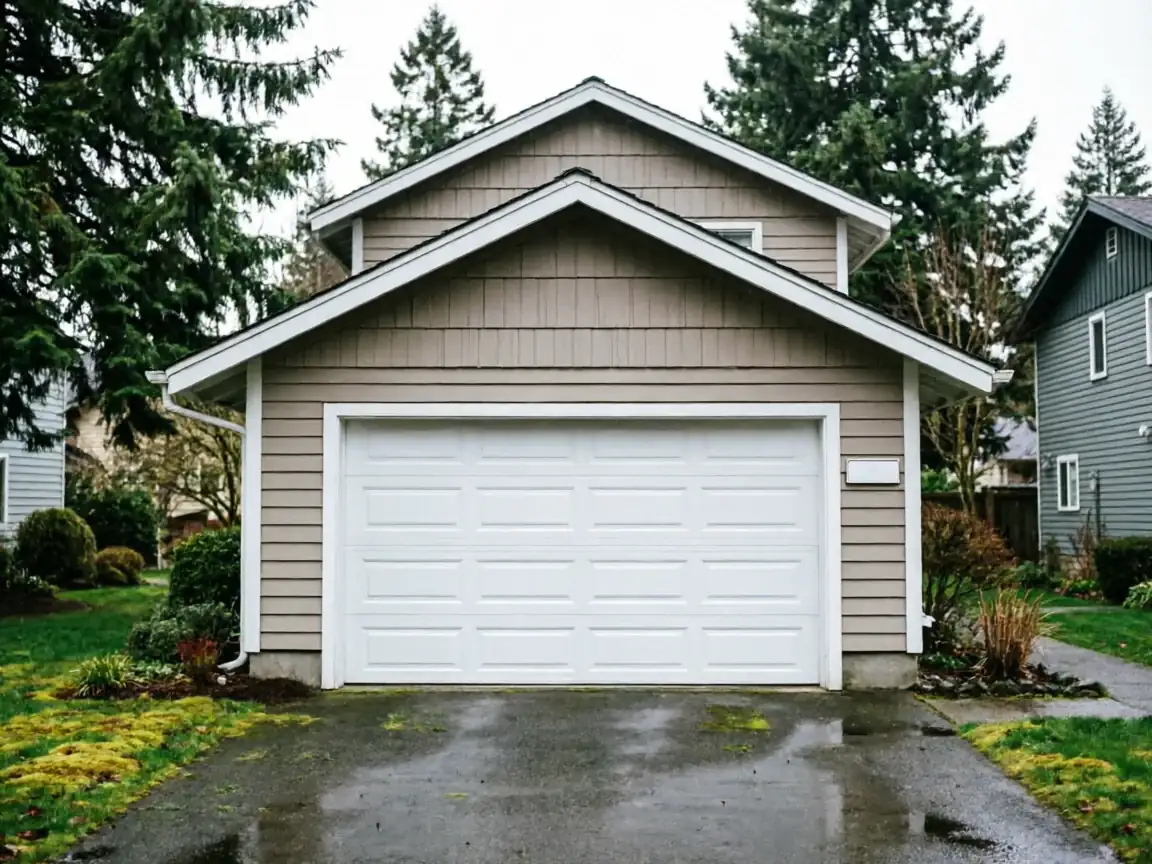
We run out of Mill Creek, about 2 miles from Martha Lake, so getting a truck to you isn't the issue - getting the right panel on it is. Tell us the door's approximate age and, if you can, a photo of the full door and a close-up of the damaged panel. For houses in this area built right around 1999, that's usually enough for us to pull the likely panel spec before we even arrive, instead of taking measurements on-site and ordering after.
We'll walk the driveway with you, confirm the panel height and the window configuration if there is one, and give you a number before anything gets ordered. See our Martha Lake coverage page for how we handle scheduling across this stretch of the service area.
What You Are Seeing
If you're staring at a dent that didn't bend the track and the door still opens and closes square
That's a cosmetic panel issue - annoying, not urgent. If the dent is near a hinge point and the door's started binding or the opener's straining on that side, the panel's likely pulled the hinge stile slightly out of plane, and that's worth getting looked at before a cable or roller takes the extra load and fails too.
Bottom-panel corrosion is the one to watch closest in homes from this era
If you see bubbling paint or a soft spot low on the door, especially near where the weatherstrip meets the panel, that's moisture that's been sitting behind cheap trim for a while. It won't fix itself, and it tends to spread to the panel next to it before you notice.
What It Costs
We don't have a flat number to quote here - panel cost depends on which section's damaged, whether it has a window cutout, and whether the color match is close enough to skip a repaint. What we can tell you is that for a household budget in this area, where median income runs higher than $127,043 across the wider service area, a single panel swap is a small job compared to a full door replacement, and most Martha Lake calls we get stay in single-panel territory because the damage caught early hasn't spread to the rest of the door.
We'll give you the actual number on-site once we've seen the panel and matched the spec, not before.
The DIY Question
Swapping a single steel panel on a sectional door is within reach for someone comfortable with basic tools, if the door's unplugged from the opener and the panel isn't carrying a hinge or roller bracket that's out of alignment. Where it stops being a weekend job is the color and seam match - these late-90s doors have had twenty-plus years of UV exposure, and a panel ordered to spec sheet color rarely matches on sight.
We'd also flag this honestly: if the corrosion we described above has reached two or more panels, patching one at a time usually costs more in total than replacing the door's bottom section as a unit. We'll tell you when that's the case instead of selling you a panel we know won't hold.